Vertigo Journal
 Facebook ad: “Read This If You Have Vertigo”
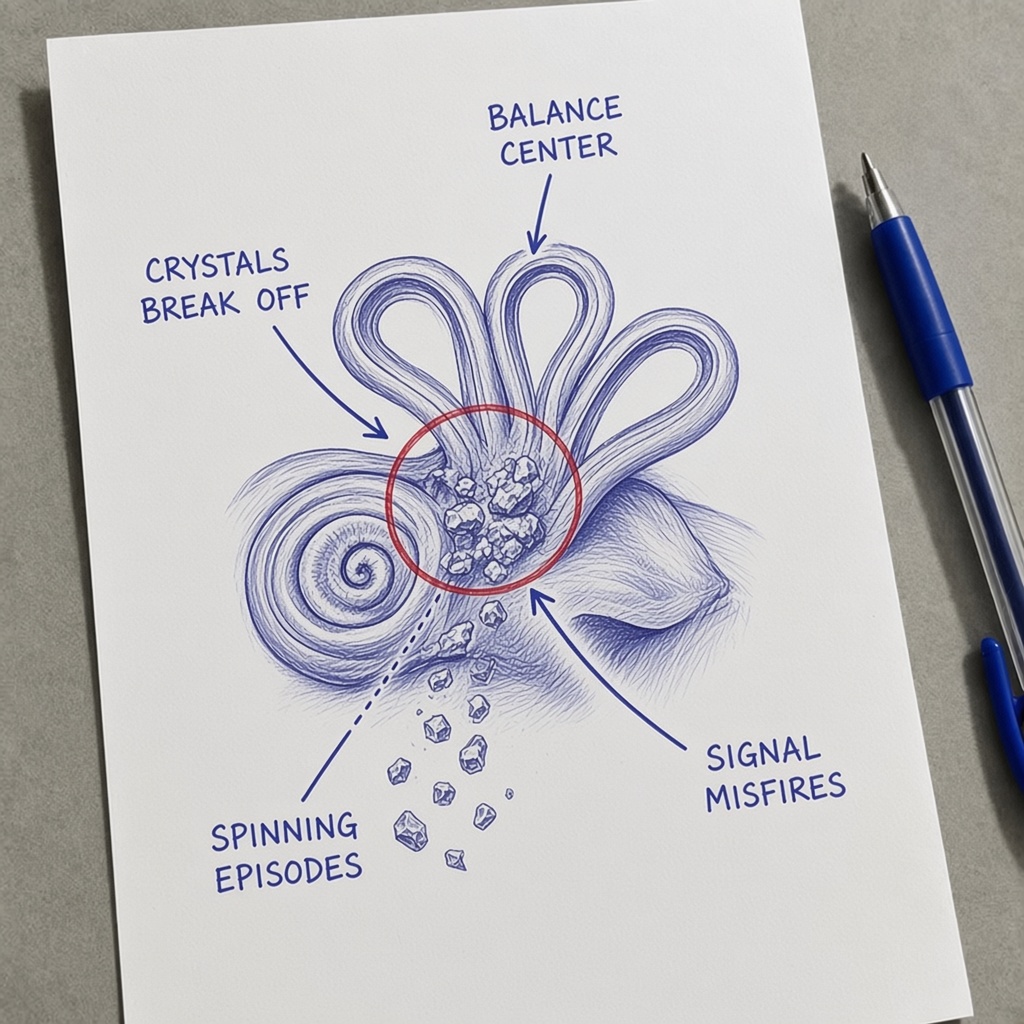
Ran for 4 days, from November 15 to November 19, 2026, the last day Crush saw it.
Run by Vertigo Journal on Facebook. Crush is not the advertiser and does not verify its claims. See this ad in Meta's Ad Library(opens in a new tab)
Make your own version of this ad
Crush makes it, launches it in your own Meta ad account, scales the winners and pauses the losers.
About this ad
- Meta Ad Library ID
- 1615605453069139
- Platforms
- Facebook and Instagram
- Relaunches
- 0
Ad text
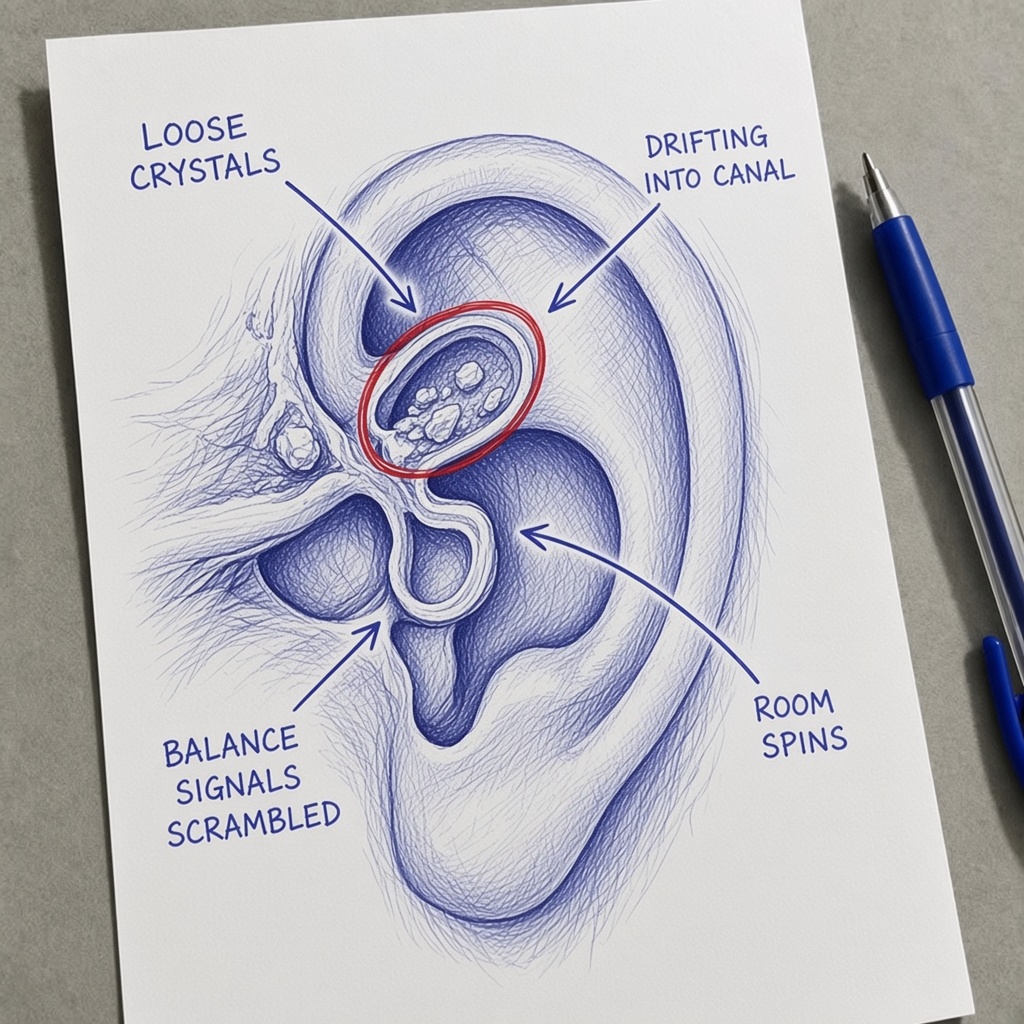
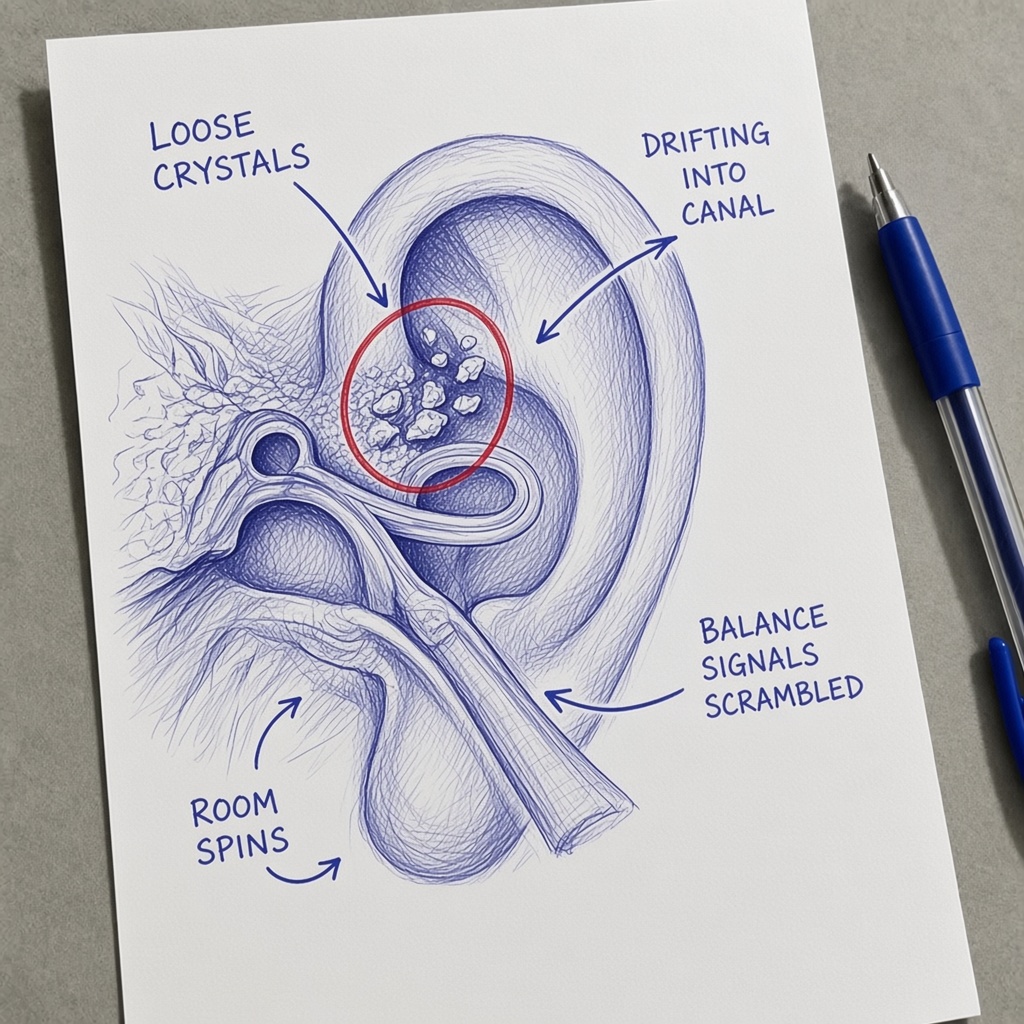
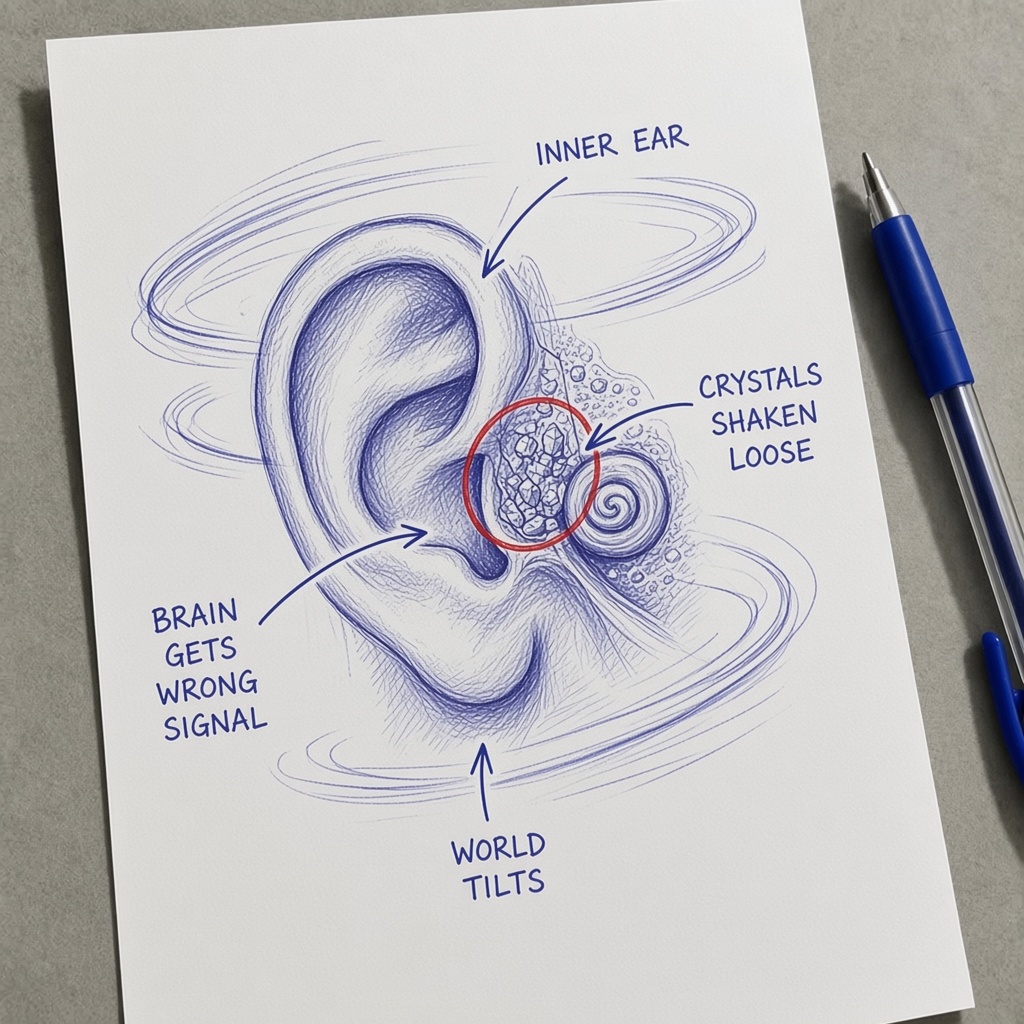
I'm a board-certified neurotologist. I ran a 90-day experiment on myself with Foclair Ginkgo Biloba Capsules to see if I could stop my own severe rotational vertigo episodes without heavy vestibular suppressants. Here are the actual results. I've been a practicing balance and inner-ear specialist for 26 years, and chronic vertigo is the single most frustrating thing I treat. I've sat across the desk from thousands of patients and explained the same things over and over. The sudden room-spinning that strikes without warning. The violent nausea that keeps you glued to the bathroom floor. The fear that makes a woman refuse to drive a car or walk down a grocery aisle by herself. I've watched patients break down in my office because their dizziness won't stabilize no matter what they do. About 3 years ago, it happened to me. I'm 57. It started one morning out of nowhere. First a slight floating sensation, then violent spinning, then the whole room tilting sideways whenever I turned my head. All those years under harsh clinic lights, stressed from double shifts, staring at diagnostic screens. It finally caught up with me. At first it was one brief dizzy spell while rolling over in bed. I figured I was just dehydrated or exhausted. Then it escalated and the episodes hit with brutal, disorienting force, leaving me gripping the doorframe, drenched in cold sweat and fighting waves of nausea. I couldn't get my equilibrium back no matter what I did. Then came the constant off-balance fog. Subtle at first, then that heavy, swaying sensation when I walked down the hospital corridor at night. I'd sit on the edge of my bed in the morning and test my head movement, and the feeling of the room shifting would set the mood for my whole day. If the horizon stayed still, I had hope. If it tilted, I was terrified to leave the house. The same anxiety I tell my patients to push past, I now had myself. I started gripping walls when I walked, avoiding bright, crowded places, dreading my morning commute. The irony wasn't lost on me. Now I was the patient. Every single one of them was right. My colleague wanted to start me on high-dose vestibular suppressants and anti-nausea sedatives. Heavy-duty prescription medications. I told her I'd think about it. But I knew I wasn't going to take them. I prescribe meclizine, benzodiazepines, and steroid courses every single day. I also see what they do to people. The warning labels I have to go over because daily vestibular sedatives leave you groggy, cloud your memory, and actually prevent the brain from naturally recalibrating. The $400 prescription patch or round of inner-ear injections that patients endure for 18 months and get maybe a 10% lasting relief rate once the medication wears off. The endless Epley maneuvers and gaze-stabilization drills that trigger vomiting and leave you exhausted for days. And the worst part? Half my patients relapse the moment they taper off the pills, and the spinning comes roaring right back. My own mother lost her independence to severe chronic vertigo, suffered a bad fall that broke her hip, and spent her last years afraid to walk without holding onto furniture. I'm a specialist and I couldn't fix it for her. I wasn't gambling my alertness and brain function on those sedatives. So I did what I tell every patient to do first. I cut caffeine and sodium, slept propped up on two pillows, did Brandt-Daroff exercises every night, and stayed aggressively hydrated every morning. My balance felt a fraction steadier for an hour after waking up. I was still gripping the kitchen counter most mornings. I tried over-the-counter motion sickness pills too. The literature on natural botanical extracts and inner-ear microcirculation is real, I've mentioned it to patients for years. I bought a generic ginkgo biloba bottle from Amazon, the one with all the 5-star reviews. Took it every morning for 6 weeks. My vertigo didn't budge. Tried the drugstore dimenhydrinate tablets too. Same result. I figured my own inner ear must just be too damaged and too far gone for anything non-prescription to make a difference. Then about 2 months ago, one of my regular patients came in for her follow-up. Sweet woman, 67, has had debilitating episodic vertigo for over a decade. She'd been on prescription suppressants and diuretics for years and her balance only got worse. But this time her chart looked different. She walked down the exam hall without touching the wall and passed every gaze test cleanly. I almost asked her if we'd pulled the wrong file. I asked her what she was doing differently. She got a little sheepish and said "Doctor, I added something on my own. I didn't want to bother you about it." I told her she could bother me about it. She pulled a bottle of Foclair Ginkgo Biloba Capsules out of her purse and said this was the only thing that had stopped her spinning spells. Then she said "I tried to tell my friend Susan about it, but the cheap store brands don't work, you have to get something that actually reaches the inner ear." I'll be honest, I was very skeptical. Patients bring me supplements every week and 99% of them are nonsense. But her steady gait was right there in front of me, and I knew her well enough to know she wasn't faking it. That night I sat in my kitchen feeling the floor gently sway beneath my chair, feeling defeated. So I got out my laptop and went deeper into the literature than I had in years. Here's the mechanism, in plain language. The inner ear's vestibular labyrinth is fed by some of the tiniest, most delicate micro-capillaries in the human body, and poor blood flow starves those balance hair cells of oxygen. Generic ginkgo supplements? They fall into the Absorption Trap. You swallow raw, unstandardized leaf powder, and 95% of the active compounds break down in harsh stomach acid or get filtered out by the liver before they ever cross into cochlear and vestibular circulation. Meanwhile, high levels of ginkgolic acid in poorly refined extracts trigger stomach upset and vascular irritation without calming the misfiring vestibular nerve. You have to deliver standardized, bioavailable flavone glycosides and terpene lactones directly into microcirculation to restore oxygen flow and stabilize the inner ear. That's the whole pathway. The compounds that actually do this are precision-standardized EGb-grade botanical extracts formulated for rapid microvascular uptake without heavy sedative side effects. Then I went and looked at the generic ginkgo bottle I'd been taking. It was unstandardized raw leaf dust with zero bioavailability enhancers. The drugstore motion sickness pills? Just dulled my brain signals while leaving my inner ear starved of blood flow. The clinical thinking pointed to high-absorption microvascular support, not central nervous system sedation. No wonder I wasn't seeing results. I kept reading. The bigger problem isn't even the herb itself, it's how it's standardized and absorbed. Most ginkgo capsules are cheap raw-powder fillers or poorly extracted blends that never carry enough active terpene lactones across the blood-labyrinth barrier to stop the vestibular misfiring. So even when a label says "high potency," the actual amount of active compound reaching your inner ear is almost nothing by the time it matters. I'd been mentioning ginkgo biloba to my patients for years and I'd never actually checked whether the supplement bypassed the Absorption Trap with a standardized, high-bioavailability formula. None of them were getting close to a real therapeutic microvascular dose. None of us were. I started looking for any ginkgo formula that was: Standardized to clinically studied levels of flavone glycosides and terpene lactones, not raw leaf powder (so it actually reaches the inner ear) Ultra-low in ginkgolic acids and formulated for rapid cellular absorption into delicate vestibular capillaries Free of synthetic binders or drowsy sedatives, and third-party tested (an outside lab confirms what's actually in the capsule) I kept seeing the same brand mentioned over and over in vestibular support groups. Foclair. The same one in my patient's purse. I ordered it. It was more expensive than the drugstore ginkgo I'd tried. At that point I didn't care. When it arrived, I checked the supplement panel first. Precision-standardized ginkgo biloba extract, zero raw leaf filler, no harsh synthetic additives. Clean, easy-to-swallow capsules, simple daily ritual, which I appreciated since I was tired of chalky, stomach-turning pills that left me foggy. I took my first dose with breakfast that Monday morning. The first two weeks, nothing changed drastically on the surface, and I didn't trust it. I kept testing my head turns carefully in the morning. By week 4, I noticed the constant swaying fog had lifted and the sudden morning spins stopped. Walking down bright hospital hallways wasn't the trigger it used to be. By day 45, I rolled over quickly in bed without the room tilting once. Dead still. I tested it three times just to be sure. At day 90, I stood in my driveway in the bright morning light: completely grounded, crisp focus, zero spinning, zero nausea. For the first time in 3 years, the vertigo was gone without the groggy sedatives or inner-ear injections. I sat on the edge of the bed and cried. I'm a neurotologist. I treat this every day. And nothing I'd done for 3 years had steadied my own balance like this. That morning dread when I opened my eyes and waited for the ceiling to spin? Gone. The fear that had me gripping walls and avoiding driving? Mostly gone, I turn my head freely in traffic now and I don't flinch when someone walks past me quickly. I sleep flat on one pillow and I stopped canceling dinner plans because of fluorescent restaurant lights. When I mentioned it to my colleague at the 3-month mark, she watched me walk briskly down the hall, looked at me, and said "we don't need to talk about vestibular suppressants anymore." She actually asked what I was taking so she could mention it to a few of her own patients. I've quietly mentioned Foclair Ginkgo Biloba Capsules to 12 of my own patients with chronic vertigo since then. The ones who've followed through have all come back with steadier balance and fewer episodes. One woman who'd been relying on prescription sedatives for 8 years finally had a completely spin-free month under careful monitoring. She told me she danced at her granddaughter's wedding for the first time in 6 years. Look, for almost 3 years I thought I had two options. Gamble on heavy sedatives that cloud my mind and stall recovery, or keep swallowing cheap drugstore pills that never reach the inner ear until I lost my independence like my mother did. As a specialist, I knew exactly where the second road ended. I was wrong about those being my only alternatives. And here's something I wish I'd understood sooner. Not all ginkgo supplements are the same. I wasted months on cheap bottles that did nothing because of the Absorption Trap. Foclair's standardized, high-bioavailability ginkgo biloba formula is the only one that actually steadied my inner ear. If my patient hadn't pulled that bottle out of her purse, I'd still be gripping walls, dreading every morning, putting off the heavy medication conversation with my doctor. I'm sharing this because I hope it helps someone else. After 26 years as a specialist, I thought I knew every option for vertigo. Turns out, my patient knew something I didn't. Here's where I got mine: https://foclair.com/pages/ginkgo-biloba (They're running a promotion right now. I just ordered 3 more bottles for my cabinet.) ~ Dr. Sarah Martinez, MD. P.S. A few things I wish I'd known before I ordered: When I first ordered Foclair, I didn't know they had a 60-day money-back guarantee. If your balance doesn't improve, you get a full refund. No questions asked. I wish I'd known that earlier. Would have saved me months on cheap supplements that did nothing. Most people order at full price, but right now they're running a promotion that knocks the cost down significantly. That's how I was able to grab 3 bottles at once. The catch is Foclair is produced in controlled batches. Standardizing pure, bioavailable ginkgo biloba extract takes far longer than grinding cheap raw leaf powder, and they maintain strict third-party testing standards. They sell out often. I've had patients message me asking if it's back in stock yet. I want to apologize in advance because when you click below, you might see they're sold out. If they are, the email signup notifies you the second a new batch is ready. If you've been dealing with sudden room-spinning, that constant off-balance fog, the fear of driving or walking alone, or you're trying to avoid heavy prescription sedatives the way I was, I'd grab a bottle before they're gone. I went from gripping walls in terror to completely steady balance in 90 days. As a neurotologist, that's the kind of stability I'd usually only see on patients we'd put on aggressive clinical protocols. If there's even a chance this could work for you, it's worth trying. Check if Foclair is in stock here: https://foclair.com/pages/vertigo
Where the ad sends people
foclair.com
Read This If You Have Vertigo
"Former Vertigo Sufferer’s Spouse and Researcher Challenges the Balance Industry’s 'Endless Bed Rest & Motion Sickness Pill Playbook' — and Reveals the Internal Approach He Turned to After Years of Sudden Room-Spinning, Disorientation, and Loss of Balance (Without Relying on Harsh Treatments, ...
Learn more: foclair.com(opens in a new tab)