
Active· since May 29, 2026
- 60
- days running
- 0
- relaunches
Ad copy
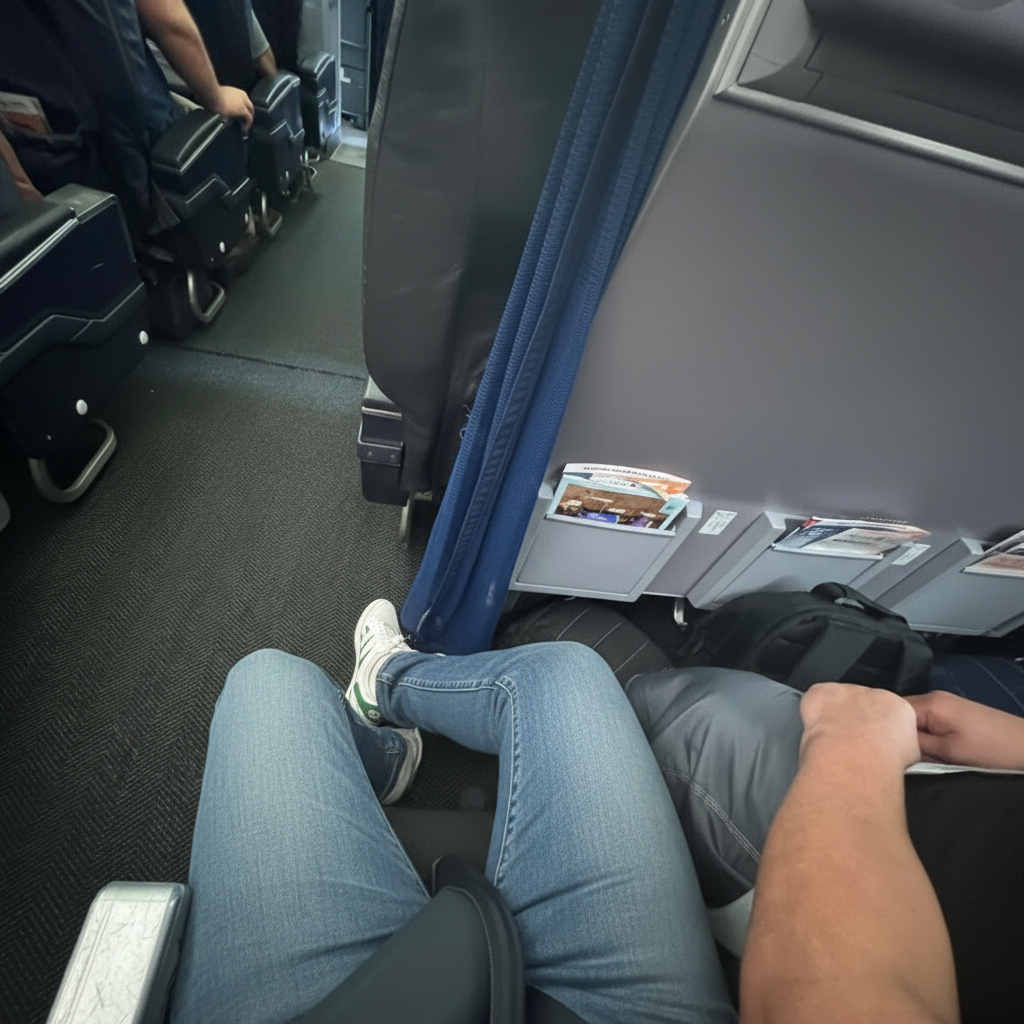
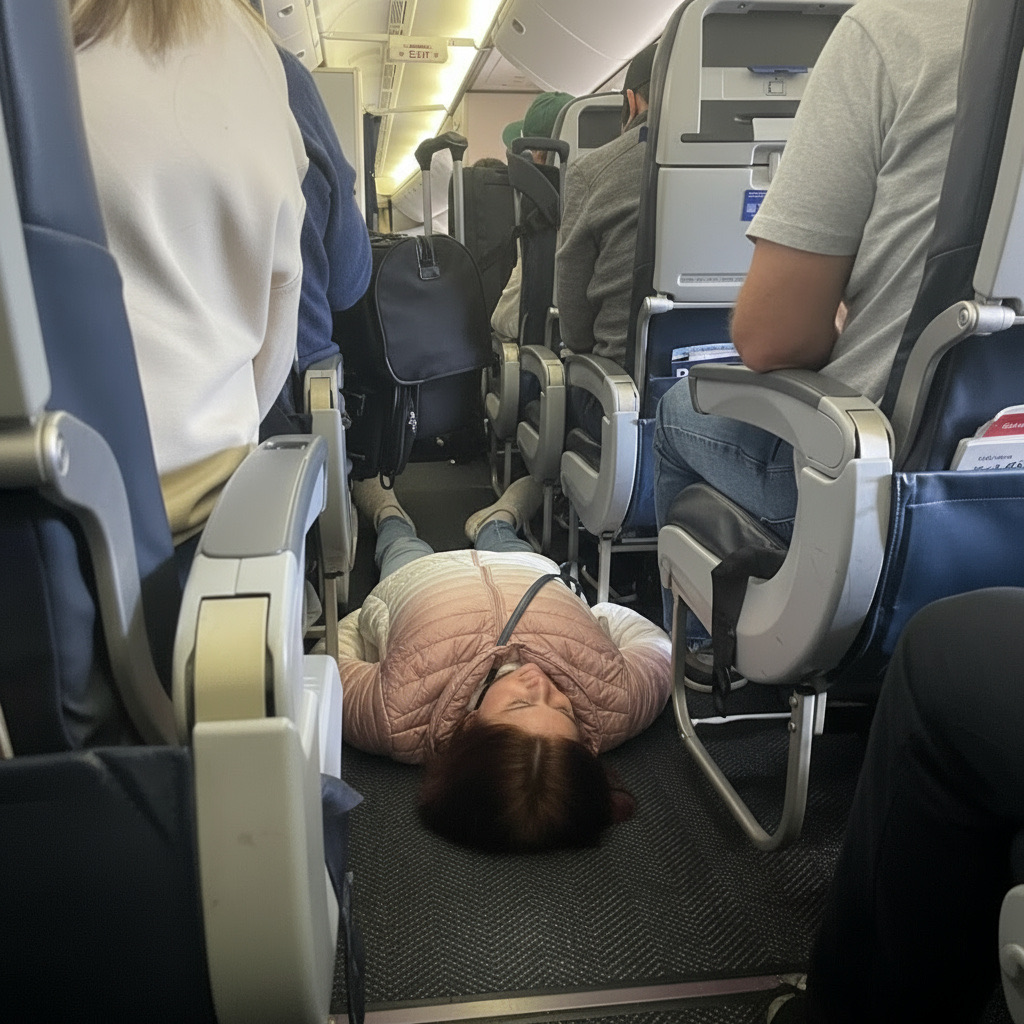
Airlines have been switching to something called "slimline" seats since 2010. Thinner padding, lighter frames, all to save on fuel costs. The tradeoff? Your comfort. Here's what I didn't know until two weeks ago... When you're sitting on an airplane seat in 2025, you're not sitting on the same seat that existed in 2005. They reduced the padding. Thinned out the cushions. All to save weight and cut fuel costs. And I thought it was just me getting old. Now, you might be thinking: "How much money could they really save from thinner cushions?" Here's the math. Every pound removed from an aircraft saves about $50 to $150 per year in fuel costs. Per plane. Doesn't sound like much, right? But a typical 737 has 180 seats. Remove 2 pounds of padding per seat, that's 360 pounds per plane. That's $18,000 to $54,000 saved per aircraft, per year. United, Delta, and American operate about 1,000 planes each. Run that across an entire fleet for a decade? We're talking hundreds of millions in fuel savings. Small per seat. Massive across a global fleet. And the part that made me realize this wasn't an accident? They didn't just save on fuel. By making seats thinner, they squeezed in extra rows. More paying passengers per flight. It was hour 4 of my Thanksgiving flight. My tailbone screaming and I still had 2 hours to go. I did the math right there in seat 32B. $480 for this economy ticket. Premium economy was $700. Business class was $2,400. I couldn't justify it. I'm retired. With a fixed income. But sitting there, shifting every thirty seconds, my lower back on fire, I realized something that made me furious: They knew I'd choose this. They knew exactly how much pain I'd tolerate before I'd pay extra to escape cattle class. I'm not being dramatic. I started researching when I got home and my daughter had to help me out of her car because I literally could not straighten my back. Three days. That's how long it took before I could help in the kitchen without wincing. Three days of my four-day Thanksgiving visit. Gone. I missed cooking with my daughter. Couldn't sit through Thanksgiving dinner without excusing myself to stand and stretch. That's when I started digging. 2:47 AM the Saturday after Thanksgiving, I found articles about how airlines redesigned their cabins. My hands were shaking. Seats used to be 35 inches of legroom with actual padding. Now? 30 inches. Sometimes 28. And here's what made me want to scream: They didn't make them smaller by accident. They removed four to five inches of padding deliberately. Added rows. Packed us tighter. The thinner the seat, the more passengers they could fit. The more tickets they could sell. Crammed together in cattle class because we can't afford the premium cabins. I spent the next week trying everything. Spent $180 on "ergonomic travel cushions." The memory foam one? Felt great for maybe 45 minutes on my test-sit at home. My daughter laughed at me sitting on the dining room chair with a timer. But on the actual flight back? Compressed flat by hour two. I was right back on that hard plastic seat, tailbone grinding into it. The gel cushion? So heavy I could barely fit it in my bag. Still hurt. The donut pillow? I looked like I had hemorrhoids! And somehow it made my sit bones hurt WORSE. I was ready to give up. Tell my daughter I couldn't come for Christmas. Make excuses. That's when my physical therapist said something that changed everything. I'd gone in because my back pain wasn't going away. Two weeks after Thanksgiving, still aching. She asked what happened. I told her about the flight, the cushions, missing half of Thanksgiving. She got quiet. "Why aren't you using what wheelchair users use?" I stared at her. She explained: People in wheelchairs sit for 8, 10, 12 hours a day. Way longer than my flights. They can't upgrade to "premium wheelchairs." They need technology that actually works. "They don't use foam," she said. "Foam compresses under body weight. Always has, always will." She pulled up images on her computer. Showed me something called air cell cushions. Here's what I learned that broke my brain: When airlines removed that padding, they created a physics problem. More body weight concentrated on less surface area. All that pressure crushing directly onto my tailbone and sit bones. Foam cushions try to solve this by adding padding back. But foam COMPRESSES. Within an hour or two, you're back to bone-on-plastic. Air cells work completely differently. They're interconnected chambers. When you sit down, air doesn't compress—it MOVES. It flows from the high-pressure points (your tailbone, your sit bones) to low-pressure areas (your thighs). It redistributes your weight continuously across the entire surface. "It's medical equipment," my PT said. "It's how we prevent pressure injuries in patients who can't move." I felt something I hadn't felt in months. Hope. But here's the problem: Medical air cushions cost $300-400. They weigh three pounds. They're bulky, designed for wheelchairs. I spent two more days searching. Found companies selling "air cushions" but they were just basic inflatables. No interconnected cells. No pressure redistribution. Just balloons. Then I found one company that had actually done it. They'd taken the wheelchair-grade air cell technology—the real medical stuff—and re-engineered it for travel. Lightweight. Packable. Discreet. Same interconnected chamber system. Same pressure redistribution principle. I was skeptical. I'd been burned too many times. But they had a 60-day guarantee. And I had Christmas booked in three weeks. I'll never forget the feeling two hours into that Christmas flight. I was reading my book. Comfortable. I looked at my watch. Realized I hadn't shifted position once. My tailbone didn't hurt. Six-hour flight. I got up once to use the bathroom. That's it. Walked off the plane and hugged my daughter without grimacing. Sat through Christmas Eve dinner. Played on the floor with my grandson Christmas morning. Helped wrap presents. Baked cookies. Zero recovery days. Zero pills. Zero moments stolen from my family. The airlines want you to think you have two choices: suffer in cattle class or pay their ransom for premium seats. But there's a third option they don't tell you about. The same medical technology that keeps wheelchair users comfortable for 8-12 hours daily now exists in a form you can pack in your carry-on. I'm not saying this to sell you anything. I'm saying it because I wasted almost $200 and lost half of Thanksgiving learning this the hard way. They removed the padding on purpose. They did the math on fuel savings and extra seats. But they didn't account for medical technology outsmarting their deliberately thinned-out seats. You don't have to pay $500 to escape pain they created. You just need pressure redistribution. The same kind wheelchair users have relied on for forty years. Your next flight is probably already booked. Don't let them steal another holiday from you.
Read if Plane Seats Ruin Your Travel ☝️
TRAVLR. makes travel comfortable again. We design portable, innovative comfort solutions so you arrive refreshed and ready—not sore, stiff, or exhausted. Because the journey shouldn't cost you the first days of your trip. Shop travel cushions and accessories built for real travelers.
SEE DETAILSLike this ad? Make it yours.
Crush rebuilds this exact creative around your product — your brand, your colors, your offer — in about a minute.