
Stopped· since Apr 12, 2026
- 1
- days it ran
- 0
- relaunches
Ad copy
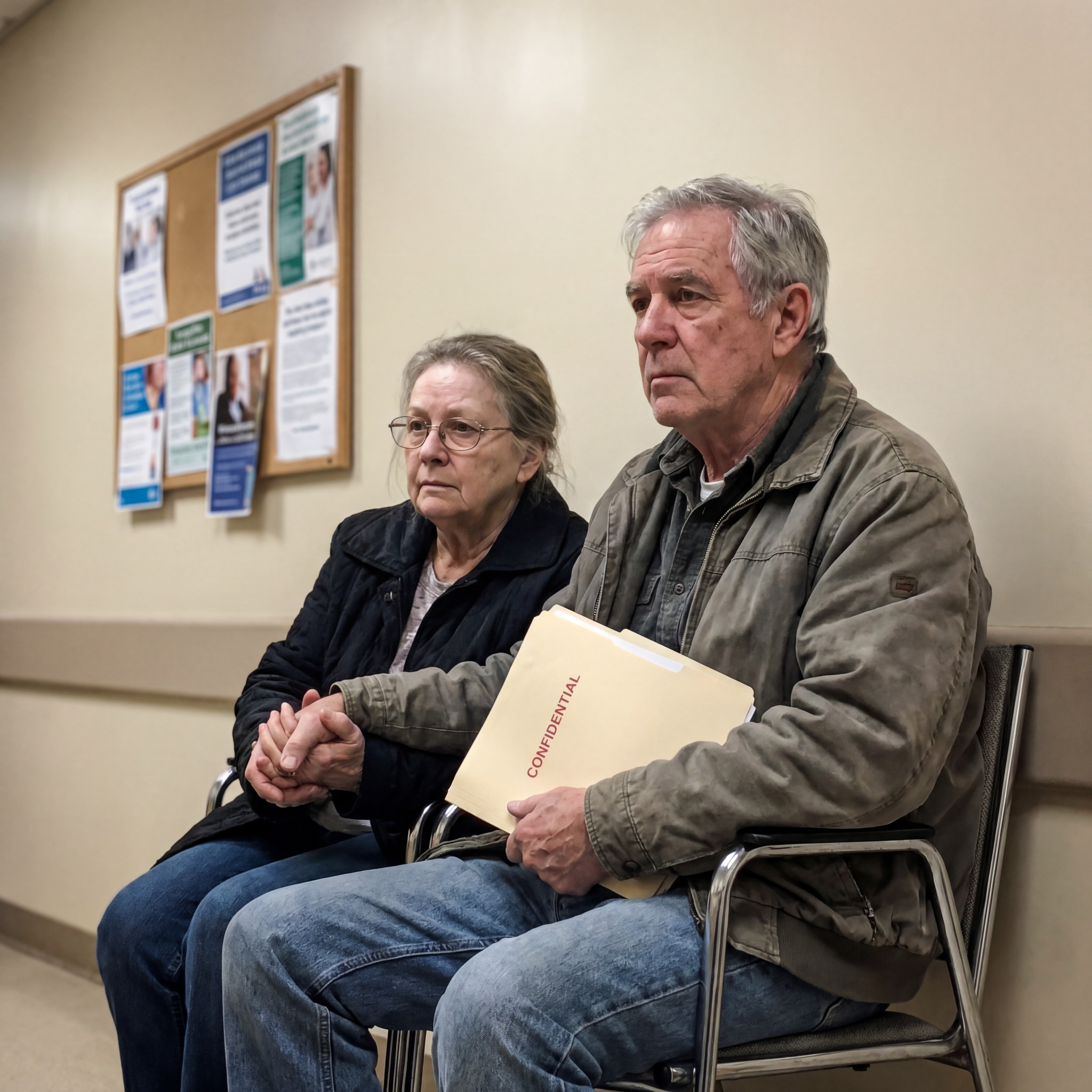
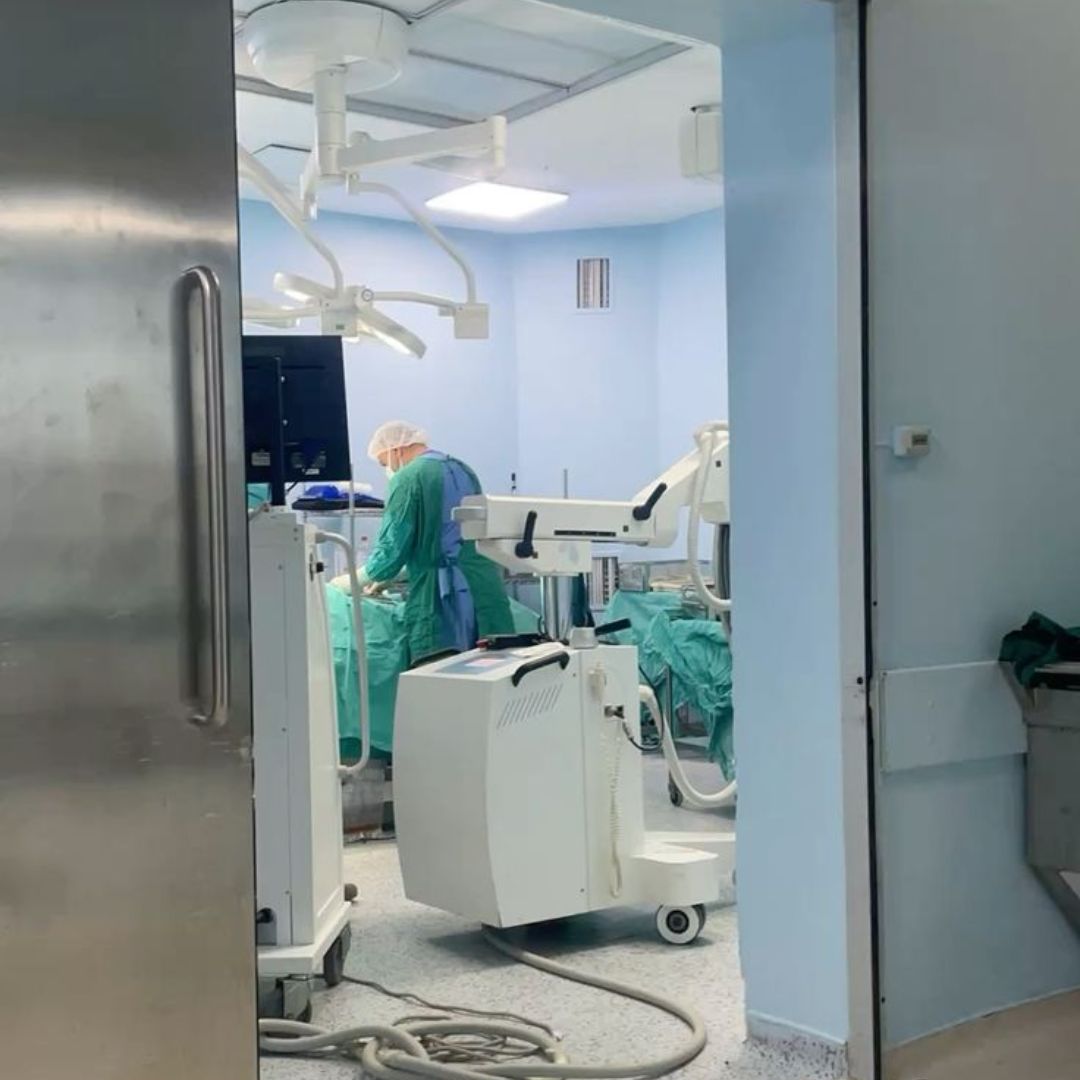
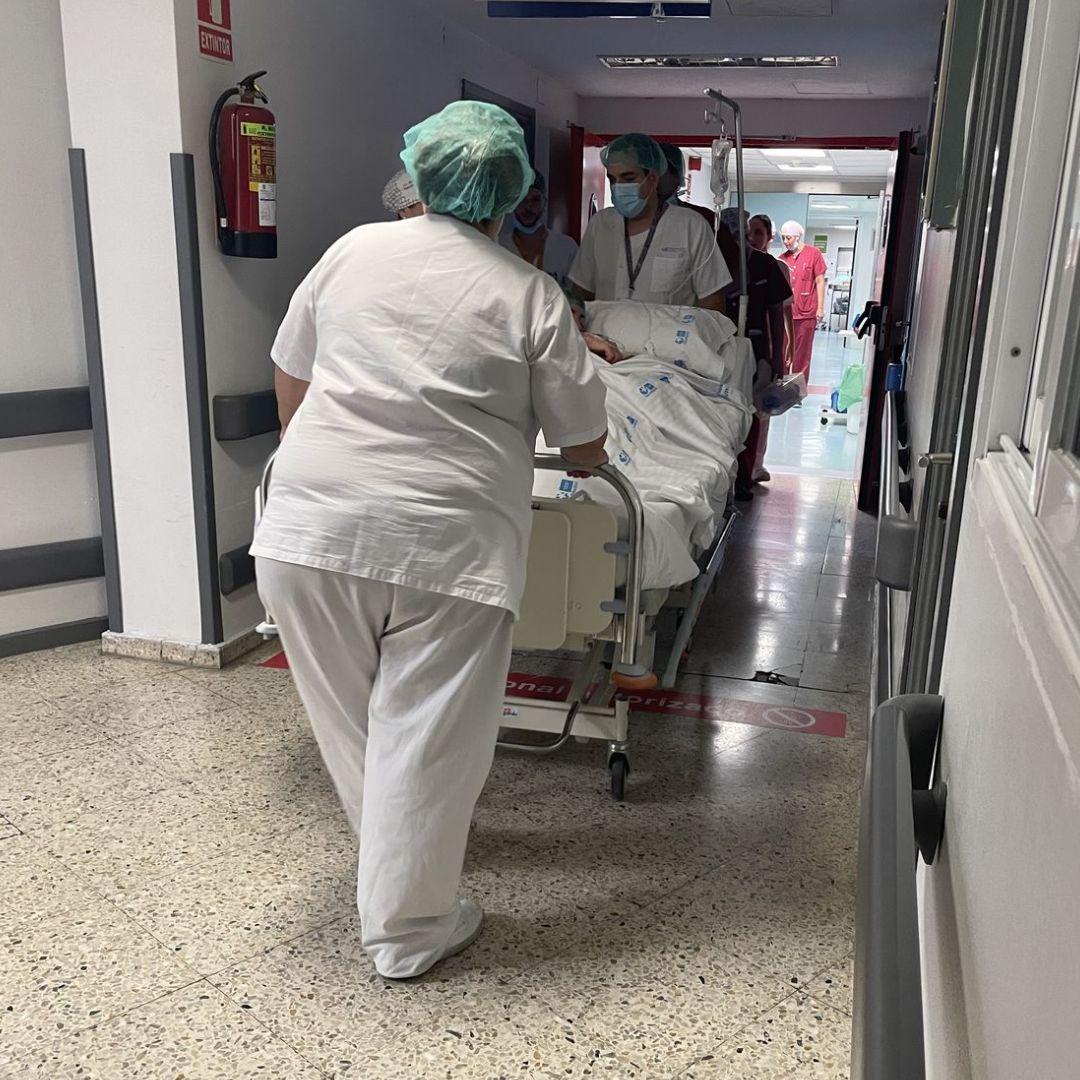
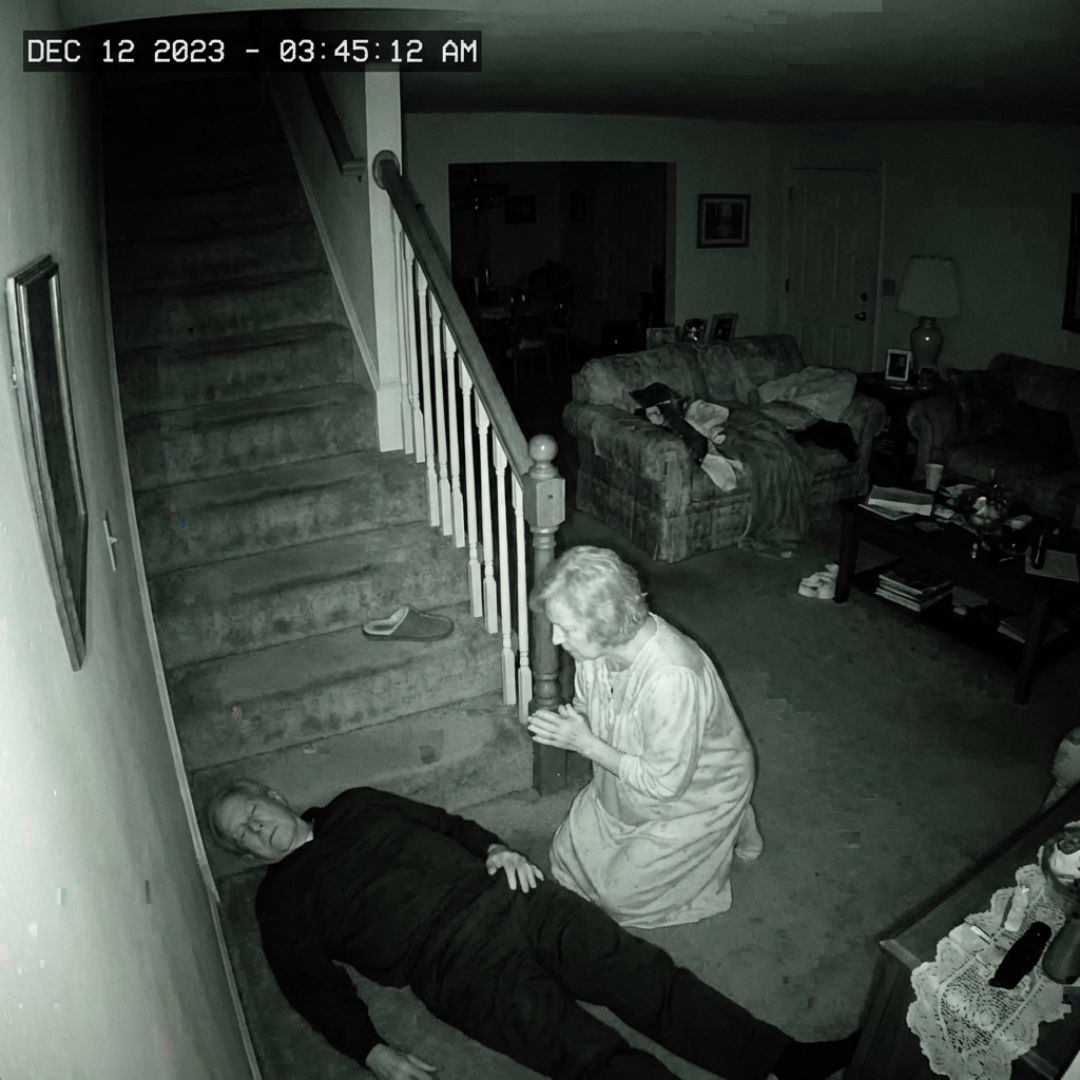
If your husband has prostate problems and he's getting up multiple times a night to pee… PLEASE read this before something terrible happens. It was 2:47 AM when I heard the loudest sound I've ever heard come from the staircase. A heavy THUD… followed by what sounded like a body tumbling… hitting every step on the way down. Then silence. I shot straight up in bed. "Gary?!" Nothing. "GARY!" I threw the covers off and ran to the hallway. Flipped the light on. And there he was… My husband of 38 years… laying at the bottom of the staircase, flat on his back, completely unconscious. His left leg was bent sideways. One of his slippers was on the landing halfway up the stairs. His reading glasses were shattered on the hardwood floor next to his head. I screamed his name over and over. He wasn't responding. I dropped to my knees beside him and grabbed his face. His eyes were closed. His skin was cold and clammy. I put my hand on his chest. He was breathing. Barely. I snatched my phone off the counter in the kitchen. My hands were trembling so bad I could barely dial. "9-1-1, what's your emergency?" All I could get out was "My husband fell down the stairs... he's not waking up... please send someone." "Ma'am, is he breathing?" "Yes, but he's not conscious... please hurry." "Help is on the way. Do not move him. Go unlock your front door." I ran to the front door, fumbled with the deadbolt, flung it open, and sprinted back to Gary. I sat on the floor next to him, holding his hand, talking to him, praying out loud. "Stay with me. Don't you dare leave me, Gary. Don't you dare." Then I heard it. Sirens. Getting closer and closer until the red and blue lights were flashing through our front windows. Three paramedics came through the door carrying equipment I didn't recognise. They went straight to work. One of them shined a light in Gary's eyes. Another was wrapping something around his arm. They were shouting numbers back and forth. "Pulse is low." "Possible concussion. Suspected hip fracture." I just stood there in my nightgown, pressing my back against the wall, watching strangers try to save my husband. "We need to move him now," the lead paramedic said. They lifted him onto a stretcher, strapped him in, and carried him out through the front door. The neighbours were already on their porches. Standing in their robes. Watching in silence. I climbed into the back of that ambulance still barefoot, still in my nightgown, squeezing into the small corner seat while the EMTs hooked him up to more machines. The ride to the hospital was the worst 14 minutes of my life. All I could hear was the siren above me and the steady beep... beep... beep of the heart monitor. I just stared at Gary's chest, praying for it to keep rising. When we screeched into the ambulance bay, the back doors flew open. "Trauma team to Bay 6!" someone yelled. They rushed him through a set of double doors. I tried to follow. A nurse stepped in front of me. "You need to wait here, honey. Let them work." And just like that, he disappeared behind the swinging doors. The next three and a half hours were a blur of fluorescent lights and cold plastic chairs in the A&E waiting room. Finally, the double doors opened. An older doctor in blue scrubs walked toward me. His badge said Dr. Simmons. He had grey hair and a calm face, but his expression was serious. "Mrs. Callahan?" I stood up, shaking. "He's stable," Dr. Simmons said. I let out a breath I didn't know I was holding. "But it was close," he continued. "He has a fractured hip, a hairline fracture in his left wrist, and a grade 2 concussion. If he'd landed differently, we could be having a very different conversation." I started crying. Then I asked the question I'd been asking myself since I found him at the bottom of those stairs. "What happened? Why did he fall?" Dr. Simmons looked at me, then looked down at his clipboard, then back at me. "Mrs. Callahan, does your husband have prostate problems?" I looked at him, confused. "Yes… he's been dealing with that for years. He's on Flomax. But what does that have to do with him falling down the stairs?" "It has everything to do with it," he said. Dr. Simmons led me to a small consultation room down the hallway. He pulled out a chair for me and sat across from me with Gary's file open in front of him. "How many times a night does your husband get up to use the bathroom?" he asked. "I don't know… four, five times? Sometimes more. It depends on the night." He nodded slowly, like he'd heard this a thousand times. Then he explained something that completely changed the way I understood what was happening to my husband. He told me that men with enlarged prostates who are getting up 4, 5, 6 times a night are in a state of severe, chronic sleep deprivation. And not just regular tiredness. He explained that when your sleep is fragmented into 60 to 90-minute chunks, night after night, month after month… your brain never enters the deep restorative stages of sleep that your body needs to function. "Your husband isn't just tired, Mrs. Callahan. He's impaired. Cognitively, physically, neurologically. Studies show that the level of sleep fragmentation caused by nighttime urinary frequency produces reaction times and coordination comparable to someone who is legally intoxicated." That hit me like a ton of bricks. Because when I thought about it… I'd been watching the signs for months. Gary used to be sharp. Quick. The kind of man who could fix anything, remember everything, and keep three conversations going at once. But over the past year or so, he'd become foggy. Forgetful. Slow. He forgot where he parked at the supermarket last month and wandered the car park for twenty minutes. He missed our grandson's birthday party because he fell asleep on the sofa at 4 PM and nobody could wake him up. He snapped at me last Christmas in front of the whole family over something so small I can't even remember what it was. And the look in his eyes afterward... he didn't even recognise himself. I thought it was just aging. I thought maybe something was wrong with his mind. The thought of dementia had crossed my mind more than once, and it terrified me. But Dr. Simmons said it wasn't aging. And it wasn't dementia. It was his prostate destroying his sleep, and the sleep deprivation destroying everything else. But then he said something that made me furious. "Mrs. Callahan, your husband is on tamsulosin, correct? The brand name is Flomax." "Yes. He's been on it for almost three years." Dr. Simmons paused. "Tamsulosin is an alpha-blocker. One of its most well-documented side effects is orthostatic hypotension… which means a sudden drop in blood pressure when you stand up." He let that sink in. "Your husband was getting up for his fourth or fifth bathroom trip in the middle of the night, severely sleep-deprived, in a dark house, on a medication that causes his blood pressure to plummet every time he goes from lying down to standing. He stood up, his blood pressure dropped, he got dizzy, and he went down the stairs." I sat there staring at him. "So the medication that was supposed to be helping his prostate symptoms… contributed to him falling down the stairs?" "That is a very common scenario with alpha-blockers," Dr. Simmons said. "Especially in the middle of the night, especially in men who are chronically sleep-deprived from the very condition the medication is supposedly treating. Falls are one of the most serious and underreported consequences. The research on this is clear." I felt my hands clench. "Then why is he still on it? Why didn't anyone warn us about this?" Dr. Simmons leaned back in his chair. "Because tamsulosin is the standard of care. It's what most urologists prescribe first. It relaxes the smooth muscle around the prostate and the bladder neck, which can improve flow. And for some men, it works well enough. But for many men like your husband, the relief is partial at best. The nighttime trips go from seven down to four or five… but they never go away. And the side effects accumulate." I told him that Gary had mentioned the dizziness to his urologist months ago. The urologist's response was to suggest adding finasteride on top of the Flomax. Gary looked up the side effects. Sexual dysfunction. Decreased libido. Something called Post-Finasteride Syndrome that men on the internet were terrified of. He said no. His urologist didn't offer him anything else. The last thing his doctor said was: "Well, if things get worse, we can discuss surgical options." That word… surgical… had been hanging over Gary's head like a dark cloud ever since. Dr. Simmons nodded. He'd heard this exact story hundreds of times. Then he said something I didn't expect. "Mrs. Callahan, can I ask you a question? Do you know WHY your husband is still getting up five times a night, even after three years on Flomax?" I shook my head. "It's because the medication was never designed to fix the actual problem." I stared at him. He pulled out a pen and started drawing on the back of a form. "Let me show you what's actually happening inside your husband's prostate. Because once you understand this, everything about his medication journey will make perfect sense… including why it was never going to be enough." He explained that starting around age 50, a man's prostate begins converting testosterone into a hormone called DHT at an accelerated rate. This is normal. It happens in virtually all men. But as a byproduct of this process, the prostate produces hormonal waste products that a younger body clears out easily through healthy blood flow. "Think of it like a car engine," he said. "When the engine runs, it produces exhaust. And the exhaust system carries that waste away. But what happens when the exhaust system gets clogged?" I said the fumes back up. "Exactly." He explained that after 50, the tiny blood vessels inside the prostate… the micro-vessels that carry fresh blood in and waste products out… start to weaken and slow down. And when circulation slows, those hormonal waste products don't get cleared. Instead, they turn into a sticky residue, like sludge, that starts coating the inside walls of those micro-vessels. As this sludge builds up, the micro-vessels get narrower and narrower. Less blood gets through. Less oxygen reaches the prostate tissue. And the prostate starts to suffocate. He actually used that word. Suffocate. "When the prostate tissue is starved of oxygen, it sends out an emergency inflammatory response. The gland swells. It puts pressure on the urethra… which is the tube your husband urinates through. And that pressure is what causes the constant urgency, the weak stream, and the nighttime trips." I asked him where Flomax fits into all of this. "Flomax relaxes the smooth muscle around the prostate and bladder neck. It can open the urethra slightly, which is why it helps with flow. But here's the critical part…" He tapped his pen on the diagram. "Flomax does nothing to address the hormonal sludge that's clogging the micro-vessels. It doesn't dissolve the buildup. It doesn't restore blood flow. It doesn't stop the suffocation." "It's like loosening a tight collar around someone's neck while they're suffocating from the inside. It gives a tiny bit of temporary relief, but the actual suffocation is still happening underneath." "That's why your husband went from seven trips a night down to four or five on Flomax… but never got any better than that. The medication reached the limit of what it was designed to do. And the sludge has been continuing to build up every single day for the past three years, regardless of the Flomax." I asked about the finasteride that the urologist wanted to add. Dr. Simmons shook his head slowly. "Finasteride is a 5-alpha reductase inhibitor. It suppresses DHT production. Which sounds logical on paper… reduce the hormone, reduce the problem." "But finasteride doesn't dissolve existing sludge either. It doesn't restore circulation. It doesn't address the suffocation. And it comes with a whole new set of side effects that many men find devastating… erectile dysfunction, decreased libido, ejaculation disorders. Some men report these effects persisting months or even years after stopping the drug." "So you'd be adding a second medication on top of the first one, stacking two sets of side effects, and neither one is touching the structural cause of the problem." Then he said something I'll never forget. "Mrs. Callahan, your husband has been on a pharmaceutical treadmill for three years. Flomax partially manages one symptom. Finasteride would partially manage another. Maybe his doctor would add a third drug after that. Then eventually suggest surgery. That's the escalation ladder. More drugs, more side effects, until the only option left is a procedure." "But the reason none of these medications have fixed the problem is because they were never designed to address the hormonal sludge that's suffocating his prostate from the inside out." I asked him the obvious question. "So what DOES address it?" He said the approach that the research supports involves three steps. And it's not a single pill or a single pathway. It's a multi-compound formula that targets the sludge itself. 👉 Step 1: Dissolve the sludge. He explained that specific natural compounds including Quercetin at 400mg and Curcumin at 400mg, break down the sticky hormonal waste at a molecular level. Like drain cleaner for the prostate. These aren't the same as generic "prostate supplements" you find at Boots or Superdrug. Most of those are just low-dose saw palmetto trying to weakly mimic what finasteride does. They target the wrong thing entirely. 👉 Step 2: Flush the micro-vessels with fresh blood flow. Once the sludge starts to break down, you need to restore circulation to the prostate tissue. French Maritime Pine Bark Extract at 100mg and Grape Seed Extract at 200mg reopen those clogged vessels so oxygen can reach the tissue again. "This is the step that medications completely skip," he said. "Alpha-blockers don't improve circulation. 5-ARIs don't improve circulation. No standard prostate medication does. This is the gap." 👉 Step 3: Shut down the rebuilding cycle. Dissolving the sludge and restoring flow isn't enough if the hormonal process that created the sludge just rebuilds it. Saw Palmetto at 320mg, twice the standard dose you find at the chemist along with Beta-Sitosterol, Pygeum Bark Extract, Pumpkin Seed Extract, Lycopene, and Rye Pollen Extract regulate DHT conversion and protect the prostate long-term. "Dissolve it. Flush it. Shut down the factory that was rebuilding it. That's the approach. And it's what the research points to as the most comprehensive way to support prostate health and urinary comfort." I sat there absorbing all of this. Then I asked him the question I'm sure every wife and every man reading this is thinking: "Where do I get these compounds? Do I need to go buy ten different bottles?" Dr. Simmons told me there's a company called Rooted VitalsMD that has combined all of these ingredients into a single formula. It's called EaseFlow. He said it uses a multi-pathway approach specifically designed to target the hormonal sludge that medications miss. It contains clinical doses of Quercetin, Curcumin, French Pine Bark Extract, Grape Seed Extract, Saw Palmetto, Beta-Sitosterol, Pygeum Bark, Pumpkin Seed Extract, Lycopene, and Rye Pollen Extract… all in one formula. No proprietary blends. Every ingredient and dose listed clearly on the label. "I have to be honest with you," he said. "I'm not the kind of doctor who recommends supplements. Most of them are garbage. But this formula is different because it doesn't try to mimic what Flomax or finasteride do. It targets what they miss. It's a completely different approach." He told me it is not sold in stores. You have to order it online directly from Rooted VitalsMD. He also said I should talk to Gary's urologist about it, and that EaseFlow isn't meant to replace any medication without a doctor's guidance. But he said that based on the research and based on what he's seen in his practice, this is the most promising approach for men like Gary who are stuck on medications that only partially work. That evening, Gary was discharged from the hospital with a fractured hip, a fractured wrist, a concussion, and instructions to use a walker for the next six weeks. As soon as we got home, I ordered a 3-month supply of EaseFlow. I wasn't waiting anymore. The bottles arrived two days later. The directions say to take one capsule with each meal, three times a day. I put the bottle next to Gary's coffee mug that first morning and told him: "Take these. Every meal. Don't argue with me." He looked at the bottle, read the label, and for once… he didn't argue. Here's what happened over the next 90 days: ✅ Week 1-2: Honestly, not much changed. Gary was still getting up 4-5 times a night. He was also recovering from the fall, so everything was harder. But he took the capsules every meal, no excuses. ✅ Week 3-4: The first thing I noticed was that the urgency seemed less… desperate. He was still getting up, but he wasn't rushing to the bathroom like the house was on fire. He said the pressure felt lighter. Like something had loosened slightly. He was getting up maybe 3 times instead of 5. ✅ Week 5-6: This is when things started to shift. Gary slept a 4-hour stretch one night. I know because I was awake and watching the clock. Four straight hours. He hadn't done that in over two years. He woke up that morning and said "I feel like a different person." I almost cried right there at the kitchen table. ✅ Week 7-8: The nighttime trips dropped to 1 or 2. Some nights just once. His stream was noticeably stronger. He said he didn't have to stand there waiting anymore. And the daytime urgency was fading too… he wasn't mapping out every bathroom on every errand anymore. ✅ Week 10-12: Gary slept through the entire night four times in one week. 11 PM to 5:30 AM without getting up once. He woke up Saturday morning and made breakfast. Made breakfast. He hadn't done that in over a year because he was always too exhausted. But here's the moment that broke me. It was a Sunday morning, about 11 weeks in. I was reading in the living room. Gary walked in, dressed, showered, looking more like himself than I'd seen in years. He asked me if I wanted to drive out to see our grandson play football that afternoon. I looked up at him. This was the man who had been turning down every invitation, every outing, every family event for the past two years because he was too exhausted to leave the house. And he was asking ME if I wanted to go. I put my book down, got up, wrapped my arms around him, and held on for a long time. He didn't ask why. I think he knew. I'm writing this post because that fall nearly killed my husband. And it didn't need to happen. If someone had told us three years ago that Flomax was only managing one symptom while the real problem was building underneath… that the sludge in his micro-vessels was getting worse every day regardless of the medication… that there was a different approach that actually targets what medications miss… Gary would never have been at the bottom of those stairs. If your husband is dealing with prostate problems and getting up multiple times a night… if he's on Flomax or finasteride or both and it's barely making a dent… please don't wait for something terrible to happen before you start looking for answers. EaseFlow has a 60-day money-back guarantee. You can try it for two full months, see if the nighttime trips decrease, see if his sleep improves, see if he starts getting his energy and his life back. And if it doesn't work, you get every penny back. No questions asked. But I can tell you from personal experience… watching my husband go from 5 bathroom trips a night and a fall that nearly killed him, to sleeping through the night and asking me to go watch our grandson's football match… It's worth trying. Here's where you can get EaseFlow: [https://offer.elanora-trends.com/easeflow/sp-89](https://offer.elanora-trends.com/easeflow/sp-89) They sell out often, so if it's in stock, I'd grab it. Your husband deserves to sleep through the night again. And you deserve to stop worrying every time you hear him get up in the dark.
I hope this never happens to you
I Took Every Prostate Pill My Doctor Gave Me For 3 Years — Then I Ended Up in A&E at 3AM With a Tube Shoved Up My Penis
LEARN MORELike this ad? Make it yours.
Crush rebuilds this exact creative around your product — your brand, your colors, your offer — in about a minute.