Sarah Cane's Journal
Sarah Cane's Journal Facebook ad: “If you have high blood pressure read this”
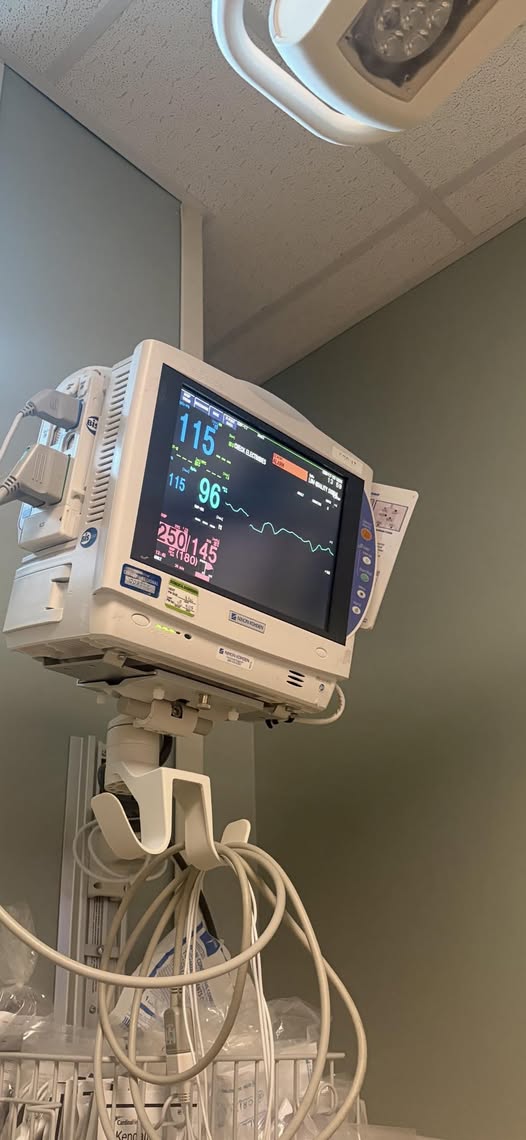
Ran for 2 days, from February 27 to March 1, 2026, the last day Crush saw it.
Run by Sarah Cane's Journal on Facebook. Crush is not the advertiser and does not verify its claims. See this ad in Meta's Ad Library(opens in a new tab)
Want an ad like this for your product?
Crush makes new ad images for your product from this ad: your logo, your product photo, your offer.
Trials from $19.95 USD, then $79.95 USD a month. Cancel anytime.
About this ad
- Meta Ad Library ID
- 1620944255488709
- Platforms
- Facebook, Instagram and Messenger
- Relaunches
- 0
Ad text
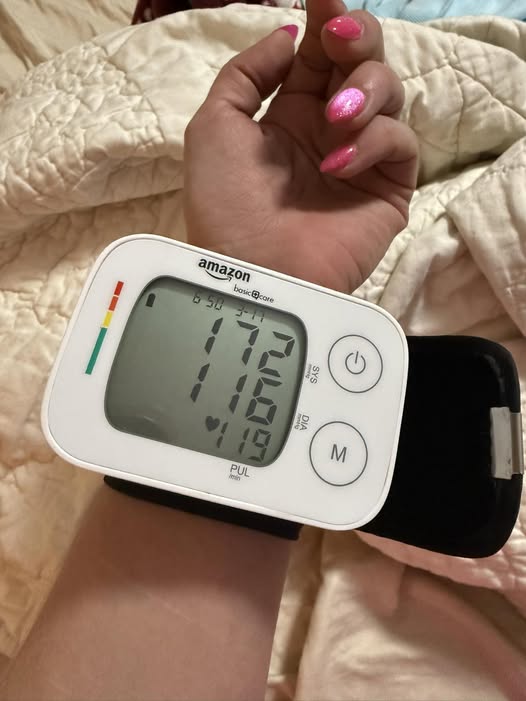
My doctor asked what my readings had been running and I looked at my log — 118, 142, 127, 156, 121 — and I didn't know how to answer the question, because the honest response was that my blood pressure had been everywhere. She waited. I wanted to say something that sounded like I had things under control, but I didn't have things under control. I had a notebook with numbers that contradicted each other every single day, and I had no idea which one was the real me. That appointment was about fourteen months into what I had started privately calling "the monitoring situation." Not my blood pressure problem. The monitoring situation. Because the blood pressure was one thing, but what the monitoring had done to my mornings was a whole separate thing that nobody ever talked about. I don't remember exactly when my mornings stopped being mine. It was gradual. At some point between getting the diagnosis and about eight months later, the first thing I did every day stopped being make coffee and started being go to the bathroom, sit down, put the cuff on, wait, stare at the number, and then decide what kind of morning I was going to have based on what the machine told me. It just became the shape of things. The way certain habits form without your permission, filling in the space where other habits used to be. My husband noticed before I did. He came into the kitchen one morning and I was standing at the counter with my coffee going cold in my hand, and he asked what was wrong, and I said the number was 148, which was high, and he said he meant what was wrong with me, not what was wrong with the number. I remember feeling annoyed at the distinction. I think I was the one who didn't understand. What I had done, without meaning to, was make the reading the first event of every day. And once something is the first event of your day, it colors everything that comes after it. A 148 before coffee is not just a number. It becomes a referendum. On what you ate yesterday, on whether you walked enough, on whether the stress from the work call was worse than you admitted, on whether you are the kind of person who is winning or losing this thing. That is a tremendous amount of weight for something that takes thirty seconds. The variability was its own separate problem. Because I couldn't get a stable number, I could never fully exhale. If today was 118, I should feel relieved, but the 142 from three days ago was still in the notebook, so I couldn't trust the 118. If today was 142, a low dread sat behind my sternum all day. There was no version of the morning that just let me be. I was taking readings the right way. I had read everything about it. Five minutes sitting quietly before you start. Same arm. Back supported. Both feet flat. Three readings with a minute between each, then take the average. And still the numbers moved around in a range that my doctor described, carefully, as "somewhat variable," which I understood to mean she didn't know what to make of it either. I started reading forums. That is what happens when you are confused and a little scared and feel like your doctor's appointments are too short to contain all your questions. What I found was that I was not unusual. The variability wasn't unique to me or my machines. It was a category problem. Most devices people could easily buy were not clinically validated for accuracy in any rigorous way. The protocol mattered more than I had known, and even when done correctly, a single measurement was a very poor representation of what was actually going on. I found PulseTrack somewhere in that reading. I wasn't looking for a product. I was looking for understanding. It came up in a thread where someone was describing exactly the experience I was having — the spiraling readings, the morning dread, the sense that the number was running her life rather than informing it — and someone else mentioned what they had switched to and why. What I understood about how it worked was that it was built around the idea that a single reading was almost meaningless. What actually told the story of your blood pressure was a pattern across multiple readings, tracked in a way that filtered out the noise and showed you the signal underneath. The anxiety spike before you press the button, the coffee from an hour ago, the poor night of sleep — all of that shows up in individual readings as data that looks like your blood pressure but isn't really your blood pressure. The trend across many readings, taken consistently, is closer to the truth. That reframing changed something for me. Not immediately. But gradually. The first week I had it, I was still bracing. That habit doesn't leave in a week. But I started to notice that when a reading came in high, there was a different quality to how I received the information. Because it wasn't just a number anymore. It was a data point in a sequence, and the sequence was what mattered. A 148 in the context of a trend that was otherwise stable and gradually improving was a different piece of information than a 148 standing alone. I started taking the reading and then putting it down. That sounds like nothing. It was not nothing to me. There was a morning about six weeks in where I made coffee before I took the reading. I didn't plan to. I just did it without thinking, the way you do things that have become natural again. I took the reading afterward and it was fine. But what I remember about that morning is not the number. I couldn't have told you a year ago that what I wanted from a blood pressure monitor was to think about my blood pressure less. That sounds like it defeats the purpose. But the purpose was never the vigilance. I think I had confused vigilance with care, had confused bracing with responsibility. Taking it seriously and being afraid of it every morning are not the same thing, and somewhere in that confusion I had lost my mornings. I don't know if any of this sounds familiar to you. If you've been living with that first-thing-in-the-morning weight, that sense that the day gets graded before it starts, I'll just say that it doesn't have to stay that way. That was the thing nobody told me. I had accepted the dread as the price of being responsible. It turned out the price was negotiable.
Where the ad sends people
soluvro.com
If you have high blood pressure read this👆
STITCH THAT!
Shop now: soluvro.com(opens in a new tab)