Uproot Clean
Uproot Clean Facebook ad: “The Musty Smell Is Built Into How Your Machine Works”
Ran for 3 days, from April 10 to April 13, 2026, the last day Crush saw it.
Run by Uproot Clean on Facebook. Crush is not the advertiser and does not verify its claims. See this ad in Meta's Ad Library(opens in a new tab)
Make your own version of this ad
Crush makes it, launches it in your own Meta ad account, scales the winners and pauses the losers.
About this ad
- Meta Ad Library ID
- 1621257352417327
- Platforms
- Facebook, Instagram and Messenger
- Relaunches
- 0
- Niche
- Pets
Ad text
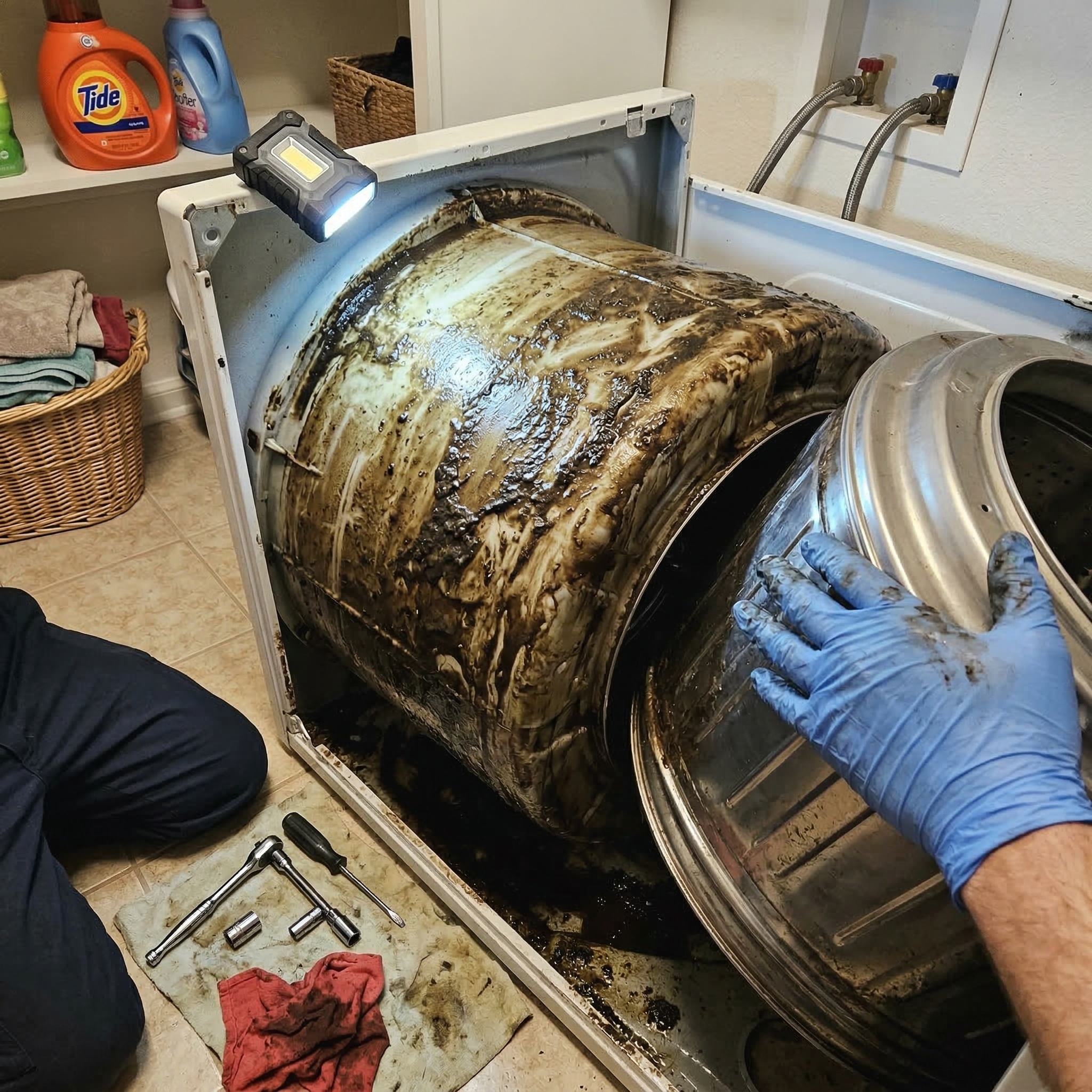
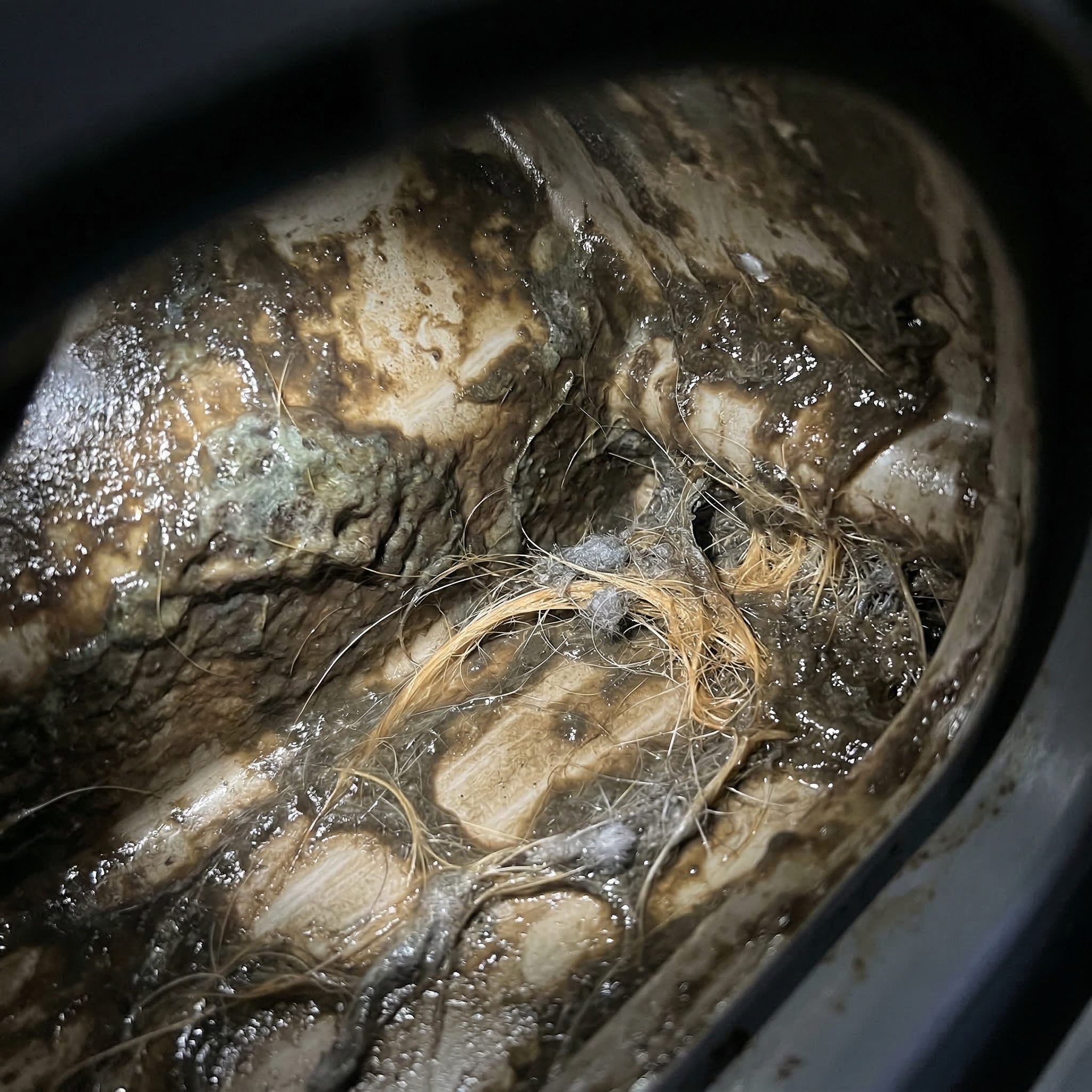
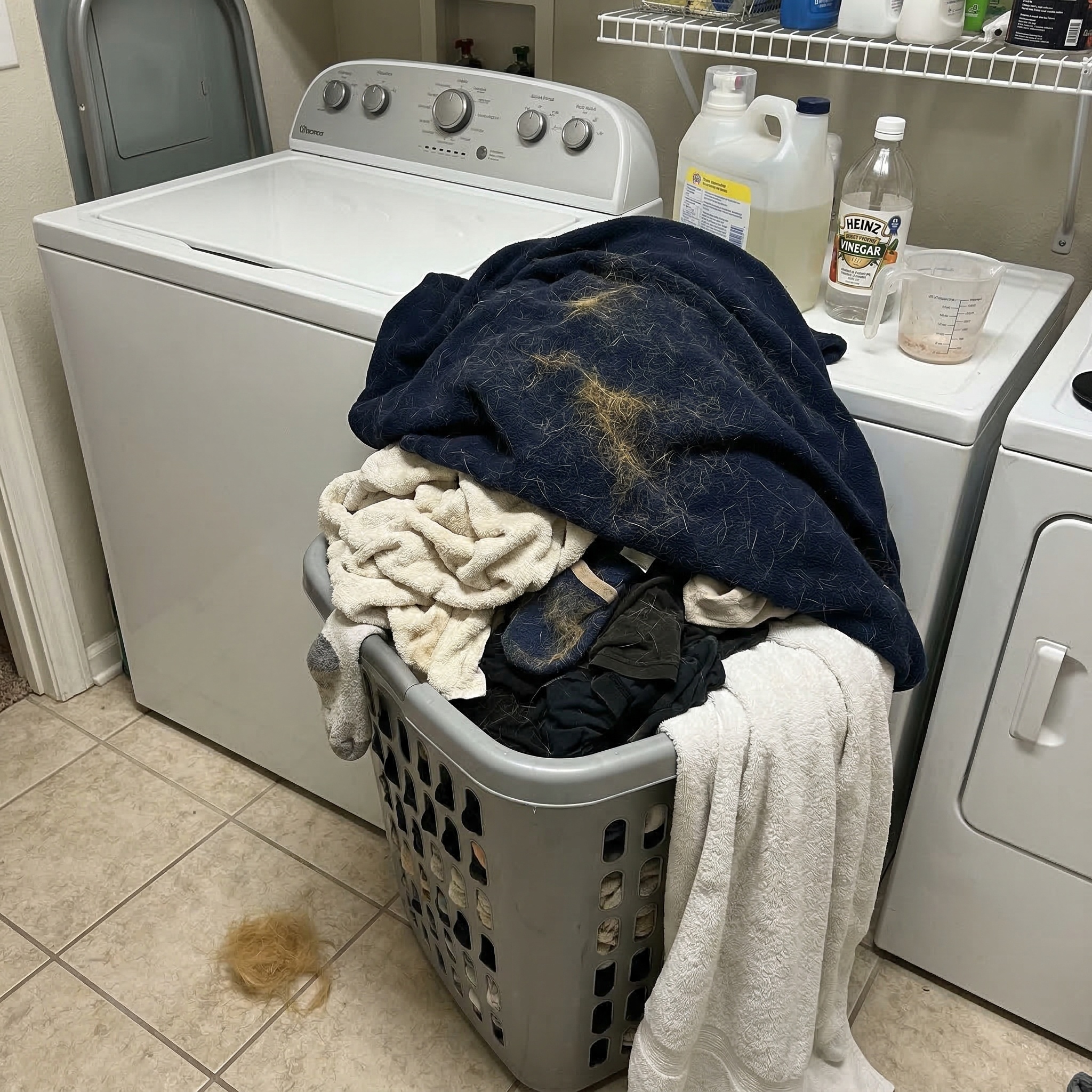
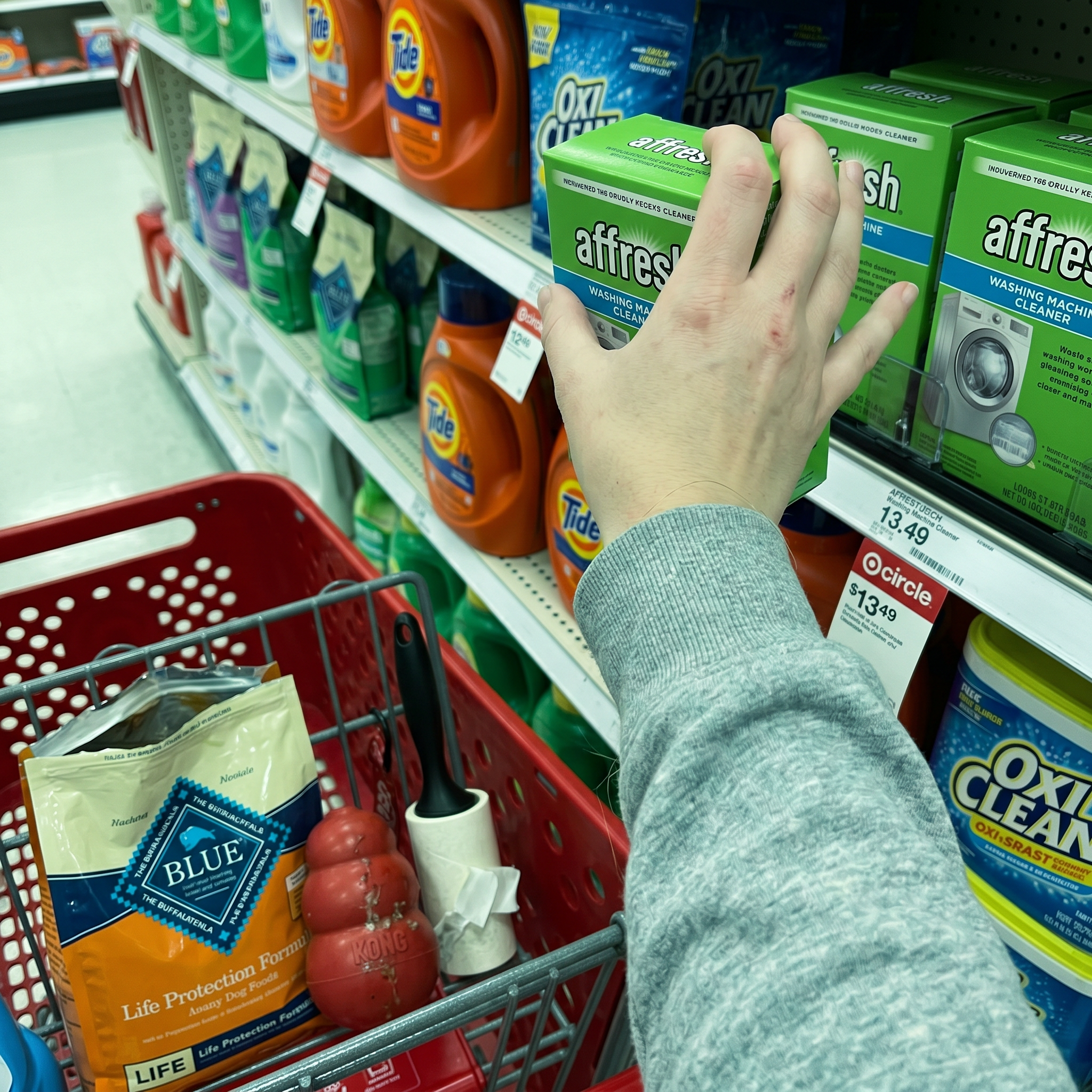
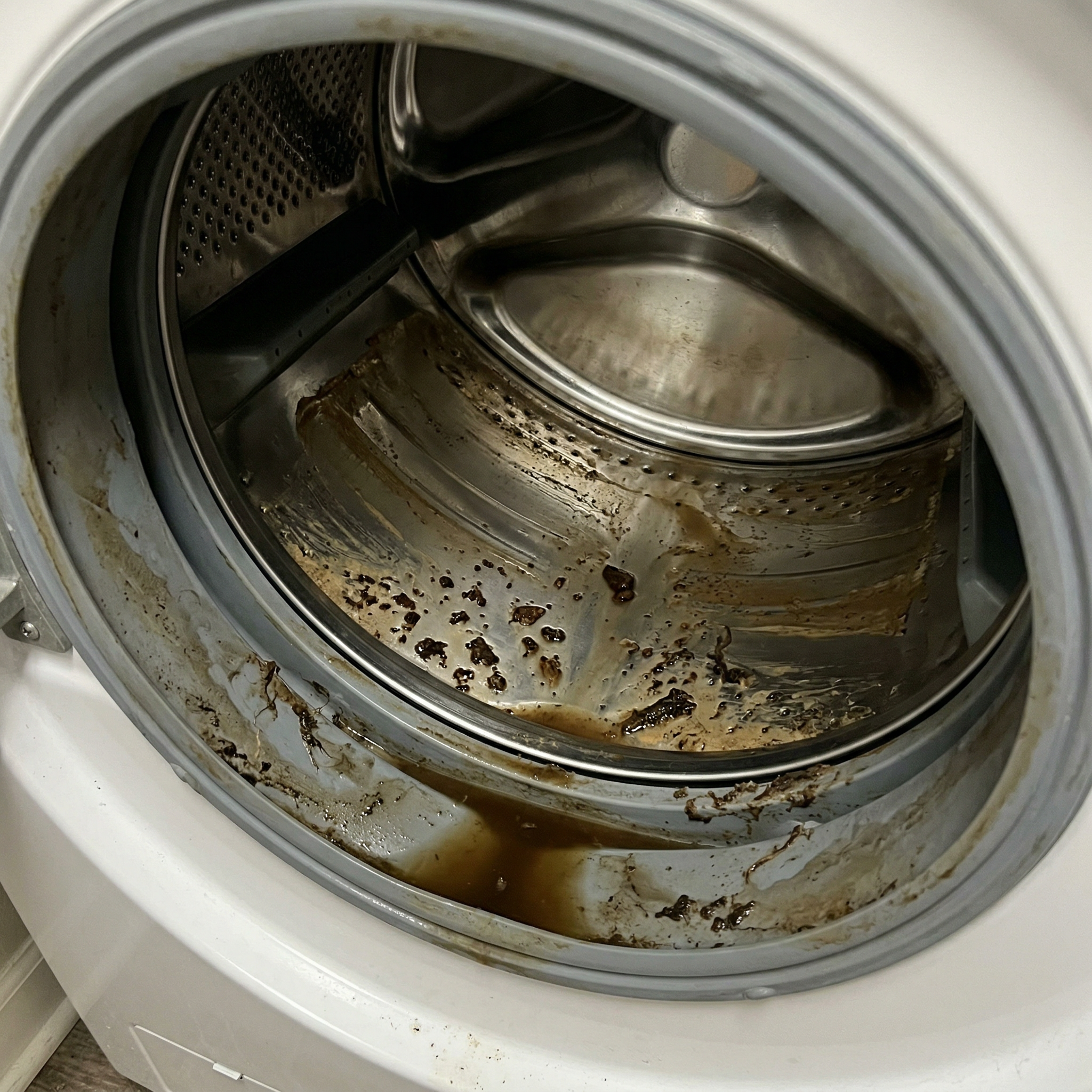
Black chunks came out of my washing machine. Actual dark, thick pieces of something that had been growing behind the drum in places I couldn't see or reach, fed by two years of fur-covered laundry. A repair tech with 19 years of experience told me exactly what it was, and why every vinegar rinse, Affresh tablet, and self-clean cycle I'd ever run was never going to break it down. I’m Rachel. For about two years, I believed I was doing everything right with my washing machine. I have two Golden Retrievers, Benny and Clover, and between their beds, their blankets, the towels I use after muddy walks, and the couch covers they've claimed as their own, I'm running heavy loads almost every other day. I have a front-loader, nothing fancy. But I've always kept up with it. I cleaned the lint filter every few weeks, and every single time there was a clump of golden hair in there the size of a small mouse. I wiped the rubber gasket with diluted vinegar because that's what three different cleaning blogs told me to do, and every time I peeled it back, there was this slick black gunk hiding underneath that made my stomach turn. I ran a hot empty cycle with Affresh tablets once or twice a month. I left the door cracked after every single load, propped open with a shoe so it wouldn't swing shut. I even started using less detergent because someone on a Reddit thread said too much soap feeds the smell. And none of it lasted. The washer would smell fine for maybe two days after a cleaning cycle, sometimes three if I was lucky, and then I'd throw in a load of the dog blankets and pull them out of the dryer, and there it was again. That damp, musty, almost sour smell that doesn't hit you immediately but creeps in once the fabric warms up against your skin or sits in a closet overnight. I started sniff-checking every load before I put clothes away. I started rewashing things "just in case." I separated all the pet laundry into its own category and washed it on the hottest cycle with an extra rinse. I even kept a bottle of fabric spray next to the dryer and would hit everything with it before folding. Which, looking back, was just me putting perfume on a problem I couldn't fix. I wasn't lazy about this - I was exhausted by it. And the worst part was that quiet little voice in the back of my head, wondering if the smell had gotten into my clothes, my kids' clothes, and whether people at school pickup or at work could notice something I'd gone nose-blind to. Last April, we were at my friend Lauren's house for a cookout, and her husband Danny was out by the grill talking to a few people about a job he'd just finished. Danny has been repairing washing machines and dryers for almost 19 years, mostly residential, and he's worked on somewhere north of 6,000 machines across the Jacksonville area. I've known him for years and never once thought to ask him about my washer smell, probably because I assumed I was already doing everything he'd tell me to do. But someone else brought it up first. Another woman at the cookout, also a dog owner, mentioned that her front-loader had started making her laundry smell like wet dog, and she couldn't figure out why. And Danny set his drink down and asked her one question before anything else. "How many pets do you have?" She said two - he nodded like that confirmed something he already knew, and said, "Yeah, pet households are a completely different situation. Most of the stuff people are using to clean their washers was never designed for what's actually building up inside yours." Danny explained it in a way that honestly made me feel relieved and annoyed at the same time, because it meant I hadn't been doing anything wrong, but it also meant I'd been wasting two years on fixes that were never going to work permanently. He said there are basically three things working against pet households at the same time. The first is the machine itself. Front-loaders seal tight, which is great for washing but terrible for what happens between washes. Behind the gasket, in the sump area at the bottom, inside the drain hose, inside the detergent drawer, there are little pockets and zones where water just sits. And in a pet household, that sitting water is mixed with dog hair, dander, skin oils, and whatever your dogs rolled through outside. It's not just soapy water. It's biologically loaded. The second thing is how we all do laundry now. Cold water cycles, eco mode, water-saving settings, bleach-free detergent, because that's what the machines are designed to encourage, and it feels like the right thing to do. But Danny said all of that means the machine almost never gets hot enough or flushed thoroughly enough to actually disrupt what's colonizing those hidden wet zones. He said recent research literally connects those exact habits - low temps, less water, and no bleach - to increased microbial growth inside machines. The third thing is the one that actually made me stop mid-conversation. He said every product I'd been using was designed for a completely different type of problem than what I actually had. He went through them one by one, and honestly, it was a little painful to hear. Vinegar, he said, is an acid. It's decent at loosening mineral scale and cutting through soap scum on surfaces you can see and physically wipe. But a living biological layer that's anchored behind the drum, inside the sump, deep in the drain line? Vinegar doesn't penetrate that. It flows past it. The acidity isn't strong enough to break the protective structure the layer builds around itself, and it sure as hell isn't reaching the places inside a front-loader where the worst of it lives. He said he's pulled apart machines from people who ran vinegar religiously for years, and the buildup behind the drum looked exactly the same as machines that were never cleaned at all. Bleach, he said, is a different story but the same ending. Bleach is a strong surface disinfectant. It'll kill what it touches. But the issue in a front-loader isn't what's floating in the drum water during a cycle. It's what's attached to the walls of zones that the drum water barely reaches. He said the biological layer produces its own protective coating, almost like a shield, and bleach at the concentrations you'd run in a home washing machine can kill the outermost cells on the surface of that layer, but it doesn't dissolve the structure itself. So the layer survives underneath, and within a few loads, it re-seeds everything the bleach touched. He also said most people don't realize that bleach degrades rubber seals over time, which is why most machine manufacturers actually tell you not to use it regularly, which means you're damaging the gasket while still not reaching the actual problem. And Affresh, which I'd been buying every single month, he said, was basically a combination of sodium bicarbonate and sodium percarbonate, which is an oxygen-based bleaching agent. He said it's formulated to fizz and foam inside the drum, which does a good job of loosening surface residue and soap buildup and making the drum smell fresh for a few days. But it was never designed to break down a living biological layer that's attached to surfaces you can't see. He said the fizzing action feels like it's doing a lot because you can see it working, but the actual cleaning agents in those tablets don't have the ability to break the bonds holding that layer together. He said that's why I'd run an Affresh cycle and the washer would smell great for two, maybe three days, and then the musty smell would come creeping back the second I ran a heavy load of dog blankets through. He described the whole thing like this… Imagine a layer of gunk stuck to the inside of a pipe. You can run water through that pipe all day long, and the water flows right past it. You can add acid to the water, and it touches the surface but doesn't break the structure. You can add bleach to the water, and it kills the top layer of cells, but the gunk underneath holds firm. You can add fizzing tablets, and they foam up impressively, but the foam drains out, and the gunk is still there. That's basically what's happening inside your washer, except the gunk is alive, it's producing its own protective coating to keep itself attached, and in a pet household, it's being fed constantly by every single load you run. He called it a biological layer, not soap residue, not mineral deposits, a sticky living film held together by a kind of protective matrix the microbes build around themselves. Said it's the same type of deposit that clogs medical equipment and water treatment systems, except mine had been fed by two Golden Retrievers for two straight years. And that's why the smell kept coming back. The reservoir was never actually removed. Every cleaning cycle I ran flowed past it, maybe loosened the surface for a day or two, and then the layer re-seeded the smell with the very next load. I asked Danny what actually fixes it, and I expected him to say something like a stronger cleaner, a hotter cycle, or some industrial product I'd need to order from a janitorial supply company. But he didn't say any of that. He said the only thing that can actually break down that type of biological layer is enzymes, and not just any enzymes, but specific ones that target the specific materials holding the layer together. He explained it like this. The biological layer inside a pet-household washer isn't just one thing. It's a matrix made of proteins, fats, and starches, all tangled together with the organic debris from your laundry, the hair, the dander, the skin oils, the outdoor soil, and all of that is held in place by that protective coating the microbes produce. So to actually dissolve the layer and not just flow past it, you need enzymes that can break down each of those components individually. He said there are three that matter. The first is protease, which breaks down protein bonds. The structural backbone of the layer, the proteins from pet dander and skin cells, and the biological glue the microbes use to anchor themselves, that's what protease goes after. The second is lipase, which breaks down fats and oils. Dog skin produces a lot of oil, way more than human skin relative to what ends up in the wash, and those oils are a huge part of what makes the layer sticky and water-resistant. Lipase is what actually breaks through that greasy barrier, so the rest of the layer can be reached. And when he said that about the oils, it clicked for me immediately, because every time I washed Benny's bed cover, the water in the machine would have this slightly greasy film on the door glass. I always thought that was just detergent residue. It wasn't. And the third is amylase, which breaks down starches and carbohydrate-based residues. The protective matrix that gives the layer its structure, the part that actually helps it grip onto surfaces and resist being flushed away, that's built on complex sugars and polysaccharides. Amylase is what breaks that scaffolding apart, so the whole layer loses its hold. Danny said that most laundry products, even the ones that advertise enzymes on the label, use enzymes designed to work on your clothes to break down food stains and body oil on fabric. They were never formulated to target the biological deposits inside the machine itself, in the zones where the layer actually lives. Then he mentioned something I didn't expect. This enzyme approach to breaking down biological layers in sealed, wet systems is not even a new concept. He said he'd read that NASA uses a similar principle in their sealed habitat systems, the ones where you've got contained water, no real airflow, constant moisture, and you can't just dump industrial chemicals into the system without wrecking the equipment. He said the idea is the same: In a sealed wet environment, targeted enzymes are what actually break the structure apart at a molecular level, without damaging everything around it. The problem, Danny said, was that nobody had really taken that approach and applied it to household washing machines, specifically to the type of biological buildup that pet households create. That's starting to change, but most of what's on the shelf at the store is still built around the old approach, surfactants, oxygen bleach, fragrance, maybe a general enzyme blend designed for clothes. None of it formulated to go after the layer itself. He told me to look for something that uses all three of those enzymes, protease, lipase, and amylase, specifically formulated for machine cleaning, not fabric cleaning. Not a general descaler. Not a sanitizer that only works at temperatures my machine never actually reaches. Something designed from the ground up to target the biological deposit that dog and cat households create inside their washers. I spent that whole next week searching specifically for pet-household washer cleaners, not general washer cleaners, and honestly, most of what I found was the same stuff in different packaging. Sodium percarbonate tabs with a paw print on the label. "Pet-friendly" cleaners that were just regular cleaners with a marketing angle. None of them listed the three enzymes Danny had told me to look for - and then I found the Uproot Washing Machine Cleaner. I almost scrolled past them, but something made me stop and actually read the ingredient approach. They used all three, protease, lipase, and amylase, the exact three enzymes Danny had described, and they weren't formulated for cleaning clothes. They were formulated specifically for breaking down the biological buildup inside the machine itself. That was the thing I couldn't find anywhere else. Every other product I'd looked at either had no enzymes at all or used a general enzyme blend designed to work on fabric stains during a wash cycle, not on the layer living inside the hidden zones of the machine. Their tablets weren't adapted from a general cleaner with a dog picture slapped on the label. They were engineered from the ground up for exactly the type of buildup Danny had described, the biological layer that pet laundry creates, and that vinegar, bleach, and Affresh were never formulated to dissolve. I ran the first tablet on an empty hot cycle, and when it drained, the water that came out was brown - genuinely brown. And there were black bits, actual chunks of something dark that had been stuck inside my machine in places I couldn't see and couldn't reach with a sponge or a vinegar rinse. I had never seen that with Affresh. I had never seen that with any cleaning cycle I'd run in two years. Whatever had been living behind that drum, those three enzymes had actually broken it apart and flushed it out. I opened the door afterward, and it smelled like nothing. Not fresh linen. Not some manufactured clean scent. Just neutral, like a machine that doesn't have anything growing inside it anymore I told myself I'd wait before getting excited because I'd had the "smells clean right now" feeling before, and it always faded. Three days later, I washed the dog blankets. Pulled them from the dryer, held them up to my face out of pure habit, and there was nothing. No damp undertone, no musty reactivation, no wet dog creeping back in. One week later, still nothing. Two weeks later, I caught myself putting a clean shirt directly into the closet without sniff-checking it first, and that was the moment I knew something had actually changed. Not because the shirt smelled amazing. Because I didn't feel the need to check. Within a month, I had quietly stopped doing almost every ritual I'd built around the smell without even deciding to. I stopped rewashing pet loads just in case. I stopped separating dog laundry into its own anxious category. I stopped spraying fabric freshener on things that were technically already clean. I didn't plan to stop. I just didn't need to anymore. And honestly, that's how I knew the source was actually gone, not masked, not temporarily reduced, gone. Because the rituals only existed to compensate for a problem that was never actually being fixed. Now, I simply drop one tablet on an empty cycle every two weeks, and I’m done. That's the entire routine. No more vinegar rinses. No more baking soda experiments. No more buying Affresh every few weeks and hoping this time it holds. No more spending twenty minutes scrubbing behind the gasket with a toothbrush and a rag, only to smell the same thing a week later. Just one tablet, every two weeks, and the smell stays gone. If you've got pets and you've been doing everything the internet tells you to do and the musty smell still keeps coming back… I want you to know something that took me two years and a conversation with a repair tech to figure out: You're not doing it wrong. You've just been using products that were designed for a completely different type of buildup than what pet households actually create. The biological layer that's growing inside your machine right now, behind the drum, in the sump, in the drain line, in all the places you can't see or reach, it needs to be broken down at a structural level, not just rinsed past. That's what protease, lipase, and amylase do. That's what the Uproot Washing Machine Cleaner was built to do. And that's why it worked when nothing else I tried in two years ever did. If you want to see what the Uproot Washing Machine Cleaner is all about, I left the link right here: https://uprootclean.com/products/uproot-washing-machine-cleaner-pro They have a 60-day money-back guarantee, so if you run your first tablet and it doesn't pull out the kind of buildup mine did, or the smell comes back the way it always did with everything else, you've got two full months to decide. But in my experience… When I saw that brown water drain out the first time and opened the door to absolutely nothing, no smell, no dampness, no musty anything, I knew I wasn't going to need that guarantee. I just wanted to do laundry without thinking about it. Without sniff-checking. Without rewashing. Without that low-grade anxiety about whether my family smelled like our dogs, I'd just stopped noticing. That's what I got back. P.S. If you're where I was, doing everything right and still getting that musty smell back every few days, just look for the three-enzyme approach. Protease, lipase, amylase. That's what made the difference for me. The link above goes straight to the product page if you want to check the ingredients yourself before you try anything.
Where the ad sends people
uprootclean.com
The Musty Smell Is Built Into How Your Machine Works
Uproot Washing Machine Cleaner Pro
Shop now: uprootclean.com(opens in a new tab)