CustodyLogs
 Facebook ad: “Read this if you are in a custody battle”

Running for 165 days since June 16, 2026. Crush last saw it on November 28, 2026.
Run by CustodyLogs on Facebook. Crush is not the advertiser and does not verify its claims. See this ad in Meta's Ad Library(opens in a new tab)
Make your own version of this ad
Crush makes it, launches it in your own Meta ad account, scales the winners and pauses the losers.
About this ad
- Meta Ad Library ID
- 1623699635388424
- Platforms
- Facebook, Instagram, Audience Network, Messenger and Threads
- Relaunches
- 0
- Niche
- Parenting & Kids
Ad text
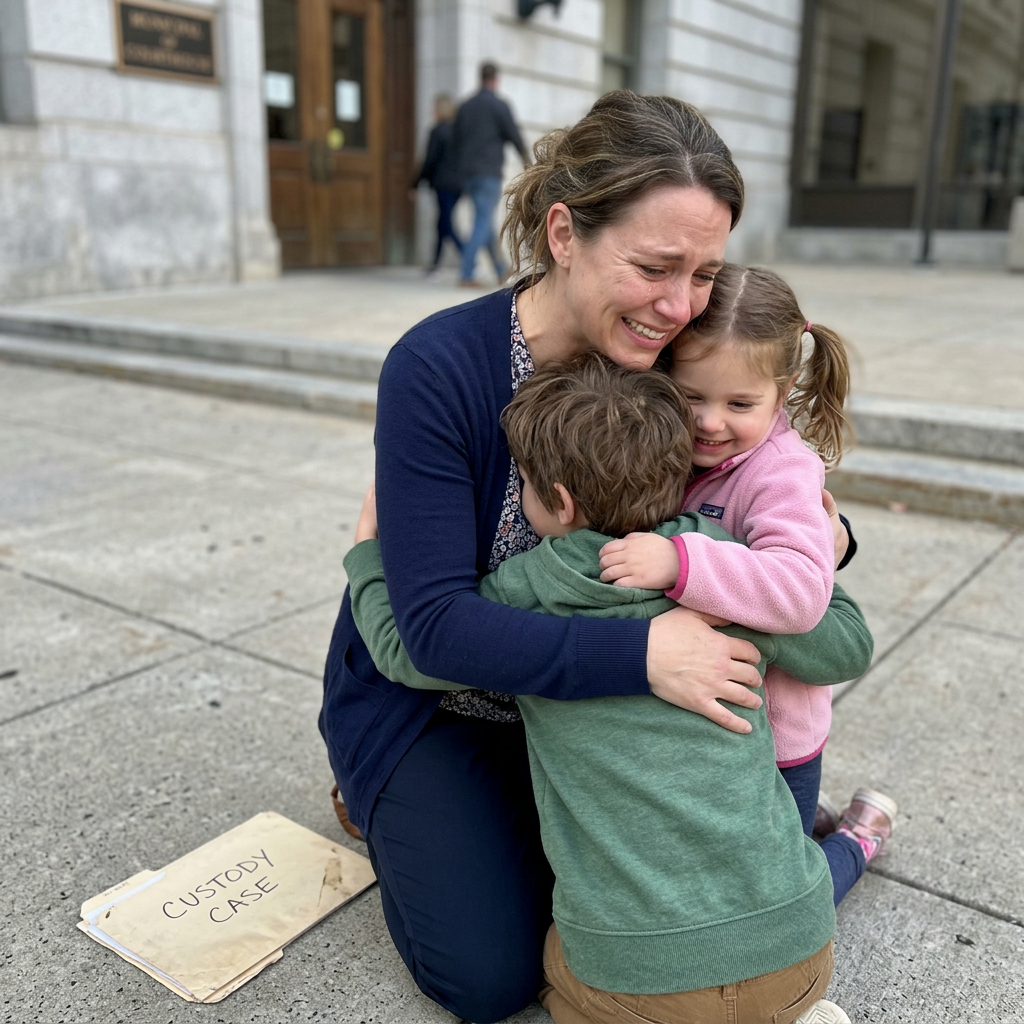
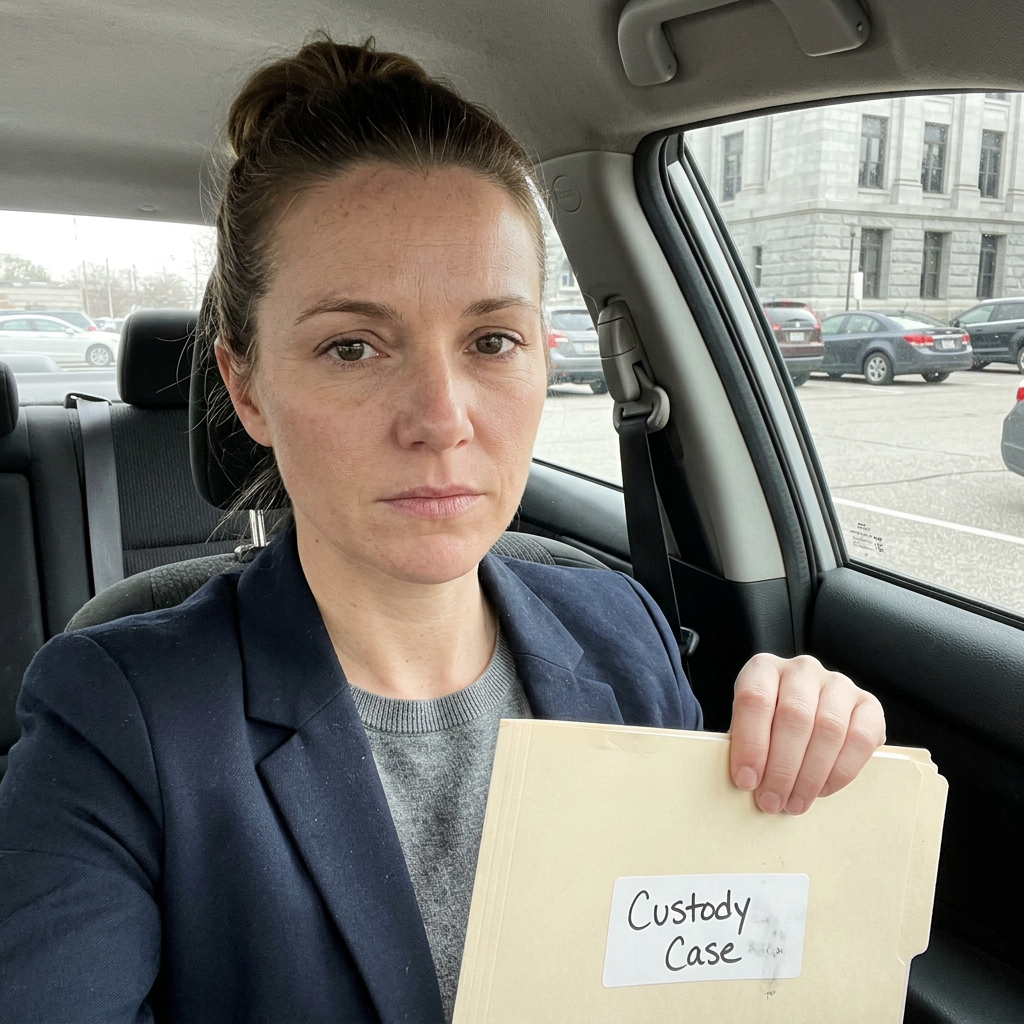
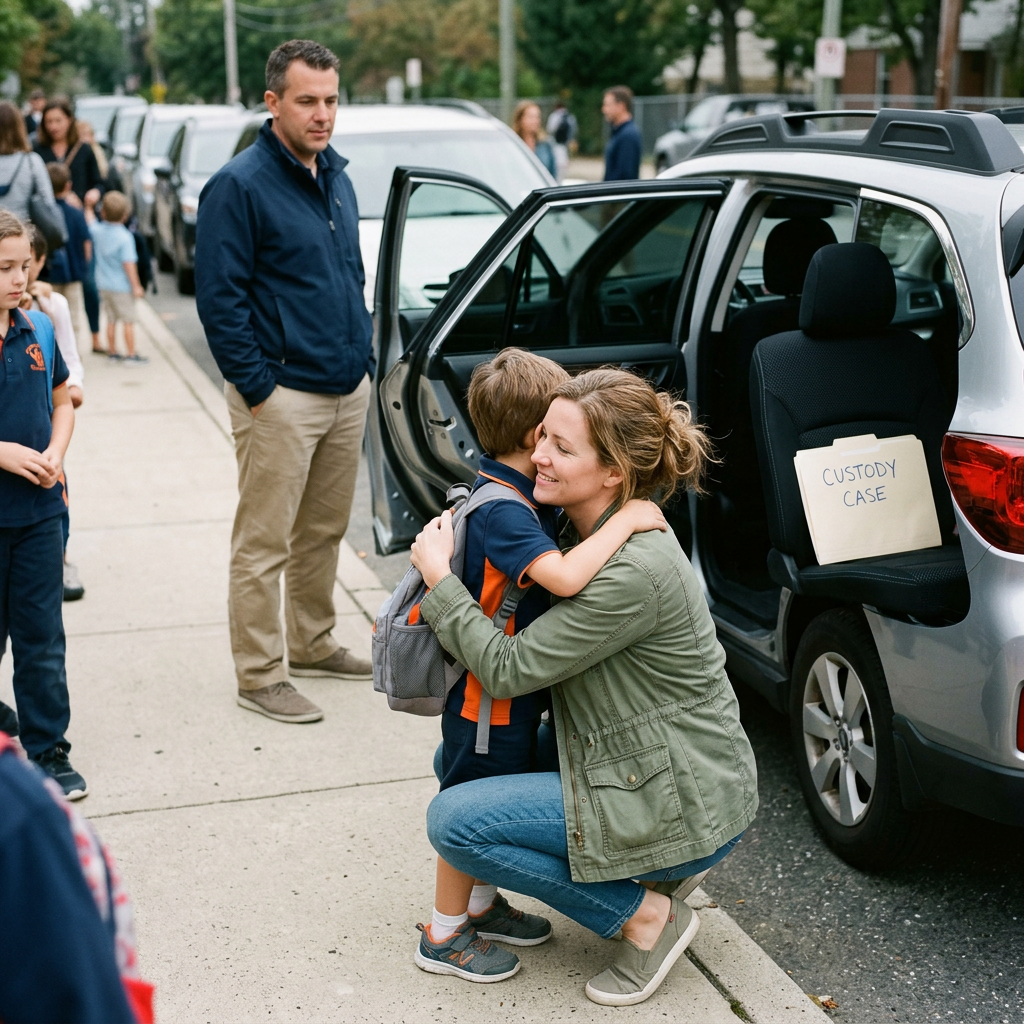
My attorney stopped mid-sentence and said: "In nineteen years, I have never seen anything like this.". All I'd done was set up the right system. But I'm getting ahead of myself. My attorney pulled me aside after the hearing and said something I'll never forget. "I've been doing this for nineteen years. I have never walked into a courtroom with a file this clean." I didn't know what to say. Six months earlier I was sitting on my bathroom floor at midnight, forwarding emails to myself, screenshotting text messages, and writing notes in my phone that I'd never be able to find again. I want to tell you exactly what changed. Because nobody told me, and I wish someone had. I'm not someone who falls apart easily. I have a master's degree. I own my home. I've built a career while raising two kids mostly alone. I am, by most measures, someone who figures things out. But family court broke something in me that I didn't know could break. Not the divorce itself. Not even the custody battle, as brutal as it was. What broke me was the specific, grinding humiliation of walking into that courtroom month after month, knowing exactly what had happened, knowing exactly what he'd done, and watching the judge look at me like I was the unstable one. Every single time. He would stand there — calm, measured, reasonable-sounding. Denying everything. And somehow I was the one who had to prove it. Me. The one telling the truth. I had evidence. That's the thing. I had years of it. Screenshots going back eighteen months. A notes app with hundreds of entries. An "evidence" album in my phone with 340 photos. Voicemails I'd saved. Emails I'd sent to myself at midnight because I didn't know what else to do with what had just happened. I had everything. And none of it held up. My attorney — my first attorney, before I had to switch because I'd spent $23,000 and was running out of options — told me early on to "document everything." Great advice. Genuinely. But she said it the way people say "eat healthy" or "get more sleep." Like the how was obvious. Like I should already know. Nobody teaches you how courts actually need information organized. Nobody explains that a screenshot with no date context is nearly useless. That a notes app full of emotional entries reads as reactivity, not evidence. That without categories, continuity, and documented patterns, a year of careful observation looks exactly like what he kept calling it. Drama. I was documenting. I was documenting constantly. It had become a second full-time job — one with no end, no structure, and no output my attorney could actually use without spending three hours sorting through it first. And even the co-parenting app the court eventually ordered didn't solve this. It helped with communication. It stopped him from denying certain conversations. But it wasn't built for what I actually needed, which wasn't a record of our messages — it was a record of everything else. The missed pickups. The things he said to the kids. The way my daughter came home and couldn't sleep for three nights. The patterns that, individually, looked like nothing, but together painted something undeniable. Those apps are built to manage communication between two parents. I needed something built to document one parent's reality. That's a completely different problem. And I didn't find anything that solved it. So I started building my own system. I am not a particularly technical person. But I know Google Sheets. And one Sunday afternoon, when the kids were with him and I had eight hours and nowhere to put my anxiety, I sat down and started building what I wished existed. Categories first. Incident Log. Communication Log. Custody Exchanges. Child Wellbeing. School and Medical. Court Orders. Expense Tracking. Then structure. Date, time, location, witnesses, direct quotes, impact on the children. Every field I could think of that an attorney might ask for. It took most of that Sunday. And then I started using it. Every incident, logged the moment it happened. Not reconstructed three weeks later from memory. Not described emotionally. Just: date, time, what happened, what was said, what my kids did afterward, what I observed. Within six weeks, something shifted. I wasn't just collecting incidents anymore. I was building a record. And a record, I was learning, is a completely different thing. A record has patterns. A record has continuity. A record shows a judge not one incident, but seventeen incidents over four months, all following the same structure, all affecting the same child in the same way. That's not drama. That's evidence. I want to be honest about the moment I realized this was working, because it wasn't dramatic. It was my attorney flipping through a printed version of what I'd built — now organized, exported as a PDF, tabbed by category — and going quiet for a long moment. "Who helped you put this together?" Nobody, I told her. I built it myself. She looked at me differently after that. Not with pity, which is what I'd gotten used to. With something closer to respect. Then she said: "This is AWESOME. But let me show you how to make it bulletproof." We spent the next few weeks going through it together. She'd point to a field and say "add a witness column here" or "the impact on the child needs its own section, not buried in the notes." Every change was based on what she'd seen work — and what she'd seen fall apart — across nineteen years of family court cases. What we ended up with wasn't just a spreadsheet anymore. It was a documentation system structured around what courts actually need to see. Built from real experience, on both sides of the courtroom. Three weeks later we went back to court. I had 182 documented incidents, I still remember the number. Dates, times, direct quotes, behavioral observations of my children, all organized by category and chronological within each one. He denied everything, as usual. The judge asked him to respond to incident number seven. Then incident number fourteen. Then the pattern across incidents three, nine, and twenty-two. He couldn't. That system is now called “Custody Logs”. I want to be clear about what it is, because I've seen enough custody-related products to know how most of them work. This isn't an app that monitors your co-parent. It isn't a shared platform where both of you log in and the court can see your messages. It isn't another subscription that adds a line item to an already devastating monthly budget. It's a private system — a Google Sheet pre-built with every category I wish I'd had from the beginning. Incident Log, Communication Log, Custody Exchanges, Child Wellbeing, School and Medical, Court Orders, Expense Tracking. Plus a 30-page printable binder for court, and over a hundred message templates for every situation where you need to communicate with your ex and cannot afford to say the wrong thing. He doesn't know it exists. There's nothing to share, nothing to sync, no platform you both log into. It lives in your Google Drive and nowhere else. $39.99. One time. No subscription. Yours forever. I say that last part because I know what it's like to be spending $400 an hour on an attorney while also paying monthly for apps that aren't solving the right problem. I spent $23,000 before I found a $39.99 system that actually moved the needle. The last thing you need is another recurring charge that makes you feel like you're doing something while the real issue goes unaddressed. I've heard from parents who found this after years of chaos. Who sat down, imported their existing notes, and for the first time could see what they'd been living inside. One woman told me something I keep coming back to. "Seeing everything written out over time helped me trust my own reality again." That's what documentation does, when it's done right. It's not about winning. It's not about revenge. It's not about building a case against someone. It's about having a record of what actually happened, organized in a way that the people who need to understand it actually can. A judge cannot ignore what's written down in front of them. And neither can you — when you finally see the pattern clearly, when you stop second-guessing yourself, when you stop feeling like you're the one who can't remember things correctly. I'm not going to tell you this solves everything. Family court is brutal and unfair and exhausting in ways that no spreadsheet fully addresses. There will still be hearings that go wrong. There will still be moments where you feel like the system isn't built for people telling the truth. But I can tell you what my attorney said after nineteen years of doing this work. She'd never seen a file that clean. And it cost $39.99. If you're in the middle of this — if you have screenshots scattered across three apps and notes you can't find and evidence you know exists but can't present in any coherent way — I'm leaving the link below. Not because it will fix everything. Because you deserve to walk into that courtroom with something that speaks for itself.
Where the ad sends people
custodylogs.com
Read this if you are in a custody battle 👆
⭐️⭐️⭐️⭐️⭐️ 22,270 Parents Helped
Learn more: custodylogs.com(opens in a new tab)