
Inactive· since Jul 10, 2026
- 64
- days it ran
- 0
- relaunches
Ad copy
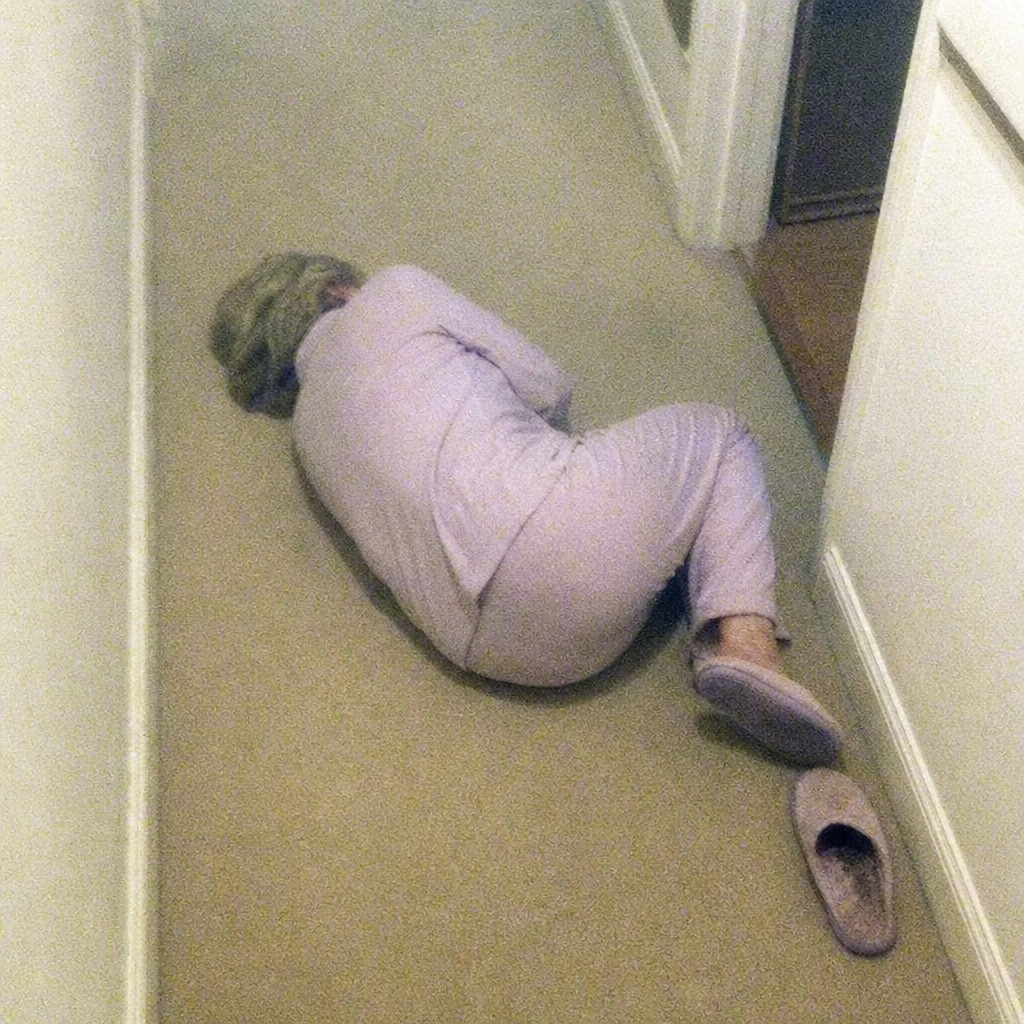
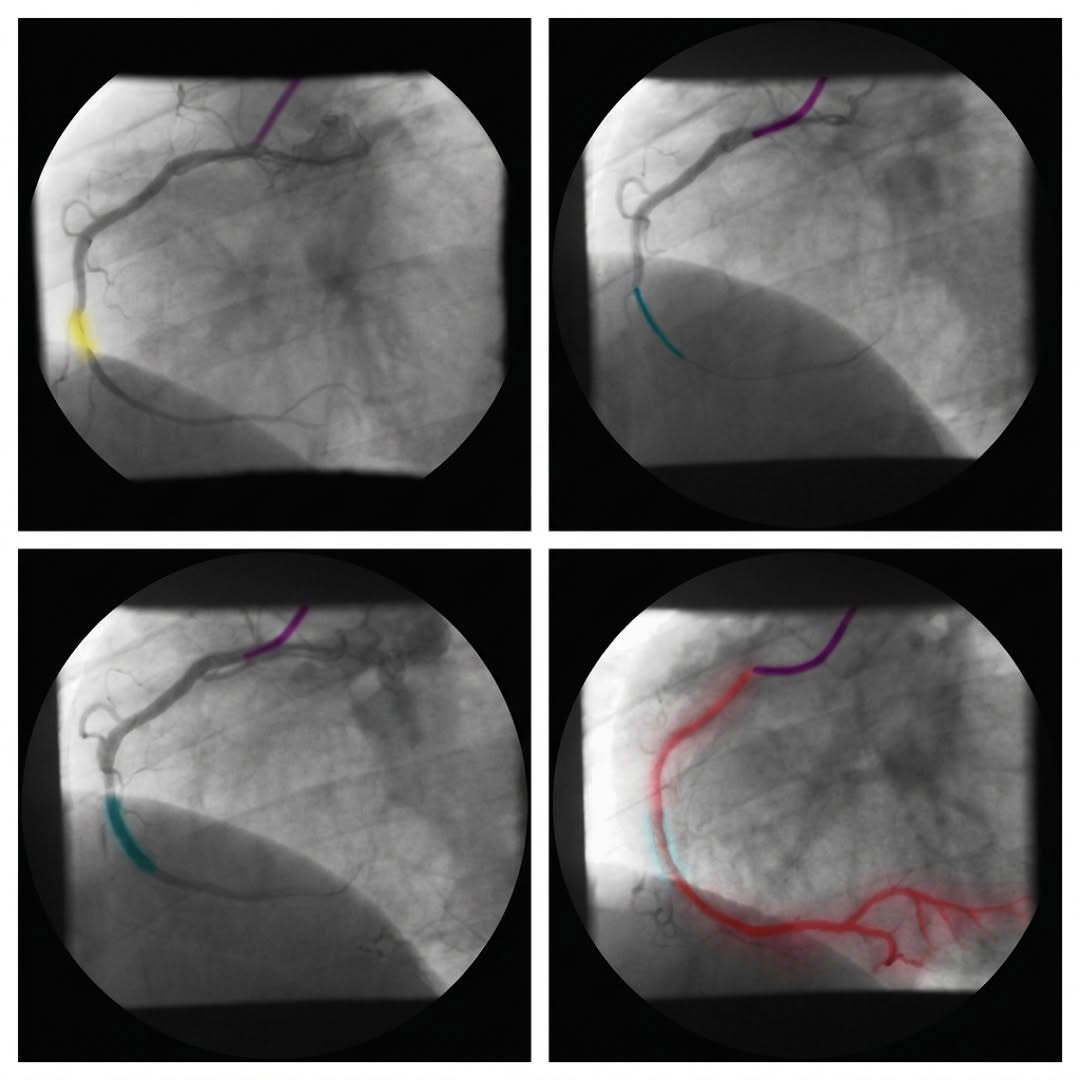
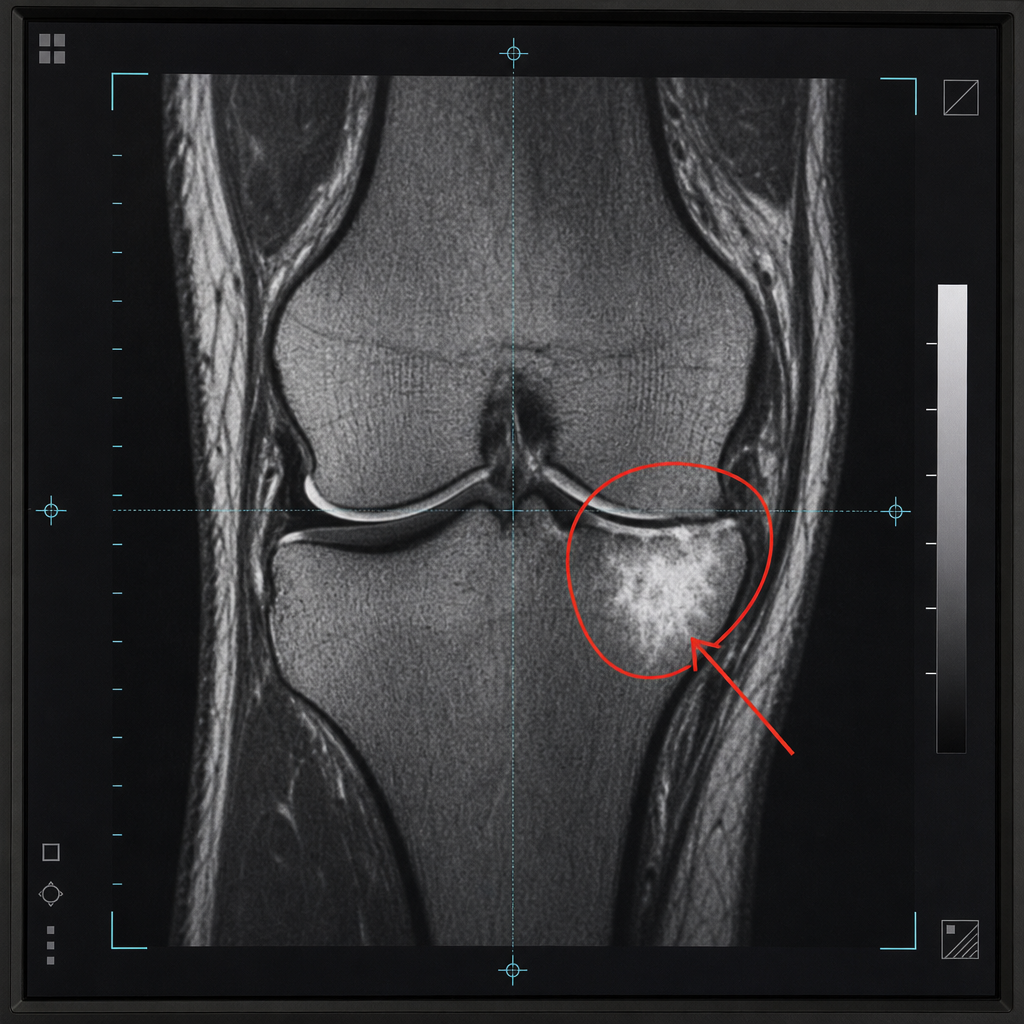
I Refused Anti-Inflammatories for 3 Years. Here's What Happened to My Arthritis. I've been a nurse for 30 years, and arthritis is one of the hardest things I watch women struggle with. Not because the disease is scary. Because the management is. The one that haunted me most was Evelyn. She was 67. Eighteen years on a daily anti-inflammatory. "Stable," her rheumatologist had written in her chart. Stable. She was buying cantaloupe in aisle 4 at Giant when it happened. Heart attack. She was gone before the paramedics got there. I was the one who called her daughter. That was four years ago. After that call, I started paying attention differently. Not to the numbers. To what was happening to the women next to the numbers. About three years ago, it happened to me. My own knees started going. From a 3 out of 10 to a 7 in five years. My blood pressure crept up too. 132. Then 138. Then 146. All those years of 12-hour shifts on hard floors and eating whatever was in the break room finally caught up with me. Or so I thought. My doctor offered me a stronger anti-inflammatory. And a cortisone shot. "It's the gold standard," he said. "The benefits outweigh the risks." I smiled politely and said I'd think about it. But I knew I wasn't going to take either one. I'd watched too many of my patients on those drugs. Not just Evelyn. Deborah was a baker. 38 years. Ran her grandmother's bakery downtown, on her feet from 4 AM kneading bread her grandmother had taught her how to make. By year six on the anti-inflammatories, she couldn't lift the trays out of the oven anymore. Her daughter took over the bakery. Deborah sat in a chair by the window and watched. Patricia taught kindergarten for 32 years. She used to sit on the floor with the kids and play patty-cake. By year four on the anti-inflammatories, she couldn't get up off the floor without help. Took early retirement at 58. Told me once, very quietly, that she'd been teaching kindergarten since she was 23. She wasn't anymore. When I asked Deborah's rheumatologist about the strength loss, he said, "Weakness is common with arthritis. Try some glucosamine." When I asked Patricia's rheumatologist about her exhaustion, he said, "She's just getting older." I've heard that second line more times than I can count. "She's just getting older." "She's just slowing down." It's the thing they say when they don't want to say what the disease is doing while their pill does nothing about it. So when Dr. Patel said "the benefits outweigh the risks," I knew exactly what he meant. The benefit is a number on a piece of paper. The risks are a baker who can't lift a tray and a kindergarten teacher who can't get up off the floor. I wasn't trading one for the other. So I just dealt with it. Cut my carbs in half. Walked an hour every day. Tried glucosamine. Turmeric. Collagen for nine months. Nightshade-free for three years. Magnesium. Fish oil. Cut the bread. Cut the sugar. Ate oatmeal until I couldn't stand oatmeal anymore. Braces. Ice packs at night. My pain came down a point. Then crept back up two. Three years of that. And every time I drew a patient's blood, I thought about Evelyn in aisle 4. Then about two months ago, one of my regular patients came in. Margaret. 71. I'd been drawing her blood before her rheumatology appointments twice a year for twelve years. Stubborn pain — a 7 or an 8 the whole time I'd known her, never under a 6, no matter what she tried. Nothing worked for her either. She'd tried everything I'd tried, plus a few things I hadn't. But this time she seemed different. Lighter somehow. Sitting up straighter. I asked her how she was doing. She said something I didn't expect. She told me she'd been down at the library for months. Going through the old natural medicine books in the back stacks. The kind with the cloth covers, written in the 1940s and 50s, before pharmaceuticals took over. She said she'd been reading about how the Amish women up in Lancaster County never seem to get arthritis. The old books said it was because every farmhouse had a sour cherry tree growing by the kitchen door, and the women had been taking it for over three hundred years to put the fire out before it could eat the joint. She'd found a brand that made the same thing. Wild-harvested tart cherry from those same Amish farms. Cold-pressed. Standardized so that every serving carried a real dose of the compound that does the work. She'd been taking two capsules a day with her supper for ten weeks. She told me her morning pain was a 2. Her wedding ring was back on her finger. Her rheumatologist had told her she didn't need a stronger prescription for the first time in twelve years. I'll be honest, I was skeptical. I've heard every miracle-cure story you can imagine in 30 years. Shark cartilage. Colloidal silver. You name it. But Margaret is not a miracle-cure person. Margaret is a retired bookkeeper who eats the same breakfast every day and irons her sheets. When Margaret tells me something, it's because she read it three times in three different books and then drove out to the farm to see for herself. That night I couldn't sleep. My morning pain was an 8. My blood pressure was creeping. Dr. Patel had asked me again at my last appointment. "Sandra, it's been three years. Please." So at 2 in the morning I got up and opened my laptop. I typed: "why don't Amish women get arthritis heart attacks." What came back shocked me. Lancaster County, Pennsylvania. Arthritis rates 72% lower than the rest of the state. Cardiac death rate among Amish women over 60 — 68% lower. Not 10%. Not 30%. Sixty-eight percent. I read it three times. Then I went deeper. And what I found rearranged 30 years of what I thought I knew. It turns out an anti-inflammatory only does one thing. It quiets the pain. And the pain is not the disease. The pain is the alarm. Underneath the alarm, the joint is releasing enzymes. Enzymes that eat away the cartilage — the cushion that keeps bone from grinding on bone. The pill silences the alarm. It never stops the enzymes. They keep eating. You don't feel the eating. You only feel the alarm. So when the pill quiets it, you think you're better. You're not. And those enzymes don't stay in the knee. The same fire that makes them runs through the blood. Through the arteries. The fire that softens your cartilage is the fire that stiffens your arteries, year after year, while your blood pressure climbs and your doctor medicates it one number at a time. Your X-ray shows the cartilage you've already lost. It cannot show the fire that's eating it. Up to seventy-two percent of women with osteoarthritis are carrying systemic inflammation high enough to damage an artery. Nobody looks. No rheumatologist is taught to. That's why Evelyn died with "stable" X-rays. Her X-ray was the cover of the book. Nobody ever read what was inside. I sat there at the kitchen table and the hair on my arms came up. Then I kept reading. The Amish women in Lancaster County have used wild-harvested tart cherry for over three hundred years. Every farmhouse has a tree of it by the kitchen door. The fruit puts out the fire. The compounds inside it are called anthocyanins, and they're the only thing that's been clinically shown to go after the enzymes eating the cartilage — the ones a painkiller never reaches. And the stiffness, the swelling that won't go down, the exhaustion I'd watched my patients suffer through for years? It wasn't aging. It was a fire nobody ever put out, burning through their joints and their arteries at the same time while their X-rays came back stable. Deborah couldn't lift the trays because the cartilage in her shoulders had been eaten away by enzymes her pill never once touched. Patricia couldn't get up off the floor because her knees had been burning for a decade while her chart said she was doing fine. It wasn't aging. It never was. I ordered tart cherry the next morning. The first bottle I bought was a cheap brand off Amazon. 400 mg, heat-dried capsules. I took it every day for two weeks. My morning pain went from an 8 to a 7. Better. But not life-changing. I was frustrated. Margaret was down to a 2. I'd moved one point. So I went back and started reading more carefully. That's when I saw it. Most tart cherry you can buy is dust. The factories boil the cherries because it's cheap and it lets a bottle survive six months on a shelf. Heat destroys the anthocyanins — the only compounds that matter. Then they cut what's left with filler and water. Press it into capsules, or pour it into a juice bottle. Sell it for $14.99. Every cherry supplement I'd ever seen a patient bring in did nothing because it was nothing. The tart cherry that actually works has to be: Wild-harvested, not cultivated Cold-pressed, never boiled (heat kills the anthocyanins) Anthocyanin-standardized, at a real dose — 3,600 milligrams Concentrated extract, not juice, because you cannot drink your way to 3,600 milligrams No fillers, no added sugar, not watered down Third-party tested in the USA I kept seeing one brand in the arthritis groups and forums. GoodGrove. Wild-harvested tart cherry from Amish farms in Pennsylvania. Cold-pressed. 3,600 milligrams of anthocyanin-standardized extract in every serving. Two capsules a day. I ordered it. It was more expensive than the Amazon bottle. At that point I didn't care. When it arrived, I could tell it was different before I opened the bottle. The powder inside the capsules was a deep, almost-black red. Not the dull pink of the cheap stuff. I put the bottle on my kitchen counter next to the coffee maker and took two capsules with my supper. The next morning, I noticed something. My feet hit the floor and I waited for it. That first step. The one that takes your breath. It didn't come. I stood there in my kitchen with my hand on the counter, waiting for a pain that never showed up. The ache in my hands was gone too. My hands had ached every morning for eight years. I walked into the living room and I wasn't limping. I hadn't crossed a room without planning it first in maybe four years. I checked the clock. 6:40 in the morning. I wrote it down. By the end of the first week I took my own blood pressure at work. 141 over 88, down from 146 over 92. Morning pain a 5. I checked it twice because I didn't believe it. Week three: pain a 4. My wedding ring spun loose on my finger for the first time in three years. Week ten I went in to see Dr. Patel. I handed him the numbers. He looked at them. Refreshed the screen. Looked again. Blood pressure 120 over 78, down from 146 over 92. Resting heart rate down from 84 to 67 — the number I'd been told would only move with medication. Morning pain a 2, from an 8. He didn't say anything for a full minute. Then he looked up at me. "Sandra. What are you doing." I told him. The wild-harvested tart cherry. The cold press. The 3,600 milligrams of anthocyanins. Not the pain. The fire underneath the pain. He didn't roll his eyes. He didn't say "placebo." He was quiet. Then he said, "I want to order one more test. hs-CRP. It measures inflammation in the blood. It's not something we usually run with an arthritis workup." I'd read about hs-CRP in a journal years ago. I'd just never seen one of our doctors order it for a knee. I said, "Let's run it." Three days later he called me. "Your hs-CRP is 1.1. Based on your X-rays and twelve years of watching those knees, I would have expected you north of 4. You're not. You're better than I am." He said it twice. Then he said something he had not said to me in twelve years of watching my arthritis: "Sandra. I'm not raising your anti-inflammatory. I'm not giving you the cortisone shot. Whatever you're doing, keep doing it." I walked out to my car and I sat there for probably ten minutes before I turned the key. It's been three months now. Last Tuesday I worked a 12-hour double shift at the hospital. Came home, ate dinner, walked three miles with my grandson around the reservoir. Didn't sit down until nine. I haven't done that since I was 45. Last Sunday my husband looked up from the newspaper and said, "You're humming again. You haven't hummed in maybe five years." I hadn't even noticed I was doing it. And last month I got a phone call. It was Evelyn's daughter — the one I'd called from aisle 4, four years ago. I'd sent her a bottle of GoodGrove the previous month because she also has arthritis and her blood pressure was starting to look like her mom's. She told me she'd been on it for six weeks. Morning pain down from a 7 to a 3. Her blood pressure had dropped 22 points. Then she said something I haven't stopped thinking about. "You found another way. My mom would have wanted this." I've told seven of my arthritis patients about GoodGrove specifically. Not the Amazon dust version. The wild-harvested, cold-pressed, standardized one. Five have come back already. Margaret is down to a 1 and back in her garden. A woman named Karen, 64, whose rheumatologist had been pushing a cortisone shot for two years — her numbers came back so good last month her rheumatologist cancelled it. A woman named Doreen, 68, whose husband told me last week she's "back to being herself." Here's what I know now that I wish I'd known four years ago. The body already has the tool. Real tart cherry — the kind the Amish in Lancaster County have been growing the same way for three hundred years — puts out the fire that's been eating your joints and stiffening your arteries the whole time. You don't have to take the stronger pill. You don't have to take the cortisone shot. You don't have to trade a baker's hands for a number on a piece of paper. Karen got her energy back. Doreen is humming in her kitchen. Margaret is at a pain level she hasn't felt since her 50s. None of them are on a stronger anti-inflammatory. None of them got the cortisone. All of them are sleeping through the night. This is what I'd have given to give Evelyn four years ago. I'd have driven it to her house. I'd have set the bottle next to her coffee mug myself. I can't do that. But her daughter is on it now. Margaret is on it now. Karen and Doreen and four more people I love are on it now. And the door is open. It wasn't four years ago. It is now. If you're on ibuprofen, naproxen, or meloxicam — or if your doctor just offered you a stronger pill or a cortisone shot and you're sitting on the fence the way I was for three years — I'd take the cherry first. You'll know by the first morning whether it's going to work for you. Your feet hit the floor and the step you brace for doesn't come. You'll feel it before your bloodwork confirms it ten weeks later. It's two capsules. It's once a day. It's on the kitchen counter next to the coffee maker. That's the whole protocol. Try it. See what happens. If I'm wrong, you get your money back. If I'm right — and after 30 years as a nurse, and 13 weeks of my own numbers, and Evelyn's daughter calling me last month, I know I'm right — you get your life back. ~ Sandra K. P.S. — A few things I wish I'd known before I ordered. GoodGrove has a 90-day money-back guarantee. Every penny back, no questions asked. Pharmacies don't do that with meloxicam or a cortisone shot. If it doesn't work for you, you're not out anything but time. And you'll know whether it's working the first morning after you take it. Your feet hit the floor and the step you brace for doesn't come. You'll know. P.P.S. — Here's what my numbers did, for anyone who wants the diary version. Week 1: morning pain 7 → 5, blood pressure 146 over 92 → 141 over 88. Week 3: pain a 4, wedding ring loose. Week 10: pain a 2. Blood pressure 120 over 78. Resting heart rate down from 84 to 67. And an hs-CRP of 1.1 — a test nobody had run on me in twelve years of arthritis. No morning brace. No ice packs at night. No more wedding ring sitting in a dish. Just my numbers getting better and me getting myself back. P.P.P.S. — Seven arthritis patients, five reported back already. Margaret's morning pain is a 1. Karen avoided the cortisone shot. Doreen's husband says she's "back to herself." I'll update this if the other two check in. P.P.P.P.S. — I keep two bottles in the house now. GoodGrove is a small company. Their cherries come from one Amish community in Lancaster County, and they harvest once a year. They can't rush it. The last time I ordered, it took 11 days to arrive — they were out of the current batch and waiting on bottling. If you're going to try it, I'd grab it while it's in stock. They're running a special promotion right now, which is how I stock up. I went 30 years as a nurse without recommending a supplement to anyone. This is the one. ~ MH
Everyone with joint issues needs to see this ☝️
Clean, science-backed supplements crafted without anything artificial. Vegan, non-GMO, and third-party tested, with a 90-day money-back guarantee so you can shop with confidence.
LEARN MORELike this ad? Make it yours.
Crush rebuilds this exact creative around your product — your brand, your colors, your offer — in about a minute.