Mary Parker, RN
 Facebook ad: “Ceylon Cinnamon 7200mg Equivalent with MCT Oil”
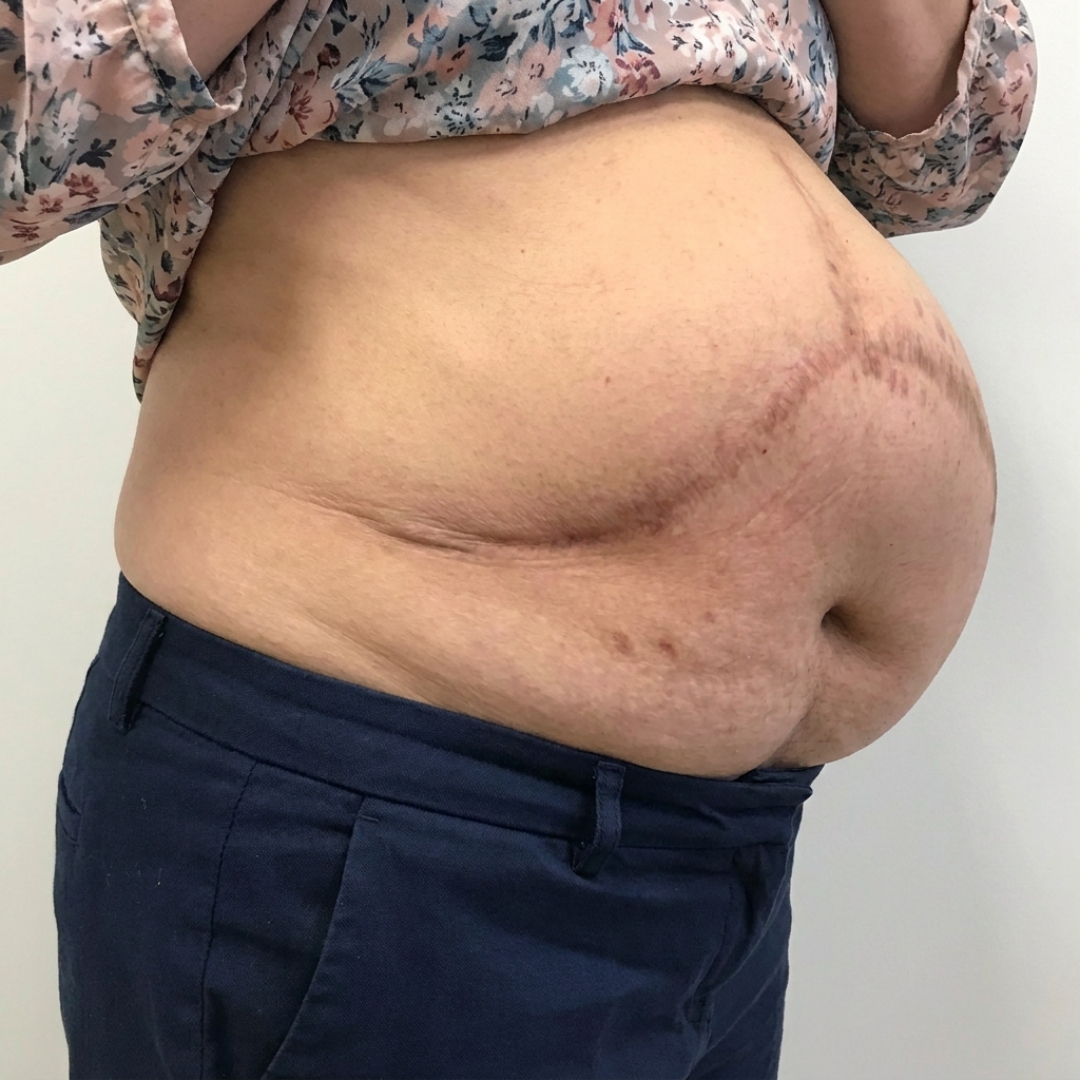
Running for 18 days since October 14, 2026. Crush last saw it on November 1, 2026.
Run by Mary Parker, RN on Facebook. Crush is not the advertiser and does not verify its claims. See this ad in Meta's Ad Library(opens in a new tab)
Make your own version of this ad
Crush makes it, launches it in your own Meta ad account, scales the winners and pauses the losers.
About this ad
- Meta Ad Library ID
- 1626436132264626
- Platforms
- Facebook, Instagram, Audience Network and Threads
- Relaunches
- 1
Ad text
I was diagnosed with fatty liver at 54. I'm 62 now. Turns out I never had fatty liver at all. My name is Mary Parker, and I'm a Type 2 diabetic. I work as a transplant nurse for 24 years. For eight years, I managed a condition I didn't actually have. Eight years of ursodiol. Eight years of a low-fat diet that made every meal feel like punishment, while my liver enzymes kept creeping higher. Eight years of being handed a new protocol and told to just give it time. I did everything they asked. I cut out alcohol completely. Cut out fried food. Cut out red meat. Started walking 30 minutes every morning before my shifts. Lost 18 pounds over two years. My liver enzymes barely moved. I tried milk thistle. Then NAC. Then alpha lipoic acid. Then a liver detox program from a functional medicine clinic that cost $380 a month. My hepatologist said it was the most evidence-based approach available. It helped a little. For a while. Then it didn't. My ALT and AST kept sitting above normal. My ultrasound kept showing the same bright liver. My hepatologist kept saying well, it hasn't progressed. Like that was supposed to feel like good news. And the cost of all of it? I was exhausted in a way that sleep never fixed. I'd finish a twelve-hour transplant shift and feel like I'd been wrung out. I'd sleep eight hours and wake up already tired. My right side ached all the time, that dull pressure just under my ribcage that became so familiar I stopped noticing it was there. By noon I was bloated. By 2 PM my brain had turned to wet concrete. I'd be mid-sentence with a patient and completely lose the word I was reaching for. Simple words. Like record. Or Tuesday. I watched patients come through our unit every week, people in genuine crisis, and I'd think: I'm barely keeping myself together, and I'm supposed to be the one keeping them together. I looked fine on the outside. I knew exactly what was happening on the inside. And every doctor just nodded. That's normal for your age. Stress makes it worse. Have you tried losing a little more weight? I'd already lost 18 pounds. Here's what none of them had connected yet. Not my hepatologist. Not my endocrinologist. Not my cardiologist. My A1C had been sitting at 6.8 for three years. My fasting glucose was in the 130s every single morning no matter what I ate. My blood pressure was quietly climbing, sitting at 138/88 at my last physical. My LDL crept up to 144. Borderline, my endocrinologist said. Managed, my cardiologist said. We'll keep watching the liver, my hepatologist said. Nobody was treating the same body. I was three different patients with three different specialists, and not one of them was talking to the others. Then something happened that changed everything. I was doing morning rounds on a patient. Fifty-eight years old. Type 2 diabetic. Admitted eight months earlier with a fatty liver diagnosis and an A1C of 8.2. She'd been on the transplant assessment track. Standard trajectory for someone her age with her numbers. But when I walked into her room that morning, something was different. Her color was better. Her eyes were clear. She was sitting up eating breakfast, laughing at something on her phone. I pulled up her chart. ALT: 21. AST: 18. Both normal. Eight months ago at admission: ALT 69, AST 57. A1C: 5.8. Down from 8.2. Blood pressure 121/74. LDL 97. I stared at that screen for a long time. Mrs. Callahan. Your liver numbers. Your A1C. What changed? She smiled. You're not going to believe me. Try me. My daughter ordered me a softgel. Ceylon cinnamon in MCT oil. Something called Metabolae. I figured it couldn't hurt. I looked back at her chart. You're telling me cinnamon moved your liver enzymes forty points? I'm telling you my hepatologist ran my labs three times because he didn't trust the first set. My blood pressure medication got cut in half. My cholesterol is the lowest it's been in a decade. The ache under my ribs, the one I'd had for years, it's gone. I sleep through the night now. I went home that night and couldn't stop thinking about it. I've been a nurse for 24 years. I've watched more patients than I can count spend money on things that did nothing. I don't believe in magic supplements. I believe in labs. And her labs didn't make sense to me. So at 11 PM, still in my scrubs, I started reading. Here's what I hadn't understood, even after two decades of watching metabolic patients come through our transplant unit. Fatty liver doesn't usually start in the liver. It starts with blood sugar. When your cells stop responding to insulin properly, glucose has nowhere to go. So your liver steps in. It converts that excess blood sugar into fat and stores it. That's the fat showing up on the ultrasound. That's what's making the enzymes climb. Your hepatologist treats the liver. Your endocrinologist treats the A1C. Nobody treats the thing underneath both of them. That's why nothing I'd done for eight years had actually worked. True Ceylon cinnamon, from certified farms in Sri Lanka, contains compounds that help your cells respond to glucose again. Not by forcing anything. Not by overriding your body. By helping the cells do what they were always supposed to do. When that happens, glucose moves where it belongs. Your liver stops converting overflow sugar into fat. The enzymes start coming down. That's why Mrs. Callahan's chart looked the way it did. Her liver finally got relief. I ordered a generic cinnamon capsule from Amazon the next morning. $14. Two weeks later, my fasting glucose had barely moved. The ache under my ribs was still there. The bloating was the same. I figured maybe she just got lucky. But then I looked more carefully at what she'd actually taken. I later figured out that what I'd bought was almost certainly cassia. Not real Ceylon. It said cinnamon on the label and I'd assumed that meant the same thing. It doesn't. Cassia is a different species entirely, and it doesn't have what true Ceylon has. I'd made the same mistake most people make when they go looking for cinnamon supplements. I'd grabbed the wrong thing entirely. I went back to the chart and read what her daughter had actually ordered. Metabolae. True Ceylon from certified farms in Sri Lanka. Concentrated extract suspended in MCT oil, which carries the active compounds through your cell wall instead of letting them pass through your gut unused. DNA-verified. Third-party tested. Right ingredient. Right form. Right delivery. Everything I'd bought from Amazon had gotten all three wrong. I ordered a bag that same day. Day three: the ache under my ribs was softer. Not gone. But noticeably softer, for the first time in years. Day five: I made it through a full twelve-hour shift without the 2 PM crash. I hadn't needed a third coffee. I drove home alert. Day seven: I woke up and lay there a moment waiting for it. The right-side pressure. The morning heaviness. It wasn't as loud. I checked my fasting glucose. 109. I'd been in the 130s for three years. Week two: the bloating was gone. I realized it when I got dressed for work and didn't have to adjust anything by noon. That hadn't happened in years. My brain fog was lifting. I was finishing charts without re-reading the same entry three times. I was finishing my own sentences again. Week four: my fasting glucose was sitting in the 90s every single morning. I tested it five days in a row because I didn't trust it. I called my sister that night. Something is happening with my numbers, I told her. Something I haven't seen in ten years. Three months later, I walked into my hepatologist's office for my quarterly labs. He pulled up my results and didn't say anything for a moment. Your ALT is 23. AST is 20. Yes. Those are normal. I know. Your A1C is 5.8. Down from 6.8. Yes. Blood pressure looks great. LDL is 99. He looked up at me. What did you do? I put the bag on his desk. He picked it up. Read the label. Set it down. Your liver enzymes shouldn't be moving in this direction without a significant dietary intervention or medication change. I know. Keep doing whatever you're doing. And keep your quarterly appointments. That was four months ago. My liver enzymes have stayed normal. My A1C is the lowest it's been in a decade. My blood pressure is off one of my two medications. My LDL is back in range without changing anything else. The bloating is gone. The right-side ache that I'd lived with for eight years is gone. The midday crashes are gone. The brain fog is gone. I feel like I did before any of this started. I've quietly told three colleagues about Metabolae. All three came back and told me their fasting glucose dropped in the first few weeks. One of them called me crying because her liver enzymes had finally come back normal after six years of being told well, it hasn't progressed. Now a few things I want to tell you, because I made mistakes and I don't want you making the same ones. Most cinnamon products you'll find online, Amazon, Walmart, wherever, are cassia. Not real Ceylon from Sri Lanka. The label says cinnamon and you assume it's what works. I made that exact mistake. I spent two weeks on the wrong thing before I figured it out. Don't do that. The only way to know you're getting true Ceylon, the right concentration, MCT oil for absorption, and a tested product, is buying directly from Metabolae's official site. Not a third-party seller. Their site. One more thing. When I first thought about ordering Metabolae, my honest hesitation was: what if it just doesn't work for me the way it worked for her? Then I saw they back it with a full 90 days. If nothing changes, you pay nothing, opened bag and all. That answered my own question before I'd finished asking it. Most people who see their liver numbers move do it somewhere between months two and three. Three bags is what most people actually commit to, and it's where the results hold. It's not a gamble when you have 90 days to find out. If your liver numbers keep coming back elevated. If your A1C is borderline while your liver enzymes keep climbing. If your energy is gone and your right side aches and your doctors keep saying they'll watch it. Give it 90 days. See what happens to your labs. I went from a fatty liver diagnosis to normal liver enzymes. From an A1C of 6.8 to 5.8. From two blood pressure medications to one. From waking up exhausted every morning to actually resting. I didn't have fatty liver. I had eight years of uncontrolled blood sugar quietly converting excess glucose into fat in my liver. And not one person in a white coat connected those two things until I saw it in my patient's chart. One softgel. Every day. For three months. That is the whole protocol. You'll wonder why you waited. ~ Mary Parker, RN, Transplant Nurse, 24 years
Where the ad sends people
metabolae.com
Ceylon Cinnamon 7200mg Equivalent with MCT Oil
Supports healthy blood sugar levels and metabolism with premium Ceylon cinnamon. Shop Metabolae's science-backed supplements. Free shipping available.
Learn more: metabolae.com(opens in a new tab)