Bruce Martin
Bruce Martin Facebook ad: “What a cafe owner in New Zealand taught me about my liver”
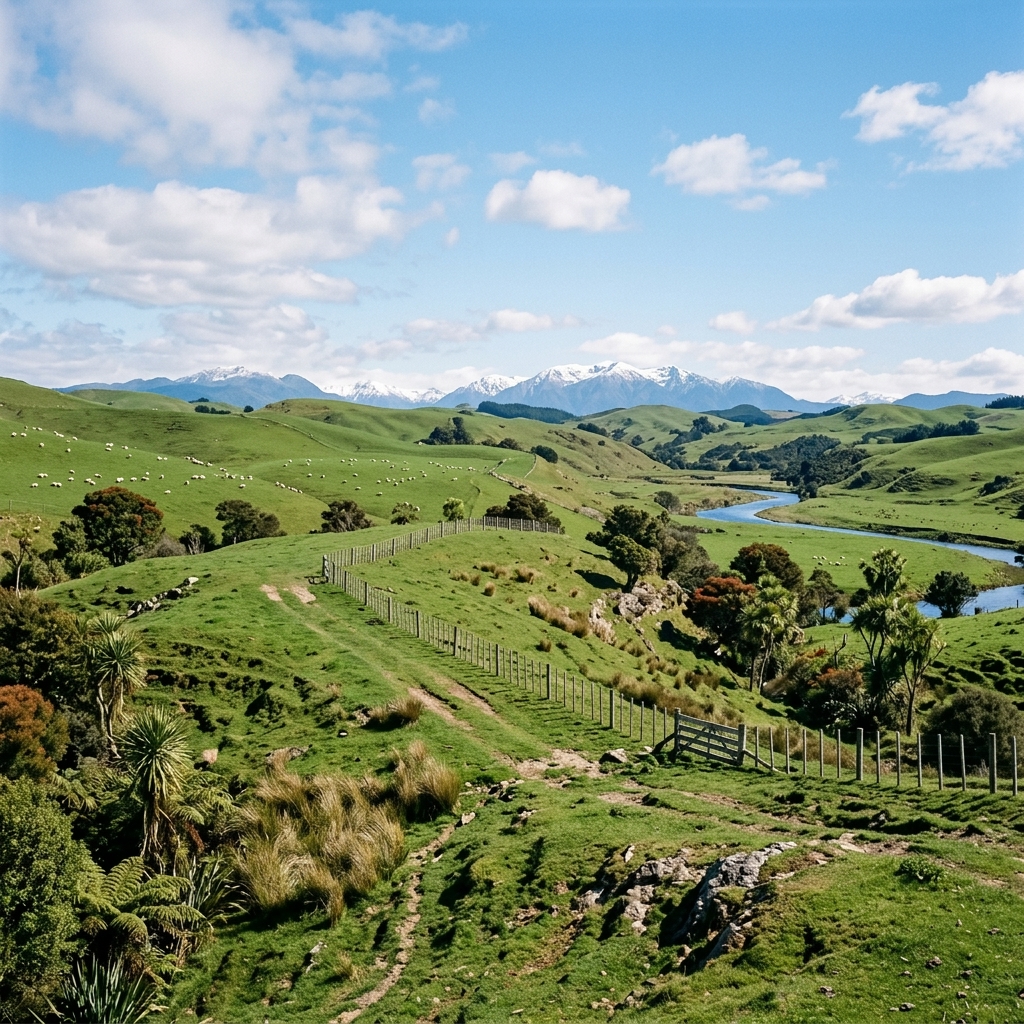
Ran for 15 days, from March 19 to April 3, 2026, the last day Crush saw it.
Run by Bruce Martin on Facebook. Crush is not the advertiser and does not verify its claims. See this ad in Meta's Ad Library(opens in a new tab)
Want an ad like this for your product?
Crush makes new ad images for your product from this ad: your logo, your product photo, your offer.
Trials from $19.95 USD, then $79.95 USD a month. Cancel anytime.
About this ad
- Meta Ad Library ID
- 1627120938629388
- Platforms
- Facebook, Instagram, Audience Network, Messenger and Threads
- Relaunches
- 0
- EU reach
- 31,550
Ad text
I went to New Zealand last year because my wife had been talking about it for years. She wanted to see the mountains, the fjords, all of it. I just wanted two weeks away from emails and conference calls. What I didn't expect was to come back questioning something I'd been ignoring for the better part of a decade. It started on day three. We were having breakfast at this small cafe in Queenstown, and I ordered what I always order: coffee, eggs, toast. Standard. The owner, this older guy named Graham, came over to check on us. He had that easy-going way about him that made conversation feel natural. We got to talking about where we were from, what brought us to New Zealand, the usual tourist small talk. He mentioned he used to work in pharmaceutical quality control in Auckland before he retired and opened the cafe about five years ago. That caught my attention because I work in manufacturing, so we started comparing notes on quality systems, regulatory headaches, that kind of thing. At some point, he asked how I was enjoying the trip so far. I told him it was great, but I was having trouble shaking this constant tiredness. Even on vacation, I was waking up feeling drained. I mentioned I'd been dealing with it for years now. Low-level fatigue that never really goes away. Brain fog in the afternoons. I told him I just figured it was part of getting older. He nodded like he'd heard this before. Then he asked if I'd been on any medications long-term. I said yeah, a statin for cholesterol. Been on it for about six years. He asked if I took anything for pain. I said ibuprofen, maybe three or four times a week. My back acts up, nothing serious. He asked about my digestion. I paused. I hadn't really thought about it, but yeah, I get bloated after most meals. Especially dinner. It's uncomfortable but not painful, so I just live with it. Graham leaned back in his chair and said, "When I was working in pharma QC, we'd see people come through with those exact symptoms. Fatigue, brain fog, bloating, that afternoon crash. Most of them thought it was stress or age. Turned out a lot of them had the same issue." I asked what issue. He said, "Their liver was falling behind." I'll be honest, I didn't take that seriously at first. I'm not a heavy drinker. I don't have liver disease. I'd never even thought about my liver as something that could cause fatigue. But Graham wasn't done. He walked me through it. He said your liver is a filtration system. Every medication you take, every meal you eat, every drink, every bit of environmental exposure, your liver has to process it. It's been doing this job since you were born. And for most of human history, it handled the load just fine. But the load has changed. Think about what your liver filters in a single day now. Preservatives in your food. Pesticide residue on vegetables. Alcohol from last night. Ibuprofen for your back. Your statin. Stress hormones your body produces when you're sitting in traffic or dealing with work pressure. None of these things are extreme on their own. But your liver has to process all of them, constantly, for decades. And here's the part that stuck with me: your liver doesn't give you obvious symptoms when it's struggling. It doesn't hurt. It doesn't send warning signals. It just quietly falls behind. When your liver can't keep up with the filtration load, toxins start recirculating. They don't get cleared out. They build up in your bloodstream, in your tissues, in your fat cells. And that's when you start noticing things that don't feel like liver problems. Fatigue that sleep doesn't fix. Brain fog in the afternoons. Bloating after meals. Skin that looks dull. Stubborn weight around your midsection. Most people don't connect these symptoms to their liver. They think it's age, or stress, or just how life is now. I thought that too. Graham kept going. He told me that when he was working in quality control, part of his job was testing the purity of active compounds in supplements and medications. He said most people don't realize that concentration matters as much as the ingredient itself. He brought up milk thistle as an example. It's been used for liver support since ancient Greece. The active compound is called silymarin, and it's one of the only natural substances that's been shown in clinical studies to actually regenerate liver cells. But here's the issue: most milk thistle supplements on the market contain 50 to 65 percent silymarin. That's the industry standard because it's cheaper and faster to produce. Graham said New Zealand has some of the strictest pharmaceutical-grade sourcing standards in the world. When they extract silymarin here, they can get it up to 80 percent concentration. He said that difference matters more than most people think. Below a certain threshold, you're not getting enough of the active compound to trigger liver cell regeneration. You're just taking a low-dose maintenance supplement that barely moves the needle. Above that threshold, you actually start regenerating the hepatocytes, the cells that do the filtering work. And when those cells regenerate, your liver starts clearing toxins efficiently again. I asked him why he was telling me all this. He said, "Because you sound like you're running on a clogged filter. And if you don't address it, you'll just keep feeling worse year after year." I didn't buy anything from Graham. He wasn't selling supplements. He was just a retired pharma guy who'd spent decades testing purity standards, and he could spot the pattern. But that conversation stayed with me for the rest of the trip. Every time I felt that afternoon fatigue, or woke up groggy, or felt bloated after dinner, I thought about what he said. When I got home, I couldn't let it go. I started researching liver filtration, silymarin concentration, regeneration thresholds. I'm the kind of person who needs to understand the mechanism before I'll consider trying something. I searched for "silymarin concentration liver regeneration clinical studies" and found a 2020 study that tracked liver enzyme levels in two groups. One group took 80 percent silymarin extract. The other took standard 50 percent extract. The 80 percent group showed measurable improvement in liver function markers within four weeks. The 50 percent group showed minimal change. That's not anecdotal. That's a threshold effect. Below 80 percent, you're not hitting the concentration needed to trigger regeneration. I kept digging and found data on drug-induced liver injury, which is one of the leading causes of acute liver failure in the U.S. It's not just people overdosing. It's people taking normal doses of ibuprofen, acetaminophen, statins, and other common medications, but taking them regularly, for years, while their liver is already processing everything else. A 2025 analysis found that middle-aged adults are overrepresented in liver injury cases. Not because they're doing anything extreme, but because they're on multiple medications, eating processed food, drinking moderately, and their liver has been running at full capacity for decades without a break. About 14 percent of drug-induced liver injury cases become chronic. That means the damage doesn't reverse when you stop the medication. It lingers for six months or longer. Most people never get tested. They just feel tired. I started thinking about my own situation. I'm on a statin. I take ibuprofen regularly. I eat out more than I probably should. I have a few beers on the weekend. None of these things seemed like a problem on their own. But when you add them up, and you think about what your liver has to filter every single day for years, it makes sense why I might feel the way I do. I'm not someone who gets excited about supplements. I've tried things before and didn't notice much. But this felt different because it wasn't about "boosting" anything or "optimizing" my health. It was about restoring a system that had been overloaded for too long. I searched for "80 percent silymarin New Zealand pharmaceutical grade" because I wanted to find something that matched the sourcing standards Graham had described. Most of the results were commodity supplements with vague purity claims. Then I found a company called Uvora. Their product page listed the exact silymarin concentration: 80 percent, sourced from New Zealand, third-party tested for purity. They also included a few other compounds that support liver detoxification pathways, but it was the milk thistle concentration that caught my attention. I looked at their sourcing documentation. They provided batch testing reports. They listed the extraction method. They weren't hiding behind proprietary blends or vague marketing language. That's what made me trust it. Transparency. I ordered a two-month supply because I wanted to run my own test. If the threshold effect I'd read about in the research was real, I should notice something within four weeks. I didn't expect anything dramatic. I just wanted to see if I felt different after a month. What I noticed first was my digestion. I've had this bloating issue for years, especially after dinner. It wasn't painful, just uncomfortable. Within about five days, that went away. I didn't change what I was eating. The bloating just stopped. The second thing I noticed was my energy in the afternoons. I used to hit a wall around 2 or 3 PM and need another coffee just to stay functional. By the end of week two, I didn't need that second coffee anymore. I wasn't bouncing off the walls, but I wasn't dragging either. By week four, I felt like I'd rolled back a few years. I was waking up without needing to hit snooze three times. My brain felt clearer. I wasn't getting that foggy, sluggish feeling in the afternoons. When I finished the two-month supply, I didn't even think about whether to reorder. I just did. The difference was too obvious to go back. I went back and read more about how silymarin works at the cellular level. It's not a stimulant. It's not a quick fix. It regenerates hepatocytes, which are the cells in your liver that do the filtering work. When those cells are damaged or overloaded, your liver can't keep up. When they regenerate, your liver starts clearing toxins more efficiently again. That's why the concentration matters. Below 80 percent, you're not hitting the threshold needed to trigger regeneration. You're just maintaining the status quo. I also appreciated that this wasn't marketed as a "detox" in the trendy sense. There's no juice cleanse, no dramatic promises, no influencer selling it. It's just a pharmaceutical-grade extract of a compound that's been studied for liver regeneration for decades. The company works with a naturopathic doctor named John Thompson, who's been researching liver health for years. I watched a few of his presentations online, and he's not trying to sell a lifestyle. He's just explaining how liver filtration works, why most people are quietly overloading their liver without realizing it, and what the research shows about silymarin concentration thresholds. I'm still taking it. I'm on month four now, and I feel better than I have in years. My wife noticed too. She said I seem less irritable, more present. I didn't realize how much of my mood was connected to feeling worn down all the time. I'm not saying this will work for everyone the way it worked for me. But if you're someone who likes understanding how systems work, who wants to see the research behind something before you try it, and who's been feeling just a little off for longer than you care to admit, this might be worth looking into. Your liver has been filtering everything for decades. If it's falling behind, you won't get a warning. You'll just feel tired, foggy, bloated, and older than you should. EDIT: I almost forgot to drop the link to the milk thistle I use. For those curious about it you can check it out here👇 https://getuvora.com/pages/liver-detox
Where the ad sends people
getuvora.com
What a cafe owner in New Zealand taught me about my liver
Your liver's clogged after years of drinking and junk food. This natural formula helps you recover and clear out the junk.
Learn more: getuvora.com(opens in a new tab)