Debbie Marshall
 Facebook ad: “What helped my sciatica without the pill fog”
Ran for 1 day, from November 18, 2026, the last day Crush saw it.
Run by Debbie Marshall on Facebook. Crush is not the advertiser and does not verify its claims. See this ad in Meta's Ad Library(opens in a new tab)
Make your own version of this ad
Crush makes it, launches it in your own Meta ad account, scales the winners and pauses the losers.
About this ad
- Meta Ad Library ID
- 1627845328288999
- Platforms
- Facebook, Instagram, Audience Network and Threads
- Relaunches
- 0
Ad text
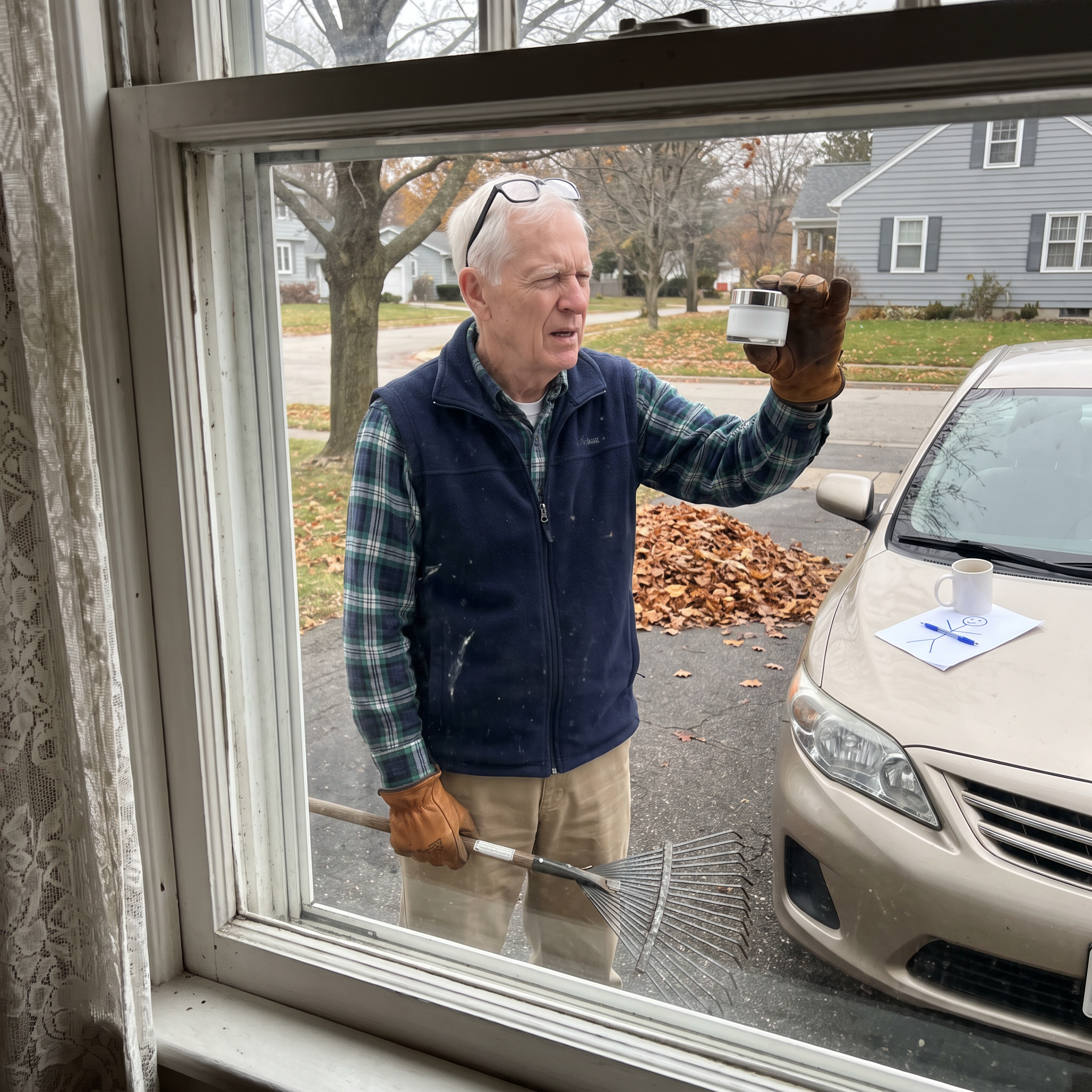
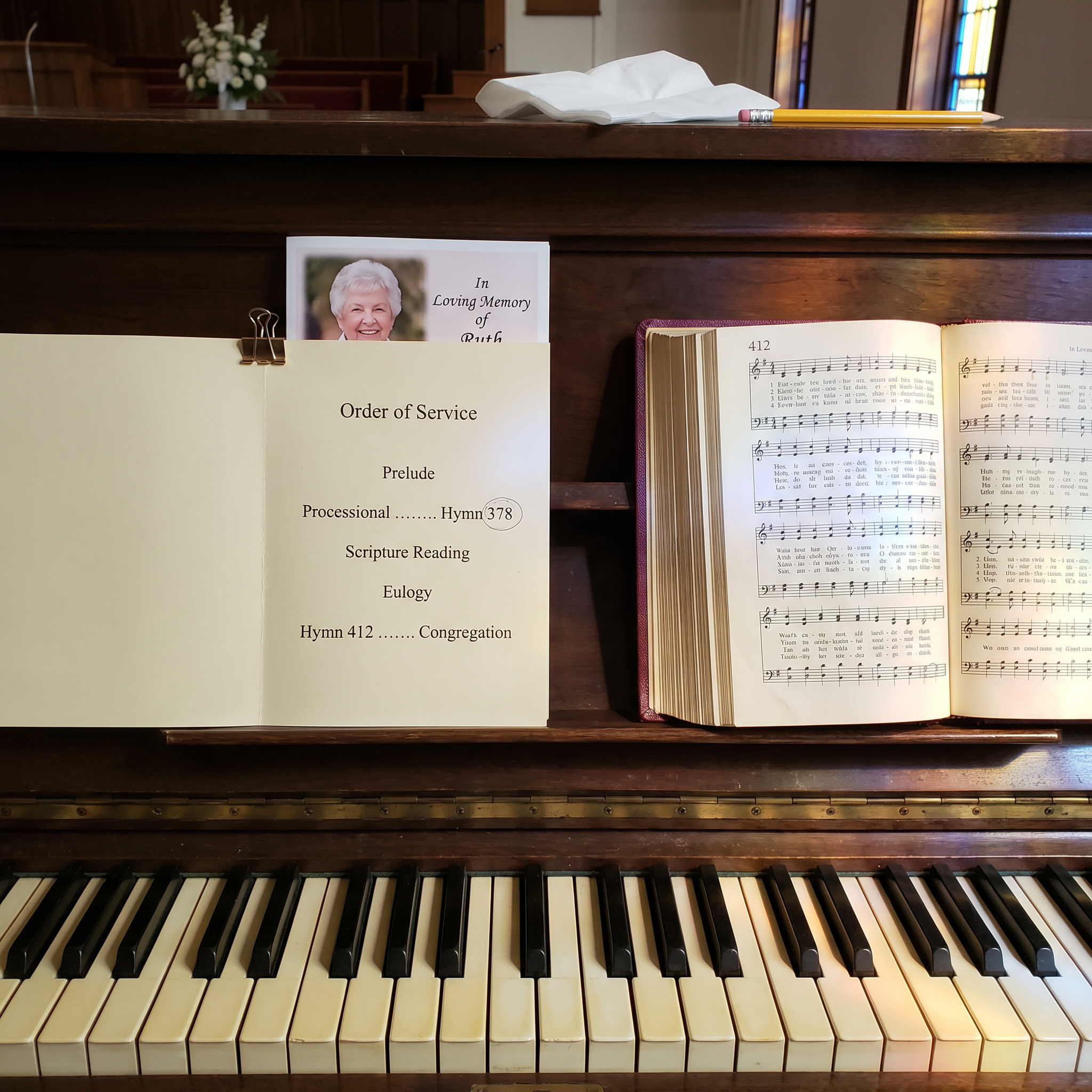
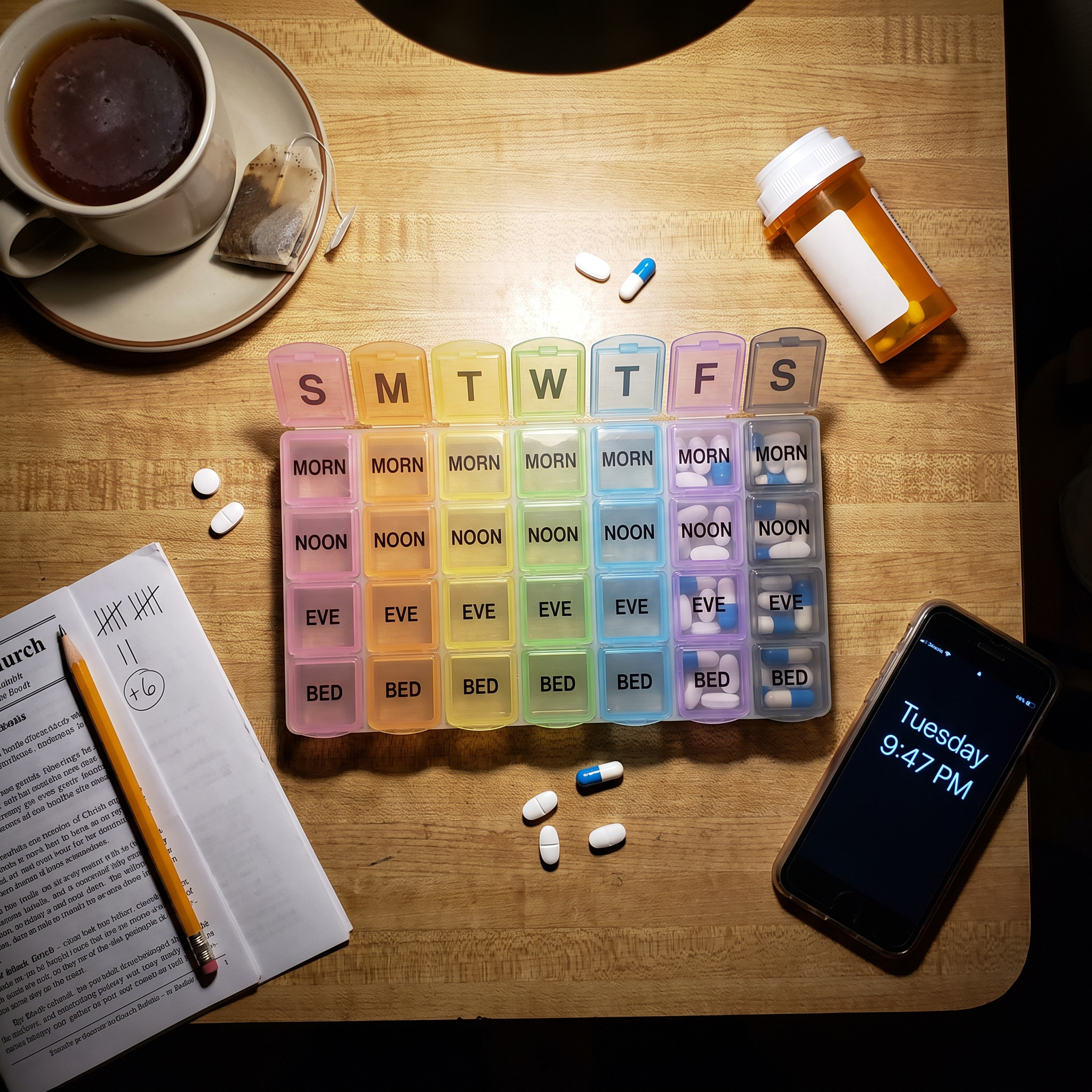
I played the wrong hymn at my best friend’s funeral. The nerve pills for my sciatica had my head in a fog. Last Sunday I played the whole Christmas cantata. Every note. A retired anesthesiologist told me why. I’m 62. Church pianist for thirty-one years. Piano teacher. Married to Frank for forty. My whole life lives in my head and my hands. Reading the notes. Counting the measures. Hearing the wrong note before a student even plays it. Then the sciatica came. It started in my left hip. Then it ran down the back of my leg into my calf. Some days my foot went numb. And the worst part was sitting. You can’t play piano standing up. Sunday service is an hour and fifteen minutes on a hard wooden bench. Then two hours of lessons. Then choir practice on Wednesday night. By the second hymn my leg would be on fire. By the sermon I’d be shifting on that bench like a schoolgirl who needed the bathroom. So I did what my doctor told me to do. I took the pills. First it was ibuprofen. It did nothing. Then Tylenol and ibuprofen together. Still nothing. Then a muscle relaxer. That one put me to sleep in the middle of the afternoon. I’d wake up in my chair with my glasses crooked and Frank standing there with a blanket. Then the nerve pill. The nerve pill took the edge off the pain. I’ll give it that. But it took the edge off me too. I’d sit down to practice and read the same line of music four times. The notes were there. They just didn’t go anywhere in my head. I’d lose count in the middle of a measure. Me. I’ve been counting measures since I was six years old. One Tuesday a nine-year-old student stopped in the middle of her piece and said, “Mrs. Holt, you said B flat. It’s B natural.” She was right. I had to look three times to see it. I stopped driving at night. The pill made me dizzy after dark. Frank drove me to choir practice and waited in the parking lot. I’d read a page of my mystery novel. Then read it again. Then put it down. The pain was still there underneath. I just cared less about everything. Including the things I loved. I didn’t feel like me. Then the bad weeks came. My doctor added something stronger for the worst days. It helped for about four hours. Then it was worse for the next eight. I started living by the clock. I bought a pill organizer with four little boxes for every day. Morning. Noon. Evening. Bedtime. I set alarms on my phone. I’d sit at the piano bench and look at the clock on the wall instead of the music. Forty minutes until the next one. Thirty-five. And I’ll tell you the part that scared me the most. Some days I took the next one early. At the pharmacy counter the young technician looked at the name on that bottle. Then she looked at me. Just for a second. But I saw it. I was a church lady with a pill organizer and a phone full of alarms. And for the first time in my life I wondered if I was becoming somebody I didn’t want to be. I’d read a post online from a woman who refused to take a nerve pill. She wrote, “I need my brain for work.” When I first read that I thought she was being stubborn. By the spring I understood her completely. Then Ruth died. Ruth was my best friend for thirty-eight years. We raised our kids together. We taught Sunday school together. She was the one who drove me to the hospital when Frank had his heart attack. Her daughter Ellen asked me to play for the service. Of course I said yes. I’d have played if I had to crawl to that bench. That morning my leg was screaming. I knew I couldn’t sit through an hour without help. So I took my pill. And then I took another one. Early. Just to be sure. I sat down at the piano. The church was full. Ruth’s whole family in the front row. Ellen holding her little boy. The pastor nodded to me for the processional. I played the wrong hymn. Not the wrong verse. The wrong hymn. I’d turned to the right page and my hands played something else. I didn’t even hear it for the first eight bars. Then I looked up and saw the choir director’s face. I stopped. In the middle of a line. The whole church was silent. I turned the pages. My hands were shaking. I found the right one. I started over. Ellen didn’t look at me. I don’t think she was angry. I think she was embarrassed for me. I got through the rest of the service. I don’t remember most of it. In the car Frank didn’t say anything. He just reached over and held my hand at every red light. That night I sat at the kitchen table with my pill organizer. I counted. I’d taken six more pills that week than my doctor prescribed. I put my face in my hands. I’d played at that church for thirty-one years. And I’d just let a pill play at my best friend’s funeral. I said it out loud to the empty kitchen. “I can’t keep living like this.” At the reception afterward Dot found me in the corner. Dot is 76. She was the choir director at the Methodist church across town for forty years. She still plays organ there every Sunday. Two services. She sat down next to me with two cups of coffee. “That’s the nerve pill,” she said. “Isn’t it?” I just looked at her. “I was on the same one,” she said. “Three years ago. My back. Down the leg. I couldn’t sit on that organ bench for more than a hymn. And when I took the pills I couldn’t find my place in the music. I knew that look on your face before you did.” “What did you do?” She opened her purse and set a small jar on the table between the coffee cups. White label. Silver lid. About the size of a jar of face cream. “I put this on every night before bed,” she said. “Low back. Down the leg. Every night. And then I sat down with my doctor and we came off the pills slow. Not all at once. Slow.” “It’s a cream,” I said. “It’s a cream,” she said. “And I played two services last Sunday.” She pushed it across the table. “Don’t stop anything on your own,” she said. “You talk to your doctor. But start this tonight.” That night I opened it. It smelled like peppermint. Clean and fresh. Nothing like the medicine cabinet. It was smooth like a good hand cream. It sank in fast. No greasy film on my fingers. I play piano. I notice that. I rubbed it into my low back and down the back of my left leg where it burned. It went cool first. Then after a few minutes it turned gently warm. I went to sleep. In the morning I sat up. And the first thing I thought about wasn’t the pill organizer. It was the first time in a year that the clock wasn’t my first thought. My leg was still there. I won’t pretend it wasn’t. But that locked feeling in my lower back was looser. Like someone had turned a key a little. I used the cream every night that week. Every morning was a little easier than the one before. The next Monday I called my doctor’s office. I told her about the funeral. I told her about the six extra pills. I told her about the cream. She didn’t lecture me. She said a lot of people get there. She said we’d make a plan and step down slowly. Some of these medicines you can’t just stop. So we did it her way. A little less every couple of weeks. I kept using the cream every single night. About three weeks in I sat down to practice the Sunday hymns. I played through all four. Then I played them again. Then I pulled out a piece I hadn’t touched in a year. A Bach prelude I used to play when the kids were small. I sight-read the first page clean. Frank was in the kitchen. The water stopped running. He came and stood in the doorway with the dish towel over his shoulder. He didn’t say anything until I finished. “I haven’t heard that one in a long time,” he said. On Tuesday the same nine-year-old came for her lesson. She played her piece. She hit a B flat instead of a B natural in the fourth measure. “B natural, honey,” I said. “Fourth measure.” She sighed and played it again. She had no idea why I was smiling. Then one night about a month in Frank told me something. We were in bed. The lamp was off. “I have to tell you something,” he said. “I’ve been counting your pills.” I didn’t say anything. “Every night after you went to sleep. I’d open the organizer and count. For months.” His voice cracked a little. “I didn’t know what else to do. I was so scared.” “When did you stop?” “About two weeks ago,” he said. “There wasn’t anything to count anymore.” I lay there in the dark and cried. I never knew. He’d been carrying that by himself the whole time. I’m stubborn. And I’m skeptical. Part of me still wondered if it was all in my head. Maybe it was just the funeral that scared me straight. Maybe the cream was just a nice smell. So I tested it. I stopped the cream for a week. I didn’t tell anyone. I kept everything else the same. By the third morning the lock in my back was all the way back. By the fifth day I was shifting on the piano bench by the second hymn. And on the sixth day I caught myself looking at the clock on the wall again. Counting the hours. Thinking about the pill bottle in the cabinet I still had left over. That scared me more than the pain. I put the cream back on that night. And the next. By Sunday I was back on the bench for the whole service. That’s when I knew. It wasn’t in my head. But I still wanted to understand why. Cooling gel from the drugstore never did this. Why did this work? So I asked Harold. Harold lives next door. He was an anesthesiologist for thirty-one years. He spent his whole career putting people to sleep and waking them back up. If anyone knew what pills do to a brain it was Harold. I brought the jar over on a Saturday morning. He was raking leaves. He read the label standing right there in the driveway. Then he took me inside. He pulled a sheet of paper off his printer and grabbed a pen. “Let’s start with the pills,” he said. “Because that’s what you really want to know.” He drew a stick figure. Then a long line down one leg. “That’s the nerve. The pain is here. In your leg.” He tapped it. “But a pill goes in your stomach. Into your blood. Everywhere. Including here.” He drew a circle around the stick figure’s head. “To get to one nerve in your leg the pill has to go through your whole body. Including your brain. That’s where the fog comes from. You weren’t weak. That’s just where the medicine goes.” “And the clock?” “Every pill wears off on a clock. And your body gets used to some of them. So it takes more for the same relief. That isn’t a character flaw. That’s chemistry.” I sat down at his kitchen table. A year of shame lifted a little off my shoulders. “So why does the cream work?” He flipped the paper over. “Your skin has tiny sensors that react to cold. When cold hits them it can quiet the pain signal coming up that nerve. There was research on this out of Edinburgh back in 2006. Lab work. But it explains why cold feels so good on a bad nerve.” He drew a door. Then a little square wedged in it. “Think of the cold like an ice cube jammed in a door. The pain’s on the other side pushing.” “So the drugstore gel should have worked.” “Here’s your problem.” He tapped the square. “After 60 the skin has fewer of those cold sensors. Studies on aging show it. Your ice cube is smaller than a young person’s.” He drew it smaller. “And then there’s the night. Your body makes its own anti-inflammatory hormone. Cortisol. It runs lowest in the night. So you’re lying still for hours. The ice melts. The pain leans on that door all night. You wake up locked. And then you reach for a pill.” “Every morning.” “Every morning. That’s how the clock starts.” “So everything else I tried.” “Go through it,” Harold said. “The physical therapy. The walking.” “Most sciatica advice was written for a 35-year-old with a slipped disc. At your age it’s more often narrowing in the spine. Different problem.” “The drugstore gel.” “A small ice cube. Melting overnight. Nothing behind it.” “The heating pad.” “Warmth helps tight muscles let go. That’s real. But it doesn’t hold the door. And you can’t sleep on one.” Then he picked up the jar. “Peppermint oil. That’s your ice. That’s where the menthol comes from.” He ran his finger down the label. “Arnica. Frankincense. That’s Boswellia. Those have both been studied for how they calm inflammation. And they work on different pathways than ibuprofen does. In one study arnica gel went head to head with ibuprofen gel for arthritis in the hands. It held its own. In another one Boswellia gel did better than a placebo for a pinched nerve in the wrist.” He drew a bolt across the door. “The peppermint is the ice. It holds the door now. Those two are the deadbolt. They’re there for when the ice melts in the night. That’s why you put it on at bedtime.” He tapped the paper. “Freeze. Then lock. And it does its work right where you rub it. It’s not trying to get to your brain.” He read the last of the label. “Niacinamide. That’s a B vitamin. It helps keep older skin strong. You want that if you’re using something every night. Magnesium chloride and B6. Aloe. Vitamin E. It’s a sensible formula.” “Will it work like this for everybody?” “I can’t promise that. Nobody honest can. Everybody’s spine is different. But it makes sense. And I’ve heard you playing Bach through the wall for a month.” “Why didn’t anybody ever tell me this?” Harold leaned back in his chair. “I spent thirty-one years in hospitals. We use what we’re trained on and what we’re paid for. That’s pills and procedures. Nobody’s paying for big studies on a forty-dollar jar of cream. That’s not a conspiracy. That’s just how it’s paid for.” Then he pointed the pen at me. “And you keep doing it your doctor’s way. Coming off slow. Promise me.” I promised him. This morning I woke up and my first thought was coffee. Not the clock. My pill organizer is in a drawer. My doctor and I still talk about it at every visit. We’re doing it her way. I read music clean again. I sight-read the new anthem on the first try at Wednesday practice. The choir director raised her eyebrows at me over the music stand. I teach my lessons. I hear every wrong note before the student does. Just like before. I drive myself to choir practice at night. Frank stays home and watches his ball game. I finish my mystery novels again. I figured out who did it in the last one by chapter nine. I do the Sunday crossword in pen. And last Sunday was the Christmas cantata. Forty-five minutes. Nine pieces. Choir. Soloists. A brass quartet from the high school. I sat on that bench the whole time. I didn’t look at the clock once. I didn’t lose my place once. Ellen was in the third row with her little boy. After the service she came up to the piano. She didn’t say anything at first. She just hugged me. “Mom would have loved that,” she said. I thought about that woman online. The one who wrote, “I need my brain for work.” I need my brain too. Now I have it back. The jar Dot set between those coffee cups is called Fast Absorption Magnesium Freeze. It’s a small 2oz jar of cream. Smooth and non-greasy. It sinks in fast. It goes cool first and then gently warm. Peppermint oil for the cold. Arnica and frankincense. Niacinamide to keep older skin strong night after night. Magnesium chloride and vitamin B6. Aloe and vitamin E. More than 20 botanicals in all. You rub a little into your low back and down your leg every night before bed. Wherever it hurts. It works right where you put it. No pill organizer. No alarms. No clock. One jar is $39.99. Get more than one. You’ll want one by your bed and one in your bag. The 2oz jar is small enough to go in your carry-on when you fly. And you’ll find someone who needs the third one. I gave mine to a woman in the alto section. It comes with a 180-day risk-free guarantee. That’s six months to find out for yourself. If you’re not happy with it, you get your money back. I know you’ve been let down before. I know you’ve stood at a pharmacy counter and felt that look. So have I. That’s why the guarantee mattered to me. Here’s what I’d do if I were you. Tap the button below. Choose how many jars you want. When they come, put one on your nightstand where you’ll see it. https://thelovara.com/products/high-absorption-magnesium-freeze Every night before bed rub it into your low back and down your leg. Feel it go cool. Feel it settle in. Don’t skip a night. And please do what Dot told me. Don’t stop any medicine on your own. Talk to your doctor. Make a plan together. Some of these you have to come off slowly. Every day you wait is another day of watching the clock. Another afternoon asleep in your chair. Another conversation you’re only half there for. I’m not going to tell you it fixed my spine. It didn’t. I still have the narrowing. I still have days I’m slower on the bench. But my head is clear. My hands know where they’re going. And I don’t count the hours anymore.
Where the ad sends people
thelovara.com
What helped my sciatica without the pill fog 👆
Lovara
Shop now: thelovara.com(opens in a new tab)