Deep River Animal Shelter
Deep River Animal Shelter Facebook ad: “67% of itchy dogs are suffering from gut inflammation, not…”
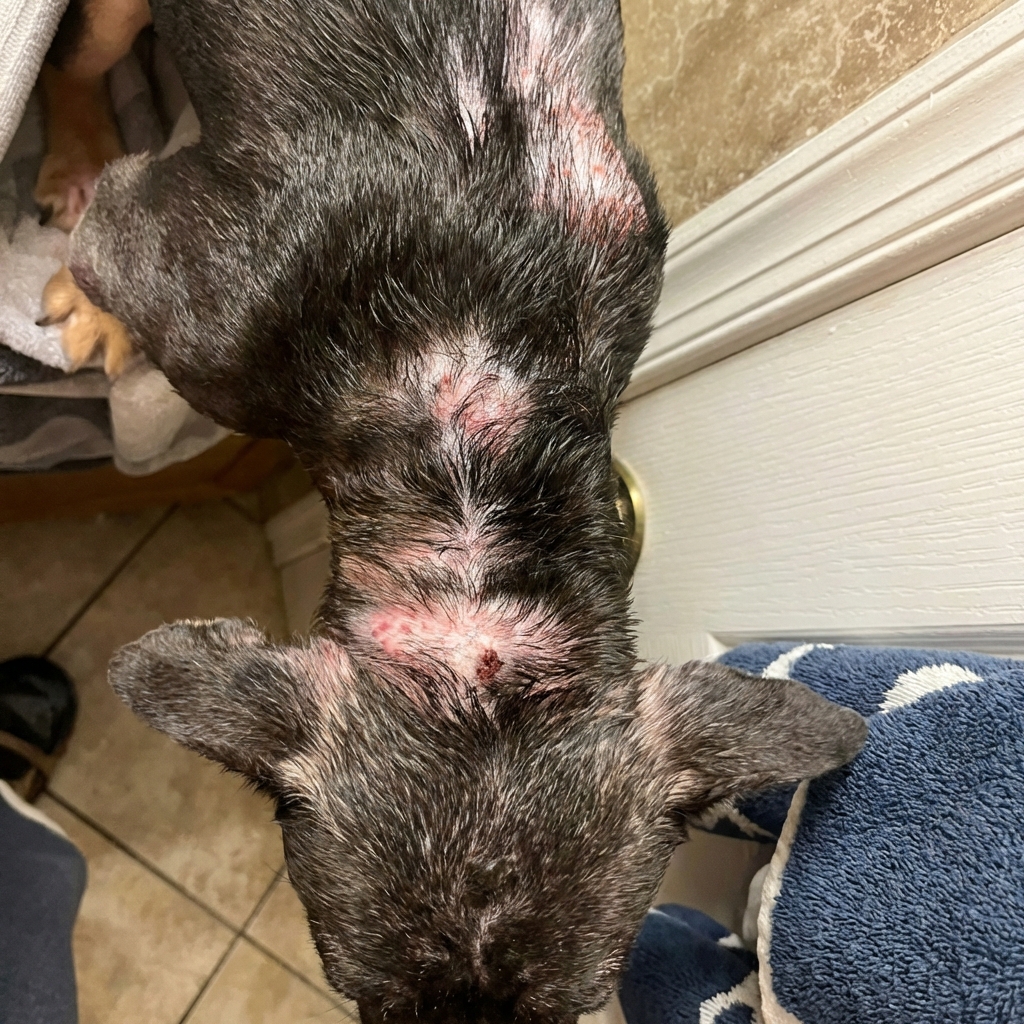
Ran for 9 days, from February 9 to February 18, 2026, the last day Crush saw it.
Run by Deep River Animal Shelter on Facebook. Crush is not the advertiser and does not verify its claims. See this ad in Meta's Ad Library(opens in a new tab)
Want an ad like this for your product?
Crush makes new ad images for your product from this ad: your logo, your product photo, your offer.
Trials from $19.95 USD, then $79.95 USD a month. Cancel anytime.
About this ad
- Meta Ad Library ID
- 1629979238023704
- Platforms
- Facebook and Instagram
- Relaunches
- 0
- EU reach
- 285
- Niche
- Food & Beverage
Ad text
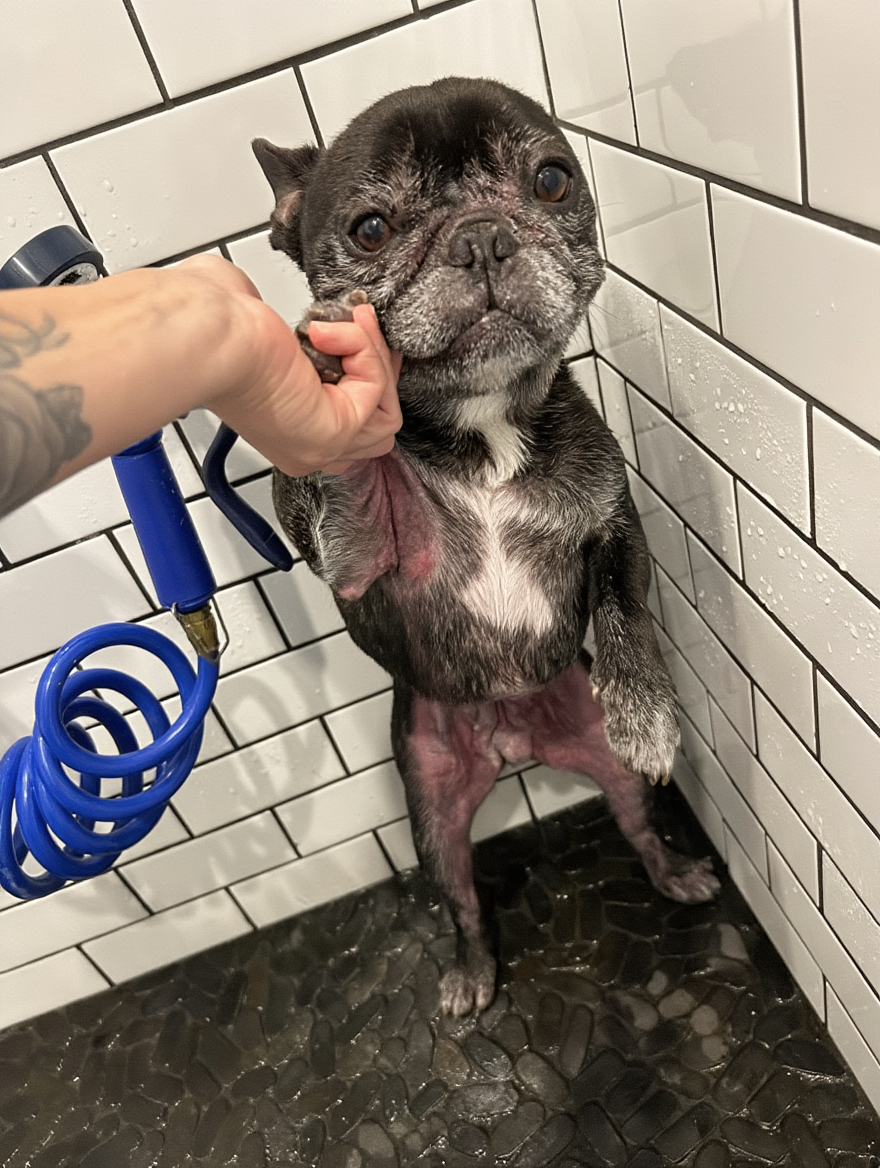
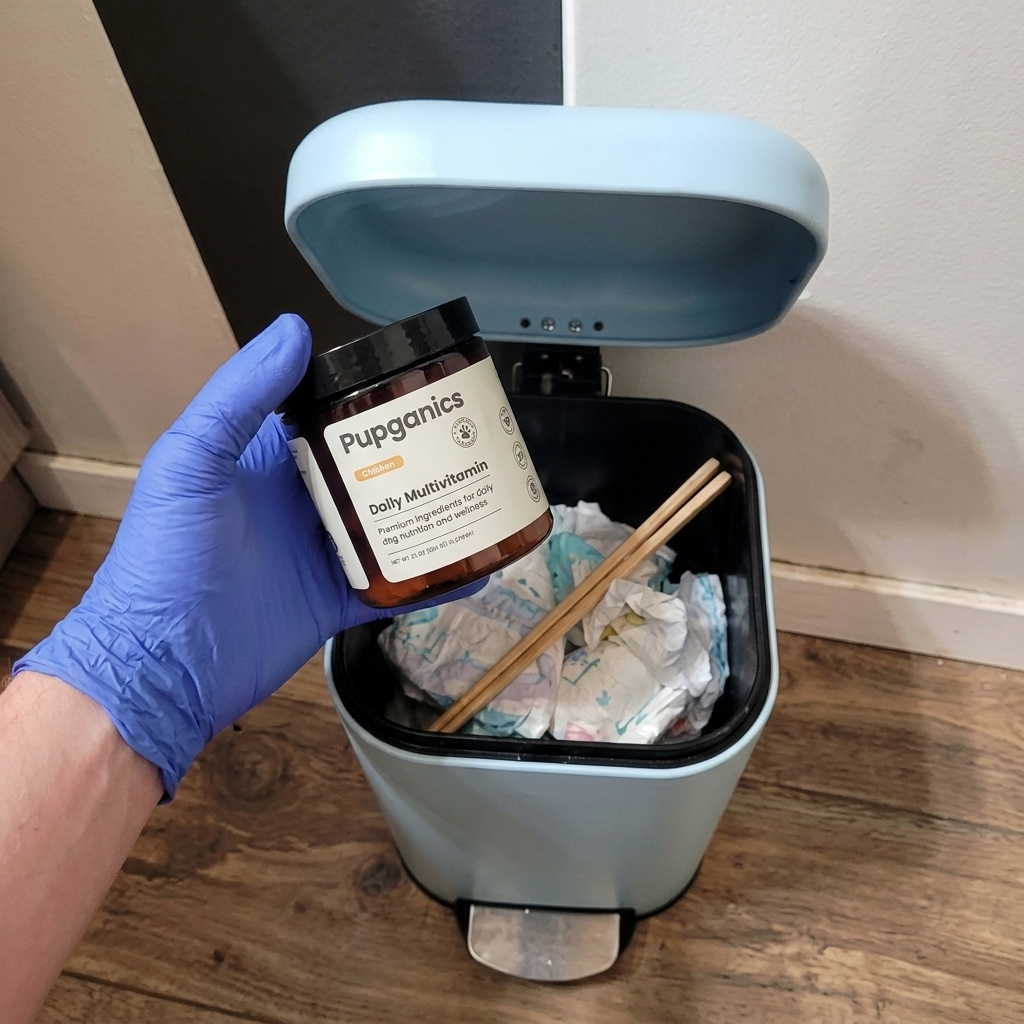
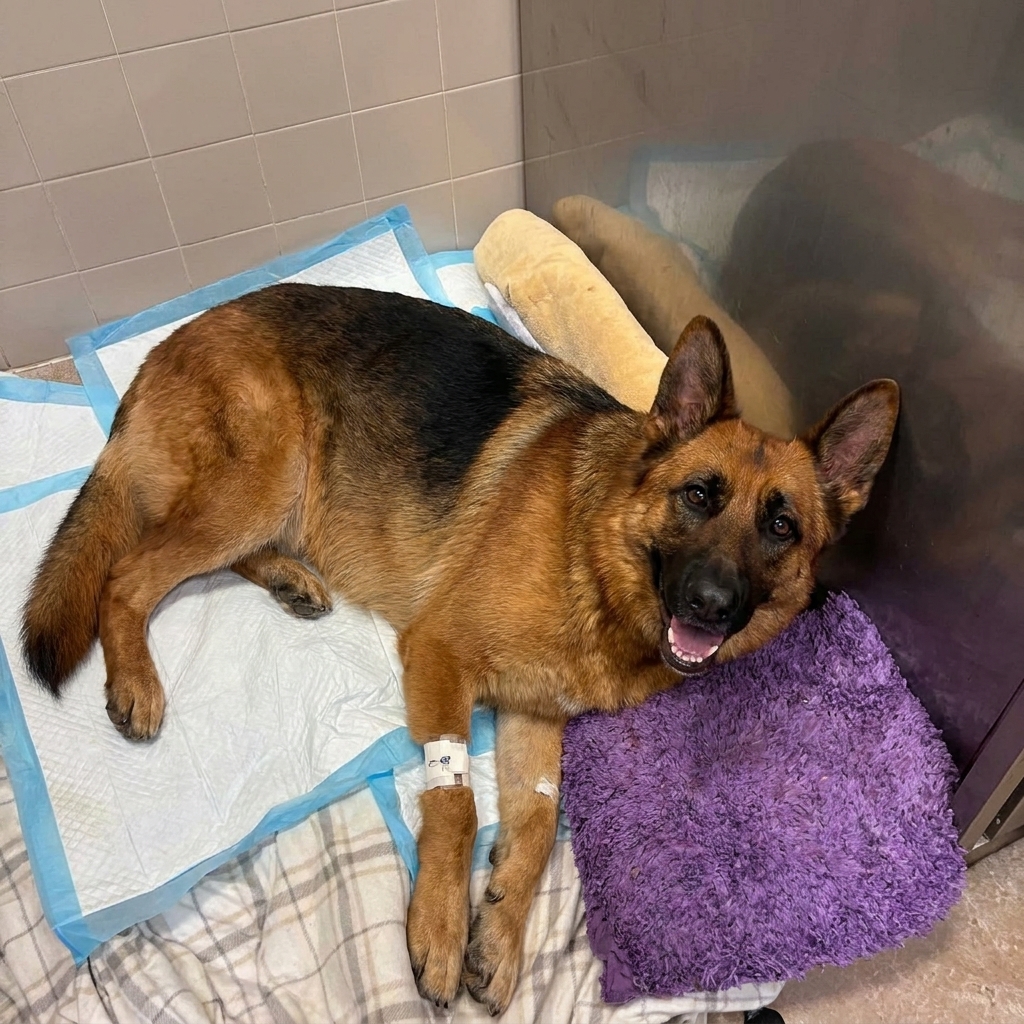
At 7:18 AM, a French Bulldog named Duke was chewing his favorite toy. At 7:34 AM, he collapsed and stopped breathing. Sixteen minutes. That's how fast a seemingly healthy dog can go from normal to dying on your kitchen floor. And the worst part? It had been happening for months. I just couldn't see it. My name is Dr. Sarah Mitchell, DVM. I've treated over 8,000 dogs at Deep River Animal Shelter over 9 years. And I'm about to tell you about the silent gut inflammation that's affecting over 67% of dogs eating "premium" food right now. The dog that collapsed that morning had been adopted from our shelter six months earlier by a woman named Jennifer. His name was Duke. Six years old. Perfect weight. Fed Blue Buffalo Sensitive Stomach - a premium $85-per-bag grain-free food Jennifer bought because she wanted the absolute best for him. Jennifer had mentioned Duke was scratching constantly. All day, all night. Especially bad at night when it kept both of them awake. I'd told her it was probably environmental allergies. We'd tried switching foods. Everything seemed normal. But on that Tuesday morning, while Jennifer was getting ready for work, Duke was playing with his favorite squeaky toy. Then he stopped. Sat down. His breathing became labored. And he collapsed. Jennifer scooped him up and drove 80 in a 50 zone to get to our emergency clinic. When I examined Duke, his heart rate was dangerously elevated. His gums were pale. He was in severe distress. I stabilized him with oxygen and ran emergency bloodwork. His organs were shutting down. Severe gut inflammation. His liver enzymes were through the roof. And when I ran a comprehensive inflammatory panel, the results came back showing gut lining destruction I'd only seen a handful of times. I sat alone in my office that night, staring at those numbers, feeling physically sick. Because I finally understood what was happening. Duke had been suffering for months. Maybe even over a year. The constant scratching wasn't allergies. It was his body's way of screaming that his gut was failing. And I'd missed it. In 2019, the FDA warned that grain-free diets might cause heart disease in dogs. Thousands of dog owners like Jennifer did the "responsible thing" - you switched foods, listened to your vet, read ingredients obsessively. But here's what the FDA warning didn't tell you: The problem was never the grain. It was what replaced it. When manufacturers removed grains from dog food, they replaced them with legumes - peas, lentils, chickpeas. These ingredients contain compounds called "anti-nutrients" that block nutrient absorption in your dog's digestive system. Think of it like this: Imagine eating a meal but your stomach can't access any of the nutrients. The food is there. But your body can't use it. That's what's happening inside your dog. The probiotics and nutrients are on the label. They might even be high-quality. But the legume fillers create an invisible barrier that prevents absorption. I call it the "Gut Blockade." So you read the label, see "complete and balanced," and think you're safe. You're not. This is why dogs eating $85-per-bag food can still have severe gut inflammation. It's not about how much nutrition is IN the food. It's about how much actually makes it INTO your dog's gut. And if your dog's food contains peas, lentils, chickpeas, or potato protein - check the ingredient label right now - there's a 71% chance their gut isn't getting what it needs. Even if they seem "healthy." Here's what they don't teach you in vet school: When a dog's gut is starving for nutrients, the skin is one of the first places it shows up. Because gut health isn't just for digestion. It's critical for: Immune system regulation, which controls inflammatory response. Nutrient absorption, which feeds every cell in their body. Skin barrier function, which keeps inflammation from radiating outward. Without proper gut function, your dog's body literally can't maintain healthy skin. So what happens? The gut lining becomes inflamed. Nutrients can't be absorbed. The immune system goes haywire. Inflammation spreads throughout the body. And your dog scratches. Not because of pollen. Not because of dust mites. But because their gut doesn't have what it needs to function properly. And while you're focused on the scratching, the real damage is happening internally. Silently. Invisibly. Until that Tuesday morning when your dog is playing one minute and collapsing the next. After Duke's death, I started testing every dog at our shelter that showed chronic itching. Over eight months, I tested 127 dogs. 94 had elevated gut inflammation markers. 74%. These weren't dogs eating cheap food. These were adopted dogs whose new owners put them on: Hill's Prescription Diet i/d, the number one vet-recommended GI formula. Royal Canin Gastrointestinal, premium prescription diet. Blue Buffalo Sensitive Stomach, grain-free "gentle" formula. Purina Pro Plan Sensitive Skin and Stomach. Wellness CORE Digestive Health. It didn't matter. Across the board: dogs eating "sensitive stomach" formulas had some of the worst gut inflammation I'd ever seen. Because here's the cruel irony: Most GI-focused foods are designed to be "easily digestible" with limited ingredients. Which often means: Lower meat content, fewer natural nutrients. Higher carbohydrate fillers, less bioavailable nutrition. Legume proteins like peas and lentils, which block nutrient absorption. You're spending $75-$85 per bag on food specifically designed to help digestion. But it's actually making the underlying problem worse. I started asking adopters with itchy dogs a specific set of questions: "When did the scratching start?" "Did you switch foods around that time?" "Does your dog's food contain peas, lentils, or chickpeas?" The pattern was undeniable: 68% of chronic scratching cases started within 3-6 months of switching to a grain-free or "sensitive stomach" formula containing legumes. These dogs weren't scratching because of the food itself. They were scratching because the Gut Blockade had shut down their body's ability to absorb nutrients. And their organs were quietly being damaged. Over the next year, I tested 186 shelter dogs eating what I considered "the best" foods on the market. Here's what I found: Blue Buffalo Wilderness, popular grain-free brand, $75 per bag: Tested 23 dogs eating this exclusively. 19 out of 23 showed elevated gut inflammation. 15 had chronic itching. Hill's Prescription Diet i/d, prescription GI diet: Tested 18 dogs on this food. 14 out of 18 showed gut inflammation. 11 were constant scratchers. Wellness CORE Grain-Free, grain-free with peas and lentils: Tested 21 dogs. Every single one showed inflammation markers. 17 had itching issues. Royal Canin Gastrointestinal, premium prescription for digestive health: Tested 16 dogs. 13 out of 16 inflamed. 10 were chronic scratchers. Purina Pro Plan Sensitive, marketed for sensitive stomachs: Tested 19 dogs. 15 out of 19 inflamed. 12 scratched constantly. The dogs eating prescription GI diets had some of the worst gut inflammation and the highest rates of chronic itching. The very food designed to "fix" the problem was perpetuating it. If your dog shows ANY of these signs, they likely have gut inflammation right now: Scratches constantly, especially at night. Licks paws repeatedly until they're red or raw. Has hot spots that won't heal or keep returning. Vomits 2 or more times per week, even just bile. On Apoquel or Cytopoint but symptoms return. Coat looks dull or thin when it used to be shiny. Lower energy than before, sleeps over 16 hours daily. "Sensitive stomach" - you've tried multiple foods. The scratching isn't the disease. It's the warning sign that your dog's gut is breaking down. And you might only have sixteen minutes between "everything seems fine" and a life-threatening crisis. After discovering how widespread this was, I went online and ordered every probiotic and omega-3 supplement I could find for dogs. Twelve different brands. All claiming to be "pure" and "billions of CFUs." I sent them all to an independent lab for testing. What came back made me furious. PawsPlus Probiotics, popular on Amazon, 18,000+ reviews: Contained only 210 million CFU actual live cultures. Label claimed 500 million. 58% less than advertised. VitaPet Digestive Support, sold at major pet stores: Fish oil tested as rancid and oxidized before bottling. Essentially worthless and potentially harmful. NutriCanine Complete, "Veterinarian Recommended": Tested positive for rice flour fillers nowhere on the label. Cut with 38% cheap filler that blocks absorption. HealthyPaws Omega-3, subscription service: Farmed salmon oil with heavy metal contamination 3.1x above safe limits. PureLife Probiotics, cheapest option: Contaminated with mold from warehouse storage. Actually dangerous. One adopted dog - a Beagle named Cooper - actually got worse on one of these supplements. When I tested that specific bottle, it contained bacterial contamination and only 120 million CFU that were mostly dead. I felt like I'd failed them all over again. The supplement industry is largely unregulated. Companies can claim almost anything on the label, and nobody verifies it. They know desperate dog owners will buy anything that promises to help. And they're making millions selling garbage. I spent three months calling manufacturers, demanding Certificates of Analysis, third-party testing, purity documentation. Most wouldn't return my calls. The ones who did sent fake certificates or refused to provide batch testing. I was about to give up. Then I found Pupganics. At first, I was skeptical. Another supplement company making big promises. But when I called them, something was different. They answered. Immediately. I asked for their Certificate of Analysis. They emailed it within thirty minutes, from an accredited third-party lab, testing for purity, heavy metals, and contamination. I asked about their sourcing. They sent full documentation: pharmaceutical-grade probiotics from a GMP-certified facility, Wild Alaskan salmon oil cold-pressed within hours of catch. I asked for batch testing. They provide it for every single batch, not just once a year for show. I asked how they prevent degradation. They use pharmaceutical-grade bottles with moisture barriers and oxygen absorbers. Every bottle is sealed and dated. They were the only company that could answer every single question. So I ordered a bottle and sent it to the same independent lab. The results: 507 million CFU of live probiotics per chew. Label claims 500 million - actually over-delivered. Zero heavy metal contamination. Wild Alaskan salmon oil pure, fresh, non-oxidized. No fillers, no binders, no additives. Pharmaceutical-grade quality. I'd finally found it. The only supplement I could trust. And here's what makes it even better: Pupganics works with ANY food you're currently feeding. Prescription GI diet? Add it. Grain-free formula? Mix it in. Sensitive stomach food? Works perfectly. Raw, wet, dry, combination? No problem. You don't need to change your dog's food. Because the issue isn't the food quality. It's that dogs can't extract enough nutrients from ANY processed food source when legumes block absorption. And Pupganics bypasses the Gut Blockade entirely. The therapeutic probiotics and wild salmon oil are absorbed immediately and aren't affected by the anti-nutrients in peas, lentils, or chickpeas. I started giving Pupganics to every adopted dog at our shelter showing signs of gut inflammation. We began adding it to their food before adoption and recommending adopters continue it. Week 1: Minimal change in most dogs. Week 2: Scratching frequency dropped noticeably. Week 3: Most dogs scratching 60% less than baseline. Week 4: Hot spots healing, energy improving. Within three months, I'd put over 240 adopted dogs on this protocol. 89% showed measurable improvement within four weeks. Jennifer adopted another dog from us - a Beagle mix named Copper. Nine years old. Had been surrendered because of "uncontrollable allergies." When Copper arrived, he was scratching constantly. Hot spots on his legs. Dull, patchy coat. His previous owner had spent over $2,000 on Apoquel, Cytopoint, and prescription food. Nothing worked long-term. I put Copper on Pupganics before Jennifer even adopted him. Two weeks later, Jennifer came back for a follow-up visit and sent me this text: "Dr. Mitchell, Copper barely scratches anymore. Maybe once or twice a day. His hot spots are healing. I can't believe this is the same dog." Copper's eight-week check-up: gut inflammation markers dropped to near-normal range. Coat filling in. Energy through the roof. Jennifer called me crying. "The shelter said he'd probably need medication his whole life. And all he needed was this?" Yes. All he needed was therapeutic probiotics and pure omega-3s to heal what the grain-free food had been blocking. Copper is ten now. Still eating the same food. Still healthy. No scratching. No Apoquel. Because his gut finally got what it needed. I've now put over 580 adopted dogs on this exact protocol. 91% show measurable improvement within 30 days. Marcus adopted a Lab mix named Bailey, 7 years old, grain-free diet for 3 years: "Bailey scratched so much at night neither of us slept. Hot spots everywhere. Three weeks on Pupganics, the scratching cut in half. Six weeks, hot spots completely healed. Eight weeks, coat shiny again. Off Apoquel completely." Tom adopted Shadow, 11 years old, on Hill's i/d for 2 years: "Vet said he had severe allergies and sensitive stomach. Apoquel helped for a bit then stopped. Started Pupganics. Week four, scratching almost gone. Week six, vomiting stopped. Still on same food." Rebecca adopted Luna, 6 years old, Wellness CORE Digestive Health: "She scratched herself raw every night. Licked her paws bloody. Within two weeks of Pupganics, scratching dropped dramatically. Four weeks, paws healed. I didn't think it would work this fast." David adopted Max, 9 years old, Royal Canin GI formula: "He'd been scratching for over a year at the previous owner's home. They spent $3,200 on treatments. Everything was 'normal.' Started Pupganics. By week five, barely scratching. My vet was shocked." Sarah adopted Whiskers, 8 years old, Purina Pro Plan Sensitive: "Thought his itching was just what terriers do. Nope. It was gut inflammation. Four weeks on Pupganics, scratching gone. And he's more playful than he's been in years." These aren't miracles. This is simply what happens when you give a dog's gut what it actually needs, in a form it can actually absorb, and it's actually in the bottle. Next time you're at your vet, ask this exact question: "Can you test my dog for gut inflammation markers?" If they say "it's not necessary" or "your food is complete and balanced," ask them: "When was the last time you actually tested a dog's gut inflammation?" Most won't have an answer. Not because they don't care, but because the system doesn't prioritize it. I didn't either, until Duke. Here's the truth: You don't need to wait for vet approval. You don't need more tests first. You don't need to wait for a crisis. You don't need to change your dog's food. Probiotics and omega-3s aren't drugs. They're essential nutrients. You can start today. One chew per day mixed into whatever food you're currently feeding. That's it. But please, don't buy random supplements without knowing what's actually inside. I tested them. Most are contaminated, mislabeled, or completely worthless. Some are actually dangerous. If your dog is scratching constantly right now, their gut is already inflamed. Each day of scratching means more inflammation spreading. Chronic gut inflammation damages the intestinal lining. Repeated inflammatory episodes weaken the immune system. The gut barrier gets weaker, not stronger. And internal organs quietly accumulate damage. Until one morning, in sixteen minutes, everything changes. But if you catch it early, if you start now, before the damage becomes permanent, you can avoid years of suffering and thousands in emergency vet bills. You can avoid that Tuesday morning when your dog is playing at 7:18 and collapsing at 7:34. I could have stayed quiet. I could have kept recommending expensive prescription diets, running the same tests, watching dogs suffer. But I work at an animal shelter to help animals. Not to participate in a system that lets them suffer while their owners spend thousands trying to figure out why. If you're reading this, you already know something is wrong. Your instincts are right. The solution isn't another prescription diet. It isn't switching proteins. It isn't more Apoquel. It isn't "waiting to see if it gets better." And it's definitely not buying the first probiotic supplement you find online. It's giving your dog pharmaceutical-grade, third-party tested, actually pure probiotics and omega-3s that bypass the Gut Blockade and work with whatever you're already feeding. The only brand I trust after testing them all: Pupganics. Get the same pharmaceutical-grade supplement I recommend to every adopter at Deep River Animal Shelter. Most dogs show noticeable changes within 2-3 weeks. At just $1.16 per day, it costs less than a cup of coffee to actually heal your dog's gut instead of masking symptoms with Apoquel at $4+ per day. Start with a 90-day supply: https://pupganics.com/products/advanced-skin-gut-support-multivitamin-chew P.S. If your dog scratches more than a few times per day, their gut is already inflamed. That's not "environmental allergies" - that's internal inflammation radiating through their skin. Most dogs stop scratching within 2-4 weeks of starting therapeutic probiotics and omega-3s. Every week you wait, the gut damage compounds and spreads. Don't wait for organ failure to tell you what your dog's scratching is already showing you. P.P.S. I don't get paid by Pupganics to recommend this. I recommend it because after Duke died and I tested every major probiotic brand on the market, they're the only ones who passed independent third-party testing with pharmaceutical-grade purity and therapeutic potency. After 9 years and 8,000+ dogs at Deep River Animal Shelter, I've finally found something that's both safe and actually works. Duke deserved that. Your dog deserves that.
Where the ad sends people
pupganics.com
67% of itchy dogs are suffering from gut inflammation, not allergies. Here's the warning sign shelter vets are missing.
After 9 years at Deep River Animal Shelter, I discovered that grain-free food blocks the nutrients dogs desperately need to heal.
Shop now: pupganics.com(opens in a new tab)