Mac Grant
 Facebook ad: “If you're from America, please read this”
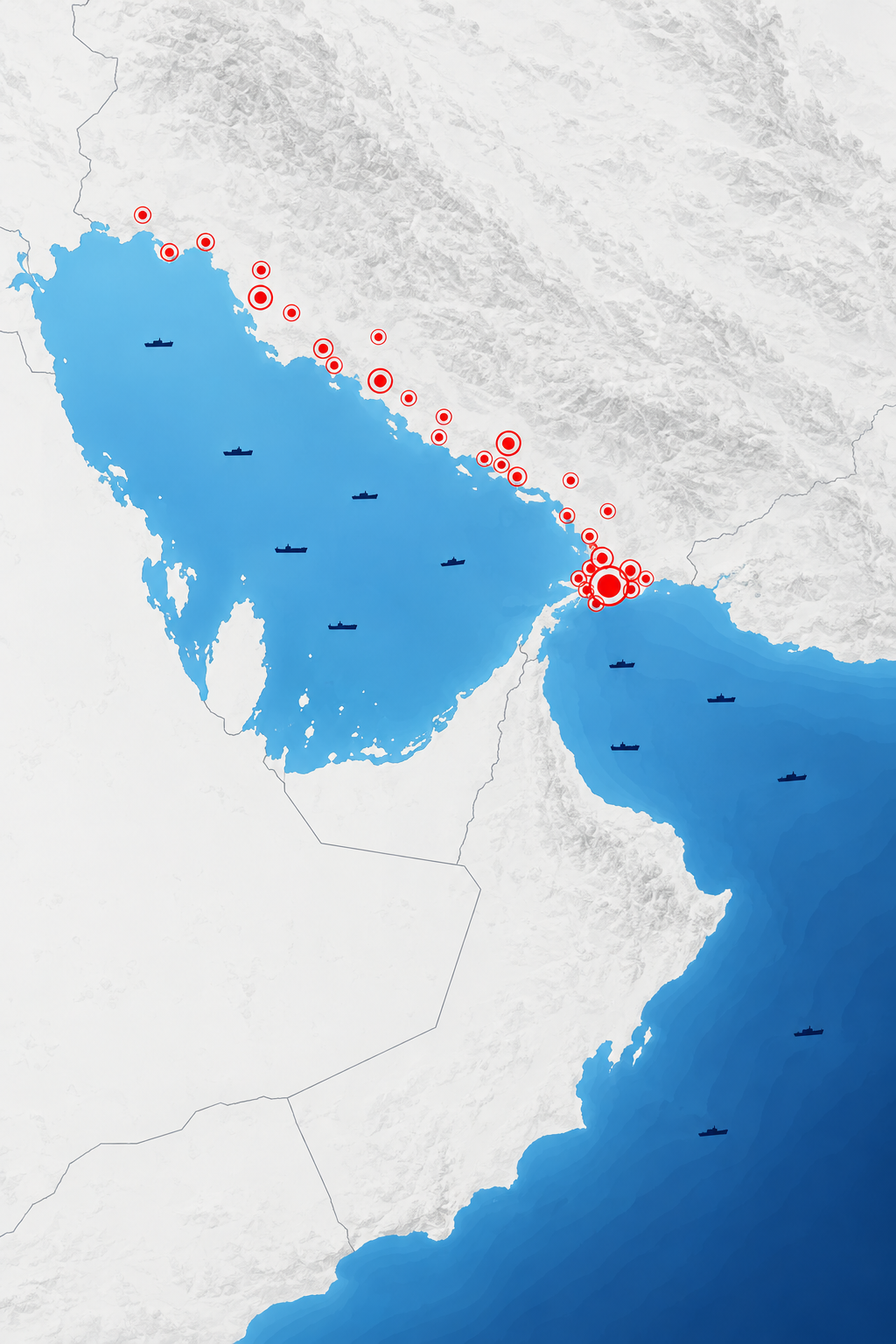
Ran for 17 days, from September 23 to October 10, 2026, the last day Crush saw it.
Run by Mac Grant on Facebook. Crush is not the advertiser and does not verify its claims. See this ad in Meta's Ad Library(opens in a new tab)
Make your own version of this ad
Crush makes it, launches it in your own Meta ad account, scales the winners and pauses the losers.
About this ad
- Meta Ad Library ID
- 1630165092233881
- Platforms
- Facebook and Instagram
- Relaunches
- 0
- Niche
- Food & Beverage
Ad text
I found a man standing alone in the dark at the Smithsonian at 9 PM last Tuesday. The building had been closed for three hours. He wasn't lost. He wasn't hiding. He was standing in front of a wall like he was standing in front of a grave. I've been the night guard here for sixteen years. And what he showed me on that wall is something I need to say out loud before what he told me actually starts happening. I've been the night guard at the National Museum of American History for sixteen years. Simple job. Building closes at 5:30. Last visitors out by 6. After that it's me, the cameras, and a few hundred thousand pieces of history that aren't going anywhere. You stop seeing it after a while. The exhibits, the cases, the stuff behind glass that people fly across the country to look at. After a few years it's wallpaper. You walk past. You check the locks. You do your rounds. The war exhibit hall is on my Tuesday and Thursday route. There's a wall in there that runs about forty feet. Lists every major American war. Start date, end date, duration. Big letters. Lit from below. Vietnam. Korea. Iraq. Afghanistan. Both World Wars. I've walked past that wall ten thousand times. Never once stopped to read it. Not until last Tuesday. It was a little after nine. Building had been closed for three hours. I turned the corner into the war wing and there was a man standing in the middle of the hall. Facing the wall. Overhead lights were off. Just the exhibit spots. They run all night. The timeline was glowing. Dates and durations lit up across a dark room. He was standing about four feet from the glass. Hands at his sides. Not moving. I've found people after hours before. Happens a couple times a year. Someone falls asleep in the restroom. A kid hides behind a display case. You tell them the building's closed and they apologize and leave. This wasn't that. This man wasn't lost. He was standing the way a person stands in front of a grave. I could see him in the exhibit light. Mid-sixties. Tall. Silver hair, cut short. Dark jacket. Straight posture. The kind you don't unlearn. I've seen enough veterans come through this building to know that bearing. I walked up behind him. "Sir, the museum's closed." He didn't turn around. "You work here every night?" "Sixteen years. And I need you to head toward the exit." He kept looking at the wall. "You ever actually stop and read this?" "Sir, I can't have you in the building after hours." "Just answer me. Have you ever read this wall?" Something about the way he said it made me stop pushing. "I walk past it," I said. "But you've never read it." "No. I haven't." He stepped closer and pointed at the first line. "World War I. They told the boys it'd be over by Christmas." He tapped the glass. "Four years." He moved his finger down. "World War II. After Pearl Harbor they said it'd be quick. Four years." Korea. "Police action. That's what they called it. Three years of fighting and we never left. Still stationed there right now." Vietnam. His hand stopped. "This one. Eighteen months. That was the plan. Advisory role. Train the South Vietnamese. Home in a year and a half." He looked at me. "Nineteen years. Fifty-eight thousand dead." He moved down. Iraq. "The Secretary of Defense said 'weeks, not months.' On camera. Smiled when he said it." He paused. "Eight years." Afghanistan. "Swift and decisive. That was the phrase. Twenty years." He dropped his hand and stepped back. "Every single one. They said months. It lasted years. Every single time." I looked at the wall. Then back at him. "OK. So wars last a long time. That's history. I learned that in high school. Why are you standing in a closed museum at nine o'clock at night telling me this?" He didn't answer right away. He just looked at me. Then he said: "Because there's a second pattern on this wall that nobody talks about." "What pattern?" He pointed back at Vietnam. "What did that one leave behind when it was over? The draft. Surveillance programs that are still running sixty years later. Government agencies that didn't exist before 1965 and now have permanent budgets and permanent buildings." He moved to Iraq. Afghanistan. "What did these leave behind? The Patriot Act. The TSA. Warrantless phone tapping. Full-body scanners at every airport in the country. They told you it was temporary. Emergency measures. Just until things calmed down." "Has any of it gone away?" I opened my mouth and then closed it. "That's what I thought," he said. "Every war on this wall lasted longer than they promised. And every war on this wall left them with more control than they had before. More surveillance. More authority. More reach into your daily life. And none of it ever got rolled back. Not once." "OK," I said. "So the government gets bigger during wars. That's not exactly breaking news either." "You're right. It's not." He looked at the wall. "But what if someone told you they're doing it again. Right now. And most people haven't even noticed." "The President went on television yesterday," he said. "Did you see it?" "Which part?" "He compared this war to Vietnam. Said Vietnam lasted nineteen years. Said he's three months in and people should be more patient." "Yeah. He was defending himself. People are criticizing the timeline." He shook his head. "He wasn't defending himself. He was telling you how long this is going to take. Out loud. On camera. And nobody heard it because they were too busy arguing about politics." "Come on," I said. "He was making a comparison. He's not saying this is going to last nineteen years." "He's three months into a war he said would take four weeks. And his defense is 'Vietnam took nineteen years.' You don't think that's a man adjusting expectations?" I didn't have an answer for that. "Who are you?" I said. "Why do you care what I think about this?" He looked at me like he was deciding something. Then he looked away. "Forget it. I shouldn't be in here." He started toward the exit. "No. Hold on." He stopped. "You hid in a museum for three hours after closing. You're standing in the dark reading a wall you've clearly read a hundred times before. And now you're telling me the President accidentally revealed how long the war's going to last. So either you're crazy or you know something. Which one is it?" He stood there for a long time. I could see him working through it. His jaw was tight. "Thirty-one years in defense logistics," he said finally. "Retired five years ago. But the people I worked with are still inside. And I still talk to them." "So you're military." "Was." "And your people on the inside. What are they saying?" He turned back to the wall. "The public version is a deal in a few weeks. Maybe a month. That's what they tell the cameras." "And the real version?" He pointed at Vietnam. "Closer to that." I looked at the wall. Then around the hall. The lights humming. The air moving through the vents. "OK. So it goes longer than they're saying. Maybe a lot longer. But I gotta be honest with you, man. I drive to work and I drive home. Yeah, gas is more expensive. Yeah, the news is ugly. But the grocery store is still open. Shelves are full. My lights are on." I looked around. "We're standing in a building right now with the power running fine. It's been three months and life is basically the same. So what am I supposed to be worried about?" He nodded. Slowly. Like he'd heard this before. Like he'd been expecting it. "That's the most dangerous thing you could think right now." "Why?" "Because you're right. Three months in and your life looks basically the same. Gas costs more. The news is louder. But your lights work. The grocery store has food on the shelves." He paused. "That's three months." He looked at the wall. "You know what twelve months of this looks like?" "No." "Nobody does. Because everybody assumes it'll be over by then." He tapped the wall. "The wall says it won't." He started talking slowly. "Right now gas is up forty percent. $4.31 this morning. It was $2.98 before this started. The Strait of Hormuz has been shut down for three months. Twenty percent of the world's oil moves through that strait. None of it is moving." "Even if they sign a deal tomorrow. Analysts say prices don't come back to normal until late 2027. That's not my number. That's their number." "But they're not signing a deal tomorrow. The President just told you that. And the Iranians launched drones at the Strait today. Today. While he was sitting for the interview." I didn't know that. "So here's what nobody is walking you through. Three months in, you're paying more at the pump and complaining about it over dinner. That's where you are now. That's why you think it's fine." "Six months in, the supply chain starts to squeeze. Goods get slower. Commercial transport costs climb thirty, forty percent. Fertilizer shortages start hitting American farms because natural gas feeds the plants that make it. Crops get smaller. Food prices jump twenty, thirty percent across the board." "A year in, the strain hits the systems that were already running on fumes before this started. The food supply chain. Long-haul trucking. Cold-storage distribution. Farming margins. Things that were held together with tape and overtime and no one was paying attention to." "And then there's a tipping point." He said it quietly. "It doesn't come gradually. It doesn't give you a warning. One bad drought. One diesel fuel bottleneck. One rail breakdown. And something that's been bending for twelve months snaps." He looked at me. "That's what three months of normal feels like right before it stops being normal. You don't feel it, and you don't feel it, and you don't feel it. And then you feel all of it at once." He let that sit in the dark. "And while you're not feeling it, they're building. Emergency food distribution protocols. Digital purchase rationing. Digital tracking of who is buying what and how much. The crisis is the excuse. The infrastructure is the point." "You think any of that goes away when things calm down?" He didn't wait for an answer. "Check the wall." I looked at the Patriot Act. The TSA. Still there. Twenty-five years later. "OK," I said. "So what am I supposed to do about it? I'm a night guard. I'm not in the military. I'm not moving to the mountains. What does any of this mean for me?" "You want to know what the people I still talk to are doing? Not what they're saying. What they're doing. The ones who actually read the intelligence reports?" "Sure." "A guy I served with. Thirty years in logistics, consults at the Pentagon now. In January, before any of this was on the news, he quietly ordered cases of survival seed vaults for his family. Cases." "Another. A woman I worked with at an agency in Virginia. Pulled her kids out of school in March. Moved the whole family to a house in West Virginia. First thing she unpacked when she got to the new house — three vaults of them. One for each person." "Another. Retired colonel. Still in the city. But he bought his set in November. Before the blockade. Before the gas prices. Before any of it was on the news." He stopped. "You notice what those three have in common?" I thought about it. "They all got something before the news broke." "Before," he said. Like a door closing. "Every one of them. Quietly. In the months before any of this showed up on television. They're not people who panic. They're people who read patterns. And the pattern they read told them food is the first thing that breaks." "Why food specifically? The grocery stores are packed right now." He looked at me like he felt sorry for me. "Because the grocery store is an illusion." "What do you mean, an illusion?" "How many days of food do you think are inside your local supermarket right now?" "I don't know. A month? A couple weeks?" "Three days," he said. "Seventy-two hours." He let that hit. "Every grocery store in this country operates on what logistics calls 'just-in-time' inventory. There are no warehouses in the back. There are no hidden basements packed with crates. What's on the shelves right now is all there is. That store depends on diesel trucks pulling up to the loading dock every single morning from hundreds of miles away." "When fuel spikes and the supply chain reaches that tipping point, the trucks don't just get expensive. They stop rolling. Deliveries get canceled. Distribution hubs run dry." "And when that happens, the grocery store doesn't slowly run out of food over six months. It clears out in forty-eight hours. Meat section goes first. Then bread. Then eggs. Then the canned goods. In three days, the aisles are bare concrete." "And once those shelves are empty, it doesn't matter how much money you have in your checking account. You can't eat paper money. You can't swipe a debit card for food that doesn't exist. There is no food for sale at any price." He pointed behind him at the wall. At Vietnam. At Iraq. At the years. "What's happening now is not three days. And it is not an accident." I didn't say anything. The hall was completely quiet. "You can bundle up without heat. You can sit by candlelight without electricity. But you cannot live without food." "And my guys know that whatever system gets built to ration food after that isn't going away either. Digital food cards. Government distribution lines. Barcode scanning for a loaf of bread." He looked at me. "Your kid walks into the kitchen and opens the pantry door. And it's bare shelves. And there's nowhere to buy groceries, and nothing coming on the trucks. And you're standing there with nothing to feed them." The museum was dead quiet. Just the two of us in the dark with the wars lit up behind him. "That's what nobody's talking about," he said. "Not on the news. Not in the deal negotiations. The people who know are already moving. Everyone else is watching television and waiting for it to blow over." He turned like he was done. I should have let him walk. He'd already told me more than he probably wanted to. But I couldn't. "So what do you do about it?" He stopped. "You just told me the supply chain is going to snap. The grocery stores are going to go empty. The whole thing is going to come apart and last for years. So what are regular people supposed to do? Buy a forty-acre farm?" He didn't turn around right away. "Not everyone can buy a farm." "Then what?" He was quiet for a few seconds. Then he turned. "Most people have never heard of what I'm about to show you. And it's not because it's new." He reached into his jacket slowly and pulled out something solid. A heavy-duty, sealed black-and-olive container. Airtight. Watertight. About the size of a paperback book. He held it up in the exhibit light. "You ever seen one of these?" I hadn't. "What is it?" He looked at it for a second like he was deciding whether to keep going. "Survival seed vault. And I don't mean the little paper packets you buy at Home Depot in April that don't sprout half the time. This is a completely different thing." He turned it in his hand. "Over sixteen thousand seeds. Thirty-five different survival food varieties. Tomatoes, carrots, spinach, lettuce, green beans, cabbage, squash, onions, peppers, peas, herbs. Everything you need to grow a complete, well-rounded food supply from scratch." "Sixteen thousand?" I said. "Sixteen thousand. Packed in individual airtight moisture-barrier foil packs inside this vault. Protected against heat, light, and water." "And here's the part that actually matters," he said, tapping the lid. "Every single seed in here is one hundred percent heirloom and non-GMO." "What does heirloom mean?" "It means they reproduce." He pointed at the dark glass cases around us. "Most people don't know this. The produce you buy at the grocery store, and most of the commercial seeds on the market today, are hybrids. They've been genetically engineered so that the seeds inside them are sterile. If you try to plant a seed from a grocery store tomato or a commercial hybrid pack, it won't grow back. You have to keep buying new seeds from the corporation every single spring. They engineered them that way on purpose." "Heirloom is the opposite. Heirloom seeds are open-pollinated heritage seeds. The exact same strains our great-grandparents grew during the Great Depression. When you plant an heirloom seed, it grows into food to feed your family—and every single plant produces hundreds of brand-new, viable seeds. You harvest the vegetables, save the new seeds, and plant them again next season. Forever. An unbroken, permanent food supply that renews itself every single year without you ever paying another cent." He handed the container to me. It had real weight to it. Solid. Completely sealed. "I don't have a farm," I said. "I've got a quarter-acre lot with a small backyard. I've never farmed a day in my life." "You don't need a farm," he said. "That's the lie that keeps people dependent. You don't need a tractor. You don't need ten acres. You can plant these in a six-by-four raised bed. You can plant them in five-gallon buckets on a back porch. You can grow them in containers on an apartment balcony as long as you've got dirt, water, and sunlight. These seeds are engineered by nature to grow. Strong germination. High yield. Beginner-friendly. My guys don't have tractors either. They have backyards and buckets." "How much food will this actually produce?" "Thousands of pounds of fresh, nutrient-dense food. One vault can supplement a family's groceries for months, or produce enough food to keep you alive and healthy through a multi-year crisis." "How long do the seeds stay good in this box?" "Years. Kept in a cool, dry place like a pantry or closet, the moisture-barrier seals keep them dormant and viable for years. It's not a countdown clock. You don't have to plant them today for them to have value. It's an insurance policy you can hold in your hands." I looked down at the vault sitting in my hands under the exhibit light. "So why haven't I heard of it? If it does what you're saying, why isn't this everywhere?" He almost smiled. "Because you're not supposed to." He let that sit. "Small company called Rivanta. They don't sell in stores. They're not on Amazon. They pack them in small batches and sell direct. That's it." "Why?" "Because the people who buy these aren't the kind of people who find things on a shelf. They're the kind of people who find things the way you're finding it right now. From someone who already has one." He looked at me. "The Pentagon consultant. The woman in Virginia. The retired colonel. Where do you think they heard about these? Not from a billboard. Not from a commercial. They heard about it the same way you're hearing about it right now. Quietly. From someone who knows." He reached into his jacket again and pulled out two more sealed packs. Three total. "I keep one on me. One in the vehicle. One in the house." He put the extras back. "My guy at the Pentagon bought cases in January. Cases. Before any of this was in the news. The woman in Virginia ordered sets for her kids the week she moved." He looked at the wall one more time. At the wars. At the years. "These don't show up on a shelf at Walmart. They don't get mentioned on the morning news. The people who have them find out about them the way you just did. Quietly. From someone who knows." He held his hand out for the vault. I started to give it back. "Keep it," he said. "I've got more at home." He said it the way you'd hand someone a flashlight before a blackout they can't see coming yet. He walked toward the exit. At the door he stopped without turning around. Then he was gone. His shoes echoed down the empty hall and then there was nothing. Just me and the wars on the wall and a sixteen-thousand-seed survival vault in my hand that I'd never heard of twenty minutes ago. I stood there for a long time after he left. The wars still glowing on the wall. The vault in my hand. I locked up the building and drove home in the dark. Didn't turn the radio on. Didn't want to hear anything. Just wanted to sit with it. I got home a little after midnight. My wife was asleep. The house was quiet. I walked into the kitchen. I stood there in the dark for a second, then I turned on the light. I opened the pantry. I started counting. Half a box of cereal. Two cans of diced tomatoes. A can of black beans. A half-loaf of sandwich bread. Some pasta. Then I opened the refrigerator. Milk. A few eggs. Half a jar of mayonnaise. Some mustard. I stood there looking at those shelves. If a diesel shortage hit our area tomorrow... if the trucks stopped rolling for just one week... my family would be out of real food by Wednesday night. We've been living our whole lives assuming that store will always have food. Assuming the shelves will always be full. I looked down at the black-and-olive vault sitting on the kitchen counter. Sixteen thousand seeds. Thirty-five varieties. Heirloom. An endless supply of food that renews itself every single season, right outside our door. The next morning my wife came downstairs and found me at the kitchen table with my laptop open. "What are you doing?" "Ordering more of these." I showed her the vault. Opened the guide. Showed her the thirty-five varieties—the tomatoes, the beans, the squash, the greens. Explained to her what heirloom meant. How these aren't just seeds—they're an infinite food loop. She watched without saying anything. Then she looked at the vault. Then at the guide. Then at me. "How many did you order?" "Four." "Order two more." That was three days ago. Since then the President gave the interview comparing this war to Vietnam. Said he's "moving very fast." Said Vietnam lasted nineteen years like that's supposed to make three months sound good. Since then Iran launched drones at the Strait of Hormuz and the U.S. military struck Iranian coastal radar sites in response. Since then diesel went up another twelve cents. Fertilizer plants announced cutbacks. Commercial food processors warned that shortages are already baking into next quarter's deliveries. Every single thing the man in the museum told me to watch for has happened. In three days. I keep thinking about that wall. The years. The patterns. How every war was supposed to be short and none of them were. How every war left them with more control than they had before. And how the people who understood those patterns were already moving months ago. If you've been watching the news and feeling like the story they're telling you doesn't match what your gut is saying, trust your gut. The wars on that wall prove it. The President's own words prove it. The gas prices prove it. The empty shipping lanes prove it. The drones flying over the Strait today prove it. The people who understand what those numbers mean are already moving. Quietly. Without waiting for permission. It is called the Rivanta Survival Seed Vault. You won't find it in stores. You won't find it on Amazon. They pack them in small batches and sell direct. That's it. Last I checked they still had units in stock. 👉 https://go.tryrivanta.com/ssv2030 One for every person in your household. At minimum. P.S. Since I wrote this, the situation has gotten worse, not better. Iran fired drones toward the Strait of Hormuz. The U.S. hit back with strikes on Iranian radar sites. The President sat for an interview and compared this war to a nineteen-year conflict. Three months in and nobody is talking about a deal anymore. The man at the museum told me to watch for the moment the public story stopped matching what was actually happening. I think that moment was this week. Check if they still have them: 👉 https://go.tryrivanta.com/ssv2030 P.P.S. I told my brother about this last weekend. He's a contractor in Maryland. Thought I was losing it. I opened one of the packets, scooped some soil from behind his garage into a plastic cup, planted five seeds, and set it on his back porch in the morning sun. In three days, green sprouts were pushing through the soil. Strong, thick stems. He didn't say anything for about thirty seconds. He ordered three vaults that night. His wife ordered four more the next morning. Nobody's laughing anymore. P.P.P.S. For the people who want the numbers. Over 16,000 heirloom seeds. 35 distinct survival food varieties (tomatoes, lettuce, green beans, zucchini, carrots, spinach, radishes, cabbage, cucumbers, peppers, onions, peas, herbs, and more). 100% Non-GMO, open-pollinated heirloom genetics—meaning you can harvest the seeds from your crops and replant them year after year, forever. Sealed in individual moisture-barrier, airtight Mylar packaging. Stays viable for years in cool, dry storage. No farming experience needed—grows in backyards, raised beds, 5-gallon buckets, or patio containers. 30-day money-back guarantee. Free shipping. These are the same vaults the people I described above are buying before the news breaks. The ones who aren't waiting. P.P.P.P.S. Someone is going to say "I'll just buy extra canned goods or a 30-day bucket of freeze-dried food." Fine. A 30-day bucket or a pantry full of canned soup is a countdown clock. Every single meal you eat is one fewer you have left. In thirty days, you're at zero. And when the grocery store shelves are empty, that's the end of the line. The Rivanta Survival Seed Vault isn't a countdown clock. It's an endless food supply. Every seed grows into food that feeds your family and produces hundreds of fresh seeds for the next harvest. You harvest, save the seeds, and plant again next season. Indefinitely. As long as the sun rises and rain falls, you have fresh, nutrient-dense food. That's not storage. That's access. And when grocery store shelves are stripped bare, access is the only thing that matters. 👉 https://go.tryrivanta.com/ssv2030
Where the ad sends people
tryrivanta.com
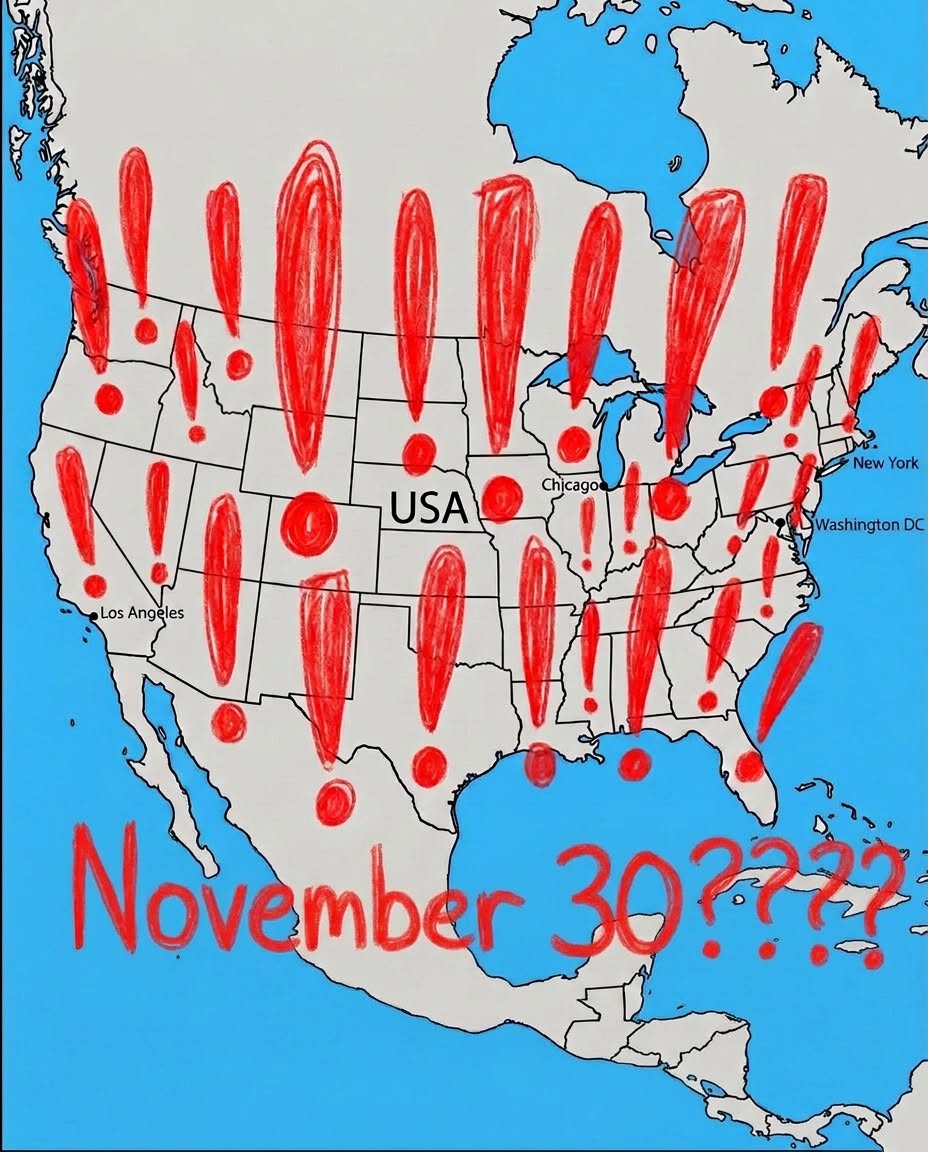
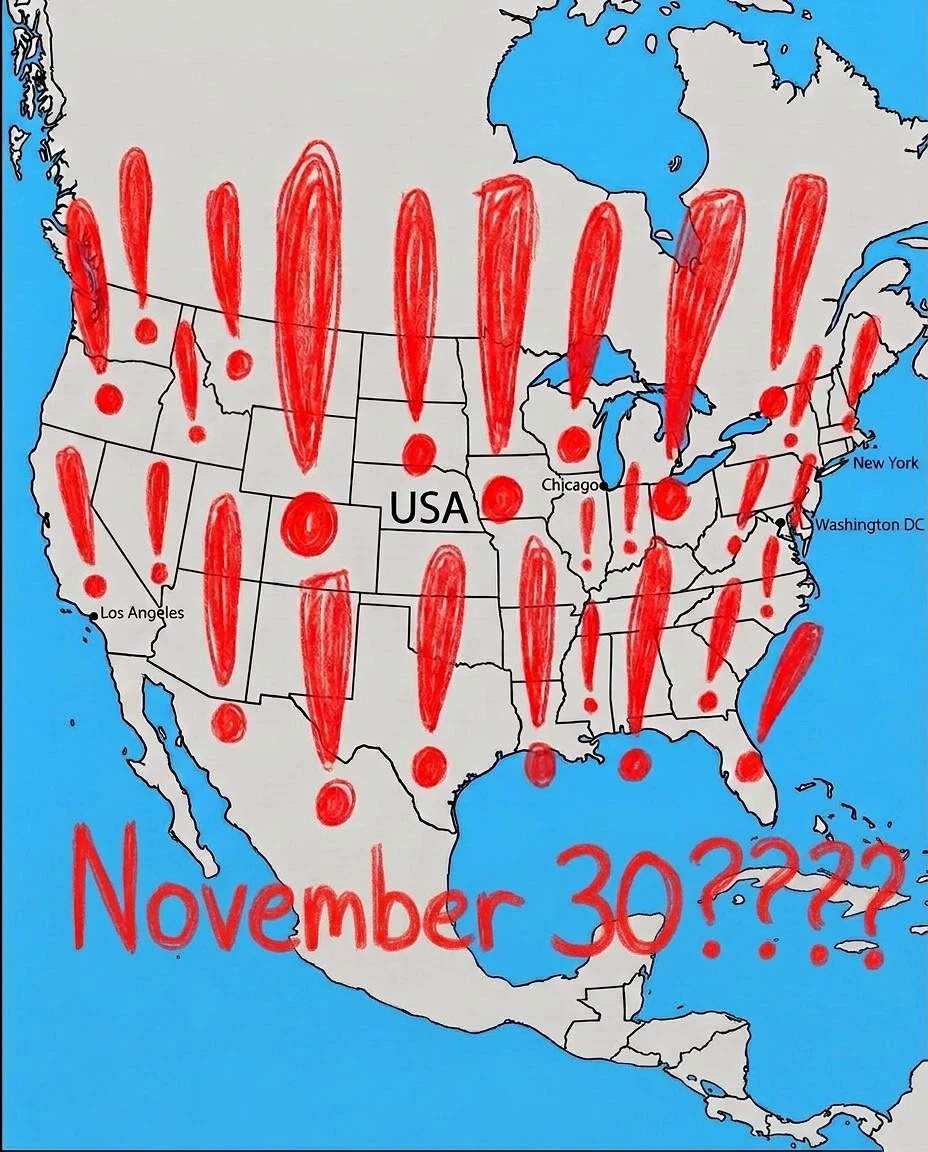
If you're from America, please read this 👆
Rivanta
Shop now: tryrivanta.com(opens in a new tab)