Sarah Troy Bishop
Sarah Troy Bishop Facebook ad: “Read this if you have an anxious dog”
Ran for 12 days, from January 22 to February 3, 2026, the last day Crush saw it.
Run by Sarah Troy Bishop on Facebook. Crush is not the advertiser and does not verify its claims. See this ad in Meta's Ad Library(opens in a new tab)
Want an ad like this for your product?
Crush makes new ad images for your product from this ad: your logo, your product photo, your offer.
Trials from $19.95 USD, then $79.95 USD a month. Cancel anytime.
About this ad
- Meta Ad Library ID
- 1634735941045847
- Platforms
- Facebook, Instagram, Audience Network, Messenger and Threads
- Relaunches
- 2
- Niche
- Education & Courses
Ad text
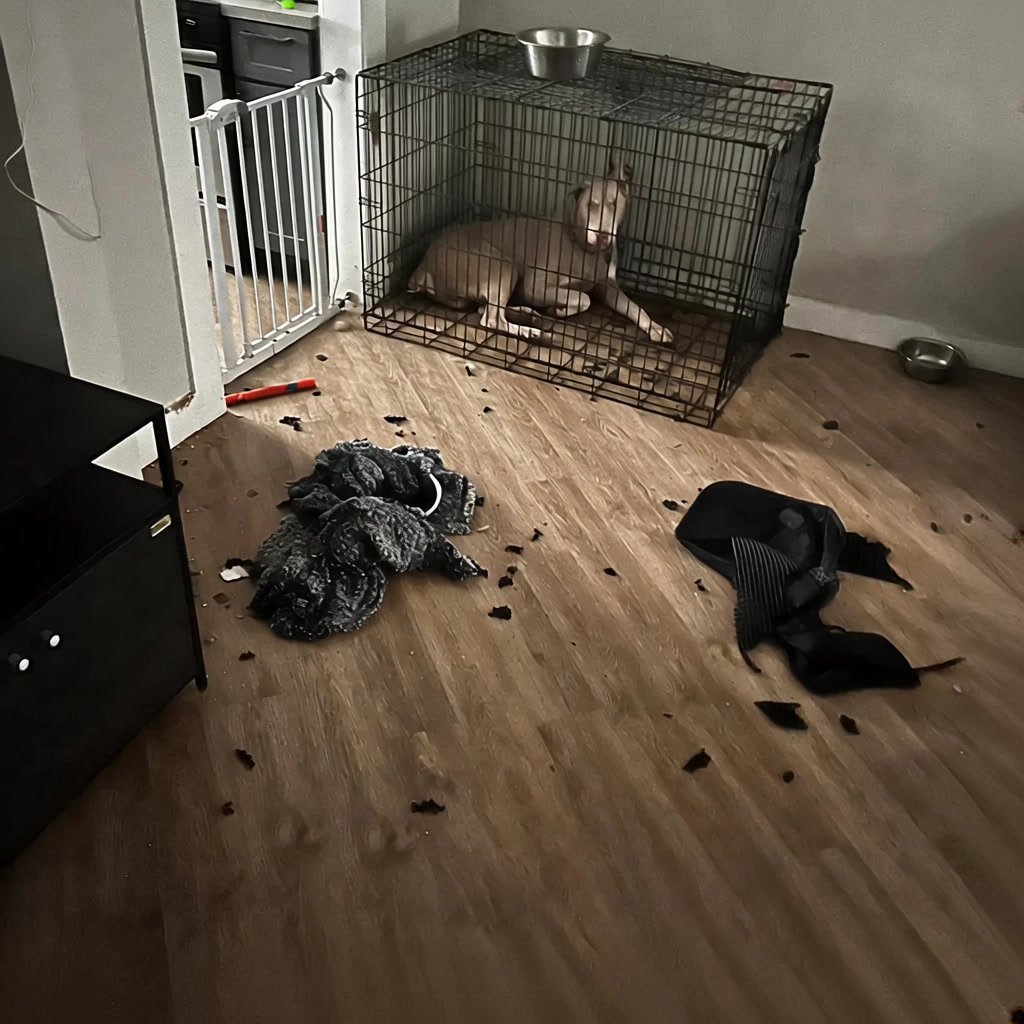
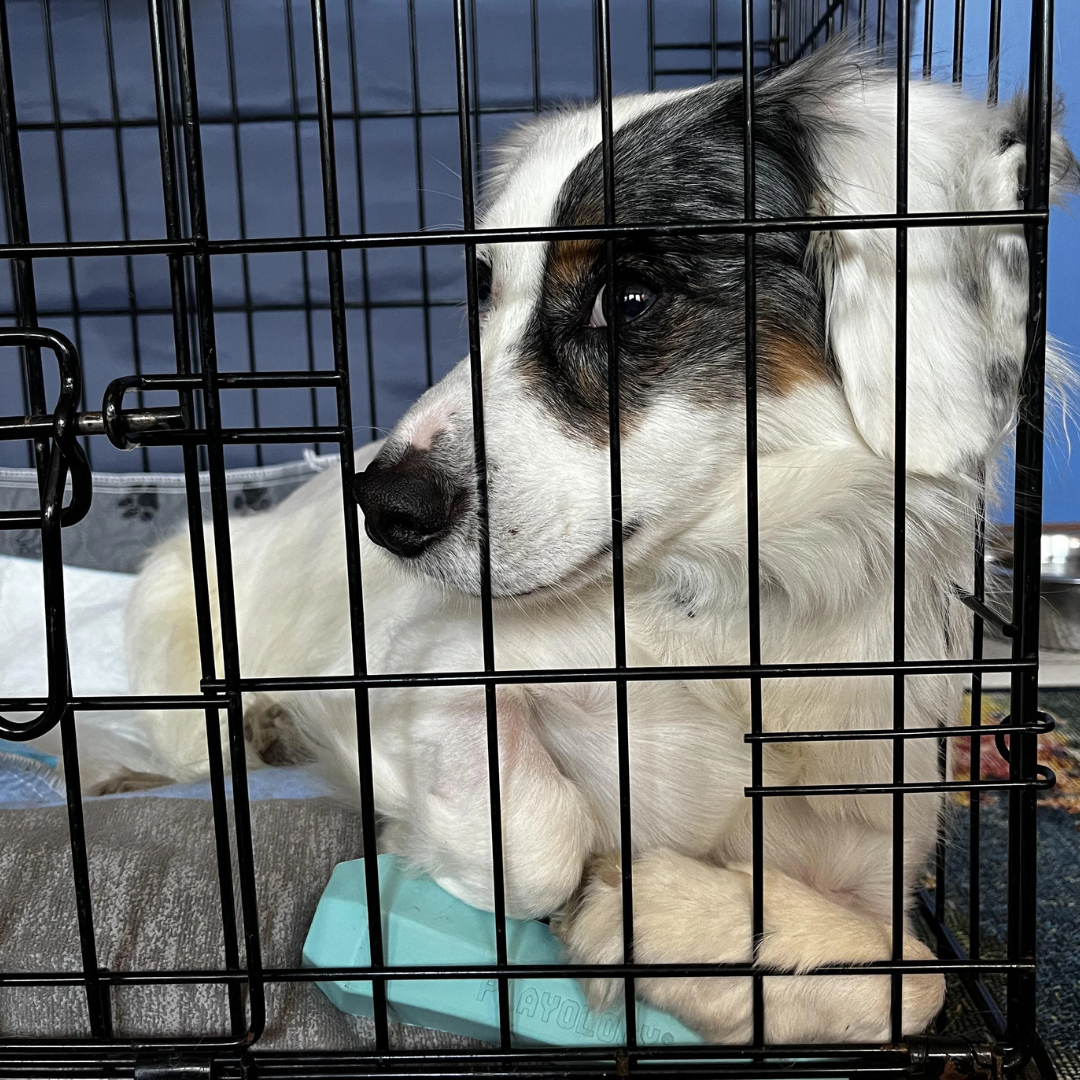
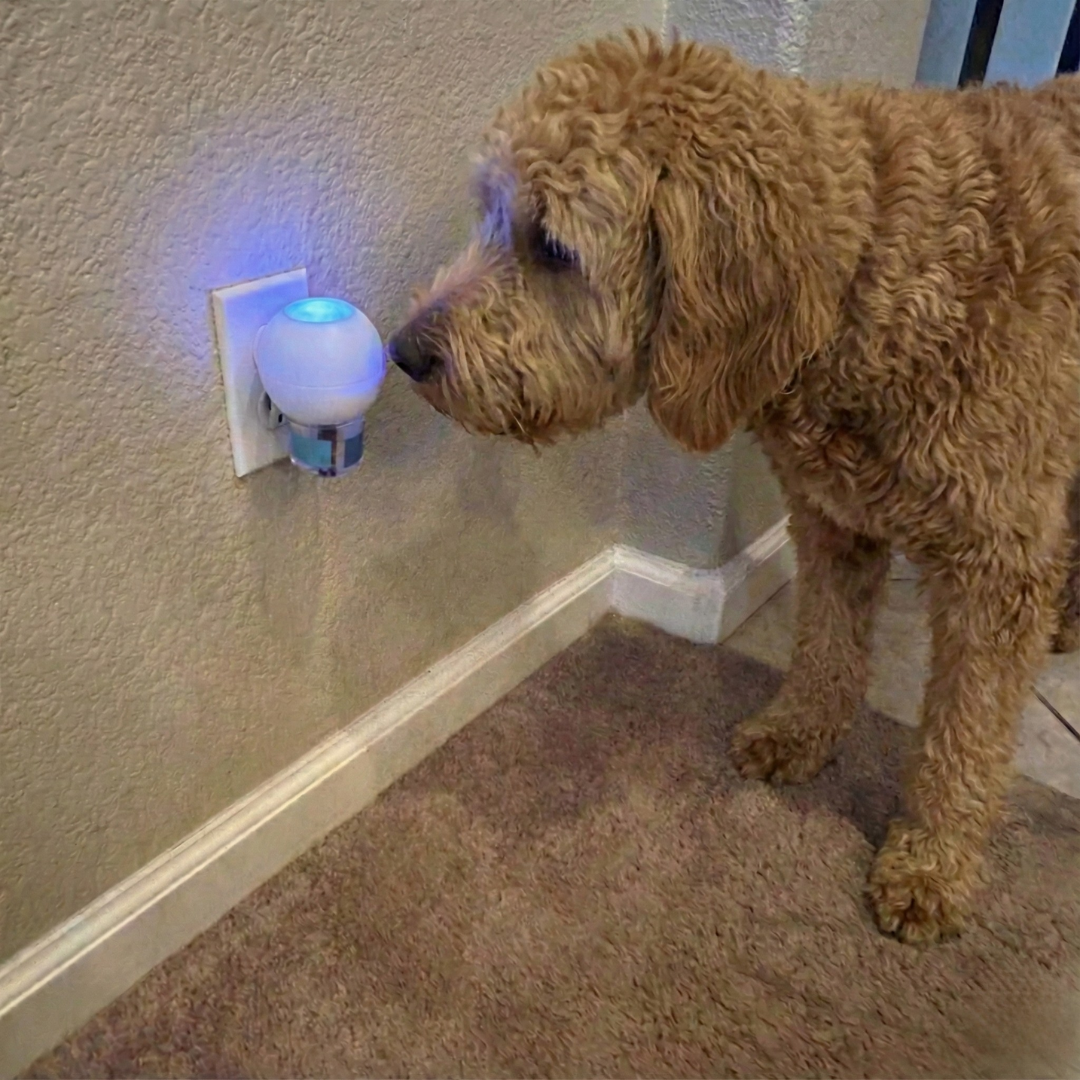
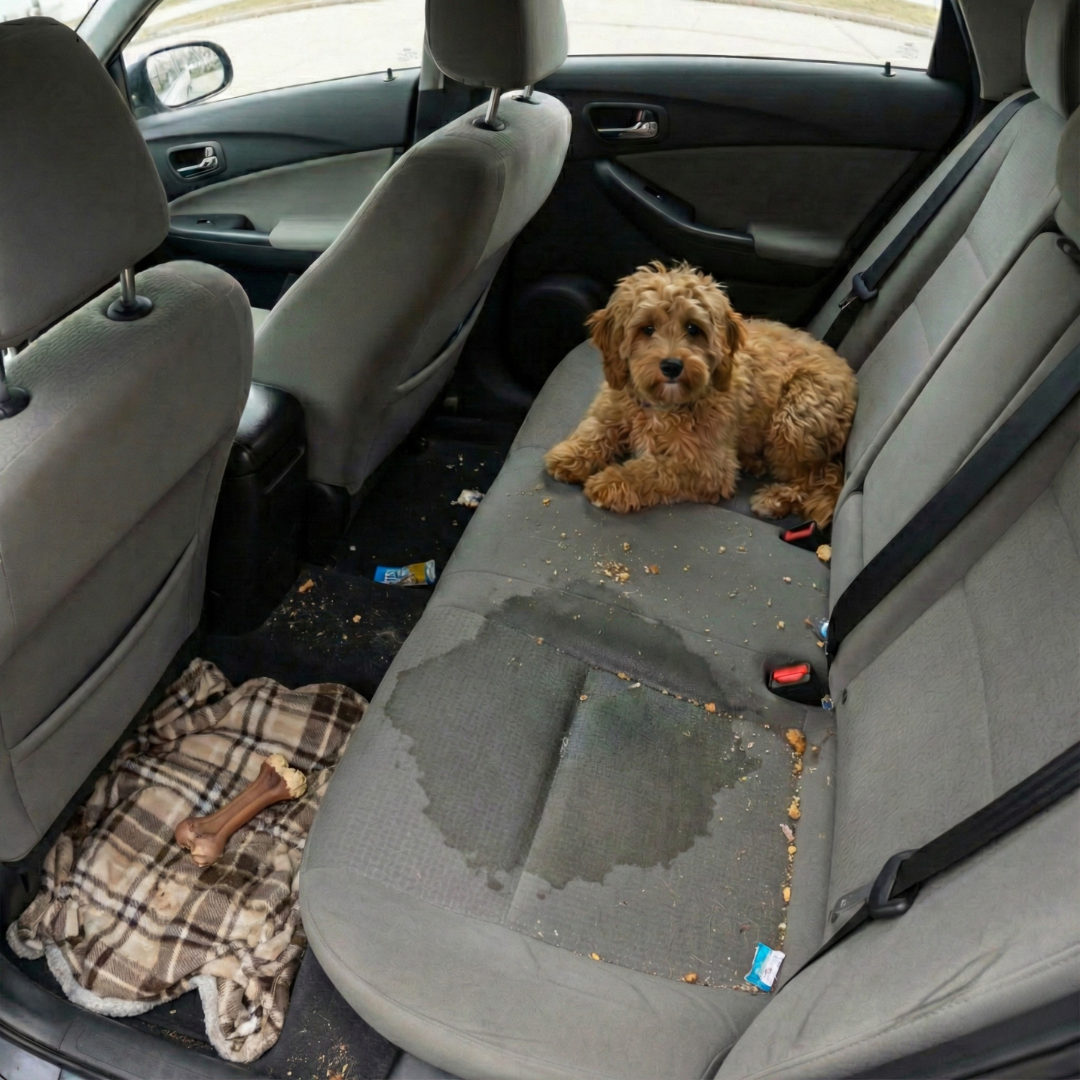
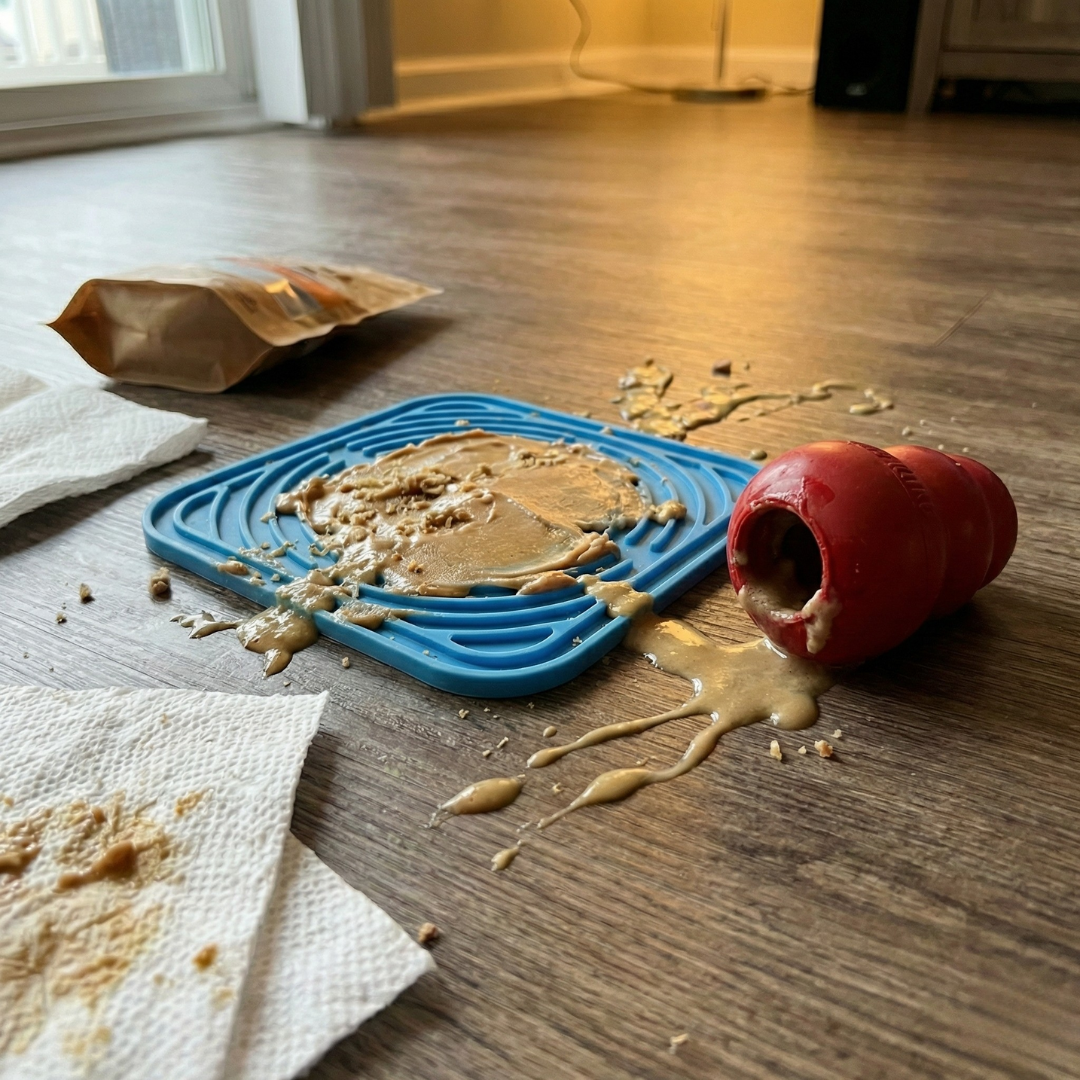
Vets are calling it an EPIDEMIC. We gave our dogs everything — except the ability to be okay without us. My dog Rosie couldn't be alone. Not for five minutes. Not to put the bins out. Not to run to the corner shop. The moment I reached for my keys, she'd start pacing. By the time I touched the door handle, she was panting. And the second that door closed behind me, she'd howl like something was dying. I know because I set up a camera. What I saw broke my heart. Rosie would pace in circles for hours. Shake uncontrollably. Scratching at the door until her paws went raw. Once she bent the bars of her crate trying to escape. This wasn't a dog who was "a bit anxious." This was a dog in genuine distress. And I was the one causing it. Every single day. We'd been fine during lockdown. I'd worked from home for two years. Rosie had never known anything different — she'd spent her entire life with me there, every day, all day. Then my company slowly called everyone back to the office. Within a week, my neighbours were leaving notes. Within a month, I'd had a letter from the council about noise complaints. By month three, I was genuinely terrified I'd lose my flat or have to rehome the dog I loved. I tried everything. Kong toys stuffed with peanut butter. Calming treats from the vet. Desensitisation training with a behaviourist — that collapsed the moment I left for real work. Nothing worked. And through all of it, the message I kept hearing was the same: this was my fault. "You need to be more consistent with the training." "You're probably reinforcing the behaviour without realising." "She can sense your anxiety — you need to stay calm when you leave." I spent £400 on a behaviourist who spent two hours telling me everything I was doing wrong. Bought courses that promised results "if you follow the programme exactly" — implying that if it didn't work, I hadn't followed it properly. Watched YouTube trainers whose techniques worked beautifully on calm golden retrievers but did absolutely nothing for my dog. Not once did anyone mention that Rosie's brain might be doing something that made all their advice useless. It was always my fault. My consistency. My energy. My technique. Eighteen months of this. Exhausted. Guilty. Trapped. And I wasn't alone. Since return-to-office mandates, forums have exploded with people experiencing exactly what I did. Dogs who'd spent two years bonding with their owners around the clock — suddenly left alone for eight hours. An entire generation of dogs who'd never learned to be alone because they'd never had to be. The vets are calling it an epidemic. And most of us still feel like it's probably something we're doing wrong. That we need to be more consistent. Train better. But here's the thing. Rosie trains beautifully when she's calm. She'll sit, shake, lie down — anything for a treat. She learns fast. She wants to please. When she's relaxed, she's the easiest dog in the world. So it wasn't a training problem. It was something else. Because the moment I picked up my keys, it was like a switch flipped. I'd hold a treat right in front of her face. Her favourite. She'd look straight through it like it wasn't there. Her eyes would glaze over. She couldn't process that it existed. And it wasn't just treats. I'd call her name — nothing. Not even an ear twitch. I'd try to redirect her with a toy she loved — she'd walk straight past it like it was invisible. It was like trying to talk to someone who wasn't there. Then I found an article by a veterinary behaviourist that changed everything. She explained that when dogs go into severe anxiety, their brain literally changes modes. The prefrontal cortex — the part responsible for thinking, learning, processing information — essentially goes offline. The survival part of the brain takes over completely. This isn't a choice the dog makes. It's automatic. The brain feels unsafe or threatened and shuts down everything that isn't essential for immediate survival. Learning isn't essential. Processing treats isn't essential. Hearing your voice isn't essential. Survival is the only thing that matters. She compared it to trying to have a conversation with someone who's drowning. They can't hear you. Not because they're ignoring you. Because their brain has redirected every resource to one single task: survive. That's what was happening to Rosie. The treats, the toys, the training — none of it was essential for survival. So her brain simply didn't register any of it existed. I wasn't failing. Rosie wasn't broken. I'd been trying to reach a brain that had gone offline. I needed something that could reach her before her brain shut down. Something the survival brain couldn’t ignore. Something that spoke directly to the part deciding whether she was safe in the first place. I finally understood what I needed. I just didn't know if it existed. A few weeks later, I found it — in the last place I expected. I was having coffee with my friend Katie. She'd adopted two rescues — both with problems far worse than Rosie's. One had chewed through a door. The other had been returned to the shelter twice. "They're fine now," she said. "Both of them. I can leave for hours." I nearly spat out my tea. “How?” "Pheromone diffuser. But not the ones you can pick up at the general pet stores or amazon— they did nothing." She explained what her vet had told her. Pheromones aren't processed by the thinking brain at all. They're detected by the vomeronasal organ — a receptor in the nose that connects directly to the emotional part of the dogs brain. They bypass the prefrontal cortex entirely. So it doesn't matter if they’re in survival mode. The pheromone signal still gets through. I brought it up at Rosie's next vet appointment. Dr. Hartley nodded. "That's exactly how it works." She explained it simply. When puppies are with their mother, she produces a pheromone that tells them "you're safe." It's not something they think about. They just feel it. "That feeling stays with them their whole lives. And that's what these diffusers mimic — the same safety signal their mother gave them." "So Rosie would feel like..." "Like she's not alone. Like something familiar is telling her she's okay. When a dog feels safe, the brain doesn't go into survival mode. It stays calm enough to think, to learn, to remember her training." That was it. That was the missing piece. Not another treat she couldn't process. Not another command she couldn't hear. A signal that told her brain she was safe before the panic could start. I told her what I'd already tried. Adaptil spray. Pet Remedy. "Two problems," she said. "Sprays spike and fade. One minute it's strong, the next it's gone. No consistency." "And the second problem?" "Most pet shop diffusers use a diluted formula. It's cheaper to manufacture." She pulled up a comparison on her screen. "We use veterinary-grade diffusers in our waiting room — the same strength we use to calm dogs before surgery. CalmiPal uses that clinical concentration." She looked at me directly. "For some anxiety, the pet shop versions are fine, but typically have a low success rate. But for a dog like Rosie — where the brain is going into full survival mode — you need something stronger." "So the Adaptil I tried..." "Probably never stood a chance. It's like giving a child's dose of paracetamol for a migraine. Same ingredient. Not enough to touch the pain." I ordered a CalmiPal diffuser that night. Week 1: I came home to find Rosie on the sofa. The Kong I'd left was half-eaten. First time in eighteen months she'd touched food while I was out. Week 2: Watched the camera during my lunch break. Rosie was asleep. Just... asleep. In the middle of the day. While I wasn't there. I was in disbelief. Week 4: The neighbour stopped me. "Has something changed with your dog? We haven't heard anything in weeks." Month 3: We're doing desensitisation exercises again. The same ones that failed before. But now they're working — because her thinking brain stays online long enough to learn. The diffuser didn't replace training. It made training possible. But here's what I wasn't prepared for. The first time I came home to silence. No howling through the door as I walked up the stairs. No scratching. No frantic barking the moment my key touched the lock. Just... quiet. I opened the door slowly, half-expecting destruction. To see her tired from shaking all day. The usual evidence of eight hours of panic. Rosie was on the sofa. She lifted her head, looked at me, tail wagging gently. Then she stretched, yawned, and padded over like it was the most normal thing in the world. No pacing. No panting. No desperate circling. Just a dog who'd had a calm, boring, unremarkable day. I stood in the doorway and reflected on all the guilt I felt before CalmiPal. Before I had a calm dog. The diffuser worked like nothing else. Plug it in. Give it two weeks. Watch what happens. Covers one room continuously for 30 days. No sedation, no drowsiness, no prescription needed. If it doesn't help your dog within 60 days, send it back for a full refund. No questions. You weren't failing. Your dog wasn't broken. You were just trying to reach a brain that had gone offline — with products that weren't strong enough to get through. CalmiPal reaches the part that's still listening. I’ve linked it below if you want to find out more about how it works. Love Sarah, Rosie's human — and finally guilt-free P.S. — The 60-day guarantee means you risk nothing. Plug it in. Give it two weeks to build up in the environment. Watch the camera. If Rosie-level results don't happen for your dog, send it back. But if your dog finally has a brain that can stay calm... you'll understand why I'm telling everyone I know about this.
Where the ad sends people
calmipal.com
Read this if you have an anxious dog 👆
CalmiPal
Learn more: calmipal.com(opens in a new tab)