
Inactive· since Mar 17, 2026
- 15
- days it ran
- 1
- relaunches
Ad copy
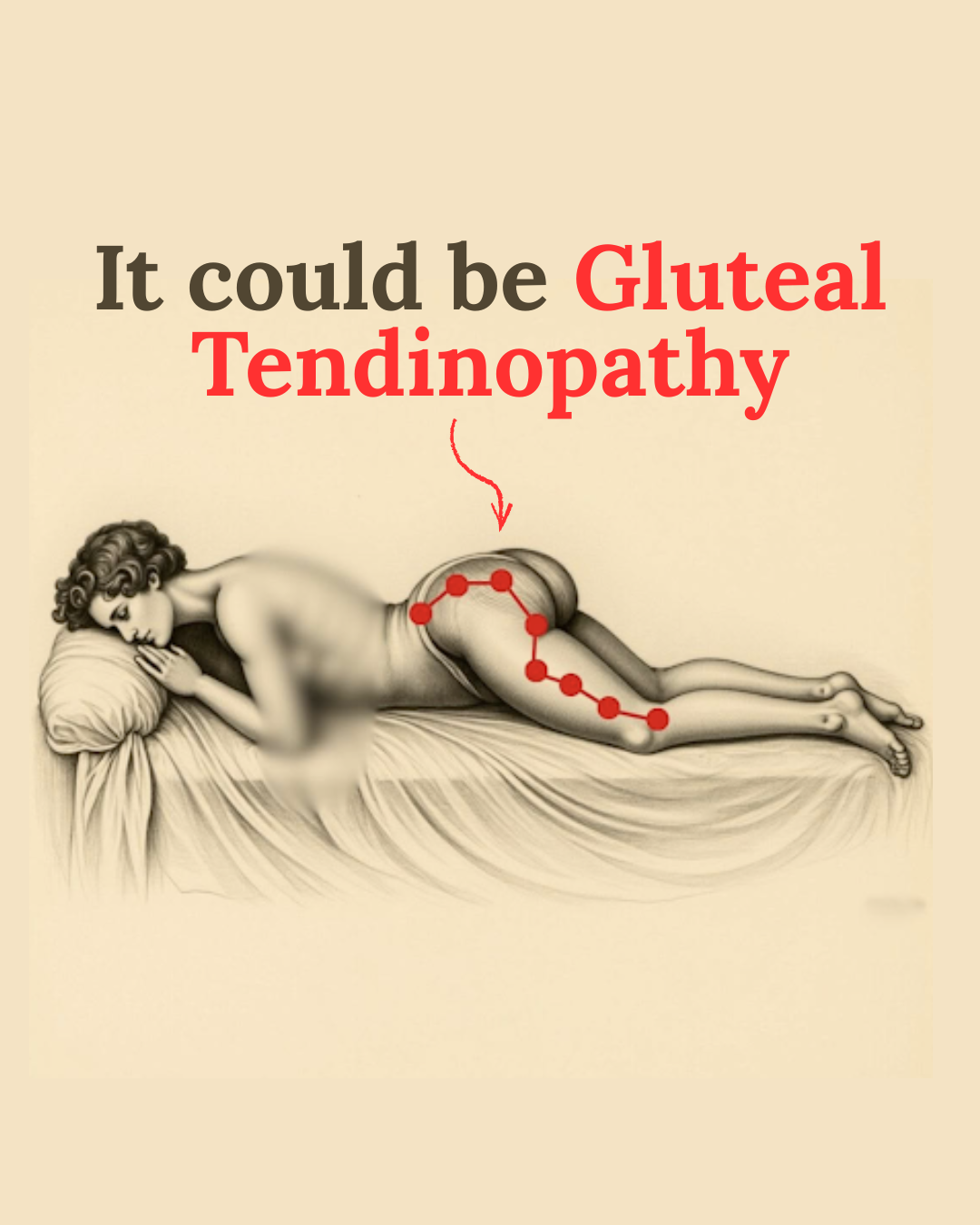
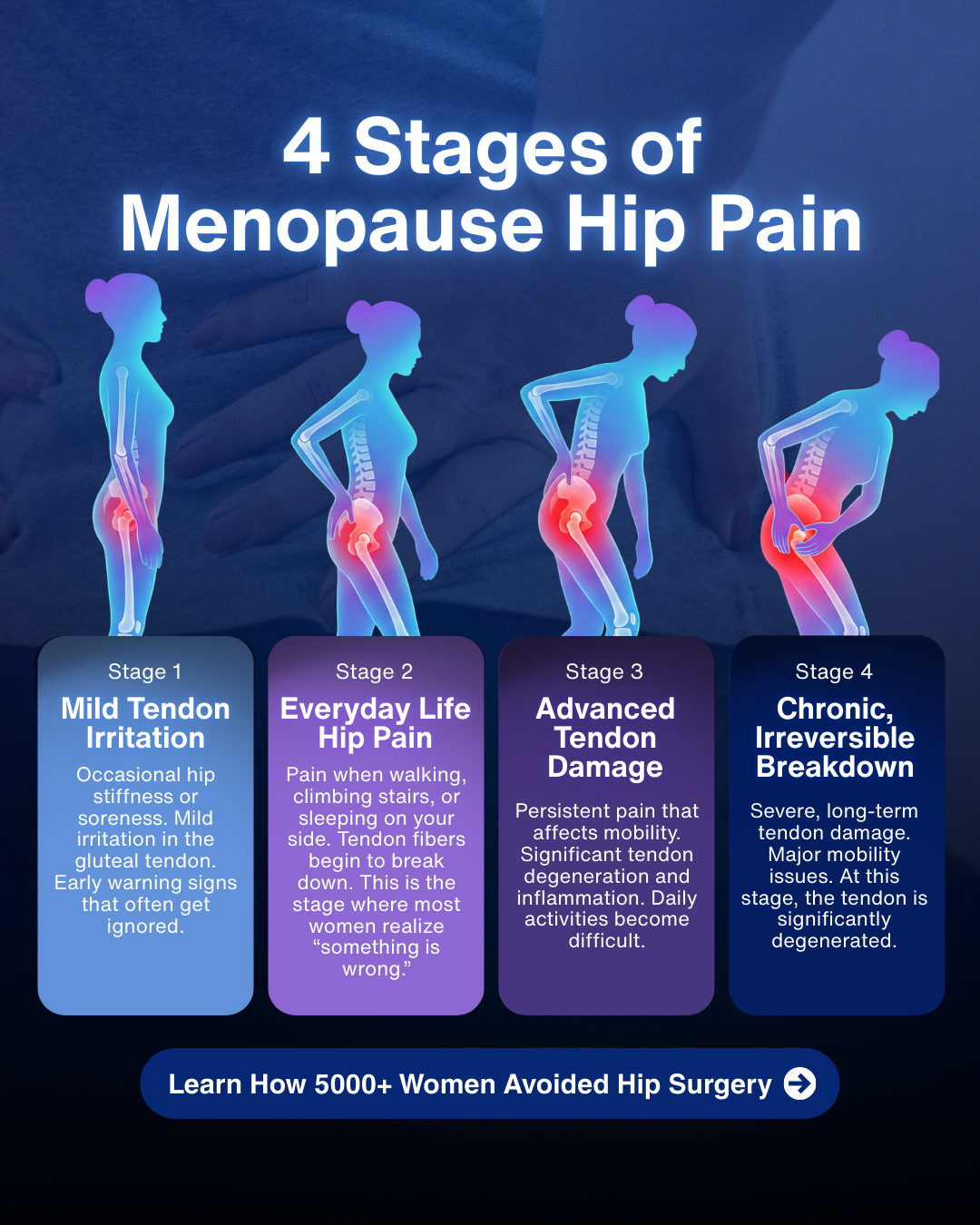
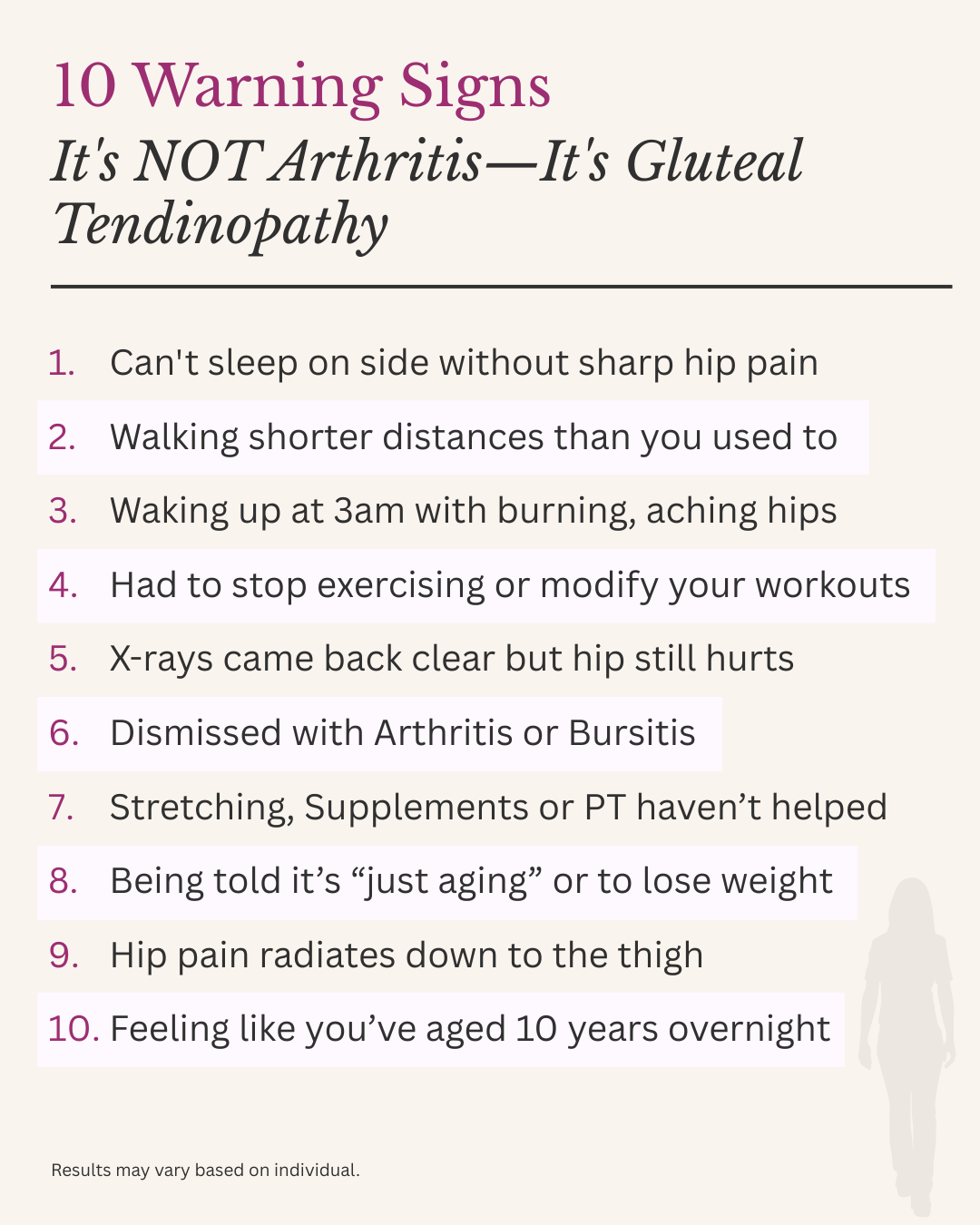
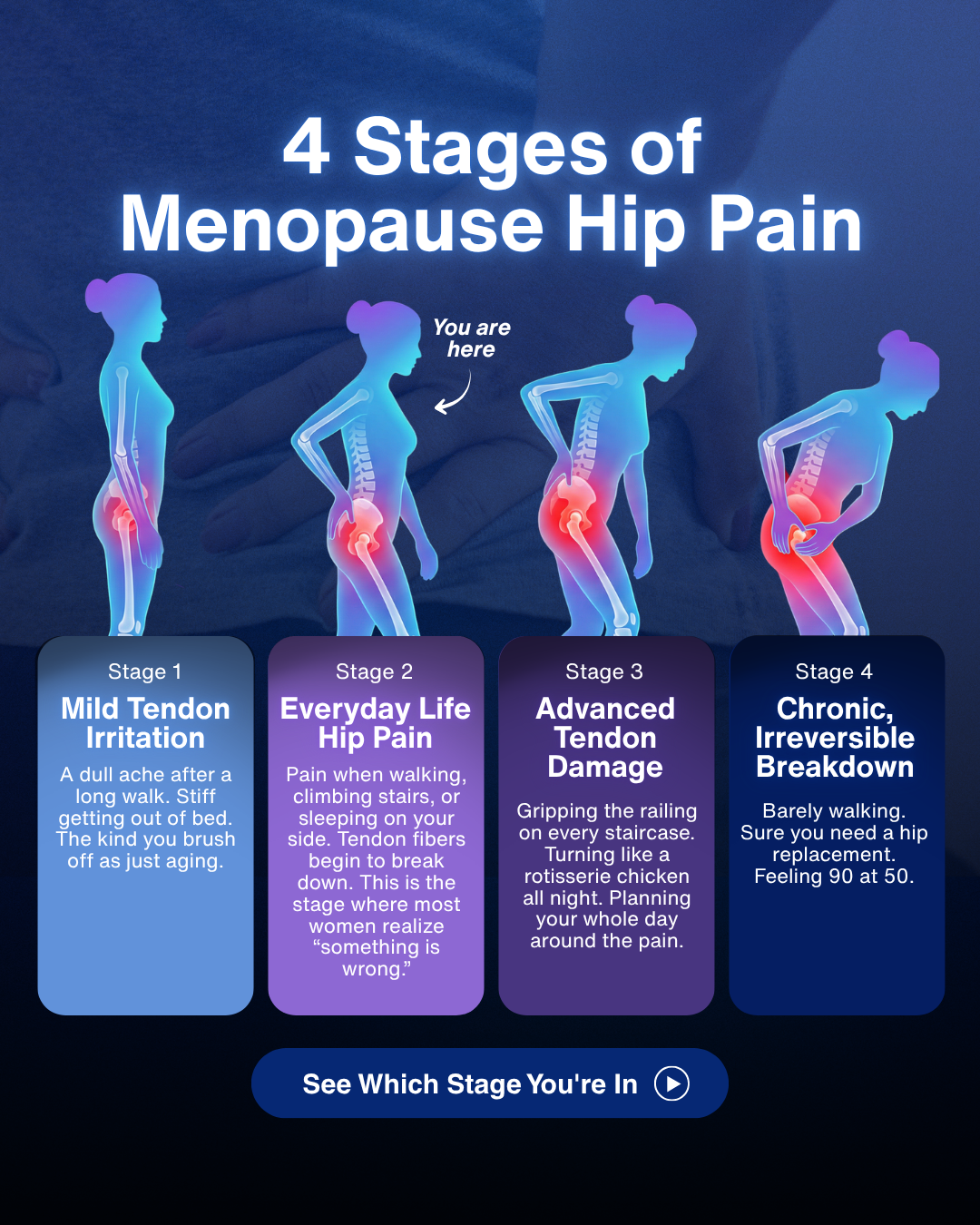
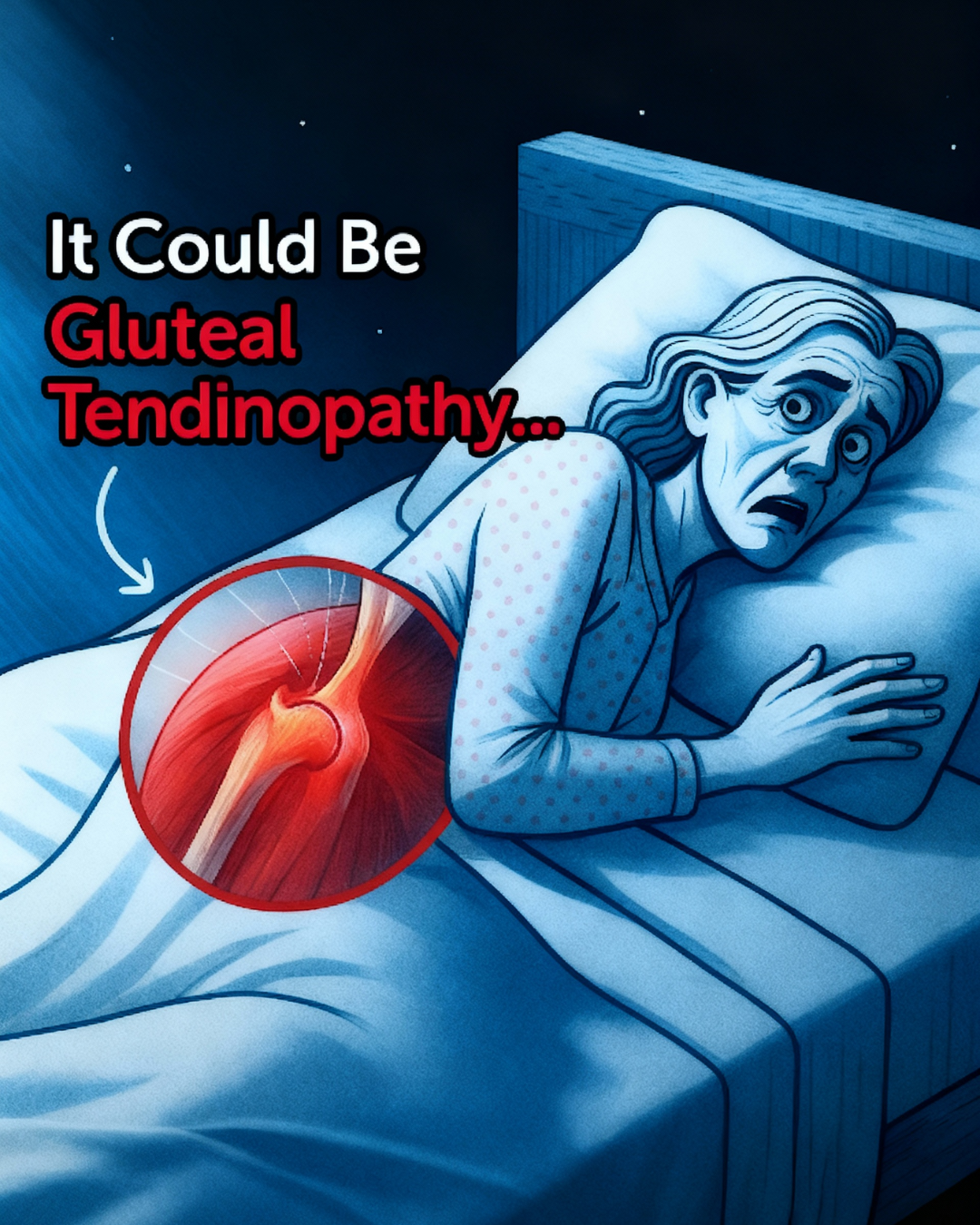
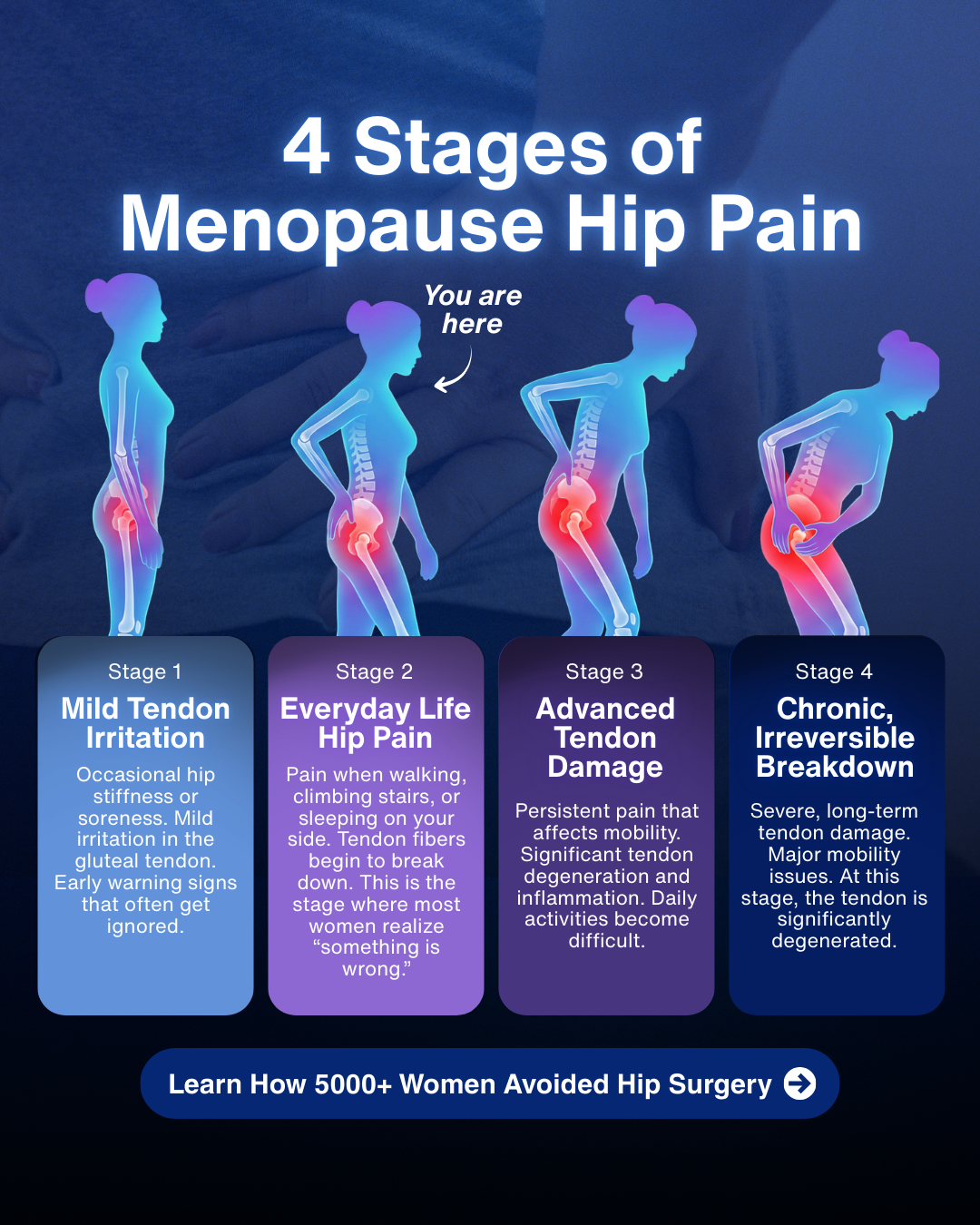
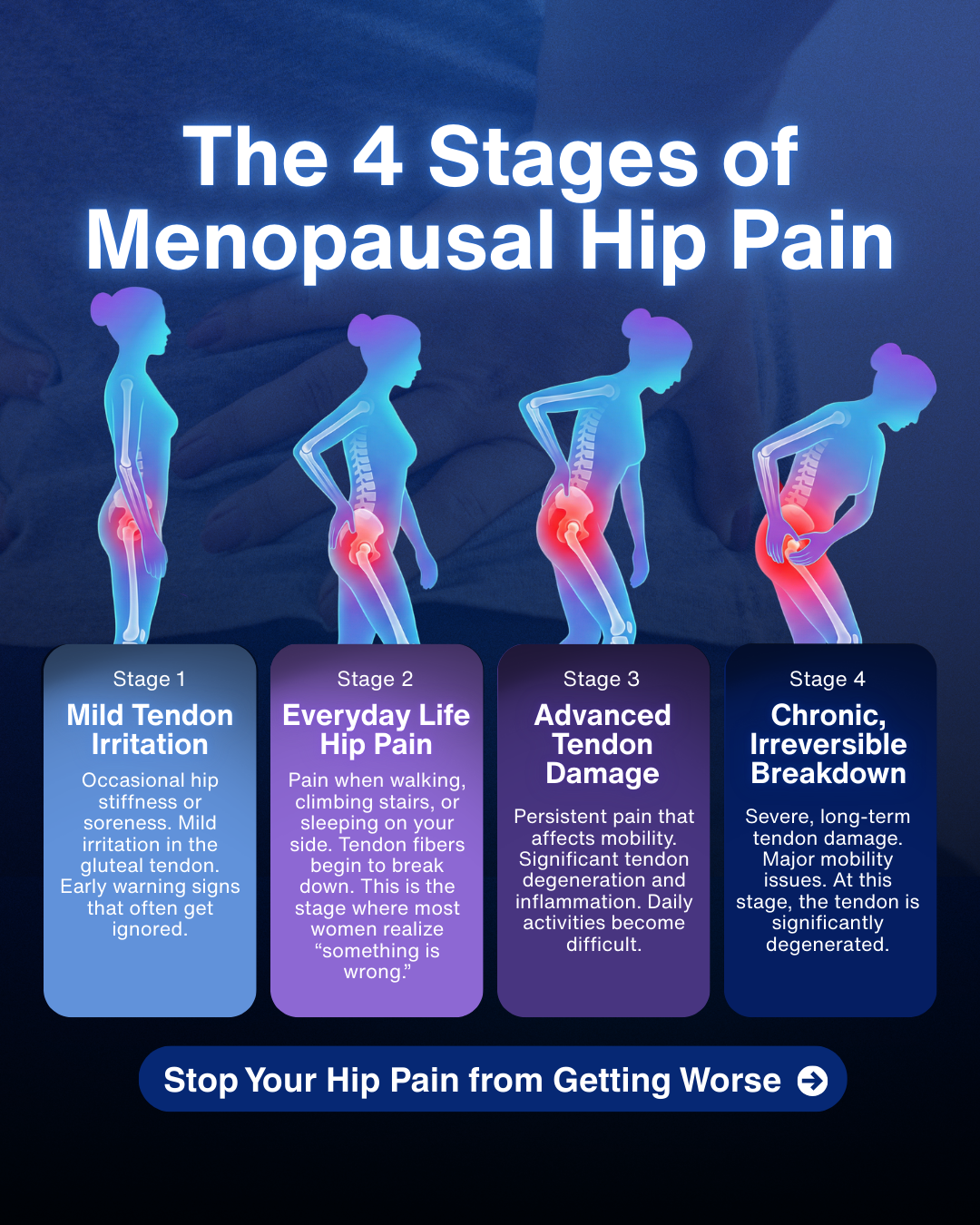
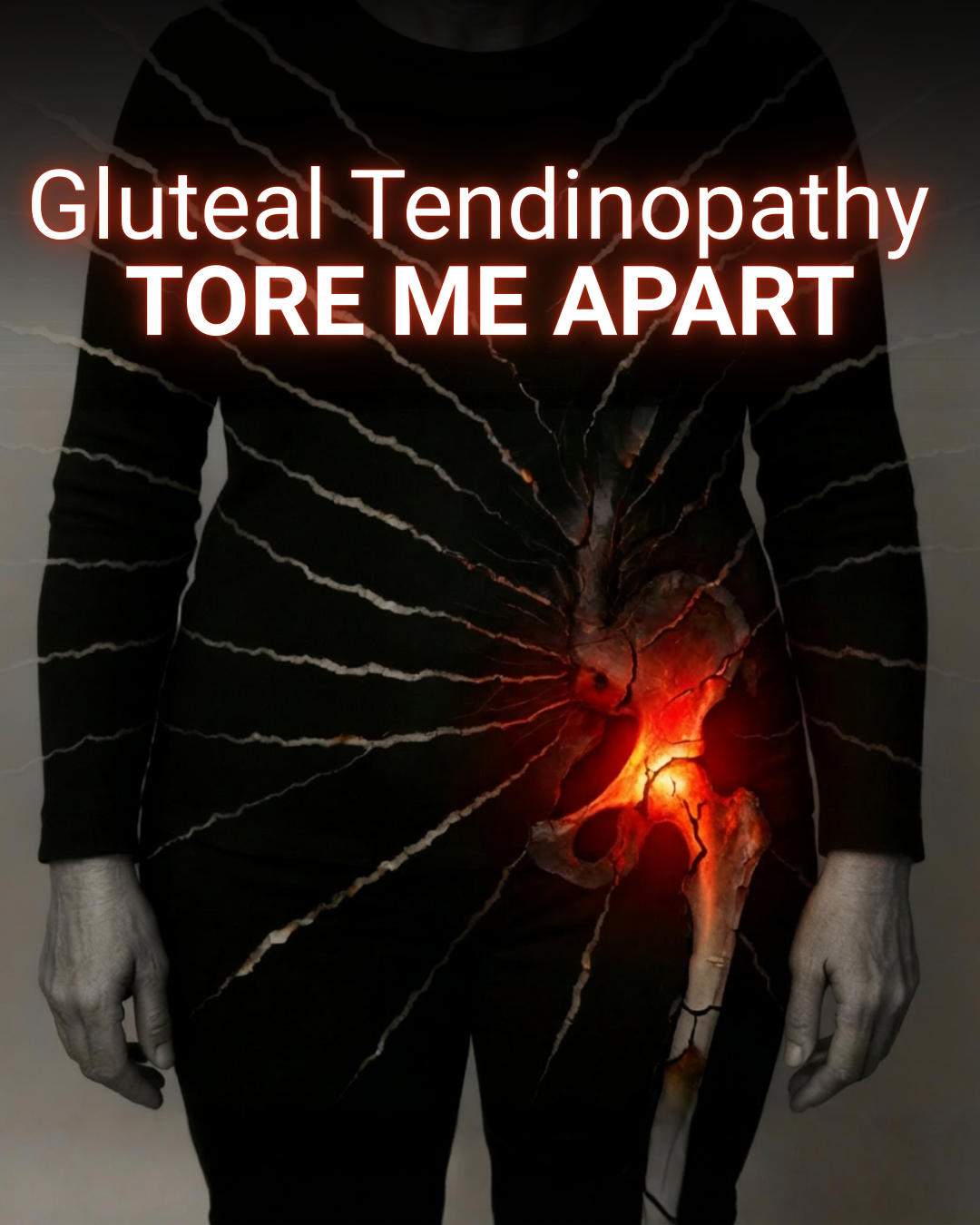
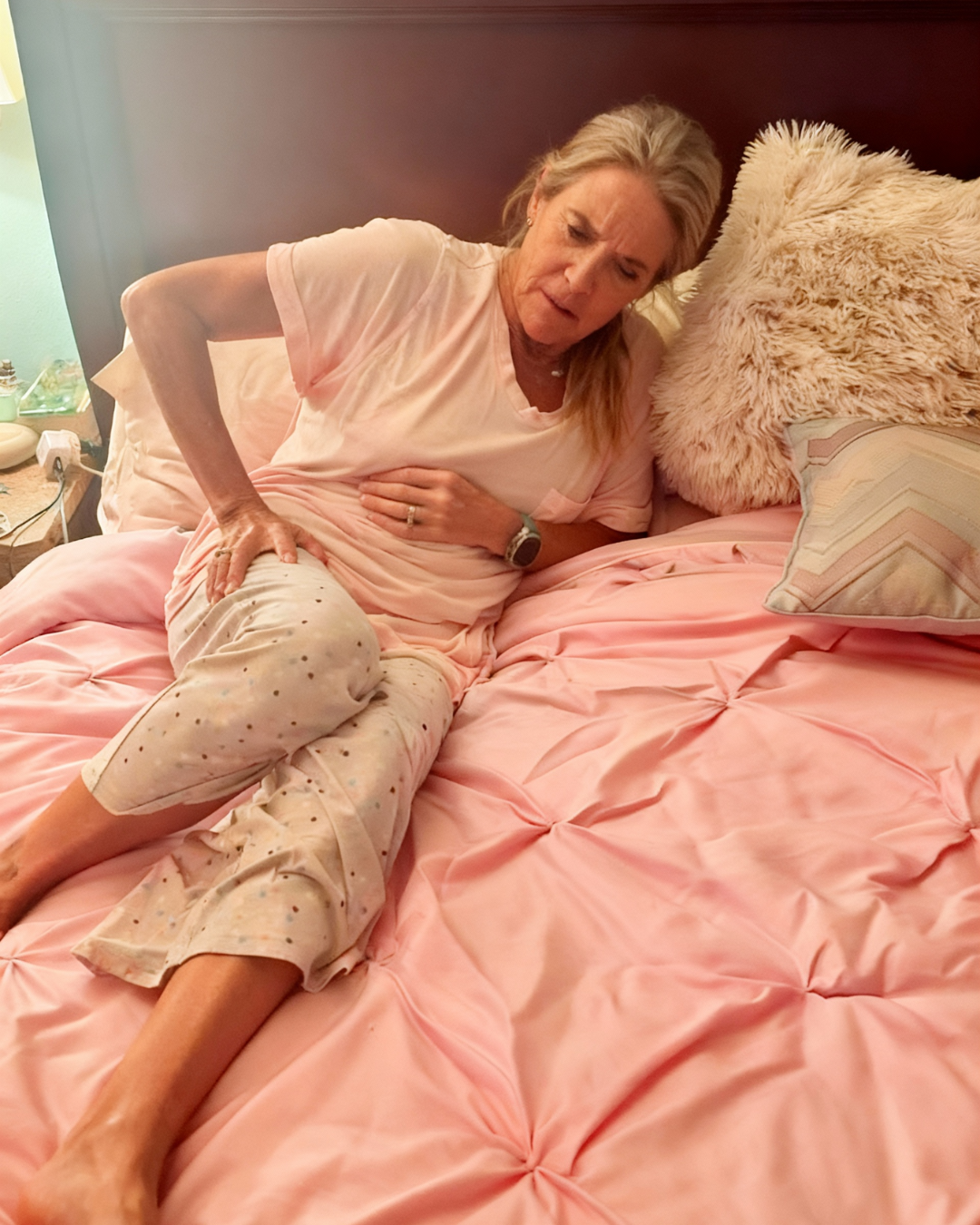
Twelve doctor appointments. Two MRIs, one CT scan, countless X-rays. And not a single doctor thought to ask me one simple question. The question that would have explained everything. The question that took me YEARS to figure out. ======== I'm 54. And for the past three years, I've been fighting a hip pain that no one could properly diagnose. And honestly? I was starting to think I was losing my mind. It started small. Just this stabbing ache on the outside of my hip after my morning walks. The kind of thing you brush off. Slept wrong. Need new shoes. Finally feeling my age. But it didn't go away. It got worse. The pain started waking me up at night. I'd lie on my left side and within minutes, this deep burning pressure would build. Like someone slowly pressing their thumb into the bone, harder and harder until I couldn't take it anymore. I'd flip to my right side. Twenty minutes later, same thing. Flip again. Left side. Right side. Stare at the ceiling. Try my back. My husband started calling me a rotisserie chicken. I laughed the first few times. By month four, I wanted to throw my pillow at his head. ======== Here's what no one tells you about chronic pain: It's not just the pain. It's everything the pain takes from you. By month six, I was averaging maybe three hours of broken sleep. I'd drag myself out of bed feeling like I'd aged twenty years overnight — this deep stiffness that took a full ten minutes of shuffling around the bedroom before I could walk normally. Stairs became something I had to psych myself up for. That shooting ache down my outer thigh with every single step. I started planning my whole day around avoiding them. I stopped going to my Thursday morning yoga class. Cancelled on my sister's birthday dinner. Skipped my nephew's soccer games because the metal bleachers were agony and standing on the sidelines wasn't much better. I was becoming the woman who always had a reason she couldn't come. That wasn't who I was. I used to be the one organizing things. Dragging everyone out for hikes. First one on the dance floor at weddings, last one to leave. I once walked nine miles through Rome in a single day just because I didn't want to miss anything. Now I was the one people had learned to stop inviting. ======== And the nights... God, the nights were the worst. I'd lie there in the dark, brain spinning out of control, convinced something was seriously wrong. Bone cancer. A tumor. Some degenerative disease quietly eating away at my hip socket while doctors kept telling me everything looked "normal." I'd catastrophize for hours while the pain pulsed and my husband slept peacefully six inches away. One night — maybe month eight or nine, I'd stopped keeping track by then — he rolled over and put his arm around me. This thing he's done for twenty-three years of marriage. His hand rested on my hip, gentle, half-asleep. And I flinched. Pulled away. Couldn't help it. Even that soft pressure was too much. He didn't say anything. But I saw his face in the glow of the alarm clock. I still think about that look. We don't really touch anymore. Not like we used to. And I can't tell if it's because I've pulled away so many times he's stopped trying, or because I've started preemptively angling my body away from him in bed, protecting that hip like it's made of glass. Probably both. ======== That was the week I finally went to my doctor. She pressed on my hip, asked if it hurt here (yes), here (god yes), and here (I nearly levitated off the table). She nodded like she'd solved a puzzle. "Bursitis. Pretty common at your age. Take ibuprofen, ice it, should calm down in a few weeks." It didn't. Two months later, I was back. She referred me to an orthopedist. He squinted at my X-rays for maybe sixty seconds while I sat there in that paper gown, feeling like a specimen. "Some arthritis. Normal wear and tear. You're what, mid-fifties?" He said it like that explained everything. "We can try cortisone if the ibuprofen isn't cutting it." The first injection actually helped. For about three weeks, I felt almost normal. Slept on my side two nights in a row. Started making plans again. Then it came back. Worse somehow. Second injection lasted maybe ten days. Third one might as well have been saline. I went to another orthopedist — paid $400 out of pocket because supposedly he was "the best." Same answer. Arthritis. Wear and tear. "Have you considered physical therapy?" So I tried it. Twice a week for two months. Clamshells, bridges, resistance bands, stretches that were supposed to "strengthen the stabilizers." But every night, the pain was the same. Sometimes worse — there were days after PT when I could barely make it up my front steps. When I told my therapist it wasn't helping, she looked almost hurt. "You have to trust the process." I stopped going after ten weeks. Couldn't justify the copays for something that wasn't working. Here's the thing about pain that doesn't show up on tests: doctors start looking at you differently. You can see it. The slight skepticism. The barely-hidden impatience. The unspoken suggestion that maybe you're exaggerating. One doctor asked if I'd "considered talking to someone." Took me a second to realize he meant a therapist. I drove home and sat in my car in the driveway for twenty minutes, engine off, just staring at my garage door. Wondering if this was just my life now. Wondering if I really was being dramatic. Wondering if everyone was right and I just needed to accept that this is what fifty-four feels like. Wondering how many more years of this I could actually survive. That was my lowest point. ======== Here's what I need you to understand about those three years and twelve appointments: Every single doctor asked me the same questions. Where does it hurt? How long has it been going on? Does it radiate? Any numbness or tingling? What makes it worse? What makes it better? Any injuries? What's your activity level? Family history of arthritis? They asked about my weight. My exercise habits. My stress levels. Whether I'd tried yoga. Whether I'd tried losing weight. Whether I'd tried "just resting it." But not ONE of them — not my GP, not the orthopedists, not the physical therapist, not the rheumatologist — asked me the question that actually mattered: When did this start relative to my menopause? It never even occurred to me to connect the two. Why would it? Everyone warns you about the hot flashes. The night sweats. The mood swings. The brain fog. The weight that suddenly clings to your midsection no matter what you eat. But hip pain that feels like someone's driving a railroad spike into your outer thigh every time you try to sleep on your side? Nobody mentions that. It's not in any of the menopause pamphlets. Your gynecologist doesn't bring it up. Your friends complain about hot flashes over wine — nobody's talking about their hips. So I never made the connection. Until 2:47 AM on a Tuesday. I remember the exact time because I'd been watching the clock for hours. I was scrolling through my phone because sleep wasn't coming and I needed something to do besides lie there counting the ways my body had failed me. And I found this video from a menopause researcher. I almost kept scrolling. I'd watched dozens of videos by then. Read hundreds of articles. Tried every stretch, every supplement, every sleeping position anyone had ever suggested. None of them told me anything useful. But something made me click. Maybe it was the 2 AM desperation. Maybe I was just too tired to keep scrolling. Maybe some part of me wasn't ready to give up yet. Whatever it was, I'm grateful for it every single day. Because about two minutes in, this researcher asked a question that made my whole body go still. "Did your pain start around or after menopause?" I paused the video. Sat up in bed. Hip screaming at the sudden movement, but I barely noticed. Did it? I tried to remember. When did this really start? Not the bad pain — the early stuff. The first time I noticed something wasn't quite right. I thought back. When did I first start waking up stiff? When did stairs first become a thing I noticed? When did I first feel that weird ache after a long walk? And I realized: it was about eight months after my periods stopped completely. Right around the time I'd finally accepted that menopause was "over" and I could stop thinking about it. I'd never connected those two things. In three years of doctors and tests and failed treatments, I'd never once thought: wait. This started right after menopause. Is that a coincidence? And nobody — not a single medical professional — had ever suggested it might not be. I pressed play. And what this researcher explained over the next ten minutes: About what's actually happening inside the hip during and after menopause. ======== I'm not going to tell you this video will be your answer. I don't know your body. I don't know your situation. I don't know what's causing your specific pain. But I know this: If you've been fighting hip pain that doesn't show up on X-rays... If doctors keep calling it arthritis or bursitis while the treatments don't work... If you've started wondering whether you're just being dramatic, whether this is just "getting older," whether you should just accept it and stop complaining... Watch this video. It's about ten minutes. It might be the first thing about your hip pain that actually makes sense. I'm not saying that to sell you anything. I'm saying it because I spent three years in pain when I didn't have to. Three years of my life. Three years of sleep. Three years of slowly pulling away from my husband, my friends, myself. I don't want that for you. Click below. Watch it tonight. And maybe, FINALLY, you'll have the answer to the question no one thought to ask.
Like this ad? Make it yours.
Crush rebuilds this exact creative around your product — your brand, your colors, your offer — in about a minute.