
Inactive· since Jan 31, 2026
- 10
- days it ran
- 0
- relaunches
Ad copy
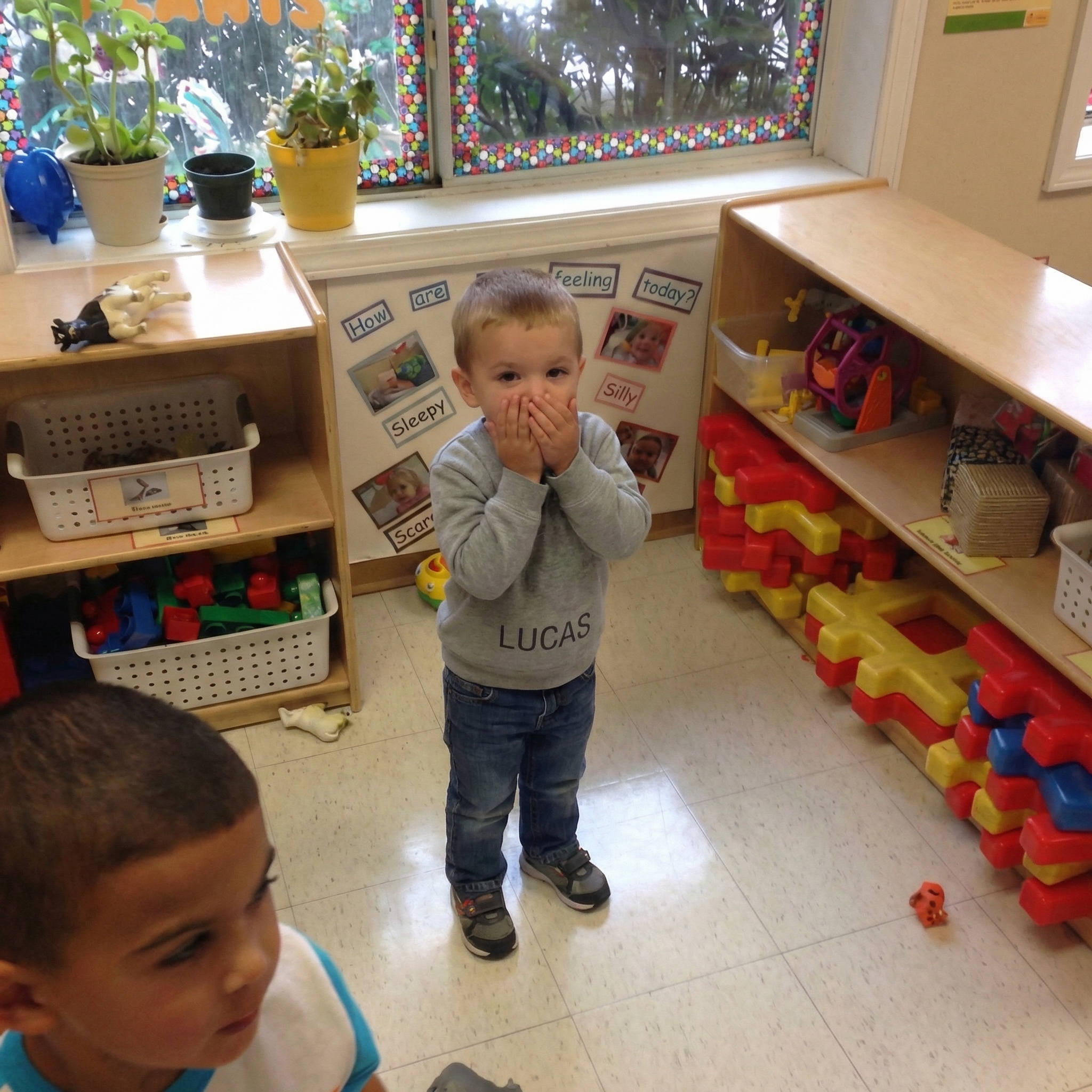
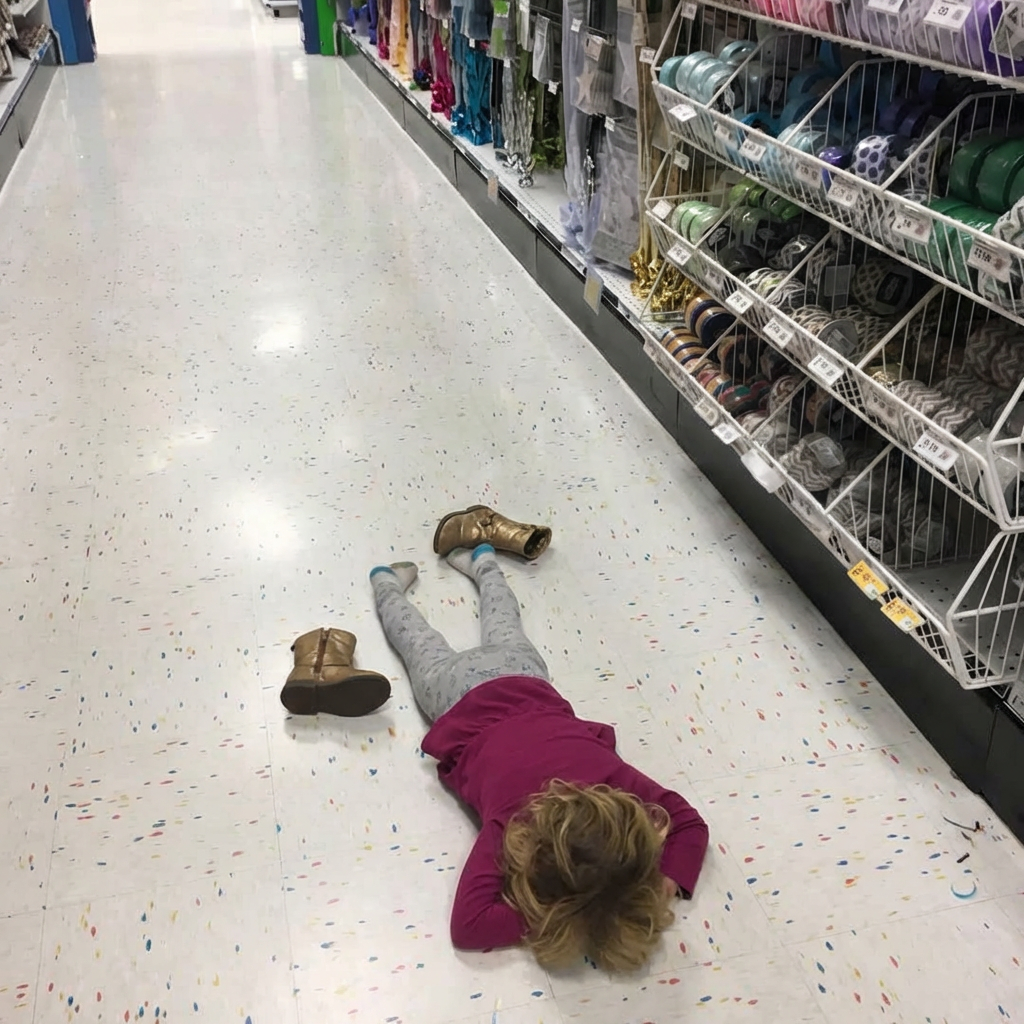
I love my daughter but some days I don't like her. That's horrible to say. There's a moment late at night after she's finally asleep when I stand in her doorway and just watch her breathe. She looks so peaceful. So sweet. And I think: Where does this little girl go during the day? Because the child I'm looking at right now - the one with the messy curls spread across her pillow, the one who looks like an angel - that's not the child I spent the afternoon with. That child screamed at me for twenty minutes because her sock felt "wrong." Threw her plate across the kitchen because I gave her the blue cup instead of the purple one. Hit her brother so hard he had marks. I love her. God, I love her so much it physically hurts sometimes. But on those days? I don't like her. I don't like who she becomes. And admitting that out loud makes me feel like the worst mother in the world. But here's what nobody tells you about having a child whose behavior swings from perfect to impossible: You don't just lose the peaceful afternoons or the ability to go to Target without anxiety. You lose yourself. You lose the patient mother you thought you'd be. The one who'd read parenting books and stay calm and use gentle redirection. Instead, you're the mom hiding in the pantry with your hand over your mouth so she doesn't hear you crying. You lose the relationships you thought you'd have. Playdates that end early because she pushed another kid. Family gatherings where you see your sister-in-law's kids playing nicely and you want to scream: Why can't my daughter do that? What am I doing wrong? You lose the person who used to feel confident. Who used to think she had her shit together. Now you question every single parenting decision you make. You google "is my 4-year-old a sociopath" at two in the morning. You screenshot articles about ADHD and autism and oppositional defiant disorder and stare at the symptom lists wondering which label is coming. And underneath all of it - the thing you can't say to anyone, the thing that sits in your chest like a stone - you lose the certainty that you're a good mom. Because if you were a good mom, your daughter wouldn't be like this. Right? I thought it was just her personality. That's what everyone told me. The pediatrician said some kids are "spirited." My mother-in-law said I was too soft, needed to be firmer. My own mom said I was too strict, needed to relax. Online parenting groups said it was a developmental phase. Sleep regression. Threenagers. The terrible fours. And I believed them. Because what else could it be? She wasn't like this as a baby. She was happy. Easy, even. People used to compliment me on how well-behaved she was. I actually thought I was good at this parenting thing. Then something shifted. I can't even pinpoint exactly when. Maybe around two and a half? Three? The tantrums got worse. The mood swings came out of nowhere. One minute she'd be playing happily, the next she'd be on the floor screaming like I'd hurt her - and all I'd done was ask her to put her shoes on. I started calling them her "good days" and "bad days." On good days, she was my sweet girl. Imaginative, funny, affectionate. We'd have whole afternoons where I'd think: See? She's fine. I was overreacting. Then the bad days would come back. And they were so bad. Not just tantrums - full meltdowns. Aggression. An inability to regulate anything. It was like watching someone I didn't know take over my daughter's body. I started tracking it in my head. Good day, good day, bad day, terrible day, okay day, good day, awful day. I couldn't find a pattern. It felt random. Like a switch would flip and suddenly she was a completely different child. My best friend came over one Tuesday afternoon. Her daughter is six weeks younger than mine. I watched them play together for exactly eleven minutes before my daughter yanked a toy out of her friend's hands and shoved her. I separated them. Did the whole calm-voice redirection thing I'd learned from the parenting podcasts. Sat with my daughter while she sobbed and kicked and told me she hated me. After she finally calmed down and went back to playing - sweetly, like nothing had happened - my friend looked at me and said: "How are you doing?" Not "how is she doing." How am I doing. And I burst into tears right there in my living room. "I don't know what's wrong with her," I said. "I don't know why she's like this." My friend was quiet for a second. Then she said something I wasn't expecting: "What if nothing's wrong with her?" I stared at her. My daughter had just assaulted her kid. "She literally just hit your daughter." "No, I know," she said quickly. "I mean - what if it's not... her personality? What if something's making her act like this?" I didn't understand. "Like what? ADHD? We're probably headed there anyway. The pediatrician already mentioned we could try medication once she's five if the behavior doesn't improve." "Maybe," my friend said. "But Sarah - your daughter literally has two modes. I've seen it. Perfect angel one second, completely different kid the next. That's not ADHD. That's not even normal 4-year-old behavior. My daughter doesn't do that. My friend's twins don't do that." She wasn't trying to be mean. She was trying to help. But it still hurt. Because she was right. Other kids didn't flip like a light switch the way mine did. "What am I supposed to do?" I asked. "Take her to a specialist? Get her evaluated for autism? Start going down that whole road?" My friend hesitated. "Have you ever had her gut tested?" I blinked. "Her what?" "Her gut. Like, digestive system. Gut health." I almost laughed. My daughter's behavior had nothing to do with her stomach. She wasn't constipated. She wasn't having digestive issues. This was about her brain, not her gut. But my friend kept going. "I know it sounds weird. But there's this woman - she's a naturopath, works with kids. My sister took her son to see her because he was having similar issues. Aggression, emotional meltdowns, the whole thing. Turns out he had this yeast overgrowth in his gut that was actually affecting his brain function." I was only half listening at that point. Yeast? In the gut? It sounded like alternative medicine nonsense. The kind of thing people try when they've exhausted every real option and are getting desperate. But I was desperate. Three days later, I was sitting in a small office across from a woman named Dr. Patricia Chen. I'd brought my daughter, thinking she'd need to examine her or something. But Dr. Chen barely looked at my daughter. She looked at me. "Tell me about her behavior," she said. So I did. The good days and bad days. The switch that flipped without warning. The aggression. The emotional dysregulation. The way she'd be absolutely fine one hour and completely unreachable the next. Dr. Chen was nodding like she'd heard this exact story a hundred times before. "What about her medical history?" she asked. "Was she born via C-section or vaginally?" I frowned. What did her birth have to do with anything? "C-section. Emergency. Why?" "Was she breastfed or formula-fed?" "Formula. I couldn't produce enough milk. Why are you asking this?" "Has she been on antibiotics?" My stomach dropped. Yes. Multiple rounds. Ear infections, mostly. Four or five times between ages one and three. Dr. Chen leaned forward. "Sarah, I want to show you something. Can you look at the back of your daughter's neck for me? And behind her ears?" I turned my daughter's head gently. There was a slight rash there. Had been for months, actually. I'd assumed it was eczema or sensitive skin. "Now look at her eyes," Dr. Chen said. I looked. Dark circles. I'd noticed those too. Thought she wasn't sleeping well. "Does she have sugar cravings?" Dr. Chen asked. I almost laughed. "She's four. All kids want sugar." "I mean intense cravings. Meltdowns when she doesn't get it." Oh. Yeah. That. Dr. Chen pulled out a piece of paper and started drawing. "Here's what I think is happening. Your daughter was born via C-section, which means she didn't pass through the birth canal and get exposed to your beneficial gut bacteria. She was formula-fed, so she didn't get the immune-boosting properties in breast milk. And then she had multiple rounds of antibiotics - which killed not just the bad bacteria, but all the good bacteria in her gut too." I was following, but I didn't understand what this had to do with her behavior. "When you wipe out the good bacteria," Dr. Chen continued, "opportunistic organisms take over. One of the most common is Candida - a type of yeast. In small amounts, it's harmless. But when it overgrows, it becomes a problem." She drew more on the paper. "Candida releases a byproduct called acetaldehyde. It's a neurotoxin. When it's produced in large amounts in the gut, it crosses the blood-brain barrier and affects neurotransmitter production. Dopamine, serotonin, GABA - all the chemicals that regulate mood, focus, impulse control, emotional regulation." I was staring at the drawing. "You're saying yeast in her stomach is affecting her brain?" "Yes. And the reason her behavior flips like a switch? Candida feeds on sugar and refined carbohydrates. When she eats those foods, the yeast population explodes. More yeast = more acetaldehyde = more neurological symptoms. The 'bad days' you're seeing? Those are yeast flare days." I thought about our mornings. The days that started bad - were those days she'd had pancakes for breakfast? Cereal with milk? The afternoons when she melted down - had I given her a snack with sugar in it? I started mentally tracking backwards. The worst tantrum she'd had in the last month was the day after Halloween. After she'd eaten half her candy bag. Oh my god. "The symptoms you're describing," Dr. Chen said gently, "are textbook for Candida overgrowth affecting brain function. The aggression, the mood swings, the inability to focus or regulate emotions - they look exactly like ADHD or autism or oppositional defiant disorder. But they're not. They're neurological symptoms caused by a toxin produced in the gut." I felt something crack open in my chest. "So she doesn't have ADHD?" "I can't diagnose that without testing. But I can tell you that treating the Candida overgrowth first is essential, because those symptoms will mask - or mimic - everything else. You can't get an accurate read on her actual neurological baseline until you address the gut environment." I looked at my daughter. She was playing quietly with blocks in the corner, completely unaware that we were talking about her. She looked so normal. So perfect. Was it possible? Was this whole nightmare - the tantrums, the aggression, the fear that something was fundamentally wrong with her - was it actually just yeast? "Why didn't her pediatrician tell me about this?" I asked. Dr. Chen's expression was kind but honest. "Most pediatricians aren't trained in functional medicine. They're trained to diagnose and medicate. If your daughter's symptoms look like ADHD, they'll eventually recommend medication. And that medication might help with focus - but it won't address the underlying problem. The acetaldehyde will still be there. The gut will still be imbalanced." She was right. The pediatrician had already mentioned medication. Hadn't asked about her diet. Hadn't asked about antibiotics. Hadn't looked at her gut health at all. "How do I fix it?" I asked. Dr. Chen explained that there were a few approaches. Dietary changes - cutting out sugar and refined carbs to starve the yeast. Probiotics to rebuild good bacteria. Antifungal medications or supplements. "The challenge," she said, "is getting a four-year-old to cooperate. Liquid antifungals taste terrible. Pills are hard to swallow. Dietary restriction with young kids is incredibly difficult." I already knew that. I'd tried eliminating food dyes after reading about the correlation with hyperactivity. My daughter had sobbed for forty minutes when I wouldn't let her have the blue Gatorade. "There is one option that works really well for kids this age," Dr. Chen said. She pulled up something on her computer. "It's an oregano oil supplement designed specifically for children. The compound in oregano oil - carvacrol - is incredibly effective at disrupting Candida cell membranes. But here's the key: instead of taking it orally, you apply it to the bottom of her feet." I must have looked confused because she smiled. "The skin on the bottom of the feet is porous. The oregano oil absorbs transdermally - through the skin - into the bloodstream. It bypasses the digestive system entirely, which means no taste, no smell, no fight. You can literally apply it while she's sleeping and she won't even know." That seemed too easy. "And that works?" "The feet method is one of the most effective delivery systems I've seen for kids," she said. "Especially for compliance. You're not asking her to swallow something or change her entire diet overnight. You're just putting oil on her feet before bed." She explained that I'd still want to reduce her sugar intake gradually - not eliminate it completely and cause a rebellion, just be more mindful. But the oregano oil would handle the primary task of disrupting the Candida overgrowth. I went home that day with a bottle of Germ Gems. Oregano oil and black seed oil softgels. The instructions said to puncture one softgel and rub the oil onto the soles of her feet at bedtime. I didn't tell my husband what I was doing. I didn't want to hear that it was pseudoscience or wishful thinking. I just wanted to see if it worked. That first night, I waited until she was asleep. Punctured the softgel. The smell was strong - medicinal, herbal. I rubbed it into her feet, pulled her socks back on, and went to bed. I didn't expect anything to happen. The next morning, she woke up... fine. Normal fine. The usual four-year-old negotiations about what to wear and whether she had to eat breakfast. I applied the oil again the second night. Day three, I noticed something. She had a meltdown about her shoes - but it was shorter. Five minutes instead of twenty. And when I redirected her, she actually responded instead of escalating. I kept applying the oil every night. By the end of the first week, I was tracking her behavior obsessively. Good day. Good day. Medium day - one tantrum but manageable. Good day. Really good day. Two weeks in, my husband said: "Has she been better lately? Or am I imagining it?" He'd noticed. Without me saying anything, he'd noticed. Three weeks in, we had our first full week without a major meltdown. Not one. She still had normal 4-year-old moments - frustration, whining, boundary-testing. But nothing that looked like possession. Nothing that scared me. Four weeks in, my friend came over again with her daughter. I watched them play together for an hour. A full hour. My daughter shared toys. Took turns. Got slightly annoyed once but used her words instead of her hands. After they left, I sat on the couch and cried. Not sad crying. Relief crying. I had my daughter back. The sweet, funny, creative little girl who'd disappeared somewhere between ages two and four - she was back. And she'd been there the whole time. Just trapped underneath a layer of neurological chaos created by something I didn't even know existed. That's when I realized: This whole time, I'd thought something was wrong with her. Her personality. Her brain. Her wiring. But nothing was wrong with her. Something was growing inside her gut. Something that was releasing a toxin into her bloodstream and hijacking her brain function. And once I addressed that - once I gave her body a way to fight back against the overgrowth - her real personality came back. She wasn't difficult. She wasn't defiant. She wasn't broken. She was being poisoned. And I didn't know. I wish I'd known this three years ago. I wish the pediatrician had asked about her gut health before mentioning ADHD medication. I wish someone had told me that the antibiotics she needed for her ear infections would create a cascade effect that would nearly destroy our relationship. I wish I'd known that the "good days and bad days" pattern wasn't her temperament - it was yeast activity fluctuating based on what she ate and how much acetaldehyde was flooding her system. I wish I'd known that the dark circles under her eyes, the rash behind her ears, the cradle cap that never fully went away - those were all visible signs of the hidden problem I couldn't see. But I know now. And now you know too. If your child has that same two-mode pattern - if you've said the words "I don't know who this kid is anymore" or "it's like a switch flips" or "I love them but some days I don't like them" - I need you to consider that this might not be a behavior problem or a developmental disorder or a parenting failure. It might be yeast. Overgrowing in their gut. Releasing neurotoxins that cross into their brain. Creating symptoms that look exactly like ADHD, autism, oppositional defiant disorder - but aren't. And if that's what's happening, you can address it. You don't need a prescription. You don't need to wait until they're five to start medication. You don't need to feel like you're failing. You just need to manage their gut environment. The same way you brush their teeth to prevent cavities - this is about maintaining the ecosystem where yeast can't take over. Germ Gems is what I use. It's the same formula Dr. Chen recommended. Oregano oil and black seed oil in softgel form. You puncture one capsule, rub it on their feet before bed, put socks on. That's it. The oregano oil's active compound - carvacrol - penetrates the Candida cell membrane and disrupts the biofilm where yeast hides. The black seed oil supports immune function and reduces inflammation. Together, they address both the overgrowth and the body's ability to keep it in check long-term. And because it's absorbed through the feet, there's no taste battle. No negotiation. No forcing them to swallow something. You can do it while they're asleep if you want. A one-month supply is $39.99. If you subscribe, it's $29.99 - and honestly, this isn't a one-time fix. This is maintenance. Like brushing teeth. You wouldn't brush once and expect cavities to stay away forever. Same concept here. There's a 60-day guarantee. If you try it and don't see behavioral improvements within a month, you get a full refund. No argument. I can't force you to try this. I can't promise it'll work for every single child - though I will tell you that Dr. Chen said she's seen this approach work in about 80% of the cases where Candida overgrowth is the underlying issue. What I can tell you is this: If your child was born via C-section, formula-fed, or had multiple rounds of antibiotics - especially in those first few years - the odds are very high that their gut bacteria is imbalanced. And if their gut bacteria is imbalanced, Candida overgrowth is likely. If they have the two-mode behavior pattern. If symptoms get worse after sugar or carbs. If they have dark circles, recurring rashes, constipation, cradle cap past toddler age. If they crave sugar intensely. If you've noticed they "mask" their behavior at school but explode at home. Those are signs. You can keep waiting for the behavior to improve on its own. You can start the evaluation process for ADHD or autism - and maybe that's the right path. Maybe medication will help. Or you can try addressing the gut environment first and see what happens to the behavior when the neurotoxin load decreases. I'm not saying this will cure ADHD if your child genuinely has ADHD. I'm saying you can't know what you're actually dealing with until you remove the toxic layer that's masking everything else. Six months ago, I thought I was heading toward a diagnosis, medication, years of specialists and labels and wondering what I'd done wrong. Today, I have my daughter back. The one who plays imaginatively for hours. Who hugs me without warning. Who still has big feelings - she's four - but can actually regulate them now. Who I genuinely like spending time with again. And I didn't change her. I didn't fix her. Because she was never broken. I just gave her gut the support it needed to stop producing the thing that was hijacking her brain. You can try Germ Gems here. One bottle. Sixty days to decide if it's working. That's it. Or you can keep doing what you're doing. Keep tracking the good days and bad days. Keep wondering what you're doing wrong. Keep preparing yourself for the labels that might be coming. I'm not here to pressure you. I'm just here to tell you what I wish someone had told me three years ago: There might be another explanation. One that's fixable. One that doesn't require you to change who your child is - just what's growing in their gut. The choice is yours.
Like this ad? Make it yours.
Crush rebuilds this exact creative around your product — your brand, your colors, your offer — in about a minute.