KidsLane
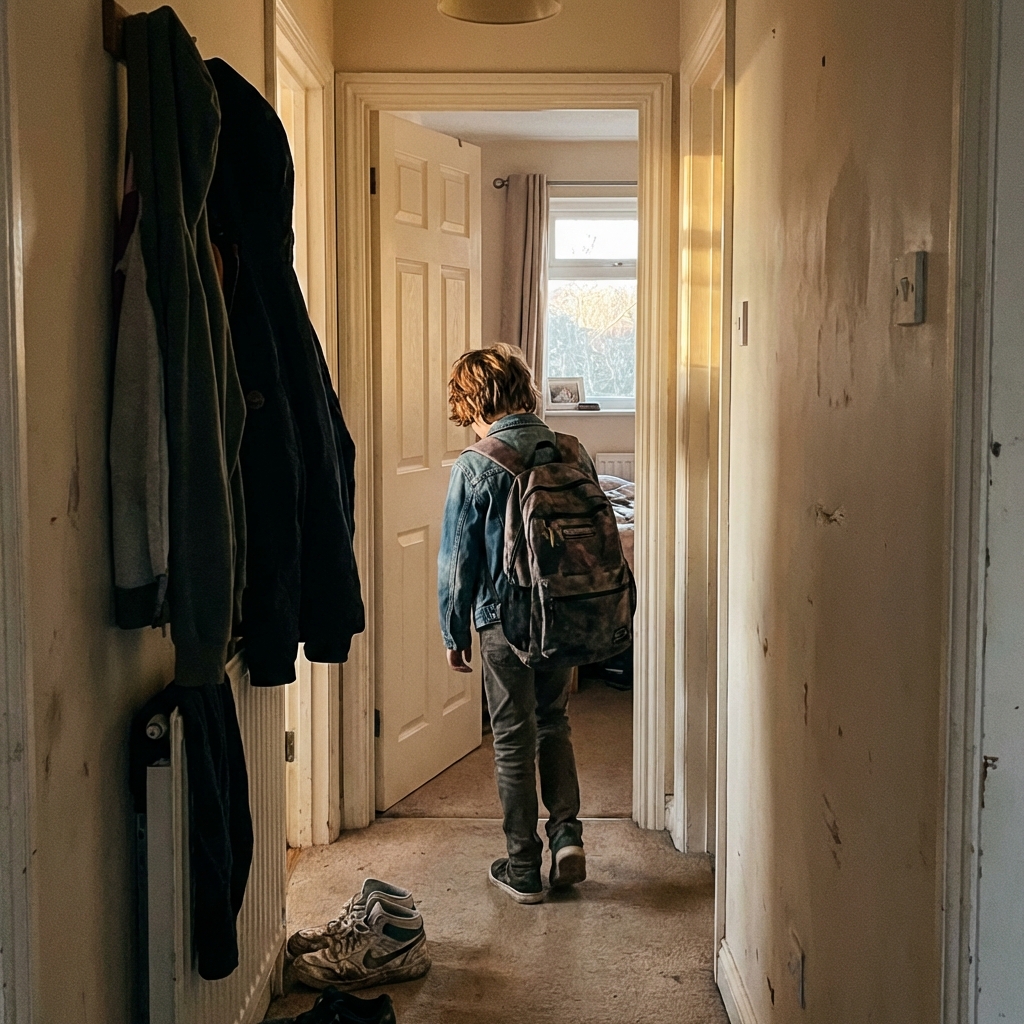
KidsLane Facebook ad: “He came home quiet every day for a year.”
Ran for 1 day, from March 13 to March 14, 2026, the last day Crush saw it.
Run by KidsLane on Facebook. Crush is not the advertiser and does not verify its claims. See this ad in Meta's Ad Library(opens in a new tab)
Want an ad like this for your product?
Crush makes new ad images for your product from this ad: your logo, your product photo, your offer.
Trials from $19.95 USD, then $79.95 USD a month. Cancel anytime.
About this ad
- Meta Ad Library ID
- 1644471983250504
- Platforms
- Facebook, Instagram, Audience Network, Messenger and Threads
- Relaunches
- 0
- Niche
- Parenting & Kids
Ad text
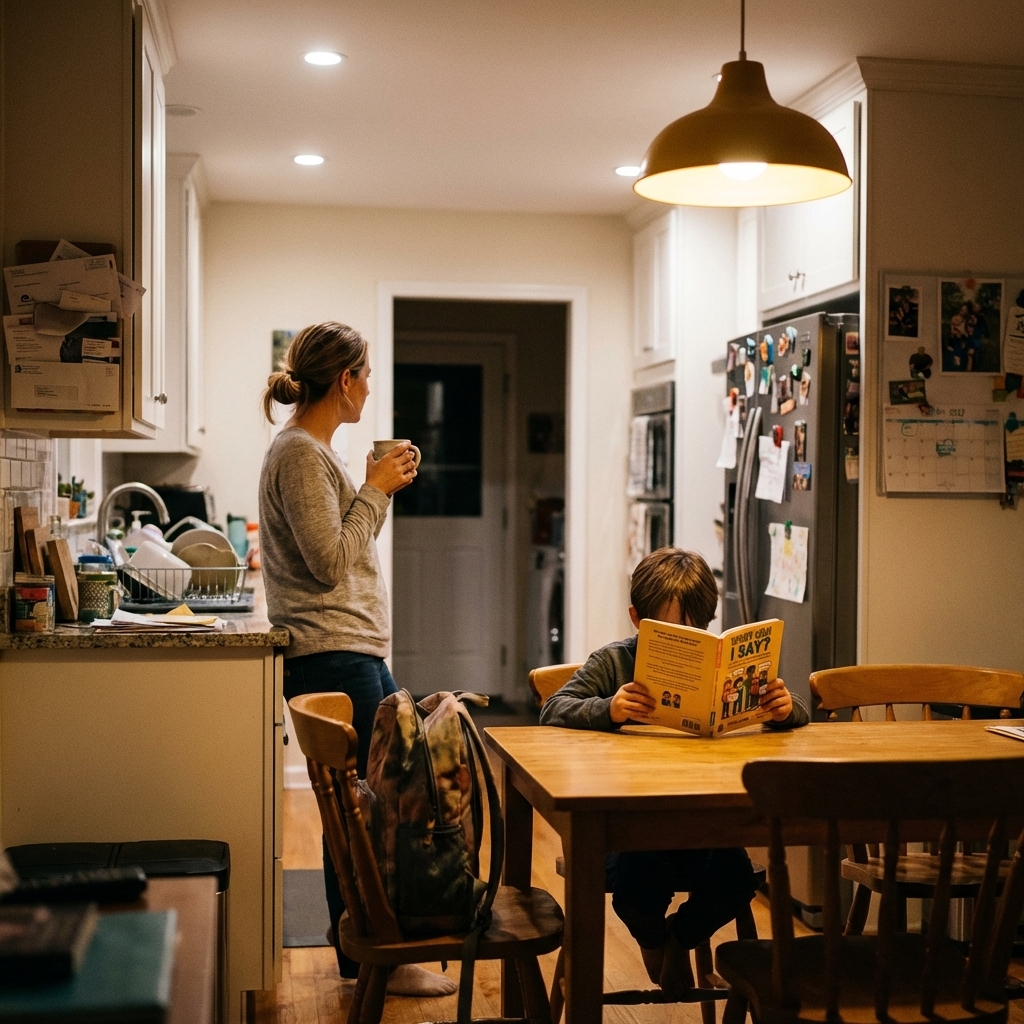
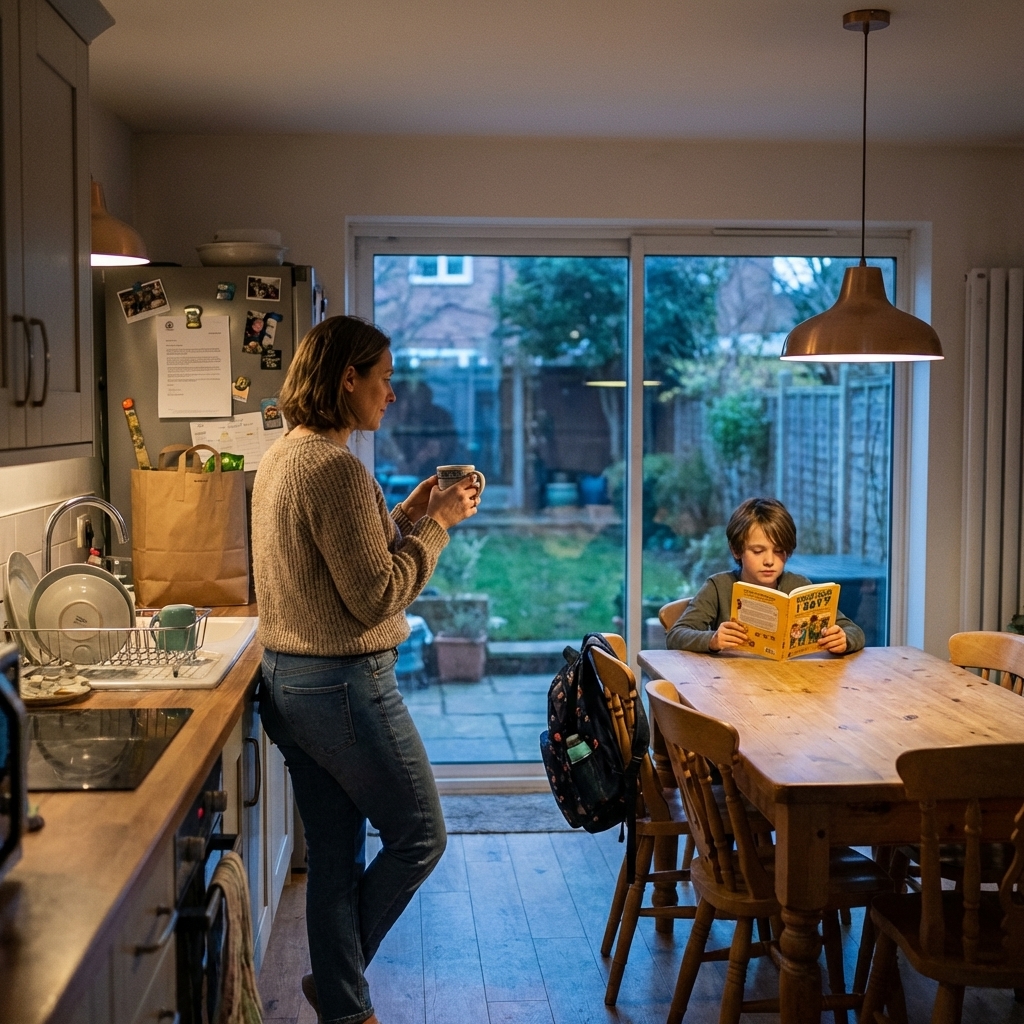
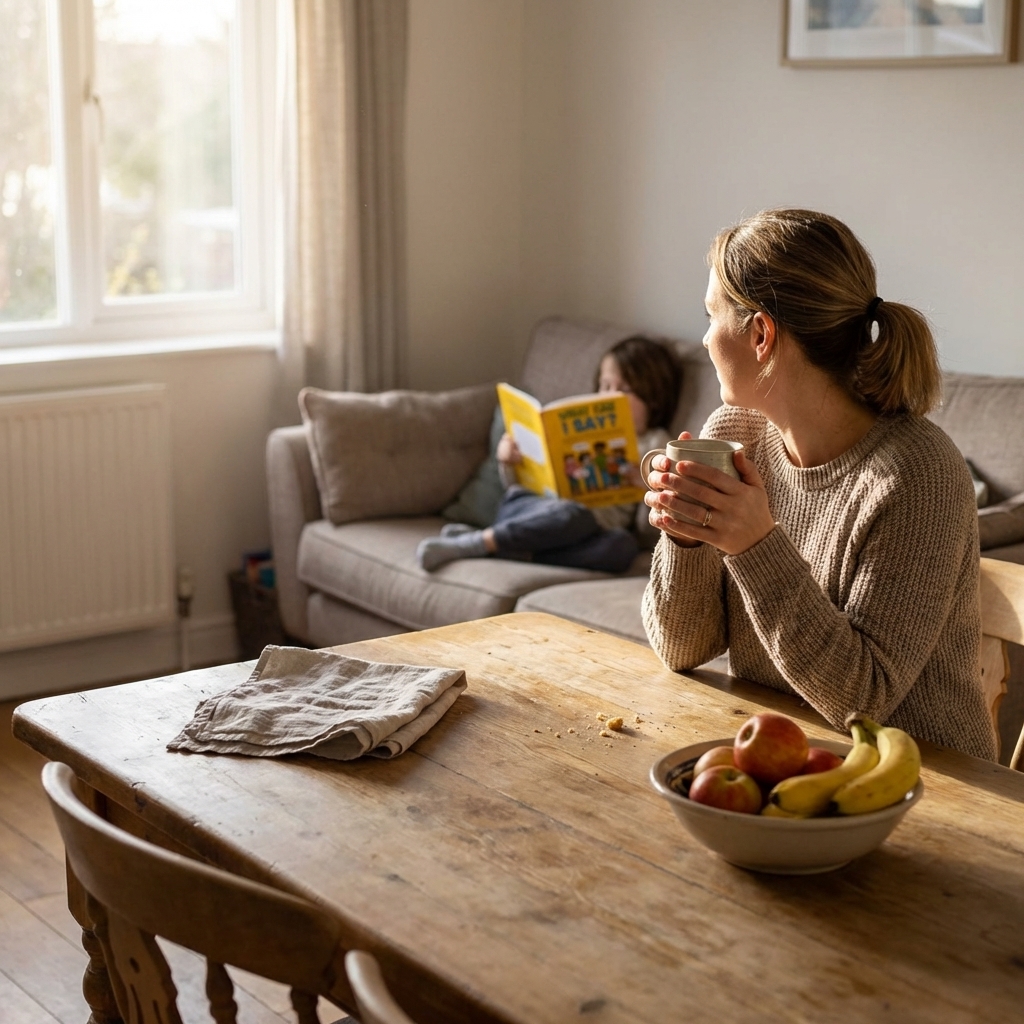
She used to wait by the door when he got home from school. Then she stopped. The answer was always fine. The face never matched the word. His name was Ryan. And his mum Karen had been watching something slowly happen to him for the better part of a year. It wasn't dramatic. That was the thing that made it so hard to name. Ryan was not a difficult child. He was thoughtful, gentle, the kind of boy who apologised when he bumped into furniture. At home he was warm and present. He laughed easily. He asked good questions. But something happened between home and school that she could not see or reach. He came home the same way every afternoon. Door opens. Bag still on his shoulders. Head slightly down. She would look up. Their eyes would meet for a second. She would ask how his day was. Fine. And then he was gone — down the hall, door closed, the particular silence of a child who has learned to contain something too big to explain. She stopped asking after a while. Not because she didn't care. Because the asking had started to feel like something that hurt him. Like she was requiring him to confirm, out loud, every afternoon, that nothing had happened again. She started tracking it instead. Quietly. The way parents do when they don't want to make it worse. A month went by with no names mentioned. No one from school texted. No invitations came. No stories at dinner about something funny that happened at lunch. No argument that got resolved. No game at recess that went on too long. Just fine. Every day, fine. In November she went in for a routine parent meeting. Ryan's teacher said he was a pleasure to have in class. Attentive. Kind. A strong writer. She waited for the part about friendships. It didn't come. She drove home and sat in the driveway for a while before going inside. That night she started searching. My son has no friends at school. How to help a quiet child socially. Why does my child come home with nothing to say. Social isolation in primary school boys. It was 12:23 AM. She read until almost 2. The advice was uniform and exhausting. Sign him up for activities. Arrange playdates. Model conversation skills at home. Be patient — some children take longer to find their people. She had done all of it. The activity was a weekend art class she found in September. Ryan went every Saturday for six weeks and came home with paintings but no stories. The other kids had their own friendships already woven. There was no obvious way in. The playdate lasted ninety minutes and felt like three hours. She kept finding reasons to walk into the living room just to check if the silence between them had filled. It hadn't. The gentle scripts she tried to teach him over dinner — the role-playing he tolerated politely — produced nothing visible. The patience was running out. The thing that finally cracked her understanding open didn't come from a website or a professional. It came from watching Ryan at a family gathering in December. He was fine with the adults. More than fine — engaged, funny, completely at ease. But the moment his cousins his own age arrived, something shifted. She watched it happen from across the room. He got quieter. Not anxious. Not upset. Just — waiting. He stood near groups but never entered them. He laughed when others laughed but never started anything. Present and completely peripheral at the same time. And she realised, standing there with a drink she had forgotten she was holding, that the problem was not who Ryan was. The problem was that he never had the words for the specific moment. Not conversation in general. The moment. The three-second window when a group is open and a sentence could get you in. What to say when the silence needs breaking. How to make the first move before the opportunity closes. Every approach she had tried assumed he already had those instincts. He didn't. And nobody had ever given them to him. When she found What Can I Say? she read the description twice. Written for kids. Real scenarios. Exact scripts for exact moments. Not theory. Not advice for parents to translate. Words a child could read on a Tuesday and use on a Wednesday. She ordered it that night without telling Ryan. When it arrived she left it on the kitchen counter and said nothing. He picked it up the next afternoon. Three weeks later, on a Friday, he came home and before he even dropped his bag he said — completely offhand, already moving to get a snack — that he had eaten lunch with two boys from his class. He said it the way you mention something unremarkable. She turned back to the counter so he wouldn't see her face. Ages 8 to 12 is when children decide whether they are someone other kids want around. That belief — built quietly, one afternoon of nothing at a time — does not dissolve on its own. Ryan had been building the wrong one for nearly a year. If any part of this sounds like your afternoons, the window is still open. But it does not stay that way on its own.
Where the ad sends people
shopkidslane.com
He came home quiet every day for a year.
KidsLane
Learn more: shopkidslane.com(opens in a new tab)