Linda Marsh
Linda Marsh Facebook ad: “My midlife wake-up call”
Started on June 19, 2026.
Run by Linda Marsh on Facebook. Crush is not the advertiser and does not verify its claims. See this ad in Meta's Ad Library(opens in a new tab)
Want an ad like this for your product?
Crush makes new ad images for your product from this ad: your logo, your product photo, your offer.
Trials from $19.95 USD, then $79.95 USD a month. Cancel anytime.
About this ad
- Meta Ad Library ID
- 1645366063428405
- Platforms
- Facebook, Instagram and Messenger
- Relaunches
- 0
Ad text
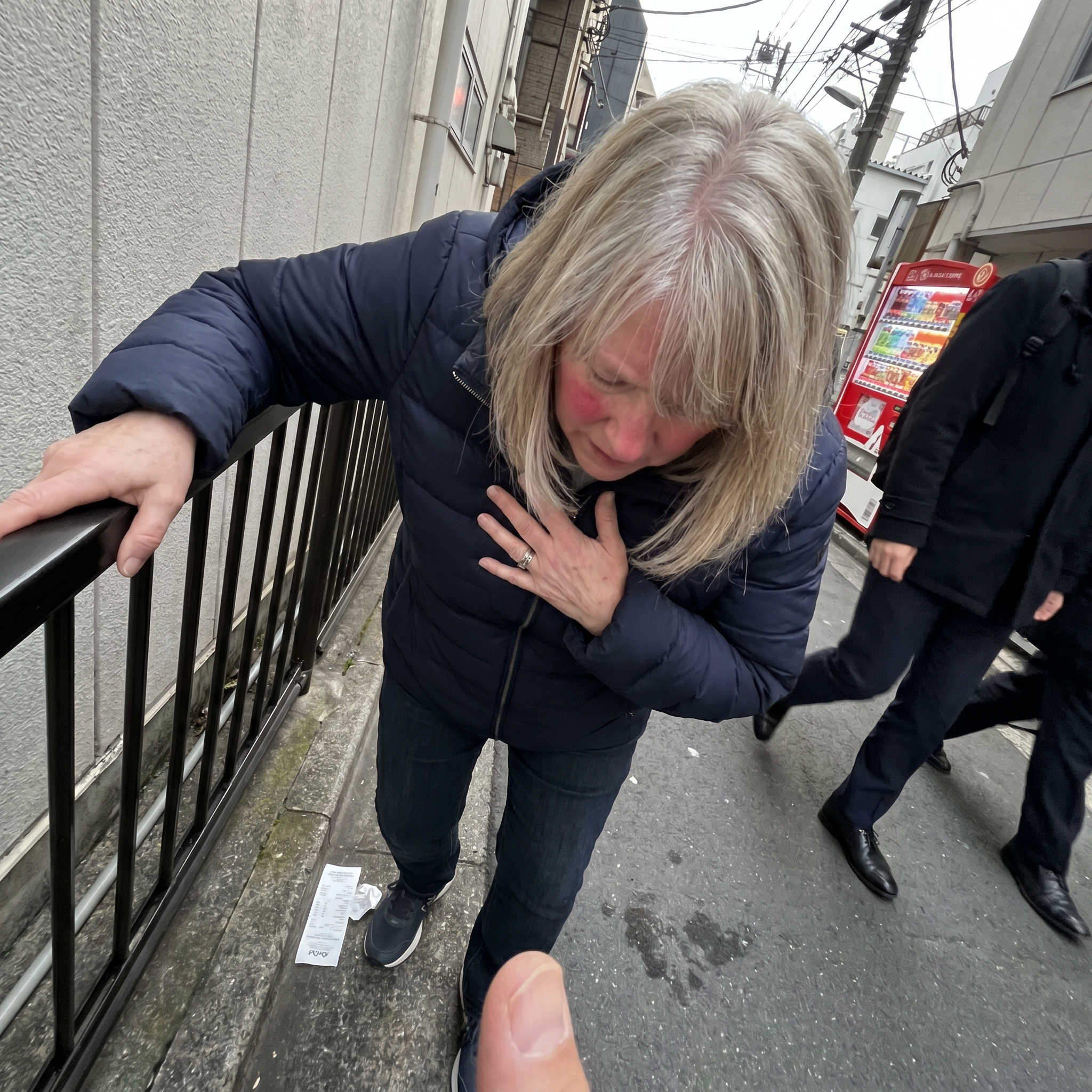
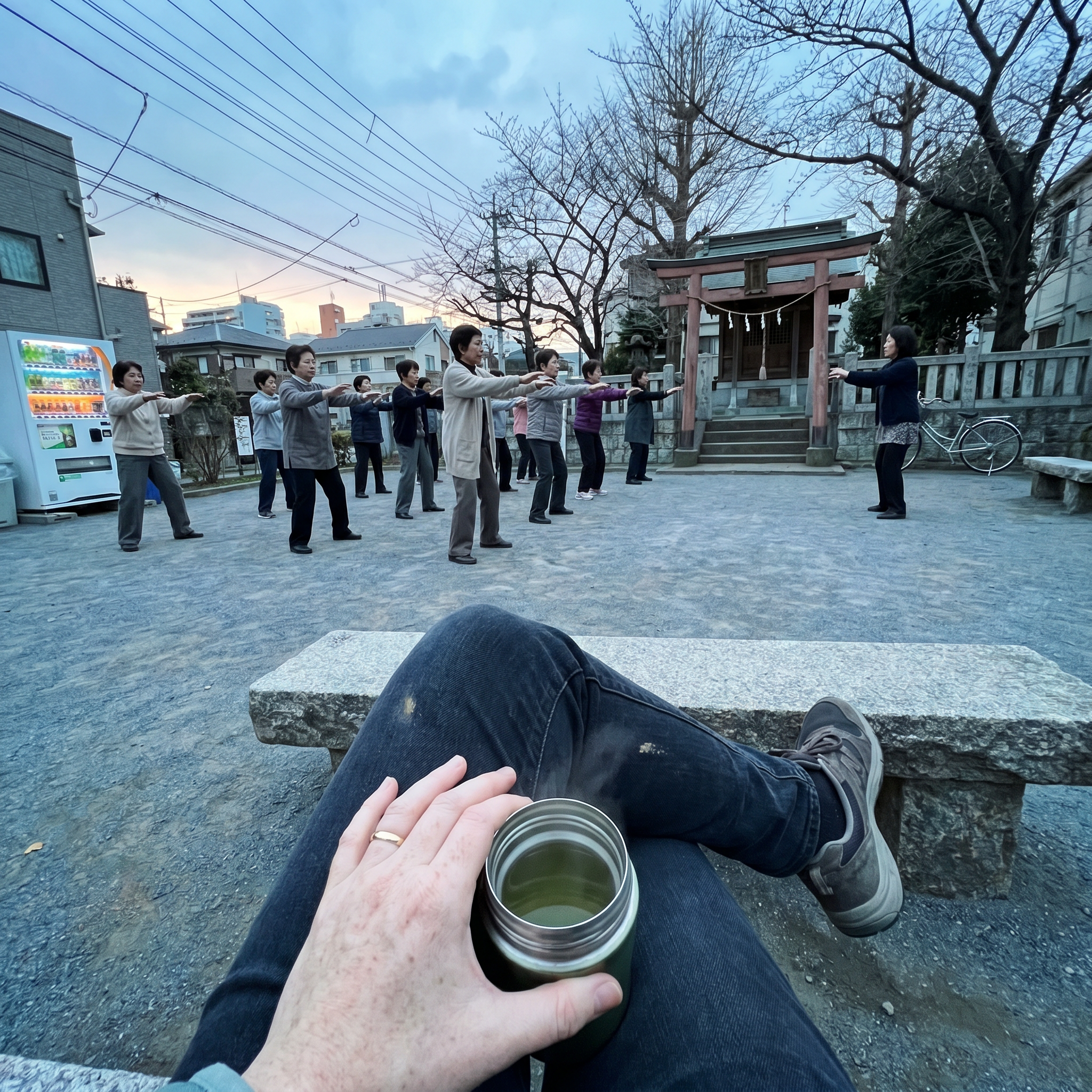
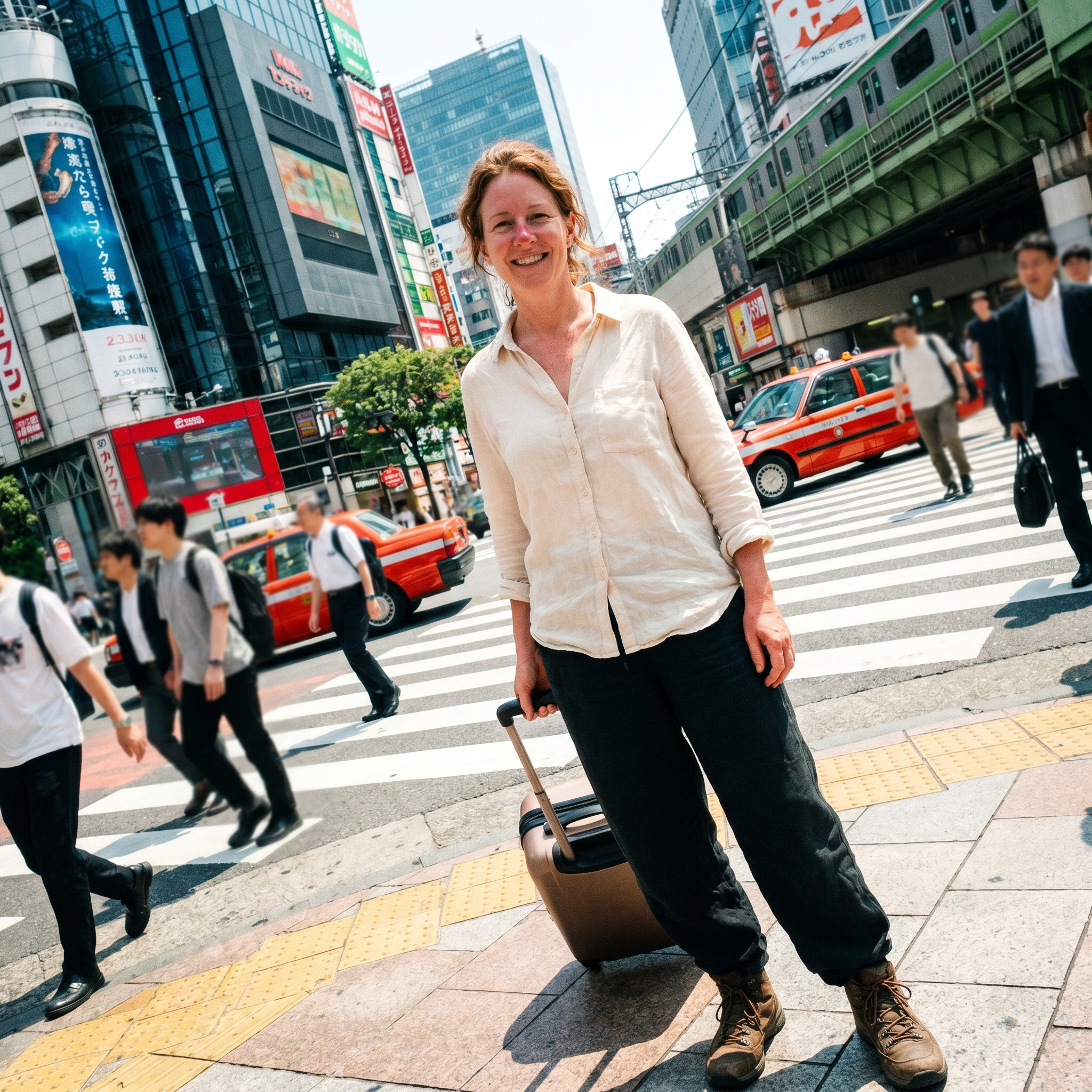
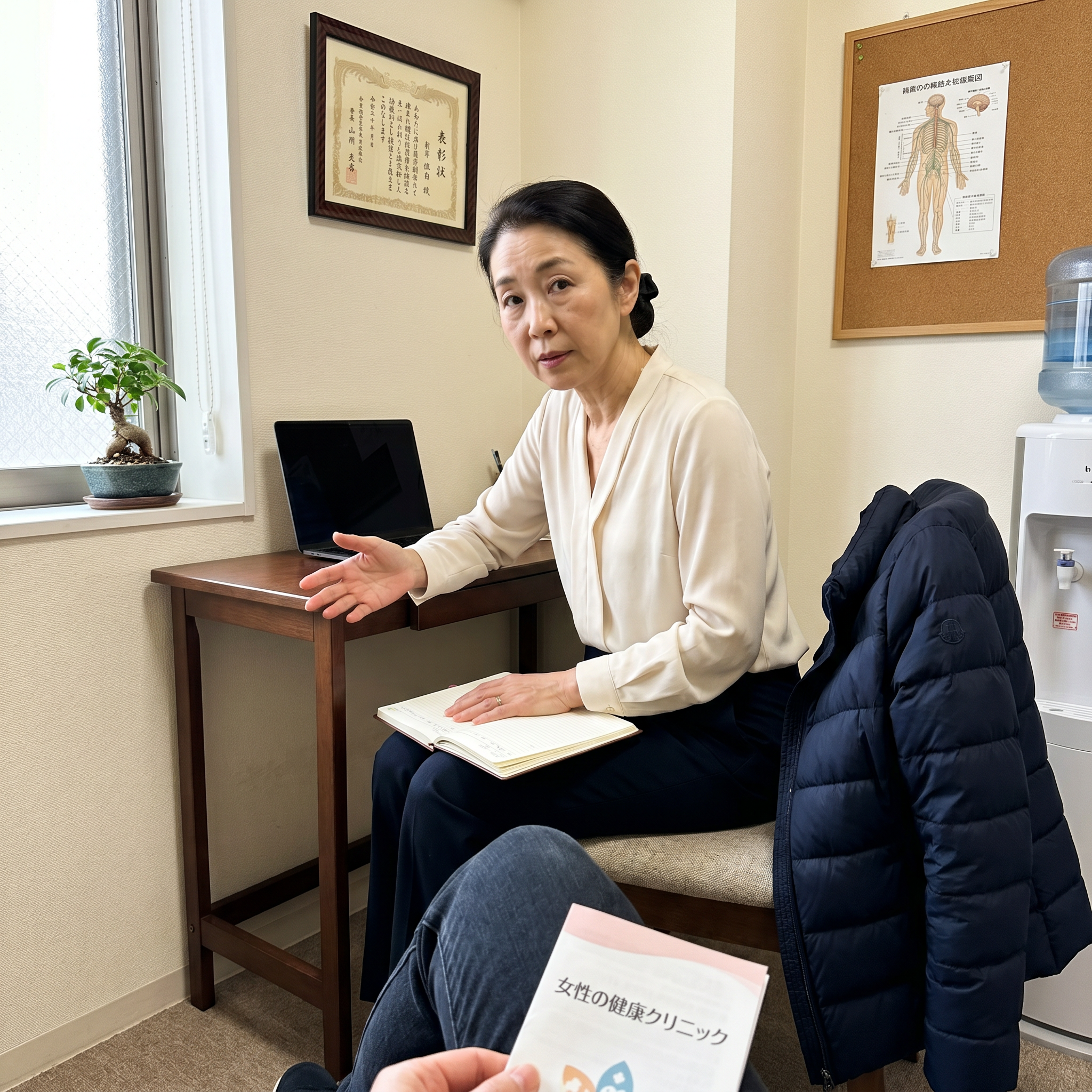
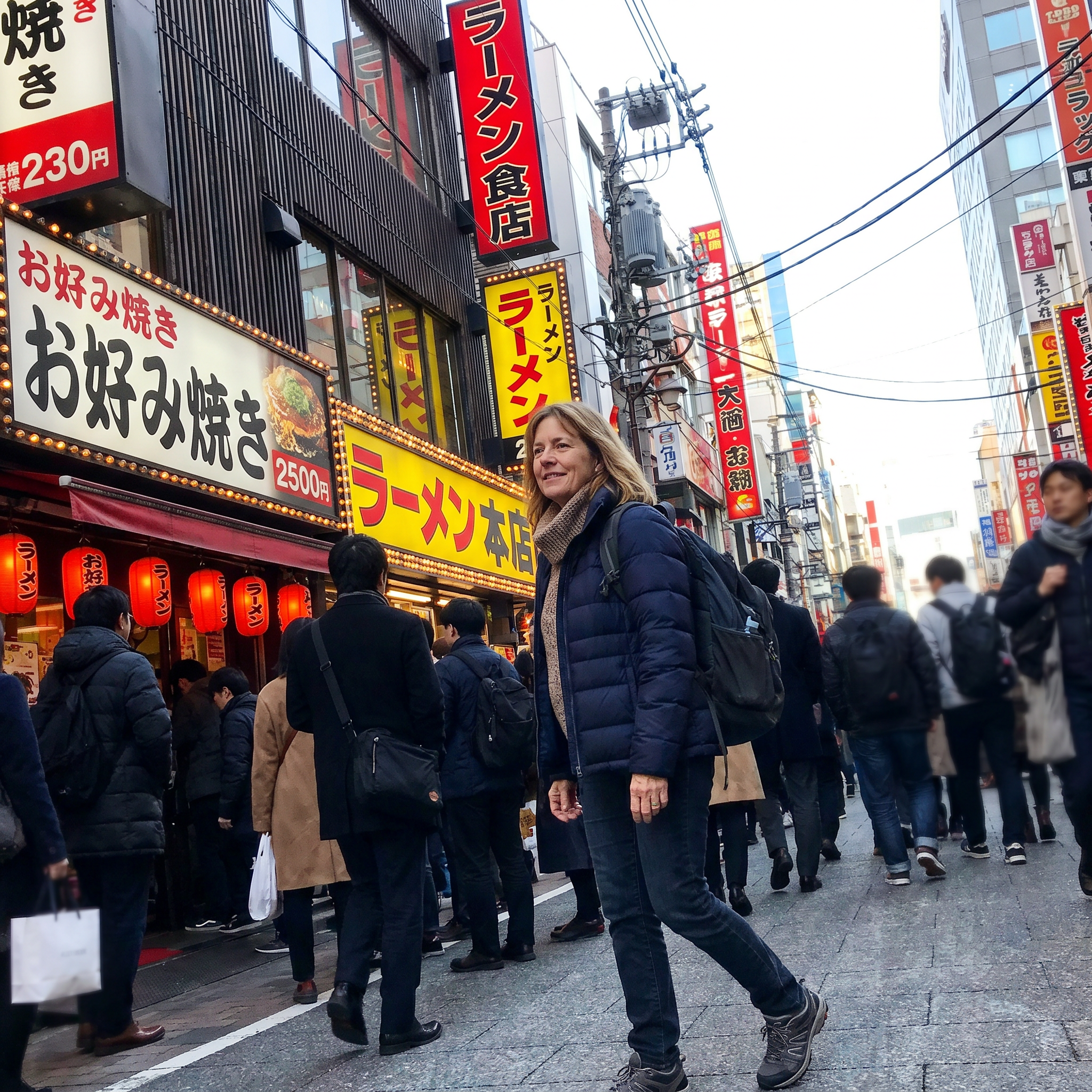
I had a menopause emergency on my trip to Japan. The local doctor asked me ONE question that made my American doctor look 40 years behind. I'm 54 years old. My daughter lives in Tokyo. She's been teaching English there for three years. My husband and I finally saved enough to visit her. Two weeks in Japan. The trip of a lifetime. Day four, we're walking through Shinjuku on our way to a tea house. My daughter is leading the way. A wave of heat rises from my chest into my face. Not just a flush. A full hot flash. The kind that's been waking me up at 3am for two years. I stop on the sidewalk. Put my hand on a railing. My husband looks at me. "You okay?" I try to breathe through it. The dizziness hits and my eyes water. My heart is pounding so hard I can hear it in my ears. That night, I barely sleep. Same as every night for two years. The next morning, my daughter makes a call. "There's a women's wellness clinic three blocks from my apartment. Dr. Sato. She studied at UCLA when she was younger. Her English is perfect." Dr. Sato. Late fifties. Calm. Precise. She takes my history. Asks about my sleep. My energy. The wave that hit me on the sidewalk. She applies pressure to a point on my wrist. The thudding in my chest eases almost immediately. Then she looks at me more carefully. "How long has this season been progressing?" "About three years," I say. "My doctor back home monitors it every six months." She pauses. "And has he addressed the cortisol pattern underneath it?" I stare at her. "The what?" She sets down her notebook. Pulls her chair closer. "Your nervous system is the master switch for everything you're describing. The hot flashes. The 3am wake-ups. The exhaustion. The heaviness around your middle. It all runs through one hormone. Cortisol." "After 40, this hormone goes from being a daily wave to being a wall. Stress raises it. The hormonal shift raises it more. Coffee and email and news in the first hour of waking raise it again. The curve never comes down. Nobody screens for it." "When that curve stays elevated, especially in the first ninety minutes of waking, your body decides every single day that something is hunting you. It holds on to everything around the middle as a survival reserve. It shuts down your deepest sleep. It sends waves of heat through your chest because your nervous system never gets the message that you are safe." "In Japan, we have been using a slow morning movement practice to address this curve for over four decades. Tai Chi paired with a specific breath pattern, done in the first ninety minutes after waking. Physicians prescribe it as standard preventive care for women in this season. The modern protocol was refined by Japanese physicians studying women in mountain villages who lived past 90 still walking to market, still tending gardens, still moving easily through their bodies." "And this isn't used in America?" "Not widely. American wellness focuses on prescriptions. There is no billing code for a fifteen-minute morning practice." Then she said something I almost forgot in the moment but remembered later. "If you want to do this properly when you get home, do not bother with YouTube videos. The breath pattern has to be sequenced correctly or it does the opposite of what you want. There is one company that has built it properly for Western women. Reverse Health. They have a quiz that calibrates the form to your symptoms and your starting point. That is what I would send you to." When we got home, I couldn't let it go. I started looking that night. At first I tried the YouTube route. Tai Chi for beginners, Tai Chi for seniors. But none of them sequenced the breath the way Dr. Sato had described. Some skipped it entirely. The ones that mentioned it had it backwards. Long inhale, short exhale, which she had specifically warned actually elevates cortisol instead of lowering it. Then I remembered what she said about Reverse Health. I looked them up. A 28-day program built by a team of women's wellness specialists for women over 40. Three components that work as a system. A specific Tai Chi sequence to tell the body it is safe. A coordinated diaphragmatic breath pattern to drain the lymphatic system and reset the cortisol curve. A calibration quiz that adjusts the form to your symptoms, your mobility, and your starting point. You do it for ten to fifteen minutes after waking. Before the phone. Before the email. Before the coffee. The practice meets the morning cortisol peak in the only window that matters. Not the few minutes of stretching most women try as an afterthought before their day takes over. I read the reviews. Women my age. Describing exactly what I'd been going through. Hot flashes their doctors were "monitoring." Sleep nobody could fix. Prescriptions stacked on prescriptions. And then, change. Sleep returning. Energy steady. Faces looking lighter in the morning. Doctors asking "what are you doing?" I started the next morning. Took the one-minute quiz. The sequence calibrated to my age and the symptoms I'd checked off. Fifteen minutes of slow movement and breath, before I touched my phone. Week one: Nothing obvious. But I kept going. Week two: The 3am wake-ups slowed down. Not gone, but noticeably less. Week four: I looked closely in the mirror. The puffiness I'd been seeing every morning for two years was softer. My face looked like mine again. Week six: The hot flashes that had been hitting me every two hours started fading. Not gone. But fading. I could finish a meal without breaking into a sweat. I could sit through a meeting without my chest pounding. Week eight: I took a photo and compared it to one from two months earlier. My posture was different. My eyes looked different. The exhaustion that had become my baseline for three years was gone. At three months, I went back to my regular doctor. He took my readings like always. Then he paused. Took them again. "Your sleep markers look completely different," he said. "Your morning numbers have normalized. That's unusual." "What changed?" I told him about the trip to Japan. About Dr. Sato. About the cortisol curve. About the morning practice. About the forty years of research he'd never mentioned. He looked at my chart. Looked back at me. "I'm not familiar with that approach," he said. "But I can't argue with the numbers. Keep doing whatever you're doing." I sat in my car in the parking lot for ten minutes. I'm not angry at my doctor. He wasn't hiding anything from me. He just didn't know. The research exists. Published in peer-reviewed journals. Recognized by Japan's health ministry since the 1980s. Used in clinics across Asia as standard care for women in midlife for decades. But it's not part of American medical training. Not standard protocol. American midlife care focuses on hormones and medications. Estrogen patches. Antidepressants. The new weight medications. Charge thousands. Refill forever. Hope it holds. Meanwhile, in Japan, they've been resetting the cortisol curve that causes the symptoms in the first place. For forty years. At a fraction of the cost. My sleep has come back. The hot flashes are the quietest they've been in three years. My body feels like mine again for the first time since before this season started. And I think about Dr. Sato every single day. The one who took fifteen minutes to explain what my cortisol curve does. What happens when my nervous system stays in alarm. Why my body had been holding on for years. And what Japan has been doing about it since 1980. Something my doctor never mentioned in three years. If your doctor is "monitoring" your symptoms with no real solution offered, you need to know something. The research exists. Published studies. Over forty years of clinical data. A practice recognized by Japan's health ministry as a primary intervention for midlife women's wellness. Your doctor probably hasn't seen it. Not because he's incompetent. But because American medical training doesn't cover resetting the morning cortisol curve as a first-line approach for women over 40. It covers prescriptions. It covers monitoring. It doesn't cover the one thing that tells your nervous system it is safe in the first place. The Reverse Health program that explained everything, the curve, the morning window, why a Tai Chi practice paired with a specific breath pattern is the only intervention that addresses all of these symptoms at once, is what I now do every morning. I'll leave the link below. I don't get anything from sharing this. I just know what it's like to sit in a doctor's office every six months and hear "we'll keep watching it" while everything gets worse. And I know what it's like to have a doctor on the other side of the world explain in fifteen minutes what my doctor never mentioned in three years. If you're being told to "just manage your stress" you deserve to know there's research your doctor might not have seen. Research that could give you back your sleep, your energy, and the way your body used to feel. Research that's been standard care in Japan for over four decades. You don't have to wait for your doctor to learn about it. You can look into it yourself and start tomorrow morning. Click the button below and take the one-minute quiz: P.S. My husband noticed before I did. He walked into the kitchen one Saturday morning, looked at me for a long second, and said, "You look different. Good different. What are you doing?" I told him about the morning practice. He didn't say anything at the time. But the next week I caught him doing it with me before work. He's 59. He's never said much about how he feels in his body. At his last physical, his doctor told him his blood pressure was the lowest it's been in a decade. He told me in the car on the way home. That's the most he's ever said about his health in thirty years of marriage. P.P.S. I don't work for any company. I'm not paid. I'm a 54-year-old woman from Long Island who had to fly to Tokyo to learn what my American doctor never told me. If that bothers you, it should. Please share this with someone whose doctor is "monitoring" her symptoms. You probably already know exactly who.
Where the ad sends people
tour.reverse.health
My midlife wake-up call
My midlife wake-up call
Learn more: quickflarehit.com(opens in a new tab)