
Active· since May 19, 2026
- 122
- days running
- 0
- relaunches
Ad copy
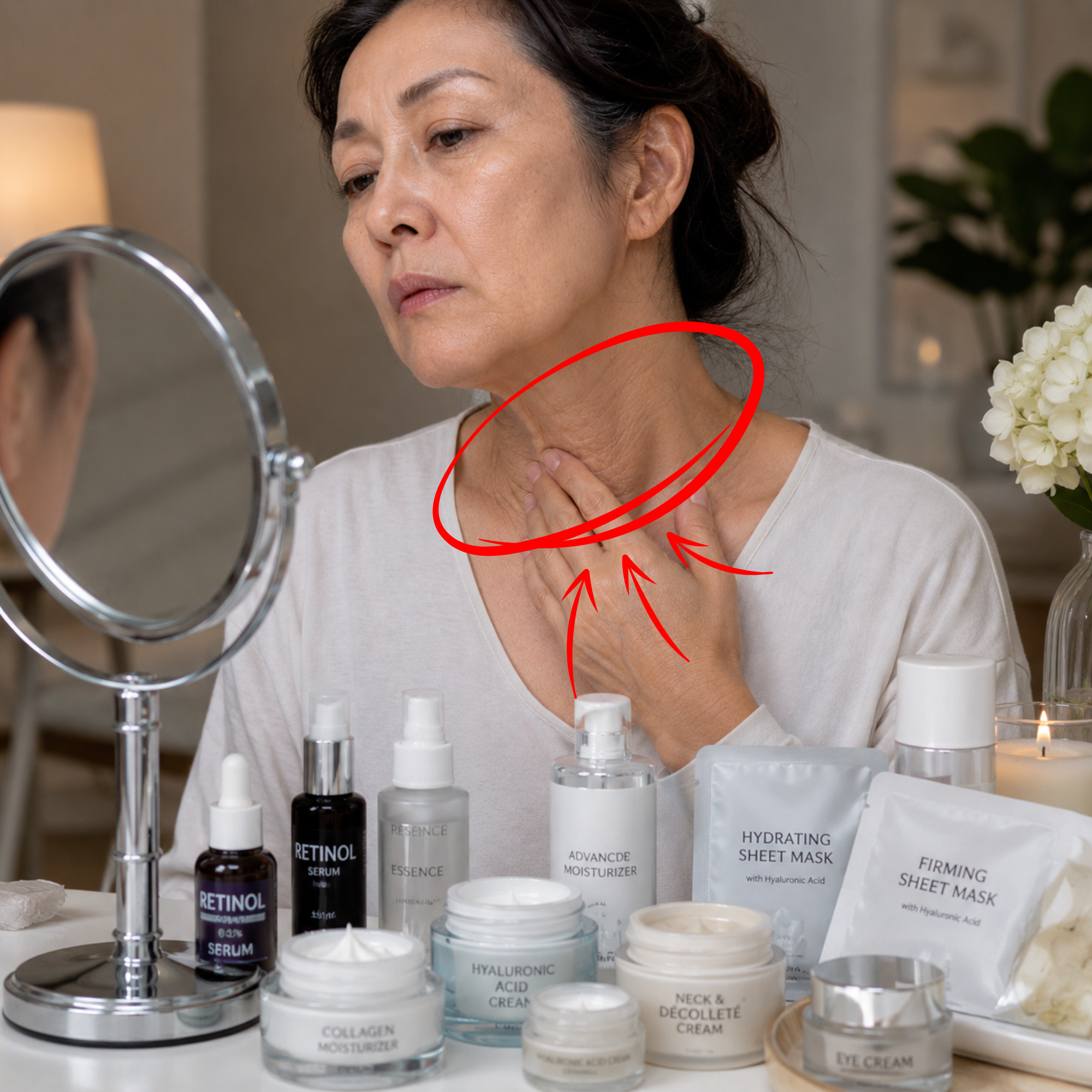
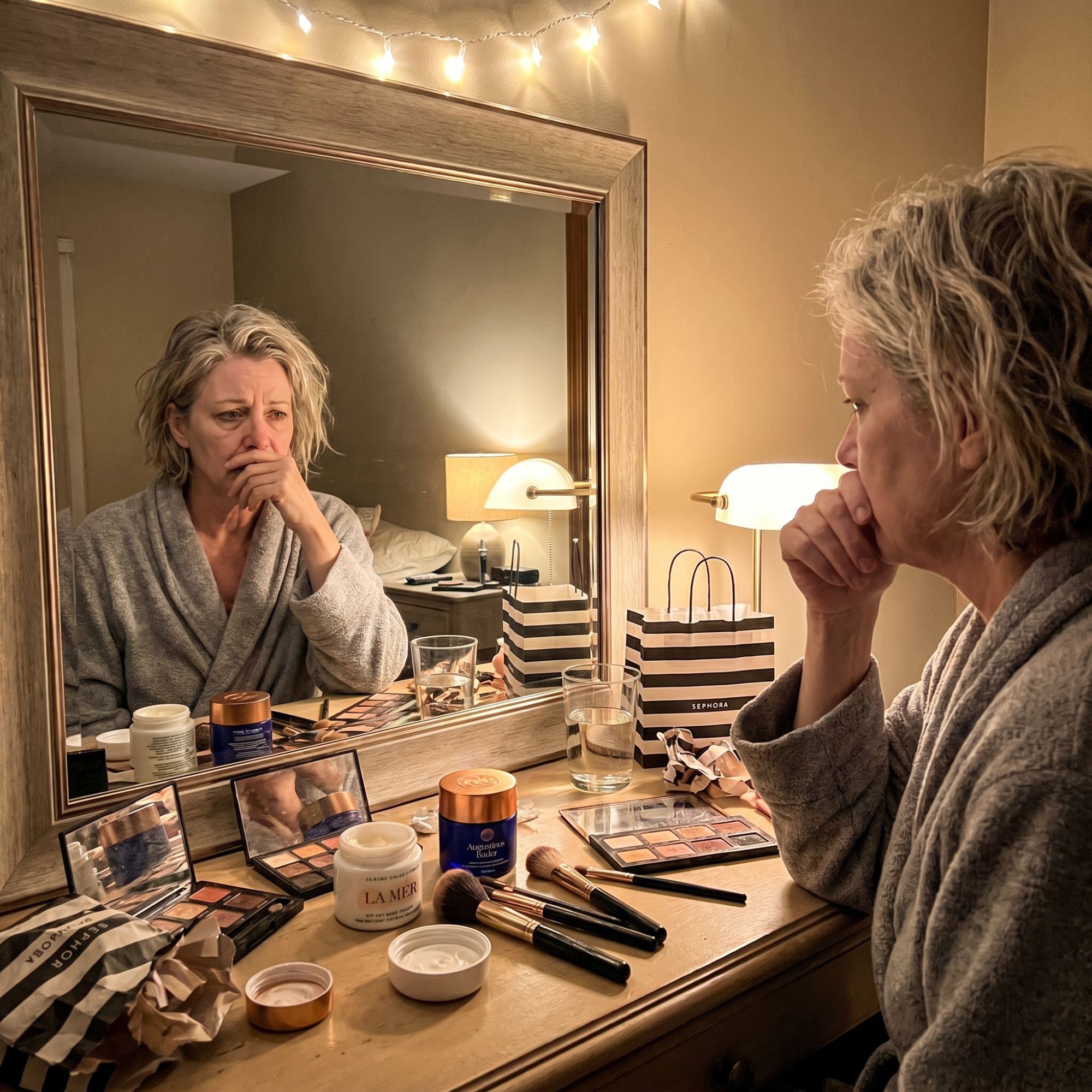
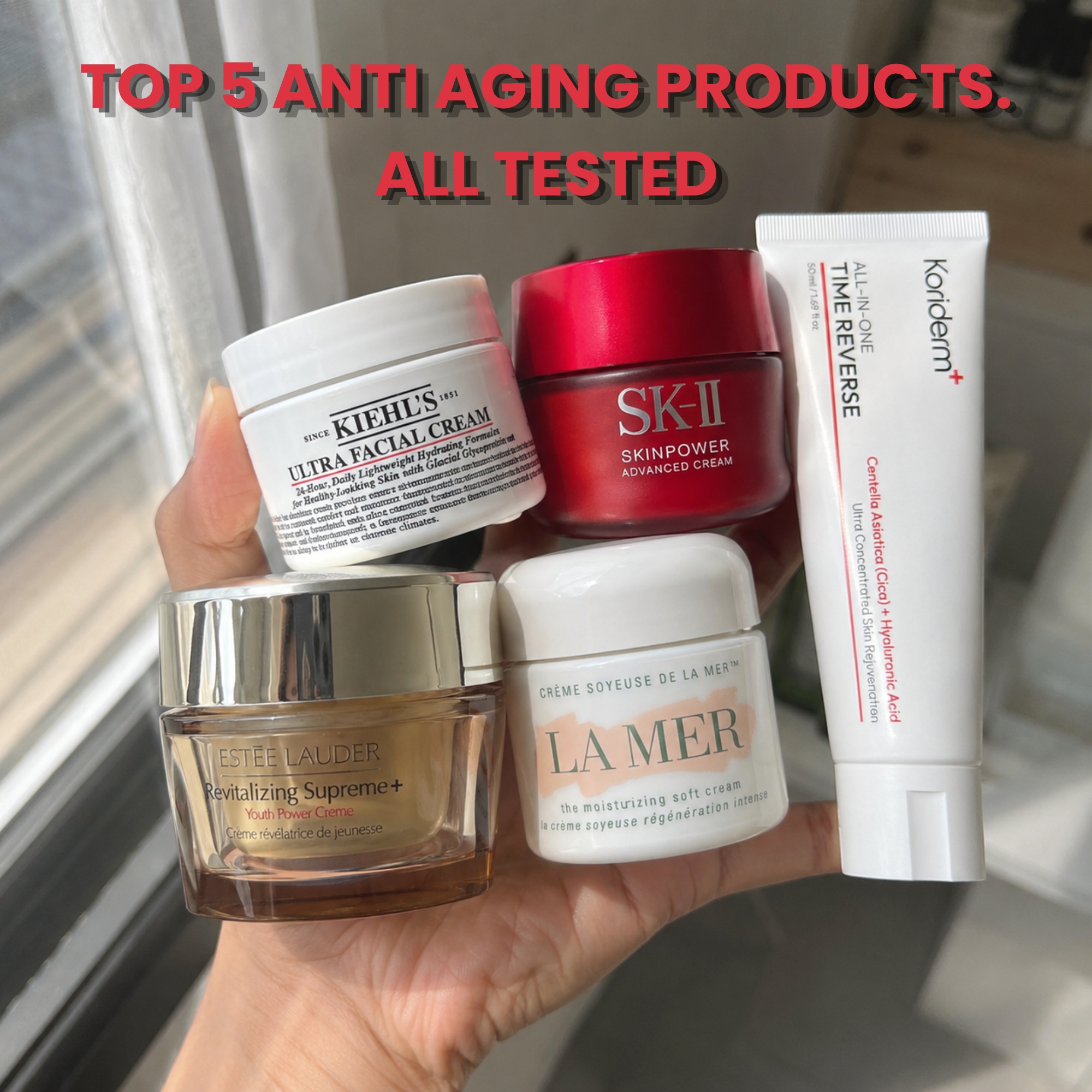
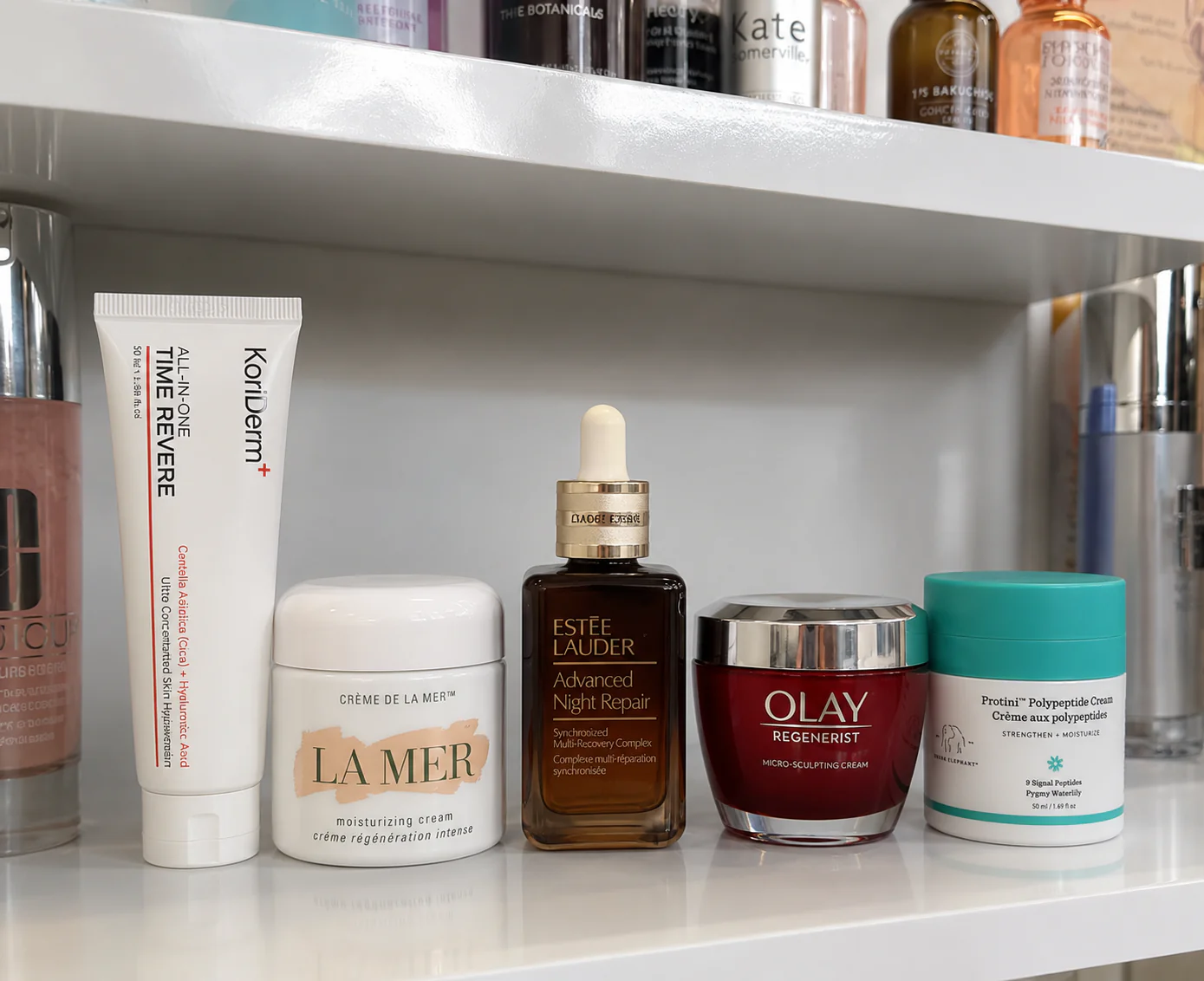
This is what Korean dermatologists tell women to focus on once makeup starts looking heavier and skin suddenly starts looking older in photos. I didn’t understand what people meant by “tired-looking skin” until it started happening to my own face. For the longest time I thought aging was mostly about wrinkles because that’s how beauty brands usually talk to women. Everything revolves around fine lines, crow’s feet, forehead creases, and products promising to smooth everything enough that nobody notices you’re getting older. But somewhere in my forties the bigger problem stopped being individual wrinkles. My entire face started looking exhausted in photos even on days when I felt completely normal, slept fine, and spent plenty of time getting ready that morning. That was the part that really started bothering me. I remember my husband taking a picture of me outside a coffee shop while we were traveling last fall. It was bright outside, completely natural daylight, and I actually remember feeling good about myself earlier that morning while doing my makeup in the hotel bathroom. Then I saw the picture later that night and honestly felt embarrassed by how tired I looked. The makeup around my mouth looked dry and uneven. Under my eyes everything looked heavier than I realized. My skin looked dull underneath everything, almost like the makeup was resting on top of my face instead of blending into it naturally anymore. I kept zooming into the photo trying to figure out exactly what had changed because I genuinely didn’t recognize the exhausted-looking version of myself staring back at me. After that, I started noticing the same thing constantly in random moments throughout the day whenever I caught my reflection unexpectedly, especially in harsh daylight, store windows, or front-camera selfies sitting in the car before going somewhere. That’s when I became weirdly aware of my face all the time. I started checking mirrors constantly without realizing it. I became strategic about where I sat in restaurants because bright window lighting suddenly made me anxious. If somebody opened the front-facing camera too quickly during a FaceTime call, I immediately looked away from myself because seeing my face unexpectedly had started affecting my mood more than I wanted to admit. And every single time I felt bad about my face, I responded the same way. I bought another product. I convinced myself the problem had to be my makeup because that felt easier than admitting something about my actual skin had changed underneath it. So I kept spending money trying to fix it from the surface. I bought foundations women online swore looked amazing on mature skin. I ordered expensive anti-aging creams after reading reviews at midnight. I tried collagen powders because somebody claimed they made her skin “bounce back” after forty-five. For maybe an hour after getting ready, I’d convince myself things looked better. Then later in the day I’d catch myself in a mirror somewhere and immediately feel disappointed again because my makeup still started looking heavier around my mouth and eyes after a few hours. I spent almost three years stuck in that cycle. That’s why what I started reading about Korean skincare routines completely changed how I thought about aging skin. I came across an interview with a Korean dermatologist talking about how women often focus too much on covering aging instead of paying attention to what’s happening underneath the makeup itself. She explained that once skin starts becoming chronically dehydrated and depleted over time, everything sitting on top of it starts looking heavier. Makeup settles more noticeably, dullness becomes more visible in daylight, and the lower half of the face gradually starts looking softer and more tired because exhausted skin reflects light differently than healthier skin does. That immediately clicked for me because it described exactly what I had been seeing every day in mirrors and photos. I kept trying to correct the surface while the actual condition of my skin underneath kept looking more exhausted. The more I read, the more I noticed Korean dermatologists talking about the same thing repeatedly. Instead of aggressively hiding aging with thicker makeup, they focus heavily on helping skin maintain brightness, elasticity, and hydration underneath first because that changes how the whole face looks during the day, especially once makeup is applied on top of it. One Korean skincare specialist explained it in a way that genuinely stayed with me. She said women often mistake “aging” for what is actually skin fatigue. When skin starts looking chronically stressed and dehydrated, the whole face begins looking older and more worn down even before deeper wrinkles fully develop. Honestly, that described my face perfectly. I didn’t suddenly wake up one morning looking dramatically older. My skin just slowly stopped looking healthy and rested, and eventually makeup couldn’t hide that anymore no matter how much effort I put into it. Another thing Korean dermatologists kept mentioning was absorption. Apparently many anti-aging products mostly stay near the surface of the skin instead of absorbing properly, which is why so many women end up layering heavier creams and more makeup onto skin that still looks dull underneath everything. That explanation made immediate sense to me because heavy anti-aging creams had already become part of the problem for my face. Some products made me shiny. Some made my makeup separate faster. Some sat so heavily on my skin that by evening I looked older than when I first applied everything that morning. That’s eventually how I found Koriderm. Apparently more than two million tubes have already been sold in Korea and women there continue rebuying it consistently. The formula uses Centella Asiatica together with a protein complex designed around faster absorption because Korean skincare routines focus heavily on helping ingredients actually sink into the skin instead of leaving thick layers sitting on top of the face. By that point I had already wasted enough money on products that I tried not to expect much. I started using Koriderm quietly every night before bed and honestly forgot about it half the time during the first couple weeks. Then one afternoon I caught my reflection in the front-facing camera while sitting in traffic and realized my face looked brighter than usual even after wearing makeup all day. That moment genuinely surprised me because usually by evening my makeup looked heavier and my skin looked dull underneath everything. Instead my face looked healthier somehow. More awake. My makeup sat more naturally because my skin underneath no longer looked so dry and exhausted all the time. A couple weeks later one of my coworkers asked if I’d changed foundations because my skin looked fresher during meetings lately. I hadn’t changed my makeup at all. If anything I was actually wearing less because my face no longer looked like it needed so much covering every morning. That honestly changed something mentally for me too. I stopped obsessing over every mirror I walked past. I stopped panicking every time somebody took candid photos. I stopped spending entire evenings zooming into pictures trying to understand why my face suddenly looked so exhausted all the time. That’s honestly why I’m sharing this. Because I know there are women doing exactly what I was doing for years — layering more makeup onto skin that already looks tired underneath and wondering why nothing seems to work anymore. And eventually makeup stops hiding it. That was definitely true for me. Koriderm was one of the first things that actually made my skin look healthier underneath makeup instead of forcing makeup to work harder trying to fake brightness on top of exhausted-looking skin all day.
Korean Dermatologists Say This Is Why Makeup Suddenly Starts Looking Heavy After 40
At Koriderm our mission is simple: to bridge the gap between advanced Korean skincare innovation and your daily routine.
LEARN MORELike this ad? Make it yours.
Crush rebuilds this exact creative around your product — your brand, your colors, your offer — in about a minute.