James N. Antezana
 Facebook ad: “The Faith We Carry Within”
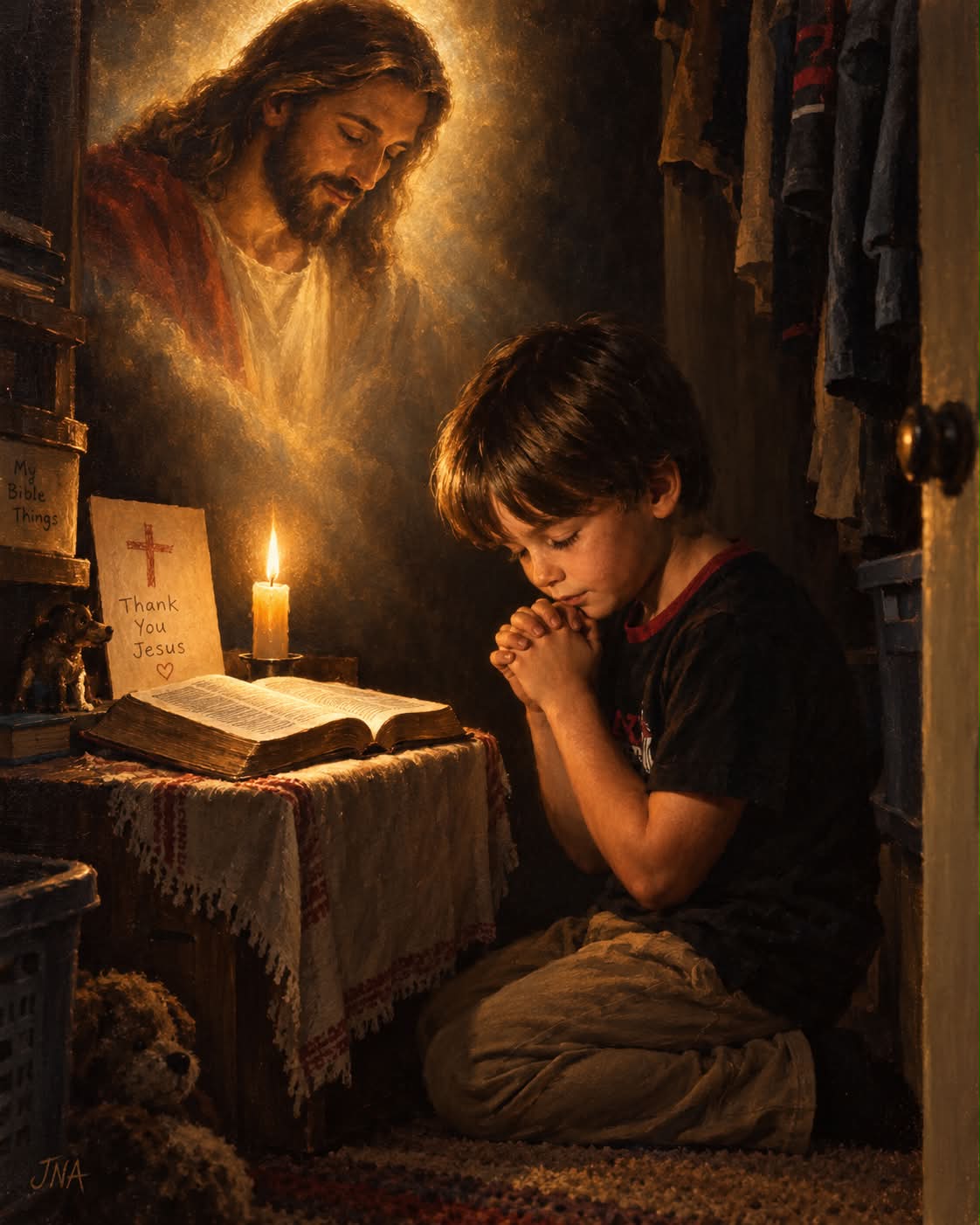
Running for 28 days since October 7, 2026. Crush last saw it on November 4, 2026.
Run by James N. Antezana on Facebook. Crush is not the advertiser and does not verify its claims. See this ad in Meta's Ad Library(opens in a new tab)
Make your own version of this ad
Crush makes it, launches it in your own Meta ad account, scales the winners and pauses the losers.
About this ad
- Meta Ad Library ID
- 1647877333583412
- Platforms
- Facebook and Instagram
- Relaunches
- 0
Ad text
The Faith We Carry Within It is remarkable how inspiration finds us—not always through extraordinary events, but through the simple things we do, the thoughts we carry, the words we read, and the truths we slowly come to understand along this journey we call life. Today, my thoughts turned toward religion, toward the ways we express our beliefs, and toward the difference between showing the world where we belong and allowing our faith to shape who we become. In some ways, religion reminds me of sports. I think of the devotion surrounding football, soccer, or baseball: the colors, the jerseys, the unmistakable declarations of allegiance. People wear their teams proudly, announcing who they stand with. There is joy in that belonging. But sometimes, devotion becomes fanaticism, and defending a team becomes more important than respecting the person standing on the other side. When I look at religious expression, I sometimes recognize a similar desire to declare belonging, though often in quieter, more composed ways. A cross upon the chest. An emblem on the back of a car. A message on social media proclaiming, without hesitation, I am a Christian. I love God. I am not afraid to show my faith. And I can appreciate the beauty in that. There is something deeply human about wanting to express what gives our lives meaning. But I also believe there is a distinction worth contemplating: the difference between the faith we display and the faith we practice. For me, that is where spirituality enters—not necessarily apart from religion, but deep within it, where belonging must become something more than a name. Since childhood, I have carried Christ’s warning: “Beware of false prophets.” And alongside that warning, the words that offer a way to discern: “By their fruits you will know them.” — Matthew 7:15–16. Those words have always resonated with me. They remind me that invoking His name is not the same as living His teachings. That eloquence is not evidence of goodness. That a declaration of love, however beautiful, must eventually find its way into the life of the person declaring it. I think, too, of His teaching about giving without seeking recognition and praying in the privacy of one’s room, before the Father who sees what is done in secret. — Matthew 6:1–6. That is how I understand the intimacy of faith. When I give something to another person, I want the gift to reach them without carrying a demand for recognition. I do not want their gratitude to become the price of my generosity. I want the act to be enough. And I feel much the same about my love for God. I would rather carry Him in the patience I offer, in the dignity with which I treat another person, in the compassion I extend when it would be easier to turn away. I would rather express my faith through honesty when dishonesty would benefit me, through forgiveness when resentment feels justified, and through kindness when no one is there to notice. I do not believe a cross upon the chest makes someone insincere. Nor does keeping faith private make someone more faithful. A symbol may hold profound meaning for the person who wears it. But the symbol cannot do the living for us. What matters to me is not simply whether we wear the cross, but whether we allow its meaning to change how we carry ourselves through the world. I have a relationship with God. It is intimate. It lives within my questions, my gratitude, my struggles, and the quiet conversations for which I do not always have words. I do not feel compelled to advertise that relationship. I feel compelled to practice it. And practice is the right word, because I do not always get it right. There are moments when my patience fails, when pride speaks before compassion, when my actions fall short of what I believe. My faith must live there, too—not as an excuse, but as a call to recognize my shortcomings and try again. Perhaps there is an apparent contradiction in sharing something I describe as private. I understand that. Yet there is a difference between opening a window into one’s soul and placing oneself upon a pedestal. I am not writing to announce how faithfully I walk. I am reflecting on how I hope to walk. The love of God lives within me. The practice of my faith begins within my temple, in the secrecy of my soul. But I hope it does not remain there. I hope it reaches the people I encounter through something gentler and more useful than a declaration. Perhaps through a moment of comfort. A burden shared. A kindness offered without a name attached. That is the light I hope to carry: a light that comes from within and finds its way outward. I would rather someone feel its warmth than hear me insist that it is shining. So I ask you, as I ask myself: How do you love God? — JNA La fe que llevamos dentro Es extraordinario cómo la inspiración nos encuentra; no siempre a través de acontecimientos extraordinarios, sino en las cosas sencillas que hacemos, en los pensamientos que llevamos con nosotros, en las palabras que leemos y en las verdades que, poco a poco, llegamos a comprender a lo largo de este viaje que llamamos vida. Hoy, mis pensamientos se dirigieron hacia la religión, hacia las maneras en que expresamos nuestras creencias y hacia la diferencia entre mostrarle al mundo a quién pertenecemos y permitir que nuestra fe transforme aquello en lo que nos convertimos. De alguna manera, la religión me recuerda al deporte. Pienso en la devoción que rodea al fútbol americano, al fútbol o al béisbol: los colores, las camisetas, las declaraciones inconfundibles de lealtad. Las personas llevan orgullosamente los colores de sus equipos, anunciando con quién están. Hay alegría en ese sentido de pertenencia. Pero, a veces, la devoción se convierte en fanatismo, y defender a un equipo termina siendo más importante que respetar a la persona que está del otro lado. Cuando observo la expresión religiosa, a veces reconozco ese mismo deseo de declarar pertenencia, aunque frecuentemente de maneras más serenas y mesuradas. Una cruz sobre el pecho. Un emblema en la parte trasera de un automóvil. Un mensaje en las redes sociales proclamando, sin temor: Soy cristiano. Amo a Dios. No tengo miedo de mostrar mi fe. Y puedo apreciar la belleza que existe en ello. Hay algo profundamente humano en querer expresar aquello que le da significado a nuestra vida. Pero también creo que existe una distinción sobre la cual vale la pena reflexionar: la diferencia entre la fe que mostramos y la fe que practicamos. Para mí, es allí donde entra la espiritualidad; no necesariamente separada de la religión, sino profundamente dentro de ella, allí donde pertenecer debe convertirse en algo más que un nombre. Desde niño he llevado conmigo la advertencia de Cristo: “Guárdense de los falsos profetas.” Y junto a esa advertencia, aquellas palabras que nos ofrecen una manera de discernir: “Por sus frutos los conocerán.” — Mateo 7:15–16. Esas palabras siempre han resonado profundamente en mí. Me recuerdan que invocar Su nombre no es lo mismo que vivir Sus enseñanzas. Que la elocuencia no es evidencia de bondad. Que una declaración de amor, por hermosa que sea, eventualmente debe encontrar su camino hacia la vida de quien la proclama. También pienso en Su enseñanza acerca de dar sin buscar reconocimiento y de orar en la intimidad de nuestra habitación, ante el Padre que ve aquello que hacemos en secreto. — Mateo 6:1–6. Así entiendo yo la intimidad de la fe. Cuando doy algo a otra persona, quisiera que ese regalo llegara hasta ella sin llevar consigo una exigencia de reconocimiento. No quiero que su gratitud se convierta en el precio de mi generosidad. Quiero que el acto, por sí solo, sea suficiente. Y siento algo muy parecido acerca de mi amor por Dios. Prefiero llevarlo conmigo en la paciencia que ofrezco, en la dignidad con la que trato a otra persona, en la compasión que extiendo cuando sería más fácil simplemente alejarme. Prefiero expresar mi fe mediante la honestidad cuando la deshonestidad podría beneficiarme; mediante el perdón cuando el resentimiento parece justificado; y mediante la bondad cuando no hay nadie presente para observarla. No creo que llevar una cruz sobre el pecho haga que alguien sea menos sincero. Tampoco creo que mantener la fe en privado haga que una persona sea más fiel. Un símbolo puede poseer un significado profundamente sagrado para quien lo lleva. Pero el símbolo no puede vivir nuestra fe por nosotros. Lo que verdaderamente importa para mí no es simplemente si llevamos la cruz sobre el pecho, sino si permitimos que su significado transforme la manera en que caminamos por el mundo. Yo tengo una relación con Dios. Es íntima. Vive dentro de mis preguntas, de mi gratitud, de mis luchas y de aquellas conversaciones silenciosas para las cuales no siempre encuentro palabras. No siento la necesidad de anunciar esa relación. Siento la necesidad de practicarla. Y practicar es precisamente la palabra correcta, porque no siempre lo hago bien. Hay momentos en los que mi paciencia me abandona, en los que el orgullo habla antes que la compasión, en los que mis acciones no alcanzan la altura de aquello en lo que creo. Mi fe también debe vivir allí; no como una excusa, sino como un llamado a reconocer mis propias faltas, levantarme y volver a intentarlo. Quizás exista una aparente contradicción al compartir públicamente algo que describo como íntimo. Lo comprendo. Pero existe una diferencia entre abrir una ventana hacia nuestra alma y colocarnos sobre un pedestal. No escribo estas palabras para anunciar cuán fielmente camino. Reflexiono sobre cómo espero caminar. El amor de Dios vive dentro de mí. La práctica de mi fe comienza dentro de mi templo, en la intimidad secreta de mi alma. Pero espero que no permanezca solamente allí. Espero que llegue a las personas que encuentro en mi camino a través de algo más gentil y más útil que una declaración. Quizás a través de un momento de consuelo. De una carga compartida. De un acto de bondad ofrecido sin necesidad de colocarle un nombre. Esa es la luz que espero llevar conmigo: una luz que nace desde adentro y encuentra su camino hacia afuera. Prefiero que alguien sienta su calor antes que escucharme insistir que está brillando. Así que hoy te pregunto, de la misma manera que me lo pregunto a mí mismo: ¿Cómo amas tú a Dios? — JNA #TheFaithWeCarryWithin #Faith #Spirituality #GodWithinUs #FaithInAction #WalkInFaith #LoveOfGod #InnerLight #ByTheirFruits #ReflectionsOnLife #SpiritualJourney #JNAReflections #LaFeQueLlevamosDentro #Fe #Espiritualidad #DiosEnNosotros #FeEnAcción #CaminarConFe #AmorDeDios #LuzInterior #PorSusFrutosLosConocerán #ReflexionesDeVida #CaminoEspiritual #ReflexionesJNA
Where the ad sends people
James N. Antezana
Surgeon & Poet—guided by grace, healing with hands, serving with heart, and forever led by the soul.