Jessica M.
Jessica M. Facebook ad: “read if you love bread!”
Ran for 32 days, from January 26 to February 27, 2026, the last day Crush saw it.
Run by Jessica M. on Facebook. Crush is not the advertiser and does not verify its claims. See this ad in Meta's Ad Library(opens in a new tab)
Want an ad like this for your product?
Crush makes new ad images for your product from this ad: your logo, your product photo, your offer.
Trials from $19.95 USD, then $79.95 USD a month. Cancel anytime.
About this ad
- Meta Ad Library ID
- 1649853273036899
- Platforms
- Facebook, Instagram, Audience Network, Messenger and Threads
- Relaunches
- 1
Ad text
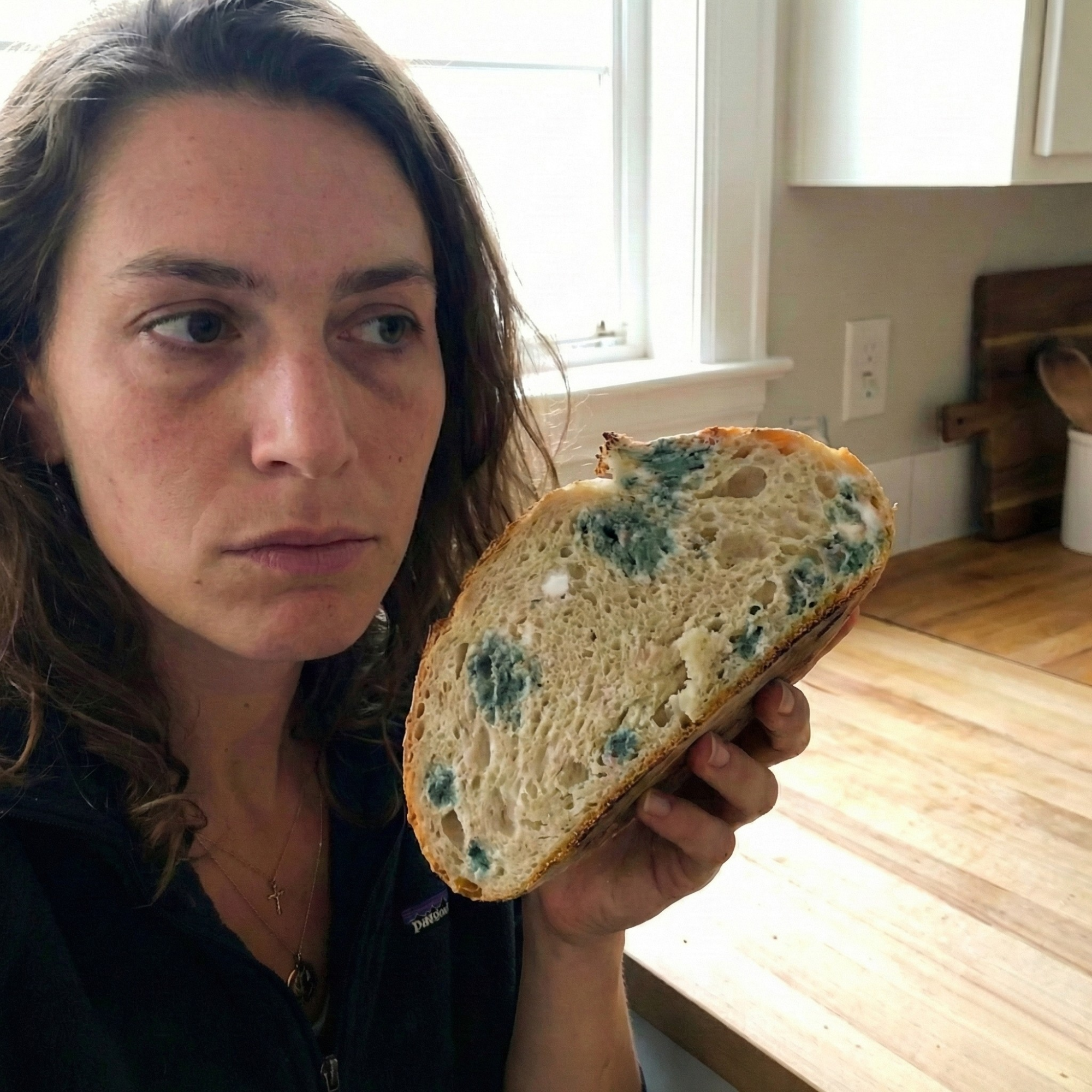
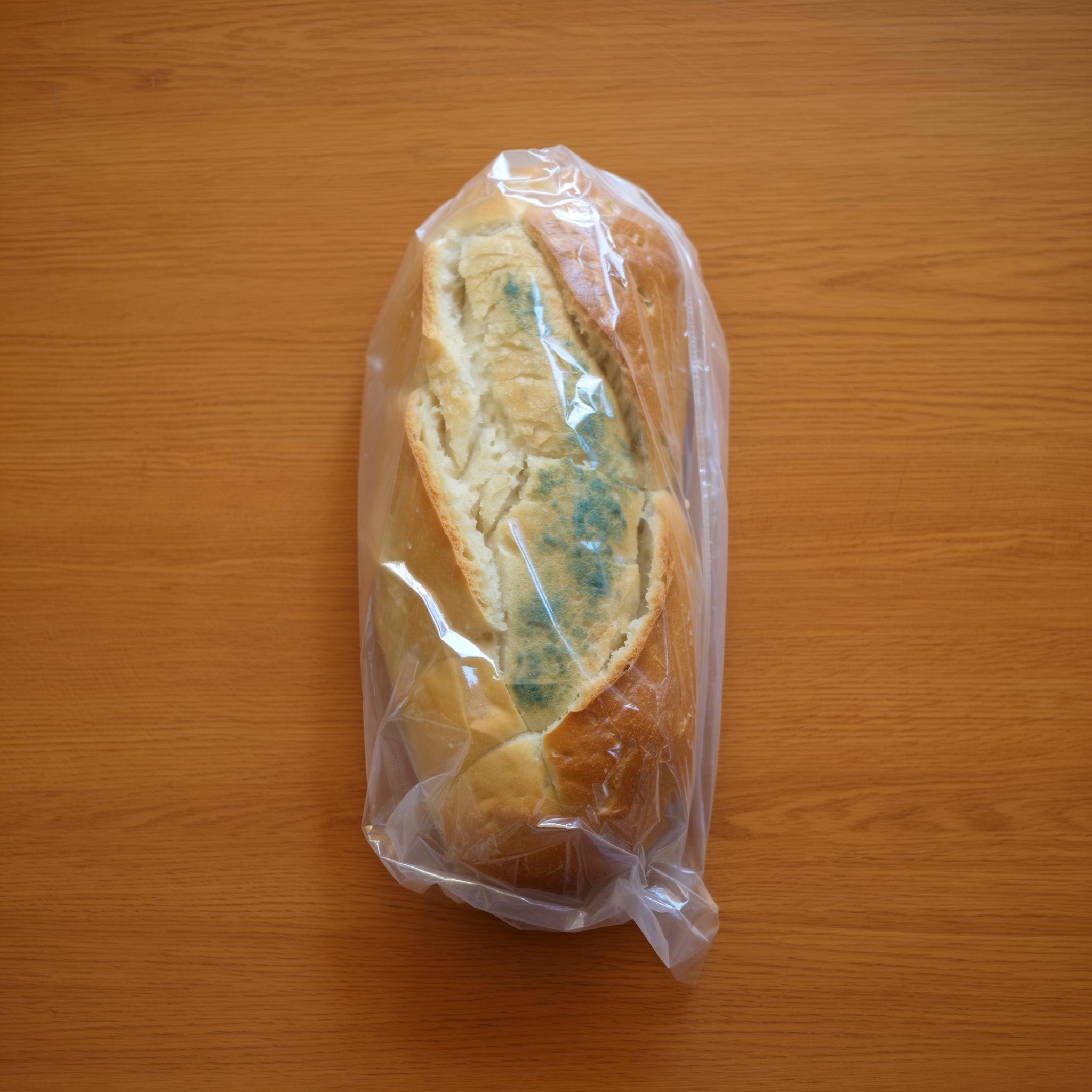
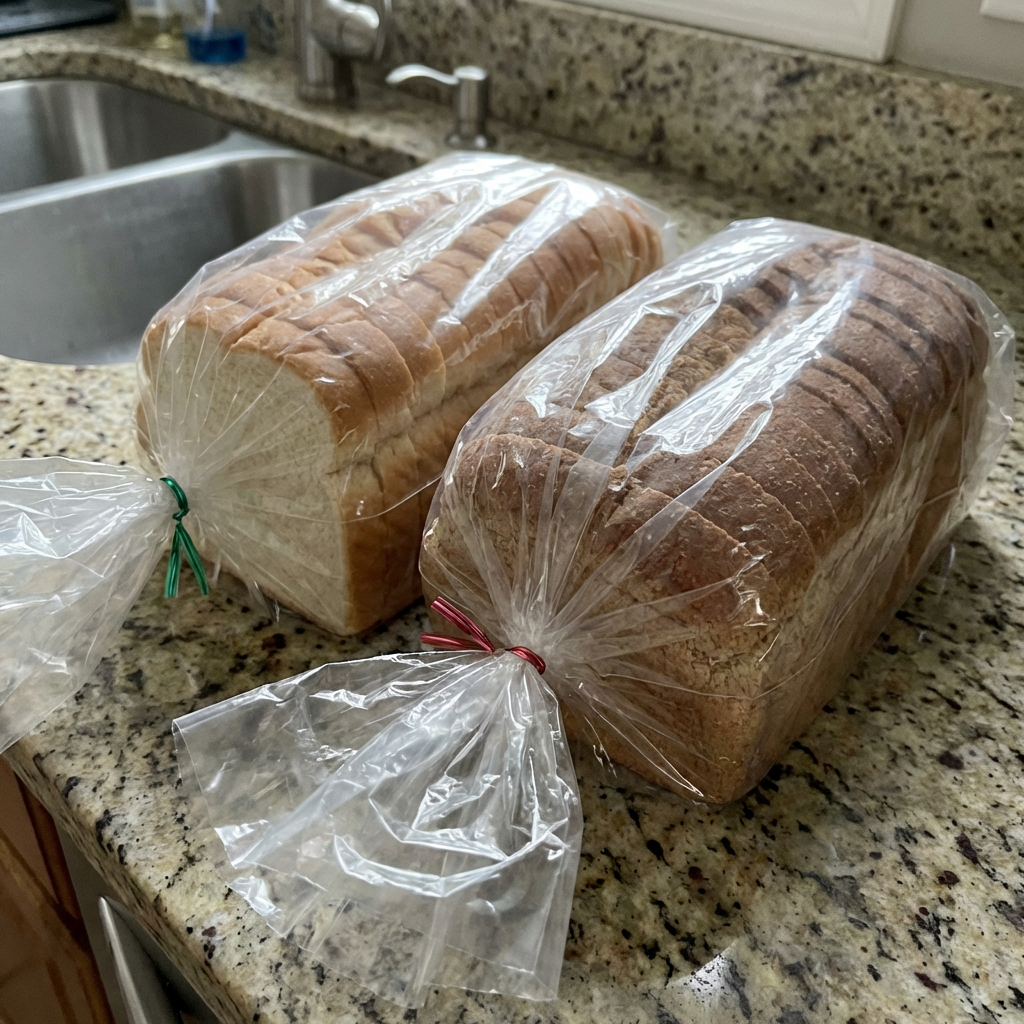
My grandmother kept bread fresh for a week during the Depression, and when I finally learned how, I realized the plastic wrap I'd been using was doing the exact opposite. I need to back up. Last March, I was standing in my kitchen at 6:45 in the morning, running late for work, and I pulled a loaf of sourdough out of the bread drawer. I'd bought it on Saturday from the farmers market. Paid $8 for it. It was Wednesday. The crust was so hard I could barely get the knife through it. And when I did, the inside was dense and dry. Not moldy. Just dead. I made the sandwich anyway. Choked it down in the car. Told myself it was fine. But it wasn't fine. It was the third loaf that month I'd watched turn into a brick before I could finish it. I started doing the math one night. Not because I wanted to. Because I couldn't stop thinking about it. I buy bread roughly every week. Sometimes nice bread from the bakery, sometimes just a decent loaf from the store. Average cost, maybe $5 or $6. And I throw away, conservatively, a third of every loaf. Sometimes half. That's $2 to $3 a week going directly into the trash. Over a year, that's somewhere between $100 and $150. Just in bread. Just in a single household item that I cannot seem to figure out how to store properly. I mentioned this to my husband, and he shrugged. "Bread goes stale. That's just what bread does." And I believed him. I'd believed that my entire adult life. Bread is perishable. You buy it, you eat what you can, you throw away the rest. That's just the cost of eating real food instead of the preservative-stuffed stuff that lasts three weeks. But something kept bothering me. My grandmother raised four kids during the Depression. They had almost nothing. And I remembered her telling me once that they'd buy a loaf of bread and it would last the whole week. Not because they were eating it faster. Because it stayed fresh. How? I called my mom and asked if she remembered anything about how Grandma stored bread. She laughed. "Oh, she had that cloth thing. The waxy cloth. She wrapped everything in it." I didn't know what that meant. I pictured wax paper. I pictured plastic wrap. I pictured all the things I'd already tried. I started researching. The first thing I learned made me feel stupid. Bread doesn't go stale because it "dries out" in the simple sense. There's a chemical process called starch retrogradation. After bread is baked, the starch molecules start to crystallize. They push water out of the structure and harden. This process happens fastest at refrigerator temperature. Between 35 and 40 degrees. The exact temperature of my fridge. I'd been putting bread in the fridge for years, thinking I was preserving it. I was actually aging it six times faster than if I'd just left it on the counter. I felt like an idiot. But here's what really got me: the process also accelerates when bread is exposed to too much air. So leaving it in a paper bag or a cloth towel? Basically putting it in a wind tunnel. The moisture leaves the bread too fast, and you get that rock-hard texture. Okay, so what about plastic? That's what I'd been using. Ziploc bags, plastic wrap, the bag the bread came in from the store. Turns out plastic is the opposite problem. It seals everything in. The moisture that naturally leaves the bread has nowhere to go, so it condenses on the surface. The crust gets soft and leathery. And the humidity creates the perfect environment for mold. I'd been cycling between two failure states my entire life. Hard and stale, or soft and moldy. And I thought that was just how bread worked. It's not. There's a third option. My grandmother knew it. European bakers have known it for centuries. But somehow, in America, we skipped straight to plastic and never looked back. The method is simple. You wrap bread in cloth that's been saturated with beeswax. Beeswax is semi-permeable. It lets water vapor pass through slowly, but it repels liquid water. So the bread can breathe, but it doesn't dry out. The moisture leaves at the right rate. The crust stays crisp. The crumb stays soft. And beeswax is naturally antibacterial and antifungal. Bees developed it to protect their honey from contamination. It's one of the most effective natural barriers that exists. It's why beehives can last for generations. French farmwives used to wrap bread in beeswax cloth between baking days. German bakeries did the same. Before plastic existed, this was just how bread was stored. Loaves lasted a week. Sometimes longer. I'd never heard of this in my life. I ordered a beeswax bread bag that night. Found one on Amazon for $19. It looked good in the photos. Great reviews. It arrived two days later. I put a fresh loaf in it, excited to see what would happen. By day three, the bread was moldy. I was confused. I thought maybe I'd done something wrong. Maybe my kitchen was too humid. Maybe the method just didn't work like I'd read. But something felt off. The bag didn't feel waxy. It felt like regular cloth with a slight coating. And after I washed it once, the coating basically disappeared. I went back and read the fine print. The bag was a "beeswax blend." Which apparently means it was mostly plastic with a little wax sprayed on top. I learned later that US marketing laws are incredibly loose about this. A bag can legally be called "beeswax" with as little as 20% actual beeswax. Most of the cheap ones on Amazon are plastic-wax blends designed to hit a low price point. They look good in photos. The reviews are paid for or fake. And they fail because they're essentially just plastic bags with better branding. I almost gave up. But I kept digging. I found a small company that only sold direct from their website. No Amazon. No retailers. Run by a French baker whose family has been baking for four generations. He'd moved to America and couldn't believe that no one here knew how to store bread properly. He saw all the fake beeswax bags flooding the market and understood why Americans thought the method didn't work. His bags were different. More expensive. But the cloth was thick, stiff with actual wax. You could smell the faint honey scent when you opened the package. It wasn't decorative. It was functional. I put a fresh loaf of sourdough in it that Saturday. Folded the top over. Left it on the counter. Monday morning, I pulled it out for toast. The crust crackled under the knife. The inside was soft. Wednesday, same thing. Friday. Still good. I stood in my kitchen, holding a piece of bread that was nearly a week old, and it tasted like I'd bought it that morning. I don't want to oversell this. It's not magic. It's not like bread lasts forever. But the difference between two days and five or six days is enormous. It's the difference between eating what I buy and throwing half of it away. I did the math again. If I'm wasting 30% less bread every week, that's roughly $80 to $100 a year I'm not throwing in the trash. The bag cost me less than $40. It paid for itself in a few months. But honestly, the money isn't even the part that matters most to me. It's the guilt. I grew up hearing my mom talk about my grandmother, about how she stretched every dollar, how she never wasted anything. And here I was, every week, throwing away food that was perfectly good three days earlier. Watching it turn to stone or grow mold and just accepting it as normal. It wasn't normal. It was a storage problem dressed up as an inevitability. I told my sister about this, and she didn't believe me. She thought I was exaggerating. So I gave her one of the bags for her birthday, and two weeks later she called me and said, "Why didn't anyone tell us about this?" I don't know. I really don't. I have three of them now. One for bread. One for pastries. One that I use for rolls when we have people over. My kids have stopped asking why the bread is "crunchy and weird." My husband has stopped shrugging about stale bread being inevitable. And I've stopped doing that thing where I eat the sad, dry heel of the loaf just because I feel too guilty to throw it away. I don't know if this matters to anyone else. Maybe I'm the only person who spent years feeling vaguely bad about wasting bread and never thought to question why it was happening. But if you're like me, if you've just accepted that bread goes bad in two days and there's nothing you can do about it, I want you to know there is something you can do about it. The solution has existed for centuries. We just forgot it. My grandmother knew. Now I know too. And I haven't thrown away a loaf of bread in eight months. If you want to see the ones I use, I put the link below. Just make sure whatever you get is actual beeswax, not the plastic blends. That's the thing that matters. The real ones feel stiff and waxy when they arrive. If it feels like regular cloth, it's not going to work. Anyway. That's my bread story. Figured someone else might be tired of feeding the trash can.
Where the ad sends people
tryvelor.com
read if you love bread!
Velor
Learn more: tryvelor.com(opens in a new tab)