
Active· since Feb 26, 2026
- 202
- days running
- 0
- relaunches
Ad copy
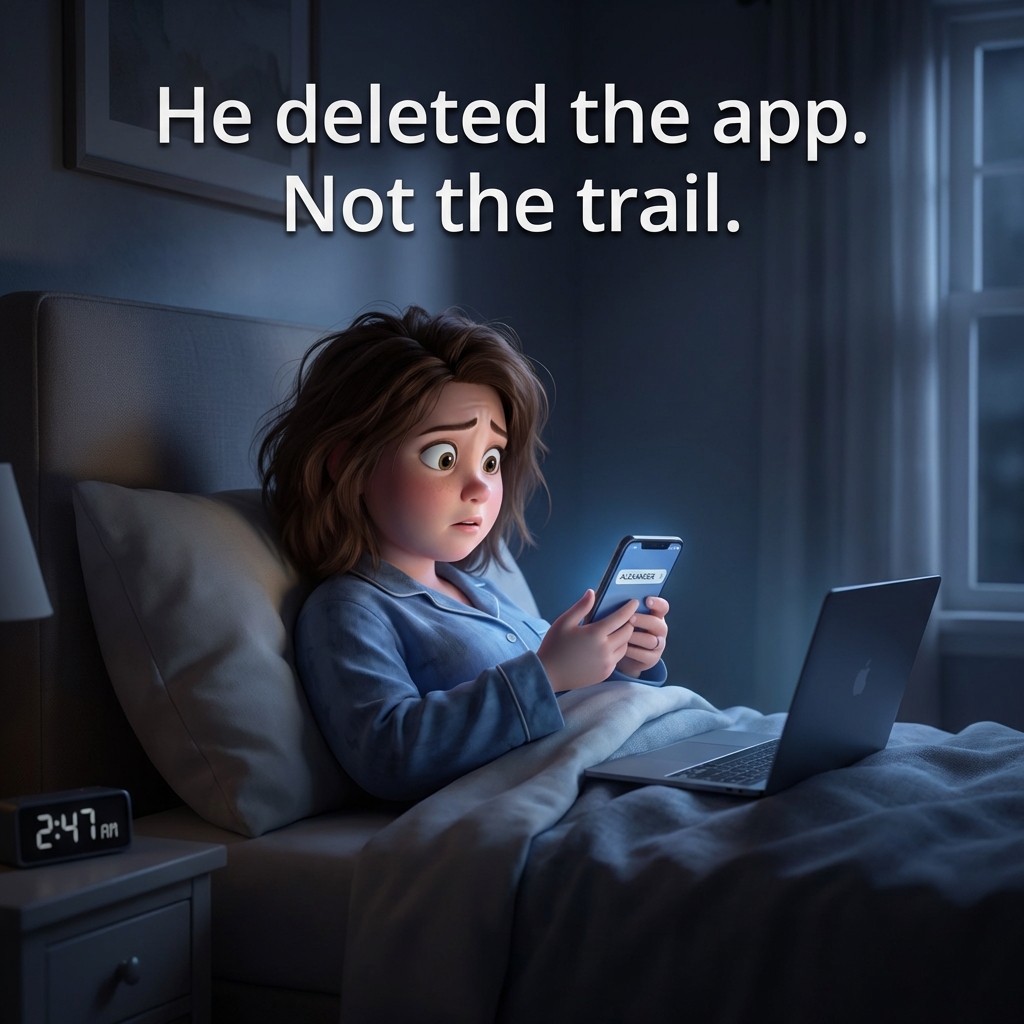
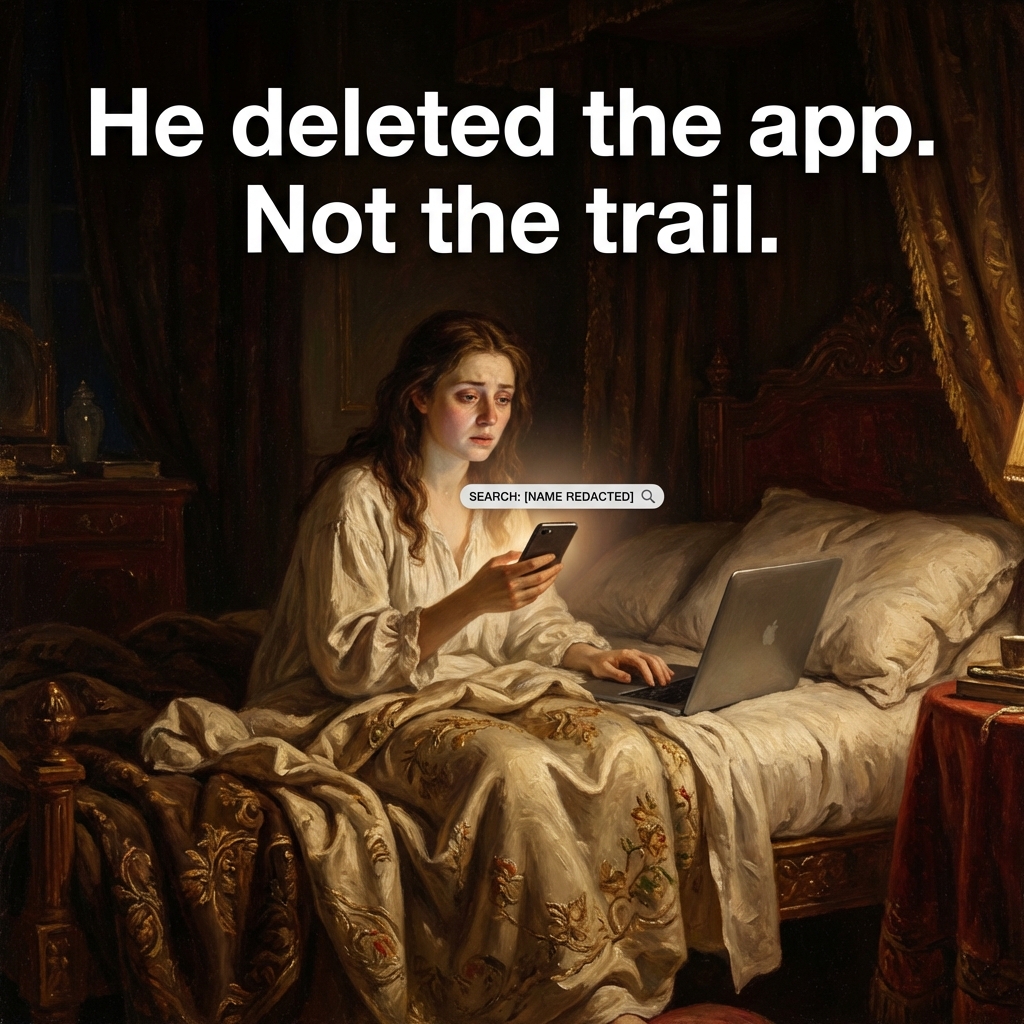
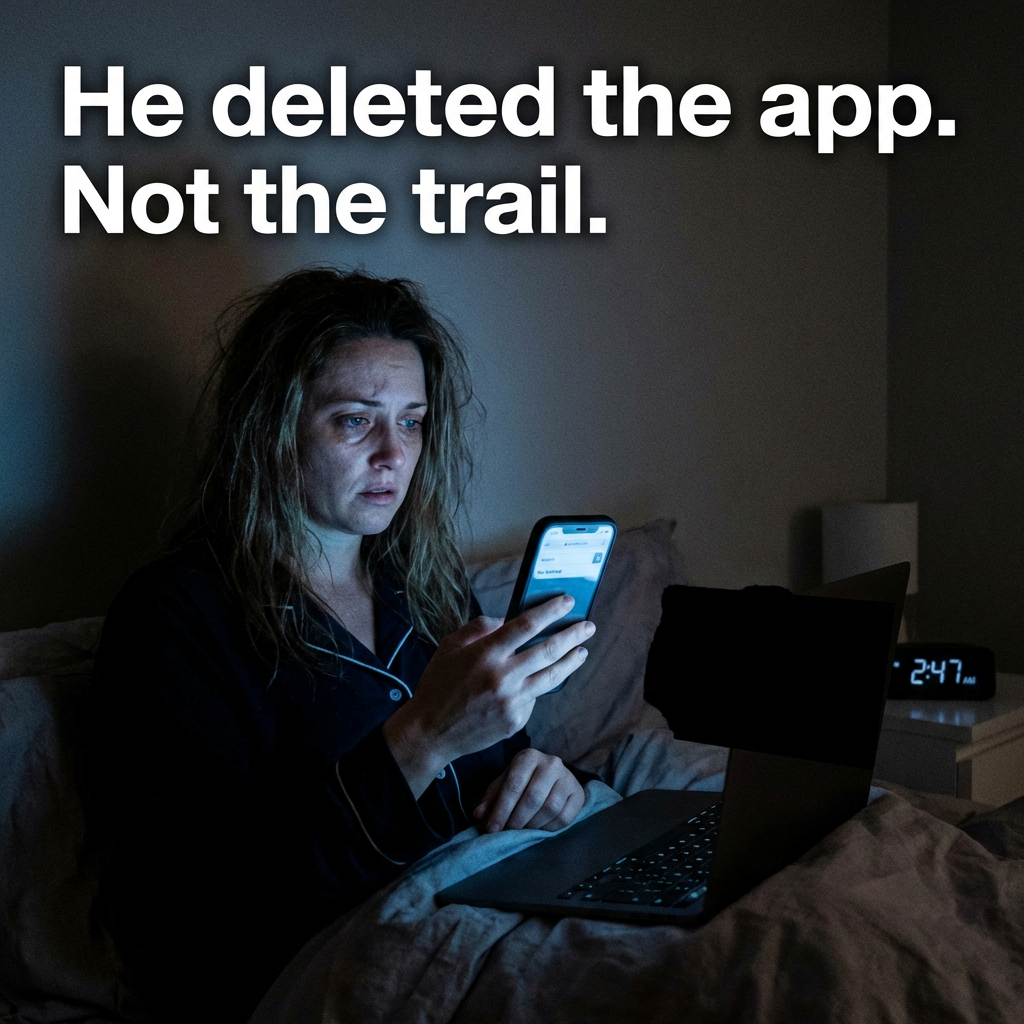
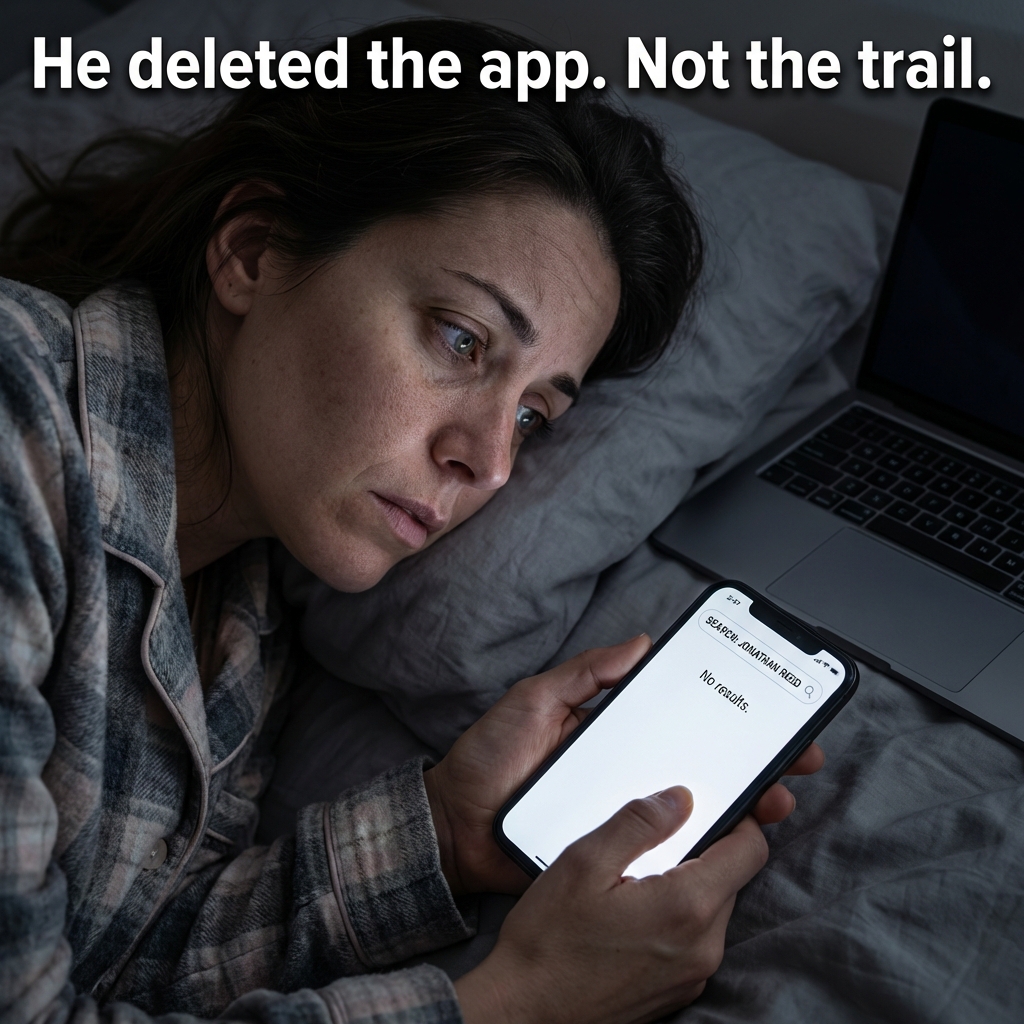
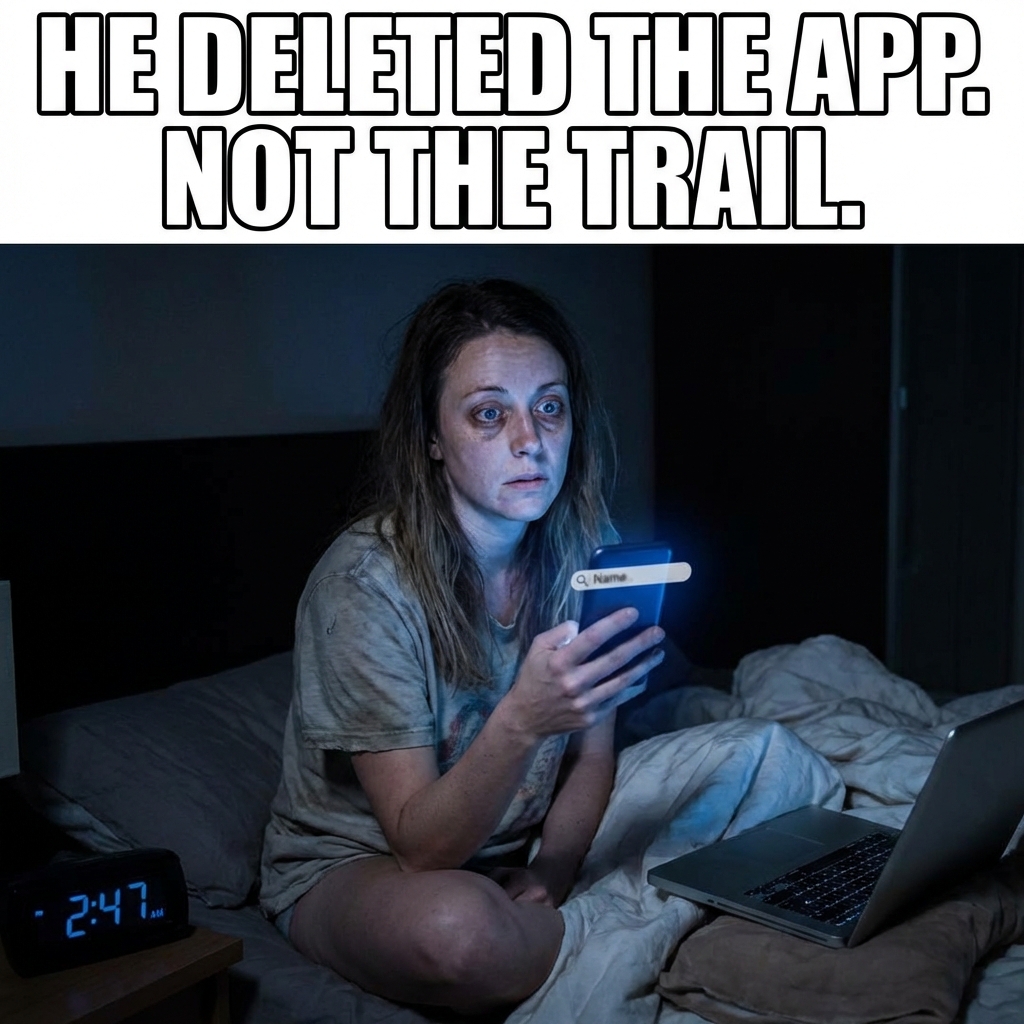
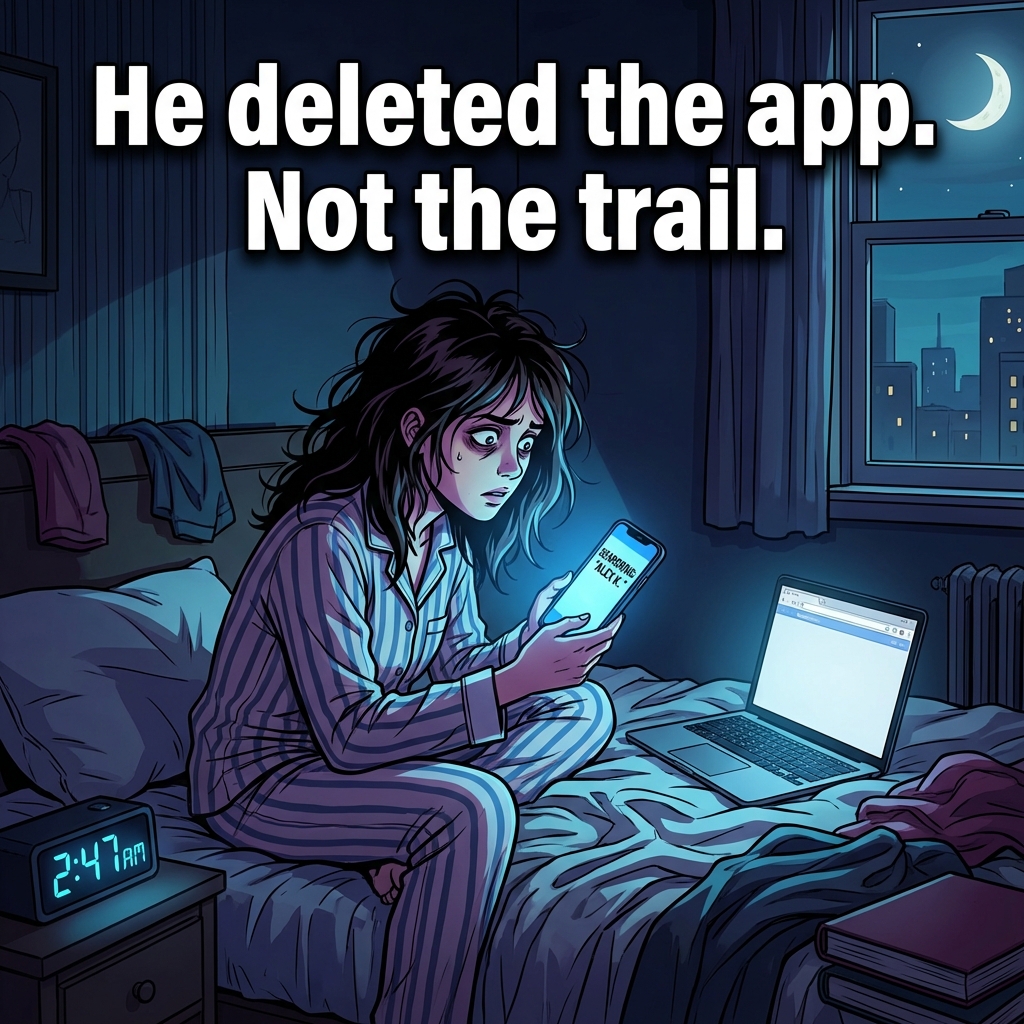
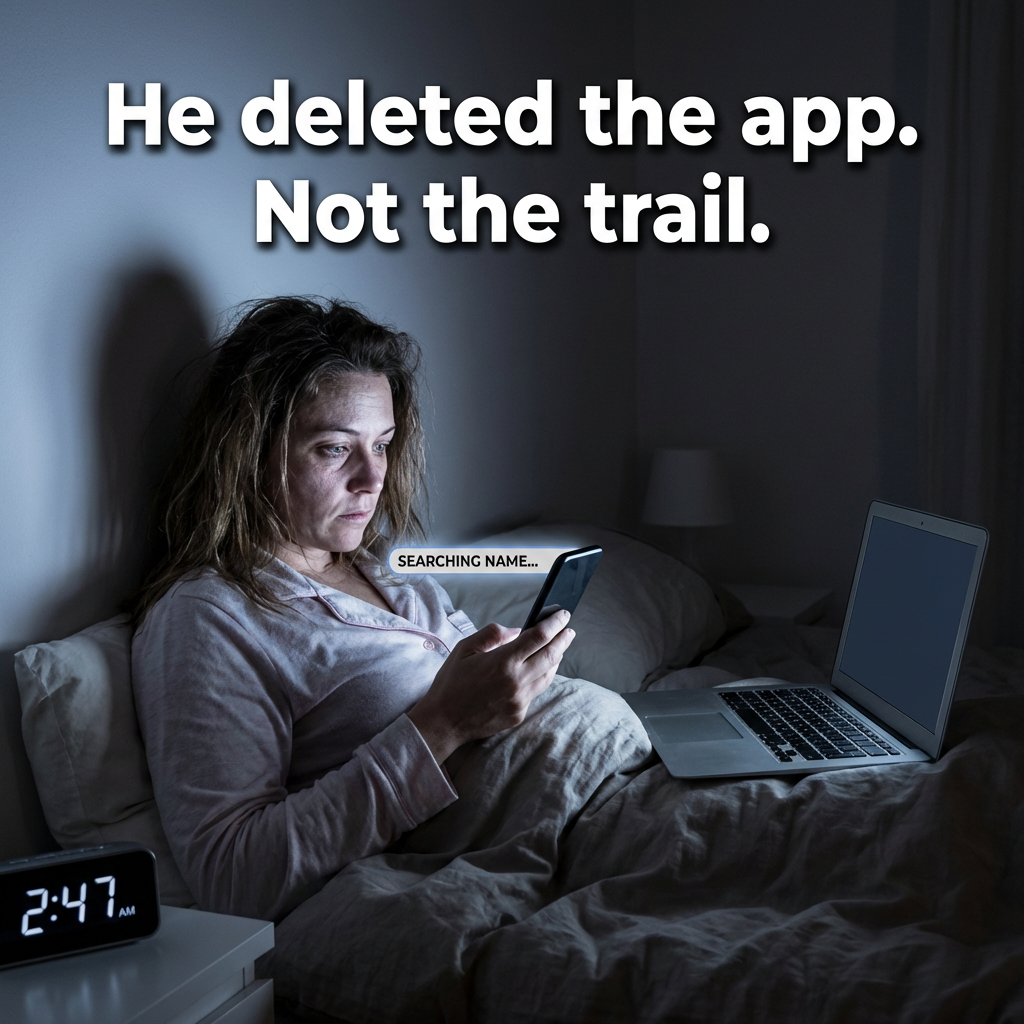
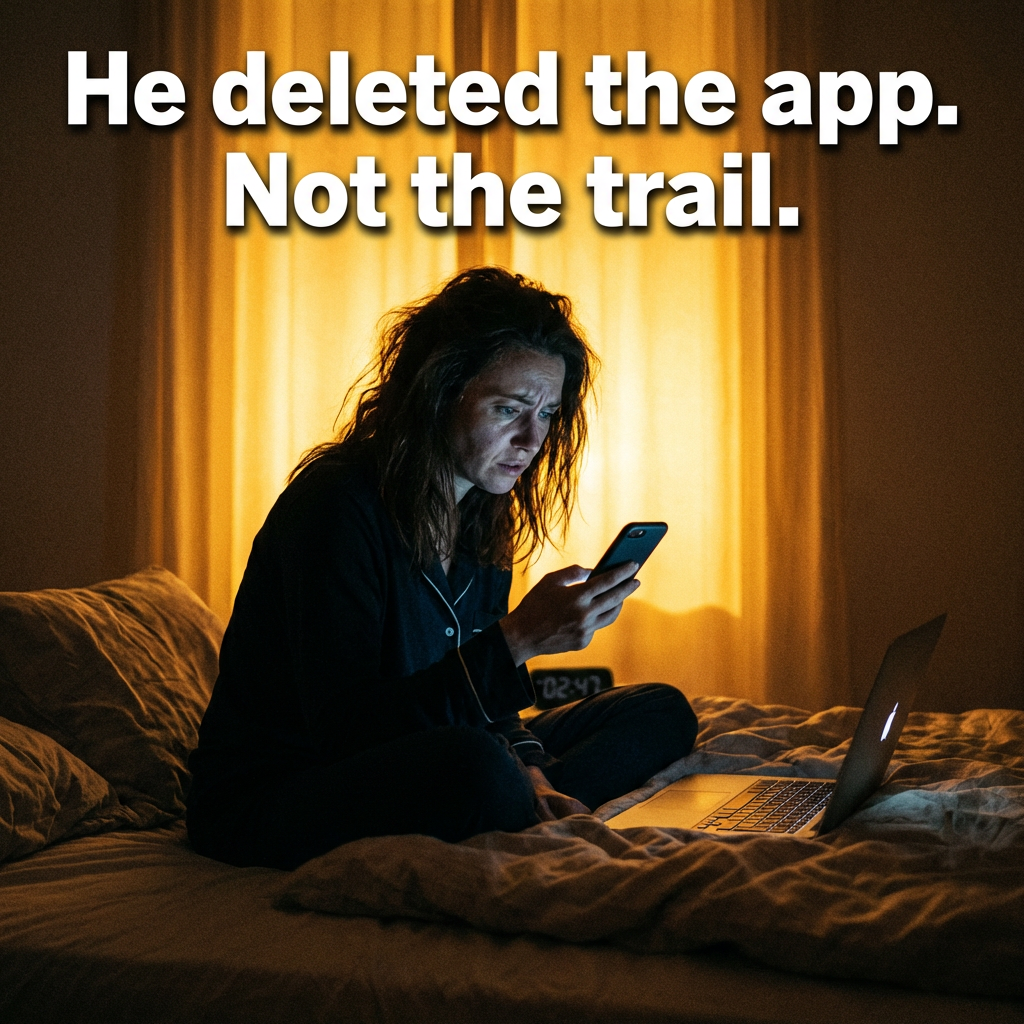
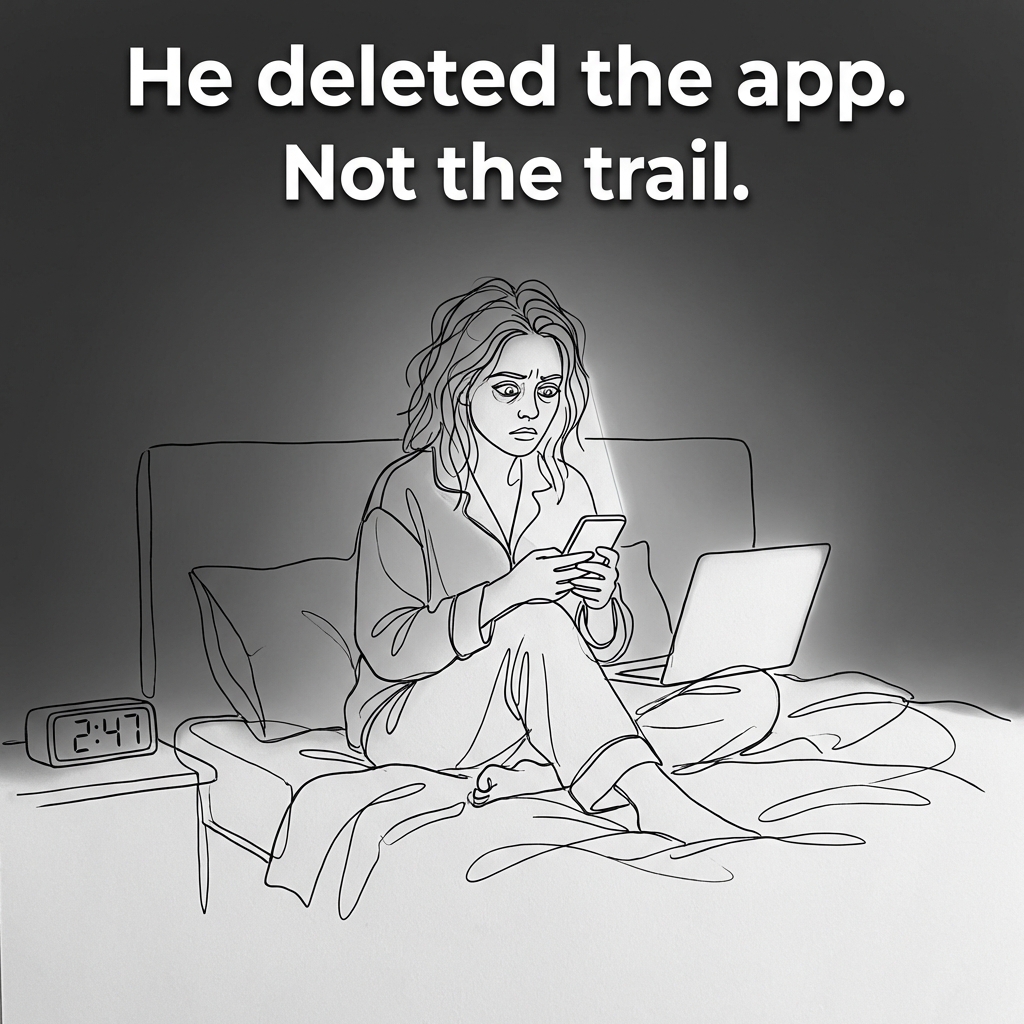
You’ve had the feeling for months. Not suspicion, exactly — more like a low-level hum you can’t locate. And every time you try to name it, he has an explanation that makes you feel like the problem. You’ve never been the kind of person who goes through someone’s phone. That’s not who you are. “I trust him completely.” “If I felt something was wrong, I would know.” “Going through his stuff would mean I don’t believe in us.” How many times have you said those words — to your friends, to your therapist, to yourself? How many times have you talked yourself out of a gut feeling by calling it anxiety? How many times have you watched him clear something from his screen and decided it was nothing? How many times have you chosen the version of the story where everything is fine? It’s not distrust. It’s not jealousy. It’s not a character flaw. And no — you’re not spiraling. Meet Emma — 34, fifth-grade teacher, five years into a relationship she thought was solid. Emma wasn’t a suspicious person. She was, if anything, too understanding. She gave him space. She didn’t ask where he’d been. She respected his privacy the way she expected him to respect hers. And she believed it. For five years, she believed the relationship she saw was the whole relationship. Until a Tuesday evening, when she was using the shared tablet and a notification slid across the top of the screen. From a Gmail address she’d never seen. A name she didn’t recognize. She told herself it was spam. She closed the notification. And then, at 2am, she was still awake. That’s why she opened the browser. That’s why she started reading about what a secondary email account can be used for. That’s why she learned that every login, every profile, every dating app download creates a trace that survives the delete button. That’s why she searched his name in TruthFinder at 2:47 in the morning. That’s why she finally stopped calling her instincts anxiety. Emma wasn’t paranoid. She wasn’t controlling. She wasn’t that kind of woman. She just discovered that the digital world keeps records the delete button can’t reach. And for five years, NOBODY had told her those records were searchable. Because we’re raised to believe that what’s deleted is gone. That clearing your history means starting clean. That digital privacy is digital invisibility. What nobody tells you: • Every account ever created leaves a trail in public records and platform data • Deleted apps don’t delete the accounts behind them • A secondary email connects to social profiles and dating apps that persist for years None of that requires a password to find — if you know where to search. The evidence doesn’t disappear when someone thinks they’ve cleaned up. It just moves somewhere most people don’t know to look. How long have you been giving silence the benefit of the doubt? You don’t need certainty that something is wrong to look. You don’t need to be ready for what you might find to search. I’ve talked to hundreds of women who ran a search they’d been putting off for months. I see the ones who found nothing — and who finally exhaled, for the first time in a long time. I see the ones who found something — and who say that knowing was still better than another year of wondering. I see women stop explaining their intuition to people who weren’t there — because now they have a document that speaks for them. TruthFinder searches public records, social profiles, and online data sources across millions of Americans — surfacing information that doesn’t disappear when someone hits delete. You type a name. In minutes, you see what’s there. “I wasn’t spiraling. I was right. And now I have something I can actually look at.” Click below. Because deleting an app doesn’t delete the account behind it.
He Deleted the App. Not the Trail.
LEARN MORELike this ad? Make it yours.
Crush rebuilds this exact creative around your product — your brand, your colors, your offer — in about a minute.