Monica Bennett
 Facebook ad: “Well rested, far more focused.”
Ran for 1 day, from October 15 to October 16, 2026, the last day Crush saw it.
Run by Monica Bennett on Facebook. Crush is not the advertiser and does not verify its claims. See this ad in Meta's Ad Library(opens in a new tab)
Make your own version of this ad
Crush makes it, launches it in your own Meta ad account, scales the winners and pauses the losers.
About this ad
- Meta Ad Library ID
- 1651066466692097
- Platforms
- Facebook, Instagram and Threads
- Relaunches
- 0
Ad text
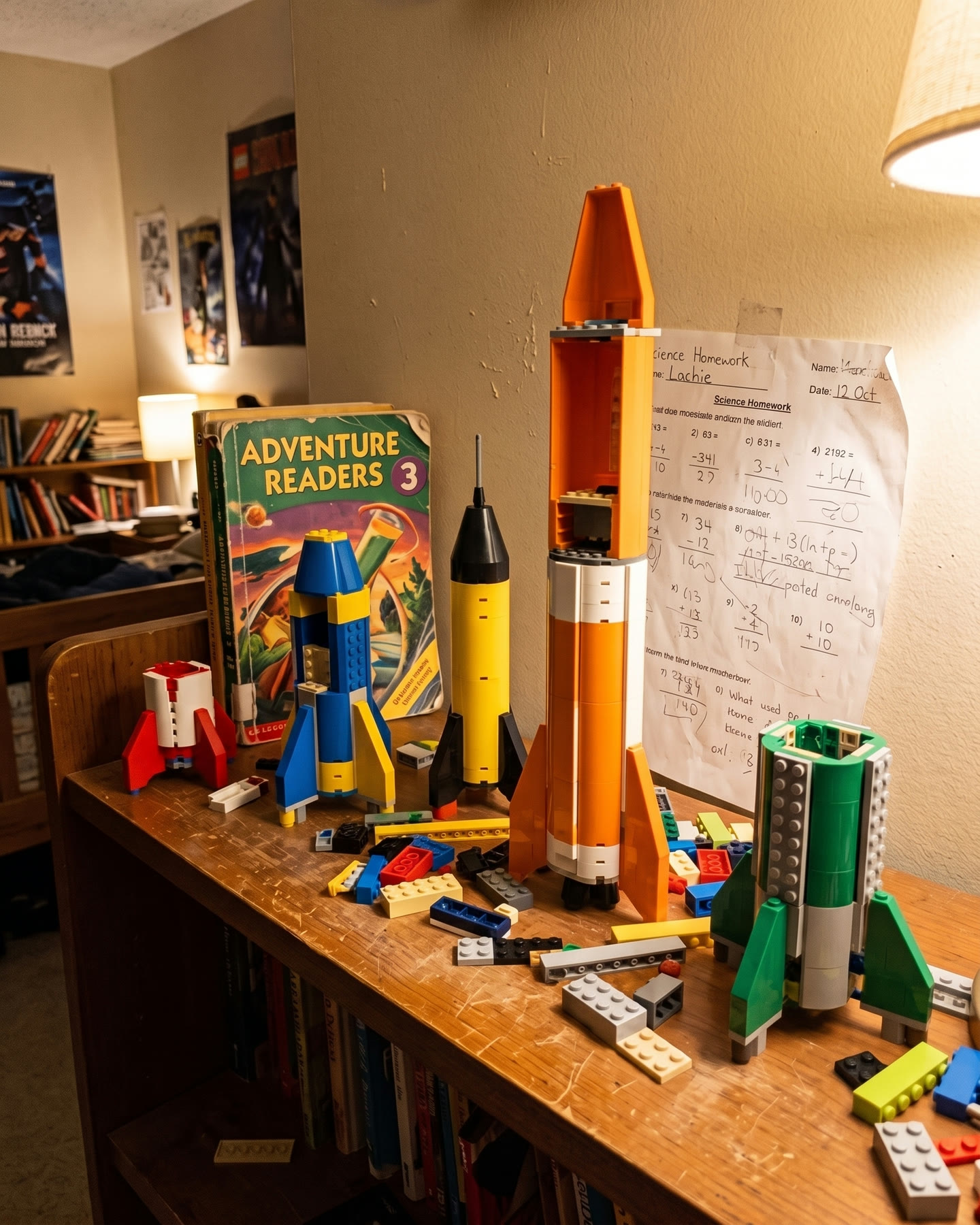
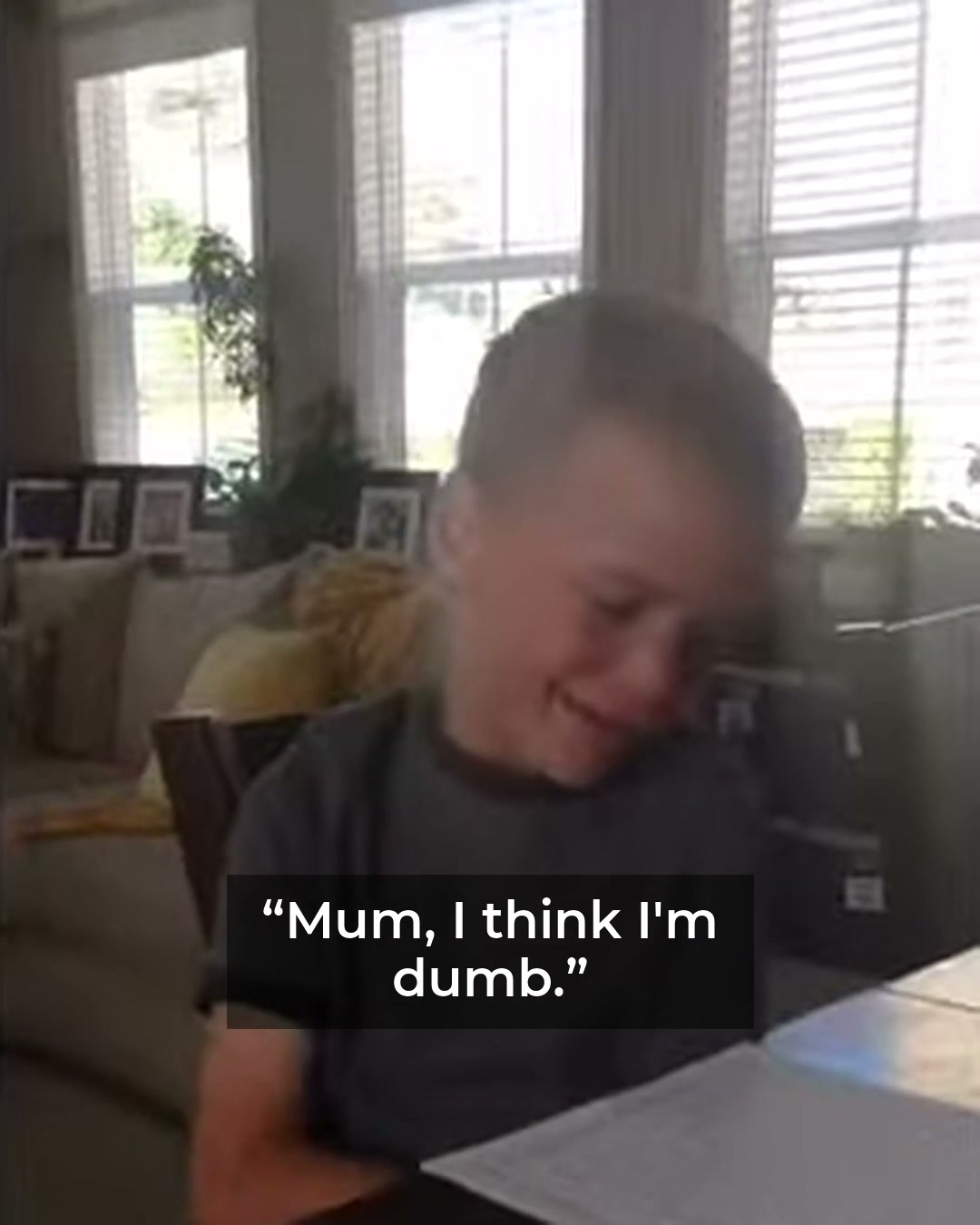
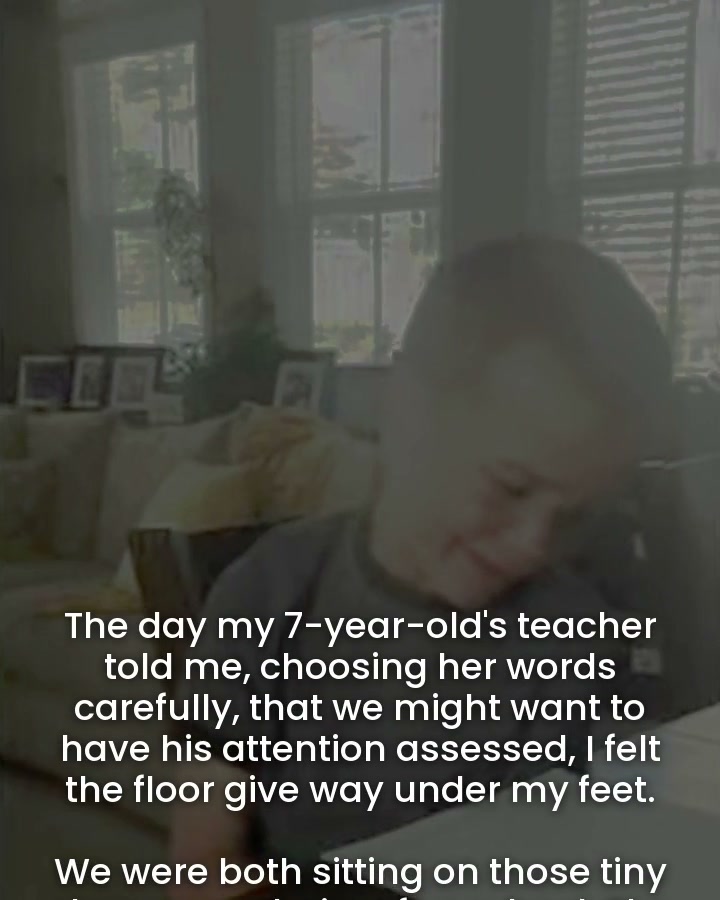
The day my 7-year-old's teacher told me, choosing her words carefully, that we might want to have his attention assessed, I felt the floor give way under my feet. We were both sitting on those tiny classroom chairs after school. She opened her notebook, she was very gentle, but the words landed anyway. "He's somewhere else, he can't stay in his seat, he doesn't finish anything, I wonder if it might be worth seeing someone, about his attention." And I nodded and smiled to keep it together, while inside everything was falling apart. My little boy, so bright, so curious, and they were talking to me about a disorder, an assessment, a diagnosis. I'm not someone who puts her life on the internet. If I'm doing it today, it's because I so wish I'd read this that year, when I was falling asleep every night with a knot in my stomach about my son's future. My name is Monica, I'm 39, I live in Castle Hill, in Sydney's north-west. My husband's name is Matt. And our son, Lachie, is 7. I have to tell you about Lachie before anything else, because he is the whole story. Lachie was a little question machine. Why is the sky blue, why do rockets take off, how does an engine work. A sponge, curious every second of the day. And above all, with his dad, there were the rockets. Matt and Lachie built Lego rockets, huge things, for hours, both of them bent over the kitchen table hunting for the right piece without noticing the time go by. The big rocket on the shelf in his bedroom was their pride and joy. That's Lachie. A curious little boy who wanted to understand everything. Well, he was. Because that year, very slowly, my curious little boy started to switch off. He couldn't settle anymore. And nobody around us seemed to see anything but him playing up. "He doesn't try, he's a daydreamer." That's the sentence I heard all year. His teacher wrote it, in her own way, in his reader log. My mum said it. Some people said it out loud. "He's a daydreamer, he's off with the fairies, he doesn't try." I don't know how many parents have heard that while their child was drowning and nobody understood why. Because this is what our days looked like. Homework, in the evening, had become a battle. He'd get up from his chair ten times, stare out the window, not even hear me when I spoke to him. One single line of handwriting took an hour and ended in tears, his and sometimes mine. I opened his communication book every afternoon with a knot in my stomach. "Lachie was daydreaming. Lachie didn't finish. Lachie was distracting the others." Almost every day, another little note. And the rockets on the kitchen table, he'd start them and leave them, half built, unable to stay long enough to finish. The shelf in his room filled up with unfinished rockets, like so many little quittings. Little by little, this boy who loved understanding things started to believe he was hopeless. One night, at bedtime, he said something I will never forget. He lowered his head, squeezed his teddy and whispered: "Mum, I think I'm dumb. My teacher says I don't try, but I do try, I promise I'm trying." I held him tight so he wouldn't see my face, and I stayed like that for a long time, swallowing my tears. My 7-year-old son, the one who wanted to understand the whole universe, thought he was dumb. That broke me. I was eaten up too. I fell asleep at night afraid of the future, guilty for not knowing how to help him, ashamed sometimes when the other parents talked about their kids' great reports. Matt and I didn't fight, but every single evening revolved around it, around how to save our boy. We did what we had to, seriously, because you don't mess around with this. We went to see the paediatrician in autumn. He was measured, he said that at 7 attention is still developing, that you shouldn't put a label on it too quickly, but that we could ask for an assessment to be sure. We booked in with a clinic for an assessment, with months of waiting ahead of us. And I spent those months swinging between guilt and fear. The paediatrician had asked me one question, though, that I didn't pay attention to. He asked whether Lachie slept well, whether his sleep was calm, whether he snored, whether he slept with his mouth open. I answered more or less at random, my head somewhere else. He said calmly that a child who sleeps badly has a much harder time concentrating the next day, that it's actually one of the first things to look at. At the time it didn't stick. We even saw an ENT that winter, because Lachie often breathed through his mouth, who found his adenoids were a bit big but nothing to operate on, we'll keep an eye on it. And the whole time, we tried everything. Truly everything. We cut screens completely on school days. We told ourselves that was it. It changed nothing. We broke homework into tiny pieces, with breaks, a timer, rewards. We made progress charts stuck to the fridge, a sticker for every effort. We promised him outings if he could sit still. We signed him up for relaxation classes, mindfulness for kids. We asked whether he needed a speech therapist. A friend recommended supplements, omega-3, saying it helped concentration. Add all that up. Screens cut, mindfulness, charts, supplements, appointments, whole months of fighting every evening over one line of handwriting. Nothing. Nothing shifted anything. It was my sister Kate, staying with us for a few days, who put her finger on it without knowing. One morning, seeing Lachie dragging himself around, foggy, she said: "He really sleeps badly, your Lachie, he looks like a tired little old man when he wakes up." And a friend, Priya, whose son had been through the same attention struggles at school, explained the rest, very simply. A child who sleeps with their mouth open all night never really goes down into deep sleep, the kind that repairs and tidies up the brain for the next day. He wakes up already tired, and a tired brain can't sit still and doesn't learn well. The paediatrician's sentence came back to me all at once. Sleep. The way he sleeps. Because it was true, Lachie slept badly. At night, when I went in to kiss him, he was already all twisted up, the doona kicked off, his mouth wide open. In the morning I had to call him three times, he'd surface foggy, dark circles, never rested. A child who starts his day already exhausted, how is he meant to sit and listen until the bell at three. That same night, instead of just kissing him, I really leaned in and looked at how Lachie was lying. His head was propped far too high, sunk into a big adult pillow, one of our old pillows we'd passed on to him without thinking. His chin was pressed into his chest, his neck was bent, and in that position, of course, his mouth fell open, and his sleep stayed heavy and murky instead of really resting him. He was sleeping folded in half on a pillow that was never made for him. We'd raced to the paediatrician, to the ENT, booked an assessment, cut screens, tried mindfulness, imagined a thousand serious things, and nobody had looked under his head. It was Priya who gave me the name. For her son, what helped was swapping the adult pillow for a real one, made for children. I'll admit I was torn, a pillow when people were talking to me about my son's attention, it seemed trivial, almost insulting. But I went and looked, and it was serious. A pillow designed for children, with a height that changes with age, developed with sleep doctors, tested, with the certificate you can look at, a hollow in the middle that cradles the head at the right height to keep the neck straight and let him breathe through his nose. The brand is Munié, it's their posture pillow for kids. We ordered it that same night. I'm going to be very honest, because on a subject like this I refuse to tell you any old thing. I'm not telling you a pillow fixes an attention disorder, that would be untrue and irresponsible, and if your child is struggling, get the assessment done, like we did. I'm only telling you what happened in our house, with Lachie. The first few nights, nothing spectacular. Then, after two or three weeks, Lachie started sleeping better. Mouth closed, neck straight, less restless in his bed. In the morning he woke up more easily, his face rested, in a better mood. And as he got more rest, during the day something slowly fell back into place. He could sit for longer. He finished what he started. Mrs Roberts, who knew nothing about any of this, wrote a note in his book after a month: "Lachie is much calmer and more focused at the moment, well done to him." I read that note ten times. We went ahead with the assessment anyway, because we wanted to be clear on everything. It went very well. The specialist told us too how much restful sleep changes things, at that age, for attention. And my curious little boy came back. One Sunday in spring, Lachie and his dad sat down at the kitchen table and built a rocket, the biggest one of all, without getting up, the whole afternoon. At the end Lachie held it up over his head, beaming, and put it right at the top of the shelf, above all the ones he'd never finished. I watched them from the doorway and had to go and blow my nose in the kitchen. Kate got one for her son. Priya told two other mums at school about it. That's how it gets passed on, between parents, at the school gate, in a low voice. When I think about it, it almost makes me angry. We'd spent money on mindfulness, supplements, charts, appointments, spent a whole year fighting every evening, and what changed everything, in our house, was a pillow that cost a bit over a hundred dollars. We spend a third of our lives asleep, our kids even more, and we leave them on old adult pillows that weren't made for them, without anyone ever telling us it can weigh that much on their days. So if your child struggles to concentrate, falls asleep exhausted and sleeps with their mouth open, one piece of advice, mum to mum. Check in with your doctor, get the assessment if you need to, so your mind is at rest on everything. And at the same time, just go and look tonight at how they sleep, and on what. And if you want to try theirs, get it from their website, munie.shop, and nowhere else. Online there are heaps of copies that only copy the shape, plastic foam that goes flat in a week. The real one is on the brand's own site, with the certificate and the size for your child's age, and they take it back within 100 nights if nothing changes. You risk nothing. I just so wish I'd looked under my son's head long before I heard him tell me, one night, that he thought he was dumb. P.S. The big rocket is still at the top of the shelf. And yesterday Lachie spent the whole walk to school explaining to me how a rocket engine works, without stopping for breath. If even one child finds the will to finish what they start again because of this, then it was worth telling.
Where the ad sends people
lp.munie.shop
Well rested, far more focused.
Learn more: lp.munie.shop(opens in a new tab)