
Inactive· since Feb 25, 2026
- 27
- days it ran
- 3
- relaunches
- 330
- EU reach
Ad copy
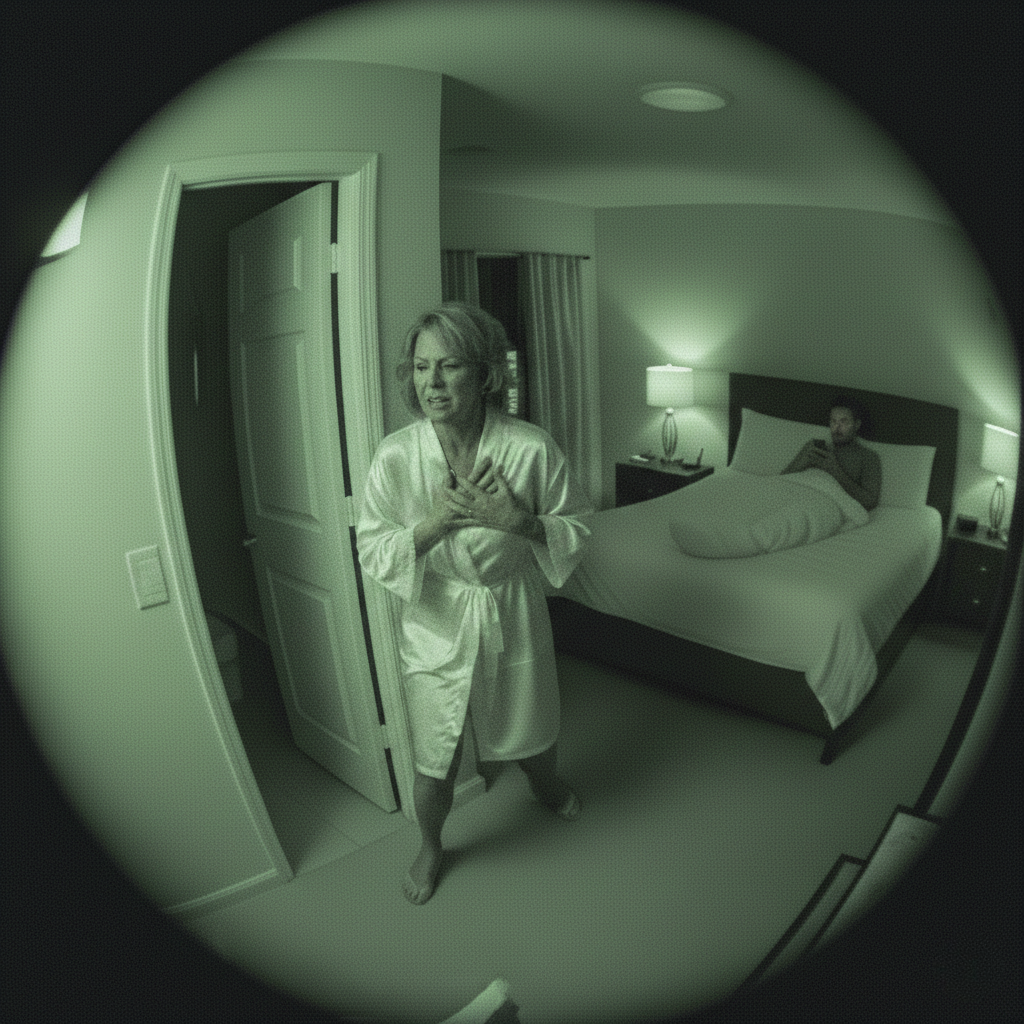
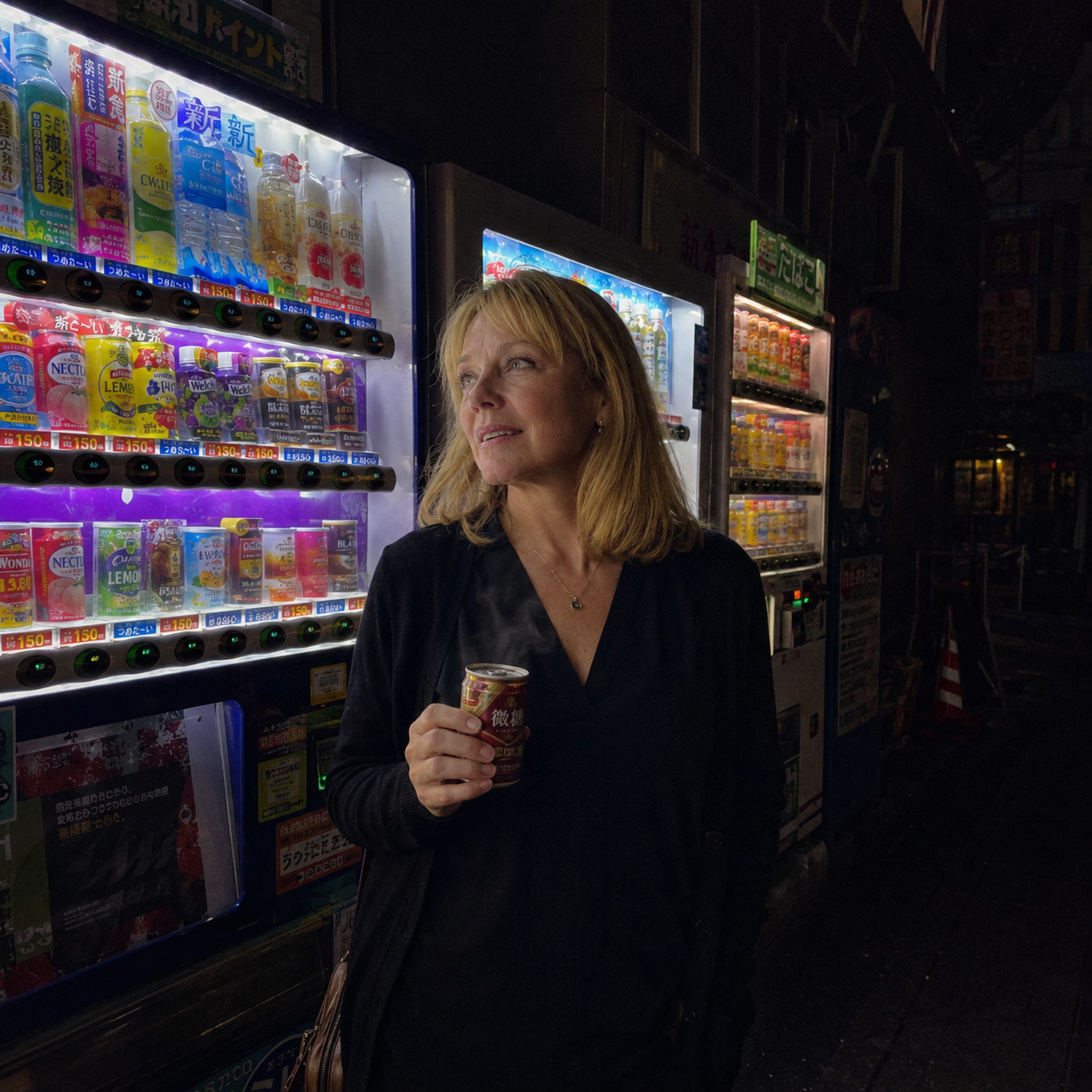
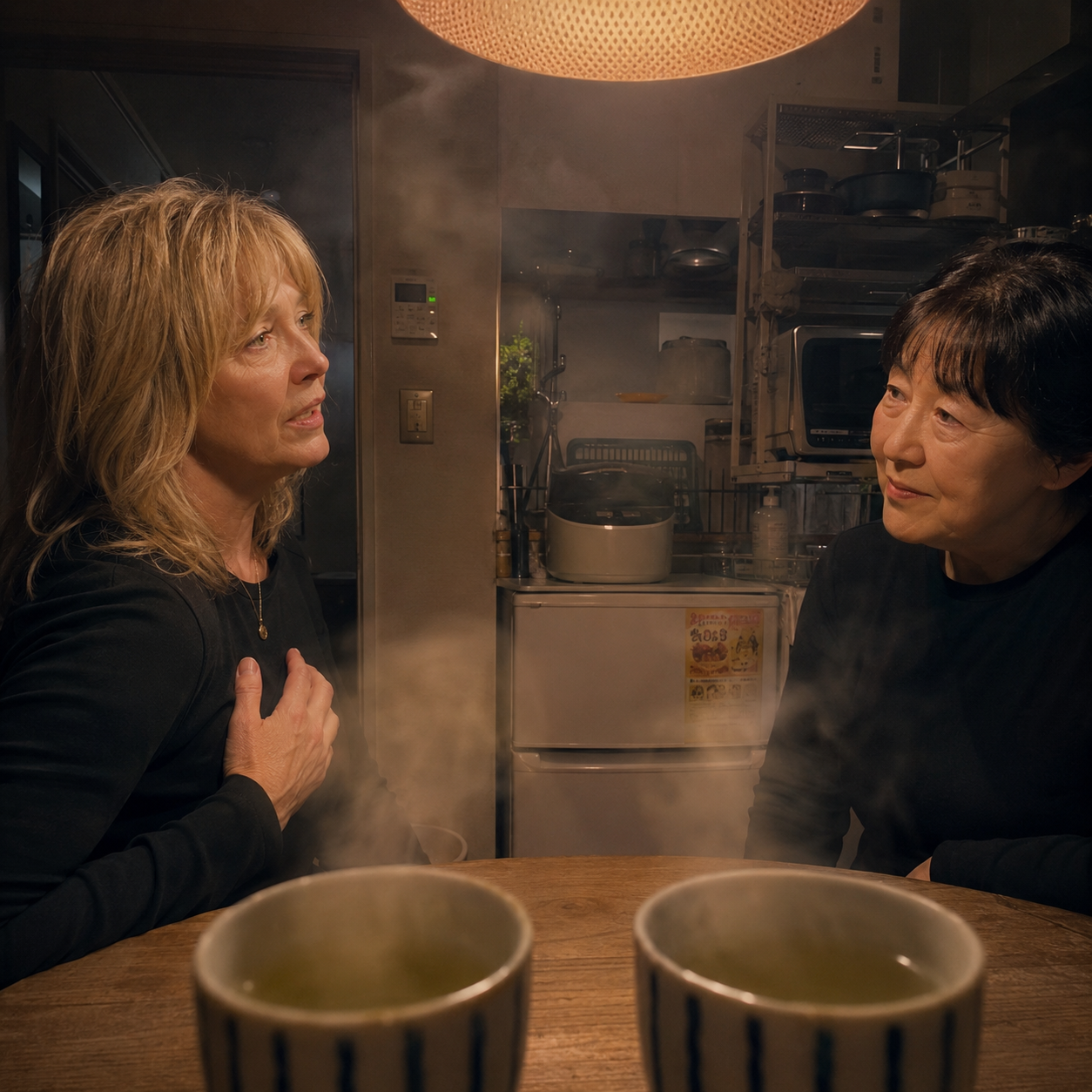
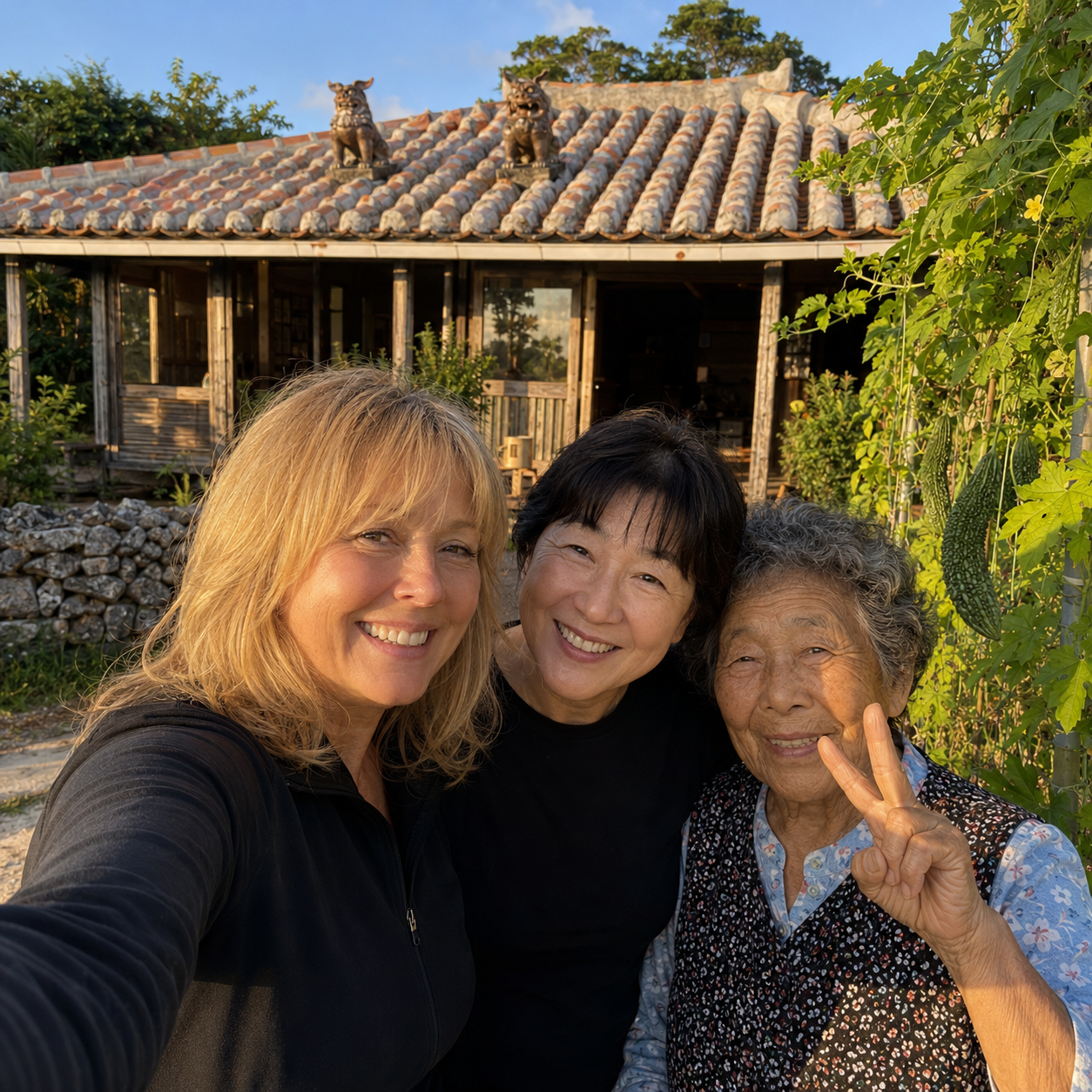
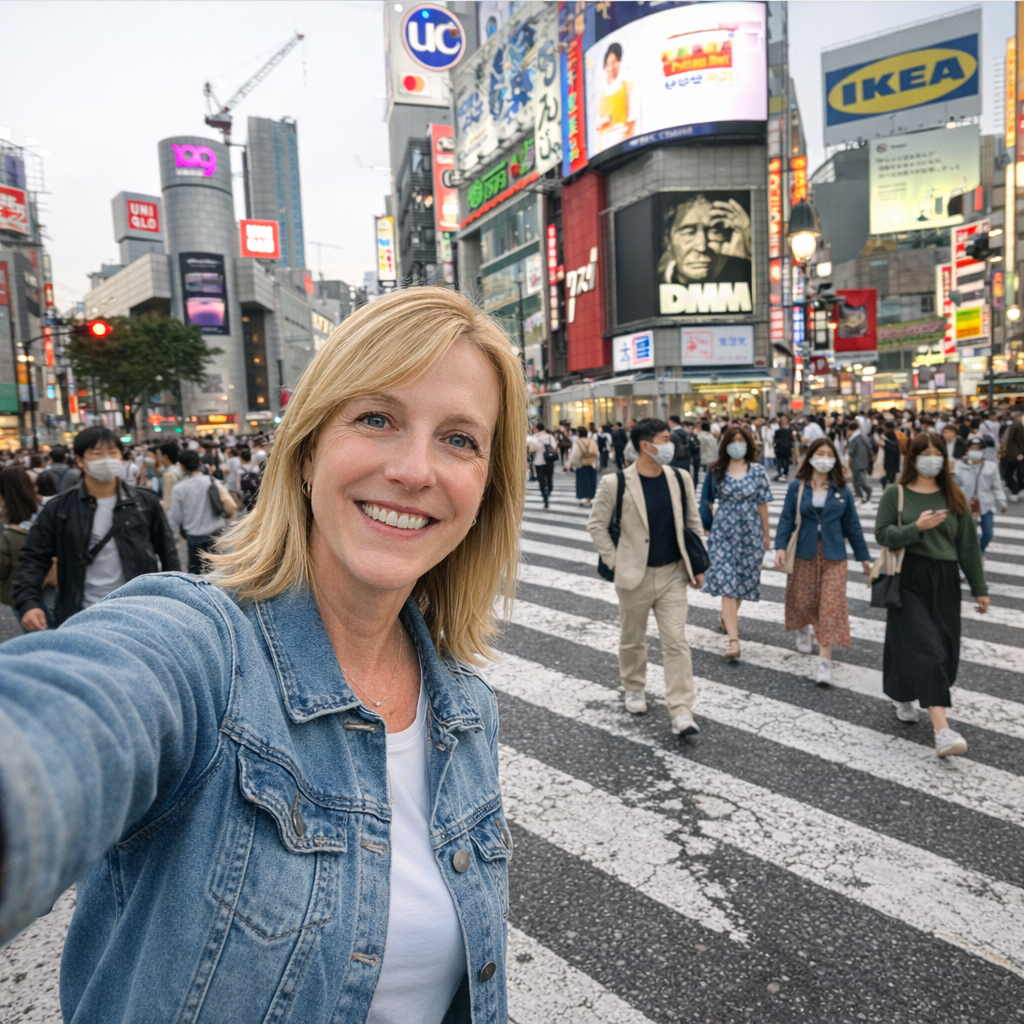
I went on a solo trip to Japan to pull myself out of depression...and it worked, but not in the way you expect. Up until about a year ago, I was a big ray of sunshine. I was the friend people called when they were down. But somewhere along the way... the light just went out. I stopped going out. I stopped answering the phone. In fact, it got so bad that I didn't want to talk to my kids, who were now off to college. I love them more than life itself but I didn't want whatever was going on with my mind to rub off on them. I would wake up tired, drag myself through the day, and then lay in bed at night staring at the ceiling with my heart racing for no reason. I thought I was just going through a phase... Until one day I realized I hadn't taken a shower, brushed my teeth, or stepped out of my house in a week. Days were blending into each other. Weeks felt like one big blur. And that's when I knew...I was depressed. I tried therapy. I tried SSRIs. I tried "self-care routines" and journaling and meditation apps. Nothing worked. The pills made me numb. The therapy sessions just had me talking in circles about my childhood and my divorce which happened 5 years ago might I add. I was still waking up every morning with that same heavy dread sitting on my chest. And my thoughts were getting darker and darker each day. I knew I was getting close to a point I might not come back from. So I needed to do something drastic to get me out of this mental slump. So I thought, "Why not just go to Japan for a year?" I'd been a fan of anime and manga since I was a kid. And I'd always been intrigued by Japanese culture. I just never went before because life always got in the way…kids, work. But now that I had fallen into this dark place where life had lost all meaning... I figured something drastic like this might be exactly what I needed. So I started researching how to make it happen, and that's when I discovered you could get something called a Working Holiday Visa for an entire year if you're a US citizen. But after more digging, I realized the Working Holiday Visa program for Japan is only available to US citizens between 18 and 30 years old. I'm 53 years old, so that was definitely out of the question. But I found out I could apply for a regular tourist visa that would let me stay up to 90 days, and if I wanted to extend beyond that, I could look into other visa options once I was there. For now, 90 days seemed like more than enough time to clear my head and figure out what I wanted to do with the rest of my life. So I went on Expedia and booked a one-way ticket to Tokyo. When I told my kids I'd booked a ticket to visit Japan, they thought I was crazy. My daughter told me I couldn't just run away to Japan. But that's exactly what I did. Because three days later, I was on a plane to Japan with two suitcases and absolutely no plan beyond the Airbnb room I'd booked for about a month. I'd specifically booked a room in someone's apartment rather than a whole place to myself because I didn't want to be completely alone. The flight was long...13 hours from JFK to Narita Airport. But when the plane finally touched down and I stepped into the arrival terminal, it felt like I'd entered a completely different world. It was 9 PM local time, and even though it was late, the airport was buzzing with energy. Everything was so clean, so organized, so efficient. Signs in Japanese and English guided me through customs, and within 30 minutes I was out in the main terminal. I grabbed my luggage and made my way outside to find a taxi. The moment those automatic doors slid open and I stepped into the cool night air, I was hit with this electric feeling I can't quite describe. The roads were lit up with streetlights, cars gliding by silently, and in the distance I could see the faint glow of Tokyo's neon lights against the night sky. I immediately knew I'd made the right decision. I hopped in a taxi, showed the driver the address of my Airbnb on my phone, and we were off. The drive from Narita to Tokyo took about an hour, and I spent the entire ride with my face pressed against the window like a kid. Watching the cityscape gradually transform from quiet suburbs into the glowing, neon-lit streets of Tokyo was like watching a city wake up right before my eyes. Vending machines on every corner lit up in bright colors, convenience stores glowing with fluorescent lights, massive billboards with flashing advertisements in Japanese. It was overwhelming in the best way possible. We finally pulled up to a narrow street in Shibuya, and the driver helped me with my bags. I stood there for a moment looking up at the apartment building tucked between a ramen shop and a 7-Eleven, taking it all in. I climbed three flights of stairs, found the unit number, and knocked on the door. A Japanese woman in her early 60s opened it with a warm smile. She welcomed me in English with a slight Japanese accent that made "welcome" sound like "werucome." Her name was Yuki, and she was my Airbnb host. She helped me bring my bags inside and immediately offered me tea. As we sat at her small kitchen table sipping green tea, we started talking. Yuki told me she went to college at UCLA and worked in California for a few years before moving back to Japan, which explained why her English was so good. She asked what brought me to Tokyo. I hesitated for a second, then figured there was no point in hiding it. I told her I was dealing with some mental health stuff. Depression, specifically. That I thought maybe getting away, experiencing a different culture, might help reset my brain. Yuki's expression softened. She set her teacup down and looked at me with this knowing look. She asked how long I'd been feeling this way. I told her about a year now. That it started gradually but got really bad a few months ago. That I'd stopped showering, stopped answering calls, even stopped talking to my own kids. Yuki nodded slowly, and I could see recognition in her eyes. She told me she knew exactly what I was going through. Because she'd been there herself. I looked up at her, surprised. She didn't look like someone who'd ever struggled with depression. She seemed so put-together, so warm and welcoming. But she was nodding. "I had severe depression for two years," she said. "It got so bad that I couldn't work, couldn't leave my apartment. I tried every antidepressant my doctor prescribed. Nothing worked." I felt tears welling up in my eyes. Someone actually understood. "What happened?" I asked. "How did you get out of it?" Yuki leaned forward. She told me that in 2009, she went to see a specialist who was conducting a research study with other scientists. They were looking for a surefire way to lower and even completely eliminate depression. He invited her to be a participant alongside 526 other people who also had depression. I nodded, listening intently. She instantly agreed. She signed the consent forms, went through the screening process, and was accepted into the trial. A week later, she received a detailed packet in the mail explaining what the study would entail. That's when she found out the trial was about Vitamin D supplementation. The researchers wanted to determine if boosting Vitamin D levels could help with depression and anxiety. Vitamin D? I thought to myself. That seemed too simple. As part of the trial, they tested everyone's Vitamin D levels at the beginning. Her level was 11 ng/mL. For context, normal Vitamin D levels need to be between 50 and 80 ng/mL. She was dangerously deficient. And here's what shocked her: all 527 participants, without exception, had critically low Vitamin D levels. Every single person in the study was deficient. I sat there stunned. The researchers split them into two groups. Group A would take a 10,000 IU Vitamin D supplement every day. Group B would take a placebo. They were asked to take one pill daily and return for evaluation after 4 weeks. Over those four weeks, she started noticing real changes. She found herself wanting to get dressed in the morning instead of staying in pajamas all day. She started meeting friends for lunch again. She even picked up her ikebana practice that she'd abandoned months earlier. Her depression just... faded away. After week 4, she went back for her evaluation. They ran her bloodwork, and her Vitamin D levels had shot up to 58 ng/mL. She wasn't the only one. Everyone else in Group A reported feeling significantly better. Most said their depressive symptoms had either drastically reduced or completely disappeared. Group B, the placebo group, reported no changes. The doctor explained to them why it worked. He said Vitamin D directly controls the brain's ability to produce serotonin, which is the "feel good" neurotransmitter that regulates mood, sleep, and well-being. The brain produces serotonin using an enzyme called TPH2. Vitamin D binds to receptors deep in the brain and literally switches on that enzyme. Without adequate Vitamin D, the switch stays stuck in the "OFF" position, causing chronically low serotonin levels. That's what causes the heavy dread in your chest before the day even begins, the invisible wall that makes simple tasks feel impossible, the racing thoughts at night. I felt chills run down my spine. She was describing my exact experience. The doctor also explained that the reason so many people are deficient is because of our indoor lifestyles. Most people spend about 90% of their time indoors under fluorescent lights. They wake up, drive to work in a car, sit in an office all day, and by the time they leave, the sun's already gone down. And on the rare occasions they do go outside during peak sun hours, they're wearing sunscreen that blocks nearly 100% of the UVB rays needed to produce Vitamin D. So their bodies never get the sun exposure they need. But here's where it got interesting. In the bloodwork analysis, the researchers noticed something concerning. Participants who were taking high-dose Vitamin D showed elevated levels of free-floating calcium in their bloodstream. The calcium wasn't being properly directed to bones and teeth where it belongs. It was just circulating with nowhere to go. And this is where it gets dangerous. That free-floating calcium can settle into artery walls and form plaque, blocking blood flow to the heart. It's the same process that causes heart attacks in people who seem perfectly healthy. The calcium builds up layer by layer until the arteries are so blocked that blood can't get through. One day, the blockage becomes complete, and the heart stops. The researchers realized they were potentially solving depression but creating a cardiovascular time bomb. That's when the scientists discovered they needed to add Vitamin K2 to the protocol. Vitamin K2 acts like a GPS system for calcium, directing it away from arteries and toward bones where it's supposed to be. Without K2, taking Vitamin D alone can actually be dangerous. So they adjusted the study protocol. Everyone in Group A started taking Vitamin D3 with K2. And the results were even better. Everyone in Group A reported massive improvements in their outlook on life, baseline happiness, and optimism. People who'd been stuck in bed for months were suddenly waking up with energy and purpose. Some started businesses they'd been putting off for years. Others went out and started fixing their love lives, going on dates again, reconnecting with old flames. One guy told the researchers he'd applied to grad school after convincing himself for two years that he wasn't smart enough. People weren't just "less depressed." They were fired up about life again. Yuki herself became a big ball of energy. She started teaching ikebana classes again, reconnected with old friends she'd lost touch with during the depression. And a few years later, she started hosting Airbnb guests to meet new people from all over the world. This was the same person who three months earlier couldn't get out of bed without crying. The study ended up being really significant in Japan. It was eventually published in the National Library of Medicine and became a reference point for depression treatment protocols. Yuki paused and looked at me with this gentle expression. She said if Vitamin D plus K2 could pull her out of that darkness, she believed it could do the same for me. I sat there, stunned. This random Airbnb host had just explained my entire year of suffering in fifteen minutes. And she'd lived through it herself. After our conversation, I couldn't stop thinking about it. When I went into my room to sleep, I realized I was buzzing with excitement. I couldn't sleep. So I pulled out my phone and started doing my own research into Vitamin D and K2. I needed to find a Vitamin D supplement I could try. So I went on Google and started looking. But I kept running into a problem. Every Vitamin D + K2 supplement I found in Japan was only 2,000 IU of Vitamin D. But the study Yuki participated in used 10,000 IU. I wanted to get the exact dose that was proven to work. I spent hours searching Japanese websites with no luck. Then I had an idea. I switched my VPN to a US server and searched again. Suddenly, dozens of high-dose Vitamin D3 + K2 supplements popped up. I scrolled through reviews, comparing brands, trying to figure out which one was legitimate. But eventually, I found one that kept popping up with incredible reviews from women in their 50s and 60s. It was called True Nutra D3 + K2. Women were raving about it. One review said: "I'm 58 years old and I haven't felt this good in 15 years. The fog in my brain lifted after just three weeks. I feel like myself again." Another said: "I was on Lexapro for two years with terrible side effects. Switched to this and my depression is completely gone. I can't believe it." Another woman wrote: "This is the only thing that's actually worked. I've tried every antidepressant my doctor prescribed. This gave me my life back." I didn't need any more convincing. I placed an order for a 3-month supply right then and there. The shipping to Japan took about a week, but the package finally arrived at Yuki's apartment. I ripped it open like a kid on Christmas morning. Inside were three bottles with instructions to take one softgel per day with food. So that evening, I took my first softgel with dinner. And just like that, I started my Vitamin D + K2 journey. Here's what happened over the next four weeks: ✅ Week 1: I started taking one softgel with dinner. I was surprised that there was no bad aftertaste or burping. I didn't feel anything dramatic, but I also didn't feel worse, which was already better than the SSRIs. ✅ Week 2: For the first time in months, I found it easier to do things. I could shower and brush my teeth every day without it feeling like climbing a mountain. I wasn't sleeping in as much. I actually started replying to texts from my kids. ✅ Week 3: The racing thoughts at night finally stopped. I could lie down without replaying every embarrassing moment from my past or imagining worst-case scenarios. I just... fell asleep. It felt like a miracle. ✅ Week 4: I woke up one morning and realized something. That heavy dread that used to sit on my chest every morning? It was gone. I felt light. I felt like myself again. I called my daughter and actually laughed during the conversation. She told me I sounded different. In a good way. By the time I left Japan three months later, I was a completely different person. Not because of the temples or the culture or the "spiritual journey" I thought I was going to have. But because my Airbnb host shared her own story of surviving depression and showed me something my doctors back home never did. I'm back in Chicago now, and I'm still taking True Nutra D3 + K2 every single day. I'm back to being the ray of sunshine my friends always knew. And I'm finally living again instead of just surviving. Why am I telling you this? Because most people over 40 don't know they're walking around with a brain that's literally starving for serotonin because of a silent Vitamin D deficiency. And some people who do know might be taking Vitamin D alone, without K2, which means that calcium isn't being directed properly and could actually cause problems. If you want to ramp up your Vitamin D levels safely and turn your depression around, you need to take D3 and K2 together. And as far as I know, True Nutra D3 + K2 is the best way to get both in the right dosage. Normally, a bottle costs around $90. But right now, they're running a promotion where you can get it for just $13.95. That's a 69% discount. And they're doing Buy One Get One FREE at that same price. Two bottles for $13.95 total. They're practically giving it away because they know once you feel the difference, you'll be a customer for life. If you'd like to give it a try, click here to check if it's still available: 👉 https://truenutrawellness.com/products/fb-en-vdk002 I know they sell out quickly because of the discount. And they offer a 30-day money-back guarantee, so you can try it for a full month and if you don't feel a difference, they'll refund every penny. So don't wait until you've lost another year of your life to depression. Don't wait until you're booking a flight to the other side of the world just to escape your own head. Click the link below and check if True Nutra still has stock: 👉 https://truenutrawellness.com/products/fb-en-vdk002 If they're in stock, grab a bundle. You'll be glad you did.
Like this ad? Make it yours.
Crush rebuilds this exact creative around your product — your brand, your colors, your offer — in about a minute.