Sarah Hobson
Sarah Hobson Facebook ad: “Read if you're watching your dog limp and feeling helpless”
Ran for 3 days, from March 13 to March 16, 2026, the last day Crush saw it.
Run by Sarah Hobson on Facebook. Crush is not the advertiser and does not verify its claims. See this ad in Meta's Ad Library(opens in a new tab)
Want an ad like this for your product?
Crush makes new ad images for your product from this ad: your logo, your product photo, your offer.
Trials from $19.95 USD, then $79.95 USD a month. Cancel anytime.
About this ad
- Meta Ad Library ID
- 1655051482163633
- Platforms
- Facebook, Instagram, Audience Network, Messenger and Threads
- Relaunches
- 0
Ad text
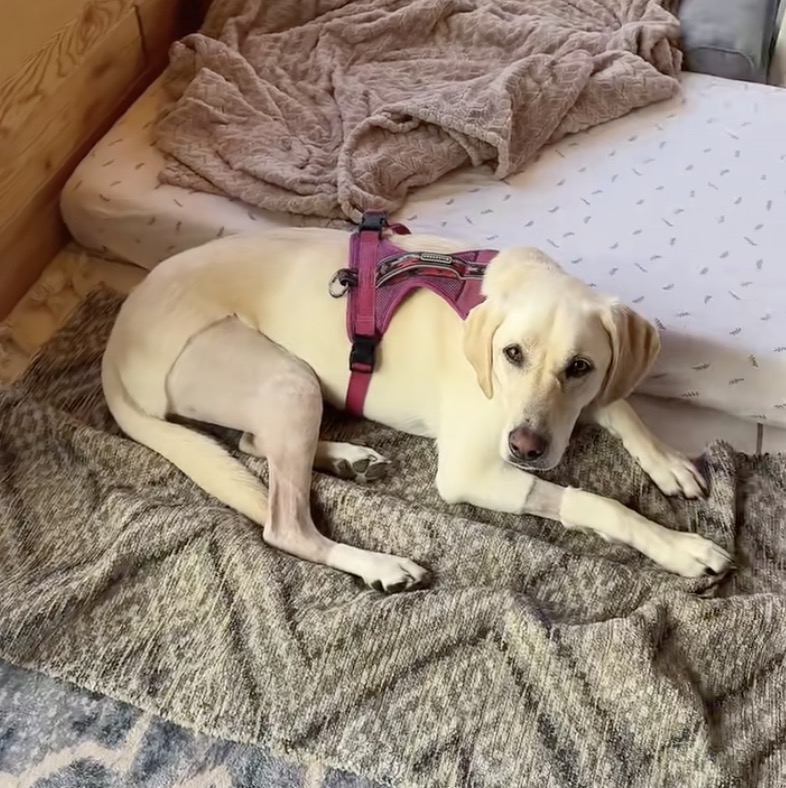
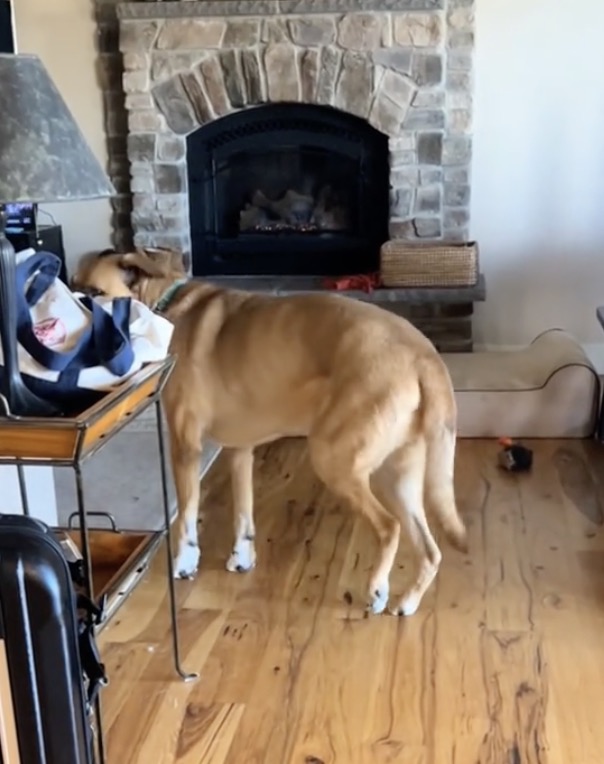
Advice to hunting dog owners who dread the day their dog can't keep up. Hank is a seven-year-old Labrador Retriever. He's been my bird dog since he was fourteen months old. Six seasons in the field together. Early mornings, cold water, tall grass, long days. The kind of days where you don't talk much but you don't need to. Just me and my dog doing the thing we were built to do. Hank is the best dog I've ever hunted with. Not just because of his nose or his drive, though both are exceptional. Because of the partnership. Six years of reading each other. He knows my patterns. I know his. There's no replacing that. I started thinking about the end of it two seasons ago. Not because anything happened. Because I noticed something. Hank had always bounced back. A hard day in the field, eight, ten hours of running, retrieving, working heavy cover, and by the next morning he was ready to go. No stiffness. No hesitation. Just that look he gives me when I grab the truck keys at 4am. But two seasons ago, after a particularly hard Saturday, he was stiff Sunday morning. Not limping. Just slower getting up. Moving carefully for the first twenty minutes or so. Then he'd work it out and seem fine. I didn't think much of it. He's not a young dog anymore. Last season, it happened more often. A hard day would leave him stiff the next morning. Sometimes into the afternoon. I started cutting the second day shorter. Giving him lighter loads on back-to-back days. This past season, I noticed I was managing his workload constantly. Watching him after every retrieve. Checking how he moved getting in and out of the truck. Scanning for the stiffness that was showing up earlier and lasting longer. I was no longer hunting with the same dog. The drive was there. The desire was there. But his body was falling behind. And there was this question I couldn't get out of my head. The one every bird dog owner eventually asks themselves: How many seasons do I have left with this dog? I'd been giving Hank glucosamine and fish oil since his second season. Every morning. Cosequin with breakfast, fish oil capsule at night. Never missed a day. I figured that was the responsible thing to do, support his joints, keep him running. But the recovery was getting worse. Not better. Not even stable. Worse. Every season. I brought it up at the hunting club one weekend. Mentioned that Hank was getting sorer after hard days. Almost everyone at the table had the same story. Dogs on glucosamine for years. Recovery times getting longer. Stiffness lasting deeper into the next day. And then there were the two who weren't talking about sore dogs. Because their dogs weren't hunting anymore. Tom's German Shorthair had torn his CCL mid-season. Two years ago. Dog was six. Running hard, planted on a turn, came up on three legs. $5,200 surgery. Six months of crate rest. Never hunted again. Dave's Lab blew out a ligament in October. Similar story. Healthy dog. No warning. Running hard one moment, done the next. Five years old. Both dogs had been on glucosamine. Both had been rested between seasons. Both were fit, healthy working dogs. And both careers ended on a random Tuesday in the field. I drove home thinking about Hank. If glucosamine was supporting his joints, why was his recovery getting worse every season? If fish oil was reducing inflammation, why was the stiffness lasting longer? If rest between seasons was letting him recover, why was each season starting from a worse baseline than the last? And if healthy, supplemented, well-managed working dogs were still blowing out ligaments, what was everyone missing? I tried to explain it away. He's seven. Labs slow down. Big dogs have joint issues. It's just the cost of the lifestyle. But Tom's dog was six. Dave's was five. These weren't old dogs. I started reading. Not supplement labels. Research. And I found something that reframed everything I thought I knew about working dog joint health. Hard exercise, the sustained, high-intensity kind that hunting dogs do, creates spikes of specific inflammatory chemicals inside the joint. TNF-alpha and IL-6. These aren't general soreness chemicals. They're specific inflammatory compounds that activate enzymes called MMPs. MMPs dissolve collagen. Ligaments are made of collagen. So every hard day in the field creates a spike of chemicals that activates enzymes that dissolve ligament collagen. Not muscle soreness. Not cartilage wear. Ligament collagen, the structural tissue that holds the joint together. One hard day creates a spike. If the dog rests long enough, the spike resolves and some collagen rebuilds. But in a working dog, hard days back to back, competition weekends with four to six runs, full hunting seasons, the next spike hits before the first one fully resolves. The damage stacks. Season after season. Each season's inflammatory damage piling on top of the last. Collagen dissolving faster than it rebuilds. The ligament getting thinner, invisibly. No limp. No symptoms. No warning. Just slower recovery. That's what I'd been watching in Hank. Not aging. Not normal wear and tear. Accumulated inflammatory damage to ligament collagen that was getting worse every season because nothing I was giving him addressed it. I looked at my supplement stack. Glucosamine. Supports cartilage. Cartilage and ligaments are different structures. Glucosamine feeds cartilage tissue. It does nothing for the ligament collagen being dissolved by exercise-induced MMP enzymes. I'd been feeding the wrong tissue for six years. Fish oil. General anti-inflammatory. Not specific to TNF-alpha and IL-6, the exact chemicals activated by hard exercise that trigger the collagen-dissolving enzymes. A general tool aimed at a specific problem. Rest between seasons. Physical recovery, muscles repair, soreness fades, energy returns. But the accumulated inflammatory damage to collagen? That doesn't reverse during rest. It sits there. Waiting for the next season to add more on top. Every season, Hank's ligament collagen was thinner than the last. While I gave him glucosamine every morning and thought I was protecting him. I wasn't protecting him. I was protecting cartilage while his ligament collagen dissolved. That's not wear and tear. That's a specific type of damage with a specific mechanism. And nothing in my protocol, nothing in any standard working dog supplement stack, addresses it. Tom's dog didn't blow out his ligament because of bad luck. The ligament had been thinning for seasons. The hard plant on the turn was just the day the accumulated damage finally exceeded what was left. And Hank's increasing stiffness? That was the same countdown. Running. Right now. I found out about the missing piece from a post in a bird dog forum. A handler, field trials, not hunting, posted about his dog's recovery pattern. Said the same thing I'd been seeing. Sorer every season despite glucosamine and fish oil. Then he'd found research on medicinal mushroom compounds that target the specific inflammatory chemicals produced during hard exercise. Not general joint support. The specific compounds that dissolve ligament collagen after hard work. His dog's timeline: recovery times cut in half within a month. After a full season on the supplement, the dog was competing in eight to twelve runs over a weekend with no soreness the next day. Same workload that had been leaving the dog stiff for two days before. Two years later, no injuries. Dog still competing at ten years old. I messaged him that night. I brought it up with Dr. Paulson at Hank's pre-season checkup. "Is it true that hard exercise creates inflammatory chemicals that specifically dissolve ligament collagen?" She nodded. "Sustained aerobic exercise, the kind hunting and field trial dogs do, generates significant inflammatory response in the joints. TNF-alpha and IL-6 activate matrix metalloproteinases, MMPs, that break down collagen. In working dogs with high-intensity, repeated exercise, this damage can accumulate faster than the body repairs it." "And glucosamine doesn't address that?" "Glucosamine supports cartilage metabolism. Ligaments are a separate tissue. The collagen breakdown in ligaments from exercise-induced inflammation isn't addressed by glucosamine or chondroitin." "What about fish oil?" "Omega-3s have a general anti-inflammatory effect. But they're not specifically targeted to the TNF-alpha and IL-6 pathway that drives exercise-induced ligament damage. Helpful, but not specific enough for what you're describing." "So what targets those specific chemicals?" She pulled up a study. "There's growing research on medicinal mushroom compounds. Reishi and Chaga contain triterpenes that reduce TNF-alpha and IL-6 at a cellular level, the exact cytokines driving collagen breakdown after hard exercise. Turkey Tail supports gut health, seventy percent of the immune system is in the gut, and systemic inflammation from intense exercise originates there. The combination addresses both local joint inflammation and the systemic inflammatory load from hard work." "Why isn't this standard for working dogs?" "Most joint supplement protocols were built around cartilage support. The ligament collagen mechanism is well-documented in research, but it hasn't become standard in the working dog supplement conversation yet." Here's what Furrmula's CCL Defense Mushroom Chews does. It doesn't replace glucosamine. It doesn't replace fish oil or rest. It fills the gap those things leave in a working dog's protocol. Seven mushroom species. Reishi and Chaga shut down TNF-alpha and IL-6, the specific chemicals that spike every time your dog runs hard and activate the enzymes that dissolve ligament collagen. Turkey Tail supports gut bacteria, reducing the systemic inflammation that intense exercise generates. Lion's Mane, Cordyceps, Shiitake, and Maitake hit additional inflammatory pathways. Plus turmeric through a separate mechanism. Eight ingredients. Every one targeting the accumulated inflammatory collagen damage that glucosamine, fish oil, and rest between seasons don't touch. Not cartilage. Not general inflammation. Not soreness. The invisible damage that stacks season after season. The countdown. I started Hank on it six weeks before this past season opened. Week 2: After a hard training session, full day, heavy cover, Hank was moving normally the next morning. No stiffness. I watched him get up from his bed and walk to the door. Smooth. Even. Week 4: Back-to-back training days. The kind that would've left him stiff for a full day last season. He was fine both mornings. Not "managing" fine. Actually fine. Opening weekend: Two full days. Hard running. Cold water retrieves. Ten hours each day. Sunday night, I expected the worst. Monday morning, Hank got up like it was a regular Tuesday. No stiffness. No slow start. Just that look. Mid-season: Dr. Paulson did a checkup. Palpated both knees. Range of motion. "Joints feel excellent. No heat, no swelling, no instability. Whatever you changed in his protocol is working. He's moving like a younger dog." End of season: Sixteen full hunting days. Four training weekends. Hank finished the season stronger than he'd started the last one. Recovery times back to what they were at four years old. And for the first time in two seasons, I stopped counting how many hunts we had left. I spent three seasons watching Hank slow down. Three seasons of longer recoveries and managed workloads and the growing dread that the next hard day might be the one where something snaps. All because I thought wear and tear was just part of having a hunting dog. All because my supplement stack was aimed at cartilage and general inflammation while the specific damage to ligament collagen accumulated, invisibly, silently, season after season. Furrmula's CCL Defense Mushroom Chews. Eight ingredients targeting the inflammatory damage your working dog's supplement stack is missing. Less than a dollar a day for most dogs. Added to whatever you're already giving them. The 90-day money-back guarantee means you risk nothing. If you don't see recovery times improve, if the morning stiffness after hard days doesn't ease, if it doesn't change your dog's pattern the way it changed Hank's, send it back. Full refund. They cover return shipping. No hoops. You risk nothing. Either you fill the gap in your dog's protocol and gain back the seasons you've been losing. Or you get your money back. https://furrmula.com/products/mc-ccl-bl1 I can't tell you what to do. You're already doing more than most people. But I can tell you what I wish I'd known three seasons ago: The wear and tear you're watching isn't inevitable. It's accumulated inflammatory damage to ligament collagen, and your glucosamine and fish oil don't touch it. Each season adds more. The recovery gets longer. The stiffness lasts deeper. And one day, without warning, the ligament that's been thinning for seasons gives out. Not because of bad luck. Because of accumulated damage no one told you to address. Once I understood that, the missing piece was obvious. You understand it now too. https://furrmula.com/products/mc-ccl-bl1 To more seasons together, Sarah Dog mom who stopped counting and started protecting P.S. The 90-day guarantee means you have nothing to lose except the dread. Try it alongside everything you're already doing. Watch for the recovery times to shorten first, that's where you'll see it. If your dog bounces back from hard days the way they used to, you'll know the damage is finally being addressed. If it doesn't work, you get every penny back. But if it does, if your dog finishes this season the way Hank finished his, you'll stop asking how many seasons you have left. And you'll start planning the next one. https://furrmula.com/products/mc-ccl-bl1
Where the ad sends people
furrmula.com
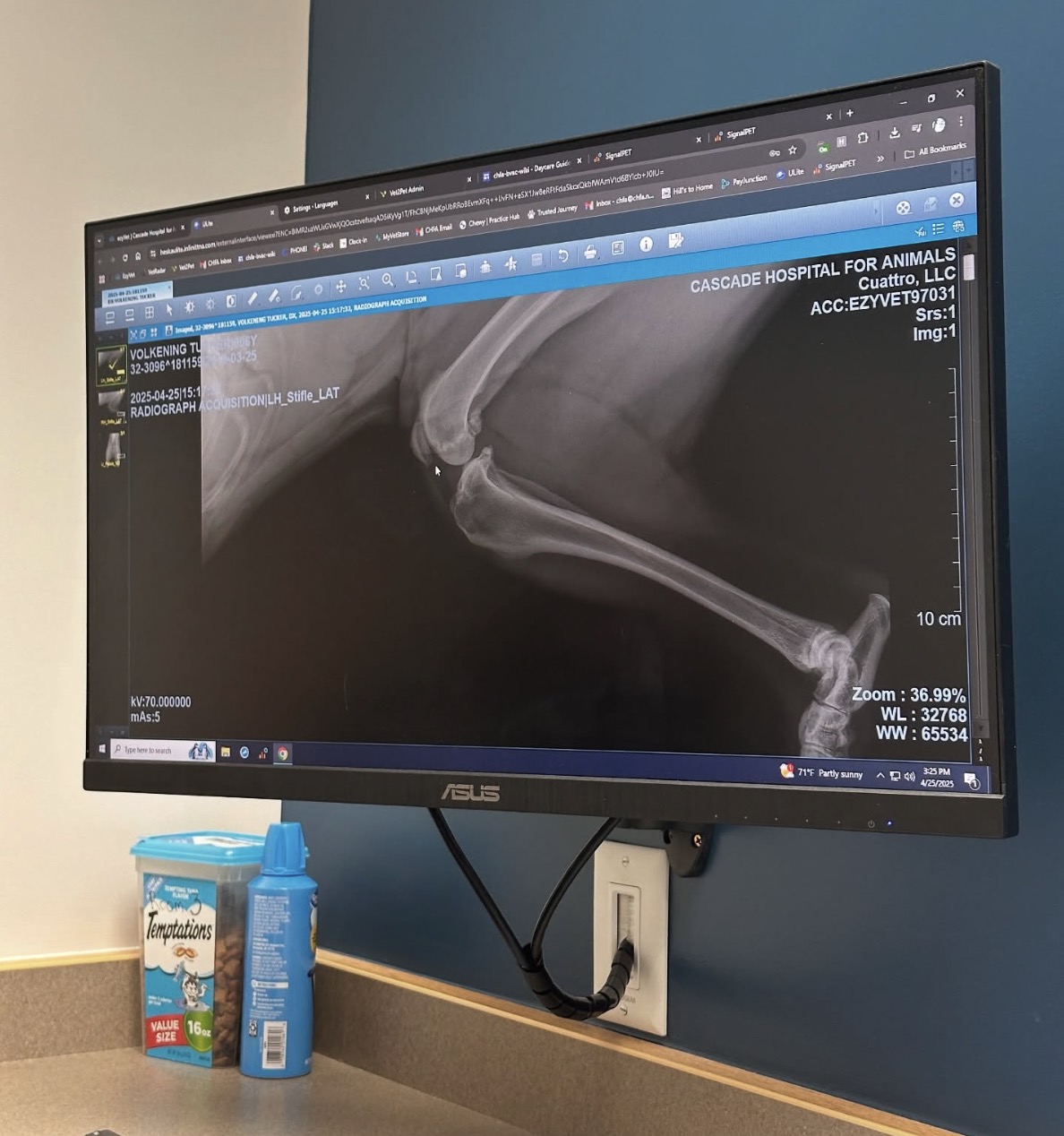
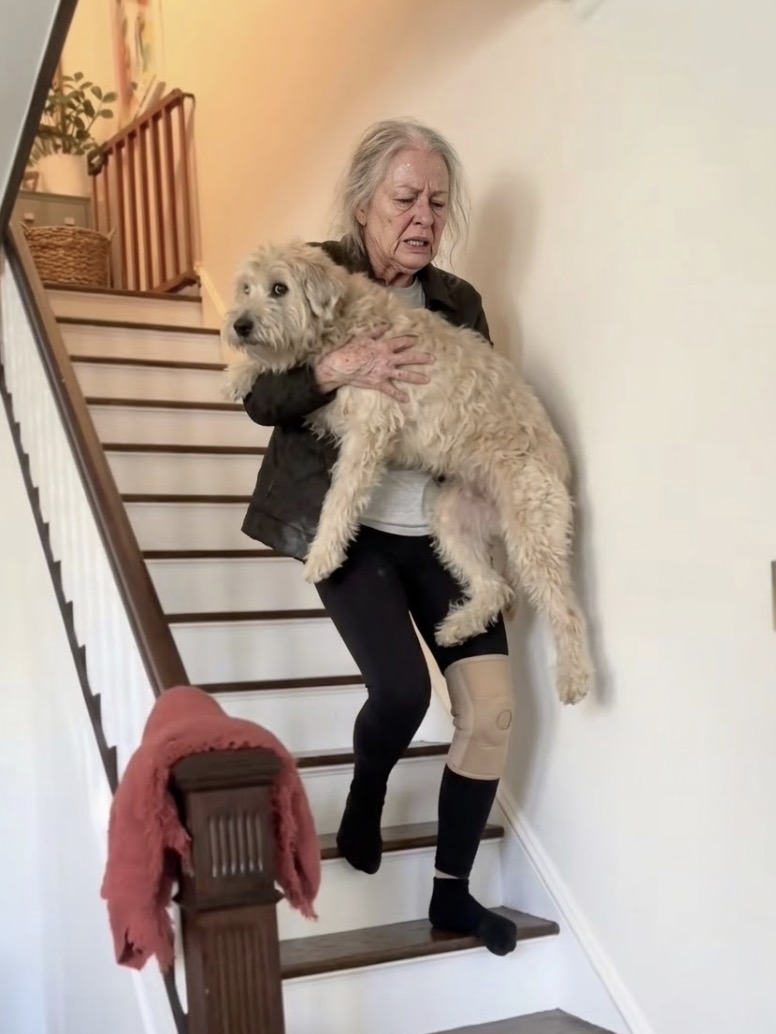
Read if you're watching your dog limp and feeling helpless ☝️
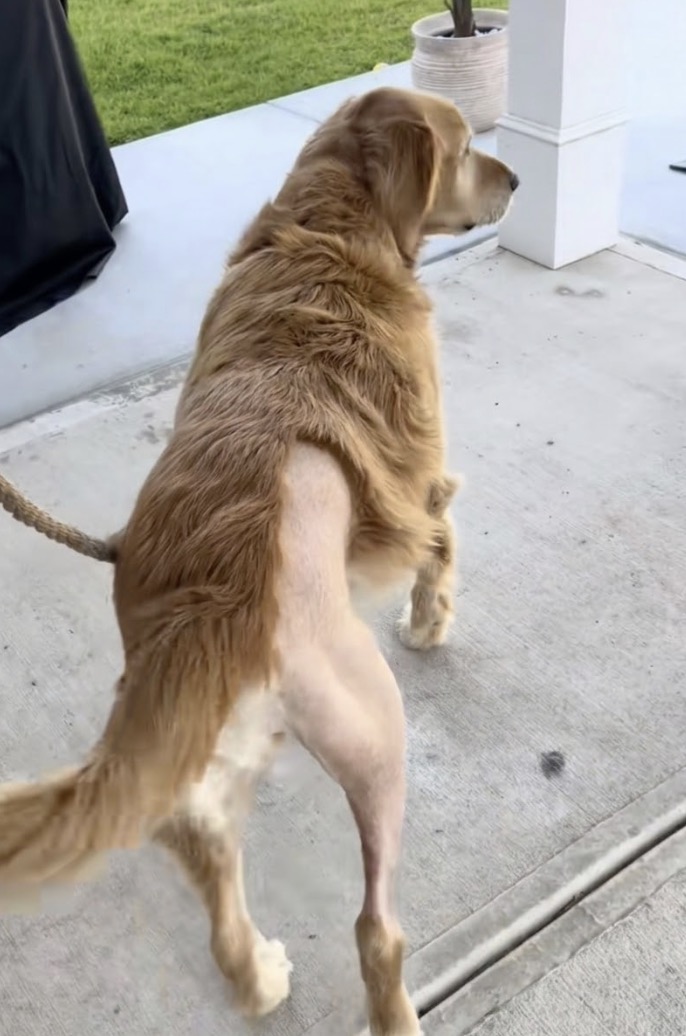
"Bailey tore his CCL last year. Even after the $6,500 surgery and 12 weeks of crate rest, the vet warned me there was a 60% chance his other leg would tear within two years. I was terrified. Started these chews right after surgery. Nine months later, Bailey is sprinting at the dog park and his other...
Learn more: furrmula.com(opens in a new tab)