
Active· since Jun 18, 2026
- 99
- days running
- 0
- relaunches
- 33,921
- EU reach
Ad copy
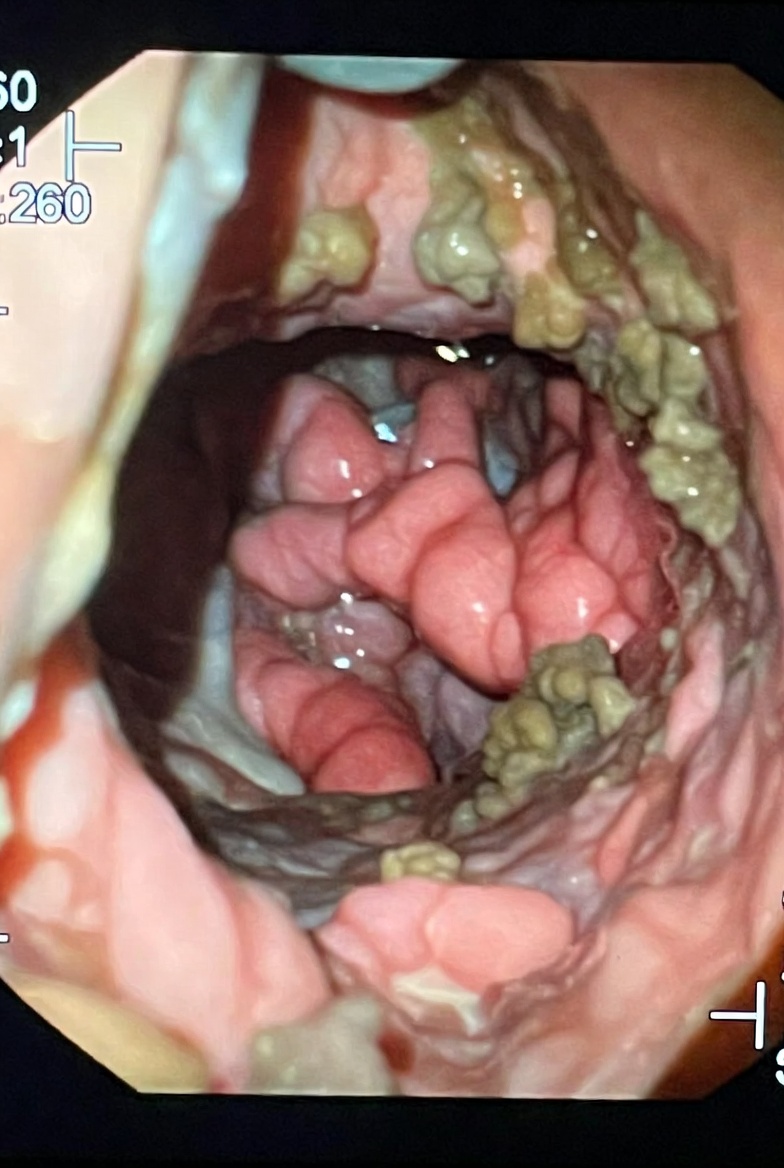
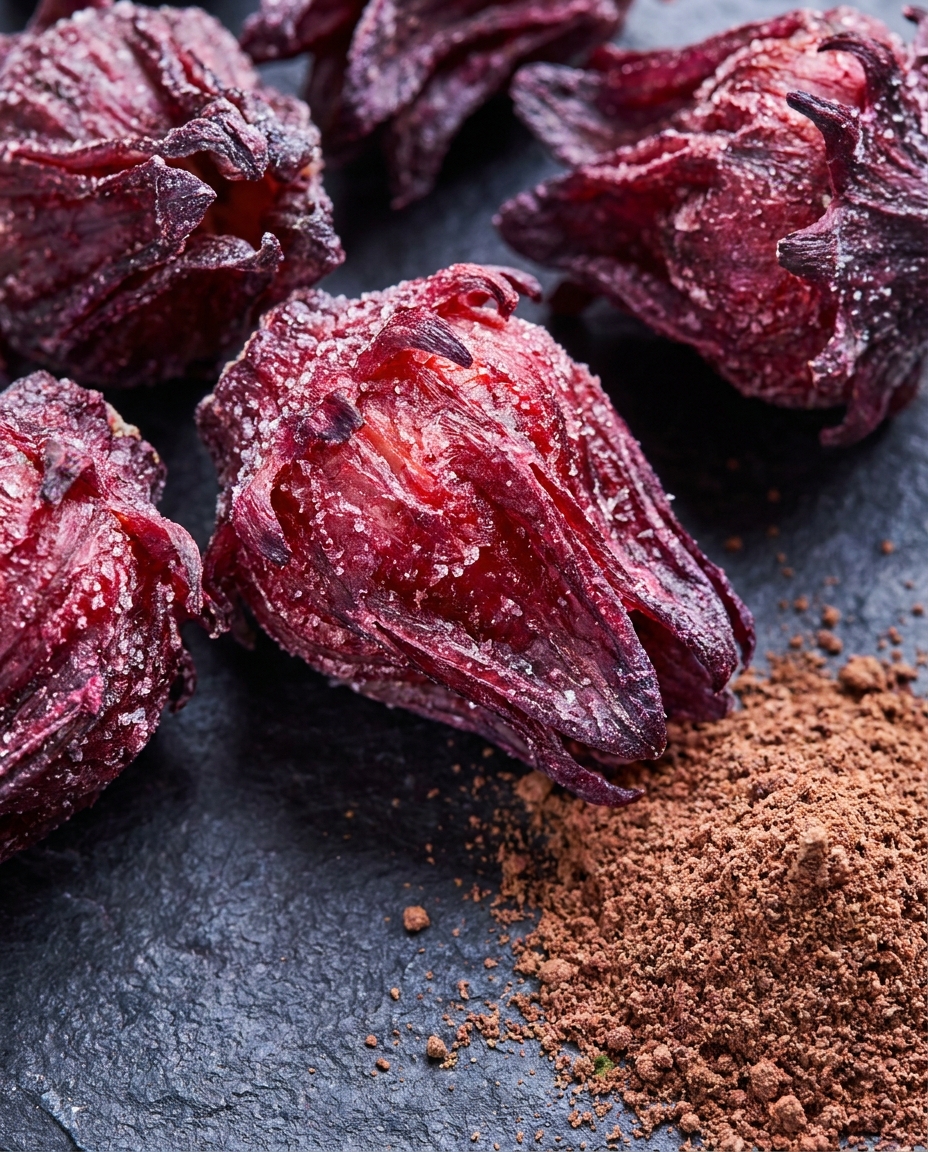
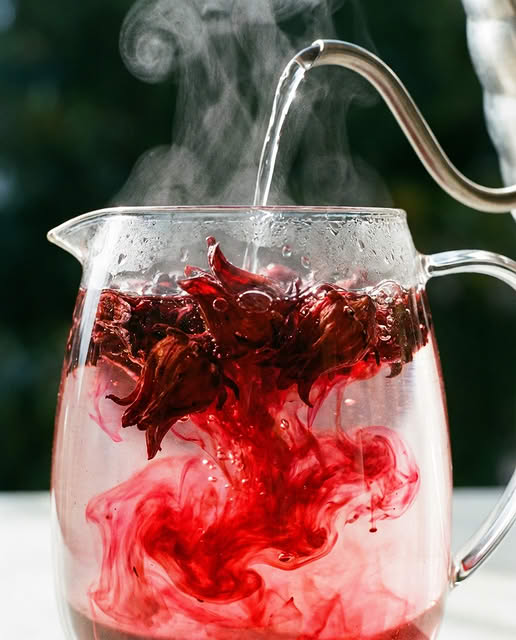
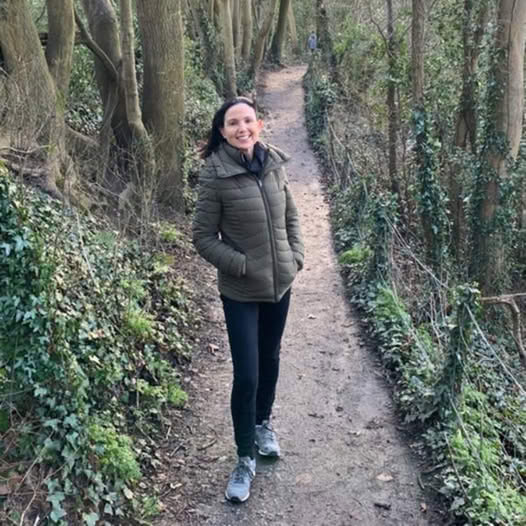
The last day of school this June ended the way it always does — a pile of thank-you gifts on my desk and thirty-one fifth-graders hugging me goodbye for the summer. After thirty-one years of teaching, I know the gift lineup by heart. A mug. A candle. A box of chocolates I'm not supposed to eat anyway. I keep a drawer for all of it. One of my students — Maya, front row, sweet kid — her mom Sofia handed me a glass jar on her way out with everyone else. Dark red dried flowers inside, almost burgundy, tied off with a ribbon. "My mom makes this — we drink it every morning," she said. "Brew it good and strong." Then she was gone, off down the hall. I almost put it in the gift drawer with the mugs and the candles and forgot about it. But it kept catching my eye every time I opened that drawer — this jar of almost-black-red flowers sitting next to a coffee mug shaped like an apple. It looked like nothing I'd ever brewed. So one Friday, more curious than anything, I opened it, used way more than I'd have guessed, and let it steep dark like she'd said. Friday morning. Saturday morning. Sunday morning. A deep red cup instead of my coffee. I didn't think twice about it. Sunday night, Dale — my husband, thirty-four years married, a man who has never once commented on my sleep — looked up from his side of the bed and said: "You didn't get up last night. Not once." I stopped. Because here's the part I hadn't told him either. Let me rewind. For about two years, nobody at school knew my kidney function had slipped into Stage 3. You don't announce that to a room of ten-year-olds, or to the parents, or to the teacher across the hall. You just keep showing up — and you get very good at hiding how you actually feel. And I felt like I was falling apart in slow motion. It started small. Tired after lunch. The kind of tired where you're reading to the class and you lose your place because for half a second your brain just… goes quiet. Then it got louder. By the last period of the day I'd be leaning on my desk while the kids did silent reading, because standing through a whole afternoon had become something I couldn't always do. One day I gave them an extra twenty minutes of reading just so I could stay in my chair. I told myself it was good for them. Then the swelling. My ankles would puff up by early afternoon until my shoes left marks. I started keeping a looser pair under my desk and changing into them before pickup so nobody would see me limping. My fingers got puffy enough that I worked my wedding ring off one night and couldn't get it back on for a week. The mornings had their own warnings. Foam in the toilet that didn't rinse away like it should. A burning that came and went when I went. And the thirst — this bottomless thirst, where I'd drink glass after glass and still feel parched, still feel dried out, no matter what I did. But the nights were the worst. I'd finally fall asleep and an hour later I'd be awake, getting up to go. Then again at 2. Again at 4. Two, three times a night, every night, shuffling to the bathroom in the dark and then lying there afterward staring at the ceiling, doing the one kind of math I couldn't stop doing. Because here were the actual numbers. My eGFR — the score that tells you how well your kidneys are filtering — had drifted down to 51. Then it sat in the low 50s and stayed there. My doctor pulled it up, nodded, and handed me a plan that was three words long: "Let's monitor it." Come back in three months. Drink more water. Watch your sodium. Not bad enough to do anything about, he said. But I'd already done the thing you're not supposed to do. I'd gone home and looked up where Stage 3 goes next. I'd read the word "dialysis" on a screen at midnight in my own kitchen and just sat with it. Nobody had said that word to me. They didn't have to. I knew the number had been moving one direction for two years, and "monitor it" was a nicer way of saying we're going to watch it keep going. That's the part nobody tells you about. It isn't the crisis. It's the calm. You're not sick enough to be allowed to panic, and you're not given a single thing to do. You just watch your own body get a little less reliable every season, and you wait. I'd lie awake after the 4 a.m. trip and think: this is the best my kidneys are ever going to be. Tomorrow they're a little worse. So that's what I hadn't told Dale. And it's why, when he said I'd slept through the night, I didn't celebrate. I got suspicious. One good night is one good night. I'm a careful woman with a bad lab result; I don't believe in miracles, and I certainly didn't believe a jar of flowers from a parent had done anything. But it kept happening. By the end of that first week I was getting up once, sometimes not at all. The foam was less. I'd stand at the mirror in the morning and quietly think — was that the tea? — and feel foolish for thinking it. So I texted Sofia. I felt ridiculous doing it. "That jar you gave me — what is it, exactly?" She wrote back: "Oh! It's just hibiscus. The whole flowers, the good kind. My mom sends it from back home. I drink it every morning." Just hibiscus. And here's where, if I'd been a different kind of person, the story would have ended. Because I thought — hibiscus? That's nothing. That's the stuff by the checkout. I'd walked past those little boxes a hundred times. So when the jar ran low a couple of weeks later, I did the obvious, sensible thing. I drove to the supermarket and bought the first box of hibiscus tea on the shelf. Twelve bags. Four dollars. I figured I'd just refill what Sofia gave me and save her mother the trouble. I brewed a bag exactly the way I'd been brewing the flowers. Same mug, same five minutes, same morning. It came out pale. Pink. Thin — like someone had rinsed a little color into hot water. Sofia's brew had come out so dark I couldn't see the bottom of the mug. This looked like watered-down juice. I drank that cheap stuff for a week anyway. And everything came back. Up twice the first night. Three times by the weekend. The afternoon shoes. The foam. It was like someone had quietly turned the lights back off. And that made me angrier than it should have — because for two years I'd been told there was nothing simple I could do, and the first time something had worked, I'd nearly thrown it away by assuming the four-dollar box and Sofia's jar were the same thing. They were not the same thing. And figuring out why is the part that changed everything. Because here's what I do. I'm a teacher — when I don't understand something, I research it until I do. I've spent thirty-one years telling kids that "I don't know" is just the place you start. So I sat down at the kitchen table with my laptop, the cheap pink cup on one side and Sofia's dark jar on the other, and I didn't get up until I understood what I was looking at. And what I found made me angry all over again, because none of it is hidden. Nobody had just bothered to tell me. Start with the color, because the color turned out to be the whole story. The thing that makes good hibiscus that deep, almost-black red is a group of compounds called anthocyanins — the same family of antioxidants that gives blueberries and red cabbage their color. Alongside them are polyphenols, flavonoids, and organic acids. Those four things together are the active part of the flower. They're not a side effect of the color — they are the color. If the brew is burgundy, they're in there. If the brew is pale pink, they're mostly gone. Now here's why that matters for a kidney like mine. Your kidneys filter your blood through millions of tiny units called nephrons. What wears them down — what drives a number like mine in the wrong direction year after year — is largely oxidative stress and inflammation: a slow, daily, invisible damage to those little filters. And from everything I read, the antioxidants in whole-flower hibiscus speak directly to that. They help neutralize the oxidative stress that grinds the nephrons down, and they help the body manage the inflammation and the blood-pressure load that pushes on the filters all day long. It doesn't whip the kidneys to work harder. It takes some of the load off them and supports the filtering they're already doing. Read that the way I read it at midnight: the thing wearing my kidneys down was oxidative stress, and the deep-red compound I'd accidentally been drinking every morning is one of the most concentrated natural antioxidants you can put in a cup. For three days that summer it was all I could think about. So then the obvious question — if hibiscus is hibiscus, why did the four-dollar box do nothing? Because the four-dollar box barely had any of those compounds left. Here's what I learned about the cheap stuff: It's usually flower dust — the broken scraps and siftings left after the whole flowers are sorted out for something better. Those antioxidants are fragile. Over-processing and age oxidize them away — the longer it's cut, crushed, bagged, and sitting on a shelf, the less is left. A lot of it is grown at low elevation, where the plant simply makes less of the protective compound. Much of it is machine-harvested and sprayed, which damages the flower and leaves residue that gets in the way. That's why mine brewed pink. There was almost nothing in it to come out. I'd been able to see the difference the entire time — pale versus burgundy — and I'd had no idea I was literally looking at whether the active compounds were there or not. The hibiscus that actually does something is the opposite of every one of those: Whole flower — not dust, not broken pieces. Grown high — above about 4,500 feet, where the plant makes more of the antioxidant to protect itself. Hand-picked at peak and traditionally dried, so those fragile anthocyanins survive instead of cooking off. Organic, so there's nothing sprayed on it getting in the way. Sofia's mother had been sending the exact thing every one of those bullets described. I'd had the real version in my hand by pure luck — and I'd nearly swapped it for colored water. The trouble was I couldn't order from a market stall halfway around the world. So I went looking for something I could buy that hit every single one of those marks — whole-flower, organic, high-altitude, hand-picked, dried the old way. I read reviews until my eyes hurt. The same name kept coming up, over and over, from people describing the exact thing I was chasing: PiPi Tea. It cost more than the others. By then I didn't care — I'd already learned what "cheaper" actually bought me. When it arrived, I knew before I even brewed it. The flowers were whole, deep red, properly dried — and the smell was different, richer, almost sweet. I steeped a cup that first morning and it came out exactly like Sofia's. Dark. So dark I couldn't see the bottom of the mug. The color was the proof. That's how I knew I finally had the real thing. And then I did what I always do — I tracked it, because a teacher trusts the data over the hope. The first week: the nights came back the right way. Sleeping through, up zero or one time instead of three. After two years, I can't describe what one unbroken night does for a person — it's the difference between dread and an ordinary Tuesday. By about week three: the swelling. I was standing in the hall at dismissal and realized the loose backup shoes under my desk were actually loose now. The foam in the mornings had quietly stopped scaring me, because it had quietly stopped. My wedding ring went back on and stayed on. By week six or seven: the fog burned off. I made it through a whole afternoon on my feet, reading to the class the way I used to, without that quiet-brain feeling and without needing the desk to hold me up. I made dinner standing up. Small thing. Felt enormous. And at my next quarterly blood draw: my eGFR hadn't dropped. For the first time in two years the number had stopped sliding — and then it did something it hadn't done in longer than that. It ticked up. Not by a fortune. But up, after two years of nothing but down. My doctor looked at the screen, paused, and said, "Whatever you're doing, keep doing it." I didn't tell him it was a jar of flowers a ten-year-old's mother handed me on the last day of school. I just smiled. I didn't need him to believe it. I needed to stop being afraid — and I had. I want to be clear about one thing, because I'm a careful person and I'd guess you are too: I never stopped seeing my doctor, and I never stopped taking what he prescribes. Nobody should. I wasn't trying to replace my care. I just wanted one real thing I could do every morning instead of sitting still and watching the number — and this was it. I called Sofia and told her all of it. She laughed — not surprised in the least. Her mother's been drinking the same dark-red cup every morning for thirty years, she said, and never once made a thing of it. "It's just what we do." A whole family quietly doing the simple thing that worked, while the rest of us spent years and money on the versions that don't. It's been four months now. I sleep through the night. The foam is gone. The burning is gone. My ankles are my ankles again. And the number that ruled my life for two years has, for the first time, started moving the other way. I ordered two more jars this week. One for my sister, who's pre-diabetic and watching her own pressure and standing exactly where I was standing. And one for my mother, who's 81 and tired and keeps buying the drugstore boxes that brew pale. Because here's what I think about now. For two years I had nothing to do but wait. And the answer wasn't expensive and it wasn't complicated — it was the difference between a dusty bag and a whole flower, and I almost missed it because I assumed cheap and real were the same thing. They are not. That difference is the entire point. If you've got a number that scares you, a plan that's really just "monitor and wait," and a drawer full of things that never moved the needle — I'd want you to at least see what I saw in that cup. Here's where I got mine: https://shop.pipitea.com/hbt/kd/sp-nm Buy from the official site, because the whole-flower, high-altitude, hand-picked quality is the entire point, not the crushed leftover that brews pink. It comes with a 90-day money-back guarantee. Brew it strong, every morning, for the full ninety days. If your cup looks like watered-down juice and your mornings feel no different, send it back and they refund you, no argument. But I don't think you'll be sending it back — I think you'll do what I did, and order two more for the people you're tired of watching wait. PiPi Tea. Brew it strong. https://shop.pipitea.com/hbt/kd/sp-nm
Natural Relief in Weeks
LEARN MORELike this ad? Make it yours.
Crush rebuilds this exact creative around your product — your brand, your colors, your offer — in about a minute.