
Active· since Jul 12, 2026
- 16
- days running
- 0
- relaunches
Ad copy
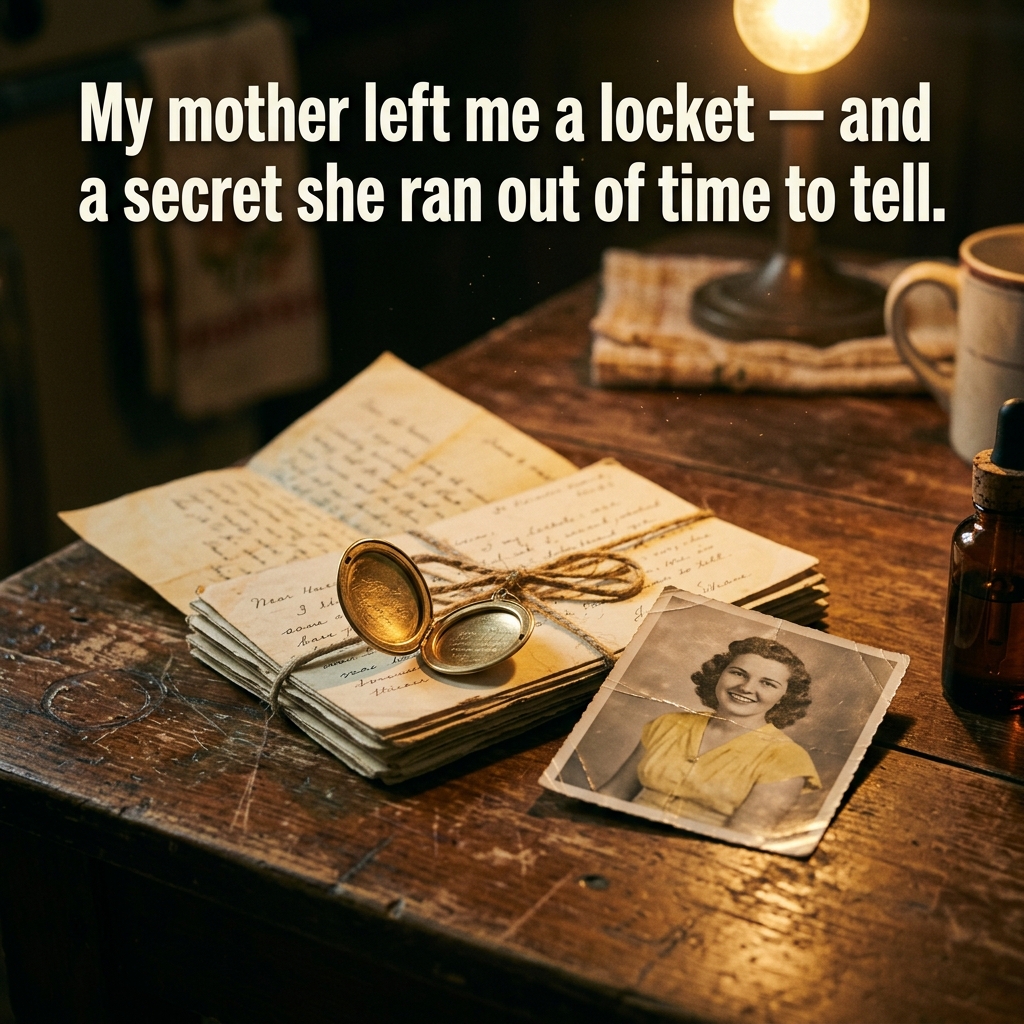
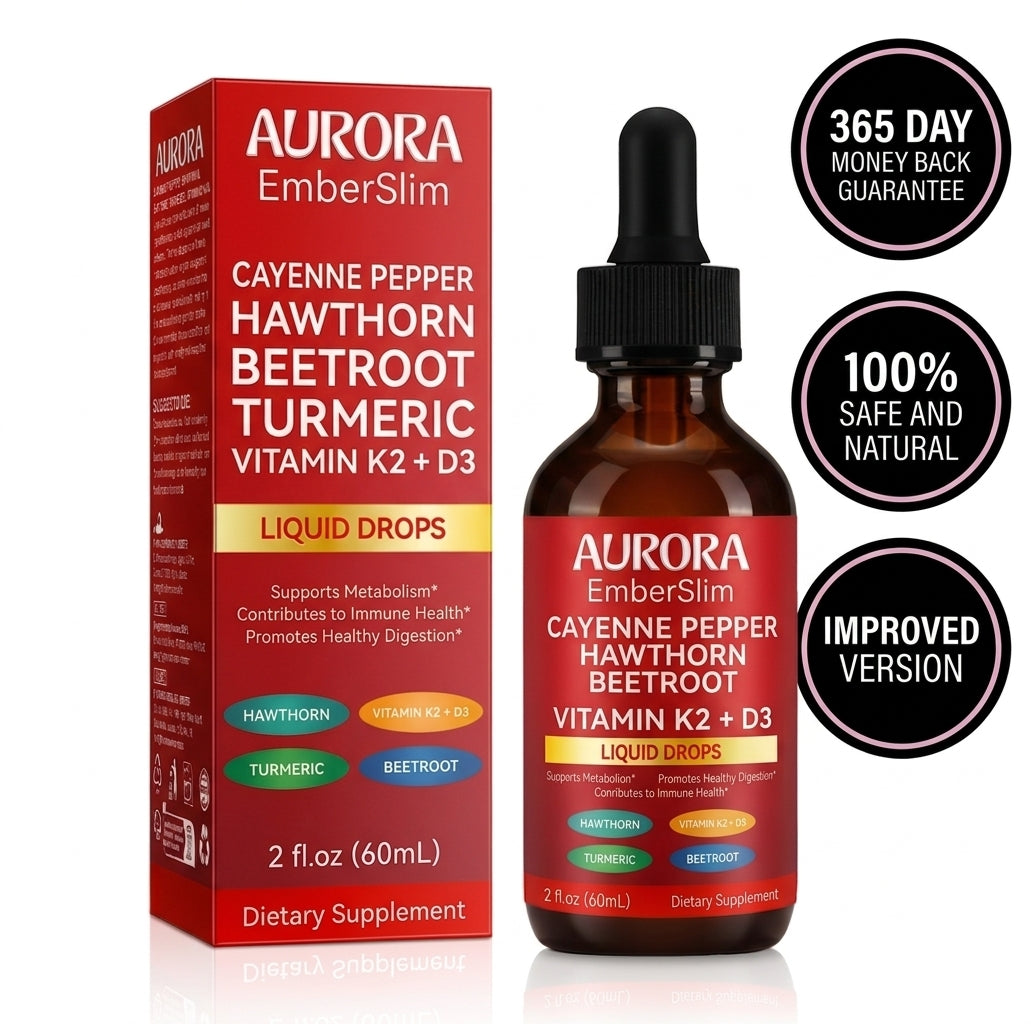
My mother disappeared when I was fifty-two. Not the way you'd think. She didn't die — not then. She just... went quiet. Folded herself away, a little more each year, until the vibrant woman who raised me had become someone who wouldn't leave the house without checking there'd be no photographs. Seven years later — my own body changing the exact way hers did, my clothes not fitting, a tiredness that sleep didn't touch — an old jeweller holding her locket told me why she really vanished. And what he told me changed everything. I need to start with the locket. Gold, worn thin at the edges. Heavier than it looks. There's an engraving on the back — small, almost rubbed smooth — that I spent my childhood tracing with my thumb when no one was looking. My mother gave it to me the last good summer I remember of her. I was maybe eleven. She fastened it around my neck in the hallway and said, "Hold onto this for me, Claire. It's the only pretty thing I've got left worth keeping." I didn't understand what she meant then. I do now. Because that was the summer everything started to change for her. The summer the weight began creeping on and wouldn't leave. The summer she stopped wearing the yellow dress. The summer she started saying "I'll take the photo, you all get in." She was fifty-one. And over the next twenty years, piece by piece, my mother disappeared. She stopped swimming — she'd loved the sea. She stopped coming to the school plays, the birthdays, the days out, always with a reason that wasn't the real reason. She started buying everything two sizes up, then three, then in the shapeless dark colours women wear when they want to not be seen. And underneath it, a heaviness that wasn't only the weight. A dimming. A woman quietly closing the curtains on her own life. She died at seventy-one. And what breaks me, still, is that I spent her last two decades missing a woman who was sitting right in front of me. I kept the locket. Kept it in a drawer — first in my childhood bedroom, then in every flat I rented in my twenties, then in the bedside table of the house where I raised my own daughter. Forty years in a drawer. I never wore it. Never threw it away. Just kept it close enough to feel and far enough to ignore. That's a long time to carry something you don't understand. By that spring I was carrying a second thing the same way. A pair of jeans in the back of the wardrobe I could no longer do up, that I couldn't bring myself to give away. Two things, two drawers, both of them waiting on a decision I kept not making. I didn't know yet that they were the same decision. Let me tell you where I was when I decided to sell the locket. I'm 59. My daughter Beth is 32. Single mum. My grandson Liam just turned six — a wild, loud, beautiful boy who runs everywhere instead of walking and asks why the sky is blue at least once a week. And I'd just come back from the doctor. I'd gone in about my knees, really. But she'd weighed me, and looked at the number, and looked at me, and started talking — gently, kindly — about my age, and my weight, and the injections everyone's on now. £200 a month. A needle in my stomach. For as long as I could keep paying. I drove home with a leaflet on the passenger seat and a feeling in my chest I couldn't name. Not quite fear. Something older than fear. Something inherited. Because I'd tried. God, I'd tried. Between everything, I'd tried. Cut the bread, cut the wine, cut the puddings. Slimming World twice. Keto. The 5:2. The shakes that left me shaking by lunch. Walked the dog twice a day until my knees gave out. Lost half a stone, felt wretched, watched it come back with interest. Every time. As if my body hadn't got the message. And underneath all of it, a tiredness I kept signing off as fifty-nine — a low fog I'd stopped noticing because it never lifted. That night, after Beth took Liam home, I stood in front of the wardrobe mirror. And I saw my mother. Not a resemblance. Her. The way she'd stood side-on and pulled her cardigan across herself. The way she'd stopped meeting her own eyes in the glass. I was becoming the woman who disappeared. And Liam was six. I was seven — near enough — when my mother started folding herself away. I opened the bedside drawer. Looked at the locket. Turned it over. Traced the engraving with my thumb the way I had a thousand times as a child. And I thought: I'm done carrying this. I was going to sell it. Use the money to help Beth — she'd been stretching to cover Liam's after-school club, and an extra few hundred pounds would take the pressure off for a month or two. The locket would finally do something useful for someone. There's a jeweller's and pawnbrokers on Abbeydale Road that I pass on my way to the supermarket. I've driven past it for fifteen years and never gone in. The kind of place with a faded awning and a bell on the door and gold lettering on the window that's flaking with age. I parked. Sat in the car. Held the locket in my lap. Then I went in. The shop was dim. Glass cases full of rings and bracelets and old watches. A clock on the wall that was ten minutes slow. There was a man behind the counter. Old. Late seventies at least. White hair combed back, thick glasses, a cardigan with leather buttons he'd probably owned for thirty years. He looked up when the bell rang. "Can I help you?" "I'd like to sell a locket." I set it on the counter. He picked it up the way people do in these shops — casually, professionally. Turned it over to check the gold. Held it under the desk lamp. Then he went still. Not the kind of still where someone pauses. The kind where everything stops. He turned it over again. Found the engraving. Brought it close to his face. His hands started trembling. "Where did you get this?" His voice had changed. "It was my mother's." He set the locket down very carefully. Like it was made of glass. Then he reached beneath the counter — not to the till, not to a drawer of tags. Further back. To a place he'd clearly been reaching for years. He pulled out a photograph. Old. Creased. Soft at the edges from handling. Two people, younger, standing in front of this very shop. One of them was him — thinner, darker hair, smiling. The other was my mother. I knew her immediately. Not the diminished woman of her last years. The other one. The one from before. Laughing, head back, in the yellow dress. The room tilted. "You don't remember me," the old man said, his voice shaking. "You were small. But I remember you. She brought you in once — you sat on that stool by the window and played with a music box for an hour while your mother and I talked." I looked at the stool. Tried to remember. Nothing. "My name is Arthur Brennan. I was your mother's oldest friend. Long before you were born, and right up until the end." "The end," I said. Arthur closed his eyes. Opened them. "I know she's gone. I went to the funeral, Claire. I sat at the back. I didn't think you'd know who I was." I sat down on the stool by the window. The same stool, apparently, where I'd sat as a child. "I need you to tell me everything." Arthur came around the counter. Slowly. He moved like a man whose body had been asking him to slow down for years and he'd been politely declining. He pulled a second stool from behind a case and sat across from me. The dust floated between us in the window light. "Your mother," he said, "was the most alive person I ever knew. Before the change came." "I remember," I said. "A little." "When it happened — when the weight came and wouldn't go — it wasn't vanity that broke her heart, Claire. I want you to understand that. It was that she couldn't understand it. She was doing everything right and her own body was betraying her. And nobody could tell her why." He looked at the photograph. "She fought it. God, she fought it. Changed everything. And for a while she seemed to hold steady. Then her body started letting her down anyway." "The tiredness came first. A tiredness that sleep didn't touch. Then she stopped swimming. Then she stopped coming to things. She told everyone it was one thing or another. The truth was she couldn't bear to be seen." "By fifty-five she'd gone quiet. The woman who'd danced on that beach — quiet." Arthur's jaw tightened. "And nobody could tell her why. They could weigh her. They could tell her to eat less and move more. They couldn't tell her what was actually happening underneath. The answer she needed hadn't reached ordinary people yet. She was searching too early." I was gripping the edges of the stool. "Searching?" Arthur was quiet for a moment. Then he stood, slowly, and walked to a door behind the counter I hadn't noticed — half-hidden behind a rack of old instruments. When he came back he was carrying a wooden box. He held it with both hands, the way you hold something that's been in your care so long it feels like part of you. "She asked me to keep this," he said. "Years ago. She said: 'If Claire ever comes looking for me — if the same thing ever catches up with her — give her this. So she doesn't lose the years I lost.'" He set the box on the counter and opened it. Inside were letters. A dozen, maybe more. Handwritten. My mother's handwriting — I'd know it anywhere. "Your mother spent the last years of her life writing to a researcher," Arthur said. "A scientist in Germany. Someone studying the metabolism itself — why the body stops burning and starts storing. Work that was years ahead of its time." He spread the letters on the counter. "She'd stopped believing anyone was looking in the right place. She kept saying to me: 'Arthur, it's not what I'm eating. It's something inside that's gone cold.' She was closer to the truth than any of her doctors." His voice broke. "She told me, the last time we really talked: 'I think I've found the right question. I just need more time.'" "She didn't get the time. But she wanted you to have the answer, if you ever needed it. She couldn't leave you to disappear the way she did." I looked at the letters on the counter. My mother's handwriting. Her questions. Her research. The last years of a fading woman's life, spent not giving up — spent trying to leave a trail for a daughter she was terrified would follow her into the dark. She gave me the locket so I'd come and find Arthur. She gave Arthur the letters in case I ever needed them. Forty years. And the trail still worked. The letters were addressed to a Dr. Weiss, at a metabolic research institute in Germany. My mother had found him through a magazine piece — something about why the body's fat-burning slows with age. The letters were a correspondence. My mother asking questions. Dr. Weiss answering. Back and forth over the course of a year. I read every one that night. Some of the science was beyond me, but the thread was clear: my mother had stopped believing it was about willpower. She was asking about the body's own furnace — about what was actually happening inside, about something nobody was measuring. I found Dr. Weiss through the institute's website. He was still alive — long retired, in his late eighties, still corresponding with researchers half his age. I wrote him at 2am. Explained who I was. Attached a photo of one of my mother's letters. He replied within six hours. "Mrs. Whitfield — I remember your mother well. Her questions were extraordinary for someone without training. She understood what most people did not. I would be honoured to speak with you." His face appeared on my laptop the next morning. An older man. Thin. Wire-rimmed glasses. A bookshelf behind him bowing under the weight of journals. "Your mother was asking the right question," he said. "She simply ran out of time. May I show you what she was beginning to understand? It will explain why everything you have tried has felt like pushing against a locked door." "Please." He shared a simple diagram on his screen. "Inside your body are two kinds of fat. One stores energy. The other burns it — a special tissue whose only job is to turn calories into heat. Think of it as a furnace." He let that sit. "For most of your life, that furnace runs warm in the background. It is why a young woman can eat what she likes. But with age — and especially with the fall in oestrogen at the change — the furnace goes cold. The pilot light goes out." He drew a small flame, then crossed it through. "And a cold furnace does not burn your food. It stores it. Around the middle, mostly. You can eat less and less, and it will still store, because storing is all a cold furnace knows how to do." I stared at the diagram. "So everything I've been doing—" "The dieting, the walking — all sensible. All worth doing. But none of it relights the furnace. You have been pushing on the door, Mrs. Whitfield. Nobody gave the pilot light back its flame." He leaned forward. "And here is the part your mother worked out before almost anyone. The tiredness. The fog. The cold hands. The heaviness. People blame their age. But a metabolism gone cold feels exactly like getting old — years before it shows up on the scale." I thought about my mother. The tiredness sleep didn't touch. The dimming. I thought about my own fog. The one I'd stopped noticing because it never lifted. "And it feeds itself," he said. "The more fat the cold furnace stores, the more it drives the inflammation that keeps the furnace cold. That is the loop your mother was caught in. Nothing available in her lifetime could break it." "And now?" "Now we understand how to relight it." He clicked to a new slide. A photograph this time — a red chilli pepper, sliced clean through. "This is cayenne. And I need you to understand something science took far too long to take seriously. The compound that makes a chilli hot — capsaicin — does something remarkable to a cold metabolism. It reawakens that heat-producing tissue. It relights the furnace." "Researchers here, and in England — your country led much of this work — have studied it for over thirty years. When you give the body capsaicin, you are not pushing on the door. You are handing the furnace back its flame. And it burns on its own. The way it was designed to." He highlighted the image. "And when the furnace warms, the exhaustion, the fog, the cold hands — the things you have blamed on your age — those lift too. Because those were never age. They were a metabolism gone cold." "This is what your mother was looking for, Claire. She found the question. The research has since found the answer." He paused, as if deciding whether to add it. "One thing more. The compound is rarer than you would think. The chilli has been bred milder over the years — sweeter, easier to sell — and every season they bred it milder, they bred the capsaicin down. Most of what is sold now carries only a trace of it. And most supplements swallow it as a pill, where the stomach destroys much of it before it ever reaches you. Potency and delivery are everything." I sat in my kitchen for a long time after the call ended. My mother spent her last years writing letters to a man in Germany, trying to understand what was happening inside her own body while everyone around her could only tell her to eat less. She found the right question — and she ran out of time before the answer reached her. Nearly half a lifetime later, the answer exists. And sitting at that kitchen table, staring at her letters spread beside my laptop, I realised what I was about to do. I wasn't shopping for a supplement. I was finishing my mother's search. I spent the next three days the way you spend time when something matters more than sleep. Laptop open. Tea gone cold. Tabs multiplying. Dr. Weiss had said the words — cayenne, capsaicin — and I'd typed them into a search bar before the call had even closed. That's how I found the Facebook group. Not a brand page. A private group. Women — mostly women — sharing before-and-afters and asking questions I recognised. "My weight won't shift no matter what I do." "Has anyone tried cayenne drops? I keep seeing them mentioned." I read for two hours without posting. There were women in that group who sounded exactly like me. Same struggle. Same fear. Same GP appointment, same leaflet about the injections. And some of them were posting follow-ups. Clothes fitting again. The scale finally moving. Women saying they felt like themselves for the first time in years. I ordered the brand most of them seemed to be starting with. The top-selling "metabolism" capsules on Amazon — a red tub, nearly thirty thousand reviews, "thermo fat burner" stamped across the front in the kind of font that wants you to feel like you're buying science. Next-day delivery. I took two capsules every morning for two and a half weeks. I felt… something. Maybe. A slight warmth some afternoons. Possibly placebo. Possibly wanting it to work so badly I was narrating my own improvement. But nothing really changed. The waistband didn't ease. The fog didn't lift. I went back to the group and posted for the first time: "I've been taking a top-rated metabolism capsule for almost three weeks. Feeling maybe slightly warmer but nothing's shifted. Am I doing something wrong?" Fourteen responses within an hour. The first one stopped me cold. A woman named Deborah had posted a photograph. A lab report — she'd paid to have the exact capsules I'd been taking independently tested. She'd circled one line in red. The capsaicin content. It was a fraction of what the label implied. "I've had six brands tested," she wrote. "Most use cheap culinary cayenne that's been bred mild — barely any capsaicin left. And most are capsules, so what little there is gets broken down in your stomach before it does anything. You're paying for red dust in a shell." I stared at my tub on the worktop. The one I'd been faithfully swallowing every morning while nothing moved. Someone linked one of the published studies. The research that showed real results used a concentrated, high-capsaicin extract — and delivered it so it actually reached the bloodstream, not a mild powder digested away. I'd been trying to fill a bath with the plug out. I sat at that table and felt something worse than disappointment. I felt like my mother. Trying the thing everyone pointed to. Watching, waiting, believing the label. And it didn't match the science. But this time the gap wasn't half a century of missing research. It was a potency-and-delivery problem. The cayenne worked. The capsules I'd bought had almost none of it left, and no way to deliver what little remained. I went back to my notes from Dr. Weiss's call — stuck to the fridge with a lobster magnet Liam had given me. Two things to look for: a genuinely potent, high-capsaicin chilli extract — not the bred-mild culinary stuff — and a delivery that got it into the bloodstream instead of letting the stomach destroy it. The strain and the delivery. Most brands got one wrong. Plenty got both. I spent two more days running every brand against its own lab numbers. Most wouldn't publish them. One did — and the same name kept surfacing, everywhere people compared the data instead of the labels. Aurora EmberSlim. A concentrated extract from a potent chilli strain — not bred down for the supermarket shelf. Paired with hawthorn, beetroot, turmeric, and vitamin K2 and D3 — the circulation, the energy, the inflammation, the missing nutrients, all the things Dr. Weiss said a cold, depleted metabolism needs. And taken as drops under the tongue. Absorbed straight into the bloodstream — not a capsule the stomach breaks down first. Both things I'd been looking for, in one place. The third-party lab certificate was published right on their website — not buried behind a customer service email. I could check the potency myself instead of trusting a label. I almost didn't order it. I was angry at myself for the weeks I'd wasted on the Amazon tub. For the hope I'd spent. But then I thought about my mother. She didn't quit when the first answer wasn't the right answer. She wrote another letter. Asked another question. Posted another envelope across Europe to someone who might never write back. I ordered Aurora EmberSlim that night. The bottle arrived on a Tuesday. I stood at the kitchen worktop. Shook the drops under my tongue. Held them a moment. Swallowed. Sat down at the table. The same table where Liam eats his cereal and draws dinosaurs with broken crayons. I waited. Nineteen minutes. That's when I felt it. Not dramatic. Not a lightning bolt. A warmth. A gentle heat spreading out from the middle of me, the way it does when you step into a warm room from the cold. And behind it, something I hadn't felt in longer than I could remember — a lift in the fog. A clarity, like someone had adjusted the focus on a lens I didn't know was blurry. The heaviness in my shoulders eased. Not gone. Lighter. My hands, which were always cold, were warm against the glass. I wasn't imagining it. Not this time. I'd spent weeks on the Amazon tub feeling almost nothing. This was different. This was immediate. And I knew the difference because I'd earned the comparison. I took EmberSlim every morning. Drops under the tongue. A glass of water. I tracked everything. Week one: the fog stayed lifted. I got through whole afternoons without the crash. I was remembering things without writing them down — names, where I'd left my glasses. Small things I'd been blaming on age. Week two: my clothes started talking before the mirror did. The waistband that used to dig in had eased. Week three: the bloating was gone. I stepped on the scale I'd been avoiding for months. Seven pounds down. Without starving. Without a single needle. Beth rang one evening and we talked for an hour. When we hung up she texted: "Mum, you sounded different tonight. You sounded like YOU." Week six: I did up those jeans from the back of the wardrobe. The ones I'd kept and couldn't bear to throw away. They fit. I stood in front of the same mirror where I'd seen my mother. And this time I saw me. Last Saturday I took Liam to Arthur's shop. I didn't plan it. Beth had dropped him off and he was restless — running laps round my kitchen, opening drawers, asking what everything was for. The bell rang when we walked in. Arthur looked up from his newspaper. Saw me. Then saw Liam. His face did something I wasn't ready for. A softness. A recognition. Like he was watching a photograph come to life. Liam was already past the counter, already at the glass cases, already pointing. "Grandma, what's THAT?" A little brass music box in one of the cases. Arthur came round, slowly, opened the case, and took it out. "You can hold it. Sit right there." He pointed to the stool by the window. Liam climbed up, turned the little handle, and a thin, tinny melody filled the dusty shop. I stood there watching my grandson sit on the same stool where I'd sat at his age — while my mother talked to the same man in the same shop, forty years ago. Arthur was watching him too. "She'd have loved him," he said quietly. "She'd have been out there in the sea with him, you know. Before." I felt my throat close. "Take the locket home," he said, pushing the envelope of cash I'd brought back across the counter. "It did what she hoped it would. It brought you here in time." When we left, Liam was holding the music box. Arthur had given it to him. "It was in the case the day your mother brought you in," he said at the door. "Nobody's ever bought it. I think it was waiting for the right person." Liam held it the whole drive home. Fell asleep in his car seat with it in his lap. I'm wearing the locket now. Every day. It's not a reminder of the mother who disappeared. It's a reminder of the mother who spent her last years leaving a trail so her daughter wouldn't vanish the same way. The cycle is broken. I'm writing this because my mother searched for this answer and ran out of time. She spent her last twenty years hidden and diminished — not because she was weak, but because the answer hadn't reached her yet. Her trail reached me forty years late. But it reached me at the exact moment I needed it — standing in front of a mirror, watching myself become her, with my grandson the same age I was when she started to fold herself away. If you're reading this, you're standing where I stood. You have two paths in front of you. One path: you keep doing what you're doing. The diets that taste like cardboard. The walks in the rain. The fat-burner off the supermarket shelf that never seems to touch anything. The tub of red dust on the worktop. You keep watching the fog you've stopped calling fog. The cold hands. The tiredness sleep doesn't touch. The waistband that won't ease no matter how little you eat. You tell yourself it's ageing. And every year the list of things you've tried gets longer, and nothing shifts, because none of it relights the furnace. That's the path my mother walked — and she had no other, because the answer didn't exist for her yet. Another path: you relight the furnace. You give your metabolism the potent cayenne it needs to switch its fat-burning heat back on — delivered so it actually reaches you, instead of dust the stomach destroys. You take a few drops under your tongue with a glass of water. You track what happens. You feel the warmth spread. You feel the fog lift. You feel your body come back. You do up the jeans you'd given up on. And you're there — in the sea, in the photographs, chasing the ones who need you round the garden — without folding yourself away. My mother didn't have this choice. The answer didn't exist in her time. She spent her last years searching and ran out of it. You have the answer. You have time. And you have a 365-day money-back guarantee that means you risk nothing — because if it doesn't work for you, every penny comes back. It's cayenne and four honest plants. The worst case is that it doesn't shift your weight, and you get a full refund. The worst case on the first path is another year exactly like the last one. I chose the second path. My mother would have too. Aurora EmberSlim. A few drops. A glass of water. The warmth reaches you in minutes — relighting the furnace your body has been waiting to feel again. My mother found the question. I found the answer. And I'm not keeping it in a box. P.S. — If you've been blaming the fog, the cold hands, and the tiredness on your age — trust what you're feeling. That instinct that something specific is wrong isn't ignorance. It's information. I spent years calling mine "fifty-nine" before I found out it had a name, a mechanism, and thirty years of research behind it. You're closer to the truth than you think. P.P.S. — Here's what I'd tell you to do. Take a few drops under your tongue with a glass of water. Set a timer for twenty minutes. Pay attention to what you feel — the warmth spreading from the middle of you, the fog lifting, your hands warm against the glass, like someone adjusted the focus on a lens you didn't realise was blurry. I felt it at my kitchen table on a Tuesday. Dr. Weiss told me I would. That's not wishful thinking. That's the cayenne reawakening the furnace, exactly the way he described. P.P.P.S. — Aurora EmberSlim has a 365-day money-back guarantee. A full year. If you don't feel the difference and see it in your clothes, every penny back. No forms. No chasing anyone. You take it, you track it, and if nothing changes, you're refunded. Nobody ever offered my mother a guarantee. Nobody refunds lost years. Aurora refunds bottles. P.P.P.P.S. — Aurora is a small company. They sell out — three times this year already. I waited nine days to reorder once. Right now they've a Buy 2, Get 1 Free deal — three bottles for £39.95, about three months' worth, which is roughly the time a cold furnace needs to properly relight and stay lit. I keep a spare in the house now. My mother ran out of time because the answer didn't exist yet. You have the answer. Don't run out of supply. P.P.P.P.P.S. — And if your husband's carrying it round the middle too, and blaming his age the way we all do — it's the same furnace, gone cold the same way, and the same answer. The fog, the fatigue, the cold hands, the weight that won't shift — it doesn't care about gender. Same drops. Same 365-day guarantee. Same second path. 👉 https://aurora-health.nl/en/pages/weightlossblog
My late mother's discovery changed everthing
Stubborn belly fat, that soft midsection and the weight that just won't shift after 50 are more common than you might think and they don't just affect how your clothes fit.
SEE DETAILSLike this ad? Make it yours.
Crush rebuilds this exact creative around your product — your brand, your colors, your offer — in about a minute.