
Inactive· since Apr 19, 2026
- 21
- days it ran
- 2
- relaunches
Ad copy
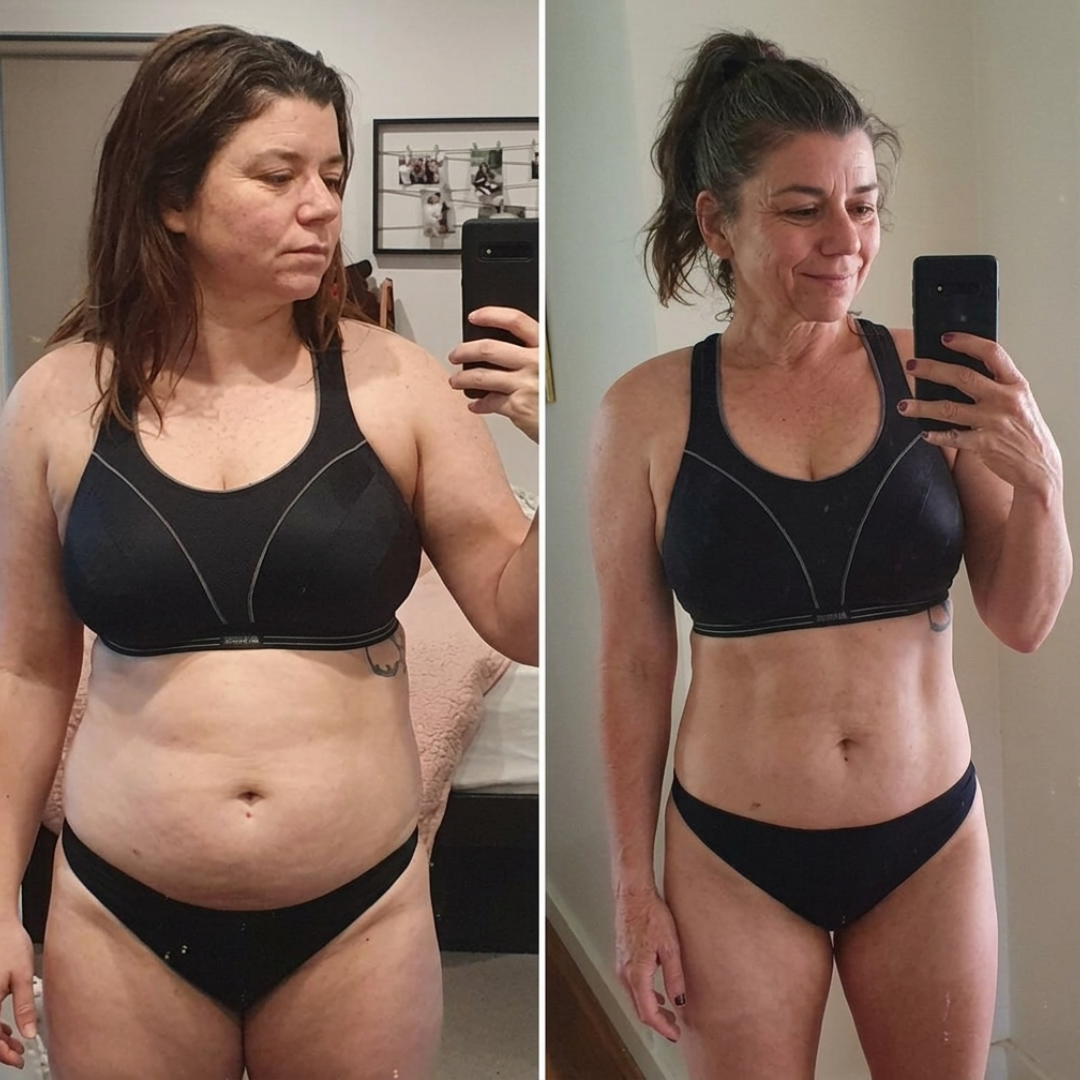
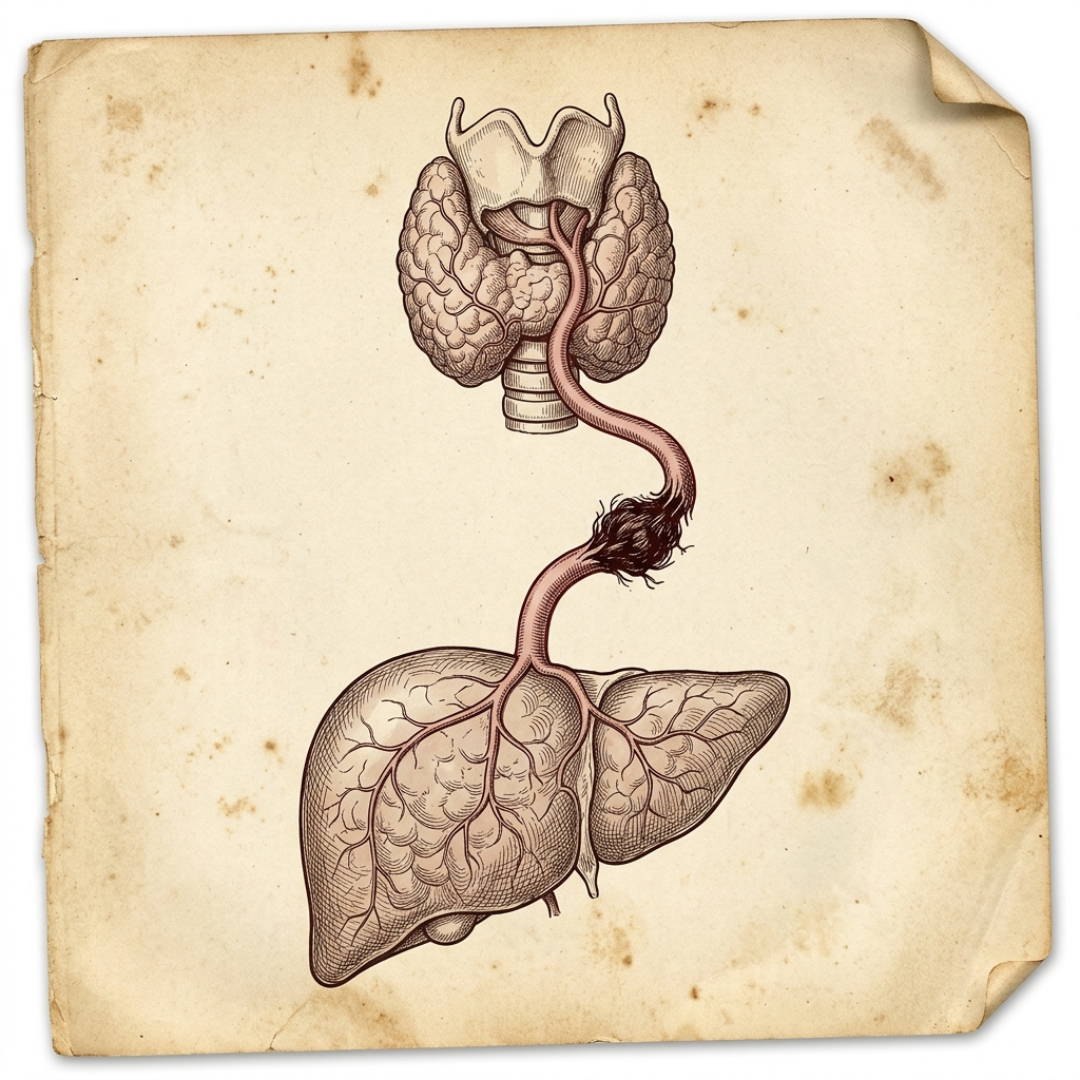
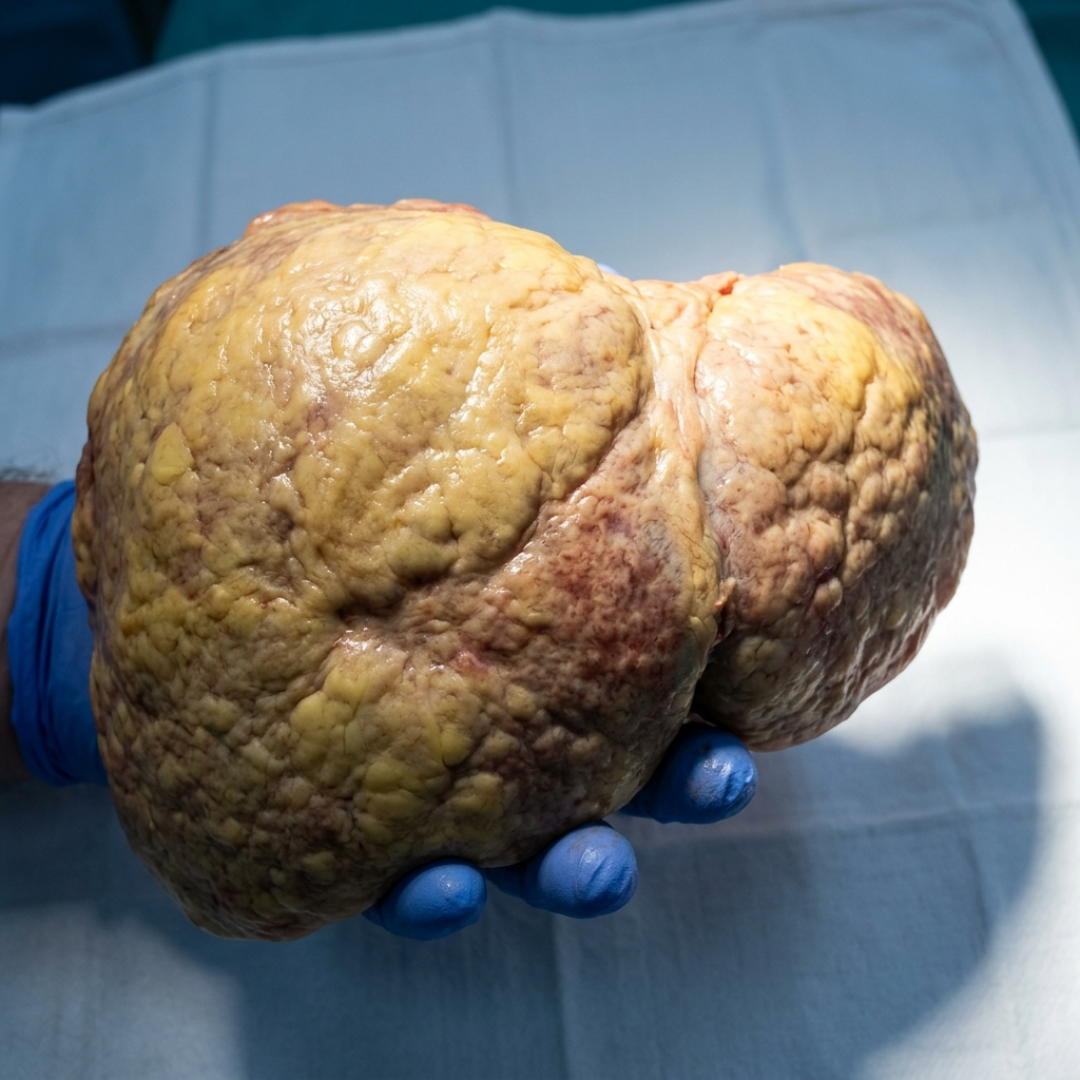
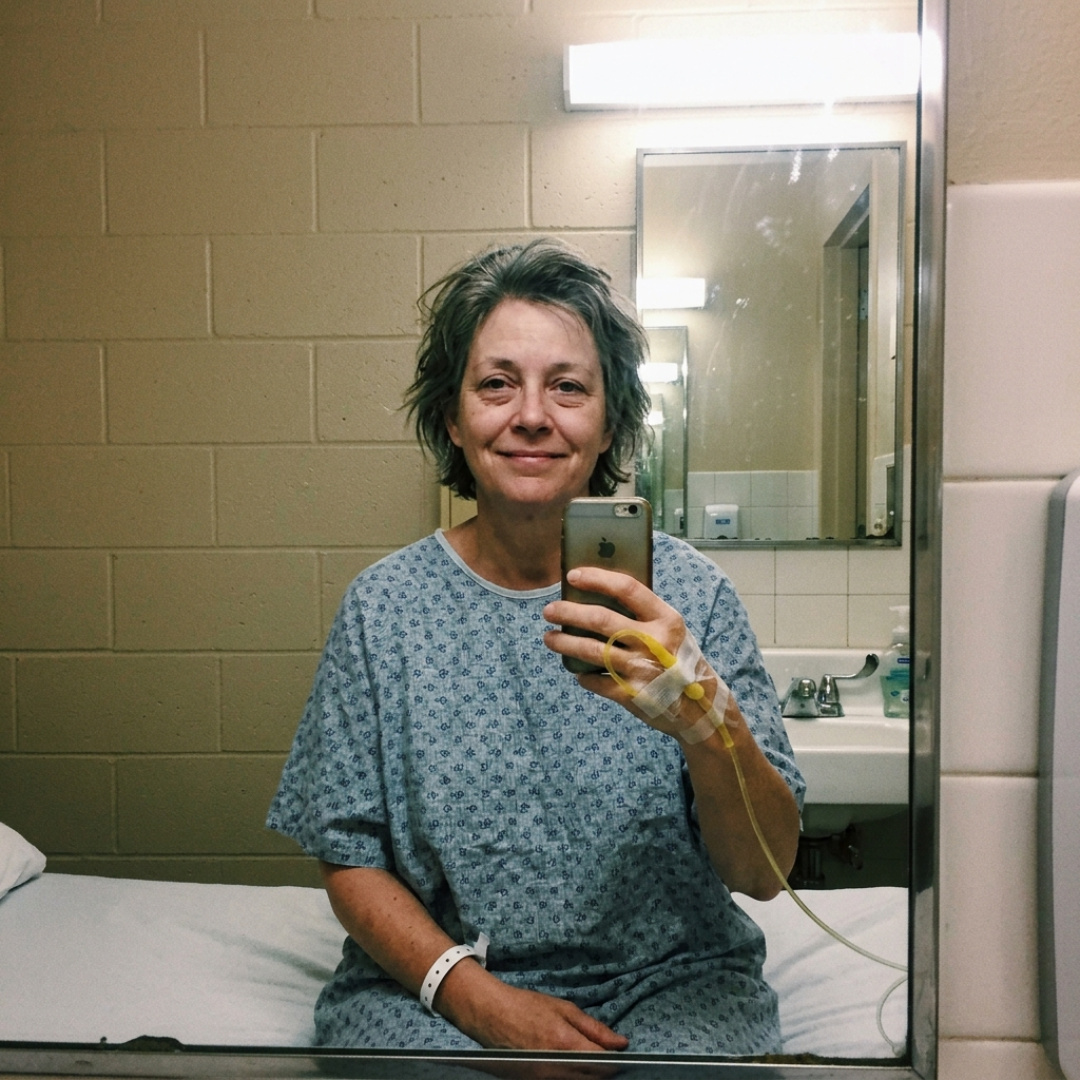
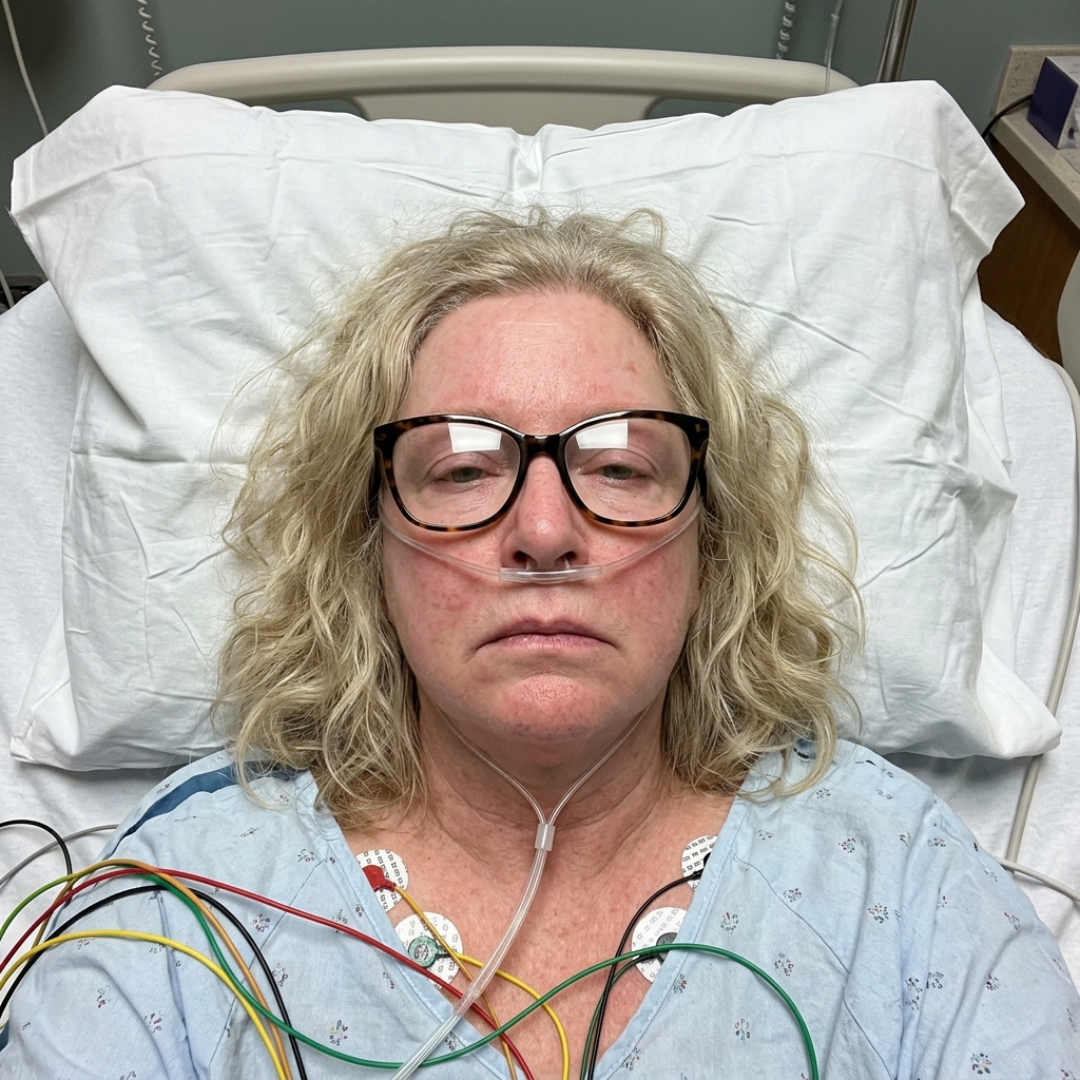
I saw the photo my daughter took at Sophie's birthday party and I had to ask her to delete it. The woman standing in the background wasn't me. Swollen. Puffy. Exhausted-looking even though I was smiling. I'm 57. That woman in the photo is what six years of "your labs are normal" has done to me. Three days later, my daughter said the words I'd been dreading since I watched my own mother disappear. Hello, my name is Carol. I'm a 57-year-old mother and grandmother of three. And right here in this post, I'm going to share the most devastating conversation of my entire life... and what happened immediately after that changed everything. So let me start from the beginning. I wasn't always like this. In my late forties, I was the one organizing family dinners. Keeping up with the grandkids. Walking the dog every morning before breakfast. Not an athlete... just a woman living her life and enjoying it. Then at 51, I was diagnosed with Hashimoto's thyroiditis. My doctor put me on levothyroxine. Said it would help my thyroid function normally. Said my symptoms should improve. Some things did improve, for a while. But the weight started coming on anyway. Slowly at first. Five pounds. Then ten. Then I looked down one morning and nothing fit. I hadn't changed what I was eating. If anything, I was eating less. But my body was holding onto every calorie like it knew something I didn't. I went back to my doctor. She pulled up my blood results, looked at my numbers, and said the words I'd hear a hundred times over the next six years. "Your TSH looks fine. Your T4 is within range. Your labs are normal, Carol." Normal. I had gained 35 pounds eating less than I'd ever eaten in my life. I was sleeping nine hours and waking up exhausted. My hair was coming out in the shower every morning in amounts that scared me. I had brain fog so thick some days I couldn't finish a sentence. But my labs were normal. So I did what you do. I started researching. I joined the forums. I read everything. I found out about selenium. Read that it was essential for thyroid function. Ordered the highest-rated supplement on Amazon and took it every single day for four months. Nothing. I added zinc. Nothing. I went gluten-free. Completely. Not "mostly"... completely. For eight months. The forums said it worked for everyone. It didn't work for me. I tried the AIP protocol. The strictest elimination diet I'd ever done. Followed it perfectly for twelve weeks. My antibodies dropped slightly. My weight did not. I tried keto. Lost six pounds in the first two weeks. Gained it all back plus three more the moment I ate anything normal. I tried intermittent fasting. Gained weight. I tried eating only 1,000 calories a day. Gained weight. I went back to my doctor and begged her to increase my levothyroxine. She increased my dose. My labs "improved." My weight did not. I saw an endocrinologist. She looked at my TSH. Looked at my T4. Told me I was optimally medicated and that weight management with hypothyroidism "requires patience and consistency." Patience and consistency. I'd been patient and consistent for six years. At 56, I gave up. Not dramatically. Just quietly. I stopped weighing myself. Stopped the Monday fresh starts. Stopped the gluten-free, the AIP, the supplements that weren't doing anything. Started accepting that this was just my body now. That the woman I used to be was gone and this heavier, puffier, slower version was who I'd be for the rest of my life. My daughter Emma said she didn't mind. "You're still you, Mom." Sweet girl. But I minded. Here's the thing about losing yourself gradually... you don't notice the accumulation. First it was Emma doing the grocery run for me. "I'm going to the store anyway, Mom, what do you need?" Then she was driving me to my appointments. "It's no trouble. I'm in the area." Then she started calling every morning just to check in. Then she was coming over on weekends and quietly cleaning things I hadn't gotten to. The bathroom. The kitchen floor. Then she was cooking extra portions and dropping them off. "Made too much. You'd be doing me a favour." Then she started coming by just to sit with me. Not to do anything. Just to be there. Each thing was so small on its own. So reasonable. So kind. I didn't see what was happening. She did. And then one Tuesday afternoon... this is the part that changed everything... Emma came over with the groceries. She put the bags on the counter. Made the tea the way she always did. Set out two mugs. But she didn't start unpacking the bags. She pulled out a chair at the kitchen table and sat down. Her face looked different. She looked like she'd been rehearsing what she was about to say. She told me we needed to talk. The way she said it made my stomach drop. I sat down across from her. Heart already pounding. She couldn't look me in the eye at first. She stared at the table. Then she took a breath. She said she'd been thinking about this for months. That she'd been worried. That she'd noticed things getting harder... the fatigue, the days I didn't leave the house, the way I'd stopped doing things I used to love. That she'd been coming over more and more and she didn't mind, she really didn't... But she wasn't always going to be fifteen minutes away. She and her husband were considering a move. And she said... and I can still hear every word... "Mom, I've been looking at places. Places where you'd have real support. Where you wouldn't be on your own with all of this." I stared at her. A care home. My daughter was telling me she was looking at care homes. At 57 years old. Time stopped. I remember sitting there gripping the edge of the kitchen table trying to process what I'd just heard. My mind raced. Was I really that bad? I still made my own coffee. I still watched my shows. I still... What did I actually do anymore without Emma's help? The answer hit me like a wall. Almost nothing. And then, as that realization sank in, something happened. Something physical. A pressure I'd never felt before. It started in the center of my chest. Not sharp. Not sudden. Just... heavy. Like someone had placed a stone directly on my sternum and was slowly pressing down. I told myself it was the stress. The shock of what she'd just said. I took a breath and tried to push it away. But it didn't go away. It spread. A deep aching weight moving from my chest up into my left shoulder. Down my arm. My left hand started to tingle. Then go numb. I looked down at my hand like it belonged to someone else. Emma was still talking. I couldn't hear the words anymore. The room started to tilt. I grabbed the edge of the table. "Mom?" Her voice sounded far away. The pressure in my chest tightened again. Harder this time. Like a fist closing around something it wasn't supposed to touch. I tried to speak. I tried to tell her something was wrong. But no words came out. My vision started to tunnel. The edges of the kitchen going dark, Emma's face narrowing to a point in the center of everything. I could hear her screaming my name. "Mum. MUM. Oh God…" I felt the chair tipping. I felt my shoulder hit the floor. And then everything went black. The next thing I know I'm waking up and the light is wrong. Too white. Too bright. The smell of something chemical and clean. Beeping. Steady, rhythmic beeping from somewhere to my left. I tried to move and felt the tug of something in my arm. A drip line. Wires on my chest. A clip on my finger. I had no idea where I was or how long I'd been there. I turned my head. Emma was in a chair beside the bed, her eyes red and raw, her hands wrapped around a paper cup she wasn't drinking from. David was standing behind her with his hand on her shoulder. She saw my eyes open and was on her feet immediately. Her hand found mine. "Mom. Oh thank God. You're okay. You're okay." I tried to ask what happened. My mouth was dry. The words came out wrong. A nurse appeared. Then another. Then a doctor in a white coat walking in with a tablet in her hand and a calm, direct way of moving that told me immediately she'd delivered news like this before. She introduced herself as Dr. Patricia Chen. Cardiologist. She said she also specialized in thyroid and metabolic conditions... which she said was relevant to why she was the one standing in my room. I looked at her, frightened and confused, and asked what had happened to me. Dr. Chen pulled a chair close to the bed and sat down at eye level. She told me I'd had a cardiac event. A heart attack. She said the paramedics had reached me in time. That I was lucky. That another twenty minutes and we would be having a very different conversation. I stared at her. A heart attack. I'd had a heart attack. Emma made a sound beside me that she quickly swallowed. I told Dr. Chen I didn't understand. I wasn't a smoker. My cholesterol was fine. I walked when I could. I was only 57. She nodded slowly. Like she'd heard almost exactly those words before. She said: "Carol, can I ask you something first. How long have you had hypothyroidism?" I told her. Six years. She nodded again. She said: "And in those six years, has any doctor ever tested your intracellular T3?" I told her I didn't even know what that was. She said: "I know. Most don't." She turned her tablet toward me and showed me a number on my bloodwork results. Intracellular T3. Near zero. She said: "This is what I want to talk to you about. Because I don't think your heart attack was bad luck. I think it was the end of a process that's been building for six years while every doctor told you your labs were normal." I asked her what she meant. So she pulled her chair a little closer and she explained it. She said: your thyroid makes you a hormone called T4. T4 is a storage form. Your body can't actually use it directly. To use it, T4 has to convert into T3. T3 is the active hormone. T3 is what powers your metabolism, your energy, your brain, your weight regulation. Most doctors test your T3 level in the blood. If it shows up in the blood, they say you're fine. But T3 in the blood is not the same thing as T3 IN your cells. For T3 to actually do anything... to run your metabolism, to fuel your organs, to keep your heart muscle functioning the way it's supposed to... it has to get INSIDE your cells. That's Cellular T3. And Cellular T3 is what you've been critically low in for years. She said: "Your blood test showed T3 present. So every doctor told you your thyroid was being managed. But the T3 wasn't reaching your cells. Your metabolism was starving. Your organs were running on almost nothing. And your heart..." She paused. "Your heart muscle depends on Cellular T3 to function properly. When cells are chronically starved of it, the heart has to work harder and harder to compensate. It's under sustained stress. We see this pattern in women with undertreated hypothyroidism constantly. The connection between low Cellular T3 and cardiovascular stress is well documented. What isn't documented nearly enough is how many women are walking around with labs that look acceptable while their cells are starving." She let that sit for a moment. "You didn't have a heart attack because of bad luck or bad genes. Your heart has been under enormous strain for years. Today was when it gave out." I lay there staring at the ceiling trying to process what she'd just told me. Six years of being told I was fine. Six years of labs within range. Six years of my cells starving while every doctor pointed at numbers on a screen and sent me home. I asked her why. Why wasn't T3 reaching my cells if it was showing up in the blood. She held up one finger. "Your liver." She explained: the conversion from T4 to T3 happens primarily in the liver. And the liver is also critical to how T3 gets delivered and made available to your cells. Years of Hashimoto's inflammation quietly overloads the liver. Your standard liver tests might look acceptable. But functionally, the conversion breaks down. T4 builds up in your blood. T3 trickles out in insufficient amounts. And whatever T3 does get produced struggles to cross into your cells. This is why your labs looked normal while your body... and your heart... were anything but. She held up a second finger. "Second: even when the liver pathway is functioning, your body needs specific minerals to complete the conversion and push T3 into cells. Selenium. Zinc. Magnesium. Copper. Without them at adequate levels in bioavailable forms, the process can't complete." She looked at me. "You've tried selenium and zinc." I told her yes. For months. Nothing happened. She nodded exactly the way I knew she would. "Here's why. Hashimoto's damages your gut lining over time. When you take selenium and zinc in standard pill form, they sit in a compromised gut and barely absorb. And the small amount that does absorb has nowhere to work... because the liver pathway is still blocked upstream. You were trying to fuel a conversion that couldn't fire." I asked about my levothyroxine. "Your medication gives your body more T4. But if your liver can't convert it efficiently, and if T3 can't reach your cells regardless... the medication just adds more T4 to a system that can't process it. Your blood levels look managed. Your cells are starving. Your heart is working without its fuel." I asked about the diets. The gluten-free. The AIP. The calorie cutting. She looked at me directly. "Calorie restriction actually reduces Free T3 by up to 66%. Every time you restricted your food trying to lose weight, you were making the conversion worse. Deeper deficiency. More cellular starvation." Every sacrifice. Every Monday. Every supplement. Every diet. All of it explained in one conversation I should have had six years ago. I looked at Emma. She was gripping my hand so hard her knuckles were white. I asked Dr. Chen what I needed to do. She said: two things. In the right order. First: support the liver so conversion can actually happen. Clinical-grade Milk Thistle... specifically the concentrated Silymarin extract... helps clear the conversion pathway so T4 can actually become T3. Standard milk thistle you find anywhere isn't strong enough for women with Hashimoto's. You need the clinical-grade concentration because the liver burden with autoimmune thyroid disease is far higher than normal. Second: once the pathway is open, give your body the minerals it needs to complete conversion and get T3 into your cells. Selenium, zinc, copper, magnesium. But in liquid form... not pills. "Liver first. Minerals second. Liquid delivery. That's the sequence." She said she'd been looking for years for a formula that did both steps correctly. Most thyroid supplements throw minerals at a blocked pathway. They skip the liver entirely. They wonder why nothing happens. She'd found one that gets the order right. She wrote the name on a piece of paper and handed it to Emma. Pureveen. She said it's the only thyroid formula she knows of that opens the liver pathway first with clinical-grade Milk Thistle, then fuels the conversion with bioavailable minerals in liquid form. She takes it herself every morning. She recommends it to every Hashimoto's patient she sees. "I only wish," she said quietly, "that someone had found this six years ago. Before it got to this point." She stood up. Squeezed my hand once. "You were lucky today, Carol. Let's make sure we don't need luck again." Emma ordered it from her phone in the waiting room before we even got to the car. The bottle arrived four days later. I started that evening. Here's what happened: Week 1: Nothing dramatic. I took it and waited. Dr. Chen said to give the liver time to clear before conversion builds. So I took it every day without expecting anything. Week 2: The brain fog started lifting. That thick, heavy feeling behind my forehead I'd been living with for years... was clearing. I slept through the night for the first time in months. Woke up and my hands weren't stiff. I could grip my coffee mug without them aching. I felt... present. Sharper. Like someone had turned a light back on that I'd forgotten was off. Week 3: My energy was coming back. Quietly, not rushing. I cooked dinner two nights in a row and didn't have to lie down afterwards. I noticed I wasn't craving sugar at 9pm the way I always had. The cravings just... quieted. I stepped on the scale out of pure curiosity. Four pounds down. I hadn't changed a single thing I was eating. Week 4: Dr. Chen ran new bloodwork. Free T3 up. Intracellular T3 showing movement. Inflammatory markers down. She smiled and said: "This is what it's supposed to look like." I put on a pair of jeans I hadn't worn in two years. They buttoned. I stood at the bathroom mirror for a long time. My face looked less puffy. My eyes looked less tired. I looked... like me. Just a little. But I SAW myself in there. I stood there and cried. Just cried at my own reflection. Week 6: Emma came for dinner on Saturday. I made a roast. She walked in and stopped in the hallway. "Mom, you cooked." "I know." "A whole roast." "I know." She started crying before she even took her coat off. Eleven pounds down. Week 8: I walked to the park on the corner. First time in over a year. Sat on a bench in the sun. On the way home I felt tired... but the normal kind of tired. Not the kind that costs three days. I called Emma from the park bench. "Where are you?" she said. "The park." Silence. "The park?" "Yes." She didn't say anything for a moment. Then: "Mom. Oh, Mom." Nineteen pounds down. It's been five months now. I'm down 31 pounds. My T3 levels are the best they've been since my diagnosis. My hair has stopped falling out. My brain works again. I wake up in the morning and I feel like a PERSON. But here's what matters more than any of those numbers. Last month, my granddaughter Sophie was doing a puzzle on the living room floor. She patted the carpet next to her and said: "Nana, sit with me." I got down on the floor with her. And I got back up. Without grabbing the sofa. Without asking for help. Without hesitating. I nearly put my head in my hands and sobbed. Because six months ago I would have told her we'd do the puzzle at the table. Because six months ago I couldn't get back up. Emma hasn't mentioned the care home since. Last week she called to check in and said something that made me laugh and cry at the same time. "I think you're going to be just fine, Mom. More than fine." I'm telling you this because I nearly lost everything. Not to a disease I couldn't control. To a cycle nobody explained to me. My thyroid couldn't convert T4 to T3. The T3 that was produced couldn't reach my cells. My metabolism was starving while every doctor told me I was fine. Every supplement I tried had nowhere to work. Every diet made the conversion worse. And not one person in six years connected the pieces. My mother had thyroid problems too. She spent the last decade of her life heavy, exhausted, fading. Took her medication. Was told her labs were normal. Tried every diet. Nothing worked. She thought it was her fault. She thought she was just getting old. She was never told about Cellular T3. She was never told about the liver. She was never given the right order. I think about that a lot. So if you have hypothyroidism or Hashimoto's... if you've been told your labs are normal while you gain weight anyway... if you've tried selenium, gluten-free, AIP, every diet... if you're starting to believe there's no solution for you... It's not your age. It's not your willpower. It's not "just how your body is now." It's a blocked pathway. A specific, fixable reason your body can't get T3 into your cells. And every supplement you tried was RIGHT in theory... just applied in the wrong order to a blocked engine. You were right about the mechanism. You were just never given the missing step. Now you have it. Pureveen is the only thyroid formula built around both problems in the right order. Clinical-grade Milk Thistle to open the liver pathway first. Then selenium, zinc, copper, and magnesium in liquid form so they actually absorb and fuel the conversion. Liver first. Minerals second. Liquid delivery so it actually gets in. If you tried to put this together yourself... clinical-grade milk thistle extract, bioavailable liquid minerals, the right forms and doses... you'd be spending upwards of $150 a month. And you'd still probably get the order wrong. Pureveen puts both steps into one daily dose. Right sequence. Right concentrations. Liquid form. A single bottle costs less than what most women spend every month on supplements that aren't working. Right now they're also running a promotion where you can get significant savings when you order more than one bottle. Which I'd recommend... because in my experience you start feeling something by week two but the REAL results come by week six. One thing worth knowing: Pureveen is a small company. The clinical-grade liquid formula isn't mass produced. They've been getting more attention lately... more and more women in Hashimoto's communities are talking about it... and they do sell out periodically. So if you're reading this, check if it's still in stock. And there's zero risk. They offer a full 90-day money-back guarantee. Take it for 90 days. If you don't feel a difference... if the weight doesn't start moving, if the fog doesn't lift, if you don't start recognizing yourself again... you get every penny back. No questions asked. 90 days. Zero risk. Don't wait until your daughter is having that conversation with you. Don't wait until you're sitting on a bathroom floor not recognizing yourself. Don't wait until you've spent another six years being told your labs are normal while your cells starve. The pathway can be cleared. The conversion can happen. Cellular T3 can reach your cells. And you can feel like yourself again. I'm living proof. Check if Pureveen is still in stock here: https://pureveen.com/products/pureveen%E2%84%A2-thyroid-balance-1 — Carol
Like this ad? Make it yours.
Crush rebuilds this exact creative around your product — your brand, your colors, your offer — in about a minute.