The Root & Remedy Club
The Root & Remedy Club Facebook ad: “The One Thing I Changed”
Ran for 72 days, from June 8 to August 19, 2026, the last day Crush saw it.
Run by The Root & Remedy Club on Facebook. Crush is not the advertiser and does not verify its claims. See this ad in Meta's Ad Library(opens in a new tab)
Want an ad like this for your product?
Crush makes new ad images for your product from this ad: your logo, your product photo, your offer.
Trials from $19.95 USD, then $79.95 USD a month. Cancel anytime.
About this ad
- Meta Ad Library ID
- 1668698007613699
- Platforms
- Facebook, Instagram, Audience Network, Messenger and Threads
- Relaunches
- 0
- EU reach
- 200
Ad text
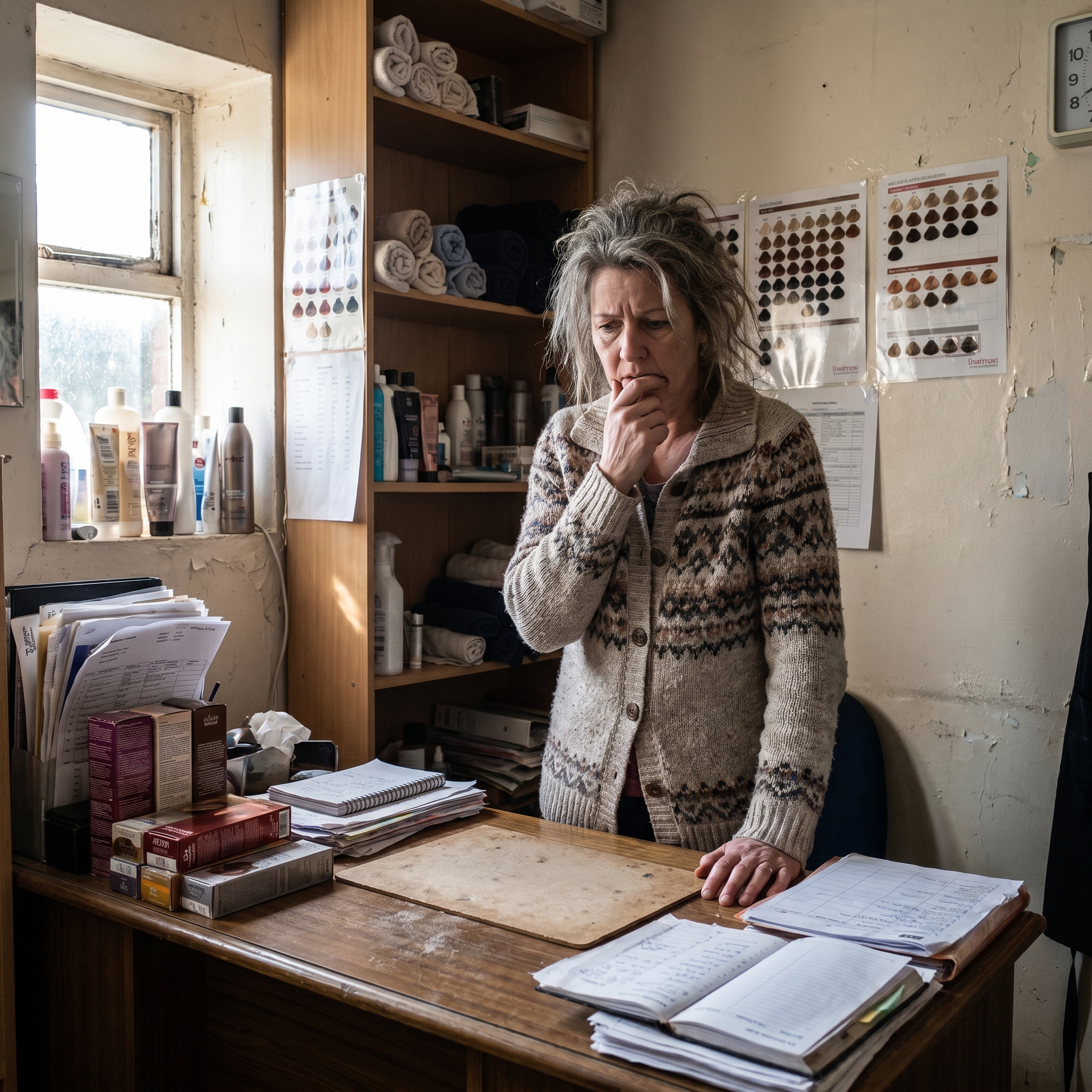
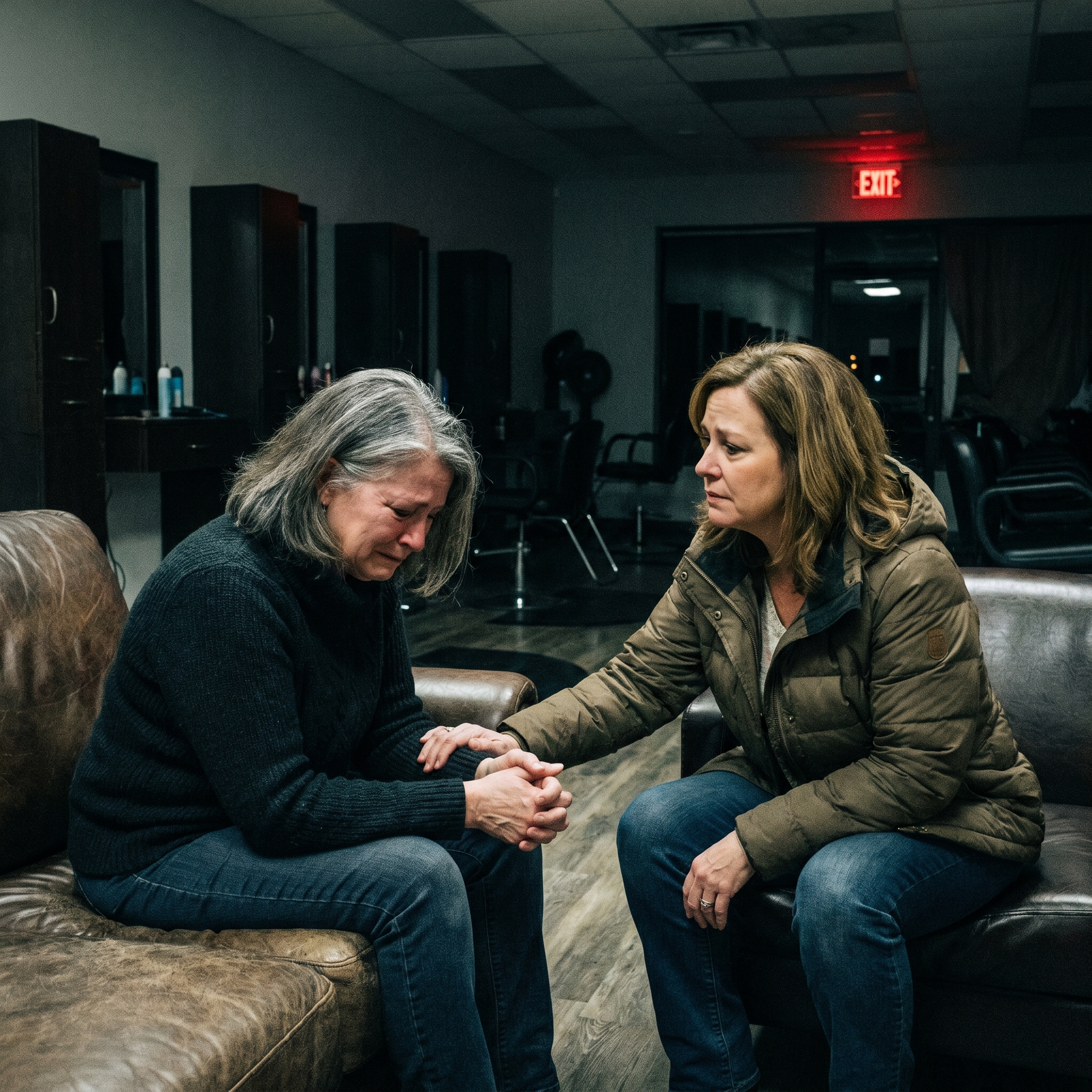
My longest employee stole from me last Wednesday. She's worked for me for 11 years. When she told me why, I forgave her before she finished the sentence. In fact, I was the one who ended up apologizing — for not telling her the truth six months ago. Let me start from the beginning because this story isn't what you think. My name is Diane. I've owned a small hair salon for 18 years. Six chairs, a wash station, a waiting area with a couch my mother picked out in 2007 that I'll never replace. My mother opened this place in 1998. She left it to me in 2012 when her hands couldn't hold the scissors anymore. My husband Greg and I have been running it together ever since — though Greg mostly handles the books now, for reasons I'll get to. It's the kind of place where nobody makes appointments through a website because everyone just calls. Tuesdays through Saturdays, 9 AM to 5 PM. Closed Sundays and Mondays. The same women come in for the same appointments. Margaret gets her blowout every Thursday at 10. Donna does color every six weeks on a Tuesday and has since 2014. The Friday afternoon regulars take the back two chairs and stay an extra twenty minutes because nobody charges you for conversation in this salon. I've been running this place long enough to know that the styling is only half the job. The other half is the back room. And the back room is the women who've been working next to me for six, eight, eleven years. Women who work together in a small salon tell each other things they don't tell their husbands. They don't tell their sisters. They don't tell their doctors. But they'll stand at the wash station next to another woman who's been washing hair next to them for a decade and the truth just comes out. I know who's thinking about leaving her husband. I know who got a diagnosis she hasn't told her kids about. I know whose son hasn't called in six months. I know these things because five mornings a week, before the doors open at 9, four women stand in my salon prepping stations and there's nobody listening but the blow dryers and each other and me. I've held more secrets than a therapist. And just like a therapist, I never repeat them. But about seven months ago, something started happening in my salon that changed the conversations completely. And it started with a bag on my back office desk. I keep an office in the back. It's not really an office — it's a storage closet with a desk in it. The product shelves are on one side, the extra towels are on the other, and there's just enough room for me to do payroll and pretend I'm doing inventory. My morning ritual for eighteen years has been: walk in at 8:30 AM, start the coffee, check the appointment book, drink my first cup at my desk before the staff arrives at 8:45. For most of those years, what I was drinking was regular coffee. Three cups before noon. Same as every woman I know. Seven months ago I stopped. I switched to a mushroom coffee I'd been reading about — one scoop, hot water, a little oat milk. Same ritual. Same cup. Different thing inside it. The first employee who noticed was Laura. Laura is 59. She's worked for me for eight years. She came to me after she left a corporate salon downtown — said she was tired of working for someone who didn't know her name. She does color four days a week. Comes in at 8:45. Mixes her formulas. Lines up her foils. She is, without exaggeration, the most reliable colorist I have ever had. She walked into my office at 8:50 AM on a Tuesday in November. Saw me drinking something that wasn't coffee. "What's that?" "Mushroom coffee. Supposed to be better for you." "Can I try it?" I made her a cup. She took a sip, said "this actually tastes like coffee," and we walked back into the salon to talk about whether the new toner was worth switching to. That was it. Normal morning. Normal conversation. A week later, Laura pulled me aside before the first appointment. "Diane. I need to tell you something about that coffee." She was looking at me the way employees do when they want to say something but they're not sure how to start. "My sleep," she said. She shook her head like she still didn't believe it. "I've been waking up at 3 AM every single night for two years. You know this. I've talked about it. I blamed menopause. I blamed stress. I blamed the mattress. We bought a new mattress. Didn't help." I knew about the sleep. She'd mentioned it before — always casually, always wrapped in a joke about getting old. That's what women do. They mention the thing that's destroying them like it's a weather report. "After I tried that coffee Tuesday, I slept until 5:30 Wednesday morning. I figured it was a coincidence. Thursday I slept until 5:15. Friday I came in here and asked you for another cup. Remember?" I remembered. I'd made her one without thinking about it. "I've been drinking it every morning this week instead of regular coffee. Diane, I haven't woken up at 3 AM once. Not once. And it's not just the sleep — the anxiety I've had every morning for the last year, that tightness in my chest before I even get out of bed? It's gone. I feel like someone turned off a switch I didn't know was on." She laughed. But her eyes were wet. "What IS that stuff?" I told her it was just a mushroom coffee with ashwagandha and some other ingredients. She asked if she could have the bag. I told her I'd order her one. I stood there after she left thinking about a colorist who got her sleep back. Then Wendy happened. Wendy is 55. She's been my receptionist for six years. Came to me after her kids left for college — said she needed something to fill the quiet. She runs the front desk, answers the phones, makes the coffee for clients, keeps the appointment book organized. Quiet. Organized. Remembers every client's name and their kids' names and when their last appointment was. She'd tried a cup after watching Laura try one. Didn't say much at the time. Two weeks later she pulled me into the back room. It was 8:50 AM. First clients arriving in ten minutes. She closed the door behind us. "I've been making this for my husband every morning." I waited. "Rick has been exhausted for three years. He comes home from work and he's done. Sits in his chair. TV on. Asleep by 7:30. Every night. He used to cook dinner with me. We used to walk after dinner. We used to talk. Now he drinks three cups of coffee at work, crashes at 2 PM, drags himself home, and collapses." She paused. I could hear a blow dryer starting up in the main salon. "I started making him a cup of that mushroom coffee every morning instead of his regular coffee. Told him I was trying a new brand. He didn't question it." She was looking at the towel shelf. Not at me. "He stayed up until 9:30 last night. First time in months. I looked over and he was reading a book. A book, Diane. He hasn't read a book in two years. He turned to me and said 'I feel like my brain woke up.' " Her voice cracked. She was crying but trying not to. "He's sleeping better. He's not crashing at 2 PM. He's present again. He's in the kitchen with me at dinner. He asked me yesterday if I wanted to go for a walk." I put my hand on her shoulder and waited. "He said it was the best coffee he's ever had. He doesn't know it's mushroom coffee. He calls it 'the brown bag stuff Wendy brings home from the salon.' " She laughed through the tears. I laughed too. "The brown bag stuff." That's apparently what my husband's life was being rebuilt by in another household. After Wendy, I started keeping an extra bag on the shelf in my office. Right next to the color charts and the broken receipt printer I should have replaced in 2019. I wasn't advertising it. I just had it there — and if one of the women in the salon mentioned sleep, or energy, or brain fog, or her husband, I'd quietly make her a cup and tell her it was a mushroom coffee that was helping me. Nobody questioned it. Women in a salon try things. Half my staff had a supplement on their station shelf already. The difference was — this was working. And every couple of weeks, the same women would pull me into the back room or the wash station or the office, and I'd hear the next chapter. Laura, week three: "Diane, I went to my daughter's recital Saturday night and drove home at 10 PM and I wasn't exhausted. I haven't been able to stay out past 8 in two years." Wendy, week three: "Rick went to his doctor. His blood pressure is down for the first time since he started his new job. Doctor asked what changed. Rick said he switched coffee brands." And every time, the stories were the same shape. Different names. Different details. Same shape. The exhaustion lifting. The sleep coming back. The fog clearing. The person returning. Then Barbara happened. Barbara is 63. She's been my senior stylist for 11 years. She runs the floor the way a captain runs a ship. Clients love her because she remembers their color formula from three years ago and their daughter's wedding date and exactly how Karen likes her layers. Staff respect her because she's been doing this for 35 years and has never once called out sick. She's the toughest woman I know. I've watched her do a full day of clients the week she got a biopsy result. I've watched her do a blowout the day her mother went into hospice — she came in the morning after the call and worked a full Saturday without shedding a tear. In 11 years I have never seen Barbara cry in my salon. Until last January. She came in at 8:45 like always. Hung up her coat. Tied on her apron. And then she just stood in the back room, looking at the mirror, not moving. "Barb. You okay?" "Something happened last night." Her voice sounded different. Thinner than usual. "I was getting ready for bed and I looked in the mirror and I didn't recognize myself." She stopped. "I'm 63 years old. I've been doing hair for 35 years. I stand in front of a mirror all day. But last night I looked at myself — really looked — and the woman looking back at me was someone I didn't know." She was gripping the edge of the counter. "My skin. My hair. I'm a hairstylist and my own hair is thinning and I've been pretending I don't see it. The weight around my stomach that showed up three years ago and won't leave no matter what I do. My hands — do you know how bad my hands hurt every morning? I run them under hot water for ten minutes before my first client because I can't grip the scissors otherwise." "I've been telling myself it's aging. It's menopause. It's just what 63 looks like. But last night I stood in that mirror and I thought — this isn't aging. Something is wrong. Something has been wrong for years and I've been too stubborn to say it out loud." Barbara put her hands over her face and her shoulders started shaking. In 11 years. Through cancer scares, through her mother's hospice, through everything. This is what broke her open. Looking in a mirror. I walked over and put my arms around her right there in the back room. Laura was at her station. Wendy was at the front. They both looked over and then looked away because they knew this wasn't a moment for an audience. "I started drinking that coffee two weeks ago," Barbara said into my shoulder. "The one Laura keeps talking about. I figured — what's the worst that can happen? It's coffee." "My hands, Diane. The stiffness is better. Not gone. But better. I didn't need the hot water this morning. And I slept — I actually slept — for the first time in I don't know how long without waking up at 2 AM with my heart pounding." "Whatever is in that coffee, it's not just coffee." She was right. And I should have explained it to all of them months ago. But I need to tell you about Gayle first. Because Gayle is the reason I'm writing this. Gayle is 58. She's worked for me for 11 years — same as Barbara, hired the same month. She does shampoos and blow-dries and keeps the wash station immaculate. Comes in at 8:45. Heads home at 5:00. Quiet, polite, never late, never gossips, never asks for anything. In 11 years I've learned almost nothing about her personal life. I know she has a husband named Paul. I know they have two grown kids in other states. I know she used to work at a department store before it closed in 2013. That's it. That's 11 years. But I also know this: Gayle listens. She doesn't talk much but she hears everything. When Laura pulled me aside about the sleep, Gayle was at the wash station with her back to us. When Wendy and I came out of the back room, Gayle was folding towels by the door. When Barbara cried in the back room, Gayle was at her station two feet away. She never commented. Never asked about the coffee. Never tried a cup. She just listened. For months. Last Wednesday, I came in at 8:30 AM like always. Walked into my office to make my morning cup. The bag on my desk was gone. Not empty. Not low. Gone. A nearly full bag I'd opened the day before. The desk was empty where it had been. I stood there for a few seconds trying to figure out if I'd moved it. Checked the shelf. Checked behind the color charts. The extra bags were still there. But the one on my desk — the one I made my morning cup from every day at 8:30, the one anyone walking into my office would see first — that one was gone. Then I heard the back door. The staff door, off the alley. Someone had come in early. Before the 8:45 start time. I walked out of my office. Down the hall past the storage. Into the back room. Gayle was at her station folding towels. She didn't see me. Her back was to the doorway. I watched her for maybe three seconds. The careful way she folded. The way she straightened the stack. Then she turned around and saw me standing there and her face changed. She didn't say anything. I didn't say anything. I walked back to my office and sat at my desk for ten minutes before the rest of the staff arrived. In 11 years, Gayle has never taken anything from my salon. Not a product sample. Not a leftover cup of coffee at the end of the night. Not a single hair tie. She's the most contained, most private, most rule-following employee I have ever had. And she'd come in fifteen minutes early to take the whole bag from my desk. I didn't say anything that day. Not to Gayle. Not to anyone. I opened a new bag from the shelf and sat with it. I wasn't angry — it wasn't expensive. I was thinking about the months of silence. Laura's sleep, Wendy's husband present again, Barbara's tears. Gayle at her wash station with her back to us. Gayle folding towels by the door. Gayle two feet away while another woman sobbed about not recognizing herself in the mirror. She'd been hearing these stories for six months. Standing three feet away from women whose lives were changing. And she never said a single word about her own. I figured she'd come talk to me eventually. I could wait. She didn't make me wait long. Three days later — Saturday evening — I was closing up. Everyone was gone. Greg was at home. The salon was dark except for the light over the front desk and the glow from the EXIT sign. I had the chairs wiped down and the stations clean and I was just finishing the register. The back door opened. I looked up. Gayle was standing in the doorway. Coat on. Purse clutched with both hands. "Do you have a minute?" "Of course. Come in." She didn't walk to my office. She walked to the waiting area — the couch my mother picked out. Sat down in the corner where she takes her lunch break every day. She's been sitting in that spot for 11 years. I came around the desk, sat in the chair across from her. The salon was completely silent. The only sound was the hum from the mini fridge under the front desk. "I took the bag, Diane." "I know." "I'm sorry. I'll pay for —" "Gayle. I don't care about the bag. Tell me why." She looked down at her hands on her lap. Then back up at me. And she broke. Not the way Barbara broke — in a single overwhelming sob. Gayle broke the way a dam breaks. Slow crack. Then everything at once. "My husband Paul drinks four cups of coffee a day. He has for thirty years." She was speaking to the floor. Not to me. Hands gripping her purse like she was holding herself together. "Three years ago he started falling apart. Not all at once. Slowly. So slowly that his doctor keeps calling it aging. But I know what aging looks like, Diane. My father was sharp until 82. This isn't aging. Something is happening to Paul and nobody can tell me what it is." "He can't sleep. Wakes up at 2, 3 in the morning and paces the house. Comes back to bed and lies there with his heart racing. He's gained thirty pounds around his midsection in three years. He eats the same things he always ate. Nothing changed except his body." "His brain — he forgets things now. Not big things. Small things. Where he put the remote. What he went to the store for. My birthday last year — he didn't forget it, but he didn't remember it until I mentioned it at dinner. And the look on his face when he realized. Like he was ashamed of himself." "His hands shake in the morning. He used to do woodworking in the garage. Beautiful pieces. Birdhouses for the grandkids. A jewelry box he made me for our anniversary. His hands were everything." "He hasn't been in the garage in eighteen months. The tools are covered in dust. The half-finished birdhouse is still in the vice. He walks past it every day on the way to his car and he doesn't look at it." Her voice was shaking. I could see it across the waiting area — her chin trembling, her eyes filling. "His doctor says everything is normal. Blood pressure is fine. Weight gain is 'age-related.' Sleep problems are 'stress.' Brain fog is 'normal for men in their sixties.' He's 61, Diane. He's not old enough to lose his mind. He's not old enough to lose his hands." "I've been listening to your salon for six months. I stand at that wash station and I hear Laura talk about sleeping through the night. I hear Wendy talk about Rick reading a book again. I heard Barbara cry in the back room about not recognizing herself. And every single time I'm standing there thinking: that's Paul. That's my life. These women are describing my life and they have no idea." "But I didn't say anything. Because I've tried everything. Supplements. Sleep aids. Magnesium. Melatonin. Ashwagandha gummies from the grocery store. Nothing worked. Nothing has ever worked. So when Laura started talking about her sleep I thought — good for her. Coincidence. When Wendy mentioned Rick I thought — placebo. When Barbara cried I thought —" She stopped. "That's when I stopped thinking. Because Barbara is the toughest woman I've ever worked with. Eleven years. And she was crying because she didn't recognize herself in a mirror. And I realized that what these women are describing isn't coincidence. It isn't placebo. Something in that coffee is doing something real. And I've been standing at that wash station for six months telling myself it's nothing because I'm too afraid to hope again." "Last Wednesday I came in fifteen minutes early. I knew you were at the register. I walked past your office and the bag was right there on the desk and I took it. All of it. I didn't plan it. I didn't think about it. I just took it because I've been standing in this salon for six months listening to other women get their lives back and I couldn't listen anymore without trying." She was crying hard now. On the couch my mother picked out. In the salon where she's folded towels for 11 years without ever telling me a single thing about her life. "I went home Wednesday night and made Paul a cup. Told him I was trying a new coffee and wanted his opinion. He drank it. Said it tasted good. Better than his regular stuff." "The next morning I made him another one instead of his regular coffee. He didn't notice." "That night he slept until 5 AM. He hasn't slept past 3 in over a year." "Friday morning I made him another cup. Friday night he looked at me across the kitchen table and said, 'Gayle, I feel different.' " " 'Different how?' " " 'Calm. Like someone took weight off my chest that I didn't know was there.' " "I went to the bathroom and sat on the edge of the tub and cried." "That was four days ago. He's slept through every night since. Wednesday, Thursday, Friday, Saturday. Four nights. And his hands — this morning he was opening and closing his fists at the kitchen table. Not because they hurt. Because they could." "I need more of that coffee. I don't care what's in it. I need whatever is giving me my husband back." I was sitting across from a woman I'd known for 11 years and never really known at all. The salon was dark. The EXIT sign was making the mirrors glow green. And this woman — quiet, private, polite Gayle — had just described my husband's life. Different details. Different names. Same shape. Exactly the same shape. My husband Greg went through the same thing. Three cups of coffee every morning for 25 years. By 56 he was crashing by 2 PM, couldn't sleep, gained weight around his midsection, brain fog so bad he'd lose track of conversations mid-sentence. His doctor said it was stress. Then aging. Then maybe depression. It wasn't any of those things. It was cortisol. I found the research late one night in the same chair I was sitting in now. Every cup of regular coffee spikes cortisol 25 to 30 percent. At our age, the body doesn't recover from those spikes anymore. The cortisol just stays elevated. All day. Every day. For years. That's what causes the 3 AM wakeups — a cortisol spike at the wrong time. That's what stores the belly fat — cortisol tells your body to pack energy around your organs for an emergency that never comes. That's what causes the brain fog — elevated cortisol impairs the prefrontal cortex. That's what breaks down collagen — the joint stiffness, the thinning hair, the skin changes. That's what creates the anxiety — your body thinks it's under attack because cortisol keeps telling it to panic. It wasn't aging. It wasn't menopause. It wasn't depression. It was the coffee. Three cups a day. Thirty years. Cortisol compounding with nowhere to go. But I also knew that telling a 56-year-old man to quit coffee is like telling him to quit his morning. He's not going to do it. Neither was I. So I found something that replaced the ritual without the cortisol spike. I found Erth Superfood Brew. One scoop. Hot water. A little oat milk. 600mg KSM-66 ashwagandha — the patented kind with over 30 clinical studies specifically showing it lowers cortisol. Not the cheap generic kind you get at the grocery store. The one that's been studied at real universities with real control groups and real results. 500mg lion's mane — the clinical dose shown to support memory, focus, and nerve growth factor. Turkey tail for gut health. Cordyceps for clean energy without the crash. Real collagen — the thing cortisol had been destroying for years. Every ingredient at the dose the clinical research actually used. Not half. Not hidden behind a "proprietary blend." And it tastes like coffee. Real coffee. That's the part that made it work. Because if it tasted like mushrooms or dirt or chai, nobody would drink it long enough for it to matter. Greg has been drinking it for seven months. His sleep came back in week one. The brain fog lifted by week three. The belly weight started going down by week six — eleven pounds without changing anything else. His hands don't shake in the morning. He's present at dinner. He's back. That's what Laura has been drinking. That's what Wendy makes for Rick. That's what Barbara switched to. That's what's on the shelf in my office next to the color charts. And that's what Gayle stole from my desk on a Wednesday morning because she'd spent six months listening to other women get their lives back and she couldn't stand it anymore. I sat across from her on the couch for a long moment after she finished. Then I said: "Gayle. Keep every bit of it. I'm going to order you your own supply. Because that bag will run out. And when it does, I don't want Paul's hands to stop working again." She ordered two bags that night. The updates came over the following weeks. Gayle still doesn't talk much. But she'd catch my eye at the wash station and nod. Or she'd pull me aside on break and give me a short report. Week one: "He's sleeping every night. His hands are getting stronger." Week two: "He went to the garage. Didn't build anything. Just stood there looking at the workbench. Touched the tools. Came back inside." Week three: "He's sanding the birdhouse. The one that's been in the vice for eighteen months. He's finishing it." Then a month after that Saturday on the couch, she did something she hasn't done in 11 years. She showed me a photo on her phone during her break. Paul in the garage. Birdhouse in his hands. Finished. Painted. Ready for the grandkids. She'd taken the photo from the doorway. "He built two more this weekend," she said. I asked if I could print it. She said yes. It's taped to the mirror at station one now, between a photo of our staff Christmas party and a thank-you card from a client who moved away. Every client who sits in that chair sees it. Nobody asks what it is. It just looks like another picture pinned to a salon wall. But I know what it is. It's the sound of a garage door opening after eighteen months of silence. If you're reading this, I know exactly where you are. You've been watching someone you love disappear. The hands that used to build, or fix, or cook, or hold yours. The mind that used to be sharp. The energy that used to last all day. The person who used to be present — really present — at dinner, in the morning, in the life you built together. Or maybe it's you. Maybe you're the one waking up at 3 AM. Maybe you're the one who doesn't recognize yourself in the mirror anymore. And you've been blaming age. Blaming stress. Blaming menopause. Blaming everything except the three cups of coffee you drink every morning that spike your cortisol 30 percent per cup and never let it come back down. One scoop. Hot water. A little oat milk. The KSM-66 ashwagandha lowers the cortisol your coffee was spiking. The lion's mane clears the fog. The cordyceps gives you energy that lasts without the crash. The turkey tail heals the gut cortisol destroyed. The collagen rebuilds what cortisol broke down. Erth Superfood Brew. $27 with their current sale. 60% off. They send you a Starter Kit with a frother, a scoop, and a recipe book. 45-day money back guarantee — if you don't feel different, you send it back and they refund every dollar. Link is below. — Diane P.S. — Gayle came in for her shift last Tuesday. Same wash station, same towels, same quiet. But on her break she sat next to me on the couch and for the first time in 11 years she talked. She told me Paul's daughter is coming to visit next month. She told me Paul is building her a bookshelf. His hands can hold the tools again. She had to go back to her station before I could see her cry. If you've been watching someone fade — the fog, the exhaustion, the weight, the hands, the half-finished sentences — the bag in my office is Erth Superfood Brew. That's what Gayle orders. That's what Greg drinks every morning. That's what's on the shelf next to the color charts for every woman in my salon who tells me things she doesn't tell anyone else. P.P.S. — Make one cup tomorrow morning. Just one. If you don't feel something shift by the second morning — a calm you're not used to, a clarity, like someone turned the volume down on the noise in your head — then maybe this isn't for you. But if you feel it — and almost every woman who's tried it in my salon has felt it — that's the ashwagandha. That's your cortisol coming down for the first time in years. The sleep improvement takes a week. The brain fog lifts in two to three weeks. But that first-morning calm? That's your body telling you: finally, something that isn't making things worse. P.P.P.S. — They do run out. It's a small company and when a batch sells through it takes time to restock. If the link works, it's still in stock. Don't wait until the bag Gayle stole runs out to find out they're sold out.
Where the ad sends people
https://learn.erthlabs.co/reasons2
The One Thing I Changed ➡️
Rated 4.9/5 ⭐️⭐️⭐️⭐️⭐️ 16,000+ Reviews
Learn more: learn.erthlabs.co(opens in a new tab)