
Inactive· since Jun 12, 2026
- 80
- days it ran
- 0
- relaunches
Ad copy
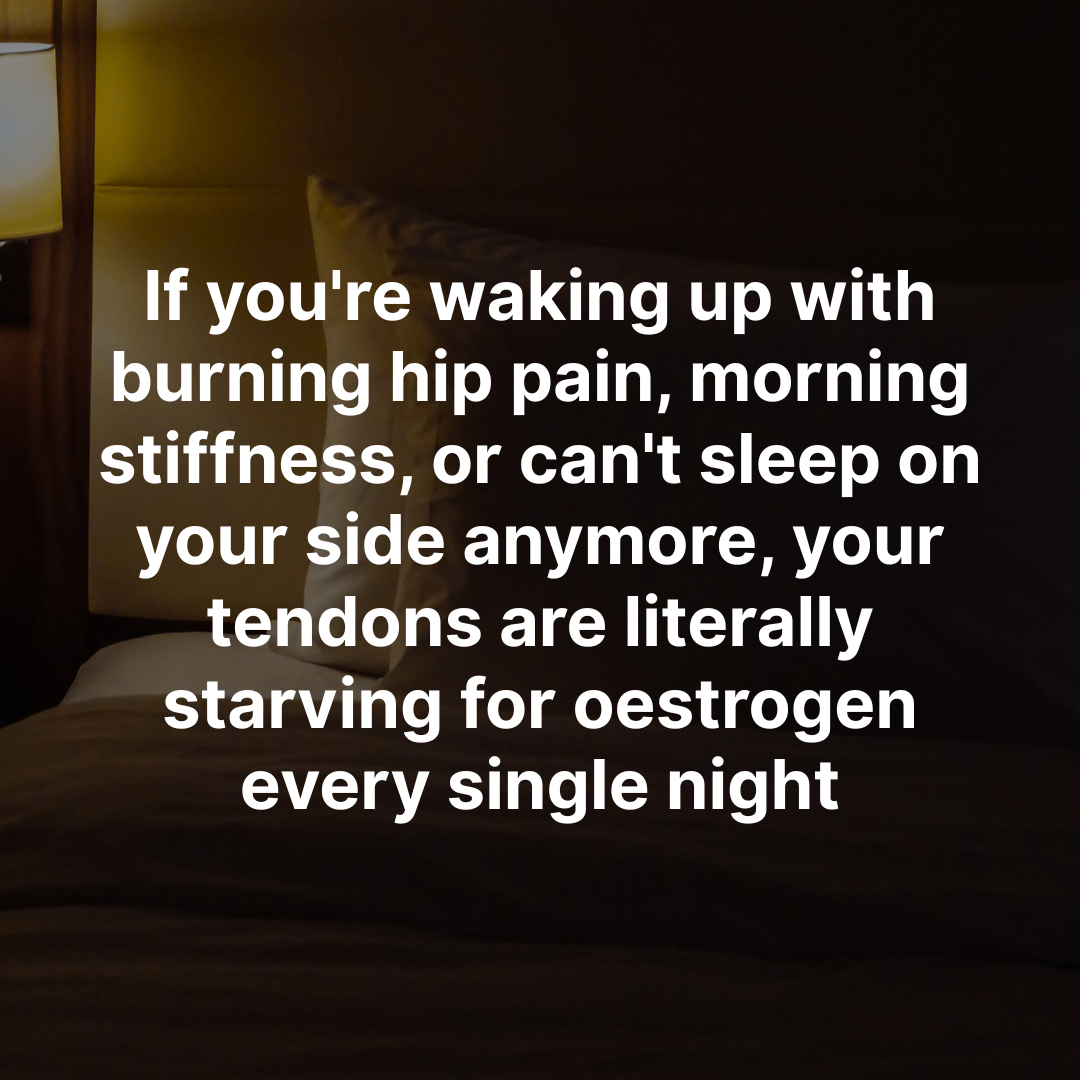
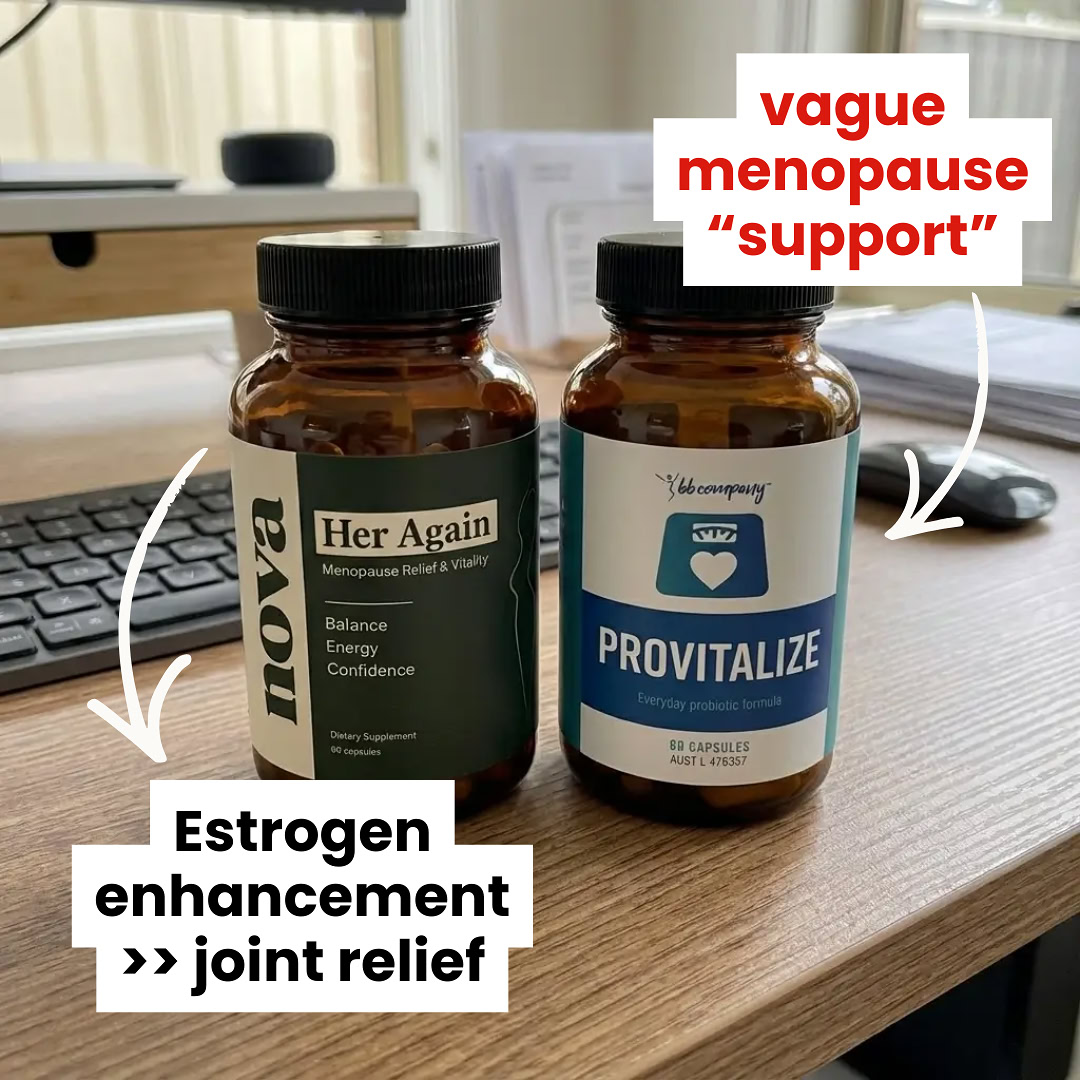
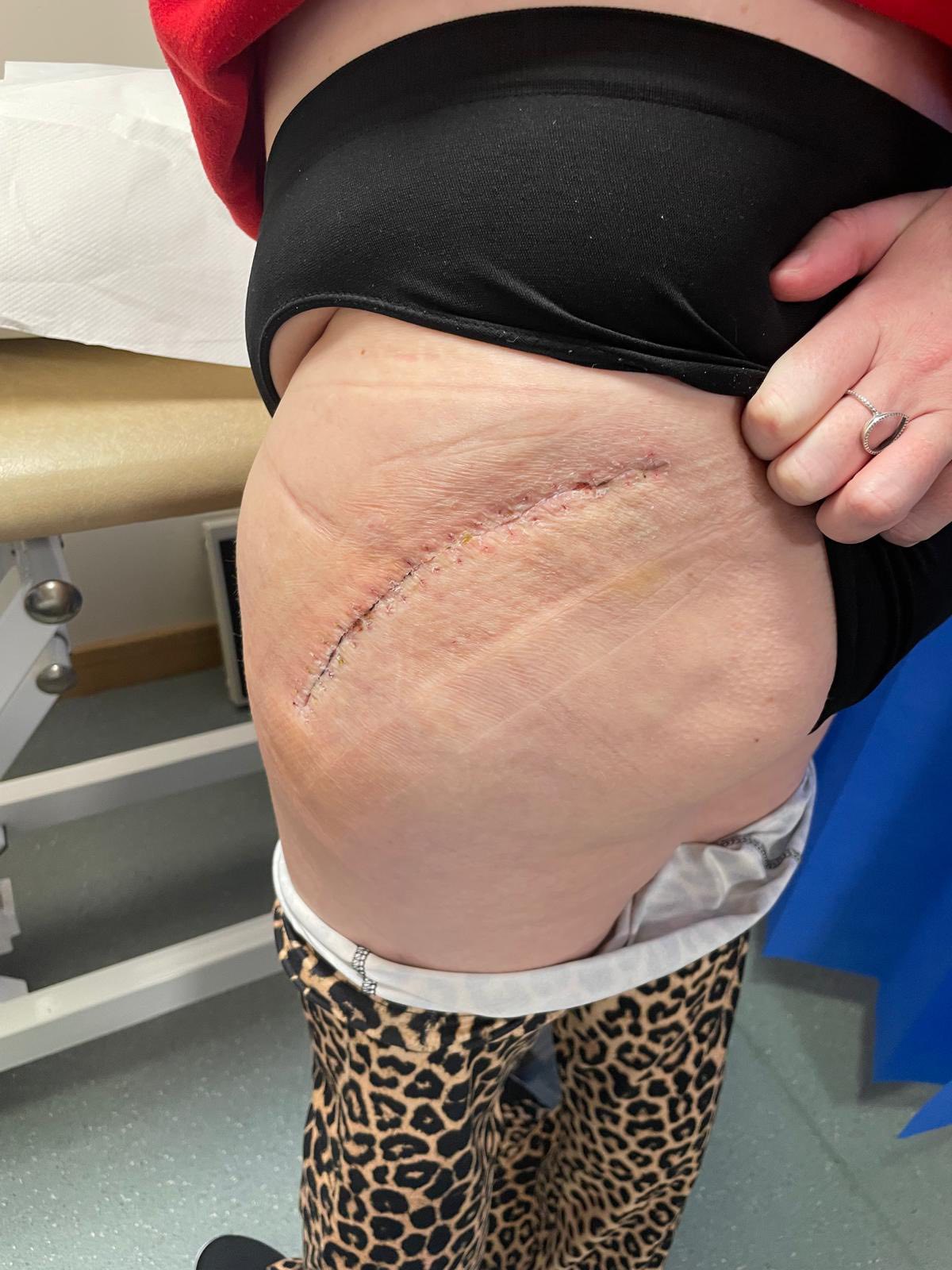
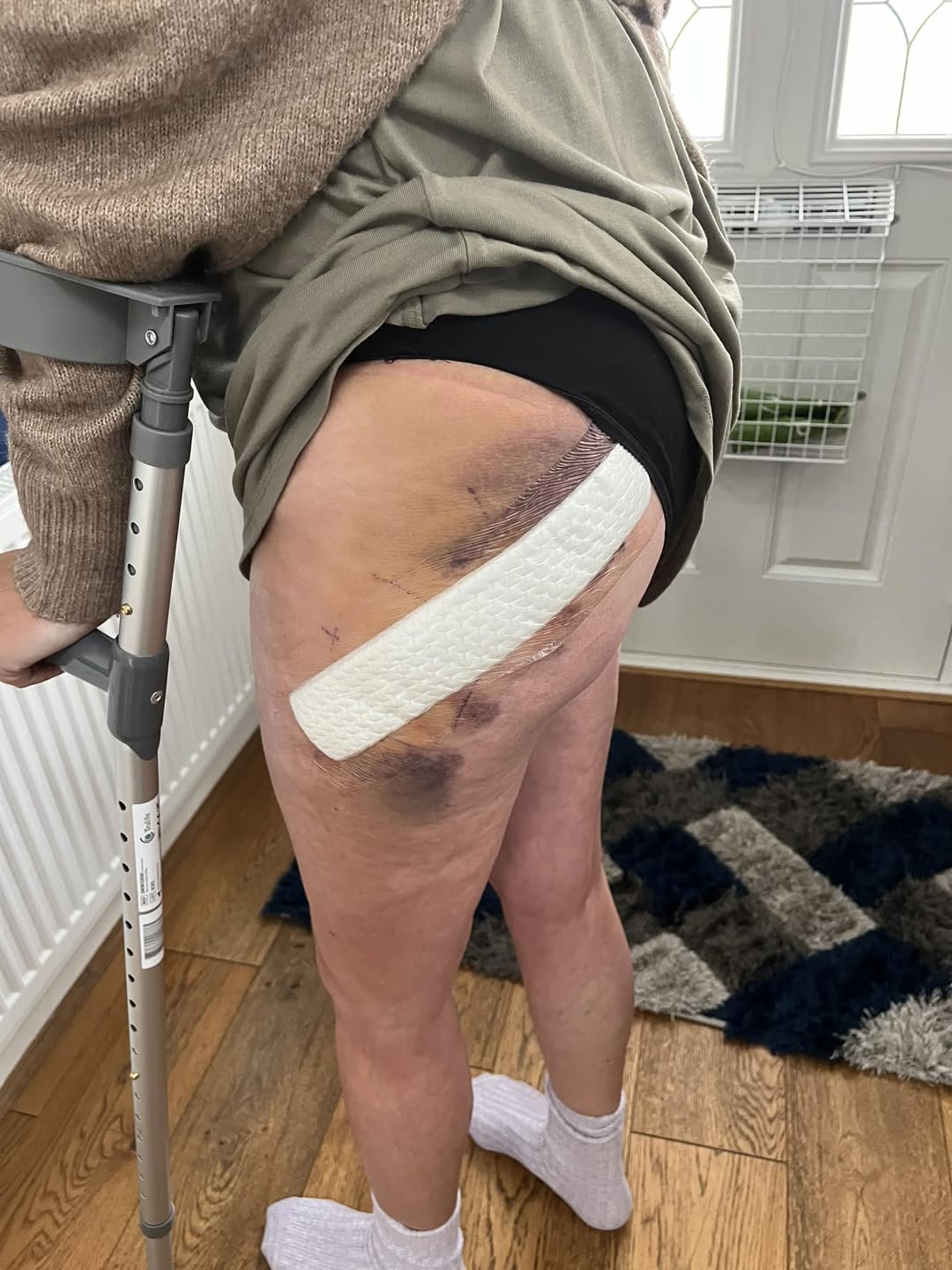
Hip pain took a lot from me. But the night it took my sex life from my marriage was the night I knew something had to change.. We'd been married 26 years. And I knew his face better than I knew my own. Every expression. Every micro-movement. The way his jaw tightened when he was trying not to show something. The way his eyes went somewhere else for just a second before he brought them back. So when it happened that night and I had to stop and I said I was fine and he said okay — I saw it. That flicker. That half-second where he went somewhere else. He arranged his face back and he was kind and he didn't push and we lay there in the dark not touching and not talking and I stared at the ceiling and thought this is what it feels like to disappear inside your own marriage. I was 53 years old. The hip pain had been building for about two years by then. It started as something easy to dismiss. A dull ache deep in my left buttock after long walks. Stiffness in the morning that took an hour to shake off. The kind of thing you mention once to your GP and she nods and says it's very common and you leave feeling slightly stupid for bringing it up. But it didn't stay dismissible. It got into everything. The way I slept, which side I could lie on, how I got out of bed in the morning, how I moved through the house in those first painful minutes before my body remembered how to function. It got into the way I calculated every social situation before agreeing to it. How far is the walk. Are there stairs. Can I get up from that chair without making a scene. Is there somewhere to sit before anyone notices I need to. I stopped suggesting things. The Sunday coastal walk my husband and I used to do. Long lunches. The weekend markets. I quietly stopped suggesting them and when he suggested them I found reasons and eventually he stopped suggesting them too and we just stayed home and I told myself that was fine because we were getting older and this was what getting older looked like. But I knew it wasn't fine. Because I could remember exactly what it felt like to live in this body without negotiating with it first. A woman who moved through the world without thinking about it. Who reached for things and bent down for things and got up from chairs and walked across car parks without a single conscious calculation about whether her body would let her. That woman had gone somewhere. And I didn't know how to find her. I went to my GP first. She pressed around my hip, watched me walk across the room, and told me I had bursitis. She recommended anti-inflammatories and rest. I did both. The anti-inflammatories took the sharpest edge off but destroyed my stomach. The moment I stopped taking them everything came straight back. So I went back. Different doctor this time. He sent me for an MRI. Looked at the results and told me the bursitis diagnosis was wrong. He said what I actually had was gluteal tendinopathy. Inflammation and degeneration of the tendons connecting my gluteal muscles to the top of my femur. He said it was extremely common in women my age. He referred me to a physio and said these things take time. I looked up gluteal tendinopathy that night. I read everything I could find. And I felt simultaneously relieved to finally have a real name for it and completely terrified by what I read. Because everything said the same thing. It was notoriously difficult to treat. It responded slowly to physio. It had a tendency to come back. And in women over fifty it was almost always progressive without the right intervention. I did the physio. Twice a week for four months. The exercises on a mat in my bedroom every single morning before my husband woke up. My physio was thorough and kind and she said I was doing everything right. She seemed genuinely puzzled that I wasn't improving faster. I tried turmeric because someone in my online support group swore by it. The capsules from the health food shop, then the better ones, then the expensive ones. I made golden milk every morning with black pepper because someone said that helped absorption. Four months of that alongside the physio. Nothing moved. I tried magnesium, fish oil, a joint supplement from the chemist. I bought a foam roller. I bought a standing desk. I bought a special cushion that was supposed to take pressure off the tendons when sitting. I spent more money on things that almost worked than I want to calculate. And I still had to stop in the middle of the night and stare at the ceiling and feel my husband's careful silence beside me. Then one night I was awake at 1am — the pain always spiked at night, always — scrolling my phone in the dark looking for anything I hadn't tried yet. And I came across something that stopped me cold. It was a comment from a woman in a menopause and joint pain forum. She said she'd had gluteal tendinopathy for three years. Had done all the physio, all the supplements, all of it. And the thing that finally changed everything wasn't treating the tendon itself. It was understanding what was making the tendon break down in the first place. I kept reading. She explained that gluteal tendinopathy in women over fifty isn't just a mechanical problem. It's a hormonal one. Estrogen is what keeps tendons strong and elastic. It regulates the collagen in the tendon tissue, controls the inflammation around it, and maintains the blood supply that allows tendons to repair themselves. When estrogen drops — which it does, fast, in your late forties and early fifties — your tendons lose that protection almost completely. They become brittle, inflamed, and slow to heal. The gluteal tendons, which are under constant load just from standing and walking, are often the first to show it. This is why gluteal tendinopathy is so disproportionately common in women over fifty. It isn't bad luck or bad posture or not exercising enough. It is a hormonal problem wearing a mechanical disguise. And here is the part that made me want to throw my phone across the room. Anti-inflammatories treat the inflammation but they don't address the estrogen decline causing it. Physio strengthens the surrounding muscles but it can't restore the collagen integrity the tendons have lost. Turmeric fights inflammation but it cannot touch the hormonal root underneath. Everything I had tried for two years was aimed at the symptom. Not one thing was aimed at the cause. I was treating a leaking roof by mopping the floor. Over and over. Every day. Wondering why the floor was still wet. She wrote about finding a plant compound called moringa. Ancient plant, used for centuries, but only recently studied specifically for its effect on tendon and joint tissue in post-menopausal women. Moringa contains phytoestrogens — plant compounds that interact with the same receptors in your body that estrogen does. Not synthetic hormones. Not HRT. Plant compounds that help your body manage estrogen more effectively, slow the hormonal breakdown of tendon tissue, and reduce the inflammation at the source rather than just masking it on the surface. The idea was simple. You stop treating the symptom and start addressing the cause. You give the tendons the hormonal environment they need to actually repair instead of just managing the damage as it accumulates. I found She Again about a week after that night. It had the moringa. It had a high absorption curcumin to manage the existing inflammation while the root cause was being addressed. It had a specific probiotic strain for hormonal balance. And it had a money back guarantee which after everything I had spent on things that didn't work was the only reason I was willing to try again. I ordered it that night without much hope. More with the exhausted stubbornness of someone who had run out of other options. The first week I want to be honest — nothing dramatic. I slept slightly better. Hard to say if that was real or wishful thinking. Week two I noticed I was getting through the morning without bracing myself for that first step. The stiffness was still there but the deep grinding edge of it was different. Softer somehow. Week three I got up from the couch one evening while we were watching television and just stood up. Cleanly. Without the careful manoeuver I'd been doing for two years. My husband looked up from his book. He didn't say anything but I saw him notice and look back down and I could see from across the room that he was smiling at his book. Six weeks in I slept through the night without the pain waking me. I lay there the next morning waiting for it and it didn't come and I cried before I was fully awake because I hadn't done that in over a year. Three months in my husband reached across the bed and I didn't calculate. Didn't flinch. Didn't feel that cold dread of knowing what was coming and knowing I was going to have to disappoint him again. I was just there. Completely there. And afterward I lay in the dark listening to him sleep and felt the most profound quiet gratitude that I hadn't accepted the version of my life where that was simply gone. Last month we went to Europe for two weeks. Walked everywhere. Long uneven streets, hills, late dinners, the coastal path in Croatia we'd been talking about for ten years. I carried my own bag. I kept up. On the last night over dinner he reached across the table and said it was the best holiday of his life. I think he meant more than the holiday. If you have been told you have gluteal tendinopathy and you have done the physio and the anti-inflammatories and the turmeric and nothing has held — it is almost certainly not because you haven't tried hard enough. It is because everything you've tried has been aimed at the wrong target. The tendon is not the problem. The hormonal environment that is destroying the tendon is the problem. She Again is built around addressing that root cause specifically. They make it in small batches and they sell out regularly because they won't compromise on ingredient quality. If it's in stock when you click the link below I would not wait. I never went back to that doctor for the prescription he offered me. I'm glad I kept looking. I hope I see you on the other side of this. P.S. If you are currently on HRT and still experiencing gluteal tendinopathy symptoms, that is more common than you'd think. Several women in the comments have found She Again addressed the joint and tendon symptoms their HRT wasn't fully touching. Worth reading the product page for why that happens.
Say Goodbye to Hip Pain
She Again is a daily supplement for menopausal women with joint pain. It contains moringa, which is one of the only plant sources of phytoestrogens shown to raise estrogen levels naturally — addressing the hormonal root cause of joint pain rather than just masking inflammation. It also contains cu...
LEARN MORELike this ad? Make it yours.
Crush rebuilds this exact creative around your product — your brand, your colors, your offer — in about a minute.