
Active· since May 8, 2026
- 134
- days running
- 0
- relaunches
- 19,250
- EU reach
Ad copy
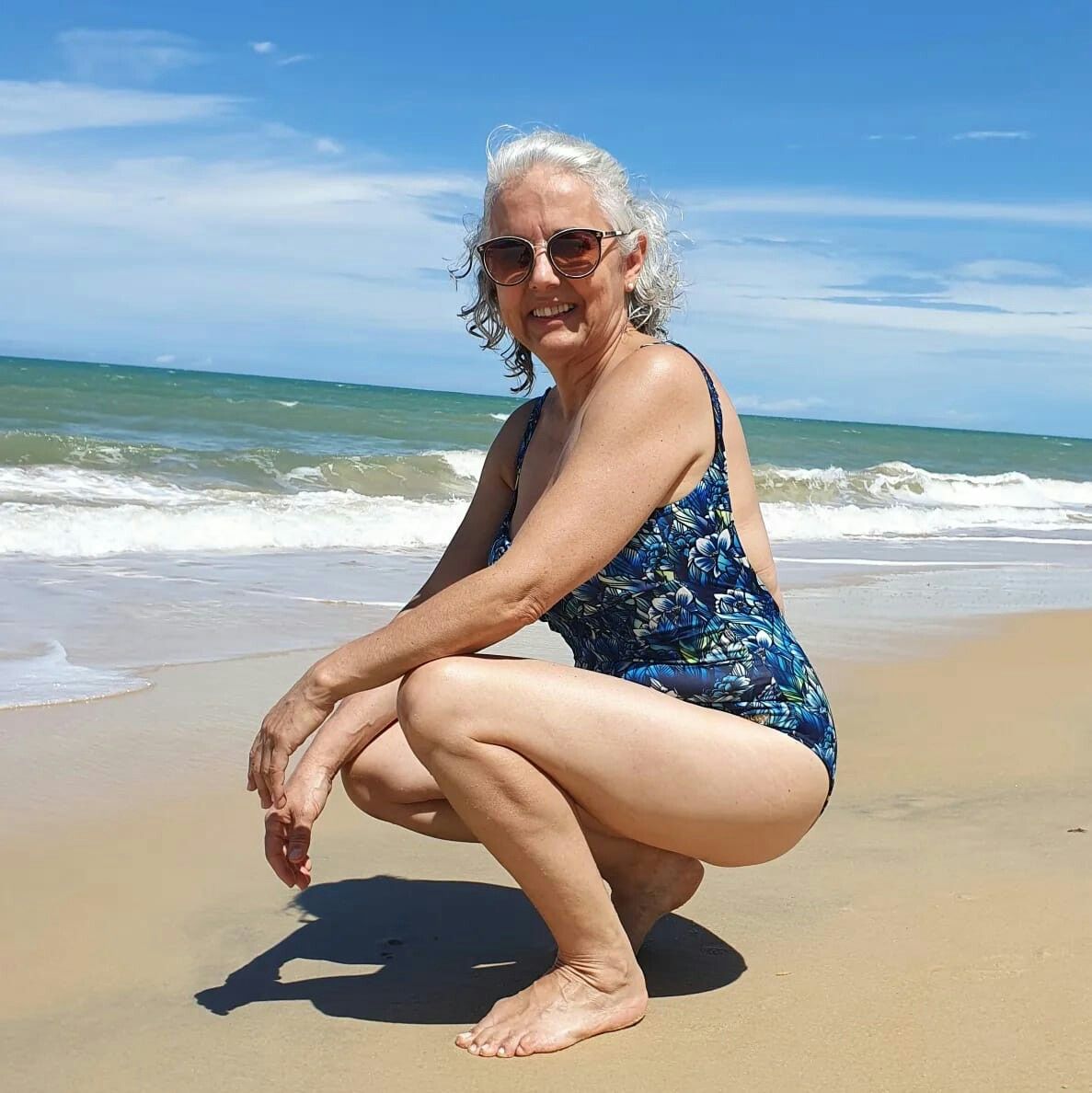
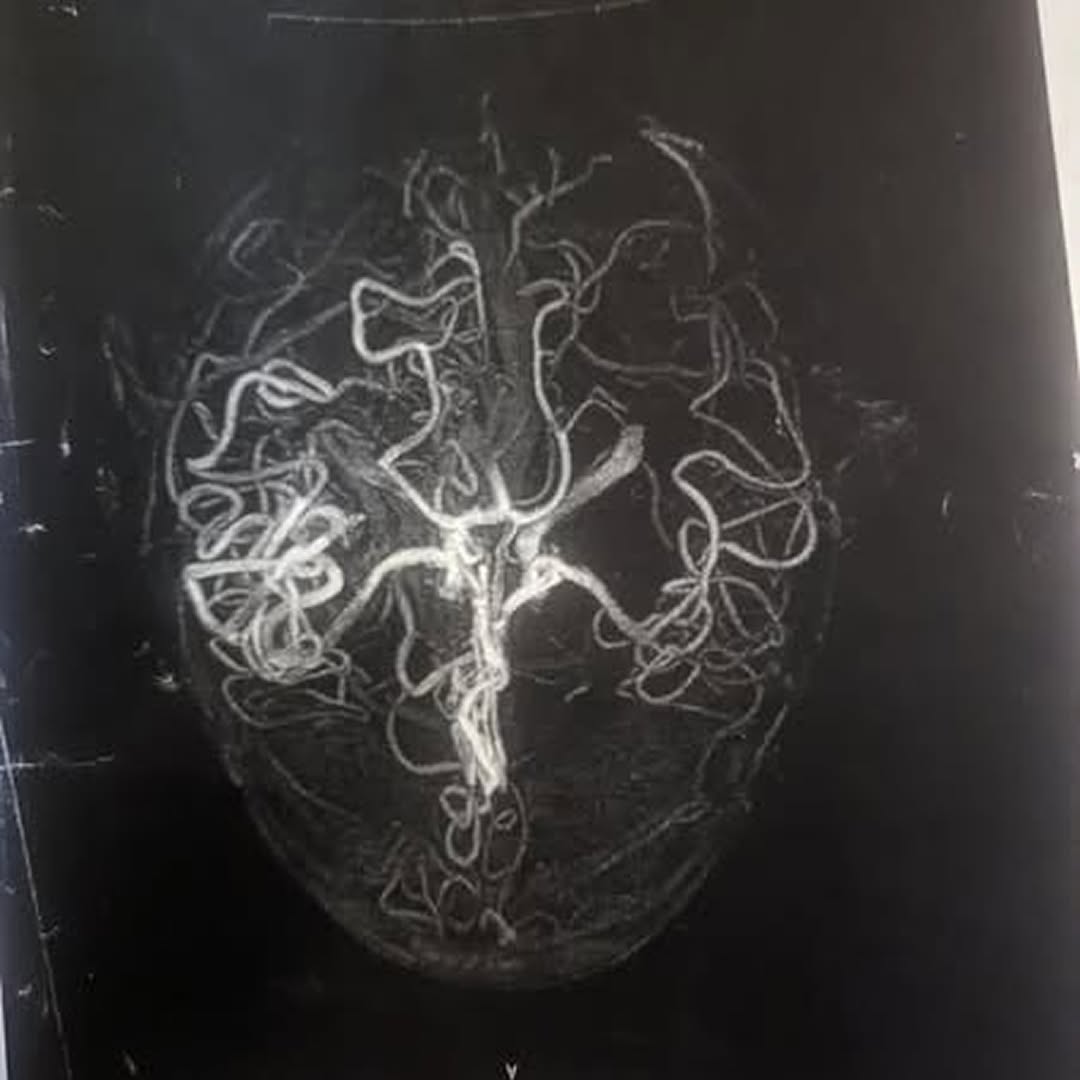
I'm a parasitologist. I've spent 12 years studying parasites that live inside the human body. The first thing you learn in my field is that raw shellfish is one of the most common sources of parasitic infection in humans. Then I visited a small coastal village in Norway. A place where people pull mussels and oysters straight from the fjord and eat them on the spot. Straight from the water to the mouth. What I found there broke everything I thought I knew. — Let me back up. I work in a university research lab. Doctors send me samples when they've run out of answers. Biopsies. Tissue sections. Stool specimens from patients who've been sick for years and nobody can figure out why. By the time a sample hits my bench, I already know what the chart is going to say. Because it always says the same thing. Patient presents with chronic bloating. Doctor's notes: IBS. Recommend dietary modification. Patient returns. Fatigue that sleep doesn't fix. Doctor's notes: Chronic fatigue. Blood panel normal. Recommend exercise. Patient returns. Waking up at 3am every night. Heart pounding. Can't fall back asleep. Doctor's notes: Sleep disruption. Likely stress-related. Prescribe sleep aid. Patient returns. Brain fog. Forgetting words. Can't follow conversations. Doctor's notes: Consider cognitive evaluation. Patient returns. Sugar cravings so intense they feel involuntary. Gaining weight. Doctor's notes: Discuss dietary discipline with patient. Five visits. Five years. Five separate diagnoses. Five separate prescriptions. Then someone finally sends the sample to me. I prepare the slide. Look through the eyepiece. And in less than a minute I find what explains every single one of those visits. Parasites. Eggs. Clusters of them. Embedded deep in the tissue. Anchored into the intestinal lining. Larvae. Some still moving. Tiny, pale, worm-like shapes twisting under the lens. And surrounding everything, this thick, grayish coating so dense it hides the intestinal cells underneath. Biofilm. Their fortress wall. Their personal bunker inside the patient's body. Five years of doctors. Five prescriptions. Thousands of dollars. And the answer was sitting on my slide in under sixty seconds. — This is what I see every single day. It never changes. The symptoms are always the same. The wrong diagnoses are always the same. The years of suffering are always the same. And the parasites are always there. Behind their walls. Waiting. So when I got invited to present at a Nordic public health research conference in Bergen last spring, I added two extra weeks to the trip. Because something had been bothering me for years. Something I couldn't explain with anything I'd learned in 12 years of studying these organisms. Norway has one of the longest coastlines on earth. And the coastal communities here, particularly the small villages along the western fjords, have eaten raw shellfish for as long as anyone can remember. Mussels, oysters, scallops pulled straight from the water. No cooking. No steaming. No heat of any kind. Just cracked open and eaten on the spot, the way their grandparents did, and their grandparents before them. In my field, raw bivalve shellfish are one of the most dangerous foods a human being can eat. Filter feeders by nature, they concentrate everything suspended in the surrounding water, Cryptosporidium, Giardia, Toxoplasma gondii, parasitic larvae of multiple species. That's not a footnote in parasitology. That's a headline. Every parasitologist knows it. But Norway also has one of the longest average lifespans in the world. And in these small coastal villages, you find something even more striking, elderly people in their 90s and beyond who are sharp, active, and nowhere near a pharmacy. The kind of old age that looks nothing like what we see in American nursing homes. That makes no sense. Based on my training, coastal Norwegians who eat raw shellfish their entire lives should be the most parasitically burdened population in the developed world. They should have MORE of the symptoms I see in my patients every day. Not less. I needed to understand why. — After the conference I drove north along the fjord to a small fishing village called Kalvåg. The kind of place where the houses are painted red and yellow and sit right at the water's edge, and the boats come in every morning with whatever the fjord gave up overnight. I arranged a homestay through a local fisherman my university contact had known for years. The woman I stayed with was named Astrid. She's 97 years old. Lives in the same house she was born in, thirty meters from the water. Walks down to the fjord every morning. Tends a small garden on the south-facing slope behind her house. Cooks every meal herself. And every single day, without exception, she eats raw shellfish straight from the fjord. Mussels she pulls from the rocks herself at low tide. Sometimes oysters from a neighbor's beds. Cracked open with a small knife she keeps on the kitchen windowsill, eaten standing at the water's edge or at her kitchen table with nothing but a squeeze of lemon. My parasitologist brain is going haywire sitting across from her on day two watching her work open a mussel with that knife and tip it straight into her mouth. I'm mentally running through every organism I've documented that uses raw bivalves as a transmission vehicle. Cryptosporidium. Giardia. Toxoplasma gondii. Larval trematodes. Anisakis. The list is not short and it is not minor. This woman has been eating raw shellfish straight from open water her entire life. Based on everything I know, her gut should be catastrophically compromised. But she's 97. Her eyes are clear and fast. She has a flat stomach. She walked down to the fjord and back up the rocky path that morning without using her hands once. I had to ask. "Astrid, doesn't this worry you? Eating them raw like that? What might be living inside them?" She stops. Sets down her knife. Looks at me with an expression I can only describe as patient amusement. "Of course it worries me. It has always worried us. Everyone who lives by the water knows what the water carries. That worry is exactly why we all live so long." — She wipes her hands on a cloth and tells me to sit down. "You want to know why the old people in this village outlive everyone? Why my neighbor Harald is 94 and still takes his boat out alone? Why my mother lived to 102 eating from this same fjord every single day of her life?" "It's because we clean ourselves from the outside. Every single night. It is not something we invented. It is something we were given. From our mothers. And their mothers before them. As natural as banking the fire before you sleep." "People in the cities swallow pills and call it cleaning. But the stomach destroys everything you put into it. What makes it through is weak, scattered, nowhere near strong enough. The parasites do not care about your pills. They are behind their walls. Waiting." She shakes her head slowly. "Our people understood this a long time ago. You cannot reach the inside by going through the mouth. You must go through the skin." I sat there staring at her. I have a PhD in parasitology. I have 12 years of laboratory research. I've published papers on parasitic biofilm resistance and host immune evasion. And this 97-year-old woman just described the exact limitation of oral antiparasitics that I've been documenting in my research for over a decade. In one sentence. Like it was obvious. — She gets up and goes to a cabinet near the window that looks out over the fjord. Comes back with a dark ceramic jar and a folded stack of wool-cotton cloths, softened completely from what looked like decades of use. "Every night before I sleep, I warm the oil. I soak the cloth. I wrap it here." She places her hand flat and firm against her abdomen. "Snug. Warm. And I sleep." "My mother gave me these cloths. She used them every night of her life. She lived to 102. Her mother before her. Every woman in this village who reaches old age does the same. It is not a secret. But it is not something we explain to people who have not grown up here. They would not understand why." "The oil goes through the skin. Deep inside. Where the pills cannot follow. It breaks down the walls the parasites build to protect themselves. And the wrap moves everything out through the body's channels while you sleep." She presses gently against her side. "At night is when they feed. When they move through you. You must clean them at night. By morning they have already finished what they came to do." Then she said something that stopped me completely. "Your doctors give you pills in the morning for damage that happened at midnight. That is why Americans are always sick." — I need you to understand what it felt like to hear that. I am the scientist who studies this. I have the slides. I have the data. I have 12 years of published research. And this woman, with no degree, no microscope, no laboratory, just described four things I know to be scientifically true: One. Oral treatments can't penetrate biofilm. She said the stomach destroys everything you put into it. She's right. Stomach acid degrades most antiparasitic compounds before they reach the intestinal tissue where parasites are burrowed. What survives gets diluted across 20 feet of intestine. The concentration that finally reaches the parasite's biofilm wall is nowhere near enough to break it. Two. Transdermal delivery bypasses that problem entirely. She said you must go through the skin. That's exactly what the pharmacokinetics support. Through the skin, you skip the digestive system completely. Full concentration reaches the tissue surrounding the intestines without a single drop of stomach acid touching it. Three. Lymphatic drainage clears the debris. She said the wrap moves everything out through the body's channels. Compression over the abdomen activates the lymphatic system. That's how dead parasites and dissolved biofilm actually leave the body — instead of rotting inside you and releasing more poison. Four. Nocturnal timing matters. She said they feed at night. She's right. Most intestinal parasites are most active between midnight and 4am. That's when they feed, reproduce, and release the toxins that wake you up with your heart pounding at 3am. Four facts. Twelve years and a PhD to confirm them. She learned them from her mother. — I spent the rest of that week talking to everyone I could. Astrid's neighbor Harald is 94. Does the wraps every night. Has since he was a boy. Told me his mother stood over him until he was old enough to do it himself. "Same as brushing your teeth," he said. "You just do it." The woman across the lane is 91. Same practice. Passed down from her grandmother. "Everyone here knows," she told me. "You eat from the fjord, you clean at night. That is the deal." An elder fisherman, 88 years old, still mending his own nets, told me: "The fjord feeds us. But the fjord also tests us. The wrap is how we answer that test. It has always been this way." I looked at these people the way I look at my slides. Flat stomachs. Clear eyes. Sharp minds. Steady energy. No bloating. No brain fog. No fatigue. These people eat raw shellfish straight from open water every day of their lives and look healthier than every patient whose sample has ever landed on my bench. Then I think about those patients. People in their 40s and 50s. Bloated. Exhausted. Foggy. Waking up at 3am. Being told it's IBS. Being told it's stress. Being told everything is normal. While I find parasites on their slides in under a minute. The people of Kalvåg eat raw from the fjord every day and live to their late 90s because they clean every night. My American patients avoid raw shellfish, take supplements, see specialists twice a year, and end up as samples in my lab. The contrast made me sick. — When I got back home, everything Astrid taught me lined up with the research. The oil she used was rich in the same compound I'd been reading about in biofilm studies for years. Ricinoleic acid. Found in castor oil. 90% concentration. The only natural compound shown to break down biofilm matrices. Not push through them. Dissolve the walls themselves. I've known about ricinoleic acid in an academic context for a long time. But I'd only ever thought about it as an oral compound. And orally, it doesn't work. I know the science. Stomach acid degrades it. What survives gets diluted across 20 feet of intestine. By the time it reaches parasites burrowed in the intestinal wall, the concentration is nowhere near enough to break biofilm. That's the limitation I've been documenting for 12 years. Every oral protocol fails for the same reasons. But Astrid wasn't swallowing it. She was putting it on her skin. And that changes everything. When castor oil is applied over the abdomen with compression and body heat, the ricinoleic acid absorbs through the skin. Skips the stomach completely. No acid breaking it down. No dilution. Full strength into the tissue surrounding the intestines. Body heat opens the blood vessels and activates the compound. The compression pushes it inches deep. Right to where I've seen parasites burrowed on every slide I've ever examined. The compression also activates the lymphatic system. Dead parasites, dissolved biofilm, eggs, toxins. Actually flushed out. Not left inside you to rot and release more poison. That's why Astrid said the wrap "moves everything out through the body's channels." She was describing lymphatic drainage without knowing the term. And overnight wear. 6 to 8 hours while you sleep. During the exact window when parasites are feeding and exposed. Midnight to 4am. The hours I've documented as peak parasitic activity in every study I've ever published. Astrid's nightly practice addresses every single limitation I've spent my career documenting in oral treatments. It breaks biofilm. It reaches eggs embedded in tissue. It drains the dead ones so you don't drown in die-off. And it works at night when parasites are actually vulnerable. As a scientist, I can tell you. This is the only approach that makes sense based on how these organisms actually live, hide, and protect themselves. The biofilm doesn't stand a chance. — Every ancient culture figured this out independently. That's the part that really got to me. Astrid's village on the Norwegian fjord. Okinawan women who wrapped their abdomens with oil cloths for centuries. Mediterranean women who did the same across generations. Ayurvedic practitioners in India prescribing abdominal castor oil packs for over 4,000 years. Grandmothers in the American South who did "spring cleaning" on the inside every year. Cleopatra used castor oil. Ancient healers called it "Palma Christi." The palm of Christ. Different cultures. Different continents. No contact with each other. Same practice. Same method. Same results. That's not coincidence. That's convergent discovery. In science, when independent groups arrive at the same conclusion without contact, we take that very seriously. Every civilization that lived close to raw food and raw nature developed this practice. The one civilization that stopped? Modern America. And we're the ones with the IBS epidemic. The chronic fatigue. The brain fog. The 3am wake-ups. The bloating that doctors can't explain. Meanwhile, Astrid walks down to the fjord every morning at 97 and eats whatever she pulls from the rocks. — Which brings me back to why I'm angry. Your doctor spent four hours on parasitology. In their entire medical education. Four hours out of four years. I spent 12 years studying what your doctor covered in an afternoon. So when you walk in bloated, exhausted, foggy, and unable to sleep, your doctor reaches for what they were trained to reach for. IBS. Stress. Hormones. Aging. Not because they're stupid. Because they were never taught to think about what I find on my slides every single day. And the tests are a joke. I say that as the scientist whose literal job is to find these organisms. The standard test your doctor orders checks a single stool sample for a handful of species out of over 120 that infect the human gut. Published sensitivity: 10 to 30 percent. It misses the vast majority of infections. I know their life cycles. I know their shedding patterns. Biofilm-protected parasites don't shed where labs can detect them. They sit behind their walls. Silent. Invisible. The tests are designed to miss this. And every missed diagnosis generates years of revenue. IBS medications. Sleep aids. Focus pills. Monthly. Indefinitely. Astrid's village has no IBS epidemic. No chronic fatigue. No brain fog. No medicine cabinets full of prescriptions. Because they clean every night instead of masking symptoms every morning. "Your doctors give you pills in the morning for damage that happened at midnight." She was right. — I started wearing a castor oil pack to bed every night when I got home. Week one. More bathroom activity than usual. Something was moving. I've looked at enough slides to know what it meant. No die-off. No headache. No crash. Just quiet, steady drainage. Week two. The bloating that had been part of my life for years started going down. My stomach was flat after dinner for the first time in I don't know how long. Week three. This is the week that matters. Every oral protocol I've ever studied crashes at week three. The eggs hidden behind biofilm hatch. New generation. Symptoms come back. Often worse. Nothing came back. Bloating stayed down. Sleep stayed solid. As a parasitologist, I knew exactly what that meant. The biofilm had been broken. The eggs had been reached. The cycle was actually interrupted. Week four. The 3am wake-ups stopped completely. Brain fog lifted. I sat through an entire research meeting without losing my train of thought. Sugar cravings gone. Not gradually. Gone. A colleague looked at me across the lab and said, "Did you do something different? You look younger." I hadn't done anything different. I'd just finally done for myself what Astrid has been doing every night for 80 years. Week six. Full transformation. Energy steady all day. Digestion smooth. Brain sharp. Every symptom that had been part of my daily life for years. Just gone. I'm 42 years old and I feel better than I did at 30. Not because I found some new breakthrough. Because I finally listened to a 97-year-old woman who knew more about parasites than my entire field was willing to admit. — Before you try making your own setup at home, don't bother. I tried. Bought castor oil from a health food store. Soaked an old shirt. Wrapped plastic wrap around my midsection. Disaster. Oil leaked everywhere. Stained my sheets. Plastic wrap came undone by 1am. Woke up with the cloth bunched under my ribs and castor oil on my pillowcase. Astrid's cloths were handed down from her mother. Worn completely soft from decades of use. Held the oil perfectly. Stayed in place all night. Nobody in America has anything like that anymore. The brand I use now is a small company called Eden Labs. Organic cotton and bamboo fibers that hold castor oil without leaking. Adjustable compression that stays in place all night. Side sleepers, back sleepers, people who move around. No mess. No stained sheets. Reusable for months. It's the modern version of what Astrid's family has been doing for generations. What every ancient culture did before modern medicine told them to swallow pills instead. One purchase. No subscription. No monthly pills that crash after two weeks anyway. 90-day money-back guarantee. If nothing changes, every penny back. — I still examine slides every day. I still find parasites in patients whose doctors said nothing was wrong. I still see biofilm so thick it hides the tissue underneath. I still read charts full of IBS diagnoses and sleep medication refills for patients whose real problem is sitting on my slide under 400x magnification. And now I think about Astrid every time. 97 years old. Raw shellfish from the fjord every single day. Flat stomach. Sharp mind. More energy than people half her age. Because she cleans every night. Because her mother taught her. Because her mother's mother taught her. While my American patients take five prescriptions and get worse every year. — If you have chronic bloating that doesn't go away no matter what you eat. If you're exhausted even after a full night's sleep. If you wake up at 3am for no reason. If you have brain fog so bad you forget what you were saying mid-sentence. If you crave sugar like something is pulling you toward the kitchen against your will. Those aren't separate problems. Those are warnings. Something is living inside you. Building walls. Stealing your nutrients. Releasing toxins into your bloodstream every single night. Your doctor won't find it. The tests won't catch it. The pills won't reach it. I've spent 12 years proving that. But a 97-year-old woman in a fishing village on the Norwegian fjord showed me what actually works. The same thing every ancient culture on earth figured out independently. Through the skin. With compression. Overnight. While they're active and exposed. Every night you sleep without this is another night they feed. Another night they reproduce. Another night they dig deeper. Another night their biofilm walls get thicker. I don't want your sample on my bench. I don't want to find under my microscope what five doctors missed over five years. I've seen that story too many times. Astrid is 97 pulling shellfish from the fjord every morning. She'll never end up on my slide. Because she figured out what our entire medical system refuses to look at. You can start tonight. But Eden Labs is a small company and they sell out constantly. If you click and they're out of stock, sign up for the restock notification. It's worth the wait. Stop feeding what's feeding on you. Almost forgot the link. Here it is: https://try-edenlabs.com/products/castor-oil-pack-bundle
Like this ad? Make it yours.
Crush rebuilds this exact creative around your product — your brand, your colors, your offer — in about a minute.