
Active· since Mar 14, 2026
- 188
- days running
- 0
- relaunches
Ad copy
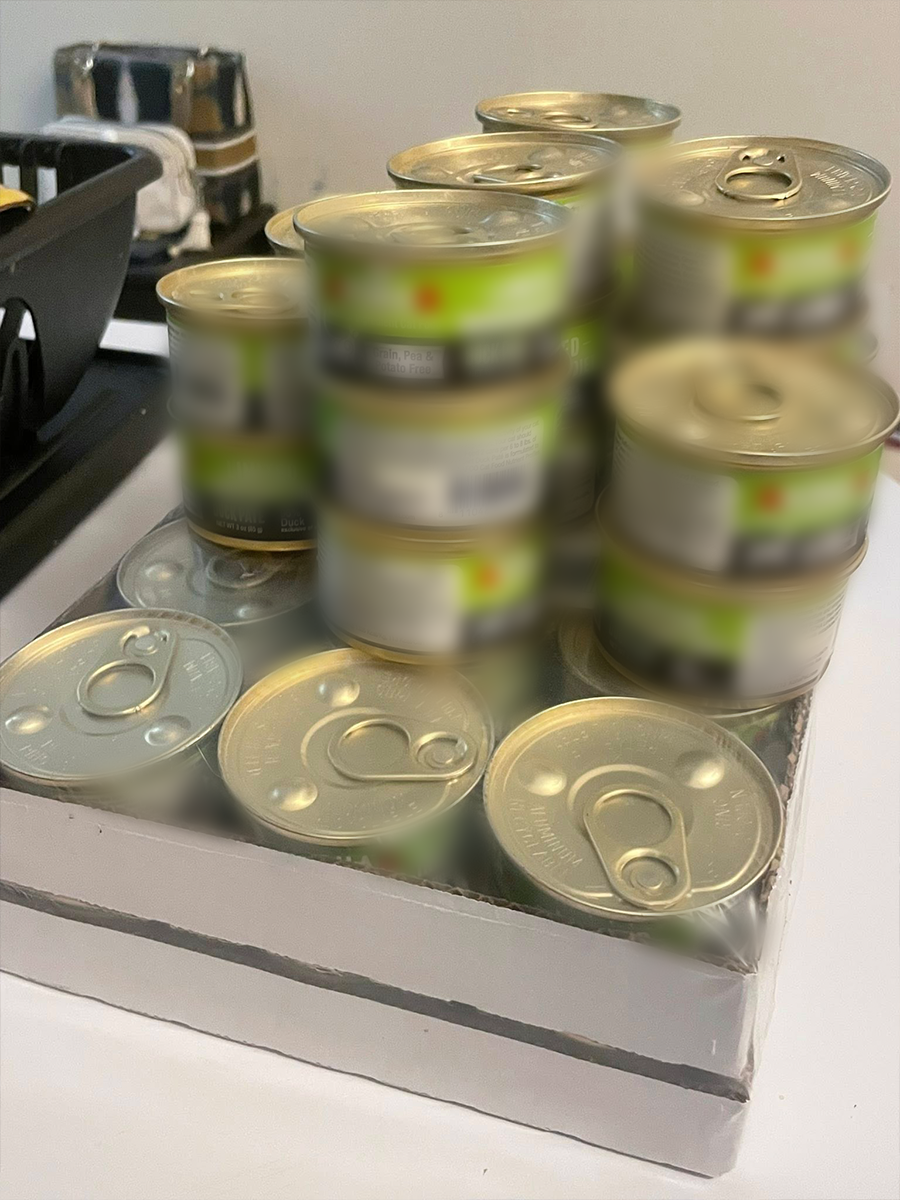
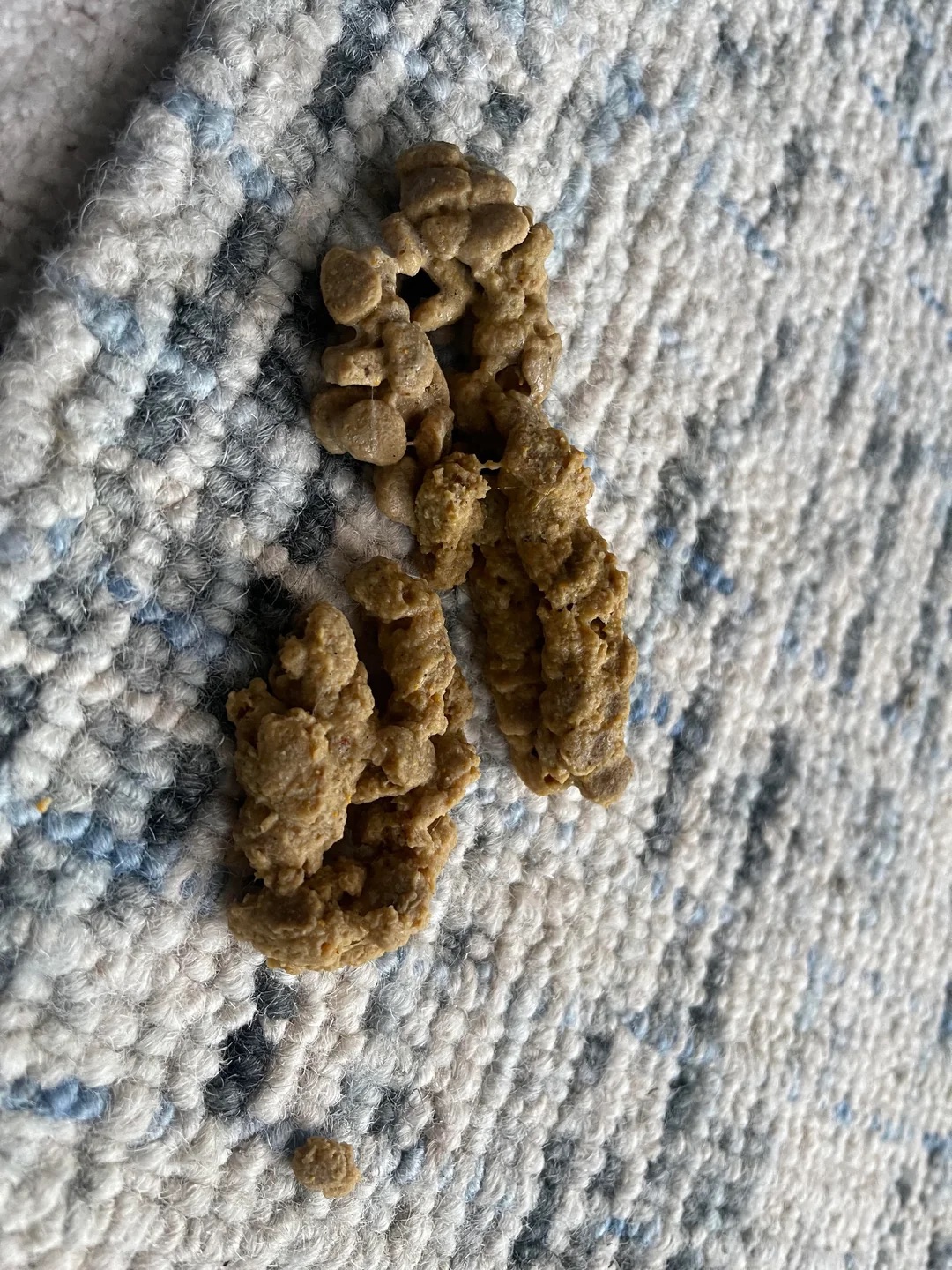
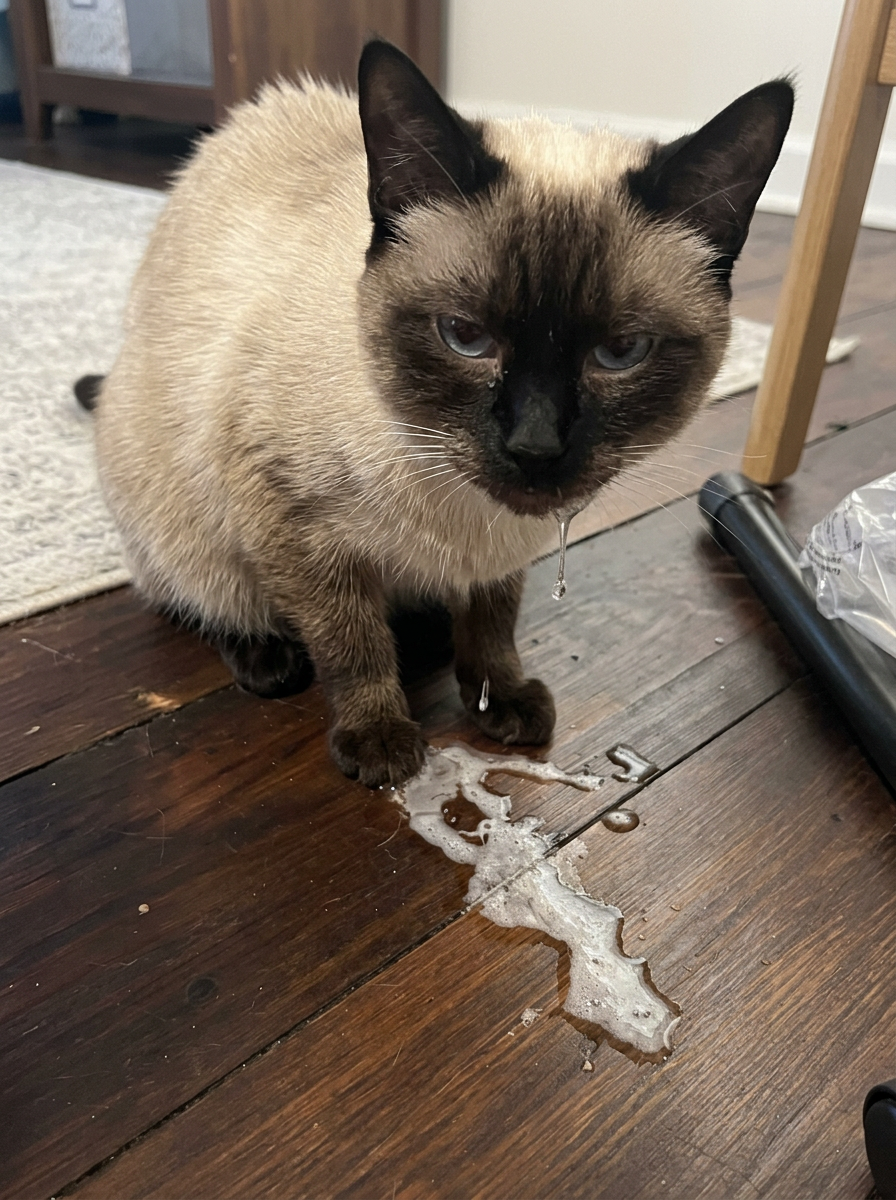
Have you ever seen a wild cat vomit? Think about it. Lions. Tigers. Bobcats. Feral cats living in alleys. When was the last time you saw a nature documentary where a wild cat ate and then immediately threw up? Never. Because it doesn't happen. Chronic vomiting in cats is not normal. It's not "just hairballs." It's not "eating too fast." It's not "sensitive stomach." And it's sure as hell not something you should accept as part of owning a cat. But your vet told you it was fine. "Some cats just vomit more than others." "As long as it's not every day, there's nothing to worry about." "Try this prescription food. It should help." You tried it. $89 per bag. Your cat still vomits. So the vet says: "Let's try a different protein. Maybe she's allergic to chicken." You switch to duck. $72 per bag. Still vomiting. "Maybe it's duck too. Let's try venison." $80 per bag. Still vomiting. "How about hydrolyzed protein? This is what we use for severe food allergies." $95 per bag. Still. Vomiting. And somewhere around month six of this nightmare, after you've spent $2,000+ cycling through exotic proteins, you start to wonder: Why doesn't this happen to wild cats? I'm going to tell you why. But first, you need to understand something about me. I spent 22 years working for one of the Big 3 pet food companies. I can't tell you which one. My severance agreement has penalties that would bankrupt me. But I can tell you this: Everything you've been told about why your cat vomits is a lie. And I helped create that lie. Now I volunteer at a rescue shelter. And every single week, I see cat owners walk in with the same desperate story: "My cat vomits 2-3 times a week. Sometimes more. I've tried five different foods. Spent thousands. Nothing works. My vet says it's probably food allergies and I should keep trying different proteins. But I don't know what else to do." And I have to tell them something that makes them furious: Your vet is either lying to you, or they genuinely don't know the truth. Let me explain. In 2013, a board-certified feline specialist named Dr. Gary Norsworthy published a study that should have changed everything. He took 100 cats whose owners said they "vomited frequently"—defined as twice a month or more. These weren't sick cats. They were "healthy" cats who just happened to vomit a lot. The owners assumed it was hairballs. Or eating too fast. Or just "the way their cat is." Some vets had told them: "Just a puker. Some cats are like that." Dr. Norsworthy didn't accept that. He performed ultrasounds and intestinal biopsies on all 100 cats. The results? 99 out of 100 cats had thickened intestinal walls indicating serious disease. 49 had severe IBD (Inflammatory Bowel Disease). 46 had intestinal lymphoma. Cancer. Only 1 was normal. Let me repeat that: **99% of "just vomiting" cats had a diagnosable disease.** This study was published in the Journal of the American Veterinary Medical Association. Every vet in America should know about it. So why do they keep telling you vomiting is normal? Why do they keep recommending food changes instead of looking for the actual disease? Because the pet food industry trained them to. Let me tell you what happens when a vet graduates from veterinary school. Representatives from Hill's, Purina, and Royal Canin are waiting at the graduation ceremony. They hand out branded stethoscopes. Clinic starter kits. Free product samples. Then they offer the vet a deal: "Stock our prescription foods in your clinic. We'll sell them to you for $45 per bag. You sell them to cat owners for $89. You keep the $44 profit." Multiply that by every vomiting cat in the practice. Every month. For years. It's not a small amount of money. And here's the thing: The vets aren't evil. They genuinely believe they're helping. Because the pet food companies fund the nutrition education in vet schools. They sponsor the conferences. They fund the research. They write the textbooks. So when a cat owner comes in with a vomiting cat, the vet does exactly what they were trained to do: Diagnose "food sensitivity" or "IBD." Recommend a prescription diet. Send the owner home with an $89 bag of hydrolyzed protein. The cat keeps vomiting. So the vet says: "Let's try a different protein." And the cycle continues. Meanwhile, the real problem—the thing killing 99% of vomiting cats according to Norsworthy—goes untreated. But here's what really makes me sick: The pet food industry knows exactly what they're doing. I sat in the marketing meetings. I heard the strategy. "How do we keep cat owners buying premium foods forever?" "Position limited ingredient as a medical solution." "Create the perception that food allergies are common." "Make them think they just haven't found the right protein yet." And it worked. Brilliantly. Because here's the truth that nobody wants you to know: True food allergies in cats are extraordinarily rare. According to veterinary dermatology research, food allergies account for only 1% to 6% of feline GI diseases. 1% to 6%. And when a cat DOES have a real food allergy, the primary symptom isn't vomiting. It's dermatological. Bloody, itchy scabs around the neck and face. Chronically inflamed ears. Hair loss from constant scratching. If your cat is vomiting but has a perfect, shiny coat and clean ears? They don't have a food allergy. But the industry needs you to believe they do. Because once they convince you your cat is "allergic to chicken," they can sell you: - Limited Ingredient Duck: $65 - Novel Protein Venison: $72 - Hydrolyzed Protein: $89 - Exotic Kangaroo: $95 All for a problem your cat doesn't actually have. So what's really causing the vomiting? Here's what I discovered working at the rescue. When you buy those expensive limited ingredient foods, they're significantly higher in fat than regular kibble. We designed them that way. Fat makes food palatable—cats will actually eat it. Fat is cheaper than high-quality protein. And "rich, premium formula" justifies the $70+ price tag. But here's what we never told you: To digest fat, the liver must produce bile. And the liver needs taurine to produce bile. Taurine is an essential amino acid. Cats cannot make it on their own. They must get it entirely from food. Wild cats get massive amounts of taurine from whole prey. Mice. Birds. Organs. All packed with taurine. But commercial cat food? High-heat processing destroys up to 70% of the taurine. What's left gets bound by plant fillers and flushed out before the cat can absorb it. Your cat wakes up taurine-depleted every single day. Without taurine, the liver can't produce enough bile. Without bile, the stomach can't digest fat. When you feed a taurine-deficient cat a high-fat "limited ingredient" food, here's what happens: The stomach receives a massive load of undigested fat. It realizes there's no bile to break it down. It sends a panic signal to the brain: "I can't process this. Get it out." The cat vomits violently 30-60 minutes after eating. It's not an allergy to duck. It's an inability to digest duck fat. And here's the vicious part: Those limited ingredient formulas we created? We deliberately stripped out the taurine-rich organ meats to make them "limited." We replaced them with muscle meat (low taurine) and fat (requires bile to digest). You paid $80 per bag for nutritionally deficient food designed to keep you buying more. Because when it doesn't work, the vet says: "Try another protein." And you do. This is why wild cats don't vomit. They eat whole prey packed with taurine. Their livers produce bile. They digest fat properly. No vomiting. It's that simple. But your house cat? Eating commercial food stripped of taurine? Their body is failing at the most basic level of digestion. And instead of fixing the taurine deficiency, the industry sells you more bags of exotic proteins that have the exact same problem. Last week, a woman came into the rescue sobbing. Her cat had been vomiting daily for two years. She'd spent over $4,000 on elimination diets. Her vet told her: "We've tried everything. It might be time to consider euthanasia." The cat was six years old. I looked at the cat. Perfect coat. Clean ears. No skin issues. "Has anyone tested her taurine levels?" The woman stared at me. "What?" "Taurine. Has your vet ever tested it?" "No. They never mentioned it." Of course they didn't. I tested the cat's taurine. Severely deficient. 22 nmol/mL. Normal is 50-150. I started her on pharmaceutical-grade taurine supplementation. 500mg daily. Mixed into regular food. Not limited ingredient. Not prescription. Regular food. Within three weeks, the vomiting stopped completely. The woman called me crying. "Two years. $4,000. And all she needed was taurine?" Yes. Because the system is designed to profit from your desperation. Not solve the problem. Here's what I wish I could tell every cat owner trapped in the elimination diet cycle: Stop. You're playing a rigged game. Wild cats don't vomit because they get taurine from whole prey. Your cat vomits because commercial food destroys taurine during processing. The "food allergy" diagnosis is a convenient fiction that keeps you buying expensive proteins forever. Start supplementing pharmaceutical-grade taurine. Within 2-4 weeks, the vomiting will stop. Not because you found the "right" protein. Because you finally gave their liver what it needs to produce bile and digest fat. But—critical warning—don't buy random taurine supplements. When I started recommending taurine at the rescue, I tested eight different brands. Seven failed catastrophically. Three were underdosed by 50-60%. Label said 500mg, actual content was 200-250mg. Two were contaminated with magnesium stearate—a filler that blocks taurine absorption. One had bacterial contamination. One had heavy metal contamination. All had perfect reviews on Amazon and Chewy. Only one brand passed: KittySupps. 503mg per scoop. Over-delivers instead of under. 95-98% bioavailability. Pharmaceutical-grade. Zero contamination. I recommend it to every cat owner at the rescue. Cats who've been vomiting for years stop within 2-4 weeks. Cats whose owners were planning euthanasia are thriving. No more $89 bags of hydrolyzed protein. No more 12-week elimination diet nightmares. Just pharmaceutical-grade taurine. Less than 80 cents per day. I'm risking my severance agreement by telling you this. The pet food industry will try to discredit me. Your vet might tell you I'm wrong. But I spent 22 years creating the products that keep you trapped. And I can't watch it anymore. Wild cats don't vomit. Because they eat what their bodies were designed to process. Your cat can too. Get the pharmaceutical-grade taurine that stopped the vomiting in hundreds of rescue cats: https://kittysupps.com/products/taurine Because vomiting isn't normal. It never was. And you don't have to accept it anymore. P.S. Norsworthy study: 99/100 "just vomiting" cats had disease (49 IBD, 46 lymphoma). Your vet saying "some cats just vomit more" is negligence. Food allergies are 1-6% of cases and show as skin scabs, not vomiting. Commercial food destroys taurine. Without it, cats can't digest fat. That's the vomiting. P.P.S. I tested 8 taurine brands—7 failed (underdosed 50-60%, contaminated, blocked absorption). Only KittySupps passed: 503mg, pharmaceutical-grade, 95-98% bioavailability. Wild cats don't vomit because prey delivers taurine. Your cat needs the same. Stop the elimination diet. Start taurine.
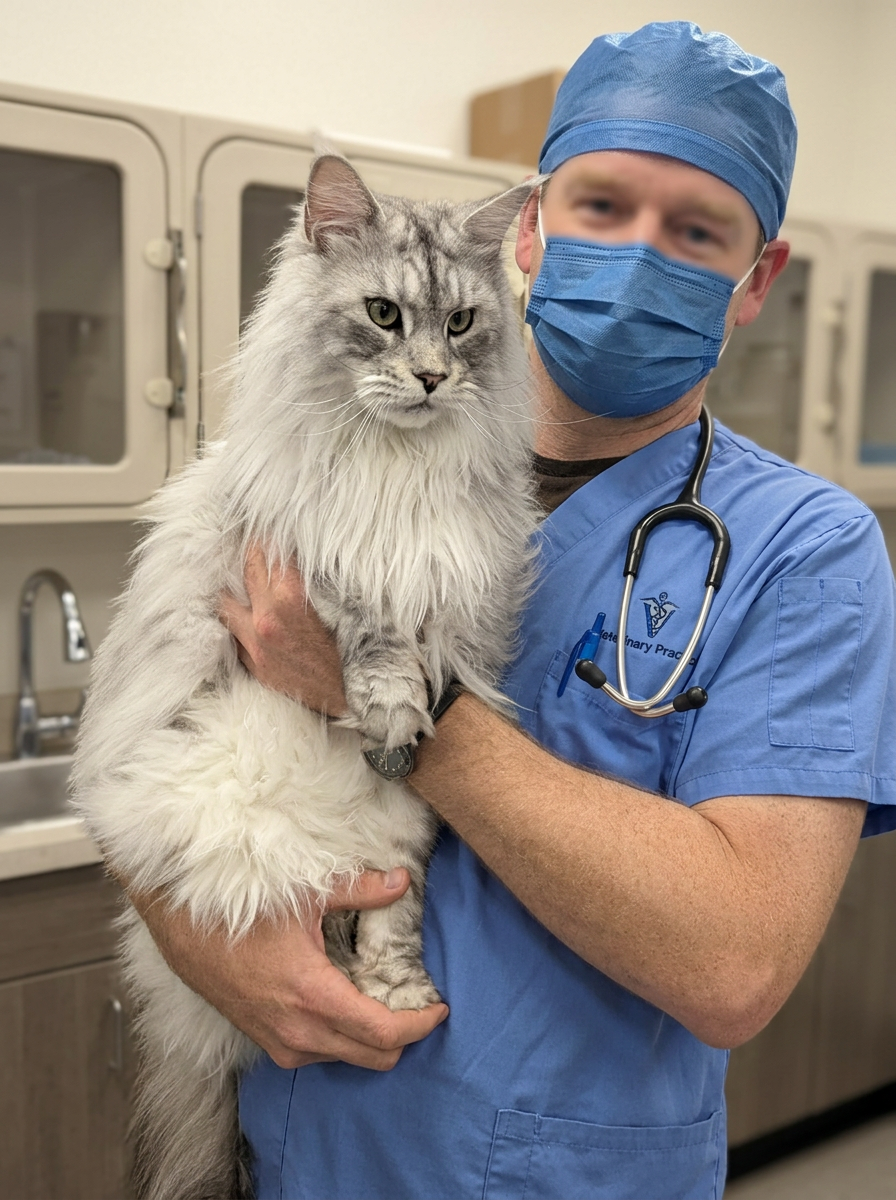
Veterinarian Speaks The Truth..
Ever seen a wild cat vomit after eating? Never. Because it doesn't happen. I spent 22 years formulating the foods your cat eats. Here's why wild cats don't vomit—and why yours does.
ORDER NOWLike this ad? Make it yours.
Crush rebuilds this exact creative around your product — your brand, your colors, your offer — in about a minute.