Carter Callahan
Carter Callahan Facebook ad: “Read This If Your Gut Is Ruining Your Life”

Ran for 1 day, from April 10 to April 11, 2026, the last day Crush saw it.
Run by Carter Callahan on Facebook. Crush is not the advertiser and does not verify its claims. See this ad in Meta's Ad Library(opens in a new tab)
Want an ad like this for your product?
Crush makes new ad images for your product from this ad: your logo, your product photo, your offer.
Trials from $19.95 USD, then $79.95 USD a month. Cancel anytime.
About this ad
- Meta Ad Library ID
- 1673577060547356
- Platforms
- Facebook, Instagram, Audience Network, Messenger and Threads
- Relaunches
- 1
Ad text
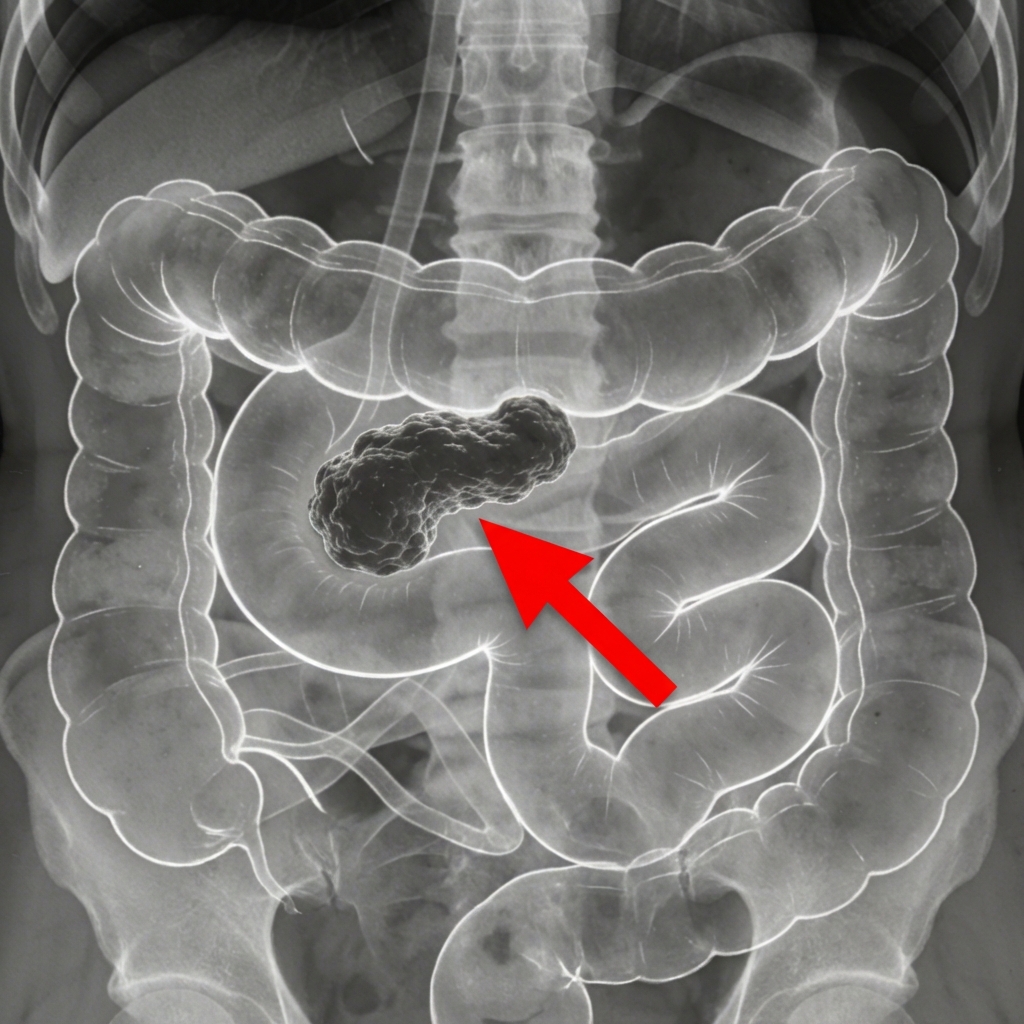
It has been 11 days since I last pooped. 11 days of food going in and nothing coming out. 11 days of my stomach getting harder, tighter, more swollen — until I couldn't button my trousers and couldn't sit down without feeling like something was going to split open inside me. It was my son-in-law who finally told me what was actually wrong. Not my GP. Not my gastroenterologist. Not the pharmacist I'd been visiting every month for fifteen years. My son-in-law. Richard. He's a surgical registrar at a teaching hospital. He specialises in colorectal cases — the patients who end up on his table because chronic constipation went too far for too long. He sees what happens at the end of the road. He told me I was heading straight for it. And what he explained to me at my kitchen table on a rainy Sunday afternoon was the best medical information I have ever received. From anyone. In my entire life. I know how that sounds. Your daughter's husband telling you your doctor's been getting it wrong for fifteen years. But Richard doesn't sell anything. He doesn't have a product. He doesn't make a single penny from what he told me. He just wasn't willing to watch what was happening to me and say nothing anymore. I'd been constipated since my early fifties. The serious kind. The kind where you go a week — sometimes longer — without a single poop. Where you sit on the toilet every morning and strain until your arms shake and your face goes purple and absolutely nothing happens. The kind where you can feel it inside you. Sitting there. Hard. Heavy. Getting bigger every day. And you're terrified — genuinely terrified — of what it's going to feel like when it finally tries to come out. My GP put me on fibre powder at 53. "Bulk things up, drink plenty of water, it should get things moving." I took that fibre powder every single morning for twelve years. Things bulked up. They did not get moving. The bloating got worse. So much worse. By lunchtime every day my stomach was so distended and hard I looked heavily pregnant. By evening I was lying on the sofa in an old nightgown because nothing else was comfortable against my skin. I did the research. I wasn't passive about this. I read about strains and formulations. I bought the probiotics with the specific strains that had clinical evidence. Not cheap ones — £45 a month. I took magnesium tablets. I drank two litres of water. I ate prunes until I couldn't stand the sight of them. I tried Miralax because my GP said it was "the next step." Miralax took three days to partially work. The outside of the poop got slightly softer. The core stayed rock-hard. Like pointing a hairdryer at an ice cube for thirty seconds — the surface glistens but the block underneath doesn't budge. I tried Dulcolax twice. I am not going to describe what Dulcolax did to me in detail because even thinking about it makes my hands shake. I will say this: the first time, I was on the bathroom floor for five hours. On my knees. Forehead against the tiles. Cramping so violently I bit through my lip. My husband sat outside the door the entire time because he didn't know what else to do. The poop came out in hard, dry chunks that felt like they were lined with broken glass. I swore on everything I loved that I would never take Dulcolax again. Seven months later I took it again. Because I'd gone eleven days and the terror of what was building up inside me was greater than the terror of what Dulcolax would do. Same floor. Same tiles. Same five hours. Between the fibre, the probiotics, the magnesium, the Miralax, the prune juice, and a "gut wellness" subscription box my friend had talked me into at £52 a month, I was spending £135 a month. Fifteen years. I'll save you the maths. It's over £24,000. Twenty-four thousand pounds. On poop that stayed stuck. My life was disappearing and I was watching it happen. I stopped going to my book club. Couldn't sit in a quiet room with a bloated stomach worrying about noises. I stopped visiting my sister in Cornwall. Five hours in a car was impossible. I stopped going to church. Standing, sitting, kneeling — every position pressed against my stomach in a different painful way. I stopped wearing real clothes. Everything was elasticated. Everything was loose. Everything was chosen to hide. My husband stopped asking me to go places. Not suddenly. Gradually. The invitations got quieter. Then they stopped. He'd go to his brother's for Sunday lunch and come home and tell me about it. Not in a cruel way. In a sad way. Like he was describing a life I used to be part of. That was the part that destroyed me. Not the pain. Not the bloating. Not the eleven days. The disappearing. Richard and my daughter came for Sunday lunch in March. I'd made a roast but I could barely eat. Six days without pooping. Every bite of food felt like loading cargo onto a ship that was already sinking. Richard watched me push a roast potato around my plate. After lunch, my daughter took the dog out. Richard stayed behind. "Mum —" He calls me Mum. Has done since the wedding. "Can I talk to you about something medical? Properly?" "Go on then." "How long since you last pooped?" "Six days." He nodded slowly. Not surprised. Not shocked. The way a surgeon nods when a scan confirms what he already suspected. "And all of this —" He gestured toward the bathroom where my cabinet full of supplements lived. "Has any of it ever actually solved the problem? Or does it just occasionally force something out while the problem underneath gets worse every year?" I didn't answer. "I operate on patients like you," he said. "Women in their sixties and seventies who took their fibre and their laxatives for twenty years. Did everything they were told. And ended up on my table because nobody ever explained what was actually happening to the poop inside them." "What IS happening?" "Two things. At the same time. And until someone fixes both of them together, nothing — and I mean nothing — will work properly." He took the salt and pepper shakers from the middle of the table. He wrapped his fist around the salt shaker and squeezed. "First — the muscles lining your colon lock up. They clench around that dried-out poop and they will not release. Think of my fist. That's your colon muscles. That salt shaker is the poop. Clenched. Seized. The passage is locked shut. That's why you sit there every morning pushing for forty minutes and nothing moves — the muscles are in spasm around a mass that cannot physically pass through." He let go of the salt shaker and picked up the pepper. "Second — and this is the part that keeps me up at night because I watch the consequences of it on my operating table — the poop itself has dried out and lost its oxygen." "Lost its oxygen?" "Poop needs oxygen to stay soft and hydrated. When it sits inside your colon for days and dries out, it becomes a dense, compacted, oxygen-starved mass. Cement. And once it's cement, fibre does nothing except pile more material on top of the blockage. You're making it bigger. Heavier. More painful. Every scoop of fibre powder you've taken for twelve years was adding bulk to a concrete wall." He set both shakers next to each other. "Locked muscles on the outside. Cement on the inside. That's your constipation. That's why nothing has worked. Because nothing you've been given addresses both problems." "Miralax draws a bit of water to the surface. But water can't penetrate oxygen-starved cement. It's like hosing down a concrete floor and expecting it to dissolve." "Fibre adds bulk. To a blockage. Making it larger." "And Dulcolax —" He stopped. Looked at me. "You took Dulcolax, didn't you?" "Twice." His jaw tightened. "Dulcolax forces those locked muscles to contract. Violently. Against cement. That's why you were on the floor. That's why it felt like something was tearing. You were forcing soft tissue to smash against a rock-hard, dried-out mass that hadn't been softened, hadn't been dissolved, hadn't been oxygenated. Brute force against concrete." "I thought I was dying, Richard." "I know. And every patient I've ever operated on who took stimulant laxatives for years says the same thing. Because that's what the protocol does. It forces. It never dissolves." Fifteen years. Thousands of pounds. Hundreds of mornings on that toilet seat. And nobody — not one person in that entire chain — had ever picked up a salt shaker and explained what was happening inside me. "Richard — what should I actually be doing?" "Two things working together. Something that relaxes those colon muscles so they stop clenching. AND something that delivers oxygen directly into the poop so it rehydrates, softens, and dissolves from the inside. You dissolve the cement BEFORE the muscles try to move. That's the difference. That's why it doesn't hurt." "Does that exist?" "Yes. It's simple. It's not new. Magnesium oxide — high-dose, real magnesium oxide, not the weak tablets from the chemist — relaxes the muscles in the colon. Opens the passage. And citric acid reacts with the magnesium and releases oxygen directly into the poop. Into the cement. Softens it. Rehydrates it. Breaks the bonds holding it to your colon walls." "Two actions," he said. "The magnesium relaxes. The citric acid oxygenates. Together they dissolve the cement first — so when the muscles finally do move, there's nothing hard left to push against. No forcing. No cramping. No violence. No floor." "Why didn't Dr. Baxter tell me this?" Richard leaned back. "Because the protocol is fibre, then Miralax, then a stronger prescription. That's what gets prescribed. That's what the guidelines say. It doesn't matter that I see the end stage of that protocol every week in surgery. The protocol is the protocol." "She's not a bad doctor. She's following a system that manages the symptom month after month and never once asks why the poop is cement." Mechanism. I'd spent fifteen years — fifteen years — treating a symptom. Forcing the poop out. Suffering through it. Waiting for the next blockage. Forcing again. Nobody ever told me the muscles were locked. Nobody ever mentioned oxygen. Nobody ever said the word cement. Richard sent me an article that evening. How the magnesium relaxes. How the citric acid oxygenates. How together they dissolve what fifteen years of fibre and laxatives were never designed to touch. He ordered it for me before he and Emily left. Hugged me at the door. Longer than usual. "Give it two weeks," he said. "The cement took years to build. It won't dissolve overnight." Week one. Nothing obvious. I texted Richard that I wasn't sure. He texted back: "Fifteen years of cement, Mum. Give it time." Week two. Two mornings without the knot. The tight, cold dread that used to grip my stomach before my feet hit the floor — it was softer. Not gone. Softer. Week three. Pressed my fingers into my abdomen after breakfast. The hardness that had been there for years — the bloated, swollen wall — was giving way. Slightly. But noticeably. I stood in my bathroom and pressed again because I didn't believe it. I believed it. Week four. Poop. Soft. No straining. No pushing. No forty minutes of gripping the seat with nothing happening. It came out gently. Easily. The way I vaguely remembered poop being supposed to come out before all of this started. I sat there for a long time. My hands weren't shaking. Nothing was cramping. I wasn't on the floor. I called Richard. "It was soft. No pain. It just happened." Pause. "Good. Keep going." That's all he said. But my daughter told me later that he put the phone down and stood in their kitchen for a minute without moving. Week six. My friend Barbara invited me to the garden centre. I said yes. Drove there. Walked around for an hour. Had a scone and a cup of tea in the café. Didn't think about toilets once. I sat there with my tea and my scone and the sun coming through the window and I thought: I haven't done this in three years. Three years without a scone at a garden centre because my poop was cement and I was too afraid to be more than two minutes from a bathroom. Month two. My sister invited me to Cornwall. I said yes. Five hours in the car. Didn't pack Dulcolax. Didn't pack Miralax. Didn't map out every service station between here and Truro. We walked on the beach. Ate fish and chips looking at the sea. I had a Cornish pasty the next day and didn't spend the afternoon monitoring whether it was going to destroy me. It didn't destroy me. My sister looked at me on the beach and said, "You seem like yourself again." I had to look away because I didn't want her to see my face. Month three. Sunday lunch with the whole family. Richard and Emily. My daughter and the children. My husband. Big table. Lots of food. I ate roast beef and Yorkshire puddings and carrots and potatoes and I had seconds and I stayed for pudding. My husband reached across and squeezed my hand under the table. "You had seconds," he whispered. "I did." He didn't say anything else. He didn't need to. Month four. Went back to Dr. Baxter. She opened my symptom diary. The old one. The new one. Read them both. Read them again. "Daily bowel movements. Bloating resolved. No straining. No pain. What on earth changed?" "I stopped following the protocol and started listening to my son-in-law." She looked at me. "My poop was cement. The muscles in my colon were locked around it. Everything you prescribed — the fibre, the Miralax — was either adding bulk to the cement or trying to soften something water couldn't penetrate. And the Dulcolax was forcing locked muscles to smash against concrete. That's why it was agony. That's why nothing ever improved." "Magnesium oxide relaxes the colon muscles. Citric acid delivers oxygen directly into the poop. Together they dissolve the cement from the inside — so there's nothing hard left to push against. Fifteen years of fibre and laxatives never touched the mechanism. This does." She sat very still for a moment. "I'd like to understand the research," she said. "I'll have Richard send it." That night I called my son-in-law. "Daily movements. No bloating. No pain. Baxter wants to see the studies." Long pause. "I operate on women your age," he said quietly. "Women who spent twenty years on fibre and laxatives doing everything right. And nobody — at any point in that entire twenty years — told them why the poop was stuck. I see the end of that story every week. I wasn't going to let it be yours." "It's not mine." "No. It's not." I think about my mother. She took senna every night from her fifties. Her doctor said it was normal. By sixty-two she was making excuses. By sixty-five she'd stopped going out. By sixty-nine her world had closed to four walls and a bathroom and a small, worn path of carpet between them. She used to take me strawberry picking every June. We'd come home with red fingers and make jam that lasted until Christmas. She'd stand at the stove for hours, stirring, not minding, because her body let her stand and stir without pain or fear or shame. By the end she couldn't stand long enough to boil a kettle. Her results were always normal. Every time. The doctors nodded and wrote another prescription and sent her home to shrink a little more. Nobody said "oxygen." Nobody said "cement." Nobody said the muscles were locked and every laxative she took was just forcing her body to fight harder against something that needed to be dissolved, not shoved. There was nothing inevitable about what happened to her. It was a mechanism that nobody identified and nobody questioned while her world folded shut around her. My mother never had a Richard. Nobody sat at her kitchen table and picked up a salt shaker and said the words. I did. Your poop isn't stuck because you need a different laxative or more fibre or a stronger prescription. It's stuck because the muscles in your colon are locked shut and your poop has lost its oxygen. Cemented in place. And everything you've been given was designed to either pile more on top or force it through by brute force. Nobody told you about the mechanism. My son-in-law told me. Because he operates on the end stage of the protocol every week — and he wasn't going to watch his own family reach it. I ordered enough to get me through my next appointment. Best decision I've ever made. I used to think Richard chose a grim speciality. Long surgeries. Severe cases. The weight of seeing what happens when constipation is left to the protocol for decades. Now I'm grateful. Because he brought that knowledge into my kitchen. He picked up a salt shaker and told me what no doctor had said in fifteen years. And it changed everything. If your poop is getting worse despite doing everything right, it might not be you. It might be the mechanism. It was for me. And for every patient Richard operates on who was never told the truth. Stop following the protocol that's failing you. Start following the mechanism that isn't. I read the article that explained everything on their website. If this sounds like your life — read it. Don't spend fifteen years like I did waiting for someone to explain what's happening inside you. https://www.sunvanna.com/UK/news--health--digestive-wellness
Where the ad sends people
medativa.com
Read This If Your Gut Is Ruining Your Life
Have you ever sat on the toilet, terrified of what's coming? You can feel the massive, rock-hard stool building up inside you.
Learn more: medativa.com(opens in a new tab)