
Inactive· since Jun 14, 2026
- 31
- days it ran
- 0
- relaunches
Ad copy
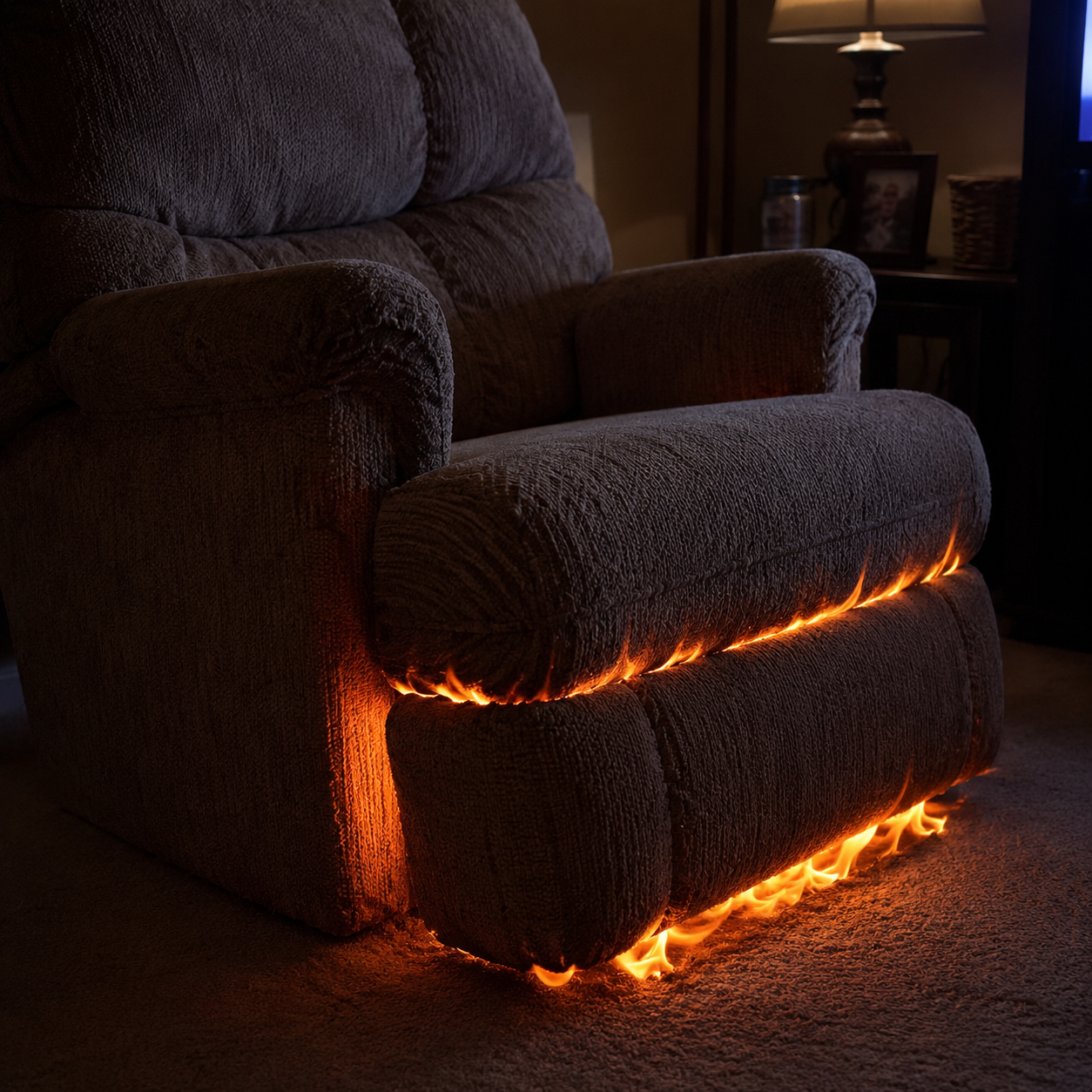
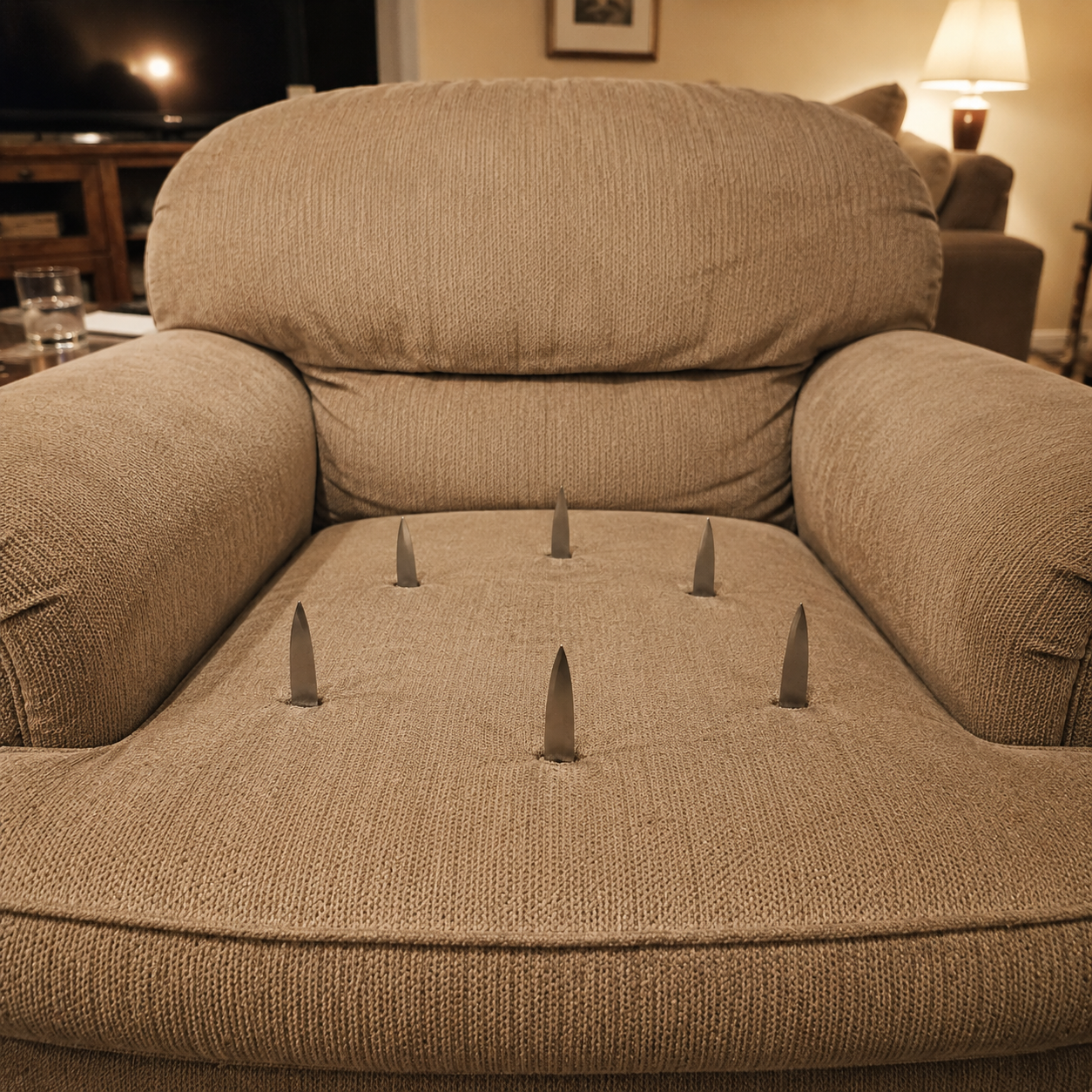
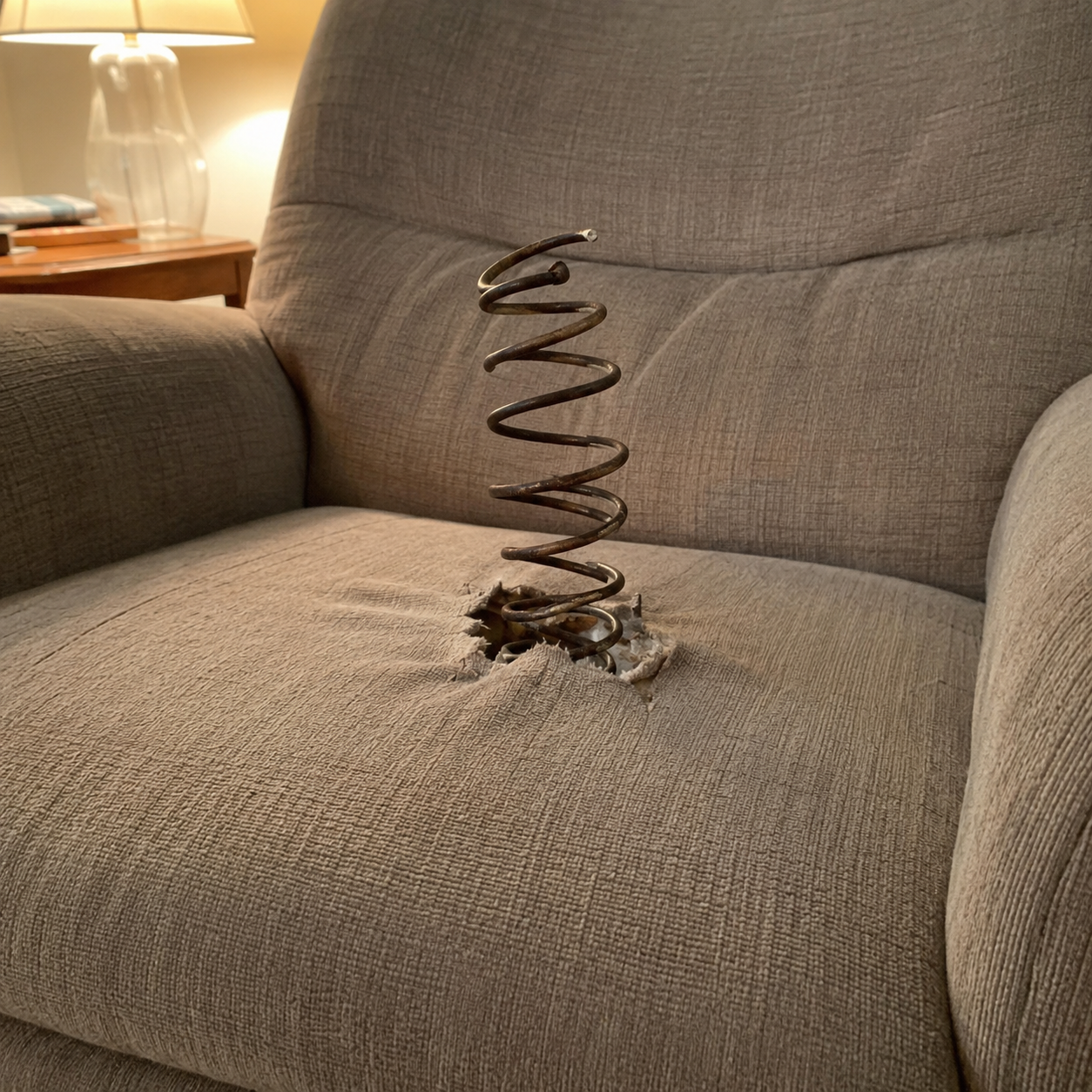
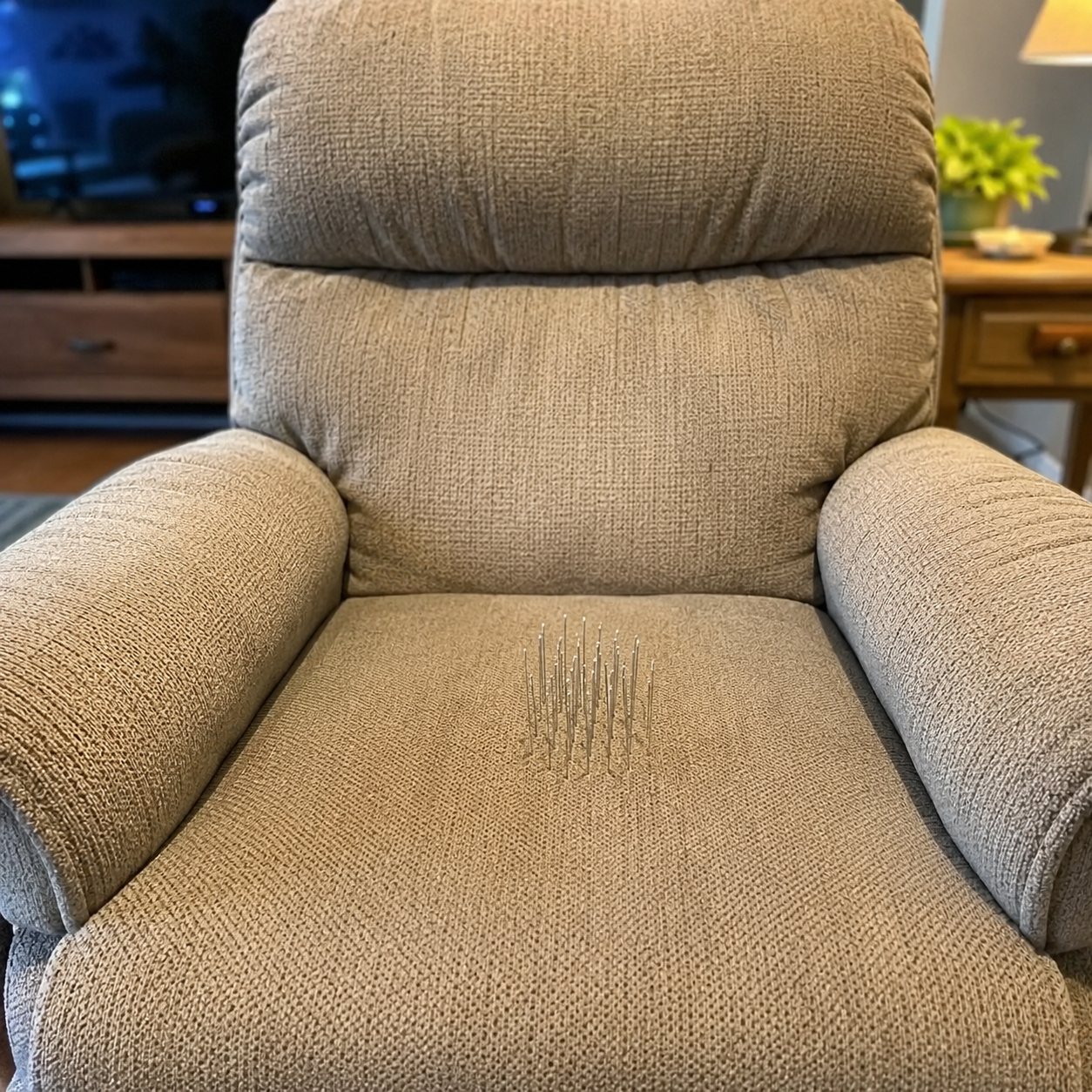
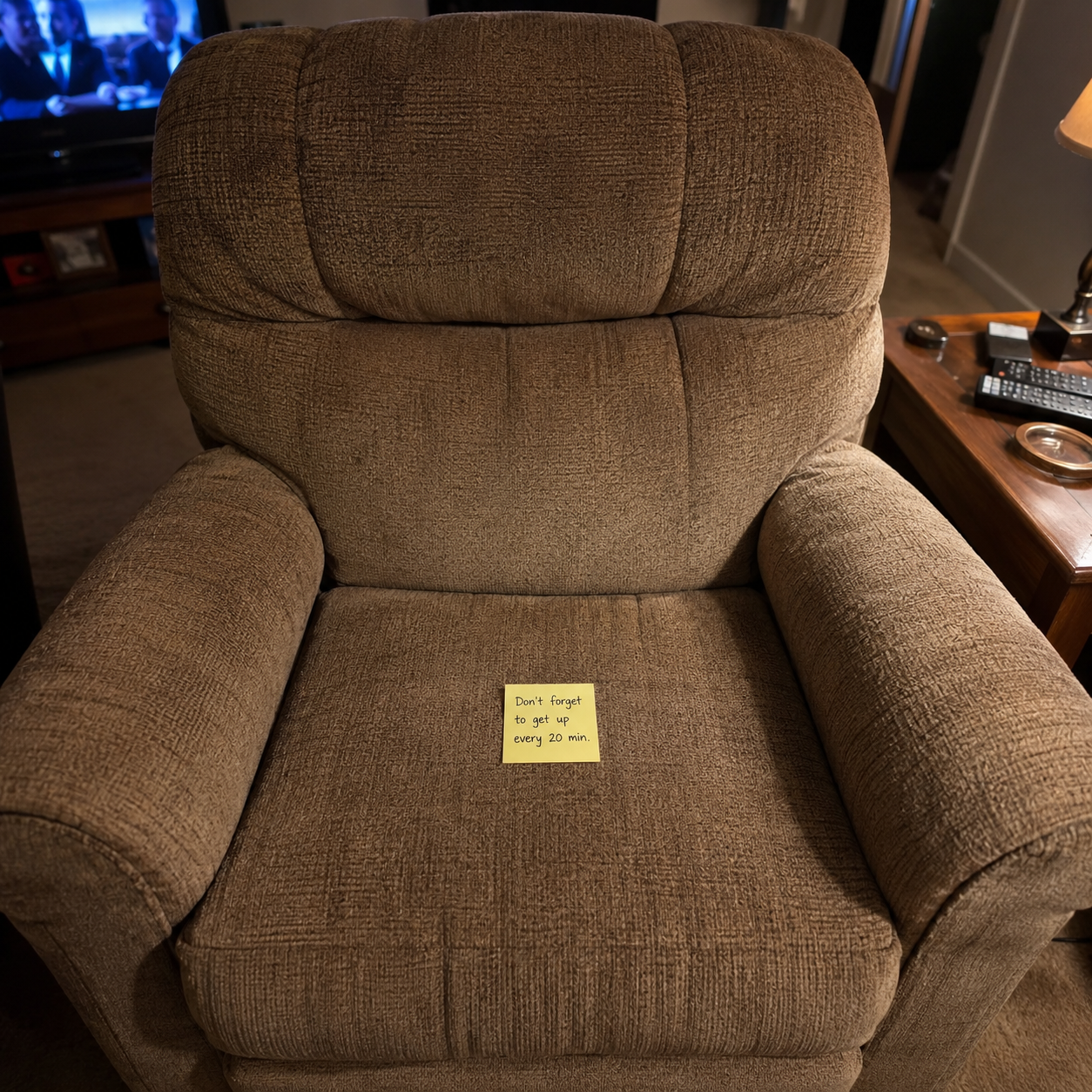
The terrible truth I learned from her doctor is that for an elderly person, sitting in a favorite recliner is like sitting on a concrete block. I didn't understand that until the morning I found my mother gripping both armrests of her chair, tears running down her face, unable to stand up. Not a fall. Not a stroke. Pain. Deep, invisible pain that had been building for months while I thought she was comfortable. My name is Linda. I'm 54. My mother, Helen, is 78. She's lived with me for two years since her second fall. Her world is her recliner by the front window. That is where she watches her shows. That is where she naps. That is where she eats most of her meals because getting to the kitchen table takes more out of her than it used to. She sits in that chair for most of the day. Eight, sometimes nine hours. I thought that was fine. She was comfortable. She had a memory foam cushion I'd bought her, a good one, not cheap, and it seemed to be working. She wasn't complaining. I wasn't seeing anything alarming when I helped her change at night. What I didn't know is that the damage was already happening. It starts invisibly. That's the thing nobody tells you. The first sign I noticed was that Mom had started shifting more than usual. Just small adjustments. A lean to one side, then back. A subtle repositioning every few minutes that she probably wasn't even conscious of. I asked if she was uncomfortable. "No, honey. Just a little restless." I accepted that. Restless seemed fine. Three weeks later I was helping her into her nightgown and I saw the red patch on her tailbone for the first time. Not a wound. Not yet. But a deep, dark red that didn't fade when I pressed it gently with my finger. The kind that looks like it goes deeper than the surface. My stomach dropped. I called her doctor the next morning. What he told me in the next three minutes changed everything I thought I knew about keeping my mother safe. "How long has she been sitting on foam?" he asked. "Two years." "Linda," he said. "I want to explain what's causing this. Because it isn't what most people think, and if you don't understand the cause, you'll keep fighting the wrong battle." He asked me to press my fist down onto the kitchen table. I pressed down. "Feel your knuckles? The bones against the hard surface?" "Yes." "That's your mother's tailbone. That's what's been happening eight hours a day for the past two years. Her sitting bones pressing through that cushion and into the chair surface underneath." "But she has a cushion," I said. "A thick one." "Foam compresses," he said simply. "That's what foam does. Under sustained body weight, it flattens. It doesn't matter how thick it starts. It doesn't matter how much you paid for it. After an hour or two of continuous sitting, a foam cushion is functionally the same as nothing." He paused. "And here's what makes that dangerous for someone your mother's age. After seventy, skin loses roughly thirty percent of its thickness. The fat layer underneath, the natural padding that used to protect bone from surface contact, has been deteriorating for years. The cushion you bought when she was seventy-five would have been adequate when she was seventy-five. She is not seventy-five anymore. Her body cannot tolerate pressure the way it once could." I thought about that cushion sitting in the chair for two years. How many times I had squeezed it and thought: this feels firm, this is good. How I had never once considered what was happening underneath it while she sat. "When pressure is sustained long enough," he continued, "it cuts off blood flow to the tissue. Tissue without blood flow has no oxygen. No oxygen means the cells begin to die. It happens silently. It happens under the surface. You cannot see it from the outside until the damage is significant." He looked at me. "That's what you're seeing now. The redness on the surface is the visible portion of damage that started weeks ago." Weeks ago. While I was checking her cushion and seeing nothing wrong. While I was telling myself she was comfortable. "What do I do?" I asked. His answer was not what I expected. He told me to stop thinking about this as a cushion problem and start thinking about it as a physics problem. "Every cushion you've bought," he said, "is built on the same principle. Padding. You put something soft between the body and the surface and you hope the softness absorbs the pressure. But padding compresses. Compression means the heaviest pressure point, the bone, pushes straight through the padding and contacts the surface anyway. You're not solving the problem. You're delaying it by an hour." "So what does solve it?" "Redistribution," he said. "Not absorbing the pressure. Moving it. Spreading it across a wider surface area so that no single point, especially no bone point, carries the load." He explained that hospitals have known this for decades. ICU beds, surgical recovery wards, spinal cord injury units. They don't put foam under patients who can't reposition themselves. They use specialized pressure redistribution surfaces. Gel matrices. Honeycomb structures where the material itself is engineered to buckle sideways under load, spreading force outward instead of compressing flat. "The difference," he said, "is the difference between pressing your hand into a block of foam and lowering it into water. Foam pushes back at the point of contact. Water moves around you. Every surface equally supported. No single point crushed. That's redistribution." I thought about two years of foam cushions. All the times I had squeezed them and thought: this is soft, this is good. All that time I had been buying padding when what she needed was engineering. I spent three days searching. Not "best cushion for elderly" like before. I knew that search was useless. Every result was another foam rectangle with a thousand reviews from people who'd owned it for three days. I searched for what the doctor told me to find. Pressure redistribution. Medical-grade gel. Honeycomb technology. Column-buckling. Most of what came up was $500-800 wheelchair cushions designed for hospitals. Then I found the Holie Gel Cushion. It kept showing up. In wound care forums. In occupational therapist recommendations. In caregiver groups where people weren't asking "what's comfortable" but "what actually prevents skin breakdown." A gel cushion that used the same pressure redistribution technology. Honeycomb gel columns that don't compress flat like foam. They buckle and flex sideways under weight, spreading the pressure across the entire surface instead of concentrating it on the tailbone. Not padding. Not softness. Redistribution. I ordered it that night. When it arrived, I understood immediately what the doctor meant about it not looking like what you'd expect. The gel grid was exposed. A blue honeycomb pattern, rigid-looking, almost clinical. I pressed my palm into it, then my full weight. The columns buckled sideways. The pressure spread across my entire hand. I pressed harder, trying to reach the base. I couldn't. I put it in Mom's chair the next morning. For two weeks I checked her skin every single evening. Standing behind her while she watched her shows, lifting the back of her shirt quietly so I wouldn't alarm her. Looking for red. Looking for anything. The existing patch faded within ten days. After two weeks, nothing. Pink, healthy skin. No new marks. No redness. Nothing. I sat in my car in the driveway that evening and I let myself cry for the first time in months. Not from fear. Just from the release of something that had been pulled tight for a long time finally letting go. Mom still sits in her chair by the front window. Eight, nine hours a day. She watches her shows. She naps. She eats her meals there. Nothing has changed about how she lives. Everything has changed about what's happening underneath her. I want to tell you the thing her doctor told me because I think it is the most important thing I have ever learned as a daughter. Comfortable and safe are not the same thing. Your parent can feel perfectly comfortable while pressure is building under their skin, cutting off blood flow, beginning the process of tissue damage. They may not feel it. You cannot see it. The cushion beneath them feels fine when you press it with your hand. None of that means anything. The only thing that matters is whether the pressure is being redistributed away from bone. Not absorbed. Not padded. Redistributed. Foam does not do that. It cannot do that. It is physically incapable of doing that under sustained body weight. That is not a brand problem. That is not a quality problem. That is a materials physics problem that no foam cushion, at any price point, can overcome. If your parent is sitting for more than four hours a day, on any foam cushion, the process her doctor described is happening right now. You may not see it for weeks. When you do see it, you will already be behind. The cushion that changed everything for us is the Holie Gel Cushion. You can see exactly how the technology works at the link below. I'm not a nurse. I'm not a doctor. I'm a 54-year-old daughter who spent two years being terrified of the wrong thing. I was terrified of finding a wound. What I should have been doing was eliminating the condition that creates one. Those are different problems with different solutions. The right solution is at the link below. Put it in the chair before you see the red mark. Not after. Before. That is the only window that matters.
Like this ad? Make it yours.
Crush rebuilds this exact creative around your product — your brand, your colors, your offer — in about a minute.