
Active· since Feb 27, 2026
- 199
- days running
- 0
- relaunches
Ad copy
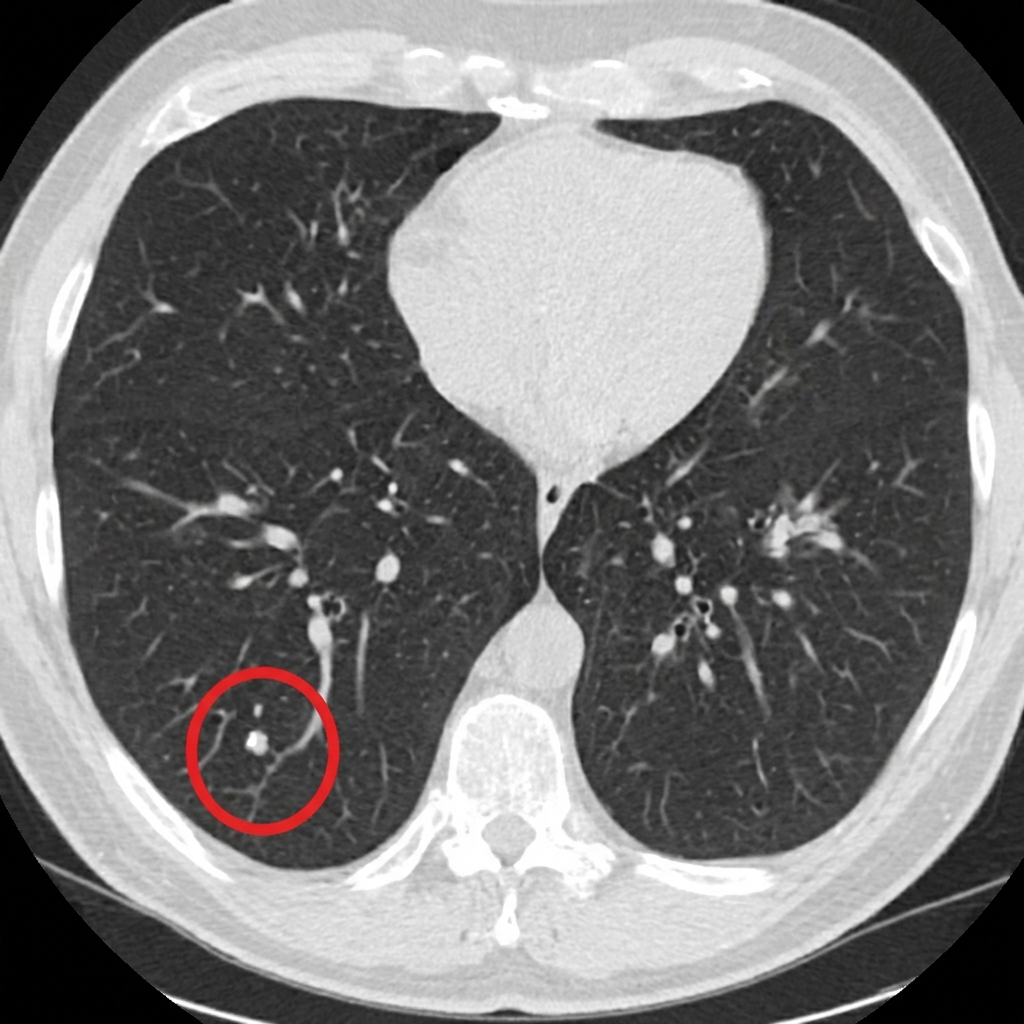
My father smoked for 40 years. The cigarettes destroyed him. I’ve been smoking for 31, and I’m terrified that I’m next. And by the end of this, you're gonna be pissed. Because there are three things happening right now: One — Smoking is giving you a countdown to a diagnosis you're terrified to get Two — The quit-smoking industry keeps selling you the same nicotine replacements that never actually work And three — There's a multi-billion-dollar industry that profits every single day you stay addicted, whether that's to cigarettes or to their products So let me tell you what happened with my father. Because his story is going to open your eyes to how messed up this really is. For 40 YEARS, and I mean four straight decades, my father was trapped. It started when he was 18. Everyone smoked back then. His friends, his coworkers, his own father. Nobody told him what it would cost him. By the time I was born, he was already a pack-a-day smoker. And by the time I was old enough to notice, he'd already tried to quit more times than either of us could count. First it was the patch. His doctor said it was the right first step. Said it would take the edge off. Said it was clinically proven. Within two weeks, he was wearing the patch AND sneaking cigarettes in the garage at night. My mom found the butts behind the trash cans. I remember the fight. I was eleven years old, sitting at the top of the stairs listening to her cry. He promised her it wouldn't happen again. It happened again. So they switched him to the gum. He chewed that gum constantly. Every meeting at work, every car ride, every time he watched TV. I used to count the wrappers in the trash. Sometimes thirty or forty a day. Know what the gum did? It kept him hooked on nicotine while fooling him into thinking he was making progress. Because he wasn't smoking, technically. He was just feeding the same addiction through a different delivery method. And the second a stressful week hit — a bad month at work, a fight with my mom, any real pressure at all — the gum disappeared and the cigarettes came back. His doctor tried prescription medication next. The side effects were brutal. The mood swings were so bad my mother told me years later she was scared of him during that period. He had nightmares every night. He stopped taking it after six weeks. And here's the part that made me sick to my stomach years later when I finally understood it. Every single one of those methods — the patch, the gum, the medication — made the same mistake. They were all trying to fix the nicotine. And nicotine was never the real problem. My father kept smoking for another twenty years after that first quit attempt. And then, when I was thirty-four years old, he called me from the doctor's office. Stage 3 lung cancer. I can still hear his voice on that call. That specific kind of quiet that falls over a person when they realize they're out of time to fix things. He died fourteen months later. Sixty-one years old. He never met my daughter. Never saw me get married. Never got to be the grandfather I know he would have been. And I've carried that with me every day since. Fast forward to two years ago. I'm 51 years old. I've been smoking since I was 20. I started in college, same as most people. Social thing. Stress thing. Told myself I'd quit before it became a real habit. That was sixteen years ago. I'm standing in the hospital parking lot at 11 PM after a long shift, and I light up. And I stop mid-exhale and think: This is exactly how it started for him. I felt it in my chest. Not just guilt. Something closer to terror. Because I knew exactly where this road ended. I'd watched it play out in real time. I'd held my father's hand in a hospital bed with tubes coming out of him. I made a decision in that parking lot. I am not dying the way he did. So I did everything you're supposed to do. I bought the patches. Followed the step-down program exactly the way the package instructed. Week one, week two, week three. By week four I was smoking again. I tried the gum. Chewed through a full box in two days and still hit a gas station for a pack on the way home from work. I downloaded a quit app. Used it for nine days. Then deleted it. I even went to my doctor and asked about the prescription options. She went through the list. I remembered what those medications did to my father's moods. I said no. And I stood there thinking — is this it? Is this really all anyone has to offer? Because I'd done everything the system told me to do. Multiple times. And I was still smoking. So at this point, I'm furious. I started asking questions that nobody in the quit-smoking industry wants you to ask. Why do patches and gum have failure rates above 90%? Why, after decades of research and billions of dollars in product sales, is the best success rate for any nicotine replacement therapy still in the single digits? Why does the industry keep selling the same products that don't work, just with new packaging? And why does nobody ever talk about what smoking actually IS beyond a chemical dependency? I went down a rabbit hole. I pulled every study on smoking cessation I could find. Clinical trials, behavioral research, addiction science. Not the stuff on the back of a Nicorette box. Actual research. And I found something that completely changed how I understood my own addiction. And once you hear this, you'll never look at smoking — or at every failed quit attempt — the same way again. Here's what they don't tell you: Nicotine leaves your body in 72 hours. Three days. That's it. That's how long it takes for the chemical to fully clear your system. So why do people relapse two weeks later? Two months later? Two years later? Because we have been treating the wrong addiction. The nicotine was never the real enemy. Think about it honestly — when do you actually want a cigarette most? With your morning coffee. After a meal. When you're driving. The moment something stressful happens at work. On a break when you step outside. None of those moments are about your nicotine blood levels. They're about a physical ritual your body has performed thousands upon thousands of times. The average smoker takes 10 puffs per cigarette. A pack a day smoker does that 20 times. That's 200 hand-to-mouth repetitions. Every single day. Over 16 years of smoking — the same years I'd been doing this — that's over 1.1 million repetitions of the exact same physical motion. The same reach. The same raise to the lips. The same pull of breath against resistance. Over 40 years, like my father? 2.19 million repetitions. That pattern isn't stored in your bloodstream. It's carved into your nervous system. Into your motor memory. Into the part of your brain that drives before you decide to drive, that reaches for a phone before you're even aware of the impulse. Patches don't touch that. Gum doesn't touch that. Willpower doesn't touch that. You're not fighting a craving when you reach for a cigarette in the car. You're executing a program that's been running automatically for years. And until something replaces that program, no amount of nicotine management is going to stop it. This is why my father failed. Over and over again. Not because he was weak. Not because he didn't want it badly enough. Because every single tool he was given was aimed at the wrong target. The quit-smoking industry has known this for years. They know the research. They know the behavioral studies. They know that hand-to-mouth conditioning is the dominant driver of relapse, not nicotine levels. But you know what you can't patent? A physical habit replacement. There's no profit in telling someone their real addiction is a physical ritual and that the fix is replacing the motion. There's enormous profit in selling them patch after patch, box after box of gum, prescription after prescription — for years. For decades. My father was their customer for twenty years after his first quit attempt. Think about that. So I kept digging. And eventually I stumbled across something that stopped me cold. A study from the University of Washington's Addiction Research Center tracked thousands of people trying to quit smoking. What they found was this: 94% of relapses happened during automatic moments. Driving. After meals. Morning coffee. And the physical hand-to-mouth motion triggered cravings more powerfully than nicotine withdrawal itself. One line in the study hit me like a freight train: "Smoking cessation fails because we treat it as a chemical dependency when it's primarily a behavioral pattern encoded in the motor cortex." The motor cortex. Not your bloodstream. Your brain's movement center. The place that controls automatic, repeated physical behavior. And then I found something else. European respiratory therapists had been using resistance breathing devices for years — not for smoking cessation, but for lung rehabilitation after surgery. And they kept noticing the same unexpected thing: patients who used these devices stopped asking for cigarettes. Because those devices created the same resistance as a cigarette. 3.5 kPa. That's the specific inhalation resistance a cigarette produces when you draw on it. That specific pulling sensation. That satisfying resistance your body has associated with relief and calm for years. The respiratory devices matched it exactly. And the patients' brains couldn't tell the difference. They were getting the physical sensation their nervous system had been trained to crave. Without any smoke. Without any nicotine. Without any chemicals at all. Their cravings were being satisfied at the source — the behavioral, physical ritual — not suppressed with a chemical substitute. When I read that, I felt something I hadn't felt in two years of trying to quit. Hope. I started looking for something built specifically around this principle for smoking cessation. That's when I found Revya. I went to their website ready to be skeptical. I'd been burned before. I'd tried the products with the clinical-sounding names and the impressive packaging that delivered absolutely nothing. But what I found was different. Revya is a resistance breathing necklace. You wear it around your neck so it's with you every moment of every day. When a craving hits — in the car, after eating, during a stressful call at work — you don't fight the impulse. You don't white-knuckle through it. You reach for the necklace. You raise it to your lips. You inhale through it. And your brain gets exactly what it's been asking for. That 3.5 kPa of resistance — the identical pull your lungs have felt a million times before. The same hand-to-mouth motion. The same breath. The same calming sensation. Except there's no smoke. No nicotine. No chemicals. No tar filling your lungs. What Revya figured out is something the entire quit-smoking industry has deliberately ignored: you don't beat the ritual by fighting it. You beat it by replacing it with something your nervous system accepts as equivalent. Something that satisfies the behavioral craving completely. Over time, as you repeat the new motion — necklace to lips, breath through resistance, calm — your brain starts to remap. The automatic reach that used to end with a cigarette starts to end with something that can't kill you. This is called proprioceptive matching. Your body's sensory system is receiving the exact same physical inputs it was trained on. The feel of the draw. The resistance. The motion. Your nervous system logs it as the same behavior. The craving is satisfied. And without the craving, there's no relapse. Not because you're suppressing anything. Because you're genuinely replacing it. I ordered Revya. I'll be real with you — I didn't believe it would work. I had too many failures behind me to feel confident about anything. But I'd done the research. I understood the mechanism. And I figured if it was built around something that was actually true about how addiction worked, it was at least worth trying. Week one, I still smoked. But I was reaching for the necklace too. In the car in the morning. After lunch. I'd pull on it and feel that familiar resistance and notice — something in my chest settled. Week two, the cigarettes started getting fewer. Not through discipline. I just found myself reaching for the necklace before I thought about reaching for a cigarette. The automatic motion was starting to reroute. Week three, I went three full days without smoking. First time in sixteen years. I cried on day three. I'm not embarrassed to say that. Week five, I smoked twice. Both times felt wrong. Felt like something I was doing out of old habit, not because my body was asking for it. By week eight, I was done. Not white-knuckling it. Not counting days on an app. Just... done. The craving wasn't gone entirely, but when it came, I had something real to do with it. And my body accepted the replacement. For the first time in my adult life, I wasn't a smoker. It's been eleven months. I haven't had a cigarette. Not one. My lungs feel different. I can take a full breath without that low-grade tightness I'd learned to ignore. My sense of smell came back in a way I didn't expect — I walked into a bakery three weeks after quitting and nearly cried at how much I could smell. My daughter asked me recently why I wear a necklace every day. I told her it's the thing that finally worked. She's four. She won't understand it for years. But I know something my father never got to know — what it feels like to break the cycle before the cycle breaks you. Here's what I need you to hear right now: Lung cancer doesn't announce itself until it's too late to be casual about it. My father's first scan came back after years of symptoms he'd been explaining away. A cough he thought was nothing. Fatigue he blamed on getting older. By the time they found it, it had been growing for a long time. He had fourteen months from diagnosis to the day I lost him. I think about that number constantly. If you're still smoking right now — and especially if you've tried to quit before and failed — you are not weak. You are not without willpower. You were given tools that were designed to treat the wrong addiction. You were set up to fail and then blamed for failing. The patches didn't work because they were never going to work on the part of you that actually runs the habit. The gum didn't work for the same reason. And the reason the industry keeps selling those products is because your failure is their business model. This is different. Revya works on the part of your brain that has been running this program for years. The motor pattern. The physical ritual. The 3.5 kPa of resistance your nervous system has associated with calm and relief since the first time you inhaled a cigarette. You don't fight it. You replace it. And your brain accepts the replacement because it's receiving exactly what it trained itself to expect — just without anything that can kill you. So if any of this sounds familiar — if you've tried patches and gum and willpower and apps and failed every single time — this isn't more of the same. This is the thing that addresses what was actually happening. If you're watching yourself walk down a road you've seen play out before. If you know, somewhere underneath the habit, that you're running out of time to fix this. If you don't want your kids to get a phone call like the one I got. Then don't wait for a scan to tell you what you already know. The link is below. They offer a money-back guarantee — if you don't see results, you can get a full refund. No questions asked. Try it the way I did. Keep it on. Reach for it when the craving comes. Give your nervous system something real to replace what it's been trained on. Because the quit-smoking industry is not coming to save you. They profit too much from your next failed attempt. You have to save yourself. And you can. https://revya.co/breathing-necklace
Like this ad? Make it yours.
Crush rebuilds this exact creative around your product — your brand, your colors, your offer — in about a minute.