Dr. Nia Carter
Dr. Nia Carter Facebook ad: “Reverse Black Alopecia”
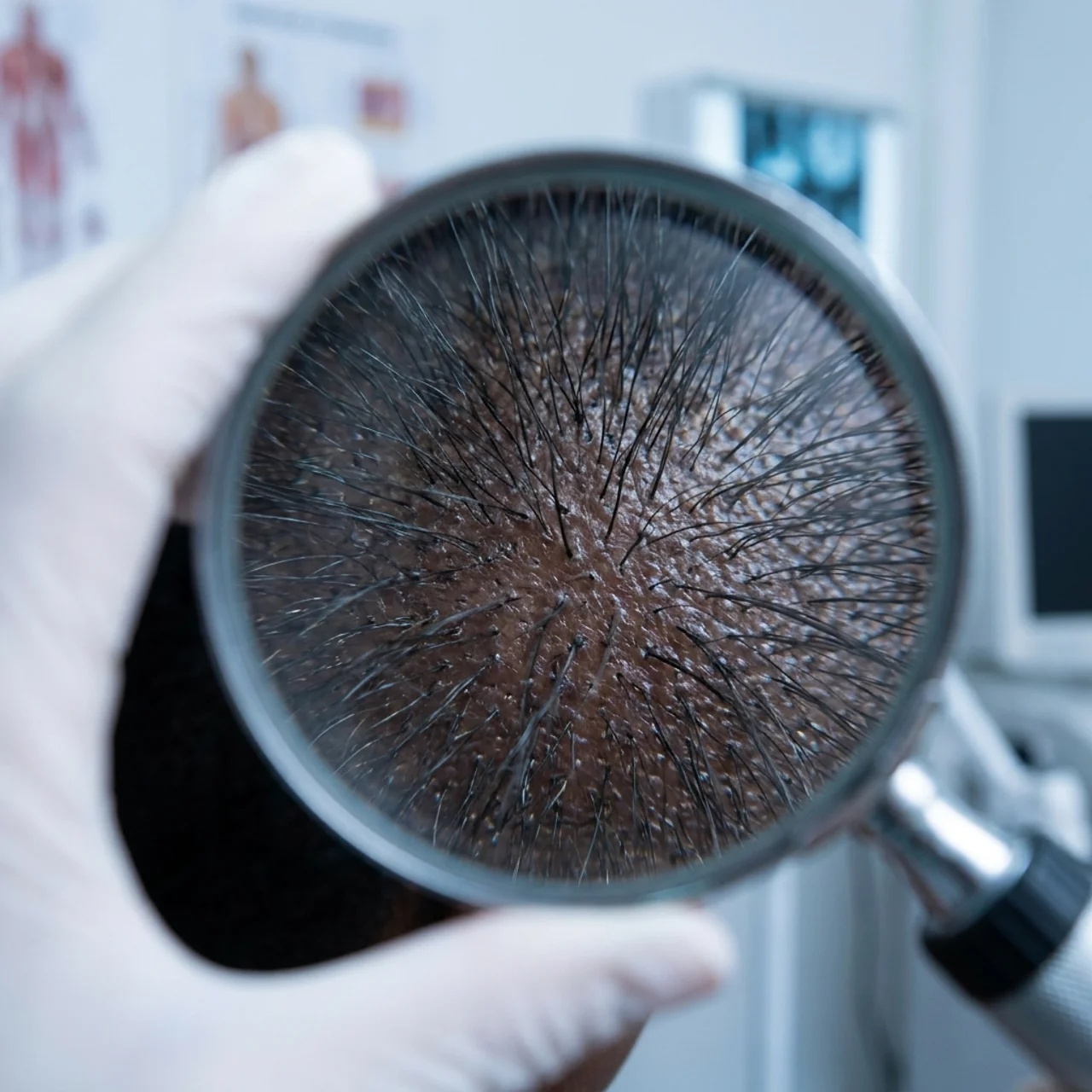
Ran for 5 days, from July 10 to July 14, 2026, the last day Crush saw it.
Run by Dr. Nia Carter on Facebook. Crush is not the advertiser and does not verify its claims. See this ad in Meta's Ad Library(opens in a new tab)
Want an ad like this for your product?
Crush makes new ad images for your product from this ad: your logo, your product photo, your offer.
Trials from $19.95 USD, then $79.95 USD a month. Cancel anytime.
About this ad
- Meta Ad Library ID
- 1681359716504853
- Platforms
- Facebook, Instagram, Audience Network, Messenger and Threads
- Relaunches
- 0
Ad text
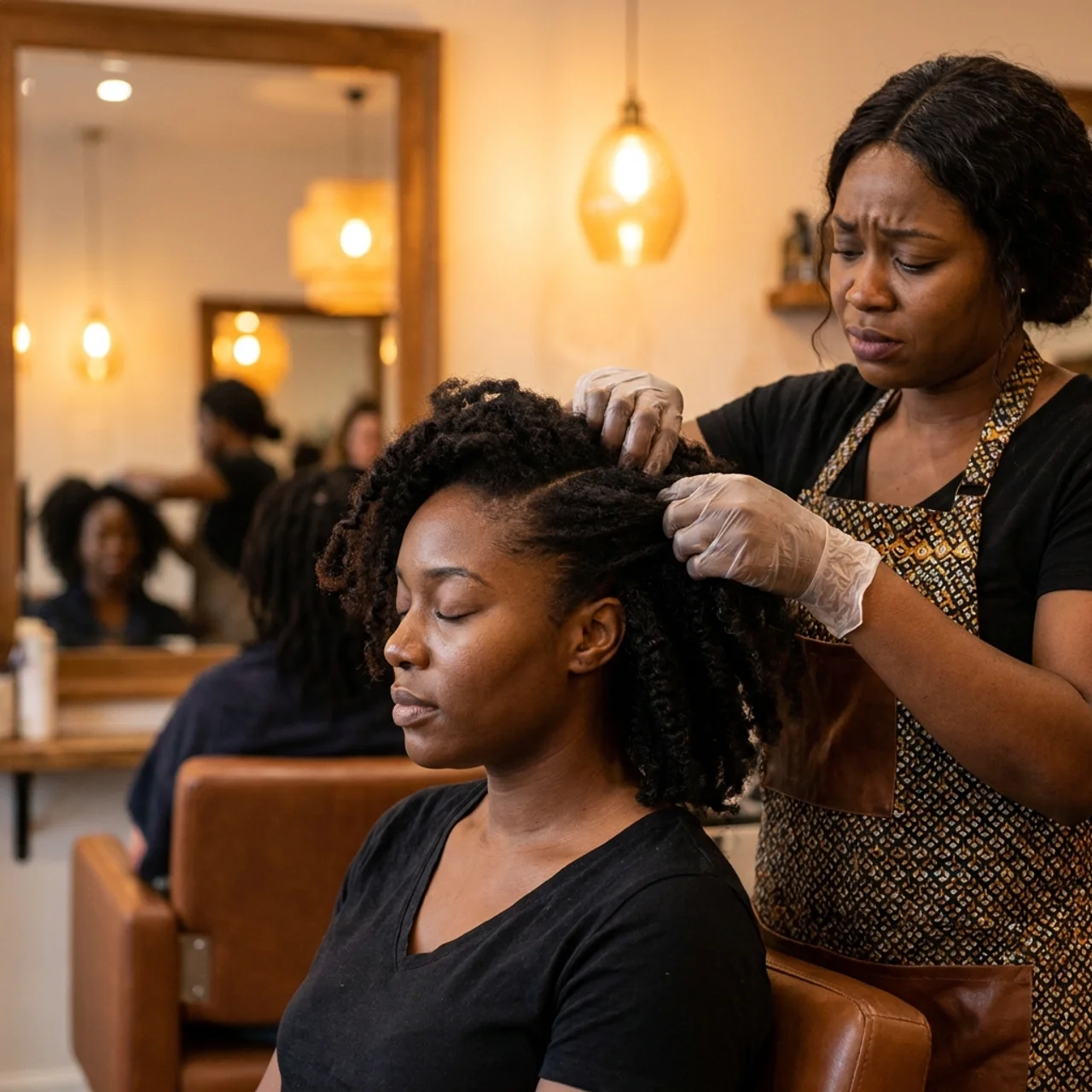
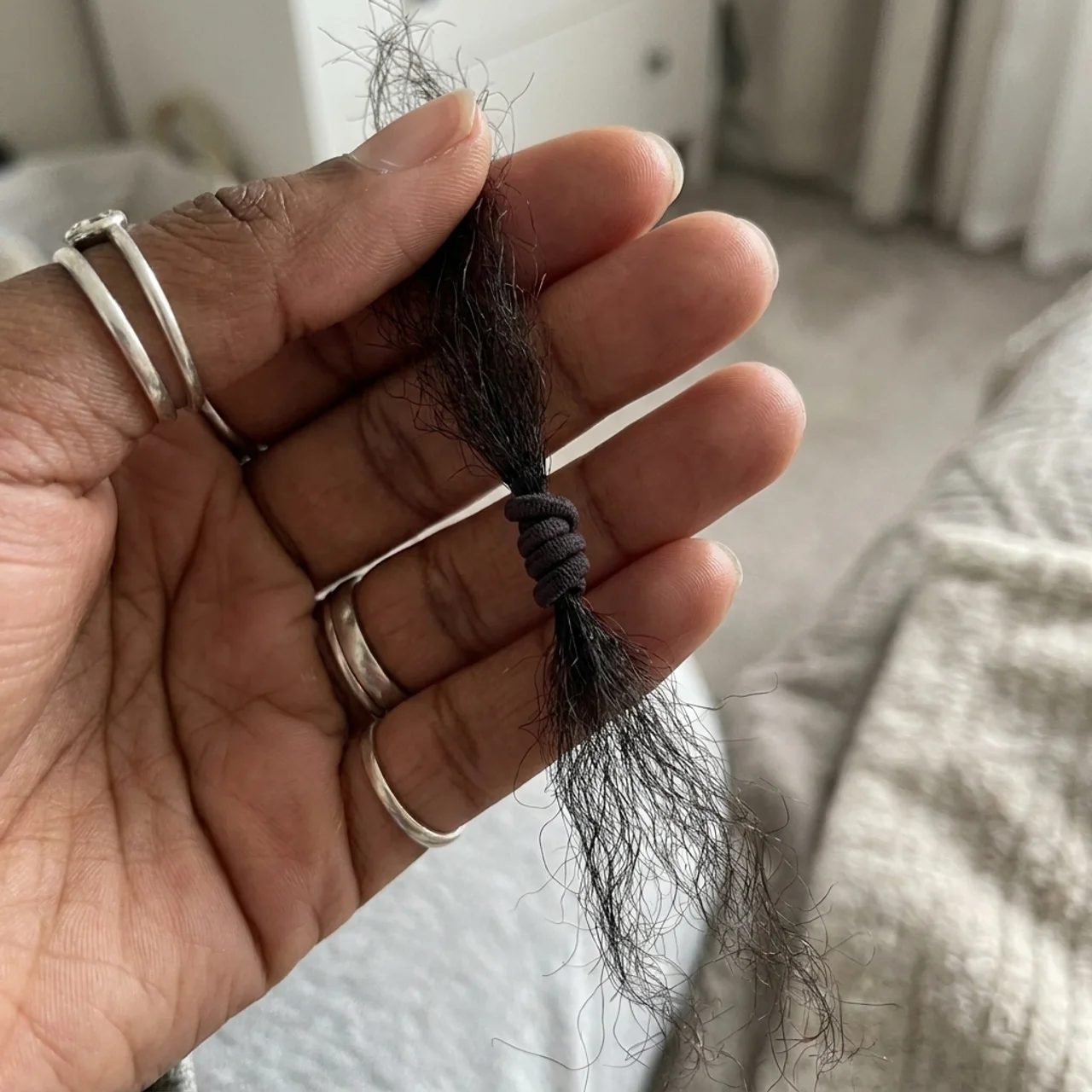
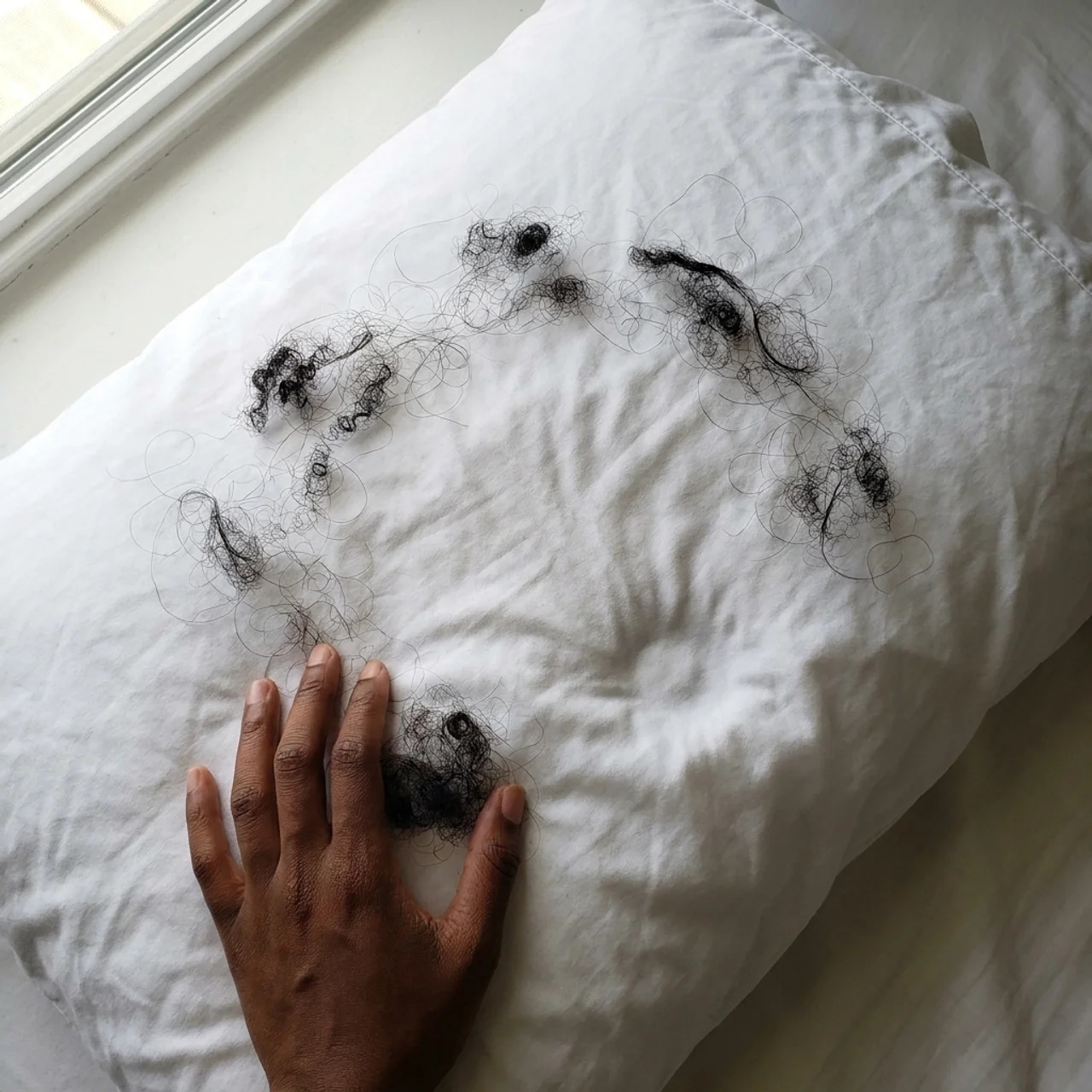
I became a trichologist because of my black mothers alopecia. I watched her lose her hair from the time I was twelve years old. I watched her stand in the bathroom mirror on Sunday mornings, pressing her edges down with gel, trying to cover what was no longer there. I watched her switch from wearing her hair out to always having it wrapped. I watched her stop letting people hug her from behind because she was terrified they would see the back of her crown. She never talked about it. That was the thing that broke my heart the most. She just quietly grieved it, alone, for years. By the time I was in my late twenties and studying trichology, I had already decided I was going to figure out what happened to her hair — and make sure it never happened to mine. Then, at 31, I noticed my edges starting to thin. I remember the exact moment. I was doing my hair before a conference, and the light in the hotel bathroom caught my hairline at an angle I had never seen before. I stood there for a long time. And all I could think was: it's starting. I was a trichologist. I knew more about hair loss than most people would ever need to know. And I still felt exactly what every woman who sits in my chair feels — terrified, helpless, and desperate to fix it before it got worse. So I did what most women do. I started trying everything. Rosemary oil was first. I had been recommending it cautiously to patients for mild shedding, and I figured if I was going to test it, now was the time. I was consistent with it for four months. Massaged it into my scalp every other night. My hair smelled incredible. My edges kept thinning. The clinical evidence behind rosemary oil is genuinely weak — the study that made it go viral had methodology problems that most people never looked into — but I wanted to believe it would work for me. It did not. Batana oil came next. My patients were raving about it on social media and I wanted to understand the hype. And I will say this — it is a beautiful product for moisture and shine. My hair felt incredible. But Batana oil works on the surface of the hair shaft. It does not reach the follicle. It does not interact with what is actually causing the hair to fall out. I was conditioning hair I was still losing. It felt like putting a fresh coat of paint on a wall with a crack running through it. Minoxidil was the one I resisted the longest, because I knew what it actually was. I knew about the dread shed — the two to three months of increased shedding before any growth kicks in. I knew about the dependency. The moment you stop, whatever it helped grow falls out. You are committing to it forever. But I was scared, and I was losing ground, and eventually I tried it anyway. The dread shed hit me hard. I lost more hair in month two than I had in the entire previous year. I stuck it out for six months. My edges stabilized slightly. But I was not growing anything back, and I was not willing to be on minoxidil for the rest of my life. I was a trichologist who had tried everything she told her patients to try, and I was still losing my hair. That was a humbling thing to sit with. It was around that time that I went back to the research — not the trending content, not the Reddit threads, but the actual clinical literature — and I started paying much closer attention to DHT. DHT — dihydrotestosterone — is the hormone responsible for follicle miniaturization in alopecia. It binds to receptors in the hair follicle and slowly suffocates it. The follicle shrinks. The hair grows back thinner with each cycle. Eventually it stops altogether. This is what happened to my mother. This is what was happening to me. But here is the part that the mainstream conversation almost never talks about: Black women are uniquely vulnerable to DHT damage — and it is not our fault. Our scalps naturally produce more sebum than other hair types. That sebum is not a problem on its own — but it creates a film on the scalp that traps DHT directly against the follicle. While other women's scalps may flush DHT away more easily, ours holds it there. The follicle is marinating in the very hormone that is destroying it. Then there is the stress piece. Studies show that Black women carry chronic stress at disproportionately higher rates than any other demographic — and chronic stress raises cortisol, which directly amplifies androgen activity in the body. More cortisol means more DHT. The stress we absorb just from navigating daily life is literally showing up in our hair. And our hair structure itself makes us more vulnerable. The tight coil of our natural hair means the follicle is already under mechanical tension at the root. By the time DHT enters the picture, it is attacking a follicle that has been working harder than anyone else's just to grow a single strand. We have less margin for error. According to research, Black women naturally have lower follicular density than other groups — which means every follicle we lose is more visible, and harder to recover from. This is why nearly half of all Black women experience significant hair loss in their lifetime. This is why the solutions designed for other hair types — or for men — do not work for us. And this is why my mother spent decades trying things that were never built to solve her actual problem. The reason rosemary oil, Batana oil, and most topical treatments do not work for alopecia is that they never reach the follicle. They sit on the surface. The problem is happening underneath, at the hormonal level, and you cannot fix an internal problem with an external solution. What I needed was something that blocked DHT from the inside. That is when I started taking pumpkin seed oil — and eventually combined it with saw palmetto. There is a randomized, double-blind, placebo-controlled clinical trial showing a 40% increase in hair count in people who took pumpkin seed oil daily for 24 weeks. That is the gold standard of research. Pumpkin seed oil inhibits the enzyme that converts testosterone into DHT, which means less DHT is produced to damage your follicles in the first place. Saw palmetto works through a complementary pathway — it prevents whatever DHT remains from binding to the follicle receptor. Together, they cut off the problem at two points in the chain. Less DHT produced. Less DHT binding. The follicle finally gets to breathe. I noticed the shedding slow down within the first six weeks. Not stopped — slowed. The comb was not as full. The drain was not as clogged. By month three, my edges had stabilized in a way they had not in two years. By month five, I was seeing density return. I called my mother. I told her what I had found. I told her about the DHT mechanism, about why our scalps trap it more than others, about the clinical study, about why everything she had tried over the years had not worked — not because she had done anything wrong, but because none of it had ever addressed the real cause. She started taking it. She is eight months in. Her stylist noticed the difference before she did. I think about all the years my mother spent grieving her hair quietly, alone, because nobody gave her a real answer. I think about how many Black women are doing the same thing right now — spending money on viral products, trying to stay hopeful, not telling anyone how bad it has gotten. Your alopecia is not your fault. It is not because you do not take care of your hair. It is a hormonal process that our bodies — specifically our bodies — are more exposed to. And nothing applied on the outside is going to stop it. But this can. The blend I now recommend to every single one of my patients — and take myself — is Nova Pumpkin Seed Oil. Clinical doses of both pumpkin seed oil and saw palmetto. The two ingredients that actually address the root cause, at the doses that have been studied. Link is below. Dr. Nia Carter is a certified trichologist specializing in scalp health and hair loss in women of color. P.S. — I spent two years and more money than I want to admit trying to fix my own hair loss before I found what actually worked. If your edges are thinning, if your part is widening, if you are watching your hair change and nothing you have tried is making a difference — please do not wait as long as I did. [https://www.hernovabottle.com/products/pumpkin-seed-oil-softgels]
Where the ad sends people
hernovabottle.com
Reverse Black Alopecia
Our daily softgel targets the root cause of hair thinning, supports natural DHT balance, reduces shedding, and promotes thicker, fuller hair from within.
Learn more: hernovabottle.com(opens in a new tab)