
Inactive· since Feb 24, 2026
- 6
- days it ran
- 0
- relaunches
Ad copy
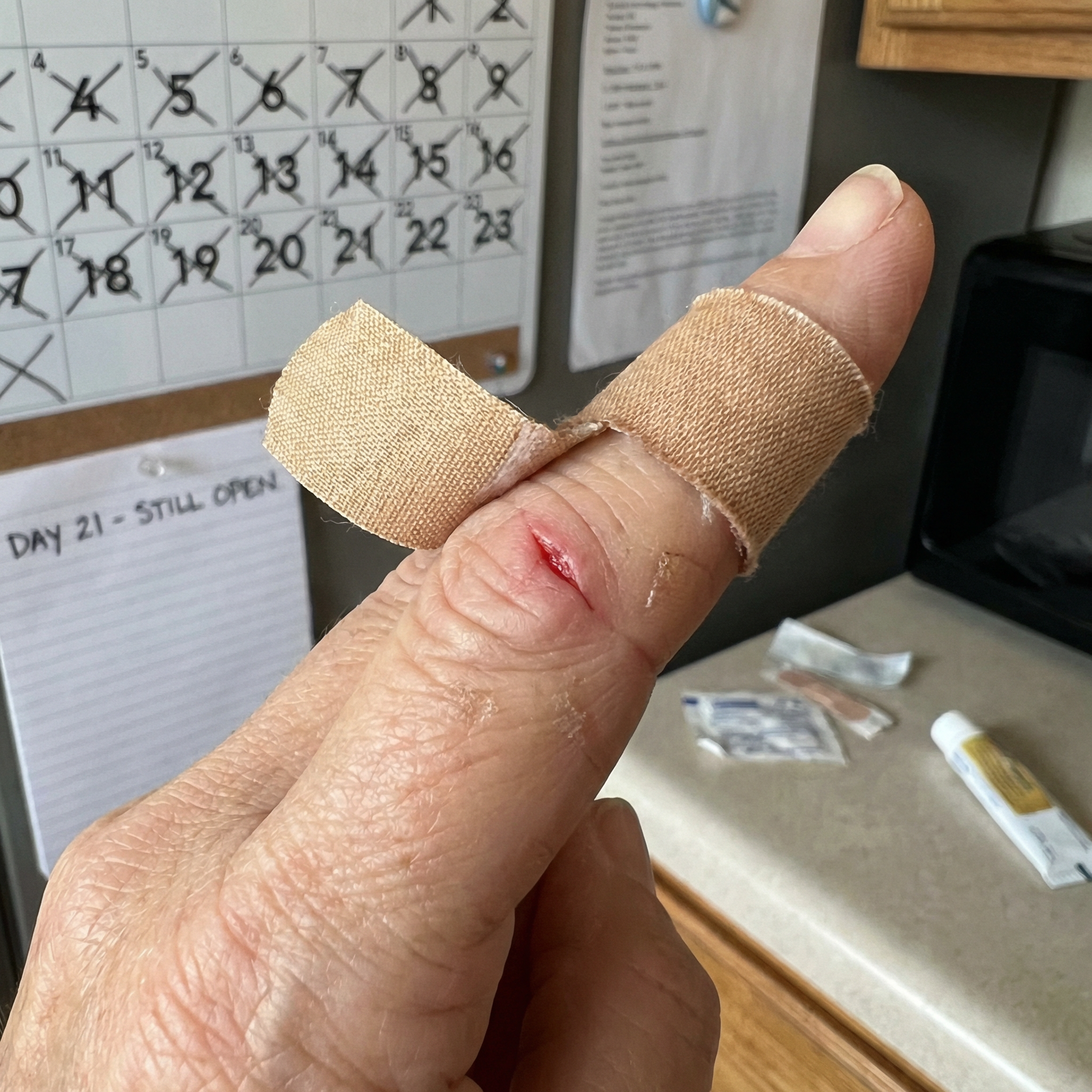
A paper cut on my index finger took twenty-three days to close. A paper cut. The kind that should sting for an hour and disappear by morning. I watched it stay open for over three weeks. Red. Raw. Splitting back open every time I bent my finger. By day seven it looked exactly the same as day one. By day fourteen my husband looked at it and said, “That’s not normal.” He was right. But it wasn’t just the paper cut. A scrape on my shin lasted six weeks. A blister from gardening gloves stayed raw for three. A small burn from a baking sheet took over a month to fully close. Three years ago I healed quickly. Cuts closed in days. Bruises faded in a week. My body repaired itself without me thinking about it. Now every minor injury became a long, drawn-out process. The exhaustion came first. Deep fatigue that spread from afternoons into entire days. As my energy dropped, my healing slowed. Muscle soreness lingered. Minor illnesses dragged on. Even small blemishes stayed inflamed for weeks. I saw my doctor. Full labs. Thyroid normal. Iron normal. B12 normal. Vitamin D normal. Glucose normal. Inflammatory markers normal. “Slower healing can happen with age,” she said. I tried everything that was supposed to help tissue repair. Zinc. Collagen peptides. Vitamin C. B-complex. Magnesium. CoQ10. A $178 growth factor serum. Nothing changed the timeline. The building blocks were there. Something else was missing. Then I started reading about NAD+ and cellular repair. When you get a cut, your body activates immune cells, fibroblasts, and stem cells. Every step of tissue rebuilding requires mitochondrial energy. NAD+ is essential for that process. It fuels ATP production and activates repair enzymes like PARPs that fix damaged DNA in regenerating tissue. By age fifty, NAD+ levels decline significantly. The repair machinery is still present. The materials are still available. But the energy supply that powers the process is reduced. That explained why topical products and vitamins didn’t change anything. They weren’t addressing cellular energy production. I tried glutathione first. Wrong pathway. Then NAD+ IV therapy. A small cut I had at the time closed unusually fast afterward. But the effect faded. The cost wasn’t sustainable. Then nicotinamide riboside. Mild improvement in fatigue. Healing speed unchanged. I switched to a full 4-in-1 NMN formula instead of a single-ingredient supplement. Week two I nicked my finger chopping onions. I paid attention. It closed in six days. Not like my forties. But not twenty-three days either. Week four I scraped my elbow. It scabbed in three days and cleared in under two weeks. Month two a bruise faded in eight days instead of three weeks. Three months in, cuts close in days again. Scrapes don’t linger for a month. My skin looks more even. Color improved. Recovery feels normal. Most NMN supplements are single-ingredient. No methylation support from TMG. No sirtuin activation from Resveratrol. No senescent cell clearance from Quercetin. You boost fuel without directing it. Gavanci NMN 4-in-1 includes 500mg NMN, 250mg TMG, 150mg Quercetin, 100mg Resveratrol. Third-party tested. No proprietary blends. Buy 2 Get 2 Free right now. Four months for under $100. Free shipping. Free detox ebook. 60-day money-back guarantee. A paper cut shouldn’t take three weeks. If your body isn’t repairing itself the way it used to, it may not be a topical issue. Sometimes the problem is cellular energy. And sometimes restoring that changes everything.
Like this ad? Make it yours.
Crush rebuilds this exact creative around your product — your brand, your colors, your offer — in about a minute.