
Inactive· since May 26, 2026
- 86
- days it ran
- 1
- relaunches
- 21,908
- EU reach
Ad copy
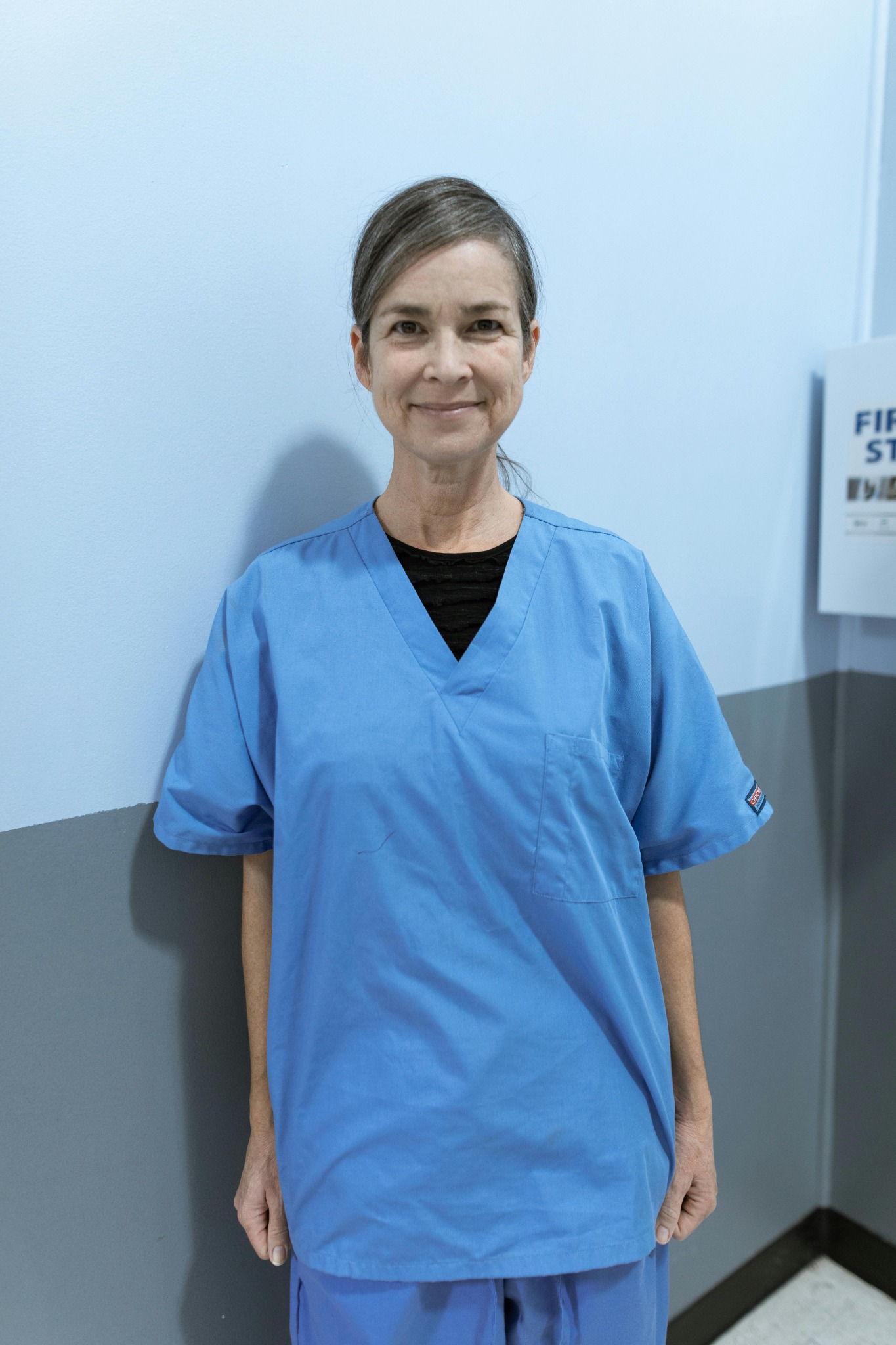
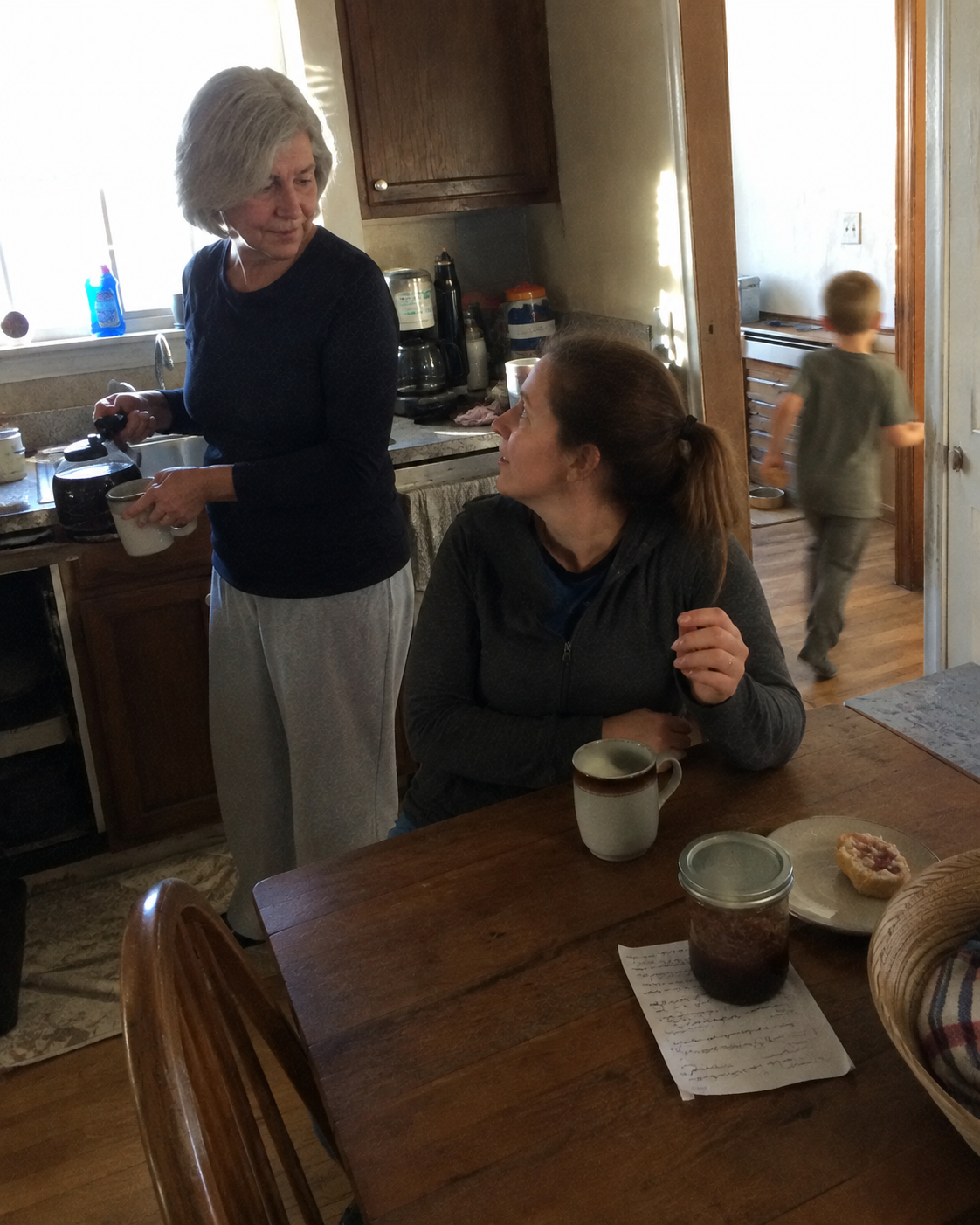
My Daughter Married a Farmer in Pennsylvania. At Their Harvest Dinner, I Saw Something About My Husband I Hadn't Let Myself See. My daughter Hannah married a man named Aaron Beiler in October. He grew up in a Plain community in central Pennsylvania, the kind of community that doesn't use electricity in the house but does use it in the barn, the kind that drives buggies on Sunday and uses a tractor on Wednesday, the kind that has its own rhythm that doesn't match anything in the world I grew up in. When Hannah first told me about Aaron I sat at my kitchen table for a long time before I said anything. She'd met him during a research fellowship. She was studying rural community health and Aaron's family had agreed to be one of the families she interviewed. By the third visit she wasn't talking about research anymore. She was talking about Aaron. She left the fellowship a year later. She didn't leave the research field entirely — she still writes, still publishes — but she moved out to be near Aaron's family and started learning a different kind of life. Cooking on a wood stove. Hanging laundry on a line. Reading by the light of a kerosene lamp because Aaron's mother had told her there was a particular kind of quiet you only got at the end of the day when the only sound in the room was the lamp. My husband Tom sat at our kitchen table when Hannah told us and said nothing for a very long time. Then he said: "She's going to be alright?" That was his way of asking the thousand questions he didn't know how to ask. Hannah said yes. She was right. But I'm getting ahead of myself. This story is not about the wedding. It's about the dinner three months after the wedding, when Tom and I drove out for the fall harvest gathering, and something happened in the front room of Aaron's parents' house that I have not been able to stop thinking about since. You won't understand the dinner without understanding what Tom had been doing for the five years before it. Tom is 64. He's an architect. Was an architect. He still has the firm and his name is still on the door but the truth is that for the last three years his partner has been quietly carrying the work that Tom used to carry by himself. Tom comes in. Tom sits at his desk. Tom reviews drawings. But the projects he's leading are smaller than they used to be, and the new clients are being routed to his partner, and Tom hasn't started a major design in two years. He hasn't said anything about this and neither has his partner. I know because his partner's wife is a friend of mine. She told me at a Christmas party a year and a half ago and made me promise not to bring it up with Tom. She said her husband would handle it the way he was handling it, which was kindly, which was without shame, which was without forcing Tom to admit anything he wasn't ready to admit. I cried in the bathroom at that Christmas party for ten minutes and then went back out and ate a piece of pie and didn't tell Tom. I haven't told him in the eighteen months since. I haven't told him because I don't know how. The thing about Tom's mind is that it slipped slowly enough that for a long time I could explain every individual instance away. The first time I noticed was at our nephew's graduation party six years ago. Tom was telling a story to a group of our nephew's friends about a building he'd designed in 1996, and in the middle of the story he stopped, looked at me, and said: "Carrie, what was the name of that client?" I told him. He said the name, finished the story, and nobody noticed. I noticed. Because Tom had been telling that story for twenty years. The client's name was Bob Markham. Bob Markham had been to our house for dinner four times. Bob Markham had sent Tom a Christmas card every year for a decade. Tom couldn't remember Bob Markham's name in the middle of his own story. I told myself it was the party. The noise. The wine. I told myself the same thing the next time it happened. And the time after that. By year two it was happening once a month and I'd stopped telling myself anything. By year three it was once a week and Tom had started to notice it himself, which is when he started telling me he was just tired. By year four he stopped reading. That was the one that broke something in me. Tom had read three books a week his entire adult life. Architecture books, history books, novels, biographies. He kept a stack on the nightstand. He read in bed every night before sleep. He'd argue with me about what a particular author meant in a particular paragraph and he'd be right because he had the book open on his lap and I was just remembering it from the year before. In year four the stack on the nightstand stopped getting smaller. He'd pick up a book. Read for ten minutes. Set it down. Pick it up the next night. Start over from the beginning of the chapter because he couldn't remember what he'd read. After a few weeks he stopped picking it up at all. I asked him about it once. He said his eyes had been bothering him. He got new reading glasses. The new glasses didn't help. He didn't say anything else about it. The stack on the nightstand stayed where it was for almost two years. His doctor ran the tests. All of them. MRI, normal. Bloodwork, normal. Cognitive screening, "within range for his age." We saw a neurologist who said he didn't see anything concerning. Some of this was just where the body is at his age. Come back in a year. Some of this is just where the body is at his age. I sat in that neurologist's office and I wanted to scream because I had been married to Tom for 36 years and the man in the chair next to me was not the man I had married. The man I had married had finished my sentences. The man in the chair was losing the threads of his own. But the tests said he was fine. The chart said he was fine. And I had been told, the way wives get told, that I was watching too closely. That I was reading too much into small things. That this was just what 64 looked like. I am 62. My mind is sharper than it was at 40. I read four books last month. I argue with the radio. This wasn't what 64 looked like. This was what something else looked like. I just didn't have a name for it. So now you understand what I was carrying when Tom and I drove out to Pennsylvania in October for the fall harvest dinner. The drive was four hours. Tom drove the first two and then we switched because he got tired. He'd been doing that for about a year. Getting tired on drives he used to do straight through. I drove the second half and Tom looked out the window and didn't talk much. I tried twice to start a conversation. Both times he answered briefly and went back to looking out the window. The third time I just let it be quiet. The fields started changing as we got closer to Aaron's family's farm. Less commercial. More small. More worked. Corn standing in stooks the way I'd only seen in books. Sheep in a pasture being watched by a boy of maybe twelve. A man on a horse-drawn plow turning the last of his fields before winter. We pulled into the driveway of Aaron's parents' farmhouse at 4 in the afternoon. The house was white. Two stories. A wide porch wrapping around three sides. A barn behind it that looked like it had been there since before the road had been paved. Hannah came out of the front door with Aaron behind her. She was wearing a long dress and an apron and her hair was pinned up under a small white cap. She'd been letting her hair grow for the last year and I hadn't seen it pinned up before. She looked, I want to say this carefully, she looked like herself. Just a different version of herself. The version that lives in the country. She hugged me and then she hugged Tom and Tom held onto her for a long time. He whispered something in her ear I didn't hear. She whispered something back and pulled away with her eyes shining. She took my hand. "Mama. Come meet everyone." Aaron's parents were Jonas and Anna. Jonas was 62, two years younger than Tom. He was built like a man who'd been working since 4 in the morning every day of his life because he had been. His handshake was the handshake of a man whose hands were tools. His eyes were clear. When he asked me how the drive was he listened to my answer with the kind of attention that I realized, standing there in his front room, I had not received from my own husband in a year. Anna was small and warm and direct. She put a slice of apple pie in my hand within thirty seconds of meeting me and told me to sit down at the kitchen table while she finished the gravy. Aaron's grandparents lived in the small house attached to the main farmhouse by a covered walkway. They came in through the side door at five o'clock for dinner. Aaron's grandfather was named David. He was 84. He walked into the kitchen ahead of his wife, and I want you to understand how he walked because it's going to matter for the rest of the story. He didn't shuffle. He didn't hold onto the doorframe. He carried a basket of apples in one hand and a folded newspaper in the other. He set the basket on the counter, set the newspaper on the table, and reached for his wife's elbow to help her over the threshold even though she clearly didn't need it. She let him do it anyway. That's a long marriage. David shook Tom's hand. He looked Tom in the eye while he did it. He held the shake for a beat longer than strangers usually do. He said: "Welcome. Aaron told me about you." Tom said: "It's good to meet you." David smiled. "He said you draw buildings." Tom paused. It was a half-second pause. The kind nobody but a wife of 36 years would notice. But I noticed. Tom was deciding how to answer a question he should have been able to answer without thinking. Then he said: "I do. I'm an architect." David nodded. "I'd like to hear about that after dinner if you don't mind. I've been looking at this barn for sixty years thinking about what the man who designed it must have been figuring out. I have questions." Tom said he'd be glad to. I watched my husband say "I'd be glad to" and I knew, the way wives know, that he was hoping the conversation wouldn't actually happen. Because he wasn't sure he could hold it up. Dinner was long. Pot roast. Mashed potatoes. Green beans canned from the summer. Apple pie. Coffee that had been on the stove since 3 in the afternoon and tasted like it. Hannah sat next to me and held my hand under the table. She did this when I was 12 and my own grandmother was dying. She did this when I was 28 and we lost a baby. She did this when I was 41 and my father died. She was doing it again at her in-laws' kitchen table and I didn't know yet why she was doing it but I knew she had a reason. After dinner the women cleared the table. I tried to help. Anna told me I was a guest. Hannah told me to sit. Anna's sister, who had come for dinner with her husband, gently took the dishtowel out of my hands. I sat at the table and watched the women move around the kitchen the way women have moved around kitchens for generations. No wasted motion. Easy talk. Children running in and out for cookies. Tom and Jonas and David moved to the front room with their coffee. I could see them through the doorway. I could hear them. I want to tell you exactly what I heard, because it's the moment that changed what I'd been refusing to see. David started. "Tom, you draw buildings. Tell me. When you sit down with a piece of paper and a sharp pencil and you're going to make a building that doesn't exist yet, where do you start? Do you start with the outside of the building or the inside? Because I've been a farmer my whole life and a man who builds barns does it from the inside out, but I've always wondered if a man who builds churches does it from the outside in." It was a beautiful question. It was the kind of question Tom used to live for. The kind of question that, ten years ago, would have launched Tom into a forty-five-minute monologue about the philosophy of design, the difference between sacred and agricultural space, the way light moves through a building over the course of a day, the way Louis Kahn used to talk about a building asking what it wanted to be. Tom said: "That's a good question." He paused. I could see him from the kitchen. I could see him sitting in the wing chair with his coffee in his hand and I could see him reaching for the answer. It wasn't there. Or it was there but it was behind a curtain and the curtain wouldn't move. He said: "I think I'd start with what the building is for." David waited. Tom said: "What it's used for. Who's going to be inside it. That tells you what shape it wants to be." That was it. That was the answer. The man who had once held forth at dinner parties for an hour on the philosophy of design gave a forty-second answer to the question of his career. David smiled gently. He didn't push. He turned to Jonas and asked Jonas a question about the corn yield and the conversation moved on. But I had been watching Tom's face during the forty seconds. I had seen the curtain. I had seen Tom reach for what was behind it and come back with what was in front of it. I had seen my husband become a smaller version of himself, in real time, in a stranger's front room, while an 84-year-old farmer asked him the question he had spent his whole life answering. Hannah was holding my hand. She squeezed it. She had been watching too. I didn't cry at the table because I couldn't. I went to the bathroom after dinner and stood at the sink and cried for about three minutes with the water running so nobody would hear. I'd been pretending not to see it for five years. I had just seen it in a room with strangers. I couldn't pretend anymore. Hannah came out to the porch with me after the men had gone back to the front room. It was cold. October cold. The kind of cold that smelled like apples and woodsmoke and the end of something. She handed me a shawl. She said: "Mama. I've been wanting to tell you something for a while and I didn't know how. Will you let me tell you now?" I said yes. She said: "Aaron's grandmother had what Daddy has. About fifteen years ago. The slowness. The names not coming. The reaching for the thread of a conversation and not finding it. The going quiet at the dinner table because it was easier than trying to keep up." I looked at her. She said: "She's 82 now. She's not the woman she was at 50. Nobody is. But she's the woman who organized Anna's wedding, and Aaron's, and three of her grandchildren's, and she does the books for the family farm, and she runs the Sunday school, and she remembered both of our names within ten minutes of meeting us at the wedding. She came back. Not all the way. But she came back." I asked her how. She said: "I want to be careful, Mama, because I don't want to overstate it. The community doesn't believe in any one thing being a miracle. They believe in living a certain way, eating a certain way, working a certain way, and that the body knows what to do if you give it a chance." "But about ten years ago, Anna's mother — Aaron's grandmother — started taking something. One small thing. Added to everything else she was already doing. Not replacing any of it. Anna told me about it the first week I lived here, because she'd been watching me watch Daddy on FaceTime, and she said: 'Hannah, I want to tell you what we did for my mother. Just so you know it exists. Just so you have it in your back pocket.'" Hannah pulled her shawl tighter. She said: "It's molecular hydrogen, Mama. H2. The smallest molecule in existence. They take it as a tablet that dissolves in cool water and they drink it right away." She said: "It's not a treatment for anything. It's not a medicine. It's a supplement. It supports the body's natural antioxidant balance. It supports cellular wellness. It supports healthy cellular energy. That's the whole claim. It's not a cure. It doesn't fix anything. It just gives the body a little more of what it's already trying to do." She said: "Anna spent two evenings explaining it to me at her kitchen table. I read what I could find on it after. There's a real research base — over twenty years of studies on cellular wellness. It's not fringe. It's not new. It's just not something most doctors have looked at because most doctors are looking at the chart, and this is the layer underneath the chart." She said: "I waited to tell you because I didn't want it to feel like I was selling you something. I'm not. I'm telling you because I watched Aaron's grandfather ask Daddy a question tonight that Daddy couldn't answer, and I watched Daddy realize he couldn't answer it, and I am not going to be the daughter who knew something and didn't tell her mother." I started crying again on the porch. Hannah held me. She said: "Anna's mother's name is Sarah. She wants to meet you in the morning. She wants to talk to you about what she did and what she didn't do and what she'd tell you to ask Daddy's doctor about. She's eighty-two years old, Mama, and she's the sharpest person in this family. Will you talk to her?" I said yes. I didn't sleep that night. I lay in the guest bedroom of Aaron's parents' house under a quilt that Anna had made by hand and I listened to Tom snore beside me and I thought about David asking him about churches and Tom reaching for the answer that wasn't there. I thought about the stack of books on Tom's nightstand. I thought about Bob Markham's name. I thought about the partner's wife at the Christmas party. I thought about the man my husband had been. I thought about whether I was about to be the woman who saw what she'd been refusing to see, or the woman who saw it and looked away again. Sarah came into the kitchen at six in the morning. She was small. Bird-boned. Her hands were wrinkled the way only the hands of women who have worked a farm for sixty years get wrinkled. She wore a black dress and a white apron and a small white cap and her eyes were the clearest blue I had ever seen on a woman of her age. She poured me coffee without asking. She sat across from me at the kitchen table. She said: "Hannah said you wanted to talk." I said: "Hannah said you'd been where I am." She nodded slowly. She said: "About fifteen years ago, my husband and I were sitting at the breakfast table and he asked me to pass him the butter. The butter was directly in front of him. He was looking at it. He just couldn't see that the thing he was looking at was the thing he was asking for." She said: "That was the first time I let myself know. There had been a hundred times before. That was the one I couldn't unsee." She said: "I'm going to tell you what I did and what I didn't do, and I want you to take it as one woman's experience and not as advice. I am not a doctor. I am not a scientist. I am a woman who has been watching her husband for sixty-one years and who has watched the slow leaving of him for fifteen of those." She took a sip of her coffee. She said: "What I didn't do was stop anything his doctor had told him to do. I didn't change his prescriptions. I didn't tell him to quit anything. I didn't go behind his doctor's back. What I did do was call his doctor's office and tell the nurse what I wanted to add to his routine and ask whether there was any reason I shouldn't. The nurse called me back the next day and said it was a sensible thing to add and that there were no concerns at the dose on the label." She said: "Then I added it." She told me what it was. PrimeCell H2. A rapid-dissolve tablet. Dropped into a glass of cool water. Drunk fresh, right away. She said: "Hannah told you why. Hydrogen is the smallest molecule that exists. It escapes the moment it's exposed to heat or left sitting. That's why this brand chose to deliver it as a tablet you dissolve fresh and drink immediately. That's the whole protocol. One tablet, one glass of cool water, drunk right after it stops fizzing. Once a day. Third-party tested for purity." She said: "Added to whatever else you're already doing. Not replacing any of it." She said: "I have been taking it for ten years. My husband took it for the eight years before he passed last spring. It didn't bring him all the way back. But the man I buried in March was sharper than the man I was about to lose fifteen years ago. He knew our grandchildren's names. He read his Bible every morning until the last month. He told a joke at his eighty-third birthday party that he'd been telling for fifty years and he told it the way he'd always told it. The punchline landed." She paused. She said: "I'm not going to tell you what will happen for Tom. I don't know. Bodies are different. Some people notice something quickly. Others take longer. Some don't notice much at all. What I can tell you is what I would do if I were sitting on your side of this table, which I have been, and what I would say if I were Anna's mother to me, which she was." She said: "Call Tom's doctor. Talk to the nurse. Tell her what you want to add. Ask if it's a sensible thing for him. If she says yes, get a bottle. Set it on the counter next to his coffee mug. Drop a tablet in cool water and put it next to his coffee in the morning. Don't change anything else. Just add this." She said: "Give it a month before you decide anything. If you don't see anything, you don't see anything. The body's body. Bodies are different." She said: "And then watch your husband. Not the chart. Not the test scores. Your husband. Because the man you married is the man you know, and he's still in there even when the world stops being able to find him." She reached across the table and took my hand. Her hand was warm. She said: "I am eighty-two years old. I have known a lot of women on your side of this table. I have not known one of them who regretted trying." I drove home that afternoon with Tom in the passenger seat. I didn't tell him about the conversation with Sarah. I needed to think. I needed to sit with what David's question had shown me. I needed to make the phone call. Monday morning I called Tom's doctor's office. I told the nurse what I wanted to add. I gave her the brand name. I asked whether there was any reason Tom shouldn't add it to what he was already doing. The nurse talked to the doctor and called me back Tuesday afternoon. The doctor had said it was a sensible thing to add. No interactions to worry about with anything else Tom was on. Mention it at the next appointment. I ordered a bottle Tuesday night. I told Tom about Sarah Wednesday morning over breakfast. I told him about the conversation on the porch with Hannah. I told him about David's question about churches. I told him I had called his doctor's office. I told him what the nurse had said. I told him I wanted him to try it. He listened the whole way through. He didn't say anything for a long time. Then he said: "Carrie. I knew I'd lost the answer to David's question while he was asking it. I sat in that chair and I knew. I haven't been able to stop thinking about it either." He said: "I'll try it." The bottle came that Friday. Saturday morning Tom sat at the kitchen table with his coffee mug and I set a tall glass of cool water in front of him with a tablet next to it. He dropped the tablet in. We watched it fizz. He drank it fresh. He said: "Doesn't taste like much." I said: "I don't think it's supposed to." He laughed. I hadn't heard that particular laugh in two years. I didn't say anything about that either. I'm going to be careful about what I tell you next, because I don't want to overstate what I watched. Bodies are different. Tom is one man. What happened for him might not happen for your husband. It might happen slower. It might happen differently. It might not happen at all. But here's what I watched. After about a week, Tom was sitting in his reading chair in the living room and he had a book in his hand. I noticed the book before I noticed him. It was the same Robert Caro biography of Lyndon Johnson he had picked up and set down four times in 2022 and hadn't touched since. He was on page 41. He didn't say anything about it. Neither did I. I just walked past the living room with a basket of laundry and saw him reading. The next morning he was on page 67. The morning after that he asked me where he'd put the second volume of the Caro biography. I had to go to the basement to find it because I'd packed it away when I'd accepted that he wasn't reading anymore. I brought it upstairs and set it on the table next to the first one. He looked at me. He didn't say anything. He didn't have to. About two weeks in, we were at dinner with our friends Margaret and Walter. We've been having dinner with them every other Friday for twenty years. Margaret was telling a story about her sister's grandson's birthday party. The story had four characters and two locations and a dog and a cake that fell over. It was the kind of story Margaret tells. Tom tracked all of it. When she finished, he said: "Wait. So did Tyler end up with the cake or did Robbie get it after it fell?" He had the right names. He had asked the right question. Margaret and Walter both looked at him. Then they both looked at me. Margaret said: "Tom. You were paying attention." Tom said: "I was paying attention." He said it like it was a small thing. It wasn't a small thing. It was the first time in maybe two years he had followed a four-minute story with two named characters and remembered the names at the end of it. I had to go to the bathroom and cry quietly. Then I came back and ate my dessert. About a month in, I came home from the grocery store on a Saturday afternoon and Tom was at the kitchen table with a yellow legal pad and a sharp pencil and a half-finished sketch of a small building. I set the bags down. I said: "What's that?" He said: "Aaron's father called me yesterday. He's thinking about putting up a small chapel on the back acre for the family. He asked if I'd help him think about what it should look like. I told him I'd send him a sketch." He looked up at me. He said: "It's not a real commission. It's just a sketch for a friend. But I wanted to start with the inside. The way David was asking about. I've been thinking about that question for a month and I think I finally have an answer." He went back to his sketch. I stood in the kitchen with the grocery bags at my feet and I watched my husband draw a building for the first time in two years and I had to put both hands flat on the counter to stay standing. About six weeks in, Tom had a follow-up with his neurologist. The neurologist did the same exam he'd done every year. He looked up from his notes. He said: "Tom. Your screening results are similar to last year. But I noticed something today. You came in here and you remembered my staff's names. You asked Janet at the front how her son was doing. You asked Dr. Patel at the door whether his daughter had started college. You are paying attention to the people around you in a way I haven't seen you do in this office in three years." Tom told him. About Sarah. About PrimeCell. About the call to the nurse. About the tablet in cool water every morning, added to everything else he was already doing. The neurologist listened without interrupting. When Tom finished, the doctor said: "I'm glad you called the office before starting. That's the right way to do it. There is interesting research on molecular hydrogen and antioxidant support. I'm not going to start recommending it as a first-line approach but I'm not going to tell you to stop. Whatever you're doing is part of a sensible routine. Keep doing it. Talk to your doctor or pharmacist before adding anything else on top of it. I'll see you in a year." We walked out to the parking lot. Tom held the car door for me the way he used to. He said: "Carrie." "Yeah." He said: "Thank you for making the phone call." I said: "Thank you for drinking the water." He laughed. That laugh again. I have been collecting that laugh for two months now. We went back to Pennsylvania at Thanksgiving. Hannah met us at the end of the lane. She was wearing a long blue dress and her hair was pinned up and she looked, again, like herself. Aaron's parents were on the porch. Sarah was on the porch. David was on the porch. Tom went up the steps and shook David's hand and said: "I owe you a real answer to your question about churches. Do you have an hour?" David smiled. He said: "I have all afternoon." They sat in the front room. I could hear them through the doorway. I could hear Tom laying out what he'd been thinking for two months, about how a church is a building that asks something of you the moment you walk in, about how an architect's first job is to figure out what the building wants to ask, about how a barn asks something different than a church and a hospital asks something different than a school and a house asks the thing that's hardest to name. David asked questions. Tom answered them. For an hour and ten minutes. I sat in the kitchen with Sarah and Anna and Hannah, peeling potatoes, listening to my husband's voice come out of the front room the way it used to come out of the dining room at dinner parties in 2009. Sarah caught my eye across the table. She didn't say anything. She just nodded. I'm telling you all of this because I think there's a chance you're where I was a year ago. You're watching the man you married become a quieter version of himself. You're watching him reach for words that don't come. You're watching him lose the thread of stories he used to follow. You're watching him close books he used to finish. You're watching him pause in the middle of his own anecdotes to look at you for a name he should know. His doctor has run the tests. The tests are within range. The chart says he's fine. The doctor says some of this is just where the body is at his age. But you've been watching him. You know what he was. You know what he is now. You know the gap. You're not imagining it. You're not being dramatic. You're not reading too much into small things. You've been watching something real. The chart has been watching the test results. You've been watching the man. You're closer to the truth than the chart is. I'm not a doctor. Sarah isn't a doctor. Hannah isn't a doctor. PrimeCell H2 isn't a treatment for anything. It isn't a cure. It isn't a medicine. It's a rapid-dissolve tablet you drop into a glass of cool water and drink fresh, right away, in the morning. It supports the body's natural antioxidant balance. It supports healthy cellular energy. It supports cellular wellness. That's the whole thing. It's added to whatever else your husband is already doing. Not replacing any of it. Whether his body responds the way Sarah's husband's body responded, or the way Tom's body has been responding, neither I nor Sarah nor anyone else can promise you. Bodies are different. Some people notice something in the first weeks. Others take longer. Some don't notice much at all. What I can tell you is what I watched. I watched a man who hadn't picked up a book in two years find his way back to page 67 of a Robert Caro biography. I watched him follow a four-minute story with two named characters and ask the right question at the end of it. I watched him sit down in our kitchen with a yellow legal pad and a sharp pencil and draw a building for a friend. I watched him sit across from an 84-year-old farmer and answer the question he'd been unable to answer two months earlier. That's what I can tell you. The rest is your phone call to your husband's doctor. P.S. If you're the wife reading this and your husband has been a quieter version of himself for years even though his tests come back within range, you're not imagining it. You're not being dramatic. You've been watching something real. Trust what your eyes have been seeing. I needed an 84-year-old farmer to ask my husband a question my husband couldn't answer before I could let myself see it. I'm telling you now so you don't have to wait for your own David. P.P.S. Tom finished the second volume of the Caro biography last week. He started the third one yesterday. The stack on his nightstand has gotten shorter for the first time in two years. He told me last night that he'd forgotten how it felt to look forward to a book in the evening. I told him I hadn't forgotten how it felt to watch him do it. P.P.P.S. Here's what I'd tell you to do: call your husband's doctor or pharmacist first. That's the most important step. Tell them what you want to add, give them the brand name, and ask whether it's a sensible thing for him to add to what he's already doing. If they say yes, get a bottle. Drop a tablet into a tall glass of cool water in the morning. Watch it fizz. Have him drink it fresh, right away — that's the whole point of the protocol. Don't change anything else he's doing. Just add this. Give it at least a month before you decide anything. Some people notice something in the first weeks. Others take longer. Bodies are different. Be patient with his. P.P.P.P.S. PrimeCell H2 has a 90-day money-back guarantee. If you're not satisfied for any reason, every penny back. No questions asked. That's a sensible policy for a supplement — it gives you time to actually see how his body responds. I'd take the full 90 days before deciding anything. P.P.P.P.P.S. PrimeCell is a small company. They've sold out before. I keep an extra bottle in the house because I don't like to think about running out the way I used to think about running out of things back when I was carrying it alone. If you decide to try it, get a couple of bottles so you don't have to think about it again for a while. The thinking is the hardest part. Once you're past the thinking, it's just a tablet in a glass of cool water in the morning. https://track.getamalahealth.com/5548c06d-d9c3-4785-b466-fec64a6fdb28 Individual experiences vary. These statements have not been evaluated by the FDA. This product is not intended to diagnose, treat, cure, or prevent any disease.
Fix Yourself at the Cellular Level
PrimeCell H2 is a next-generation molecular hydrogen tablet formulated to support your body's natural antioxidant defenses — helping you feel sharper, more energized, and more like yourself.
LEARN MORELike this ad? Make it yours.
Crush rebuilds this exact creative around your product — your brand, your colors, your offer — in about a minute.