
Inactive· since Jul 8, 2026
- 24
- days it ran
- 1
- relaunches
- 5
- EU reach
Ad copy
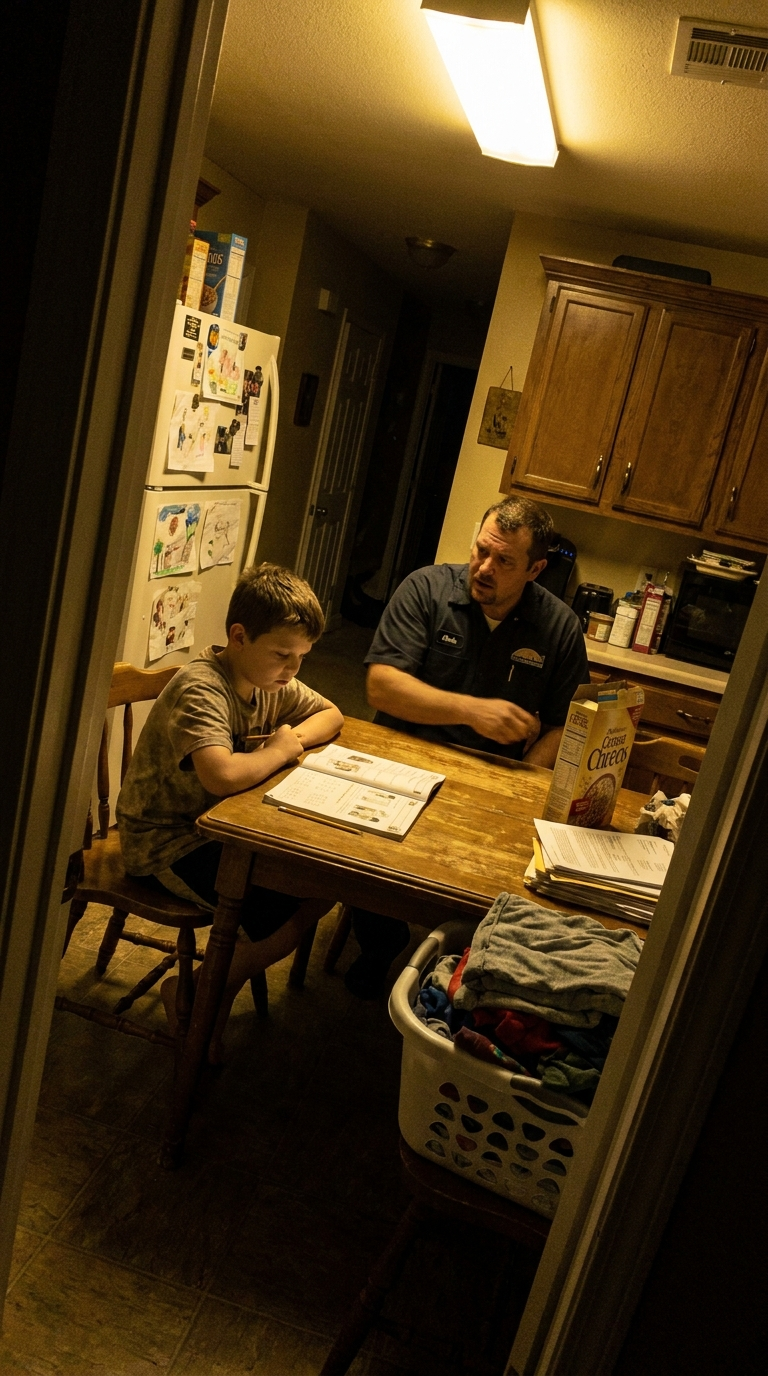
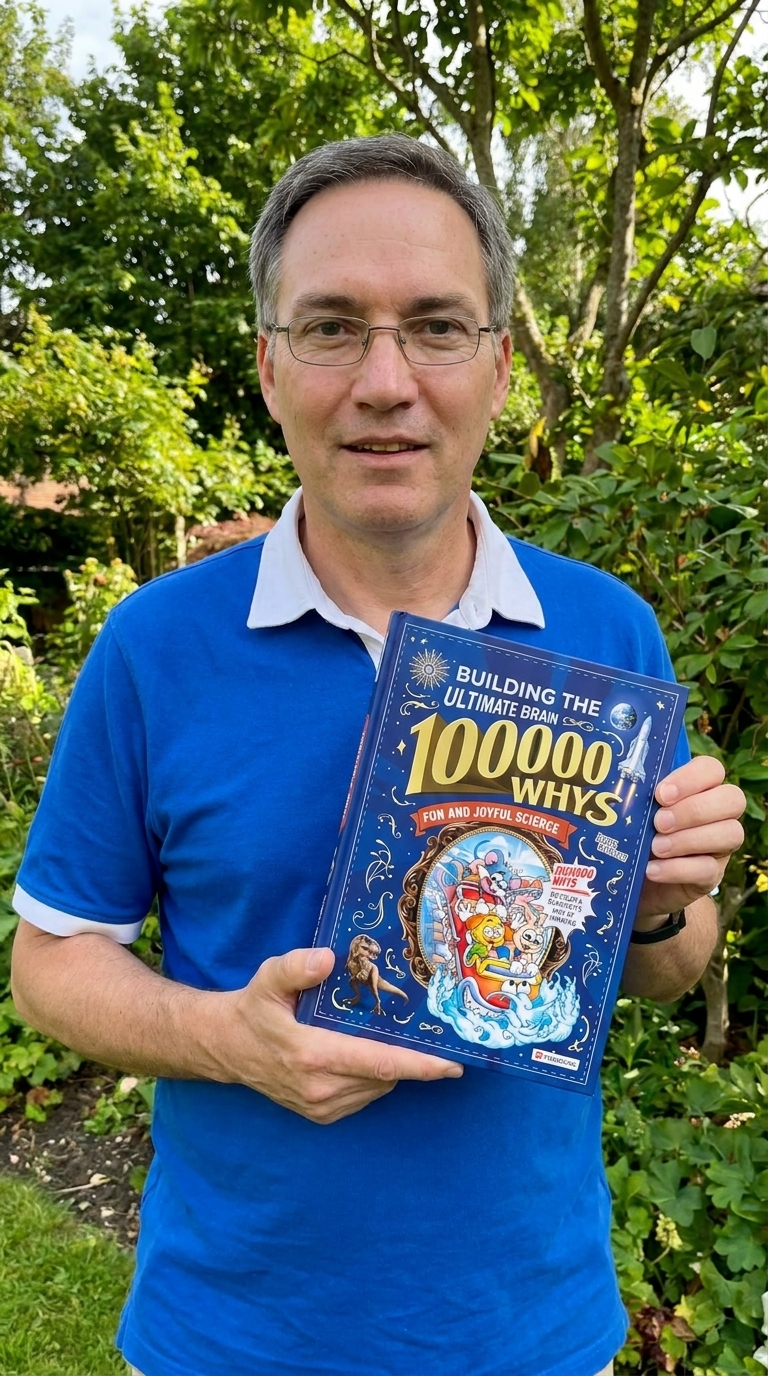
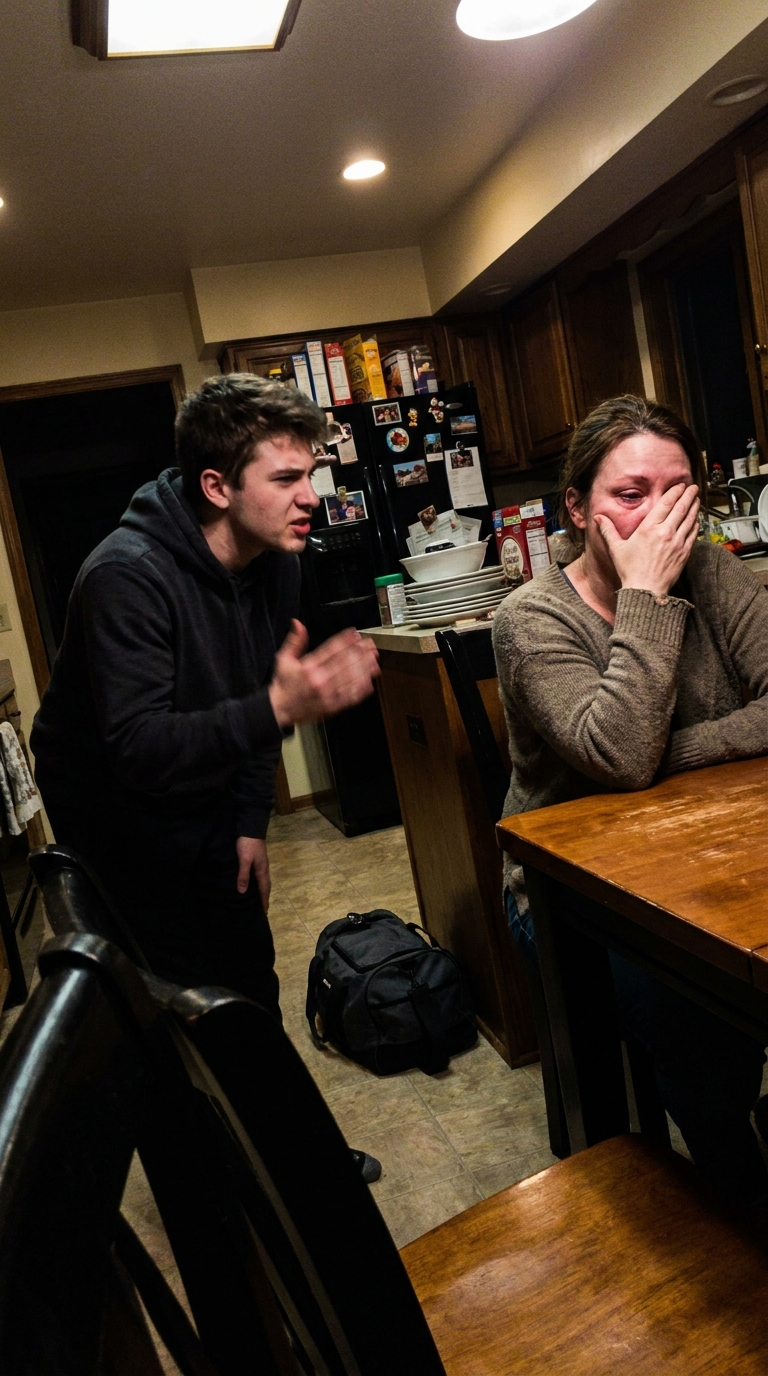
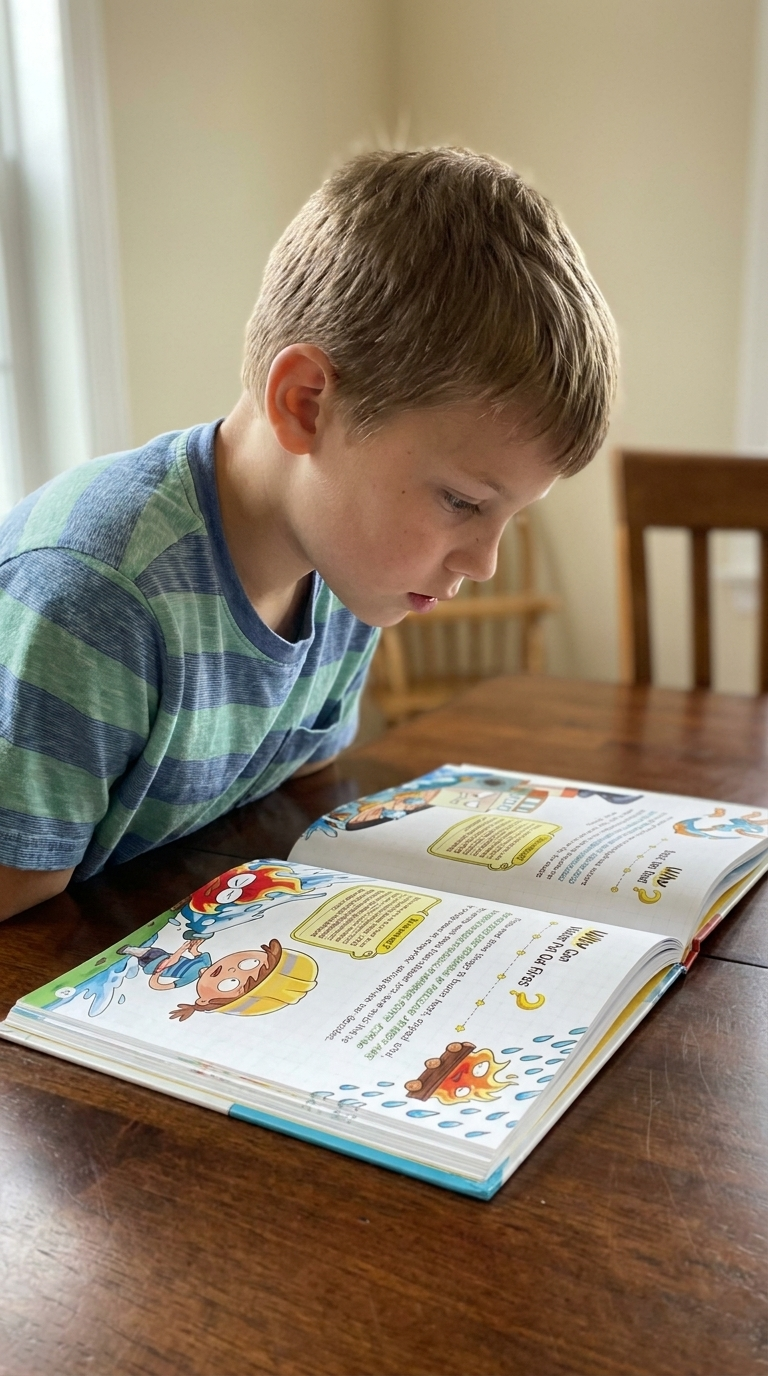
My best friend is a teacher and his son just dropped out of engineering school — and suddenly I looked at my 9-year-old and realized he can recite every fact he's ever been taught but can't answer a single "why" question. ⠀ It was 9:47 PM on a Thursday when Dave told us. His son Tyler. ⠀ Straight A's from kindergarten through senior year. Honor roll every semester. A partial scholarship. ⠀ Now back home after one semester, telling his dad that "school taught me how to pass tests, not how to think." ⠀ Dave's voice cracked when he said it. "He said I gave him answers to memorize but nobody ever taught him why any of it was true." ⠀ I drove home in silence, my hands gripping the steering wheel too tight. ⠀ When I got home, my son Caleb was at the kitchen table finishing his homework — filling in blanks about the water cycle. I sat down across from him. ⠀ "Caleb, why is the sky blue?" ⠀ He looked up, confused. "Because... it's the sky?" ⠀ "But why is it blue and not green? What's actually happening up there?" ⠀ Blank stare. "That's just what color it is?" ⠀ My stomach dropped. ⠀ "And how do you know that's the whole answer?" ⠀ His face went red. "I don't know, Dad. That's just what we learned." ⠀ Just what we learned. The nearest available answer. The exact trap that caught Tyler the moment a problem showed up without a formula sheet. ⠀ I sat there watching my son — this kid who could recite every state capital — completely unable to reason through one question for sixty seconds. ⠀ The next morning, I tested him again. "Why do things fall down instead of up?" ⠀ "Gravity." ⠀ "But WHY? What is gravity actually doing?" ⠀ Silence. He had no idea. He knew the word. He didn't understand the thing. ⠀ That Saturday at his soccer game, I brought it up with the other dads. Four of them had the same story. ⠀ Kids who ace every test. Kids on the honor roll. Kids we'd given every advantage — and not one of them could explain why a single thing they'd memorized was true. ⠀ We were building a generation of test-passers who would crumble the first time life asked "why?" ⠀ I spent that weekend obsessed. 1:47 AM Saturday night, I was reading about kids who memorize everything and understand nothing. ⠀ The pattern was everywhere. Straight-A kids getting to college, meeting their first problem that isn't on a formula sheet, and having zero answers. ⠀ Not because they weren't smart. Because they'd been taught WHAT to know but never WHY it's true. ⠀ 3:22 AM, I found myself on Tyler's Instagram. Scrolling back three years. Honor roll posts. Science fair ribbons. "So proud of this kid" reposted from his dad. ⠀ Then freshman year, the posts changed. Memes about all-nighters. Then nothing about school at all. ⠀ I could see the exact moment it happened. Week 3 of his first semester. A post that said: "Turns out I can't solve a single problem that isn't on a formula sheet. Maybe I was never actually smart." ⠀ Sunday afternoon, I couldn't focus. I kept watching Caleb at the kitchen table, coloring in a worksheet. He looked so confident. So sure. ⠀ But it was a house built on sand. One class without a study guide. One problem Google couldn't answer. One interviewer asking "walk me through your thinking." And it would all collapse. ⠀ That evening, I did something I'd never done before. I asked Caleb to explain the water cycle he'd just filled in blanks about. ⠀ He knew it was "evaporation, condensation, precipitation." But when I asked HOW a cloud actually holds all that water, he had nothing. When I asked why it rains so much here and almost never in a desert, he guessed. When I asked how we even know the water cycle is real, he said, "I think someone checked?" ⠀ My nine-year-old had spent five years in school and couldn't reason through a single "why" for sixty seconds. ⠀ Then it hit me. Neither could I. Not really. ⠀ Why is the ocean blue but a glass of water is clear? Why does the moon look like it follows the car? Why does ice float when almost everything else sinks when it freezes? ⠀ I'm 47 years old and I had accepted all of it my whole life without ever once asking why. ⠀ A smart kid isn't one who knows the most facts. A smart kid is one who knows why the facts are true. ⠀ Caleb wasn't that kid. And I hadn't raised him to be one. ⠀ Two weeks later, I was at Barnes & Noble, standing in front of a wall of educational books. Critical thinking workbooks. Test prep. Science encyclopedias. All of it either baby picture books or written for adults. ⠀ I needed something that would teach him to THINK, not just memorize better. ⠀ That's when I heard a conversation behind me. A dad and his son, maybe nine. ⠀ "So if the Earth is spinning at a thousand miles an hour, why don't we fly off?" ⠀ The kid didn't hesitate. "Because we're spinning with it, and gravity pulls way harder than the spin pushes. It's like riding in a car — you don't fly out of your seat just because the car is going fast." ⠀ I turned around. "Excuse me, what are you two reading?" ⠀ The dad showed me a thick illustrated book called 100,000 Whys. An encyclopedia organized by the questions kids actually ask. Why is the sky blue. How do airplanes fly. Why do we dream. Not just the answers — the reasoning behind them. ⠀ His son had been reading it for seven months. Two pages every night. ⠀ "His science teacher emailed us last month asking what changed," the dad said, laughing. "He raised his hand and explained why the sky is blue using wavelengths. She asked if we'd hired a tutor." ⠀ The kid shrugged. "I just like knowing WHY things are true. It's like solving puzzles." ⠀ I bought it that day. Thirty-nine dollars. ⠀ That night, I sat with Caleb and opened to a random page. "Why do we get goosebumps when we're cold?" ⠀ But it wasn't just a fact to memorize. It walked him through it. Goosebumps are left over from when we had more hair — the hair would stand up and trap warm air. We lost the hair, so now it's just the skin doing it with nothing there. ⠀ Caleb leaned in. "Wait. So goosebumps are like a leftover from something we used to be?" ⠀ We spent an hour on two pages. He asked nine questions. Real questions. Not "what's the answer" but "how does that work?" and "what happens if...?" ⠀ Here's what surprised me: I was learning too. At 47 years old, I finally understood why thunder comes after lightning. Why ice floats. Why leaves change color in fall. Things I should have learned in school but never did. ⠀ Two weeks in, something shifted. Caleb started arguing with me at dinner. Not disrespectfully — logically. ⠀ "Dad, I don't think that's right. Because if warm air rises, the attic should be the warmest room in the house. And it is." ⠀ He was THINKING. ⠀ Week 5, he came to me frustrated. "Dad, I can't figure out the moon. I get that gravity pulls it toward us. So why doesn't it just crash into the Earth?" ⠀ He was wrestling. Not just accepting. Sitting with a question until it opened. ⠀ And here's what I noticed — the more Caleb understood WHY things are true, the more the facts from school finally had something to attach to. He wasn't memorizing better. He was understanding for the first time. ⠀ Week 8, we were at a family dinner and my brother said, "Why buy him an encyclopedia? He can just Google it." ⠀ Before I could respond, Caleb jumped in. "Uncle Rob, why is the ocean blue but the water in your glass is clear?" ⠀ My brother opened his mouth. Closed it. ⠀ "Water absorbs red light and reflects blue — but you need billions of molecules stacked up to see it. A glass doesn't have enough. An ocean does." He grinned. "Google gives you the answer in two seconds. But you never would've asked the question." ⠀ My brother was stunned. So was I. That's when I knew. ⠀ This wasn't memory work. This was a kid learning that the world makes sense — and that he can figure it out. ⠀ Three months later, the book is dog-eared. Caleb can explain why the sky is blue, why ice floats, why the moon seems to follow the car. ⠀ But more importantly — he does his homework differently now. He asks why the formula works before he uses it. ⠀ His teacher told us he's asking questions in class now. Real ones. Not "is this on the test?" ⠀ Last week, he asked if his friend Marcus could come read with us on Friday. "Marcus says science is boring. I think that's because nobody ever showed him the why part. Can we do the gravity pages again?" ⠀ My mom called last Sunday. She's 71. "I've been listening to you two at dinner," she said. "Could you order me one? I've been alive 71 years and I just realized I can't answer half the questions that child can now." ⠀ Two pages a night did what five years of worksheets couldn't. They turned my son into a kid who reasons his way to an answer instead of reaching for the nearest one. ⠀ Not perfectly. He's ten. But when he gets to the first class without a formula sheet? He won't crumble. He'll think. ⠀ I think about Tyler constantly. About Dave's cracked voice. About the Instagram posts that went from honor roll to silent. ⠀ Those kids weren't stupid. They weren't lazy. They just had no foundation. No one taught them the WHY behind the WHAT. ⠀ Caleb won't be Tyler. Not because he memorized more facts. Because he knows why the facts are true. ⠀ That book — 100,000 Whys — sits on our kitchen table now, corners bent, two pages further every night. ⠀ Over 200 topics. More than 1,000 illustrated entries. Organized by the questions kids actually ask. Fifteen minutes a night. Thirty-nine dollars. ⠀ If you're watching a child you love ace every test but go silent at the first "why" question, you need to know there's another way. ⠀ Before the first class without a study guide. Before the first problem Google can't answer. Before another kid posts "maybe I was never actually smart." ⠀ Don't let him become another Tyler. Not when there's still time.
Like this ad? Make it yours.
Crush rebuilds this exact creative around your product — your brand, your colors, your offer — in about a minute.