Dr. Mark E. Chambers
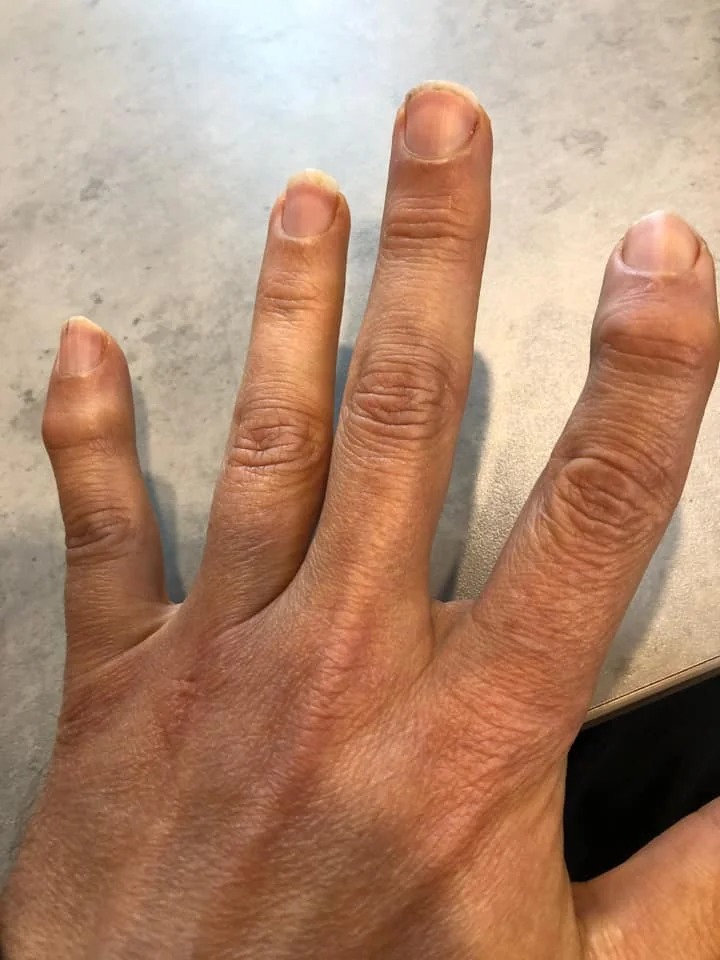
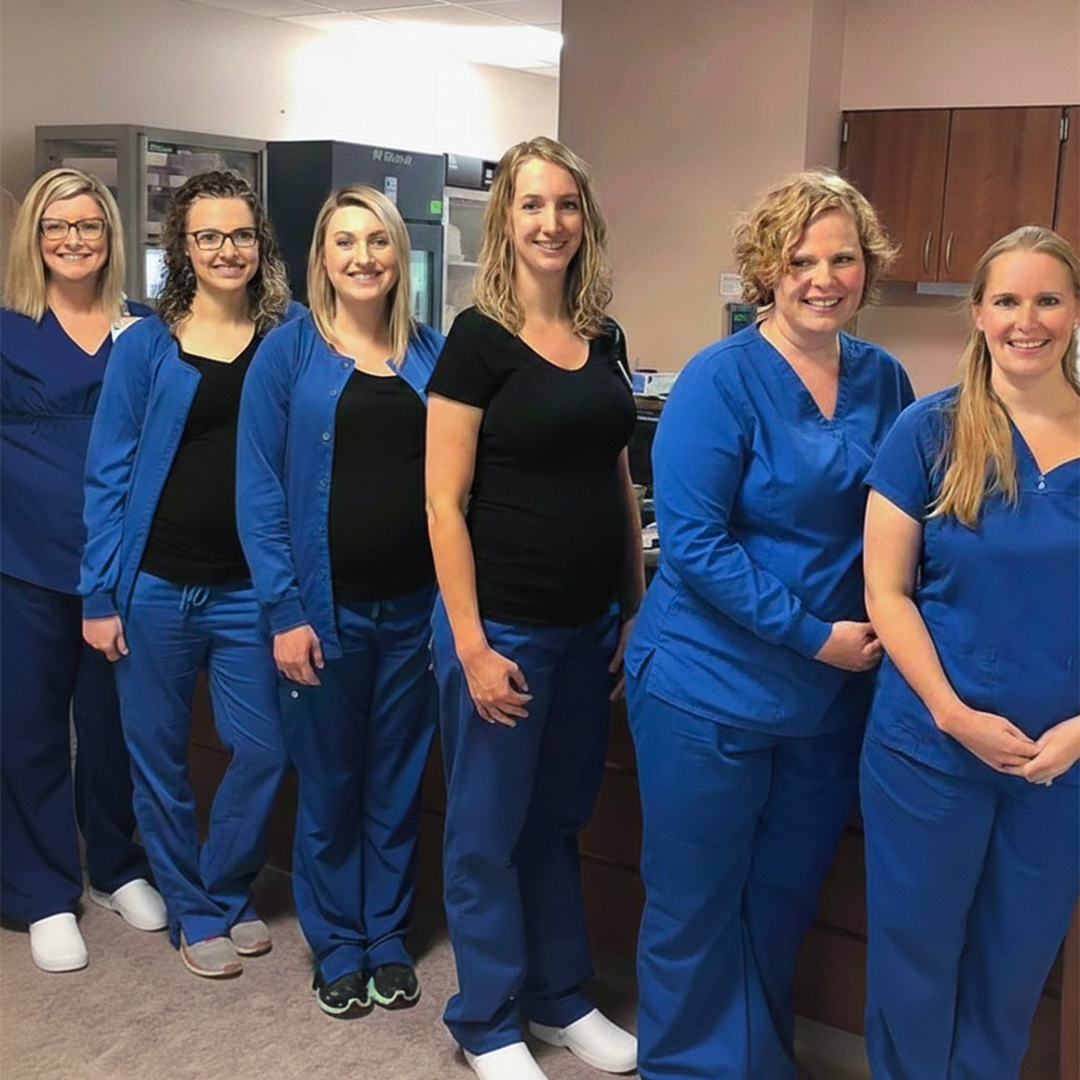
Dr. Mark E. Chambers Facebook ad: “Feel Like Yourself Again”
Ran for 24 days, from March 22 to April 15, 2026, the last day Crush saw it.
Run by Dr. Mark E. Chambers on Facebook. Crush is not the advertiser and does not verify its claims. See this ad in Meta's Ad Library(opens in a new tab)
Want an ad like this for your product?
Crush makes new ad images for your product from this ad: your logo, your product photo, your offer.
Trials from $19.95 USD, then $79.95 USD a month. Cancel anytime.
About this ad
- Meta Ad Library ID
- 1690278045718223
- Platforms
- Facebook, Instagram, Audience Network, Messenger and Threads
- Relaunches
- 12
Ad text
I'm a rheumatologist, and last week a patient of mine asked if she could stop taking Meloxicam. Not because she gave up on treatment. Because of something that showed up on her imaging that I have never seen in 22 years of practice. I've been treating osteoarthritis for over two decades. I've seen every stage of joint damage. Every pattern of decline. Every set of results that tells the same story. Worse. Always worse. A little more cartilage loss. A little more bone grinding where there used to be cushioning. That's the trajectory. That's what osteoarthritis does. Last week, it didn't. Her name is Susan. She's been my patient for four years now, and she was coming in for the same imaging she gets every six months. Osteoarthritis. Her right knee. Her hands. Progressive cartilage loss that had been getting worse every single visit. She was on 15mg of Meloxicam daily and still waking up at 2 or 3 in the morning from the deep ache in her knee, and by morning her hands were so stiff she couldn't make a fist for the first thirty minutes of her day. I expected the usual. A slight decline. Maybe stable if she was lucky. I pulled up her imaging. And I just stopped. Her joint space had widened. Not by a small margin. By a margin I have never seen in an osteoarthritis patient outside of a clinical trial. Cartilage was showing signs of regrowth in areas that had been thinning for months. Her right knee that had been grinding bone on bone six months ago was showing cushioning again that I hadn't seen from her since she became my patient. I looked at her. "What have you been doing differently?" "Nothing crazy. Just something a woman in my Facebook group told me about." I didn't believe her. "New medication? Did anything change with your other prescriptions? Are you on a different dose of Meloxicam?" "Actually, I've been cutting my Meloxicam back. My primary approved it. I haven't needed as much." I pulled up her previous imaging from six months ago and compared them side by side. Her trajectory had reversed. In 22 years of treating osteoarthritis, I have watched imaging go in one direction. Down. Less cartilage. Less cushioning. More grinding. More damage. This one went the other direction. I sat back in my chair and I told her, honestly. "I need to understand what changed. Because these results don't match anything in your treatment history." That's when Susan told me everything. She said for the past three and a half years, every six months, she'd sit in my office and hear the same thing. A little worse. A little more cartilage gone. Stay the course. And every six months she'd go home and try something new on her own because the course wasn't working. She tried ibuprofen first. Over the counter. Three or four a day just to get through her shift. Susan had worked retail for over thirty years. On her feet all day. Bending, lifting, stocking shelves, standing on concrete for eight, ten hours straight. The ibuprofen took the edge off enough to keep going. But it chewed up her stomach. After a year her doctor told her she had the beginnings of a stomach ulcer. That's when they put her on Meloxicam. A prescription. Stronger. Easier on the stomach than ibuprofen, they told her. It helped more with the pain, enough to get through a full shift without limping by the end. But the ache in her knee still woke her up most nights. And during the day she started noticing her blood pressure creeping up. Her doctor said it was a known side effect. A woman who went in looking for pain relief was now being monitored for cardiovascular risk. Trading one problem for another. She tried cortisone injections after that. The first one felt like a miracle. Six weeks of almost no pain. She cried because she'd forgotten what it felt like to walk without grinding. But when it wore off, the pain came back worse than before. The second injection lasted four weeks. The third barely lasted three. Each time, the relief got shorter and the pain that followed got deeper. Her doctor told her the injections were actually accelerating the cartilage breakdown. A woman who had gone in hoping for relief was now being told the treatment had made her joints worse. She tried turmeric. Took it faithfully for a year. Her stomach couldn't handle it on top of everything else. She pushed through anyway because she'd read it was supposed to help with inflammation. And nothing changed. Not the stiffness. Not the grinding. Not the ache that woke her up at night. She tried glucosamine and chondroitin because she read about them online. Took them for eight months. Maybe a slight improvement in the stiffness. Maybe not. She couldn't tell if it was real or if she just wanted it to be. She tried one of those collagen supplements. The kind you see advertised everywhere with thousands of five star reviews. $60 a bottle. Three months. Nothing. She told me she had almost accepted it. That this was just her life now. Planning every movement. Holding onto the counter before she stood up because her knee might buckle. Gripping the railing every time she went down stairs. Staying home from things she used to love because the idea of being on her feet for more than twenty minutes made her chest tight with anxiety. She told me about her mother. How her mother had osteoarthritis too. How it started in her mother's hands first. Then her knee. Then her hips. How her mother went from needing help opening jars, to needing help getting dressed, to a walker, to a wheelchair, to never leaving the house again. How her mother spent her last years unable to do anything for herself. And how every single day Susan could feel herself following that same road, one set of imaging at a time, and nobody could tell her how to get off of it. I hear that story every week in my office. Different names. Same road. Then she told me what changed. About five months ago, she saw a post from another woman in her osteoarthritis group. This woman explained something that Susan had never heard from me, or from her primary care doctor, or from any specialist she'd ever seen. She said the reason joint supplements don't work isn't because they're bad supplements. It's because by the time you need them, the tiny power generators inside your joint cells are already dead. Here's what she explained, and I'm going to put this in terms that make sense because she was right and it matters. Your joints are living tissue. Most people don't think of them that way, but the cartilage between your bones, the fluid that keeps things lubricated, the cushioning that lets you move without grinding, all of it is maintained by living cells inside your joints. These cells are constantly working to repair damage, rebuild tissue that's been worn down, and keep everything moving smoothly. That energy comes from mitochondria. Little power generators packed inside every cell in your body. There's billions of them. When those power generators start dying off, which happens naturally as you get older and picks up speed when your body has been under physical stress for decades, the cells in your joints start starving. They can't produce the energy they need to repair cartilage. They can't maintain the cushioning between your bones. They can't resolve inflammation, so it just stays stuck in overdrive, destroying the very tissue it was trying to fix. And slowly, joint by joint, everything breaks down. That's the stiffness. That's the grinding. That's the progression I see on every set of imaging, every six months, in almost every patient. And here's the part that nobody ever explains to you. When you take turmeric, or glucosamine, or collagen, or any of those joint supplements that your doctor recommends or that you found online, your body does deliver them to the joint cells. They arrive. But if the power generators inside those cells are already dead or dying, the cells cannot do anything with them. There's no power to process the nutrients. No energy to use them. No engine running. You're delivering lumber to a construction site with no power. That's why turmeric didn't work. That's why glucosamine didn't move the needle. That's why that expensive collagen supplement with five thousand reviews didn't change a thing. Not because those nutrients are useless. But because the cells in your joints had nothing left to run on. You're not failing the treatment. The treatment's failing you because it was never designed to fix the actual problem. It was designed to support joint cells that still have working power generators. And by the time most people are desperate enough to try supplements, those generators are already gone. Meloxicam doesn't fix this either. Meloxicam just turns down the inflammation signal so your brain receives less pain. Your cartilage is still degrading underneath it. Your joints are still starving. Still losing cushioning. Every single day. Cortisone injections don't fix it either. They suppress inflammation temporarily, but research now shows they can actually accelerate cartilage loss. You're getting six weeks of relief while the joints get worse underneath. It's pain management. Not joint repair. There's a massive difference. When Susan explained this to me, I'll be honest with you. I already knew most of it at a cellular level. I studied mitochondrial dysfunction in medical school. I've read the research on osteoarthritis and mitochondrial death. But I had never seen a patient who figured out how to actually reverse the decline. Not manage it. Not slow it down slightly. Reverse it. That's what was sitting in front of me on that imaging. "So what did you do about it?" I asked her. She told me she found something called Amla. An ancient fruit from the Himalayas that people have used as medicine for over 5,000 years. I'll be honest. When she said "ancient fruit from the Himalayas" I almost checked out. But then she explained how it actually works and it stopped me cold. Amla activates something called AMPK. Think of it as a master switch buried deep inside your cells that signals your body to start building brand new power generators. Not just protecting the ones you have left. Building new ones. At the same time, it shields the surviving ones from further damage. I knew about AMPK from my training. What I didn't know was that someone was actually using a natural compound to trigger it and getting real, measurable results that I could see on imaging. Susan wasn't just telling me she felt better. I was looking at the proof. Her joints were actually showing cartilage regrowth in areas that had been grinding bone on bone six months ago. That's not wishful thinking. That's not her wanting it to work so badly that she convinced herself it did. That's a joint that was breaking down, rebuilding again. I could see it in the imaging sitting right in front of me. "You're rebuilding the engine," I said. "Exactly. Everything else I tried was just more lumber showing up to a site with no power. This was the first thing that actually turned the power back on." I asked her to walk me through her timeline. She said the first week, her morning stiffness didn't last as long. Her hands loosened up faster than usual. She wasn't sure if it was real or if she just wanted it to be. By week two, her knee didn't grind as much going down the stairs. She could make a fist without wincing for the first time in over a year. Not perfect. But not the same. She said she cried standing in her kitchen when it happened. By week three, she walked to her mailbox without holding the railing. First time in over a year. By month two, she went to her granddaughter's school play and sat through the entire thing without shifting in her seat, without watching the clock, without calculating how many steps it would take to get back to the car. She said she just watched her granddaughter up on that stage and for the first time in years she was actually there. Present. Not just managing. Month three, she stopped reaching for the Meloxicam every morning. The grinding had calmed down. The stiffness was lifting. Her stomach settled. Her blood pressure started coming back down. She said she felt like herself again for the first time in years. Month five, she was sitting in my office with imaging results that went in the wrong direction. The good kind of wrong. After Susan left that day, I spent the entire evening reading everything I could find on AMPK activation and how it relates to joint cells actually repairing cartilage and rebuilding cushioning. The research backed up exactly what she told me. The science was real. The pathway was real. The results on her imaging were real. But here's what I also learned, and it matters. Not all Amla is the same. Most Amla supplements are basically useless. They're made from fruit that's been sitting around, dried out, processed at high heat, until the active compounds that actually trigger AMPK activation are degraded or gone entirely. You're paying for a capsule full of dead powder. Susan told me she actually tried a cheap brand first. Some bottle she found on Amazon. It helped slightly. Barely enough to notice. She was so close to giving up. Then someone in her group told her about a specific brand that sources differently. For Amla to actually do what it's supposed to do, to actually flip that switch inside your cells and start building new power generators, it has to come from the Himalayas where the fruit grows naturally at its most potent. It has to be standardized to the active compounds, not just generic "Amla powder" dumped into a capsule. Third party lab tested so you know the concentration is real. No fillers, no cheap bulk ingredients added to pad out the bottle. The brand she found, the one that actually produced the results I saw on that imaging, is called Alevia. I looked into it myself. The sourcing. The standardization. The testing. After 22 years of watching imaging only go in one direction, I needed to understand why this one went the other way. And when I looked at what Alevia actually is versus what most Amla products on the market are, the difference was obvious. Most brands sell you the idea of Amla. Alevia delivers the actual active compounds at the concentration that matters. I started recommending it quietly to a few of my patients. The ones who were frustrated. The ones who had tried everything. The ones I'd been telling for years to "stay the course" because I didn't have anything better to offer them. I'm watching their results now. And I'm seeing things I don't normally see. If you're reading this right now because your knee grinds every time you stand up and your hands won't cooperate in the morning. If Meloxicam kept the pain manageable but your stomach paid for it and your blood pressure crept up. If you spent hundreds on cortisone injections that bought you six weeks before the pain roared back worse. If you've taken the turmeric and the glucosamine and the collagen supplements and nothing moved. If you're quietly watching the cartilage disappear a little more every few months and wondering how many years you have before it takes something from you that you can't get back. You're not crazy. You're not weak. You're not someone who just has to accept this. You were giving your joint cells everything they needed except the one thing that would actually let them use it. The power generators were gone. And without power, no amount of lumber makes a difference. Amla activates AMPK. It signals your body to build new mitochondria. It protects the ones still working. That's why everything else failed. And that's why this works when nothing else did. But only if the source is right. Only if the active compounds are actually preserved. Alevia is the only brand I've found that meets that standard. Wildcrafted. Standardized to the active compounds. Third party tested for purity and potency. No fillers. No junk. Nothing in there that doesn't belong. Right now they're running a promotion with significant savings off the regular price. But Alevia is a small company. They produce in small batches to keep the active compounds intact. When they sell out, it's usually weeks before the next batch is ready. 90 days to try it. If nothing changes, full refund. No questions asked. But if it works. If by the end of week one your morning stiffness doesn't last as long and your hands loosen up a little faster. If by week two your knee doesn't grind as much on the stairs and you can make a fist without wincing. If by week three you walk to the mailbox without gripping the railing. If a month from now you're sitting at your grandkid's recital and you're actually present, not just surviving the chair and calculating every step back to the car. If three months from now your rheumatologist pulls up your imaging and stops. And looks at you. And says something you've never heard before. You'll wish you'd found this years ago. I know Susan does. 👉 https://getalevia.com/amla/11 Your joint cells don't have to keep starving while the pills just turn down the volume on what's happening underneath.
Where the ad sends people
getalevia.com
Feel Like Yourself Again
"This actually worked, thank you so much." - Emily T.
Learn more: getalevia.com(opens in a new tab)