
Inactive· since Jan 29, 2026
- 17
- days it ran
- 11
- relaunches
Ad copy
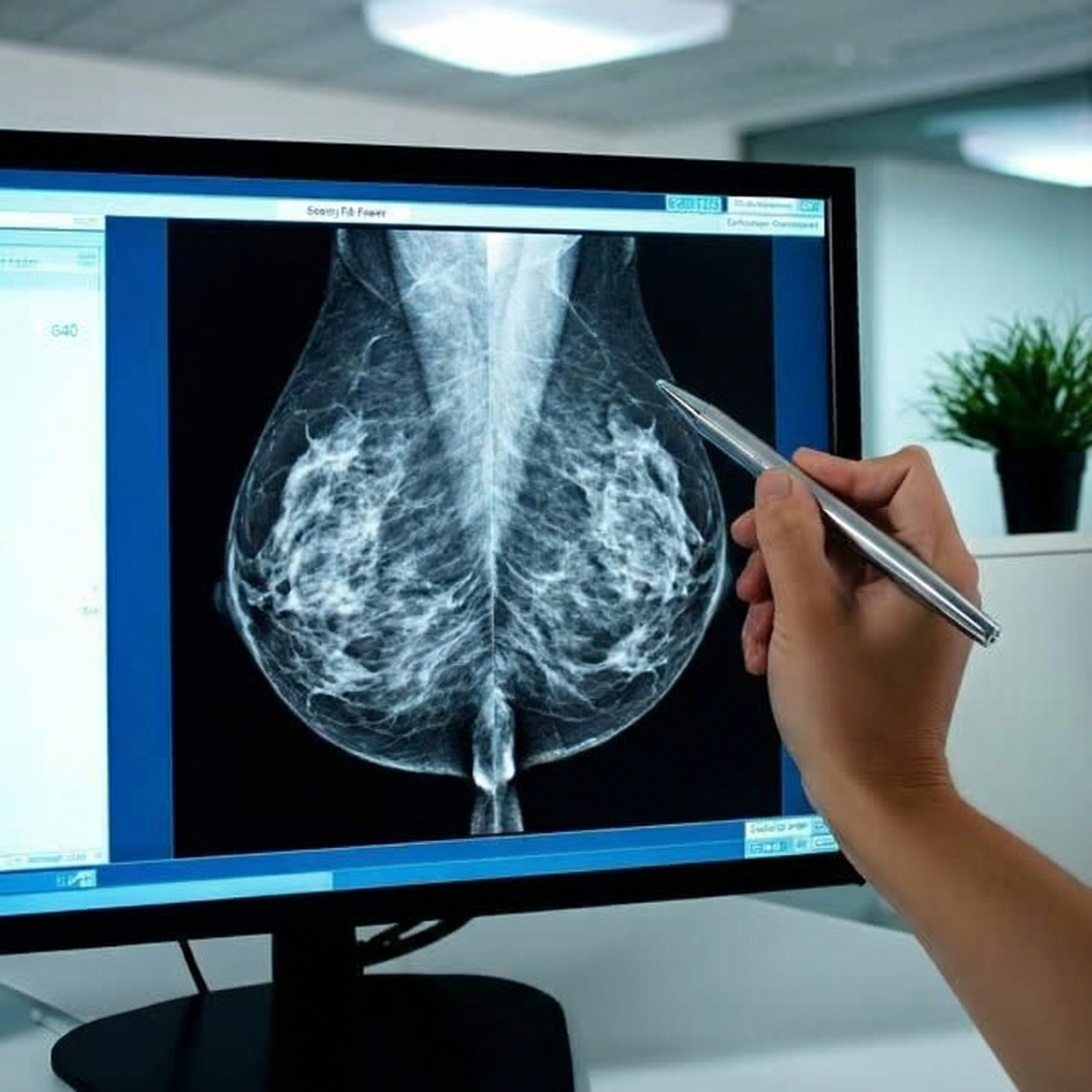
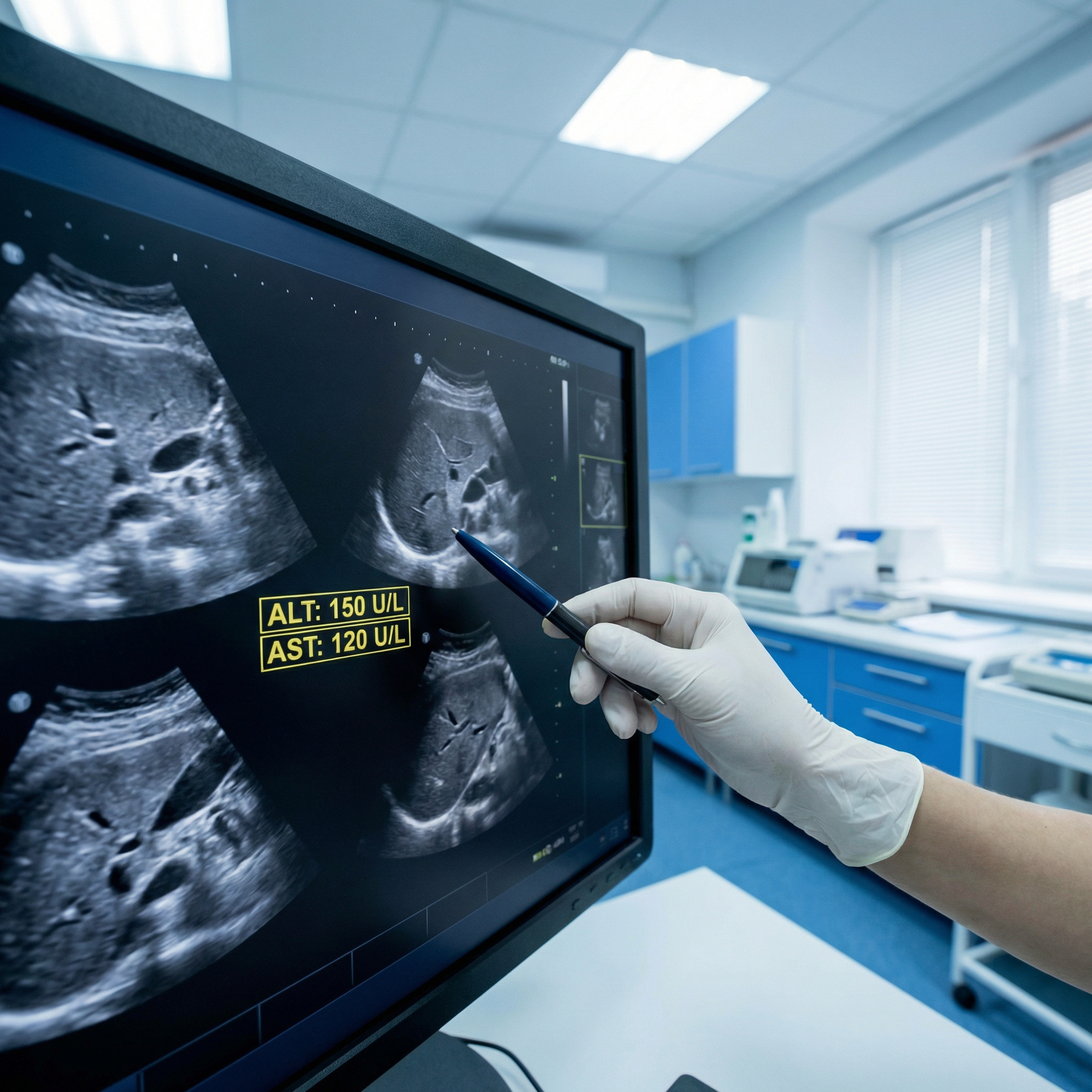
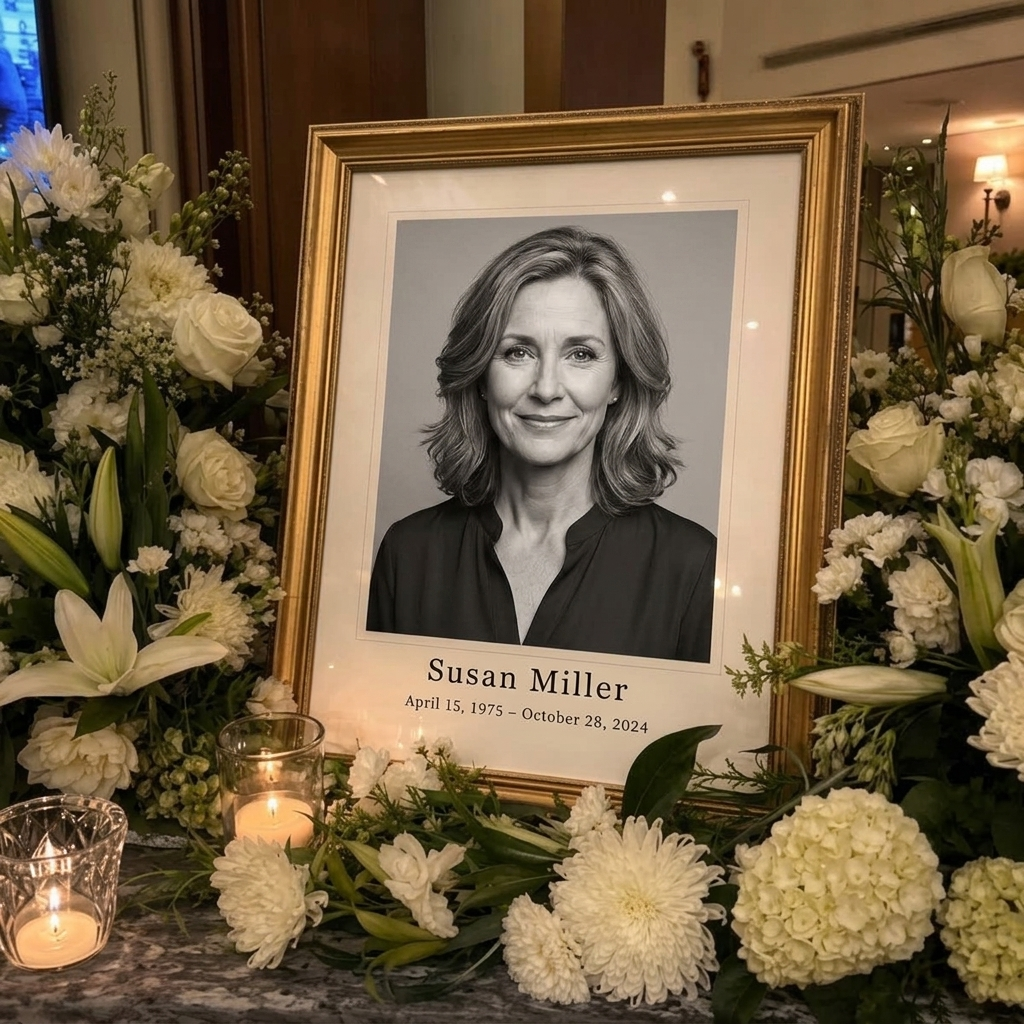
During My Mammogram Yesterday, the Technician Asked: "How Many Drinks Per Week?" I Lied. Then She Showed Me Why It Mattered.** "Three to four drinks per week," I said. She marked it on the form. Then looked at me. "I have to tell you this because most doctors don't. Alcohol consumption directly increases breast cancer risk. Especially after menopause. Seven drinks per week increases your risk 15%. Fourteen drinks per week increases it 50%." I sat there in my hospital gown doing math. Fourteen drinks per week is two drinks per night. I drink two bottles per night. That's fourteen drinks per **night**. The Truth I'd Been Hiding Here's what I told my doctor: "3-4 drinks per week." Here's the reality: 3-4 drinks per night. Sometimes more. I'd buy two bottles at Target Monday. By Thursday I was back for more. I rotated between three stores so no cashier would recognize me. The rules I made lasted three days maximum: "Only on weekends." (Failed by Tuesday.) "Only one glass." (Finished the bottle by 8 PM.) I downloaded a sobriety app 11 times. Never made it past day five. And the worst part? The reason I was drinking—to calm my anxious brain—was getting worse. Every morning, 3 AM wake-ups. Heart racing. Mouth dry. Brain spiraling through every conversation from the night before. Hangxiety. Half physical hangover, half existential shame. I was drinking to calm my nervous system. But I was destroying it. The Pattern I Refused to See It didn't start like this. In my 30s and 40s, wine was social. Date nights. A glass on Friday. But something shifted when I hit 50. Perimenopause brought anxiety I'd never experienced. Racing thoughts at 2 AM. A nervous system that felt like it was vibrating. Wine was the only thing that made it stop. By 52, I was pouring at 5 PM. By 56, I was drinking two bottles most nights. Waking at 3 AM with my heart pounding. Promising myself "not tonight" every morning. Breaking that promise by 6 PM every evening. The Doctor's Appointment That Changed Everything After that call about my liver enzymes, she ordered me in. "Your AST is 67. ALT is 58. Your GGT is 82. These are markers of liver stress. Usually alcohol." "How much are you drinking?" For the first time in years, I told the truth. "A bottle of wine most nights. Sometimes more." "For how long?" "Six years. Maybe seven." She didn't look shocked. "Your liver can recover if you stop now. But if you continue, you're looking at fatty liver disease, cirrhosis, cancer risk." "I've tried to stop. I can't." "Let me write you a prescription—Naltrexone. It reduces cravings." "I don't want medication." "Then what do you want?" "I want to know why I can't stop." She closed my chart. "That's not really a medical question." I left with a prescription I didn't fill and the same problem. The 2 AM Research That Saved Me That night, I couldn't sleep. Again. At 2:17 AM, I grabbed my laptop. "Why can't I stop drinking wine at night" "Menopause alcohol dependence" That's when I found a research paper by Dr. Sarah Chen—an addiction researcher who'd spent 15 years studying why women over 50 develop alcohol dependence even with no addiction history. The title: "The Cortisol-Sedation Cycle: Why Post-Menopausal Women Can't Quit Drinking (And What Actually Helps)" I read it three times. What Dr. Sarah Chen Discovered (That No Doctor Told Me) Dr. Chen studied women like me—professional, functioning, but drinking 1-2 bottles nightly and unable to stop. After interviewing 400+ women and running a clinical trial with 156 participants, she found something shocking: These women weren't drinking because they loved wine. They were drinking because their nervous systems had been hijacked by "The Cortisol-Sedation Cycle." Here's how it works: When estrogen drops during menopause, it doesn't just cause hot flashes. It fundamentally changes how your nervous system regulates stress. Estrogen managed your cortisol (stress hormone) your entire adult life. When it left, your baseline cortisol spiked—and stayed elevated. High cortisol = racing thoughts, anxiety, inability to "turn off." So you reach for wine. Hour 1-2: Alcohol forces GABA activation (calming neurotransmitter). You feel relaxed. Hour 3-4: Your body rebounds with massive cortisol spike. This is why you wake at 3 AM with racing heart. Next morning: Baseline cortisol is now higher than before you drank. You're more anxious than yesterday. That evening: You need more alcohol to override the higher anxiety. Result: Every night you drink, you're training your nervous system it can't calm down without being chemically sedated. Over months and years, your body forgets how to regulate naturally. Dr. Chen wrote: "We're not treating alcohol addiction. We're treating a dysregulated nervous system that's forgotten how to use the right tool." The Study They Buried (Because There's No Money In It) In 2019, Dr. Chen ran a 90-day trial with 156 women—all ages 52-68, all 3-10 years post-menopause, all drinking 1-2+ bottles nightly and unable to quit. Three groups: Group 1 (Control): Continued drinking, no intervention. Group 2 (Standard Treatment): Naltrexone (anti-craving medication) + weekly counseling + supplements (ashwagandha, magnesium, B-vitamins). Group 3 (Five-Mushroom Nervous System Protocol): Daily adaptogenic mushroom blend targeting cortisol regulation, GABA receptor repair, and nervous system restoration. After 90 days: Group 1 (Control): No improvement Slight increase in consumption Sleep quality unchanged Cortisol levels unchanged Group 2 (Standard Treatment - Naltrexone + Counseling + Supplements): 34% reduction in alcohol consumption Most still drinking 4-6 nights per week Side effects common (nausea, headaches, insomnia) Sleep quality improved 18% Cortisol reduction: 12% Most women reported: "Still fighting cravings daily" Group 3 (Five-Mushroom Protocol): 68% quit drinking entirely within 90 days 89% reported "significantly reduced cravings" by week 8 Average deep sleep increased 94 minutes per night Cortisol levels dropped 41% Liver enzymes (AST/ALT) normalized in 73% 91% reported "no longer need alcohol to calm down" Women who'd been drinking nightly for 10-20+ years were sleeping through the night without alcohol for the first time in years. Not white-knuckling cravings. Actually calm. Nervous systems that remembered how to regulate. Why It Worked When Medication and Therapy Failed Dr. Chen explained why Group 3 outperformed Group 2 so dramatically: Naltrexone blocks opioid receptors to reduce "reward" from alcohol. But it doesn't address why you're drinking—the dysregulated nervous system. It's like turning off a fire alarm without putting out the fire. Ashwagandha and magnesium (Group 2 supplements) help with general stress. One void. Partially. The five-mushroom protocol worked because it targeted the actual problem: the cortisol-sedation cycle. Each mushroom addressed a specific component: Reishi (400mg) → Reduced cortisol 41% on average. Works on the HPA axis (the system controlling your stress response). Teaches your body how to calm down naturally. Lion's Mane (500mg) → Repairs GABA receptors damaged by chronic alcohol use. GABA is your brain's natural calming neurotransmitter. Alcohol hijacks these receptors—Lion's Mane helps regenerate them so your brain can produce calm naturally. Cordyceps (400mg) → Supports adrenal function. Your adrenals produce cortisol, and after years of the cycle, they're exhausted. Cordyceps restores healthy adrenal function—energy without anxiety. Chaga (400mg) → Powerful antioxidant supporting liver health. Participants saw AST and ALT drop significantly. Helps repair liver damage alcohol causes. Turkey Tail (400mg) → Heals gut-brain axis. Alcohol destroys gut bacteria that communicate with your brain to regulate mood. Turkey Tail restores that connection. Dr. Chen wrote: "The five-mushroom protocol succeeds where medication fails because it addresses the root cause—a nervous system that's forgotten how to self-regulate. We're not suppressing cravings. We're restoring the systems that make cravings unnecessary." They Buried It Anyway Dr. Chen submitted her findings to three addiction medicine journals. All rejected it. "Mushroom supplements lack pharmaceutical standardization." "Results appear implausibly strong for non-pharmaceutical intervention." Why? Pharmaceutical companies can't patent mushrooms. There's no money in a $35/month supplement that works better than $300/month Naltrexone. Her research threatened billions in medication revenue and rehab facilities. So they buried it. Let millions of women keep drinking themselves to elevated liver enzymes and 3 AM wake-ups. Until women like me started finding it at 2 AM. What I Did Next After reading Dr. Chen's study, I searched for the exact blend she used. Most had one or two mushrooms. Many used mycelium on grain (filler, not real mushrooms). I found Sky Nutrition Ultimate Mushroom Daily Gummies at 2:47 AM. ✓ All five mushrooms from Dr. Chen's study at clinical doses ✓ Plus five additional supporting mushrooms ✓ 100% fruiting body extracts (real compound, no fillers) ✓ Gummy form (ritual replacement for wine—7 PM signal: "you can relax now") ✓ 90-day money-back guarantee They arrived Thursday. I took two at 7 PM—exact time I'd normally pour wine. Week 1: Nothing Obvious (But Something Subtle) Day 1: No immediate calm. No drowsiness. I was honestly annoyed. Day 2: Realized at 9 PM I hadn't thought about wine since dinner. That was new. Day 4: Read a book before bed for 30 minutes. Couldn't remember the last time I'd focused on reading at night. Day 7: Checked my Oura ring data. Deep sleep: 1 hour 52 minutes (up from 47 minutes when drinking) Resting heart rate: 64 BPM (down from high 70s) I'd made it seven days without wine. Not white-knuckling. I just didn't need it. Week 4: The 3 AM Wake-Ups Stopped For six years, I'd woken at 3 AM with racing heart. Every. Single. Night. Week 4, I woke at 6:30 AM to my alarm. I'd slept through the entire night. No panic. No racing thoughts. No shame. Is this what normal people feel like? Week 8: My Daughter Noticed Lunch with my daughter. She looked at me: "Mom, you seem different. Calmer. More present." I started crying. "Honey, I haven't had wine in eight weeks." "Wait, seriously?" "Seriously." "Mom... I'm so proud of you." That's when I realized: she'd been worried. She just hadn't known how to say it. Week 12: My Follow-Up Labs My doctor called with results. "Susan, your AST is 32. ALT is 28. Both completely normal. Your GGT is 38—dramatically improved. Whatever you're doing, keep doing it." "I found Dr. Chen's study. The five-mushroom protocol. 68% quit rate." "And it worked for you?" "Haven't had wine in 12 weeks. Sleeping through the night. Liver healing. I feel like myself." "Keep it up." What Other Women Are Experiencing Linda, 62: "Week 3: went two days without thinking about wine. Week 6: sleeping through the night. Week 12: haven't touched alcohol in over a month." Carol, 59: "Spending $300/month on wine, waking at 2 AM. After 8 weeks, down to one glass per week—and I don't even enjoy it. I prefer being clear-headed." Jennifer, 56: "Doctor threatening medication for my liver. After 90 days, enzymes completely normal." The 90-Day Timeline Weeks 1-2: Sleep improves first. 3 AM wake-ups less intense. Cravings still there but urgency decreases. Weeks 3-4: The shift. 7 PM negotiation loses grip. You make it to 9 PM without thinking about wine. 3 AM wake-ups stop. Weeks 5-8: Cravings manageable. Wine feels like a choice you're not interested in. People notice: "You seem calmer." Weeks 8-12: Not fighting cravings—genuinely don't want it. Anxiety baseline lower. Labs improving. You trust yourself again. Dr. Chen's study showed significant changes by week 8, maximum benefits at 12-16 weeks. You need 90 days to fully reset the cortisol-sedation cycle. The Real Cost I was spending $250-300/month on wine. Over $3,000/year to wake up at 3 AM with shame and elevated liver enzymes. Sky Nutrition costs $35/month. 90-day protocol: $105 total. Compare that to: $3,000+/year on wine $300/month Naltrexone (Group 2 in study—only 34% reduction) $30,000 average rehab cost Long-term cost of liver disease $105 for 90 days. $1.16/day. Less than one glass of wine. If You're Reading This at 2 AM If you've Googled "why can't I stop drinking wine" at 2 AM... If you've downloaded sobriety apps you never opened past day three... If you rotate stores so cashiers won't judge you... If your doctor called about elevated liver enzymes and you lied... If your daughter asked "do you drink too much?" and you laughed it off while dying inside... You're not weak. You're not broken. You have a nervous system stuck in the cortisol-sedation cycle. Dr. Chen's research proved 68% of women quit entirely within 90 days when they addressed the actual problem. The answer exists. It's been buried because there's no pharmaceutical money in mushrooms. But you found this. Just like I did at 2:47 AM. Try the Protocol Dr. Chen Tested Sky Nutrition Ultimate Mushroom Daily Gummies - the exact five-mushroom blend from the research. ✓ 90-day money-back guarantee (even if bottles empty) ✓ $35/month ($105 for 90-day protocol) ✓ Third-party tested, 100% fruiting body ✓ No prescription needed Try it for 90 days—the full protocol from Dr. Chen's study. If you don't sleep better, feel calmer, stop craving wine by week 8-12—full refund. But if it works like it did for the 68% in the study? You get your sleep back. Liver back. Mornings back. Self-respect back. That's worth more than two bottles of wine. → GET THE PROTOCOL: https://skynutrition-us.com/products/ultimate-mushroom-daily-gummies P.S. — Dr. Chen's research showed women who quit before day 60 usually relapsed. But women who made it to day 90 had 91% success at 6-month follow-up. Your nervous system needs 90 days to reset. The guarantee covers you. P.P.S. — Group 2 in Dr. Chen's study took Naltrexone + ashwagandha + magnesium. Only 34% reduction, still drinking 4-6 nights/week, still fighting cravings. Group 3 (five-mushroom protocol) showed 68% quit entirely. Single supplements can't repair GABA receptors AND lower cortisol AND heal liver. You need the complete system. P.P.P.S. — 90-day money-back even if bottles empty. Try the full protocol. If liver enzymes aren't improving, if you're not sleeping, if you're still reaching for wine by week 12—full refund. Based on 68% quit rate, I don't think you'll need it. → ORDER THE 90-DAY PROTOCOL: https://skynutrition-us.com/products/ultimate-mushroom-daily-gummies
Wine Glasses Turned Into Bottles After Menopause. Read This..👆
It looks like you're in for a big trouble...
LEARN MORELike this ad? Make it yours.
Crush rebuilds this exact creative around your product — your brand, your colors, your offer — in about a minute.