
Inactive· since Jul 10, 2026
- 4
- days it ran
- 0
- relaunches
Ad copy
Ambien failed. Lunesta failed. Trazodone failed. Then my doctor pulled up something that wasn't a prescription. My doctor looked at my chart and sighed. "We're running out of options," she said. Three medications. Three failures. And I was still awake at 2 AM every night. It started with Ambien. My doctor prescribed it after I'd tried everything else. Melatonin. Magnesium. Sleep hygiene. Nothing worked. "This will help," she said. "Just don't use it long-term." The first night, I slept 7 hours. I cried from relief. Second night, same. Third night, same. For six weeks, I finally slept. Then week seven happened. I took my pill at 10 PM like always. Lay down. Waited. 11 PM. Still awake. Midnight. Still awake. 1 AM. Finally drifted off. Woke up at 4 AM. Couldn't fall back asleep. "Your body built tolerance," my doctor explained. "It happens. Let's try Lunesta." Lunesta worked for four weeks. Then the same thing. Took longer to fall asleep. Started waking up in the middle of the night. Back to the doctor. "Let's try Trazodone. It works differently." Trazodone worked for five weeks. Then it didn't. I sat in her office feeling hopeless. Three medications in two years. Each one worked for a few weeks. Each one stopped. "What's next?" I asked. She paused. "Sarah, we could increase the dose. Or try a combination. But honestly..." She looked at me. "I'm not comfortable just cycling you through more medications. There has to be a reason they keep stopping." That's when she pulled up something on her screen. A diagram of the nervous system. "What if the medications aren't failing?" she said. "What if they're just masking something they can't fix?" She pointed to the screen. "Your autonomic nervous system controls sleep. When it's working properly, your body shifts from alert mode to rest mode naturally." "But when you've been stressed for months or years, it gets stuck. Stuck in fight-or-flight. Even when you're exhausted. Even when you're lying in bed in the dark." "Medication sedates you despite this. Forces you offline. But it doesn't fix the stuck nervous system." "That's why you build tolerance. Your body adapts to the sedation because the underlying problem is still there." I stared at her. "So I'm just broken?" "No. You just need something that resets your nervous system instead of overriding it." She explained that every woman's nervous system gets stuck for different reasons. Stress patterns. Hormonal changes. How long it's been dysregulated. What triggers the worst nights. "The solution isn't one-size-fits-all," she said. "You need to understand YOUR specific pattern before you can fix it." She told me about a sleep assessment she'd been recommending to patients instead of prescriptions. A personalized approach based on nervous system reset — not sedation. "It takes about three minutes," she said. "It identifies your specific sleep pattern, what's causing your nervous system to stay stuck, and gives you a plan designed for YOUR situation." "Not another pill." "Not generic sleep advice." "A reset protocol matched to how YOUR body is responding to stress." I was skeptical. Three prescriptions hadn't worked. Why would an assessment change anything? But I was also desperate. And tired of cycling through pills that all stopped working on schedule. I took the assessment that night. It asked about my sleep patterns. When I wake up. What happens when I wake up. How long I've been struggling. What I've already tried. Then it showed me something that stopped me cold. A breakdown of exactly what was happening in MY nervous system. Why I was waking up at the same time every night. Why my brain wouldn't stop racing. Why every medication had stopped working after a few weeks. And a personalized protocol to fix it. The first night I followed the plan, something happened within minutes that I hadn't felt in two years. My jaw unclenched. My shoulders dropped. The constant tension I'd been carrying just released. I wasn't sedated. I was calm. There's a difference. Sedation is being forced unconscious while your body still screams alert. Calm is your body finally believing it's safe. I fell asleep without realizing it. Woke up at 6 AM. No 2 AM wake-up. No lying there for hours. I thought it was a fluke. Second night, same. Third night, same. That was four months ago. I'm sleeping 7-8 hours most nights now. No pills. No prescriptions. No tolerance building. The brain fog is gone. I have energy again. I'm not a zombie by noon. At my follow-up, my doctor smiled. "You look like a different person." "I feel like one." "I'm recommending this assessment to every patient now," she said. "Before I prescribe sleep medication." "Because this actually identifies the problem and fixes it." "Pills just mask it until they stop working." If you're where I was — cycling through prescriptions, building tolerance, wondering what happens when you run out of options — I need you to know what I learned: The medications aren't failing because you're broken. They're failing because they can't fix a stuck nervous system. And the fix isn't the same for every woman. It depends on YOUR patterns. YOUR stress response. YOUR specific situation. The assessment takes 3 minutes. It shows you exactly what's keeping YOU awake. And gives you a personalized plan to fix it. I spent two years cycling through Ambien, Lunesta, and Trazodone. Each one worked until it didn't. Three minutes with this assessment explained why — and what actually works. Take the free 3-minute sleep assessment → P.S. I still have half a bottle of Trazodone in my medicine cabinet. Haven't touched it in four months. My doctor said I can toss it. "You don't need it anymore." Best thing I've ever heard. P.P.S. My sister was about to ask her doctor for Ambien. I told her to take the assessment first. She did. Never filled the prescription. Texted me after week one: "I can't believe I almost started down the same path you did."
Read if you have trouble sleeping
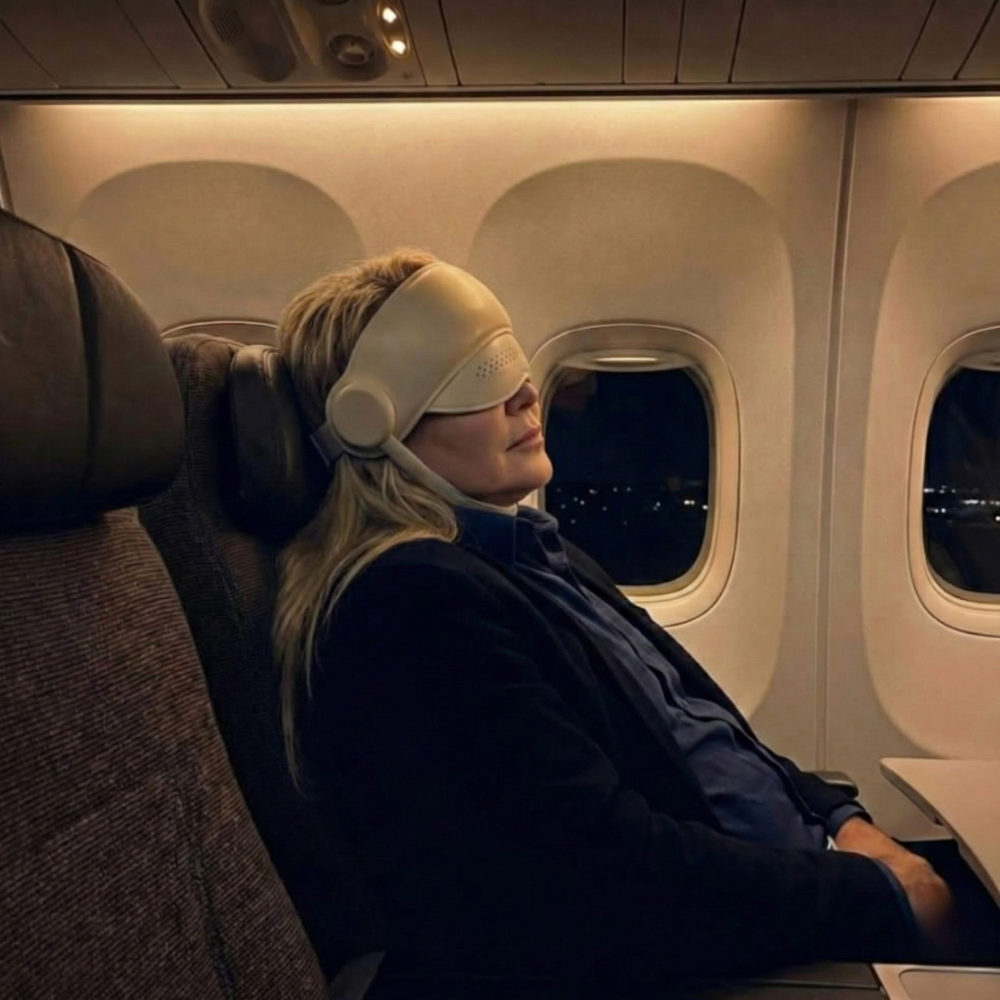
Bedtime procrastination is when we sacrifice sleep for personal time. For women juggling careers, family, and their own health, this is often the only time that feels like 'yours.' But your nervous system pays the price.
SEE DETAILSLike this ad? Make it yours.
Crush rebuilds this exact creative around your product — your brand, your colors, your offer — in about a minute.