
Active· since Jul 10, 2026
- 66
- days running
- 2
- relaunches
Ad copy
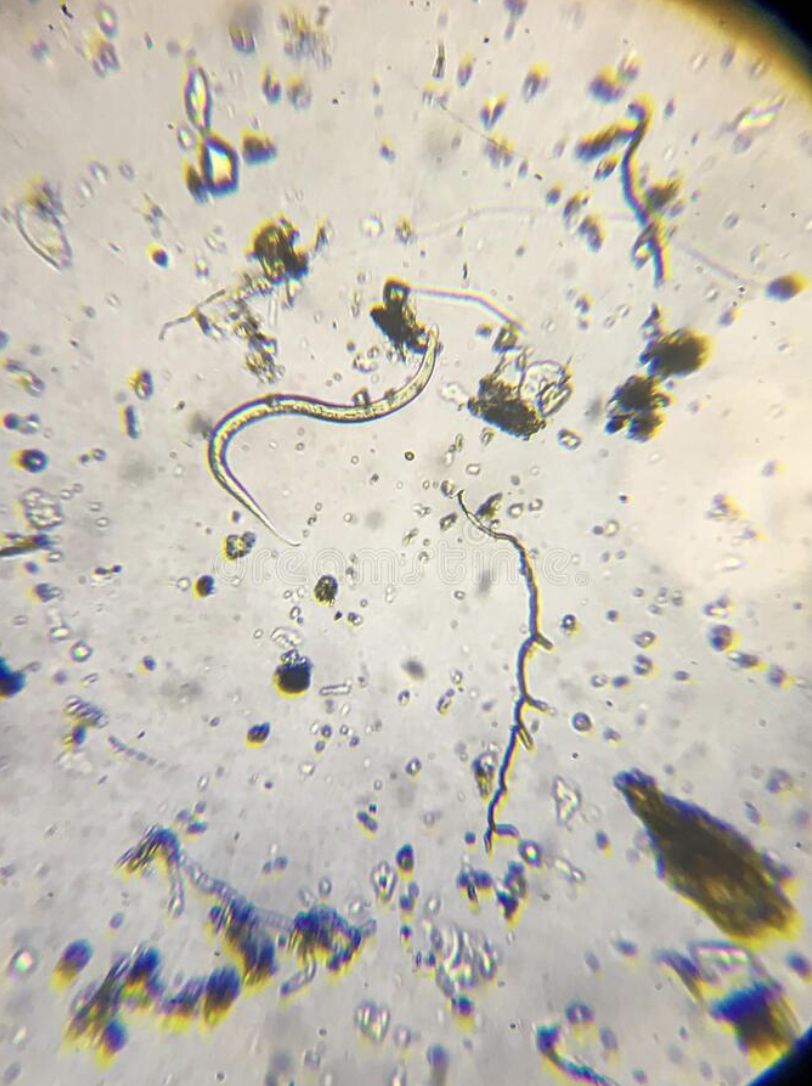
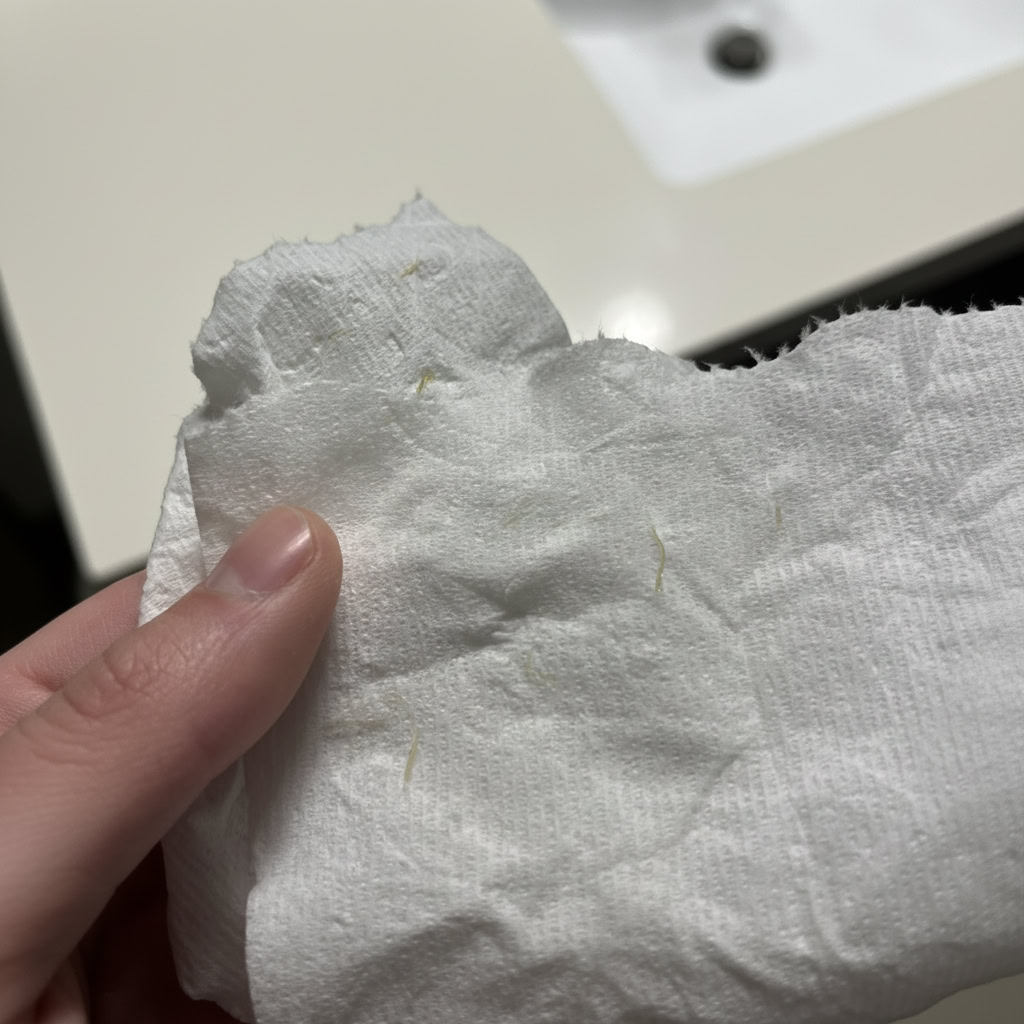
I've treated nail fungus in Germany for 18 years without Terbinafine. When I moved to America, I couldn't believe what podiatrists here were telling their patients. I've been a podiatrist for 20 years. The first 18, I practiced in Munich. I moved to the United States two years ago when my husband's company transferred him to Boston. I joined a podiatric practice here. Good practice. Good doctors. And in my first three months, I saw something that kept me up at night. Women in their 50s and 60s coming in with seven, eight, nine infected toenails. Yellow. Thick. Crumbling. Nails lifting from the bed. Every one of them said the same thing. "My podiatrist has been monitoring it for years." Monitoring it. In Germany, we don't monitor onychomycosis progression while prescribing topicals that can't penetrate. We address the four stages of the fungal lifecycle. Because by the time the infection has spread to multiple nails, something has already failed — structurally, systemically — and painting lacquer on a waterproof surface won't fix a colony that has built a fortress, embedded spores, and is being fed by a systemic reservoir. It only manages what's already spreading. Here's what your podiatrist probably hasn't told you about what chronic toenail fungus actually is. Your toenail is not a surface that absorbs treatment the way skin does. It's a dense keratin barrier. Waterproof by design. Its biological purpose is keeping external substances OUT. When you paint lacquer on top, less than 3% penetrates. 97% sits on the surface, dries, and rubs off on your socks. But that's only the first barrier. The fungal colony underneath has built a biofilm — a waterproof biological fortress — that makes the embedded hyphae up to 1,000 times more resistant to whatever trace amount gets through. Two barriers. Waterproof nail on top. Biofilm fortress underneath. But that's still only stages one and two. Behind the biofilm sit dormant spores in the nail matrix — microscopic, embedded, hatching on a 21-day cycle. No lacquer touches them. No twelve-week Terbinafine course outlasts them. And underneath all of it, a systemic gut reservoir — Candida and dermatophyte presence in the intestines — keeps feeding the bloodstream with new fungal material that keeps reseeding the nail bed from inside. Four stages. Four failure points. Topical lacquer addresses stage one. Terbinafine partially addresses stages one and two. Nothing in standard American podiatry addresses stages three and four. Peer-reviewed mycology research has documented for years that biofilm-mediated resistance, untreated spore reservoir, and systemic gut overgrowth — not treatment strength — are what drive chronic toenail fungus persistence in patients with otherwise consistent compliance. Not poor hygiene. Not inconsistency. A four-stage lifecycle treated as a one-stage problem. Your compliance isn't the problem. The protocol treating compliance as the solution is. I want to be honest about Terbinafine. Because most of my Boston patients had been told Terbinafine was their next step. Some had already done it. Some had done it twice. Terbinafine enters the bloodstream — which is the correct delivery route. It bypasses the waterproof nail. It reaches the nail bed from inside. What it can't do is fully dissolve the biofilm AND kill the spores AND clear the gut reservoir before your liver forces you to stop. Terbinafine partially disrupts the biofilm matrix. It does not kill spores. It does not clear gut overgrowth. When the twelve-week course ends — because liver toxicity makes it unsafe to continue — the biofilm rebuilds. The spores hatch. The gut keeps feeding. 25-50% recurrence within twelve months. Terbinafine is like draining a flooded basement while three pipes are still leaking. The water goes down. For a while. I've seen it in patients who came to me after Terbinafine. Good initial response. Maybe a thin band of clearer nail. And 8 months later, the yellow creeping back from the cuticle. Because nothing had permanently dissolved the fortress AND killed the spores AND cleared the reservoir. This is what nobody tells you about where untreated four-stage onychomycosis leads. It doesn't stay behind one nail. The biofilm produces spores. Those spores migrate to adjacent nail folds. The bloodstream carries fungal material from the gut to every nail bed. Each new nail becomes a new colony site. Each new colony builds its own biofilm. One infected nail at month three can become four by year one. Seven by year three. Nine by year six. I've had the conversation that follows more times than I should have. With women who did everything their podiatrist told them. Who applied lacquer every night for years. Who never missed a single application. Who still, over time, watched the infection spread to every toenail. The lacquer addressed stage one. The fortress, the spores, and the reservoir kept advancing. Silently, systematically — until the damage wasn't patchable with topicals anymore and the only options left were liver-toxic pills or surgical removal. When I arrived in the US, I assumed the research on four-stage systemic disruption simply hadn't made it here yet. In Germany, we'd been working with multi-compound four-stage protocols for over a decade. It emerged from European mycology research in the early 2010s — podiatrists and mycologists studying why some patients responded to Terbinafine and others didn't, despite identical treatment protocols. What they found was that non-responders had significantly thicker biofilm matrices, higher spore burden, and more pronounced systemic gut overgrowth. The Terbinafine couldn't fully address all three before the treatment window closed. It wasn't drug failure. It was lifecycle failure. That research led to trials on whether dissolving the biofilm with lipid-soluble compounds — wormwood sesquiterpene lactones — combined with sporocidal action from clove eugenol, mycelium disruption from black walnut juglone, and gut reservoir clearance from pumpkin seed cucurbitin — could clear chronic infections without Terbinafine. In cases where the four stages were the primary issue, not drug resistance. Published mycology research documented direct biofilm matrix degradation with wormwood sesquiterpene lactones at standardized concentration. Documented sporocidal action from clove eugenol against dermatophyte spores. Documented antifungal and gut-reservoir effects from black walnut juglone. Documented Candida clearance and matrix support from pumpkin seed cucurbitin. Combined, the four-herb protocol addresses the fortress AND the spores AND the mycelium AND the systemic reservoir — through the bloodstream, past the waterproof nail, hitting every stage the topical and the pill miss. No liver toxicity. No twelve-week forced stopping point. Continuous delivery until all four stages are addressed. I want to tell you about one patient. Because her results are what I see when people finally address the right lifecycle. She was 56. Had been on topical protocols since 50. Seven infected nails. Her previous podiatrist had recommended Terbinafine. She came to me for a second opinion. Her compliance was perfect. The infection was real. The four stages were the problem. In Germany, before we ever reach for Terbinafine, we ask one question: have we addressed all four stages? Terbinafine partially disrupts stages one and two. It doesn't address three or four. I recommended 30 days of multi-compound four-stage protocol before making any Terbinafine decisions. She was skeptical. Six years of perfect compliance hadn't produced one millimeter of clear growth. She didn't believe softgels could change what six years of lacquer hadn't. I explained it simply. Lacquer sits on a waterproof surface. That's what it does. It does not dissolve biofilm. It does not kill spores. It does not clear gut reservoirs. Your nails aren't getting worse because the lacquer is weak. They're getting worse because the four-stage lifecycle is intact and the treatment can only address one stage. You can paint a vault perfectly. If the lock is still closed, the spores are still inside, and the basement is still flooded — nothing changes. She agreed to try. Holior Wormwood. Oil-extracted, standardized sesquiterpene lactones at clinical dose. Clove eugenol. Black walnut juglone. Pumpkin seed cucurbitin. Two softgels with breakfast. Week 1: Cuticle inflammation calmer across all seven nails. The angry redness she'd carried for years — visibly reduced. Week 2: A thin crescent of clear, pink nail at the cuticle of her big toe. The first clear growth in six years. Week 4: Clear crescents on five toes. The crumbling had stopped. The yellow being pushed forward by healthy growth. Week 8: Over 4 millimeters of clear nail on her big toe. The crumbling stopped on all nails. No new infections. No new yellowing — past the 21-day spore-hatch cycle for the first time in six years. Week 12: Her podiatrist — her previous one, the one who recommended Terbinafine — measured the growth. Then measured again. "The proximal growth is completely clear. Healthy thickness. No fungal involvement." She didn't need Terbinafine. She didn't need nail removal. In Germany, this is where we start. Not with liver-toxic pills. With the four stages. I share this because I spent two years quietly frustrated by what I see here. Women who came to me after years of being told to keep applying — while their infection silently advanced through all four stages. Women who felt like they were failing. Like their bodies were betraying them despite perfect compliance. They weren't failing. The protocol was failing them. American podiatry training focuses on topical protocols and Terbinafine escalation. Four-stage systemic protocols — addressing the actual lifecycle — aren't part of standard training. Most American podiatrists graduated before this research was emphasized. They practice what they were taught. That's not a criticism. It's just where the knowledge gap sits. But the research exists. And you don't have to wait for your podiatrist to find it. If you've been painting lacquer for months or years with no clear growth — if you've done Terbinafine and watched it come back — if you've been told your infection is "resistant" but your compliance has been perfect — The answer isn't to apply more consistently. It's to address the four stages your treatment was never designed to reach. I'll leave a link below to the product I recommend to my own patients. I have no financial relationship with this company. I recommend it because the mechanism is sound, the research supports it, and I've seen it work. You've spent years doing what you were told. It's time to address what you were never told. 30-day money-back guarantee. Two softgels with breakfast. No nightly ritual. Your nails aren't failing you. The protocol treating your compliance as the problem is what's failing you. Four stages. One formula. Address them all. 👉 https://holior.com/products/wormwood-fungus
I spent $800 on creams, lacquers, and soaks that did nothing.
Trusted by 56,000+ satisfied users
SEE DETAILSLike this ad? Make it yours.
Crush rebuilds this exact creative around your product — your brand, your colors, your offer — in about a minute.