The Supplement Report
 Facebook ad: “High Stress = Low Libido”

Ran for 11 days, from October 21 to November 1, 2026, the last day Crush saw it.
Run by The Supplement Report on Facebook. Crush is not the advertiser and does not verify its claims. See this ad in Meta's Ad Library(opens in a new tab)
Make your own version of this ad
Crush makes it, launches it in your own Meta ad account, scales the winners and pauses the losers.
About this ad
- Meta Ad Library ID
- 1692887025693452
- Platforms
- Facebook, Instagram, Audience Network and Threads
- Relaunches
- 1
Ad text
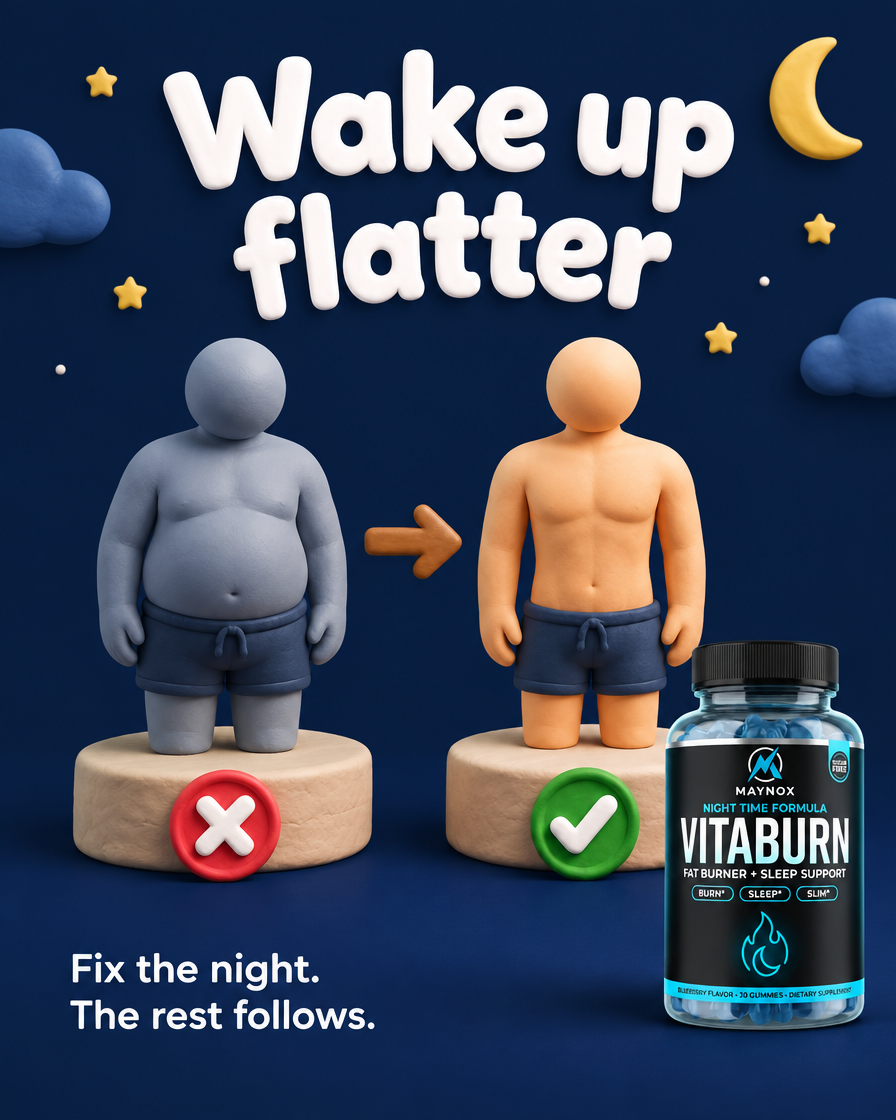
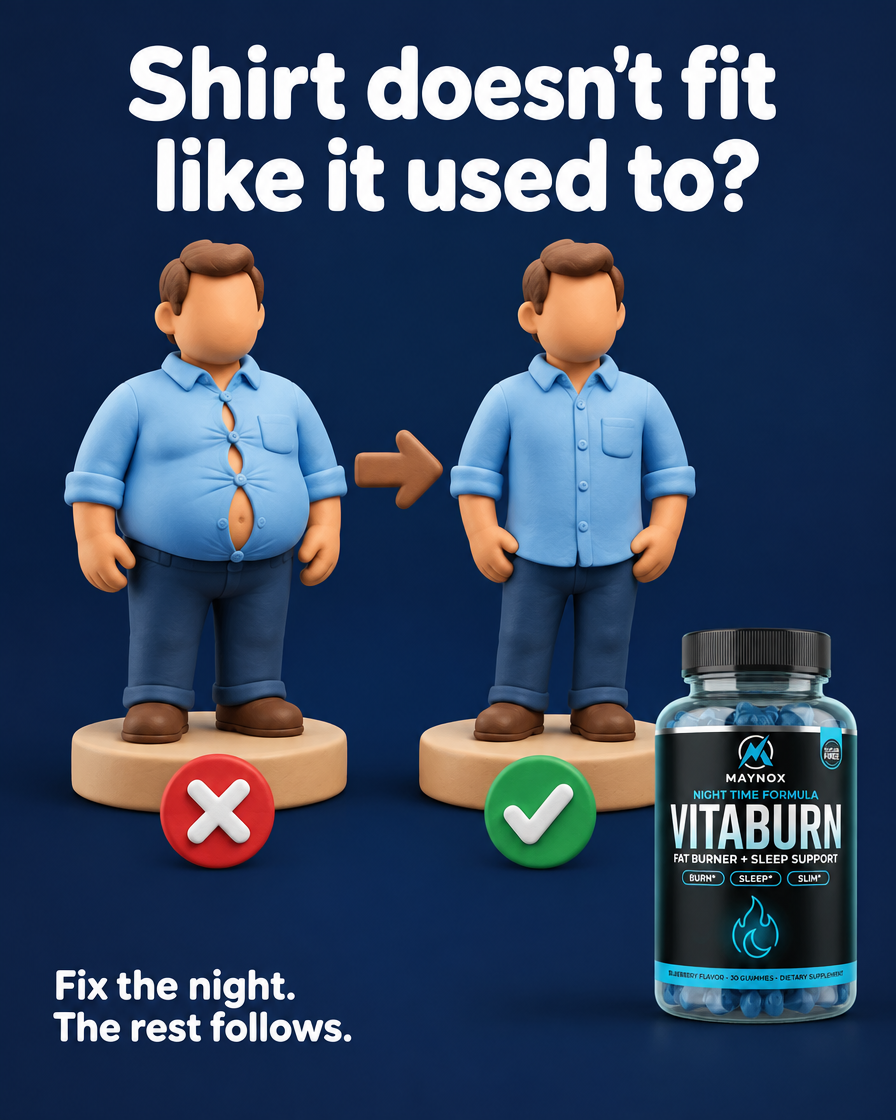
I'm writing this anonymously because I've never told anyone. Not even my best friend. Not even my brother. It's the kind of thing you keep to yourself because you're ashamed. Because you're supposed to be a man. You're supposed to handle your marriage, your life, your body. And when all of it starts falling apart, you don't talk about it. You grit your teeth and pretend. But if what I write here can help even one guy going through the same thing in silence, then it's worth laying it all out. My wife and I have been together for 9 years. Married for 6. Two kids. We built something solid. A house, routines, memories. We're not the perfect couple, but we've always been a team. At least that's what I thought. Except at some point — and honestly, I couldn't even tell you exactly when — she stopped looking at me. There was no fight. No blowup. No slammed doors. Just… nothing. Something invisible that creeps in little by little, so slowly you don't even notice it at first. At night, she'd be on her phone. In the morning, she'd avoid my eyes. When I touched her in bed, she'd shift away. Not in a mean way. On reflex. Like my touch bothered her. Like my body next to hers had become something you just naturally avoid. At first I didn't say anything. I took it. I blamed it on the marriage. "9 years is a long time." "It's just routine." "Kids wear you out." "Every couple goes through this." I even wondered if she'd met someone else. One night, while she was asleep, I went through her phone. Nothing. Not one message. Not one suspicious name. And I felt pathetic for doing it. Pathetic and lost. Because if the problem wasn't coming from outside, it had to be coming from inside. From us. Or worse: from me. The real wake-up call came on a Sunday morning. Something stupid. I got out of the shower and walked past the big bathroom mirror. And I stopped. I didn't recognize the guy staring back at me. Puffy face. Swollen. Like I'd slept upside down. Bags under my eyes even though I'd supposedly slept 8 hours. A gut I'd never had, not even in college when I lived on pizza and wings. Slumped shoulders. Dead eyes. That permanently exhausted look — you know the one, the face of the TV dad who's completely done with his life. I was 42 and I looked 52. Easy. And right there, in front of that mirror, I understood something I should have understood months earlier. She wasn't the one who had changed. I was. I'd let everyday life eat me alive without even noticing. Work. Stress. Garbage nights. Meals on the go. Weeks that all looked the same. And all that time, my body had checked out. It had given up in silence, and I hadn't even seen the signs. And my wife? She saw them. Every day. Every morning. Every night. The guy next to her in bed wasn't the one she chose anymore. He was a tired ghost who passed out on the couch at 9 p.m., who had no energy for anything, who didn't even touch her anymore, who had that empty stare. How is she supposed to want to get close to a guy who looks like he's given up on everything? So I started digging. I did what every lost guy does at 1 a.m.: I googled my symptoms. Constant fatigue. Puffy face. Gaining weight around the belly without eating more. Irritability. Low sex drive. Sleep that doesn't fix anything anymore. And everything pointed to the same thing: cortisol. Cortisol is the stress hormone. When you're stressed, your body makes it. That's normal — it's meant to keep you alert. And it's supposed to drop at night, while you sleep, so your body can reset. The problem is when it stays high for weeks, months, and never comes back down — not even at night. That's when your body flips. It goes into survival mode. It starts storing fat on your belly "just in case." It holds water in your face, hence the puffiness. It shuts down everything that isn't essential to survival to save energy. And the first thing to go? Your libido. Your drive. Your motivation. Your body is telling you: "We're not safe. We do the bare minimum." And from the outside, you just feel like you've turned into a soft guy. A burned-out guy. A guy who aged 10 years in 6 months. I talked to a buddy about it — the only one I dared to say a word to. He didn't judge me. He told me he'd gone through something similar the year before. Same fatigue, same gut, same look from his wife as she drifted away. And he told me about VitaBurn. Two gummies before bed. Melatonin to get back into real deep sleep, the kind where your body actually brings cortisol down. L-theanine to calm the nervous system. Passionflower to fall asleep faster. And green coffee bean and white kidney bean to keep the metabolism burning overnight instead of storing. I ordered it. Without really believing in it. Because I'd already tried stuff before — magnesium from the drugstore, "sleepy time" teas, meditation apps. Nothing that actually changed anything. The first week, not much. Maybe slightly deeper sleep. I woke up a little less wrecked. But nothing crazy. The second week, I started feeling something. In the morning, I no longer felt like I'd been hit by a truck. My head was a little clearer. Less of that constant fog. I caught myself laughing at a coworker's joke when normally I wouldn't have even reacted. By the third week, my belly had started to go down. For real. I fit into a shirt I hadn't worn in months. My face had changed too. Less puffy. More jawline. The bags under my eyes had faded. I had energy after 8 p.m. for the first time in I don't even know how long. I played with my kids at night instead of collapsing on the couch. And one Thursday night — I remember it exactly, because that moment hit me hard — my wife looked at me. Really looked at me. Not a passing glance. A real look. And she said: "You look good lately. Did you change something?" She hadn't talked to me like that in months. With that softness. That little smile. That curiosity in her voice. Like at the beginning. Like when we were first getting to know each other. That night we talked. For a long time. Sitting in the kitchen after we put the kids to bed. And I realized that all those months, she'd been hurting too. She thought I didn't love her anymore. That I didn't want her anymore. That my head was somewhere else. When really, it was my own body that had checked out. It wasn't a marriage problem. It was a cortisol problem. That hormone stole 6 months from me. 6 months of marriage. 6 months of closeness. 6 months of my wife falling asleep every night wondering what she'd done wrong. When the problem was in my blood, not in our relationship. Today, I've been taking VitaBurn for 3 months. I sleep better than I have in years. My stomach is flat again. My face is back to normal. I have energy, clarity, drive. My wife touches my arm again when she walks past me in the kitchen. We laugh together. We're finding each other again. I'm not telling you it's magic. I'm telling you that if you're a guy in your 40s or 50s and you recognize yourself in what I just described — the fatigue, the gut, the puffy face, the wife drifting away — there's a good chance the problem isn't your marriage. It's your cortisol. And cortisol can be fixed. Do yourself this favor. Not for her. For you first. Because the guy in the mirror deserves better than this.
Where the ad sends people
maynox-official.com
High Stress = Low Libido
Maynox
See details: maynox-official.com(opens in a new tab)