
Inactive· since Jun 23, 2026
- 3
- days it ran
- 0
- relaunches
Ad copy
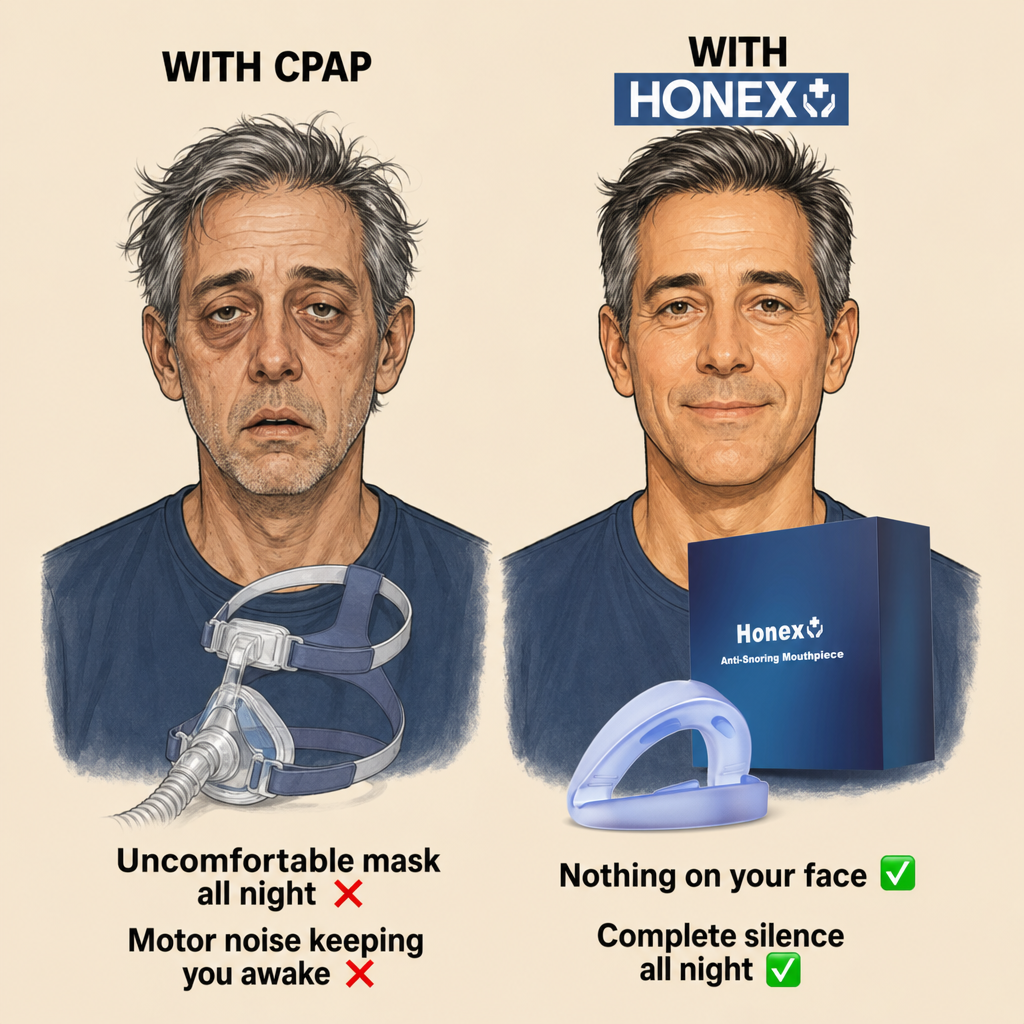
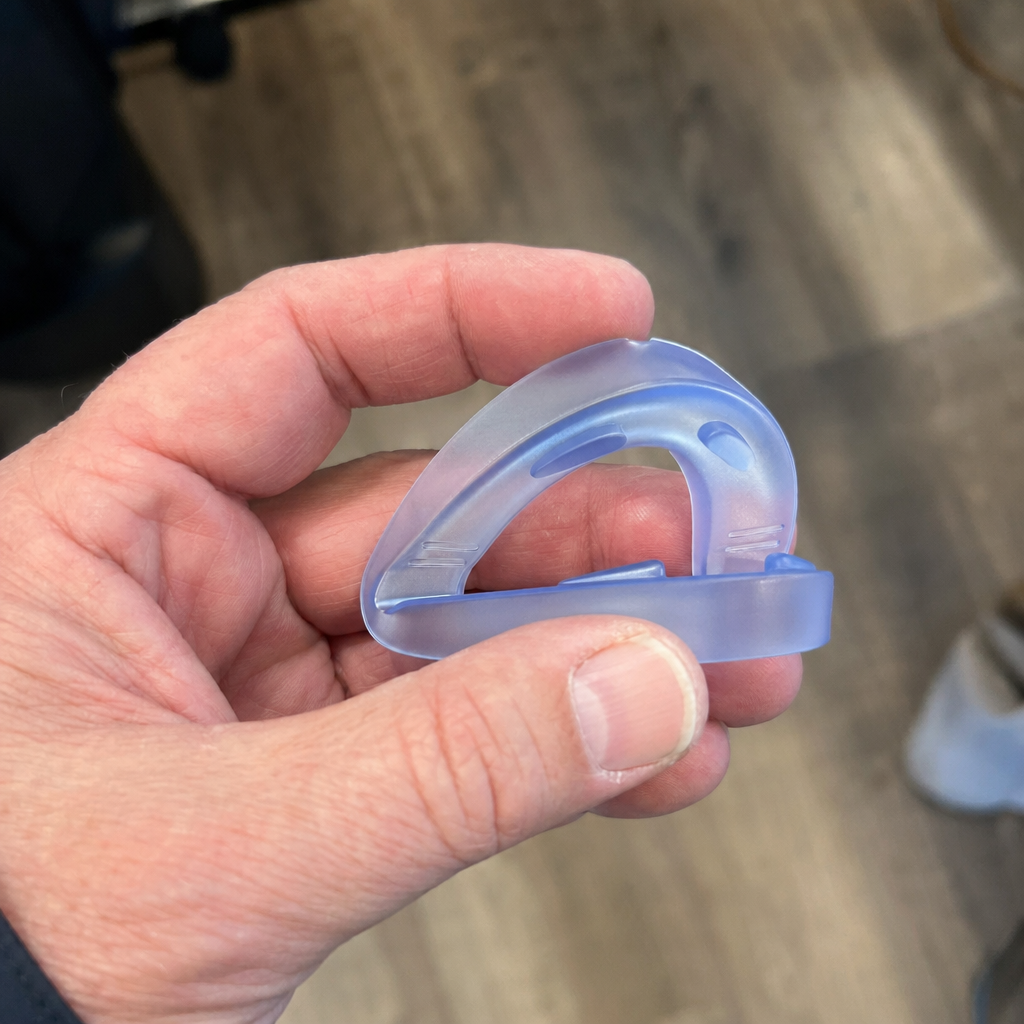
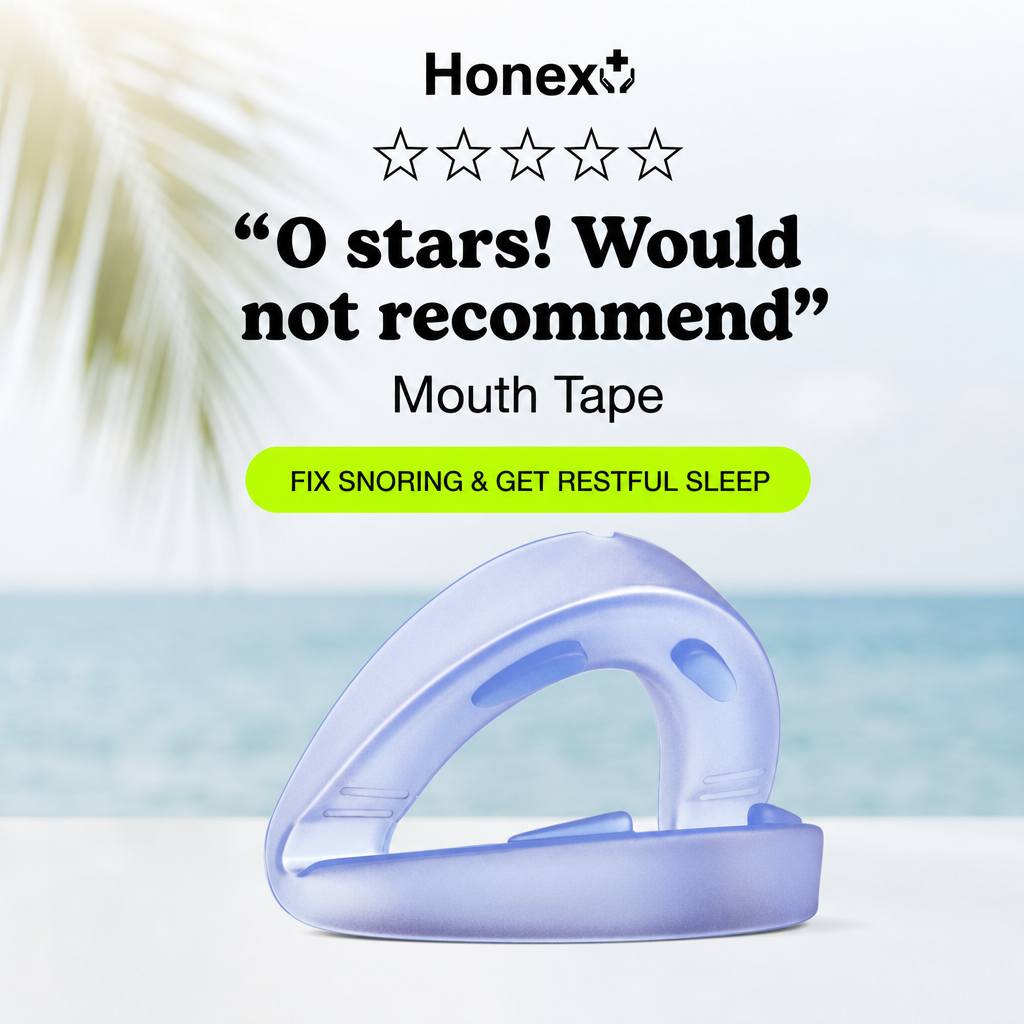
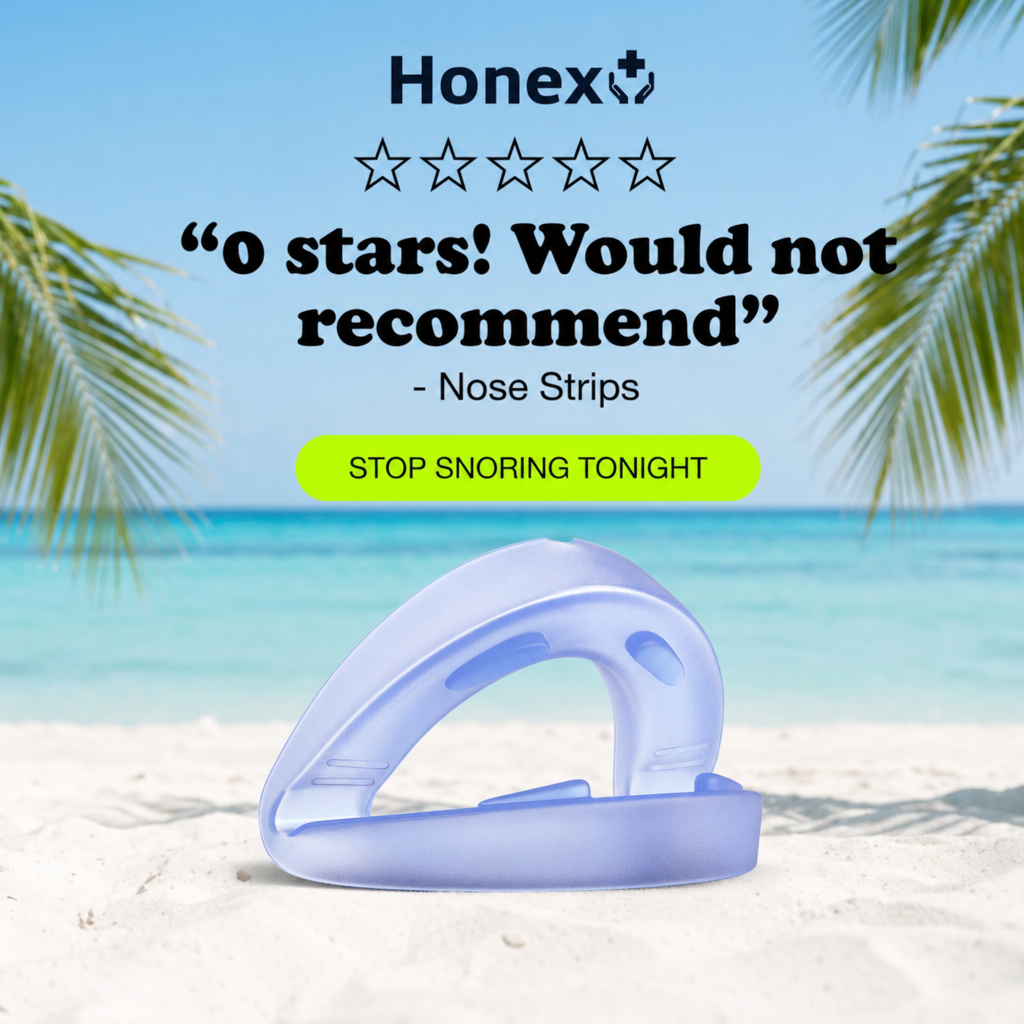
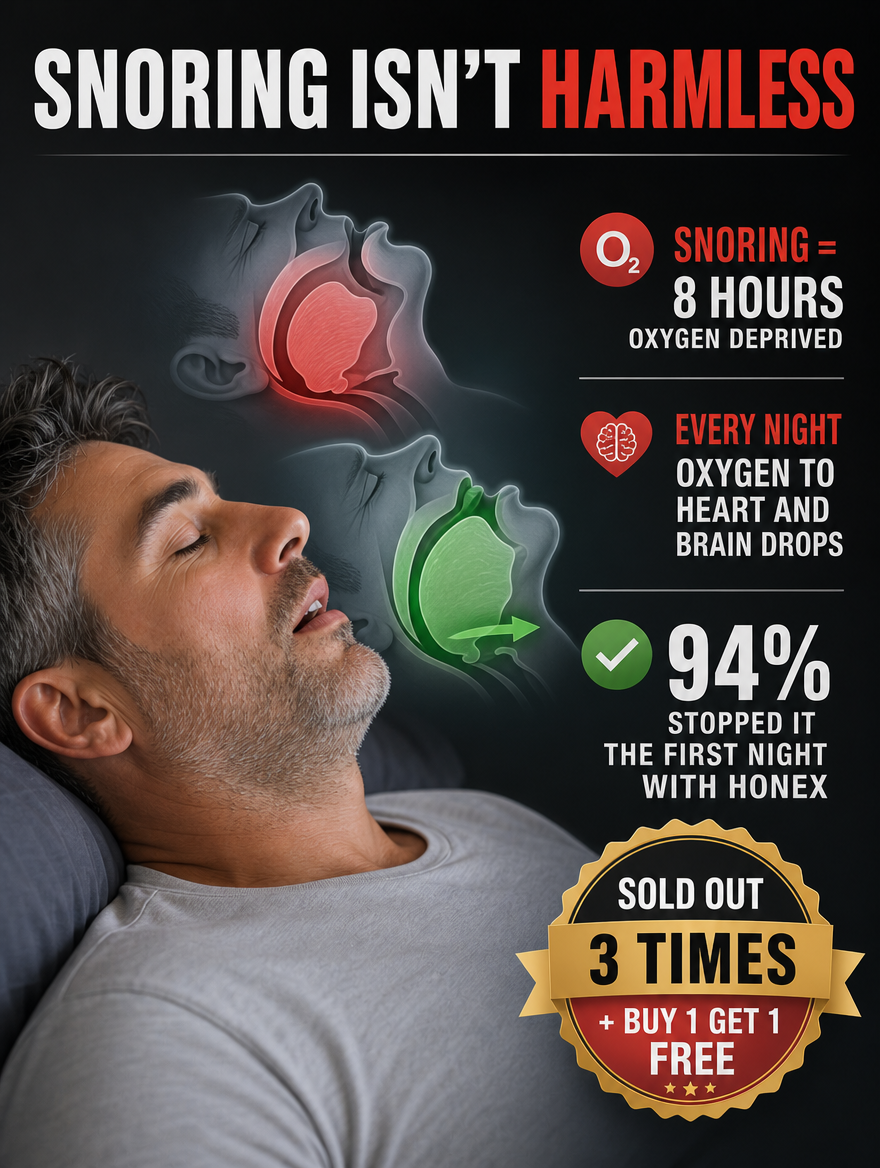
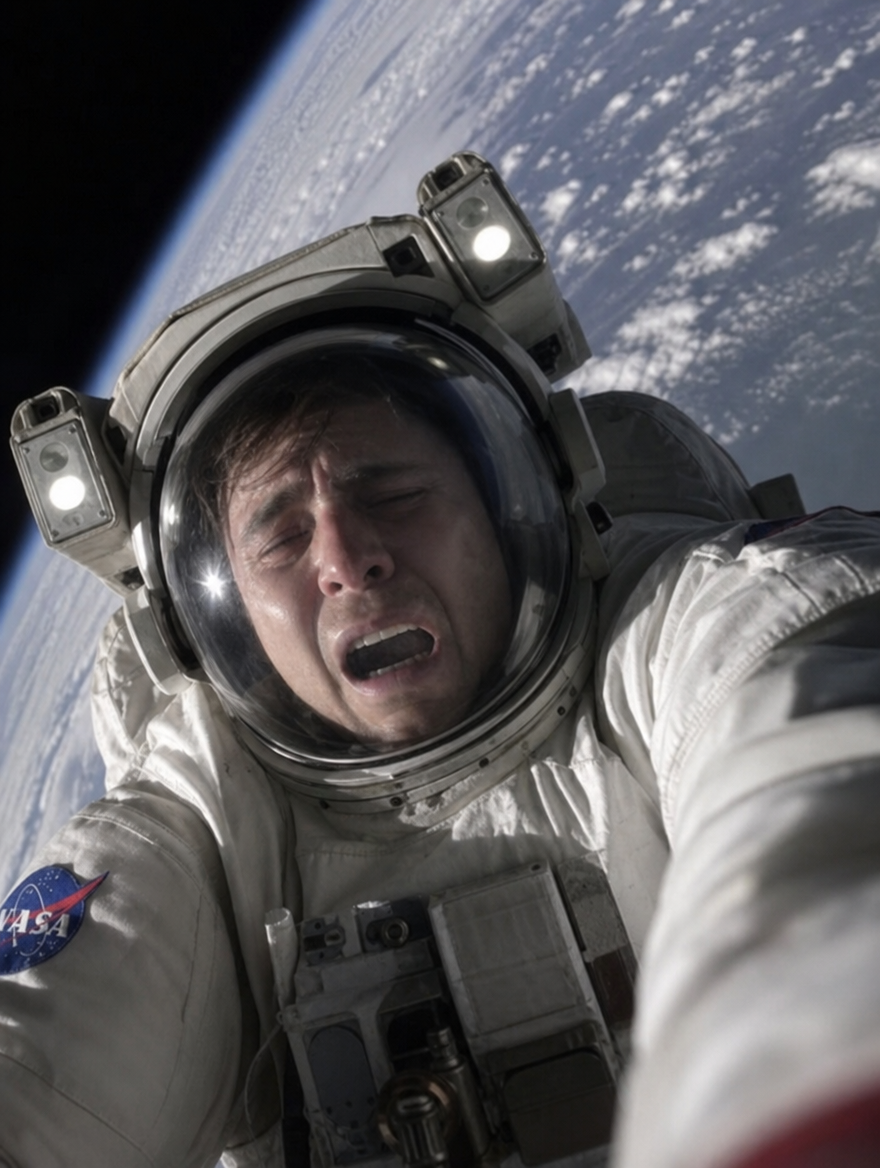
In space, air doesn't move. So when an astronaut falls asleep, the breath leaving his mouth never leaves. He breathes the same dead air over and over until his body panics him awake. Your throat does the exact same thing to you, and you've been calling it snoring. In space, air doesn't move on its own. On Earth, the warm air you breathe out rises and drifts away, and fresh air slides in behind it. You never think about it. In zero gravity, none of that happens. The air just sits where you leave it. NASA found out what that means the hard way. When an astronaut falls asleep, the breath leaving his mouth doesn't go anywhere. The carbon dioxide pools into an invisible cloud right around his head. And he breathes it back in. Again and again. The same dead, used-up air. His oxygen drops. His brain, getting less and less, finally panics and jolts him awake, gasping, with a pounding head. Early astronauts woke up over and over and couldn't work out why they felt so wrecked. The fix turned out to be stupidly simple. A small fan, blowing across the sleeping area, to keep the air moving. Every crew member on the space station now sleeps next to one. Without it, you slowly suffocate on your own breath and never know it's happening. I know how that sounds. Astronauts, space, suffocating in your sleep. It feels a long way from your bedroom. It isn't. Because millions of people on Earth go through the exact same thing every night. Not because their air can't move. Because they've closed the pipe it moves through. They snore. Here's what's really going on. When you fall asleep, the muscles in your throat go slack. Your jaw slides backward, your tongue drops with it, and your airway, which should be wide open, gets squeezed to a gap the width of a straw. Air fighting through that gap is the sound we call snoring. But the sound is the least of it. When the gap shuts, the air stops, the same way it stops for that astronaut. Your oxygen drops. Your brain panics and drags you up out of deep sleep just enough to gasp and start over. You won't remember a second of it. It can happen dozens of times an hour, all night long. So you lie in bed for 8 hours, and your brain spends half of it fighting to breathe instead of resting. You wake up beat. The fog rolls in by mid-afternoon and no amount of coffee burns it off. You get a short fuse you didn't used to have. Your head aches for no reason. And you blame your age, your job, your kids, anything but the real cause, because nobody ever told you that snoring is the sound of an airway closing. The astronaut and the snorer have the same problem. Air that can't get where it needs to go. The astronaut's fix was to move the air. Yours is to open the pipe. That's where most people go wrong. They go after the wrong thing. Nose strips pull your nostrils open, but the block isn't in your nose, it's deep in your throat, so they do nothing. Mouth tape holds your lips shut while your airway keeps caving in behind them, so you wake up gasping with the tape still on. A CPAP machine is basically the astronaut's fan turned up full, it forces air down your throat all night. For people with bad sleep apnea those machines are lifesavers, and I'd never knock them. But it's a mask, a hose, and a motor on your face, and most snorers don't need to go that far. Because if the problem is a jaw sliding back and pinching the pipe shut, the simplest fix is to stop the jaw from sliding back. Sleep doctors have done exactly that for decades, with small devices that hold your lower jaw forward a few millimeters while you sleep. No slide, no collapse, no pinched pipe, no all-night gasping. The custom ones run about $2,000 at a dentist. The one I point people t and costs a fraction of the price is called Honex. Same idea, but it's a flexible, medical-grade mouthpiece you mold to your own teeth at home in about a minute. No boiling, no dentist. It's thinner than a credit card, and you can talk and drink water with it in. For most snorers the snoring stops the very first night, because the airway physically can't collapse. That first quiet night is a strange feeling. No chainsaw. No silences. Just air moving, in and out, the way it's meant to. A lot of people say their partner woke them up that first night just to check they were okay, because the quiet was so unfamiliar. Then the mornings change. By the end of the first week the afternoon fog lifts, the headaches ease, you stop dragging. A few weeks in, people tell you that you seem like yourself again, and you realize how long you hadn't been. NASA spent millions making sure their people don't breathe dead air in their sleep. You can fix the same problem, the cheap and earthbound version, for the price of a few takeout dinners. There's a 60-night money-back guarantee, so one quiet night is all it costs to find out. Right now it's buy one, get one free with free shipping. You don't need to be an astronaut to be suffocating in your sleep. You just need to be a snorer who never knew what the silence meant.
Like this ad? Make it yours.
Crush rebuilds this exact creative around your product — your brand, your colors, your offer — in about a minute.