
Inactive· since Apr 2, 2026
- 2
- days it ran
- 2
- relaunches
Ad copy
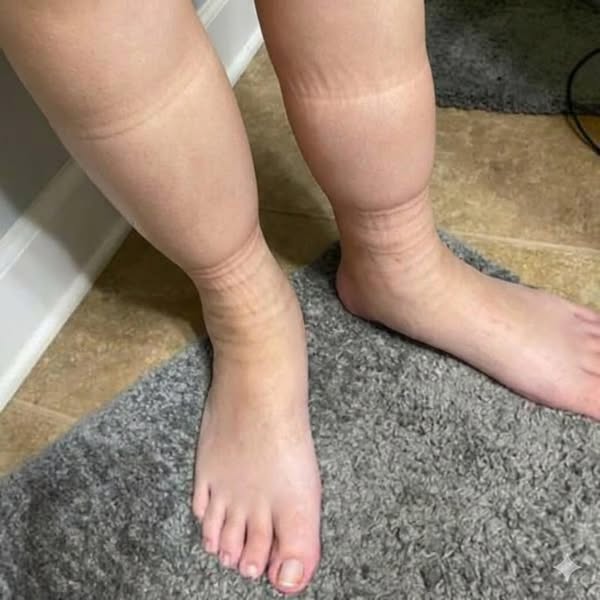
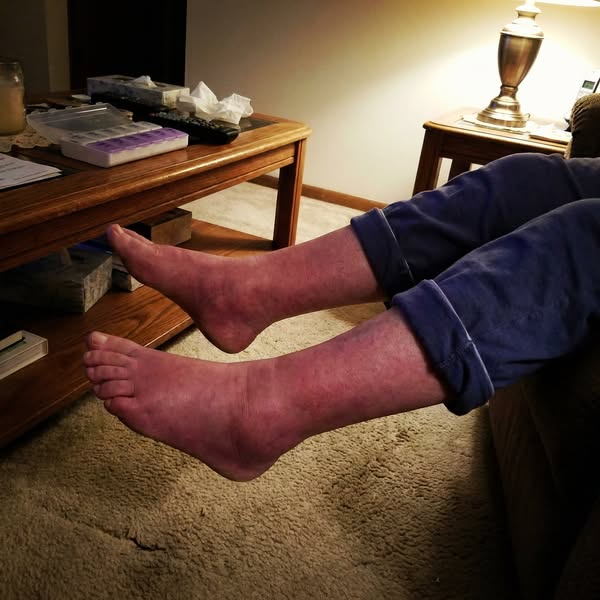
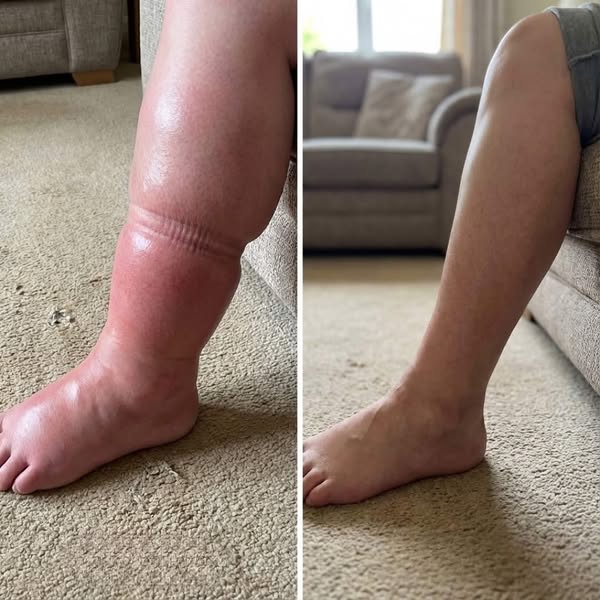
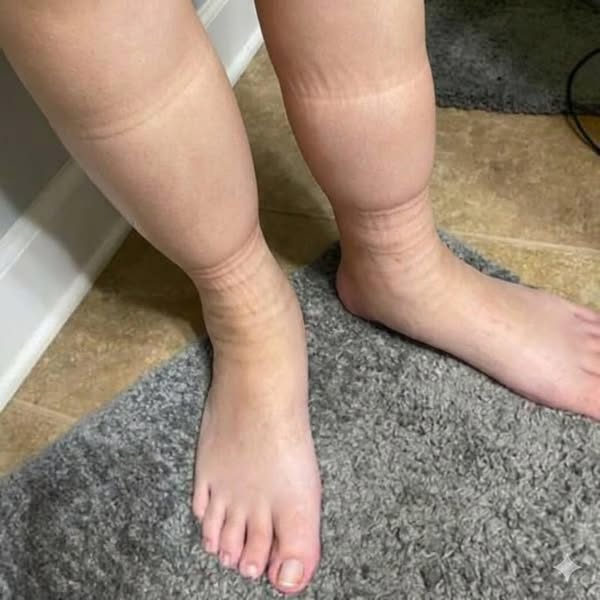
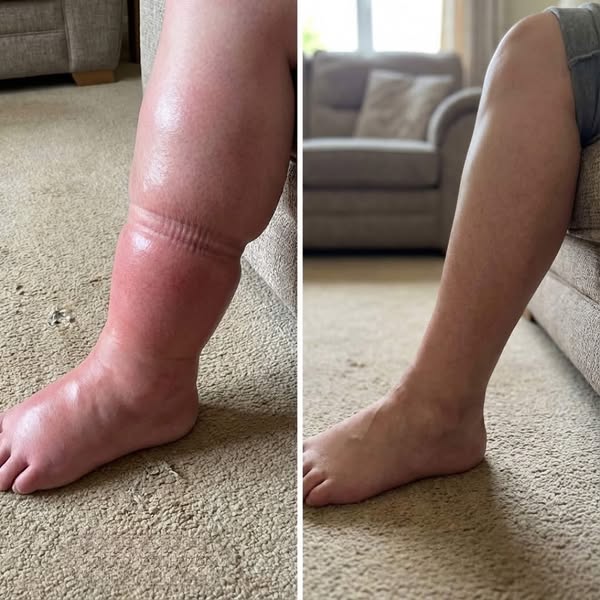
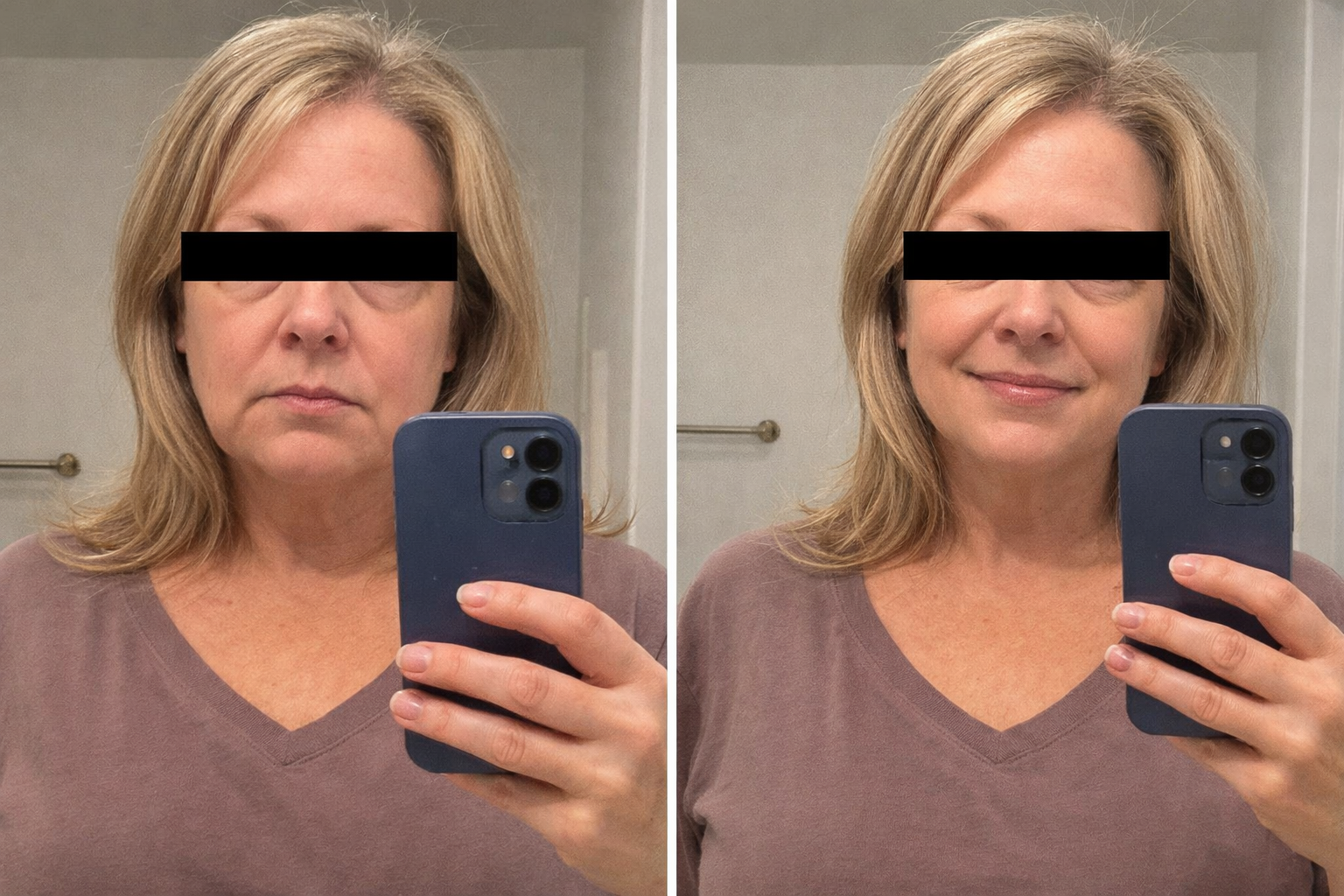
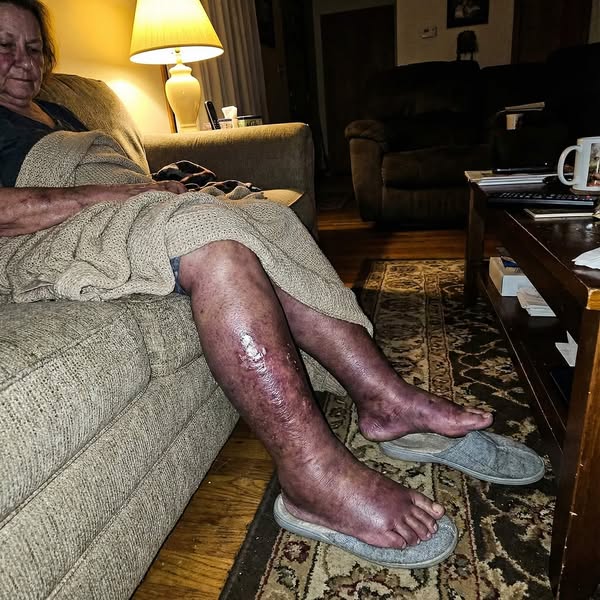
My satisfying career ended the satisfying career of the best vascular specialist in Arizona. Her name was Dr. Meredith Cole. 61 years old. Chief of Vascular Medicine at Scottsdale Presbyterian for 23 years. Published 47 peer-reviewed studies. Trained half the vein specialists in the Southwest. And I watched her cry in my examination room because she couldn't get her shoes on. I'm Dr. Sarah Johnson. Board-certified vascular specialist, 22 years. I've treated over 3,100 patients with chronic venous insufficiency and peripheral edema. But what happened with Meredith changed everything I thought I knew about swollen legs. And it might be the most important thing you ever read—if you're willing to hear something your doctor probably never told you. March 2024. Tuesday. 2:15 PM. Meredith walked into my clinic. Not as the legendary department chief. As a patient. She closed the door behind her and just stood there. Looking at the floor. "Sarah, I need you to see something. And I need you to promise you won't tell anyone at the hospital." I'd known Meredith for 18 years. She'd written one of my residency recommendations. I'd never seen her look... small. She sat down and pulled up her pant legs. I actually gasped. Out loud. I couldn't help it. Her ankles looked like they belonged to someone 25 years older. Swollen. Shiny. The skin had that stretched, glossy texture—like bread dough that's been proofed too long. When I pressed my thumb into her ankle, the dent stayed there. I counted silently. Seven... eight... nine seconds before it started creeping back. "Meredith... when did this start?" "Nineteen months ago. It happened so fast, Sarah. One month my ankles were normal. Three months later, I couldn't fit into any of my shoes." She paused. "I've tried everything. Everything I've prescribed to patients for 23 years. Compression stockings—I have $900 worth in my closet. Elevation protocols. Manual lymphatic drainage at $175 per session. An EMS foot plate. Drainage creams. I've tried everything." Her voice cracked. "Nothing works. And every month, they get worse. I'm the chief of vascular medicine, Sarah. I'm supposed to know how to fix this. I teach other doctors how to fix this. And I can't fix my own legs." She looked up at me. "I haven't worn a skirt in 14 months. I come to the hospital an hour early so no one sees me struggling to walk from the parking garage. Last week I had to ask my husband to help me put on my socks because I couldn't bend down far enough, and I couldn't get them over my heels anyway." She wiped her eyes. "I feel like I'm trapped in someone else's body. Someone old. Someone helpless." And here's the part that still haunts me. I had nothing to offer her. Nothing except the same things she'd already tried. The same things I'd been prescribing for 22 years. The same things that clearly weren't working. I sent the best vascular specialist in Arizona home with a new prescription for compression stockings and a referral for more lymphatic massage. I knew it wouldn't help. She knew it wouldn't help. But it was all I had. Three weeks later, I was at a medical conference in San Diego. Bored during a break, scrolling through the vendor exhibits. That's when I saw the poster that changed everything. "Chronic Edema: Why 83% of Traditional Protocols Fail—The Lymphatic Sludge Gap in Venous Return." I almost walked past it. Another gimmick. Another company trying to sell something. But the presenter's credentials stopped me. Dr. Raymond Costa. 34 years in rehabilitative vascular medicine. Former chief of circulation rehabilitation at three major teaching hospitals. And the before-and-after photos on his poster looked exactly like Meredith's ankles. I waited until the crowd thinned, then approached him. "Dr. Costa, I'm a vascular specialist. I have a colleague—a patient, actually—with severe sudden-onset edema. Nineteen months. Nothing's working. Can you explain what you mean by 'lymphatic sludge gap'?" He studied me for a moment. "How much time do you have?" "However long it takes." He nodded. "Good answer. Because what I'm about to tell you will contradict almost everything you learned in vascular training. And if your colleague is at month 19, she doesn't have much time left to hear it." We sat down at an empty table. "Let me ask you something first. When a patient comes to you with chronic leg swelling, what do you treat?" "The fluid accumulation. The edema itself." "Exactly. And that's why 83% of your protocols fail." He pulled out a pen and grabbed a napkin. "You're treating the symptom—the fluid—instead of the cause. You're mopping the floor while the sink overflows." He drew a simple diagram. "Your legs have a drainage system. Separate from your veins. It's called the lymphatic system — a network of vessels that collects the fluid leaking out of your bloodstream into your tissues and drains it back out. This isn't blood. It's a different fluid — lymph. And these lymphatic vessels are the only way that fluid leaves your tissues." He tapped the napkin. "In sudden-onset edema—the kind your colleague has—the drainage vessels don't just slow down. They clog. When lymphatic fluid sits stagnant long enough, the proteins in it harden. They form a thick, sticky sludge that coats the inside of the vessels — like grease building up in old kitchen pipes. And once that sludge barrier forms, nothing external can reach it." "So compression stockings..." "Compression stockings squeeze the outside of clogged vessels. They don't dissolve the sludge inside. The moment you take them off, gravity wins. The fluid pools right back where it was." "And drinking more water? Elevation?" "Water just flows right around the blockage. Elevation gives you temporary relief while gravity works in your favor — the moment you stand up, the fluid pools right back. Because the sludge is still there. The fluid in the tissues is trapped behind the barrier. Nothing external can dissolve it." I thought about Meredith. The compression stockings that did nothing. The massage sessions that faded in hours. I thought about her 9-second pitting test. I'd measured it as a symptom. Now I understood it was a signature — the signature of hardened sludge she'd been carrying for 19 months. Normal fluid springs back in one to two seconds. Nine seconds means the fluid is trapped behind a wall of hardened protein waste. "But here's what they never taught us in vascular training." He leaned forward. "There's a window. A recovery window. When sludge blockage first occurs, the sludge can still be dissolved and the vessels can still recover. The walls haven't scarred over yet." He drew a timeline on the napkin. "Months 1 through 12: The sludge is still soft enough to dissolve. Reversal success rates run 85 to 92 percent." "Months 13 through 18: The sludge hardens further. The vessel walls begin to thicken. Success rates drop to 65 to 75 percent." "Months 19 through 24: Critical window. The sludge calcifies. Vessel walls start to scar. Success rates fall to 35 to 50 percent." "Month 25 and beyond: The sludge has hardened permanently. The vessel walls have scarred over. Success rates drop below 20 percent. And most of that 20 percent is partial improvement at best." My stomach dropped. "My colleague is at month 19." "Then she's entering the critical window right now. She has maybe 5 months—6 at the outside—before her chances of meaningful recovery drop dramatically." He looked at me seriously. "Every week she spends on compression stockings is a week she loses from that window. And she can't get those weeks back." "So what actually dissolves the sludge?" He drew four connected stages on the napkin. "Four stages. In sequence. Miss one and nothing moves." "First: Dissolve the sludge. The hardened protein waste lining the vessels has to be broken apart at the molecular level. Compression can't squeeze through it. There's an herb — Stillingia Root — that contains diterpene compounds that break these exact protein bonds. It dissolves the sludge the way a drain cleaner dissolves grease." "Second: Flush the dissolved waste. Once the sludge breaks apart, it has to be swept out of the vessels and out of the body. Cleavers — it's called 'the lymphatic tonic herb' in the British Herbal Pharmacopoeia — mobilizes the dissolved debris out of the vessels, out of the tissues, out of the body." "Third: Restart the lymphatic pump. The lymphatic system has no heart. It relies on rhythmic contractions of the vessel walls to push fluid through. After years of congestion, that pumping mechanism goes dormant. Prickly Ash Bark contains compounds that restart those contractions." "Fourth: Clear the inflammation. Chronic congestion leaves the vessel walls swollen and constricted. Even after the sludge dissolves, inflamed vessels stay narrow. Red Clover Blossom calms that inflammation so drainage can flow freely." He circled all four stages. "All four. In sequence. That's what reverses Lymphatic Sludge Blockage. That's what clears the drainage during the recovery window." "And after the window closes?" He shook his head slowly. "After the window closes, you're managing symptoms for the rest of your life. Stronger compression. More expensive sessions. Eventually, mobility aids. It becomes about slowing the decline instead of reversing it." I flew home the next morning. Didn't stay for the rest of the conference. I called Meredith immediately. "I need to see you. Today. I found something." She came to my office that evening. I told her everything. The sludge barrier. The recovery window. The four stages. She listened without interrupting. Then she asked the question I knew was coming. "Sarah, I'm at month 19. You're telling me I have maybe 5 months left. What am I supposed to do? Where do I even find something that does all four of those things?" I'd already researched it on the flight home. "There's one formula. It's not expensive—under $30. It's a liquid herbal tincture — four herbs that dissolve the sludge, flush the waste, restart the lymphatic pump, and clear the inflammation. Liquid drops absorbed under the tongue — bypasses the gut entirely, reaches the drainage vessels directly. Made in the USA. Third-party tested." She looked skeptical. "I've spent $5,000 on treatments over the past 19 months. Compression stockings. Lymphatic massage. An EMS foot plate. Drainage creams. Nothing worked." "Because none of them could reach the sludge. They were all treating the outside instead of dissolving what's clogged on the inside. This is different. This is specifically designed to dissolve lymphatic sludge from within." She was quiet for a long moment. "What's it called?" "Lymphoria. Lymphatic Drainage Drops." "Under $30?" "Under $30." She laughed bitterly. "I spent $175 per session on lymphatic massage. Twice a week for four months. That's over $5,000. And you're telling me a $30 bottle of drops might actually work?" "I'm telling you the mechanism is right. I'm telling you the science makes sense. And I'm telling you that you have 5 months left in your window to find out." She ordered it that night. Week 1: She called me at 11 PM. "Sarah. I can feel it. Nothing dramatic — but the heaviness is different. Less crushing. Like something is loosening inside. None of the other things ever felt like this." Week 2: She sent me a photo. Her pitting test—when you press your thumb into the ankle and measure how long the dent stays. Before: 9 seconds. After two weeks: 6 seconds. The sludge was dissolving. We could measure it. Week 4: She walked into my office wearing shoes I'd never seen before. Not the wide orthopedic ones she'd been wearing for 19 months. Regular shoes. "They fit. For the first time in over a year and a half, my feet fit into normal shoes." Week 8: Full assessment. Pitting test: 2.8 seconds. Ankle circumference: Down 1.4 inches on the left, 1.2 inches on the right. She was sitting on my examination table, looking at her ankles. Really looking at them. "I can see the shape again. I can see the bone. I forgot what they looked like." She looked up at me with tears in her eyes—but different tears than the first time. "I have my legs back, Sarah. I have my body back." Then she said something I didn't expect. "It's not just my legs. My face isn't puffy in the mornings anymore. I have energy past 6 PM — real energy, not just pushing through. And I haven't caught a cold in months. I used to catch everything that went through the hospital." The same sludge that had been blocking her leg drainage had been congesting her entire body. Once it dissolved, everything downstream improved. Month 3: Meredith went back to wearing skirts to the hospital. She stopped arriving an hour early to hide her walk from the parking garage. At a department meeting, one of the younger residents asked what she'd done. "You look... different. Younger, somehow." Meredith just smiled. After seeing what happened with Meredith, I couldn't keep this to myself. I pulled the files for every chronic edema patient I'd treated in the past three years. Women who'd complained about the "wrestling match" with compression stockings. Women who'd told me they felt like they were "dragging cement blocks." Women who'd quietly mentioned that they hadn't worn real shoes in years. I contacted 43 of them who I calculated were still within their recovery windows. "I need to tell you something. Everything we were recommending — the compression, the elevation, the massage — may not have been addressing the actual cause of your swelling. There's new information I've learned about something called Lymphatic Sludge Blockage, and I think it might change your outcome." Not all of them responded. Some had given up. Some were angry that I was only telling them now. But 31 agreed to try the protocol. Here's what happened: Patricia, 64, month 14 of her window: "I've spent $800 on compression stockings that leave red welts on my calves. After six weeks with these drops, I can see my ankle bones. I didn't even know I'd forgotten what they looked like until I saw them again." Linda, 71, month 21—almost past her window: "I was ready to accept this was just my life now. Ugly shoes. Asking my husband for help with my socks. Staying home because I couldn't walk far enough. Eight weeks later, I walked around the entire grocery store without stopping. I cried in the produce section." Diane, 68, month 16: "The compression stockings were ruining my mornings. The wrestling match every single day. The red welts on my calves. And my legs still swollen by evening anyway. Three weeks after starting, I woke up and my legs felt light. Actually light. For the first time in two years." Susan, 59, month 9—early in her window: "I caught this early because of your call, Dr. Johnson. Six weeks later, my legs look completely normal. My husband keeps staring at them. He said it's like I aged backwards." Of the 31 patients who completed the protocol: 26 showed significant measurable improvement. 4 showed moderate improvement. 1 showed minimal change—she was at month 23, nearly past her window. An 84% significant improvement rate. Compared to the 11% I'd been achieving with compression stockings and elevation protocols for 22 years. I've spent a lot of time thinking about why I didn't know this. Why didn't they teach us about the recovery window in medical school? Why didn't any of the continuing education conferences mention lymphatic sludge dissolution? The answer is uncomfortable. There's no pharmaceutical product for dissolving lymphatic sludge. You can't patent an herb that's been growing in the ground for thousands of years. Compression stockings and massage sessions are ongoing treatments—they create recurring revenue forever. A $30 bottle of drops that actually solves the problem? That's one sale. That's a patient who doesn't need monthly appointments anymore. We spend 15 minutes on the lymphatic system in our entire medical education. Fifteen minutes. Then never mention it again. The system isn't designed to solve Lymphatic Sludge Blockage. It's designed to manage it indefinitely. I think about all the patients I treated before I knew this. The women who sat in my office, ashamed of their legs, and I sent them home with recommendations that would never work. The women who were in their window—month 8, month 12, month 15—and I wasted their time with protocols that treated the symptom instead of the cause. Some of them are past their windows now. Their sludge has hardened permanently and their vessel walls have scarred. The best they can hope for is managing the decline. I can't go back and change what I didn't know. But I can tell you what I know now. If you're reading this with swollen legs, I need you to understand something: You might be in your window right now. Month 6? You have the highest chance of complete reversal you'll ever have. Don't waste it on compression stockings that can't dissolve the sludge. Month 12? You're still in the high-success zone, but it's not going to stay that way. The clock is running. Month 18? You're entering the critical window. Every week matters now. Month 22? Month 23? You're running out of time. Not to scare you—just to be honest. The women who got results at month 22 got them because they acted immediately. They didn't wait another month to "think about it." Lymphoria isn't expensive. It's under $30. I've seen patients spend more than that on a single pair of compression stockings that didn't work. It has a 60-day money-back guarantee. So the only thing you risk by trying it is remaining exactly where you are now. But if you do nothing—if you keep wrestling with the stockings, keep watching your legs get heavier month after month—your window will close. And windows, once closed, don't reopen. Meredith told me something last month that I haven't been able to stop thinking about. "I almost didn't call you that day. I almost just accepted that this was my life now. Heavy legs. Ugly shoes. Asking for help with my socks. I was ready to give up." She paused. "If I had given up, I'd be at month 24 now. My window would be almost closed. I'd have spent the rest of my life managing something I could have reversed." She looked at her ankles—slim again, normal again. "Sarah, I got my legs back. But I almost didn't. And that terrifies me more than the swelling ever did." If you're reading this and your legs are swollen, please don't wait. Don't wait until you have time. Don't wait until you've tried one more pair of compression stockings. Don't wait until you've "thought about it" for a few more weeks. Your window is running out whether you think about it or not. Lymphoria is the only formula I've found that addresses all four stages of Lymphatic Sludge Blockage. I've seen it work for Meredith. I've seen it work for 26 of my patients. I've seen women get their legs back, their mobility back, their dignity back. For under $30. With a 60-day money-back guarantee. I don't know where you are in your window. Maybe month 8. Maybe month 20. But I know this: The you who's reading this right now has a better chance of recovery than the you who reads it next month. That's not marketing. That's just how the biology works. Don't let your window close. You deserve to see your ankle bones again. 👉 https://lymphoria.co/products/natures-sunrise-lymphatic-drainage-supplement P.S. — I still prescribe compression stockings. But only for post-surgical recovery or during long flights. For chronic leg swelling caused by Lymphatic Sludge Blockage? Only dissolving the sludge from the inside works. I wish I'd known that 22 years ago. P.P.S. — If you're calculating your own timeline right now—counting back to when the swelling started—that urgency you're feeling is real. Trust it. P.P.P.S. — Linda, 71, month 21 when she started: "I was almost out of time and I didn't even know there was a time limit. If you're reading this, don't make the mistake I almost made. Don't run out your clock."
Relieve swelling — naturally
Lymphoria Lymphatic Drainage Drops are crafted to support your body’s natural detox flow, helping reduce puffiness, bloating, and water retention while improving circulation and energy. This gentle herbal blend promotes daily balance so you can wake up feeling light, clear, and refreshed.
LEARN MORELike this ad? Make it yours.
Crush rebuilds this exact creative around your product — your brand, your colors, your offer — in about a minute.