
Inactive· since May 26, 2026
- 13
- days it ran
- 1
- relaunches
Ad copy
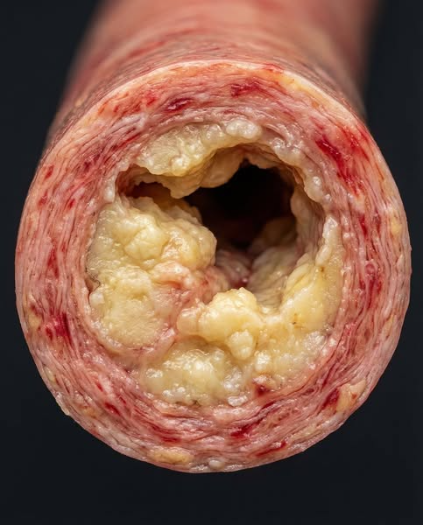
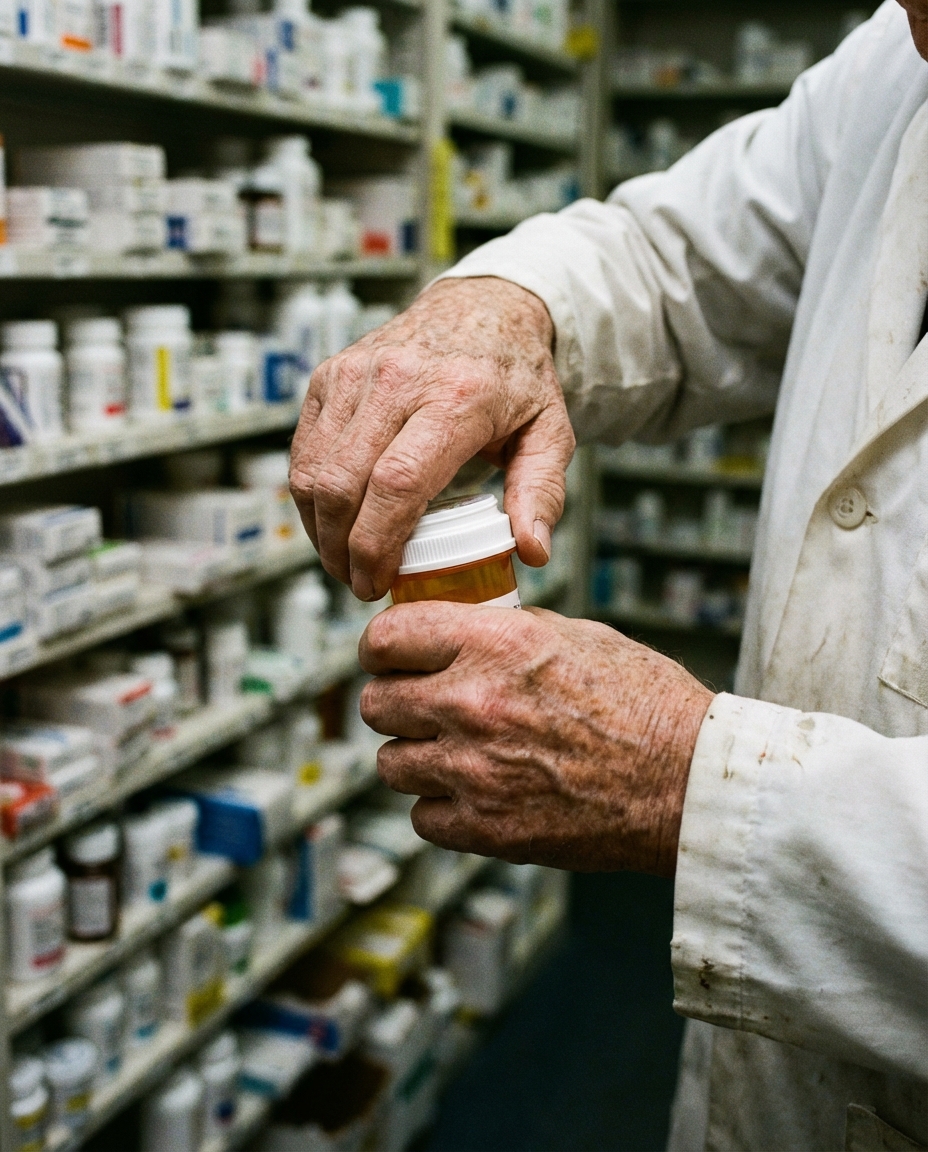
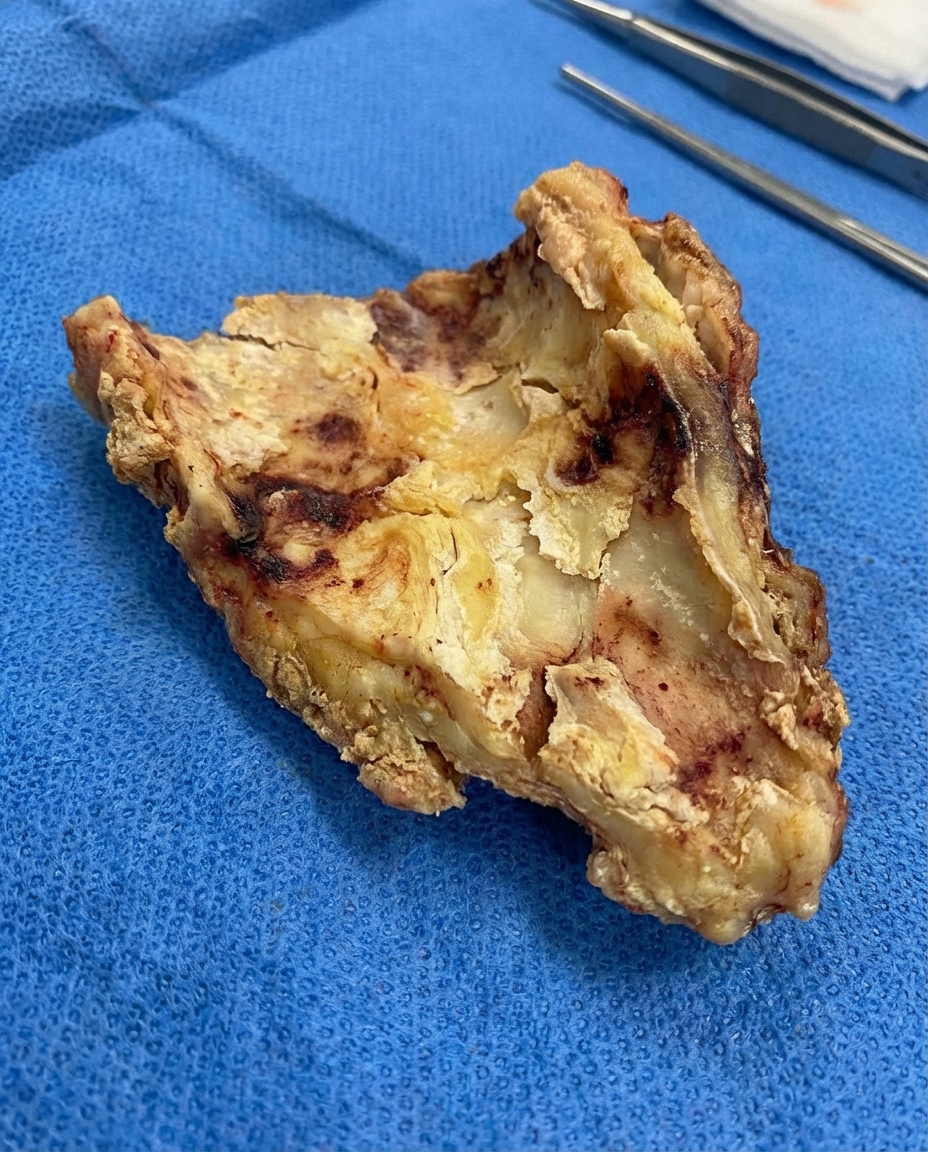
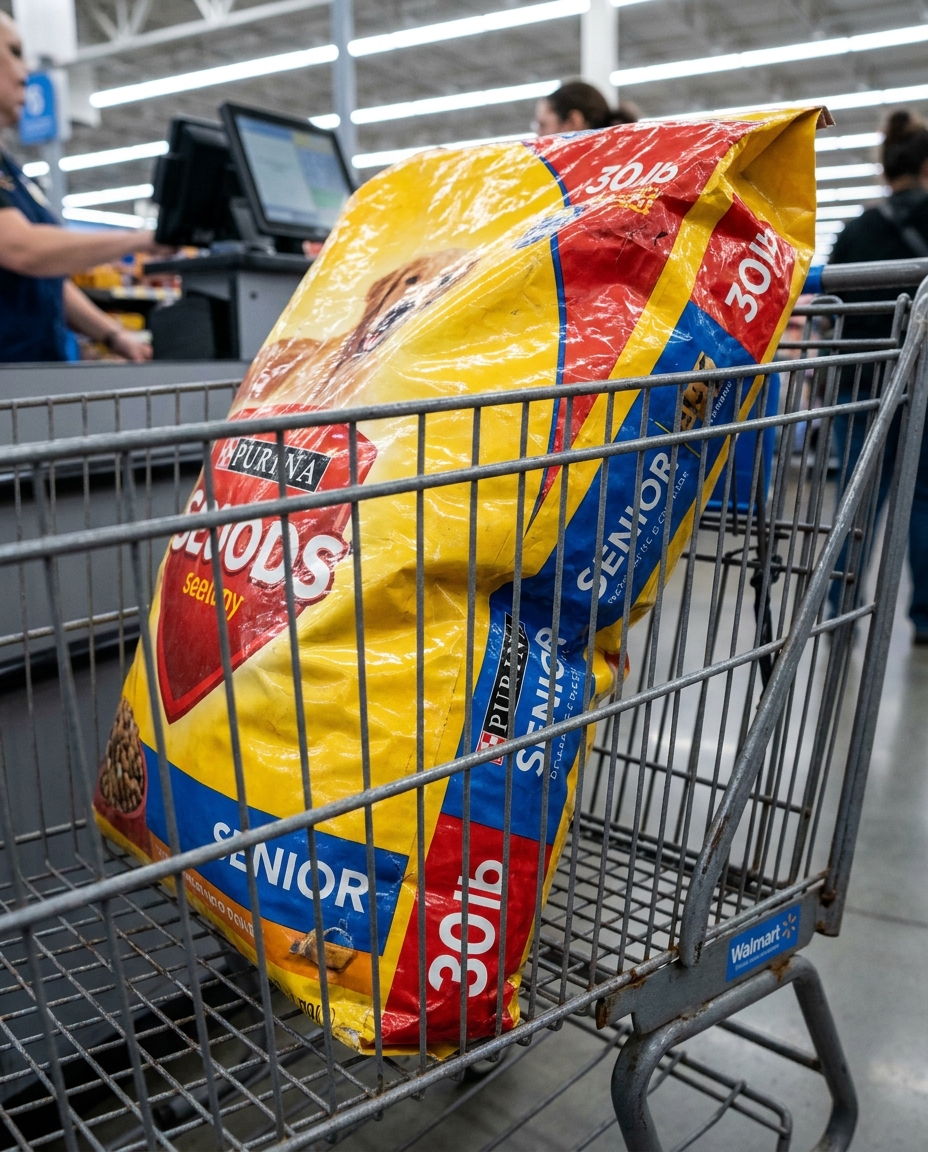
At Walmart, the woman in front of me bought a 30 lb bag of dog food. Then she asked me to carry it to a car with no dog in it. It was Purina Senior. The big yellow bag. The kind you buy when there’s an old dog waiting somewhere. The woman was small and white-haired, wearing a blue cardigan buttoned wrong at the bottom. She stood beside her cart like she had already regretted choosing the large bag but was too proud to ask for help. The cashier scanned it with the handheld scanner so she wouldn’t have to lift it. “Got a big one at home?” he asked. The woman smiled. “He used to be.” Used to be. I was behind her with milk and paper towels, nothing urgent, nothing that mattered more than the fact that when she tried to push the cart away, the bag shifted hard to one side and nearly dragged the whole cart with it. I stepped forward and put a hand on the front corner. “Here, let me help.” “Oh, honey, no. I can get it.” She could not get it. The cart had one bad wheel, and by the time we reached the parking lot, it was pulling toward a parked truck. I caught the front corner and said, “Before this thing commits a crime.” She laughed. “My husband used to say I should never argue with anything with wheels.” I took the cart from her after that. Her car was an old beige Buick parked three rows away. When we got there, I glanced through the back window and saw a folded blanket on the back seat, covered in white dog hair. A leash was clipped around the headrest. But there was no dog. The woman saw me notice. “He doesn’t ride anymore,” she said. “Arthritis?” “Mostly. That’s what they call everything after a certain age.” She reached into her purse for the keys. “He still barks at the mailman, though. Poor man can’t get near the porch.” “What’s his name?” “Walter.” “Walter?” “He looked serious as a puppy.” I liked her for that. For giving a dog a name like Walter because he looked serious. Then she opened the trunk. Inside were three more bags of Purina Senior. Same yellow bag. Same size. Unopened. The new bag sat in the cart behind me. The old bags filled almost all the space in front of me. “Oh,” she said. “I forgot those were still in there.” She said it too quickly. “I only meant to get the small one today,” she added. “But the small one costs almost the same, and Harold would’ve had a fit about that.” She stopped after his name. Near the spare tire was a pair of old men’s work gloves. Brown leather. Soft at the fingers. Bent in the shape of hands that weren’t there anymore. She looked at them, then looked away. “My husband loaded them sideways,” she said. “Said they split if you laid them flat.” I moved the first bag. Then the second. She watched closely, one hand still holding her receipt. “A little more to the left,” she said. I shifted it. “There.” She nodded. “That’s how he did it.” The gloves slipped forward and fell against the bumper. She picked them up fast. Too fast. “Those were his,” she said. “Harold’s.” I waited. “He used to carry two of those bags at once,” she said. “Showing off, mostly.” She tried to smile, but it didn’t stay. “Then one day he couldn’t get one out of the cart.” I slid the new bag into the space I had made. It fit, but just barely. The trunk was full now. Four bags of dog food. One pair of work gloves. No room for anything else. “There you go,” I said. She nodded, but she didn’t close the trunk. Instead, she reached for one of the older bags. “I should take one out when I get home,” she said. “They can’t just ride around back here forever.” She got both hands under the corner and tried to lift. The bag did not move. She tried once more. It shifted half an inch, then dropped back into place with a dull thud. She kept both hands on it for a moment, breathing through her nose. Then she let go. The other three bags sat behind it, neat and yellow and untouched. I understood then why they were still there. “My husband used to say that dog would outlive us both,” she said. She looked down at the gloves in her hand. “Funny thing is, the dog nearly did.” A car pulled into the space beside us. A woman got out with two kids and a box of Capri Suns under one arm. The parking lot kept going around us like nothing had happened. Elaine cleared her throat. “I’m sorry. You’re trying to get home, and I’m talking your ear off.” “It’s okay.” “No. I don’t usually do this in parking lots.” “Walmart does strange things to people,” I said. That got a small laugh. She closed the trunk, but the problem had only moved from the cart into the car. “I live five minutes away,” she said. “Behind the old post office.” It didn’t feel like a new favor. It felt like finishing the one I had already started. “I can follow you,” I said. “Oh, honey, I couldn’t ask you to do that.” “You didn’t.” She looked down at the receipt folded in her palm. “I can make coffee,” she said. “Real coffee. Percolator.” “That’s a strong offer.” “My name is Elaine,” she said. I told her mine. She got into the Buick slowly, both hands on the door frame. Before she shut the door, she looked back at the empty blanket in the rear seat. “Walter will bark when we get there,” she said. “Don’t mind him. He just likes people to know he’s still here.” I got into my car and followed her out of the parking lot. I remember thinking I should have gone home. I had milk in the trunk. Paper towels. Dish soap. A normal afternoon waiting for me. But all I could see was the back seat of that Buick. The folded blanket. The white dog hair. No dog. And four unopened bags of food in the trunk because the man who used to carry them was gone. I followed Elaine home because there were four bags of dog food in her trunk and no one at her house who could carry them. She lived behind the old post office, just like she said. Small white house. Cracked driveway. Garage door that shook before it opened. The dog barked before I saw him. Not a real bark. More like an old cough trying to remember what it used to be. “There he is,” Elaine said. “Don’t be scared. He’s mostly noise now.” He was lying on a blanket by the door between the garage and the kitchen. White around the muzzle. Cloudy around the eyes. Tail thumping when Elaine walked in. He barked once at me, then put his head down like I had failed to be interesting. I carried the bags into the garage and stacked them beside the dryer. Four yellow bags of Purina Senior in a row. Above the dryer, hanging from a nail, was a red box cutter. Elaine saw me looking at it. “Harold kept that there,” she said. “For the dog food. Wouldn’t let me use scissors. Said scissors made a mess.” She smiled a little. “He had rules about things nobody else would think to have rules about.” The kitchen was small and clean. One mug in the drying rack. One plate. Two chairs at the table, but only one looked like it had been used lately. The dog got up slowly and moved to the other chair. Then he lowered himself beside it with a sigh. “That was Harold’s chair,” Elaine said. She made coffee in an old percolator on the stove. While it heated, she talked like she was trying not to talk too much. “Harold worked maintenance at the high school. Thirty-two years. If something broke, they called him. Boiler, locker, door hinge, toilet. Didn’t matter. He’d grumble about it, but he’d go.” She poured the coffee and put a mug in front of me. It had the school mascot on it, faded from years of washing. “He could carry two of those dog-food bags at once,” she said. “One on each shoulder if he was showing off. And he did show off. Don’t let me make him sound like a saint. He was stubborn as a fence post.” The dog lifted his head when she said Harold’s name. Elaine looked down at him. “See? Still knows.” The dog looked at the empty chair for a second, then laid his head back down. “Every night after dinner, Harold walked him. Rain, heat, bad knees, didn’t matter. He’d say, ‘Last time, boy. Tomorrow you’re on your own.’ Said that for years.” She smiled into her coffee. “The dog never believed him.” Then she got quiet. “It started with a checkup,” she said. “Just a regular one. Cholesterol was high. Doctor said he wanted him on a statin.” She rubbed one thumb around the handle of her mug. “Harold didn’t like pills. But he trusted doctors. He was like that. If a plumber tells you not to pour grease down the sink, you listen. If a mechanic says the brakes are bad, you listen. If a doctor says take the pill, Harold took the pill.” Three months later, she said, the numbers came down. Harold came home pleased with himself, like he had passed a test. He wrote the new number on the back of a receipt and put it on the fridge. “The doctor said, ‘Numbers look great, Harold. Keep doing what you’re doing.’” So Harold did. He took the pill every night. Went to the appointments. Got his bloodwork. Came home with the same sentence. Numbers look great. Keep doing what you’re doing. “For a while, I believed it too,” Elaine said. “Why wouldn’t I? Doctor was happy. Harold was happy enough. I thought that meant we were safe.” The first thing was the tiredness. Not sick tired. Not the kind where you sleep and wake up better. Just a heaviness that started following him around the house. Harold had always been up before the sun. Coffee on. Garage light on. Dog fed before anybody else. Then Elaine started waking up first. Harold would still be in bed at six. Then six-thirty. Not asleep. Just lying there. “I’d ask if he was all right,” she said. “He’d say, ‘Fine.’ That was his answer for everything. Fine. Like if he said it plain enough, it would become true.” The walks got shorter after that. First he stopped doing the full loop around the block. Then he cut through the alley. Then he made it to the porch, clipped the leash on, and handed it to Elaine. “Take him tonight, El. I’m beat.” She told the doctor at the next visit. Harold was tired all the time. Sitting more. Moving less. The doctor looked at the labs. “Numbers look great. Keep doing what you’re doing.” Elaine stared into her coffee. “So we did. That’s the part I hate now. We did exactly what we were told.” Then his hands started bothering him. She looked down at her own hands when she said it. “That was Harold. His hands. He could fix things without even thinking. Could hear the dryer and know what was loose. Could touch the gate latch and say, ‘That’ll go by winter.’ He knew things through his hands.” At first, it was little. Dropped screws. A wrench slipping. Him shaking his fingers out over the sink. He joked about it because that was easier. One morning he couldn’t open the peanut butter. “He handed it to me and said, ‘Factory sealed this one for astronauts.’” She smiled. “We laughed. I opened it. We acted like it was nothing.” Then one afternoon she found him in the garage with a dog-food bag on the floor and the box cutter in his hand. The blade was out. The dog was waiting beside him. Harold was just looking at the bag. “I said, ‘What are you doing?’” She paused. “He said, ‘Thinking.’” Elaine looked toward the garage door. “Harold did not think before opening dog food. Harold opened dog food.” The bag stayed closed until Elaine did it. At the next appointment, she brought up the hands. The stiffness. The weakness. Harold sat beside her and nodded, embarrassed, like they were telling on him. The doctor said aches came with age. Said the labs looked good. “Numbers look great, Harold. Keep doing what you’re doing.” Elaine gave a short laugh. “His numbers were great. His hands couldn’t open the dog food, but his numbers were great.” After that, things around the house started staying broken. The back gate sagged. The dryer kept knocking. A cabinet handle came loose and hung there crooked. Harold saw all of it. That was the part that bothered her most. He saw it. He would stand there, looking right at the broken thing, and say, “I’ll get to it.” “And I believed him,” Elaine said. “Because when Harold said that, he got to it. For forty years, he got to it.” But he didn’t get to the gate. Or the dryer. Or the cabinet handle. He still had opinions, though. That was the little mercy of it. Once, Elaine stacked the dog-food bags flat in the garage because it was easier for her. Harold came out, saw them, and shook his head. “No, no,” he said. “They’ll split that way.” “He could barely lift one,” Elaine said, “but he still wanted them stacked right.” She let him tell her how to fix them. Sideways. Tight against the wall. Not too close to the dryer. “He stood there watching like a foreman.” She smiled at the memory, then looked away. “I miss that. Isn’t that stupid? I miss being corrected about dog food.” The fog came later. At first, it was normal enough to explain away. Keys in the wrong drawer. Asking the same thing twice. Standing in the pantry and forgetting why he was there. Then it got harder to laugh at. One night the dog got three dinners. Elaine smiled when she said it, and the dog’s tail tapped the floor once, like he remembered. “Harold fed him at five. Then forgot and fed him again at six. Then I fed him at seven because I didn’t know either of them had already done it. That dog thought he’d finally gotten the life he deserved.” For a second, the kitchen felt lighter. Then Elaine said, “Next night, nobody fed him.” She found the dog sitting beside the empty bowl, patient as anything. Harold was in his chair with the television on, sound off, staring at the screen. “I asked him if he fed the dog. He looked at me like I’d caught him doing something wrong.” She swallowed. “That scared me. Not just that he forgot. That he was ashamed before he even understood why.” At the next appointment, the bloodwork was good again. “Cholesterol controlled,” Elaine said. “That was the word they used. Controlled.” She looked around the kitchen. “Nothing felt controlled in here.” By the final year, Harold was mostly in the chair. He told people he had retired. Said the school had changed. Said his knees were bad. Said it was time. Elaine let him say it because what else do you do? You don’t take a man’s last good excuse away from him. “He still made lists,” she said. “Gate latch. Dryer vent. Garage shelf. Dog food. He wrote them on envelopes, backs of receipts, whatever was nearby.” The lists got shorter. Then they stopped. The dog still brought him the leash for a while. He would drag it across the kitchen and drop it by Harold’s feet. Harold would look down at it and say, “Not tonight, boy.” The first few times, the dog waited. Then one day, he stopped bringing it. Elaine looked at him. “That was when I knew even he understood.” She was quiet for a long time. Then she said, “Harold died by the back door.” Not in a dramatic voice. Just plain. “I was in the laundry room. Right through there. I heard the dog bark once. Not his regular bark. Just one sharp sound.” She pointed toward the hallway. “Harold was on the floor. One hand on the wall, like he’d tried to catch himself.” The dog had been sitting beside him. Not barking anymore. Just sitting. “I called 911,” Elaine said. “I knew. But you still call. What else are you supposed to do?” She looked at her mug. “They said heart. They said sudden. They said sometimes these things happen.” She shook her head a little. “And I remember someone telling me his cholesterol had been good.” She looked embarrassed by that, like even now she couldn’t believe that was the detail that stayed. “His cholesterol was good.” The dog shifted beside Harold’s chair. Elaine reached down and touched his head. “They kept saying the numbers were fine,” she said. “But I was living with Harold. Not the numbers.” I didn’t know what to say to that. So I didn’t say anything. Elaine stood and took the mugs to the sink. “I’m sorry,” she said. “You came in to help with dog food.” “It’s okay.” “No,” she said. “But thank you.” I looked toward the garage. From where I sat, I could see the corner of one yellow bag beside the dryer. Purina Senior. Thirty pounds. Harold used to carry two. His cholesterol was good. Harold is dead. His numbers looked great. Harold is dead. He took the pill every night. He went to the appointments. He did what they told him to do until he couldn’t open the dog food, couldn’t walk the dog, couldn’t fix the gate, couldn’t get up from the floor by the back door. And Harold is dead. I pulled into my driveway at 4:15 PM. The lights were on inside. Through the kitchen window, I could see my husband, Ray, sitting at the table. He was watching something on his iPad. His reading glasses were on the tip of his nose. He had a glass of water next to him that he’d probably been nursing for an hour because that’s what he does now - pours a glass, takes two sips, then forgets it’s there. He looked tired. He always looks tired lately. Ray is 61. He’s been on Atorvastatin for seven years. His doctor put him on it when his cholesterol came back high at a routine checkup. The drug brought the numbers down. Doctor’s happy. Ray’s happy enough. Or maybe not happy. Compliant. That’s the word for it. Not relieved. Not better. Compliant. I walked inside and he looked up. “Where’ve you been?” “Long story. I’ll tell you over dinner.” I kissed the top of his head the way I always do and went upstairs to change. And I stood in our bedroom and saw what I hadn’t let myself see for years. Ray’s Atorvastatin on the nightstand. Same kind of drug Harold took. Different name, different bottle, same promise. Same small pill taken every night by a man whose wife watches and hopes. Ray used to coach our son’s baseball team. Used to be the dad who sprinted to first base during the parent-kid games even though nobody asked him to. Used to build things in the garage - shelves, planter boxes, a pergola over the back patio that the neighbors still compliment. He hasn’t built anything in three years. The garage has lumber leaning against the wall from the mudroom shelves he said he was going to make. Two summers ago. I used to ask him when he was going to start. I stopped asking because the answer was always the same. “One of these days. I’m just tired.” He’s always tired. That’s the thing. Not sick-tired. Not flu-tired. Just dimmed. Like part of him is still there, but not enough to reach for. He gets home from work and sits. He wakes up on Saturday and sits. The man who built a pergola with his own hands now sits under it and watches the yard get too long because mowing leaves him sore for two days. His hands. I’ve noticed his hands. The grip he used to have - the grip that could tighten a bolt or squeeze my hand hard enough to say I love you without words - it’s weaker now. He uses both hands to open jars. He thinks I don’t notice. I notice everything. The morning stiffness. He thinks I’m asleep when he sits on the edge of the bed at 5:30 and flexes his fingers. I’m not asleep. I’ve been watching him do that for two years. Open. Close. Open. Close. Like he’s negotiating with his own hands to work for one more day. The brain fog. He missed our nephew’s birthday dinner last month. Not because he didn’t want to go. Because he forgot. It was on the calendar. We talked about it that morning. By 4 PM he was on the couch, and when I said, “We need to leave in an hour,” he looked at me like I had started the conversation in the middle. “Leave for what?” He’s 61. He’s not old. He’s not sick. He’s on a drug that his doctor says is keeping him safe, and he is becoming someone I don’t fully recognize. I stood in our bedroom that Tuesday evening and I saw Harold. I saw the hands that couldn’t open the dog food. The body that stopped walking the dog. The lists that got shorter and then stopped. The chair that became a life sentence. The doctor who watched a number while the man attached to it disappeared. And I saw the back door. Harold on the floor. One hand on the wall. Reaching for something to hold onto. His cholesterol was good. I went downstairs, made dinner, and told Ray about the woman at Walmart. About the big yellow bag of Purina Senior. About the Buick with three more bags already in the trunk. About the work gloves that used to belong to Harold. About Elaine’s kitchen and the one mug in the drying rack and the dog lying beside Harold’s chair like he was still waiting for him to come back. I told him Harold had taken the pill every night. I told him the doctor kept saying the numbers looked good. I told him Harold got tired first. Then his hands went. Then the walks got shorter. Then things around the house stayed broken. Then the fog came. Then one day Elaine heard the dog bark once and found Harold by the back door with one hand on the wall. Ray looked at me for a long time. Then he said, “I’m fine. My doctor says my numbers are good. That’s a terrible story, but I’m fine.” He said I’m fine the way he always says it. Not like a man who believes it. Like a man who needs it to be true. I didn’t argue. You don’t argue with a man who has already decided the doctor is right and his wife is worried over nothing. I just sat there looking at the pill bottle on the counter and thinking about Elaine alone in that kitchen with one mug in the drying rack and a dog that still lies beside a dead man’s chair. That night, after Ray went to bed, I sat at the kitchen table with my laptop. I didn’t plan to. I’d brushed my teeth. Put on my pajamas. Gotten into bed. Lay there for twenty minutes staring at the ceiling while Ray’s breathing slowed and deepened beside me. Every time I closed my eyes I saw the back door. Harold on the floor. Hand on the wall. And then the image would shift - same hallway, same floor, but it wasn’t Harold anymore. It was Ray. Wearing the gray T-shirt he sleeps in. His reading glasses still on. His hand reaching for the wall the way Harold’s had, reaching for something to hold onto and finding nothing. I got out of bed. Went downstairs. Opened the laptop. I typed: “Why do people on statins still have heart attacks.” The first night was useless. I found a cardiology website that said statins are the gold standard of cardiovascular care and anyone questioning them is irresponsible. I found a wellness blog that said statins are poison designed to keep you sick. I found a supplement company selling CoQ10 capsules that claimed to reverse all statin damage for $79 a month. I found a medical journal that said CoQ10 supplementation shows no significant clinical benefit. I found a forum where a woman said her husband’s muscle pain disappeared after he switched from Lipitor to Crestor. I found another forum where a woman said Crestor was the worst thing that ever happened to her family. Every website contradicted the last one. Every source had a different answer. And every single one of them - the medical sites, the wellness blogs, the supplement companies, the forums - was selling something. The doctors were selling confidence in the system. The supplement companies were selling pills. The wellness bloggers were selling fear. Everyone had a product or a position, and the truth was somewhere underneath all of it, buried under a thousand people who’d rather be right than helpful. I closed the laptop at 1 AM. I didn’t know anything I hadn’t known at 10 PM except that the internet is a terrible place to look for answers when you’re scared. I went to bed feeling stupid for thinking I could figure out in one night what Ray’s doctor supposedly hadn’t figured out in seven years. But I couldn’t sleep. Every time I started to drift off I’d hear Elaine’s voice. “They kept saying the numbers were fine. But I was living with Harold. Not the numbers.” I’d see her standing at the sink with those two mugs. I’d see the yellow bags stacked beside the dryer. The red box cutter hanging above them. The empty chair where Harold used to sit. The dog lying beside it like he still expected a hand to come down and touch his head. And then I’d hear Ray. Five feet away from me in the dark. Breathing. Alive. Still here. Still fixable - maybe - if someone figured out what was happening to him before it was too late. Elaine didn’t have someone to sit at a laptop for her. Elaine didn’t know there was something to look for. Elaine trusted the doctor and the doctor trusted the number and Harold trusted both of them and now Harold was gone and his dog still lay beside an empty chair. I wasn’t going to be Elaine. If Ray wasn’t going to fight for himself, and his doctor wasn’t going to look past a number, then I was going to find the answer myself. Not from a wellness blog. Not from a supplement company. From the same research his doctor should have read seven years ago and didn’t. I went back to the laptop the next night. But I searched differently. The first night I’d been looking for someone to tell me what to think. The second night I stopped looking for opinions and started looking for an explanation of what I’d already seen. Because I had seen it. I’d sat across from Elaine and listened to a woman describe - year by year, symptom by symptom, doctor visit by doctor visit - exactly what happened to a capable man after years on a statin. That wasn’t a claim on a website. That wasn’t someone selling something. That was a widow at her kitchen table counting the years her husband lost while his doctor smiled at a chart. So I stopped searching “are statins bad” and started searching “why does the body overproduce cholesterol.” That’s when the first piece clicked. Statins lower your cholesterol number by forcing your liver to produce less of it. Across the board. The harmful kind and the useful kind. The kind your brain needs to function. The kind your cells need to repair themselves. The number on the blood test drops. The doctor says “great.” The chart looks clean. But the drug doesn’t do anything about WHY the cholesterol was high in the first place. I read that sentence three times. Your body doesn’t just randomly overproduce cholesterol. It does it for a reason. When your cells are under stress - from inflammation, from poor diet, from aging, from years of oxidative damage - your liver produces MORE cholesterol as a defense mechanism. It’s trying to patch damaged cell membranes. It’s trying to protect you. The statin shuts that process down. It doesn’t fix the damage. It just stops your body from responding to it. Like unplugging a smoke alarm instead of putting out the fire. I sat at the kitchen table and stared at that sentence on my screen. Then I looked across the room at Ray’s pill bottle sitting next to the coffee maker. Seven years. Seven years of unplugging the smoke alarm while the fire burned. For years, Harold’s statin had unplugged the smoke alarm. The fire kept burning. And his doctor watched the silence where the alarm used to be and called it health. I went to bed at midnight. Not because I was done - because my eyes wouldn’t focus anymore. But something had shifted. For the first time in seven years, the thing I’d been watching had a shape. It wasn’t aging. It wasn’t random. It wasn’t “just getting older.” There was a reason Ray’s hands didn’t work. There was a reason Harold stopped opening the dog food. There was a reason the walks got shorter, the lists stopped, the chair became a life sentence. And the reason was sitting in a pill bottle on my kitchen counter. The third night I went looking for what was feeding the fire. If the statin was hiding the damage but not fixing it - what was causing the damage? What was the thing Harold’s body had been fighting while the pill blocked the only defense it had? Antioxidant deficiency. Your body needs specific antioxidants to neutralize the free radicals that damage your cells and oxidize your cholesterol. Without enough of them, your liver stays in a constant state of stress. It keeps producing cholesterol to patch the damage. The statin keeps blocking the cholesterol. But the damage never stops. That was the fire. That was what had been burning inside Harold while his doctor watched the smoke alarm and said everything was quiet. And here’s what made me want to throw my laptop across the kitchen table. The statin makes it worse. Not just by hiding the problem - by actively deepening it. The same pathway it blocks to reduce cholesterol is the pathway your body uses to produce a hormone called adiponectin. Adiponectin is the metabolic hormone that tells your liver how to process fats correctly. It regulates cholesterol metabolism. It controls how your body uses energy. When you suppress adiponectin production for years - which is exactly what a statin does as a side effect nobody talks about - your metabolism breaks. Not dramatically. Slowly. The kind of slow that looks like aging. The kind of slow that makes a 5 AM man into a man who can’t get out of bed. The kind of slow that makes a maintenance man stand in front of a dog-food bag with a box cutter in his hand and forget what comes next. Harold’s energy that disappeared first. That was adiponectin. Harold’s hands that couldn’t open the dog food. That was adiponectin. Harold’s fog that made the dog get three dinners one night and none the next. That was adiponectin. Ray’s fingers flexing at 5:30 AM. Ray’s fog that made him forget our nephew’s birthday dinner. Ray’s tiredness that turned him from a man who built a pergola to a man who sits under it. Same drug. Same suppressed hormone. Same slow erasure of everything that makes a man functional. That’s not aging. That’s what happens when you block your body’s ability to regulate its own metabolism for seven years. And sixty percent of people who quit statins do it because of these symptoms. SIXTY PERCENT. The majority. Not a rare side effect. The defining experience of long-term statin use. And doctors keep writing “benefits outweigh the risks” in the chart while their patients can’t open jars and can’t remember appointments and can’t mow their own lawns. Elaine’s husband paid the final price for that equation. And Elaine was alone in a kitchen with one coffee mug in the drying rack and a dog who still lay beside a dead man’s chair. I found studies that night. Real ones - published in journals, not on supplement websites. Small studies showing that specific antioxidant compounds could restore adiponectin production and support natural cholesterol metabolism even in people who’d been on statins for years. Then I noticed something that kept me up until 3 AM. The studies were small. Every single one. Forty people. Sixty people. A hundred and twenty people. And none of them had follow-ups. No large-scale trials. No pharmaceutical company funding the next phase. I spent an hour trying to understand why. And then I did. You can’t patent a natural compound. If you can’t patent it, you can’t own it. If you can’t own it, no company spends $200 million running the kind of trial that gets a treatment into your doctor’s office. The clinical trial system runs on pharmaceutical funding. And pharmaceutical companies don’t fund research into things that would replace the drug they’re already selling to 40 million people. Statins generate over $20 billion a year. Ray’s Atorvastatin - the generic version of Lipitor - costs almost nothing to manufacture and moves at massive volume. There is zero financial incentive for anyone in that system to prove that something cheaper and natural works better. Not because it doesn’t. Because proving it does would cost them everything. The studies exist. They’re just small. Sitting in journals that Ray’s doctor has never opened because nobody put a pharmaceutical rep in his office to tell him about them. The same system that put a statin on Harold’s nightstand has no reason to tell anyone there might be something better. Harold’s doctor didn’t know. Ray’s doctor doesn’t know. Nobody was going to find this for us. So I kept looking. The fourth night I found what the studies had been pointing to. The antioxidant compounds that restore adiponectin and break the cycle - the ones the small studies showed actually worked - are found in the highest concentration in one place. Not a supplement. Not a pill. Not something manufactured in a lab. Tea. Specifically, oolong tea. Oolong sits between green tea and black tea in oxidation, which means it retains a unique combination of compounds that neither green nor black tea has on its own. The specific antioxidants your body needs to regulate cholesterol naturally - polyphenols, catechins, theaflavins - oolong has them. The compounds your liver needs to restore adiponectin production and break the metabolic cycle the statin created - oolong has those too. When your body gets these compounds back - when the antioxidant deficiency is corrected - something changes at the cellular level. The oxidative stress drops. The liver stops overproducing cholesterol as a defense mechanism. Adiponectin comes back online. Your body starts regulating cholesterol the way it was designed to - not by blocking production, but by processing it correctly. Not a drug. Not a supplement with a sales page and a subscription model. A cup of tea. And because it’s addressing the root cause - the deficiency driving the dysfunction - instead of just forcing a number down, the side effects aren’t muscle wasting and brain fog and fatigue. The side effects are energy coming back. Clarity returning. Hands that work again. I stared at my laptop screen for a long time. Read it again. Read it again. Then I looked up from the screen, across the kitchen, at the counter where Ray’s Atorvastatin bottle sat next to the coffee maker. And I thought about Elaine. About Harold. About years of a pill that forced a number down while the man attached to it disappeared. I didn’t sleep well that night. But for the first time in seven years, I knew why Ray was disappearing. And I knew there might be a way to bring him back. I ordered oolong tea from Amazon the next morning. Two different brands. I didn’t know which one was right, so I bought both. They arrived on Thursday. I didn’t tell Ray what it was for. I just made him a cup that Friday morning and set it next to his coffee. “What’s this?” “Something new. Just try it.” “What is it?” “Ray. Just try it. For me.” He looked at me. Looked at the mug. Picked it up, took a sip, and set it down. Then he went back to his iPad. I made him a cup every morning after that. He didn’t ask again. He just drank it. And something happened. Not dramatic. Not overnight. But by the second week, his mornings were slightly different. He wasn’t sitting on the edge of the bed as long. He wasn’t flexing his fingers as much before he stood up. He was up by six instead of lying there until six-thirty. One night he stayed up past nine watching a game instead of falling asleep in his chair at 8:15. I noticed. I notice everything. It was working. Something in the tea was reaching whatever the statin had been suppressing. I could see it - small shifts, like the first cracks in ice before a thaw. So after three weeks, I asked Ray to get his bloodwork done early. I needed to see the numbers. I needed to know if what I was watching on the outside was happening on the inside too. The results came back on a Tuesday. Total cholesterol: 241. It had been 211 on the Atorvastatin. Off the drug, it had gone up. LDL: 158. It had been 112. I sat at the kitchen table and stared at those numbers for a long time. His energy was better. His mornings were better. His hands were better. I could see the difference. But the numbers were worse. The exact numbers his doctor would look at and say, “You need to go back on the statin immediately.” I almost gave up. I almost told Ray to start taking the Atorvastatin again. I almost became the person who tried something, saw one bad number, and ran back to the system that had watched Harold disappear one appointment at a time. But I didn’t. Because I could see it working. His body was responding. His hands were better. His energy was better. The tea was doing something - just not enough. That night, I went back to my laptop. I typed: “Why does oolong tea improve symptoms but not cholesterol numbers.” And what I found made me furious. Most of what’s sold as “oolong tea” in this country is garbage. Tea dust - the broken bits and scraps left over from industrial processing. Grown at low elevation where the polyphenol content is a fraction of what it needs to be. Sprayed with pesticides. Over-processed until the antioxidants that actually matter - the ones that restore adiponectin and break the cholesterol cycle - are destroyed. The two brands I bought from Amazon? I looked them up. One was sourced from a factory in Fujian that bulk-processes tea for grocery store shelves. The other didn’t even list where it was grown. They had enough compounds to nudge Ray’s energy - to give his body a taste of what it was missing. But nowhere near enough to actually restore adiponectin production and move the cholesterol numbers. It was like giving a starving man a cracker and wondering why he didn’t gain weight. To actually deliver the antioxidant concentration your cholesterol metabolism needs, the oolong has to be grown above 4,500 feet. That’s where the stress of high altitude forces the tea plant to produce maximum polyphenol and catechin content. It has to be whole leaf, not dust. Hand-picked at optimal harvest time. Processed using traditional methods that preserve the therapeutic compounds instead of destroying them. The only brand I found that meets every one of those requirements is a small company called PiPi Tea. Their oolong is sourced from Pu'er, Yunnan Province - the gold standard growing region for cholesterol research on tea. 100% organic. Whole leaf. No fillers, no dust, no artificial anything. Grown above 4,500 feet. Hand-picked. Traditional processing. I ordered it that night. It arrived three days later. The difference was obvious before I even brewed it. The Amazon tea was dark, dusty, broken pieces that dissolved in the water like dirt. PiPi Tea was whole leaves. Intact. You could see the structure of each leaf. When I poured the hot water over it, the smell filled the kitchen - rich, clean, almost sweet. The Amazon tea smelled like paper. I set the new cup next to Ray’s coffee the next morning. He took a sip and looked up. “This is different.” “Better brand,” I said. He nodded and kept drinking. Sunday he finished it before his coffee. Day five - a Wednesday - Ray got out of bed without sitting on the edge first. I know because I was watching. I’m always watching. For seven years I’d been watching the way you watch someone when you’re afraid of what you’ll see. He swung his legs over, stood up, and walked to the bathroom. No pause. No finger-flexing. No negotiation. I stared at the empty bed for a long time. By week two, the tiredness was different. Not gone - shifted. He was staying up until 9:30. Then 10. The iPad was being replaced by actual conversation. One night he looked up at me during dinner and said - out of nowhere - “We should have the Johnsons over this weekend.” We hadn’t had anyone over in two years. I said yes so fast I almost knocked over my water glass. Week three. A Saturday morning. I was drinking my own cup in the kitchen - I’d started drinking it too by then - and I heard a sound I hadn’t heard in three years. The garage door opening. I walked to the window. Ray was standing at his workbench. Moving things around. Picking up tools. Setting them down. Not building anything. Just... reacquainting. The way you visit a room you used to live in. He came back inside an hour later. “The miter saw needs a new blade,” he said. I said, “I’ll pick one up.” He didn’t say he was going to build something. He didn’t make a plan. But he went to the workbench. He picked up tools. He held them. His hands held them. Week four. Ray mowed the lawn. The whole thing. Didn’t stop. Didn’t come inside for a break. Didn’t spend two days recovering on the couch. Just mowed the lawn the way he used to mow the lawn - like it was a chore, not an expedition. Our son called that weekend. I heard Ray on the phone laughing about something - a real laugh, the kind that comes from deep in the chest, the kind I hadn’t heard in so long I’d forgotten what it sounded like. I went to the bedroom and closed the door. Not because I was sad. Because I was feeling something so big it needed a room to itself. My husband was coming back. We ran bloodwork at ten weeks. I’d talked to Ray about tapering the Atorvastatin by then - told him everything. Harold. Elaine. The antioxidant research. The adiponectin suppression. All of it. He listened. Really listened. For the first time in seven years, he didn’t say, “I’m fine.” He said, “I don’t feel fine. I haven’t felt fine in a long time.” That was the first time he admitted it. To me or to himself. The man who told me he was fine - the man who echoed his doctor and dismissed my concern like it was an overreaction - sat at our kitchen table and said what Elaine never got to hear Harold say. He tapered the Atorvastatin over six weeks with his doctor’s reluctant agreement. Fully off for the last four weeks before the blood draw. The results: Total cholesterol: 198. On Atorvastatin it had been 211. Off the drug, with just the tea, his number was lower. LDL: 114. On Atorvastatin it had been 112. Two points higher - but still well within range. And without the drug that was suppressing his adiponectin, draining his energy, fogging his brain, and weakening the hands that used to build things. HDL: 58. On Atorvastatin it had been 39. A 19-point increase in the protective cholesterol - the one that actually guards your arteries, the one that seven years of Atorvastatin never moved a single point. Nineteen points. In ten weeks. From a cup of tea. Triglycerides: 118. Down from 198. Ray’s doctor studied the results for a long time. “You stopped the Atorvastatin.” “Six weeks ago.” “What are you taking instead?” “Tea,” Ray said. And then he told him. About oolong. About antioxidant deficiency. About adiponectin. About Harold - about a man on a statin for years whose cholesterol was good when his body was disappearing in front of his wife. The doctor was quiet. Then he said, “I’m not familiar enough with this research to comment. But your lipid panel is excellent. And you look better than you have in years.” He didn’t tell Ray to go back on Atorvastatin. First time in seven years. I went back to see Elaine three weeks later. Brought banana bread because I didn’t know what else to bring and my mother always said banana bread was the right thing to bring when you didn’t know what to bring. The house looked the same. Small white place behind the old post office. Cracked driveway. Garage door that shook before it opened. The dog barked when I came in. Not much of a bark. More like an old cough trying to be useful. Elaine had coffee ready. The percolator. Same kitchen. Same table. Same two chairs. But something was different. She’d moved the mail off Harold’s chair. It was empty now. Clean. Like she was making room for company. The dog lay at her feet instead of by the chair. Something in him had shifted too. I told her everything. What I’d found in the research. Antioxidant deficiency. Adiponectin suppression. The metabolic cycle. What it meant about Harold - about what the statin was doing and what it wasn’t doing. About oolong tea. About Ray’s bloodwork. About the mornings without stiff fingers. About the garage door opening for the first time in three years. Elaine listened. She didn’t interrupt. She didn’t ask questions. She just held her coffee and listened. When I finished, she was quiet for a long time. Then she said, “Harold would still be sitting in that chair if someone had told us this three years ago.” She looked at the empty chair. “He might still be sitting in that chair.” I reached across the table and held her hand. The small, thin hand that used to be held by a man who could carry two bags of dog food at once. “I can’t change what happened to Harold,” I said. “But I can tell you it doesn’t have to happen to anyone else.” She squeezed my hand. Harder than you’d expect. “Then tell them.” I'm telling you. If your husband is on a statin - Atorvastatin, Lipitor, Crestor, any of them - and his energy is fading, his hands are stiff, his brain is foggy, and his doctor keeps saying "your numbers look great" - the numbers might not be the whole story. They weren't Harold's whole story. They weren't Ray's. If you've been watching someone you love slow down, sit more, do less, and accept it as "just getting older" - maybe it's not aging. Maybe it's the drug. Maybe it's adiponectin being suppressed and antioxidants being depleted while a number on a chart stays excellent. If you're on a statin yourself and something in you knows this isn't right - that the aches shouldn't be this bad, the tiredness shouldn't be this deep, the fog shouldn't be this thick - trust that feeling. I sat across from a woman who watched her husband trust the system for years. The system watched his number and missed his life. PiPi Tea. One cup. Every morning. The oolong delivers 24 essential antioxidants that restore adiponectin production and support natural cholesterol metabolism - addressing the root cause the statin ignores. No adiponectin suppression. No muscle wasting. No brain fog. No man on the floor by the back door with good numbers and a heart that couldn't hold on. Elaine's husband didn't have this option. Nobody told them. Nobody told them about antioxidant deficiency. Nobody explained what the drug was doing - and what it wasn't doing. Nobody gave them an alternative. I can't go back and set a cup of tea on Harold's kitchen table. But I can set one on yours. https://shop.pipitea.com/ppch/sp P.S. - Ray has been off Atorvastatin for three months now. He's in the garage most weekends. He built a new shelf for the mudroom last Saturday - nothing fancy, but he was out there for four hours with sawdust on his shirt and a look on his face I haven't seen in years. The kind of look a man has when his hands are doing what they were made to do. His grip is back. His mornings are different - he's up at 5:45 without an alarm, no stiff fingers, no sitting on the edge of the bed negotiating with his own body. Last week he asked our son if he wanted to go fishing. Our son called me afterward and said, "What happened to Dad?" I said, "I'll tell you about it this weekend." I bought him a bag of PiPi Tea instead. He started Tuesday. P.P.S. - You'll know it's working before the bloodwork confirms it. Ray felt it by day five. The mornings get easier first. Then the energy. Then the fog clears - not all at once, but like someone slowly wiping a windshield you didn't know was dirty. If you've been watching your husband or your father or yourself decline on a statin for years, you've gotten used to it. You've adjusted your life around it. When it starts reversing - even slightly - you'll notice. Because you'll remember who they were before. And you'll realize they're still in there. The statin didn't kill them. It buried them. This digs them out. P.P.P.S. - PiPi Tea has a 90-day money-back guarantee. If the numbers don't improve, every penny back. No questions asked. In all the years Harold was on a statin, nobody ever offered Elaine her money back when the drug failed. Nobody offered to refund the years it took from him. The system doesn't do refunds. PiPi Tea does. Think about what that tells you about who's confident in their product and who's just confident in their subscription model. P.P.P.P.S. - PiPi Tea is a small company. They sell out. I learned this the hard way when I tried to reorder Ray's second bag and had to wait 11 days. I keep two bags in the house now - one open, one sealed. Because after what I learned about antioxidant deficiency, I started drinking it too. I'm not waiting to be Elaine. If your husband's next bloodwork is in 30 to 60 days and you want him to walk into that appointment with real numbers instead of the same "everything looks fine" he's been hearing while his body tells a different story - check if they have stock now. They're currently running a promotion with significant savings, but I don't know how long it lasts. Not next week. Now. Every day on the statin is another day of adiponectin suppression. Every day without addressing the antioxidant deficiency is another day the cycle spins. Harold waited years. Don't let your husband wait another month. P.P.P.P.P.S. - Do not forget about their 90-day money-back guarantee. https://shop.pipitea.com/ppch/sp
Natural Relief in Weeks
"My LDL went from 189 to 142 in three months. My doctor asked what medication I started. I told him it was tea - he didn't believe me. I feel better than I have in five years."
LEARN MORELike this ad? Make it yours.
Crush rebuilds this exact creative around your product — your brand, your colors, your offer — in about a minute.