
Inactive· since May 31, 2026
- 29
- days it ran
- 0
- relaunches
Ad copy
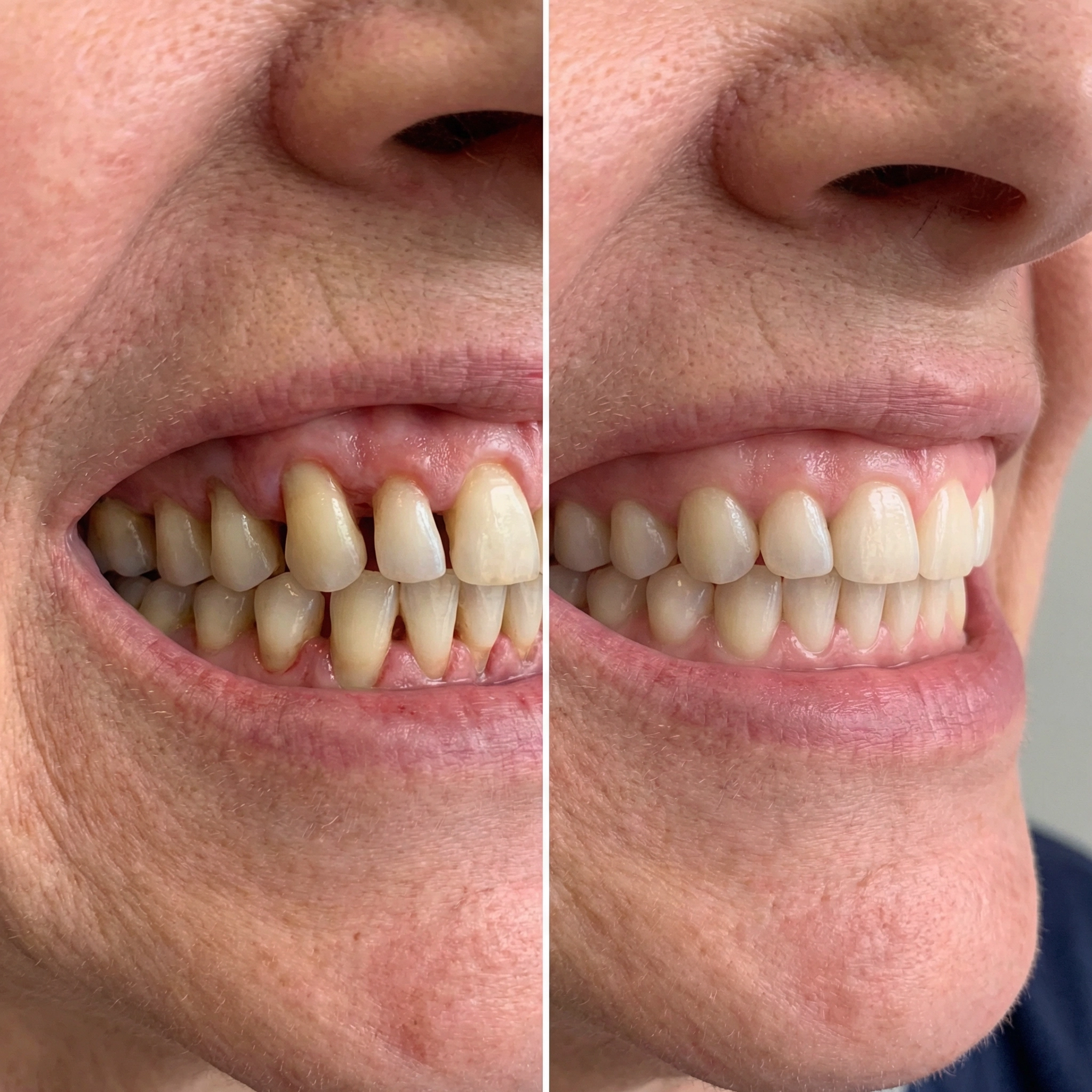
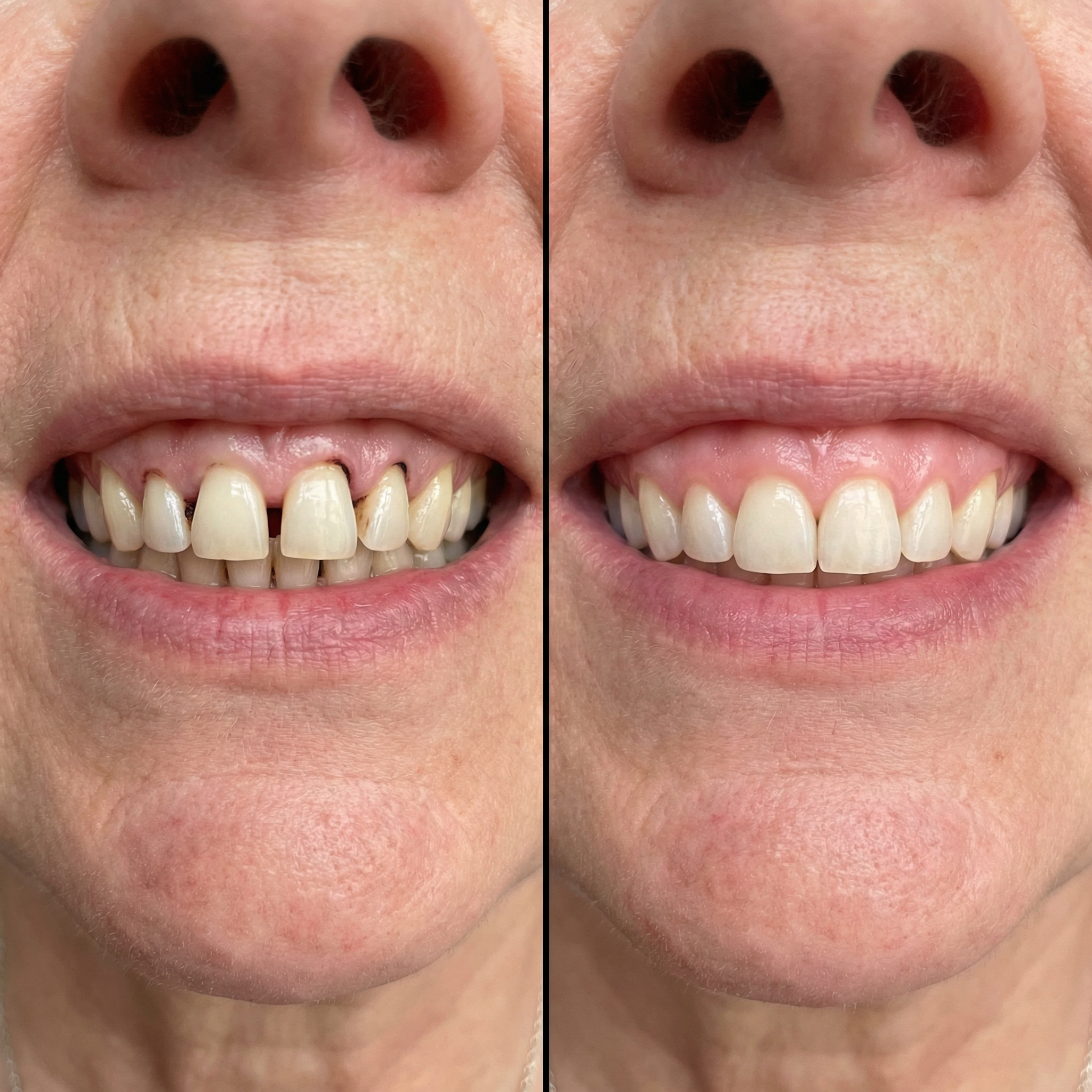
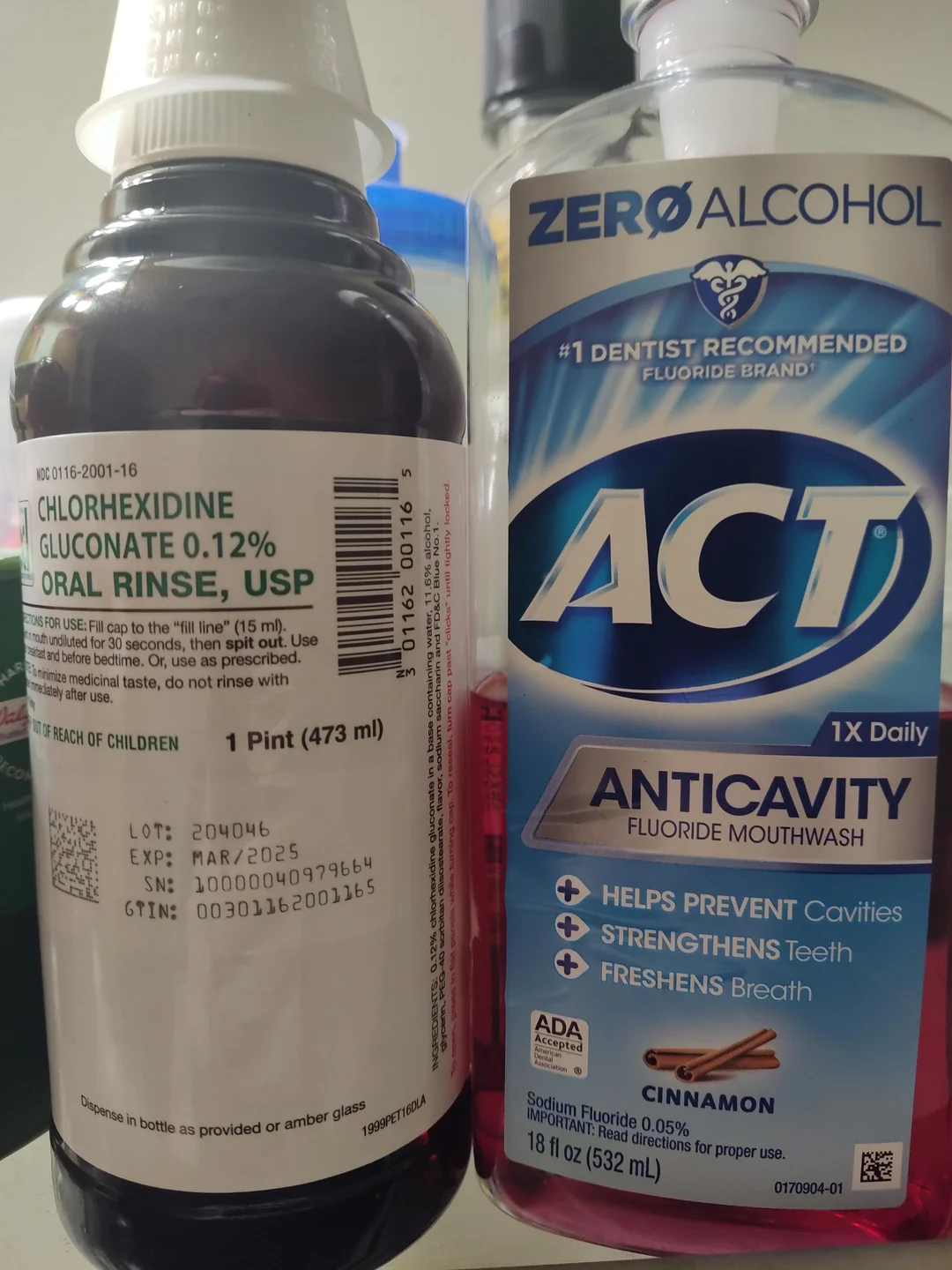
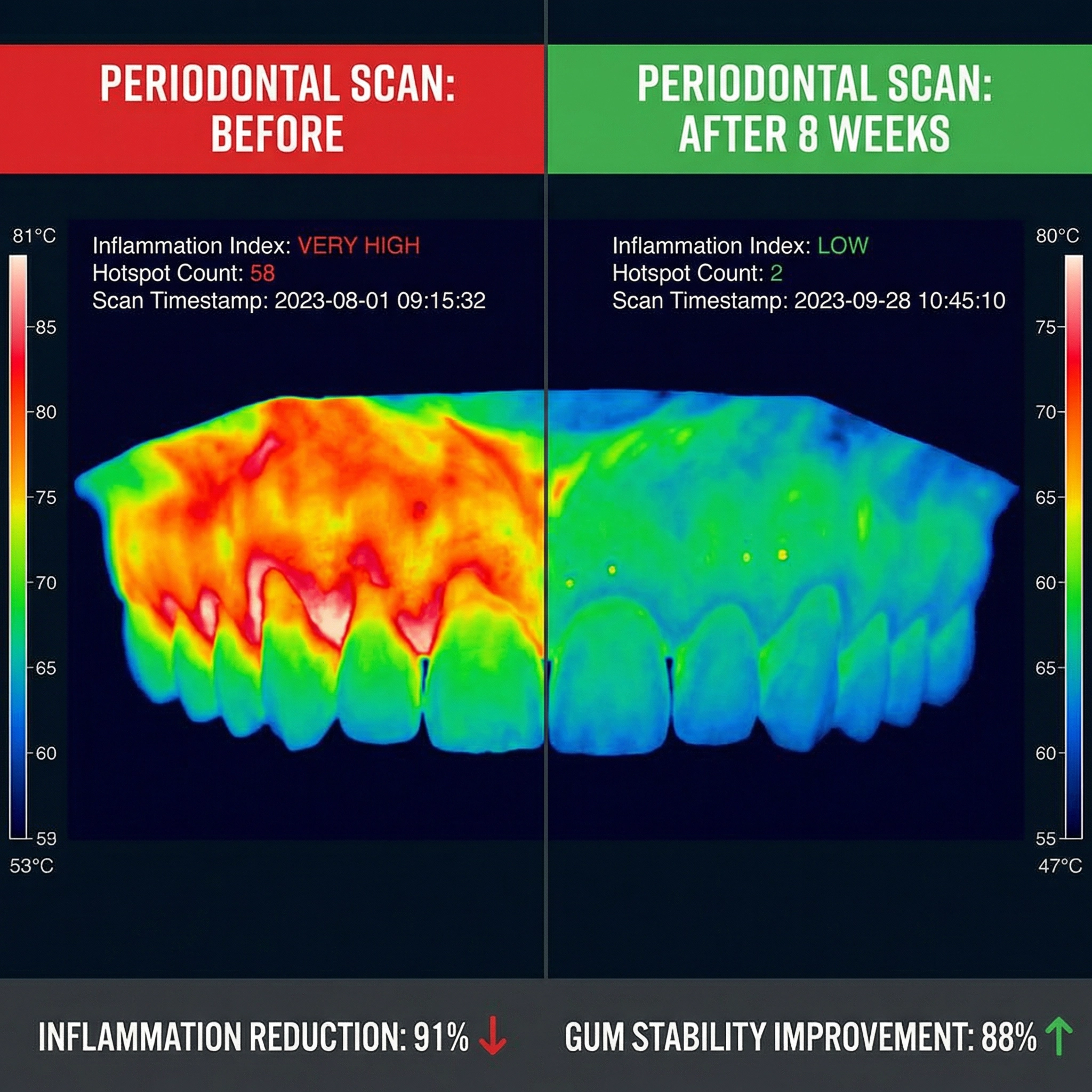
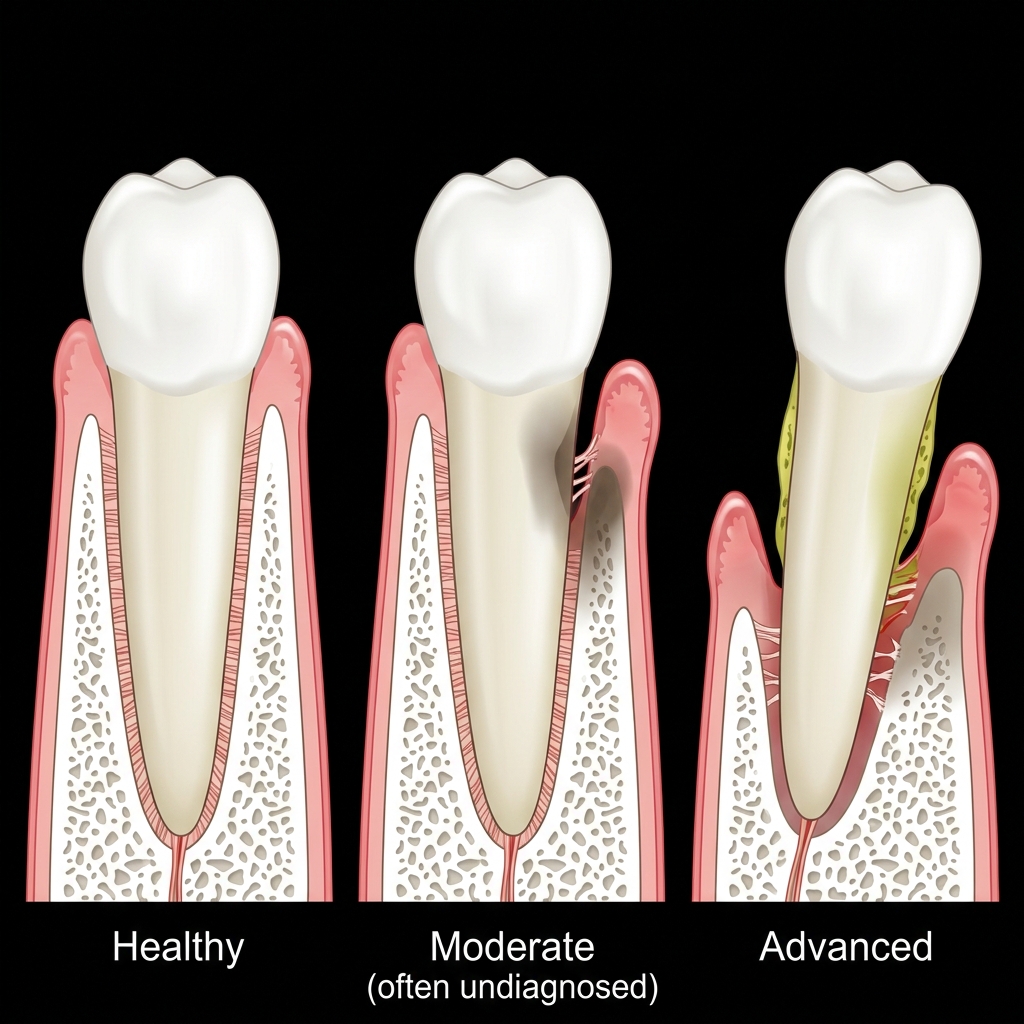
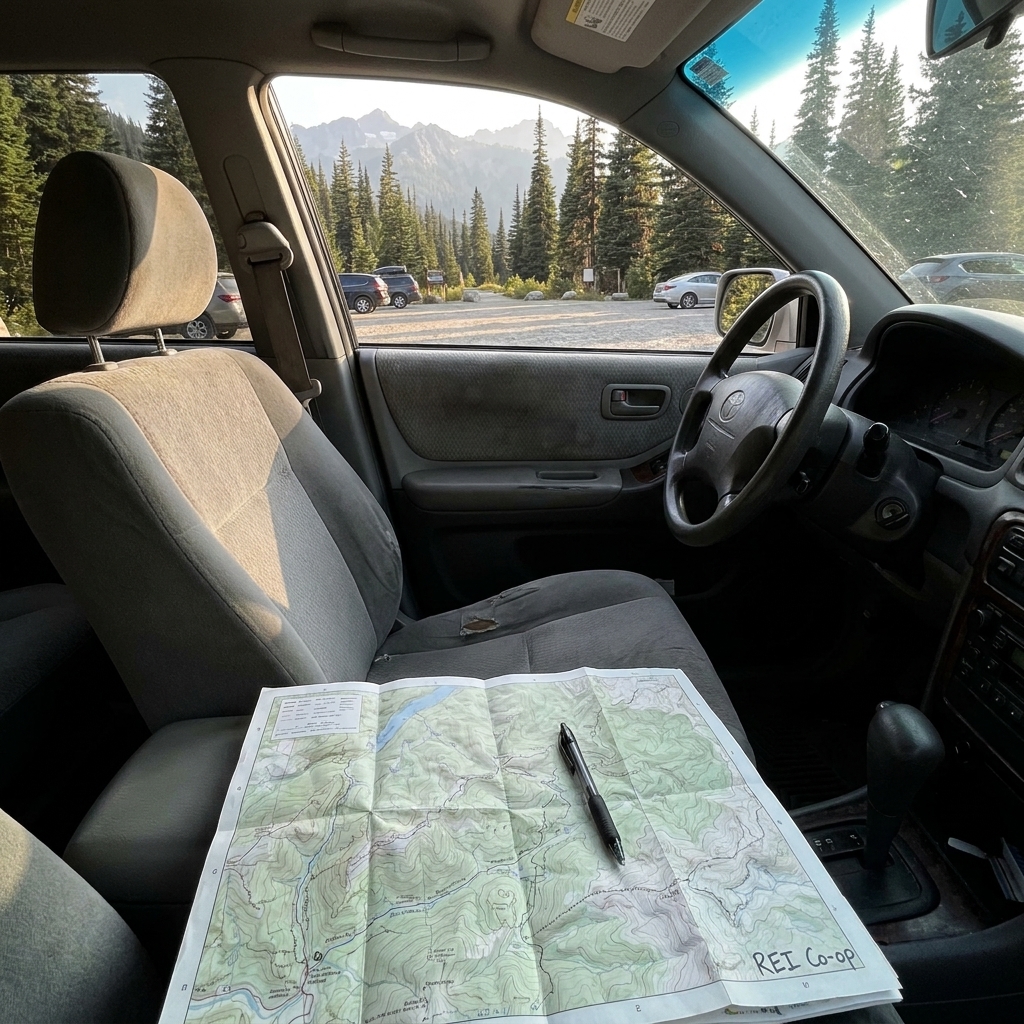
I Went on a Wildflower Hike Alone Because My Husband Was Too Embarrassed to Come. A Woman on the Trail Said Six Words I Haven't Forgotten. We'd signed up for the walk three months earlier. It was Frank's idea. A guided wildflower hike at a state park about forty minutes from our house. Two hours through the woods with a naturalist who knew every plant by its Latin name and its common name and which Native American tribe had used it for what. Frank had circled the date on our kitchen calendar. He'd told me about it at dinner. He'd told me about it again two weeks later when the registration confirmation came in the mail. He'd said: "This is the kind of thing we should be doing more of." I'd agreed. We were both 65. We'd been talking for a year about how we needed to start doing things again. Frank had been a birdwatcher his whole adult life. When we were first married, he used to wake me up at 4:30 in the morning on Saturdays to drive out to the lake before dawn to listen for warblers. I'd grumble. I'd drink my coffee in the car. I'd sit in the cold marsh with him for two hours while he wrote things in a notebook, his face open in the cold air, grinning at every new call he caught. I never loved it the way he did. But I loved him, and he loved it, and that was enough. He stopped going somewhere in his early sixties. Not all at once. He started saying he was too tired the night before. Then he started saying he'd go next weekend. Then he stopped putting it on the calendar at all. I knew what was actually happening because I'm his wife and you can't hide from your wife. Around 60 his gums had started bleeding when he brushed. His dentist put him on a chlorhexidine rinse and told him to floss more. The rinse stained his teeth brown. The metallic taste lingered in his mouth half the morning. The bleeding never really stopped — just settled enough that the surface numbers on his chart looked stable. What didn't settle was what it did to the rest of him. The man who used to grin at every warbler in the marsh started keeping his lips closed in photographs. The man who used to bite into a McIntosh apple on the trail, juice running down his hand, started pulling jerky out of his pack instead. The man who used to laugh open-mouthed at the things our grandson said started laughing behind his hand. He stopped going to the breakfast spot the birdwatching group used after their Saturday outings because he didn't want to chew toast in front of his friends with pink on his napkin. His binoculars sat on the bookshelf in our living room and gathered dust. His field guides were stacked next to them, the bookmarks still in the pages from his last trip. The vintage car he'd been restoring in our garage — a 1972 Buick he'd bought from a man in Indiana — hadn't moved in fourteen months. The dust on the hood was thick enough I could write my name in it if I wanted to. I didn't write my name in it. I tried not to look at it most days. The wildflower walk was the first thing he'd put on the calendar in over a year. When he'd signed us up, I'd let myself hope. I'd thought maybe this was the start of something. Maybe he was coming back. The Saturday of the walk, I woke up at 6:30. I made coffee. I packed two water bottles and two granola bars and a small bag with a sandwich for the road home. I came back into the bedroom to wake Frank up. He was awake. He was lying on his back, looking at the ceiling. He said: "Honey, I don't think I can do it today." I sat down on the edge of the bed. I said: "Frank, you picked this one." He said: "I know. I'm sorry. The bleeding was bad this morning. I can't sit through lunch after with a group of strangers like this." He didn't look at me when he said it. He looked at the ceiling. He looked at it the way a man looks at a ceiling when he can't look at his wife. I sat there for a long minute. I had three things I wanted to say. I didn't say any of them. I said: "Okay. I'll go." He said: "You don't have to." I said: "I'm going." I stood up. I kissed him on the forehead. I left. I cried in the car for the first ten minutes of the drive. Not big crying. The quiet kind, where you keep driving and you keep your hands on the wheel and you let it happen because there's nobody to see it. By the time I got to the trailhead I'd cleaned myself up. I parked. I sat in the car for two minutes before I went in. I almost turned around and drove home. I didn't know why I was there alone. I didn't know why I was going on a wildflower walk that I hadn't picked, on a Saturday morning when my husband was lying on his back in our bedroom looking at the ceiling because his mouth had been bleeding when he brushed. But I'd told him I was going. And I'd already gotten dressed for it. So I got out of the car. The group at the trailhead was maybe twelve people. Mostly couples in their fifties and sixties. A young couple with hiking poles who looked serious about it. A grandfather and grandson, the grandson maybe nine. And me. And a woman about my age standing by herself on the other side of the gravel parking area. She was wearing a green windbreaker and good walking shoes. She had a small backpack. She was looking at her phone the way you look at your phone when you're alone in a place where everyone else is in a pair and you'd rather be looking at anything than at the couples. I recognized the posture. I was doing the same thing. The naturalist gathered us. He introduced himself. He gave the safety talk and the don't-touch-the-poison-ivy talk and the please-stay-on-the-trail talk. He started walking. We followed. The woman in the green windbreaker fell in next to me about ten minutes into the trail. Not on purpose. The path narrowed and the couples paired up and the two of us ended up walking side by side because there wasn't really another option. We didn't talk at first. We just walked. The naturalist stopped every few hundred feet to point at something. A trillium. A bloodroot. A jack-in-the-pulpit that he said was actually a female because the spadix was the right shape. We listened. We nodded. We moved on. About twenty minutes in, the woman next to me said: "My husband was supposed to come today." She said it quietly. She wasn't looking at me. She was looking at the trail ahead. I said: "Mine too." She turned and looked at me then. She had kind eyes and the kind of crow's-feet that come from a lifetime of smiling at things. She said: "Oh." And that was all she said for a minute. We kept walking. After a while she said: "What does yours like? Out here, I mean. What was he hoping to see?" I said: "Warblers. He's a birdwatcher. Was a birdwatcher. He used to be." She nodded. She didn't ask what had changed. She didn't need to ask. She said: "Mine's a math professor. He's retired now. He used to lead these walks at our community college. Plant identification. He could tell you the family of any flowering thing within sixty seconds. Now he doesn't come on walks anymore. He stopped because his mouth started bleeding when he ate the trail snacks. He couldn't sit through the lunch after with the other walkers without feeling watched." I stopped on the trail. I looked at her. I said: "Frank too." She said: "Oh." And then she said: "Oh, honey." We walked for a while in silence. The trail curved up a small rise and dipped into a hollow where there were violets growing in great drifts on both sides of the path. The naturalist stopped. He talked about violets. Yellow violets, white violets, the common purple, the rare bird's-foot violet with leaves cut like a chicken's foot. The grandson found a bird's-foot violet by accident and the naturalist made a big deal of it. The grandson glowed. I watched the grandson glow. I thought about Frank at our kitchen table fifteen years ago teaching our own grandson to identify the birds at the feeder, both of them grinning at each other across the breakfast plates, both of their mouths open. I thought about how my own grandson is twelve now and barely sees Frank because Frank avoids the family dinners, avoids the picture-taking, avoids any meal that involves chewing in front of people. I thought about how Frank doesn't even know what his grandson is into anymore. The woman in the green windbreaker said, quietly, next to me: "Are you alright?" I said: "I don't know." She said: "I wasn't either, for a long time." We walked for another half hour without talking about it. She told me her name was Helen. I told her mine. She told me she lived about an hour from where I lived, on the opposite side of the state park. She told me her husband's name was Walter. She told me they'd been married for forty-three years. She'd been a high school librarian for thirty-one years. She'd retired in 2019 thinking she and Walter would do all the things they'd been waiting to do. It didn't happen. She said it like that. "It didn't happen." She didn't elaborate. She didn't need to. After a while she said: "Can I tell you something? You don't have to do anything with it. I just want to tell you because I'm seeing my own face from a few years ago on you and I wish someone had told me what I'm about to tell you." I said: "Tell me." She said: "There's a quiet kind of hiding that happens to men sometimes when they get into their sixties and their mouths start letting them down. It's not a heart attack. It's not a fall. It's not anything you can put on a chart. The bloodwork looks fine. The surface bleeding numbers look stable. The dentist says everything's where he wants it." "They just start hiding. They stop laughing open-mouthed. They stop biting into fruit. They cut their food into small pieces. They go on fewer walks because the trail food is too hard to eat in front of people. They stop calling the friends they used to call because every restaurant means rinsing in the bathroom halfway through dinner. They become a quieter, more closed-mouth version of the man you married." "And the worst part is that the world has a name for it that lets everyone stop asking questions. The world calls it chronic gum disease and tells the man to keep rinsing." She stopped on the trail. She turned to me. She said: "Sometimes the rinse is enough. Sometimes it really is. But sometimes — most times, actually — nobody has looked underneath what the rinse is doing in a long time. The rinse is water-based. The bacteria that drive the bleeding live deep in the pockets, six millimeters down, behind a shield they build around themselves. The shield is oily. Water can't penetrate it. The dentist treats the surface and the bacteria underneath keep doing what they've been doing for years." She put her hand on my arm. She said the six words that I haven't forgotten in nine months. She said: "Your husband isn't gone. He's hiding." I want to tell you that I had something articulate to say back. I didn't. I just stood on the trail and looked at her and tried not to cry in front of a stranger. She squeezed my arm. She said: "Come on. The group's getting ahead." We started walking again. After a few minutes she said: "I'll tell you what I did. Not because you should do it. Because you asked, and I'd want someone to tell me. I read for a long time about what happens to the gums as the body ages. I'm not going to pretend I understood all of it. I'm a librarian, not a scientist. But I learned that there's a category of things that go on in the deep gum pockets that don't show up on the standard probing chart. The biofilm shield. The bacteria the rinse can't reach. The inflammatory cascade that keeps going for years while the surface numbers look stable." "I talked to Walter's dentist about it. He's a good man. He didn't dismiss me. He told me there were a few things he considered reasonable as additions to what Walter was already doing. He gave me a short list. He told me to look at it, pick what made sense, and let his office know what I added." "One of the things I added was a wild oregano softgel." "I'd had oregano on pizza my whole life and I'd never thought of it as anything more than a spice. But the active compound in wild Mediterranean oregano — carvacrol — has been studied for decades for gum health. Walter's dentist said the research on it was solid. He had no concerns about it being added to Walter's routine. He told me the one thing that mattered." She paused. She picked her way over a root in the path. She kept going. "What I learned is that not all oregano supplements are the same. Most of what's on Amazon is cooking-grade extract. Five percent carvacrol. Basically pizza seasoning in a capsule. The research isn't built on cooking-grade. The research is built on the clinical concentration — a minimum of seventy percent carvacrol — paired with cold-pressed black seed oil for the thymoquinone, which is heat-sensitive." "I spent a whole afternoon reading labels and processing methods. I found one that did it the slow way. Pharmaceutical-grade. Cold-pressed at low temperatures. Standardized to seventy percent. Certificate of Analysis published. It costs more. The pouches are smaller. But what's in the softgel is what the research is built on. Most importantly, the carvacrol is lipid-soluble. It dissolves through the very oily shield the chlorhexidine bounces off. It absorbs through the bloodstream and reaches the gum tissue from underneath, from a direction no rinse ever travels." She said the brand name. I'd never heard of it. I asked her to spell it for me. She did. I wrote it on a corner of my trail map with the pen the naturalist had handed out at the start. She smiled at me when I did that. She said: "I'm not selling you anything. I'm an old librarian and I work part-time at a thrift store for my church. I just had a conversation a few years ago at a quilting class with a woman I'd never met before who told me what she'd done for her husband. I went home and tried it. So I'm passing the favor on." We walked the rest of the trail with Helen telling me about Walter the way you tell someone about a person you love. He'd started taking the softgels six months after the conversation she'd had at the quilting class. She'd been honest about all of it. She didn't tell him it was a miracle. She didn't tell him it would change his life. She told him she'd talked to his dentist and that his dentist was alright with him trying it. She told him she just wanted him to try one thing for ninety days alongside everything else he was already doing. He'd agreed. The first month, she said, she hadn't noticed anything dramatic. She'd almost stopped. She said: "I want to be honest about that part. The first few weeks I thought I'd just bought myself an expensive spice in a pouch." The second month, the sink stopped running pink in the mornings. She'd hardly noticed at first because she hadn't been looking down at his basin every day. He told her one Saturday at the breakfast table. He'd been brushing for three weeks and there had been no pink for three weeks. The third month, Walter bit into a McIntosh apple at the kitchen counter without thinking about it. He pulled it back from his mouth and looked at the white flesh and there wasn't a streak of red on it. He stood there at the counter looking at the apple like it was a thing he'd forgotten existed. The fourth month, he opened one of his old field guides one Saturday morning. He didn't say anything about it. He just sat at the kitchen table with his coffee and his guide and looked at the pictures. The fifth month, he went back to the breakfast spot the birdwatching group used. He ate toast with the crust on. He laughed open-mouthed at a story one of the other birdwatchers told. He didn't dab his napkin once the whole meal. She said: "I'm not telling you Walter is twenty-five years old again. He's not. He's 68 and his teeth are 68-year-old teeth. But he's at the table again. He's eating the food again. He's laughing in front of the people again. He's calling the friends he used to call. He's coming on these walks again — most of the time. He didn't come today because he had to drive his sister to a dental appointment. But he wanted to come. That's the part that matters." She looked at me. She said: "I'm not telling you any of this is the oregano alone. I changed a couple of other things too. We started flossing every night together at the bathroom sink, the two of us standing there like an old married couple should. I stopped accepting his quiet at the dinner table as a complete answer. I asked him more questions. There were a lot of small things. The softgels were one of them. I don't know with certainty what did what." "What I know is that I added one thing to a man who was disappearing behind his own lip, and a lot of small things started shifting in the same direction." "That's the most honest version I can give you." We came out of the woods at the trailhead at 11:30. The grandson was clutching a worksheet the naturalist had given him with all the plants he'd identified marked off. The young couple with the hiking poles were sweating. The other couples were comparing photos on their phones. Helen and I stood by the trailhead sign. I said: "Thank you." She said: "Don't thank me. Just go home and look at him. The way you'd look at him if you were a stranger meeting him for the first time. See what a stranger would see." I said: "I will." She hugged me. I hugged her back. She walked to her car. I walked to mine. I never saw her again. I drove home with my trail map on the passenger seat and the brand name written in the corner. Frank was on the couch in the living room when I came in. The TV was on. He was asleep with his lips pressed together even in sleep, the way they'd settled into being pressed together over the last two years. It was 12:15. I stood in the doorway and I looked at him the way Helen had told me to. I saw a man who was smaller than the man I'd married. Quieter. More closed. Further away. His binoculars on the bookshelf with dust on them. His field guides next to them. His grandson's birthday card from March still on the side table because he hadn't gotten around to mailing one back. I sat down in the chair across from the couch. I watched him sleep for a long time. When he woke up he saw me sitting there. He said: "How was the walk?" I said: "It was good. I met somebody." He said: "Yeah?" I said: "Yeah." He said: "What did you talk about?" I said: "I want to tell you about it. But first I want to tell you something else. I think there's something I want us to try. Together. I want to call your dentist first." He looked at me. He sat up on the couch. He said: "Okay." That was all he said. That was enough. I called Frank's dentist on Monday. I told the front desk I'd been reading about wild oregano softgels and wondering if it would be alright to add one to what Frank was already doing. She put me on hold. She came back about three minutes later. She said the dentist had no concerns about Frank adding it to his routine, that there was interesting research on carvacrol for supporting healthy gums, and that he just wanted us to keep him in the loop and to keep brushing and flossing exactly the way Frank had been. I asked her if I could email him the Certificate of Analysis of the one I was thinking about, just so he could see the carvacrol concentration. She said please do. I did. He emailed back the next day. He said it looked fine. I ordered Orgatics that night. I want to be careful about what I tell you next. I'm not going to tell you Frank felt it in seventeen minutes. I don't think it works like that. I'm not going to tell you anything dramatic happened in the first week. It didn't. What I can tell you is what we noticed over about three months. The first month, Frank kept taking it because he'd told me he'd give it ninety days and Frank does what he says he'll do. Somewhere in week three, the sink started running clear in the mornings. Not perfectly clear at first. Just clearer. Then completely clear by the end of the first month. He didn't say anything about it for a while. I'd find him standing at the bathroom sink for a long minute after he rinsed, looking down at the basin. I didn't say anything either. Week five, he started reading in the evenings again. Not for long. Maybe twenty minutes before bed. But the field guide that had been on the side table for fourteen months started moving. I'd find it on the kitchen counter one morning. The bookshelf the next. The bedroom another. It was traveling around the house with him. Week seven, he bit into an apple. A McIntosh, from the bag I'd bought at the grocery store and had been mostly leaving in the bowl because Frank wouldn't touch them. He picked one up off the counter and bit into it. Front teeth. The whole bite. He pulled it back from his mouth. He looked at the white flesh. No pink. He looked at me. I was at the kitchen table pretending to read a magazine. He said: "Diane." I looked up. He held up the apple. He didn't have to say what he meant. I said: "I know." We didn't talk about it more than that. We didn't have to. He ate the apple at the counter and threw the core in the compost and went to put his shoes on. Week eight, he opened the garage on a Saturday morning. He didn't work on the Buick. He just stood next to it for an hour. He wiped the dust off the hood with a rag. He sat in the driver's seat and turned the key just to listen to the engine. He came inside afterward and didn't say anything about it. I didn't say anything about it either. Somewhere around week ten, he asked me if I'd come with him to the lake at dawn on Saturday. He hadn't asked me that in four years. We went. He sat in the marsh and wrote in his notebook. I drank coffee in the car. It was cold and it was beautiful and he came out of the marsh at 7:30 with two new species written down in handwriting that was a little shakier than it used to be but was his. His handwriting. The kind of handwriting Frank does. He'd packed a thermos and two slices of toast that morning. He ate the toast in the car next to me, the crust and all. He didn't dab his napkin once. His dentist saw him at his regular six-month cleaning about ten weeks in. The hygienist did the chart. She paused. She probed again. She called the dentist over. Bleeding on probing down. The two pockets that had been deepening for years had come in a millimeter each. The dentist said Frank's chart was in better shape than it had been in years. He didn't make a big deal of it. He told Frank whatever he was doing, to keep doing it. Frank told him about the oregano. The dentist said: "Yeah, your wife emailed me the Certificate of Analysis. Good. Keep at it. The tissue tone is much better." That was the whole conversation about it. That was all it needed to be. I want to be careful about what I'm claiming here. I am one woman. Frank is one man. I'm not a dentist and I'm not pretending to be one in any of what I've just told you. The softgels weren't the only thing we changed. We started flossing together every night at the bathroom sink. We started eating dinner earlier. I stopped accepting the closed mouth as a complete answer. I asked him more questions. There were a lot of small things. The supplement was one of them. I don't know with certainty what did what. What I know is that I went on a wildflower walk alone in May because my husband was too embarrassed about his bleeding to come, and I came home with a name written on the corner of a trail map, and ten months later my husband sat in our marsh at dawn writing in a notebook for the first time in four years, eating toast next to me with the crust on, grinning open-mouthed at a yellow warbler he'd been hoping to see for two years. That's the version I have. That's all I have. If you're a woman whose husband has been hiding for a while and you've been calling it just-getting-older because that's what everyone calls it — talk to his dentist. Always start there. Whatever you add to what he's already doing should be a decision his dentist is in the loop on. If his dentist is open to it, wild oregano is a reasonable thing to look at. It's been studied for decades. It's not exotic. It's just been processed badly by most of the brands selling it. Orgatics is the one Helen told me about on a wildflower trail last May. It's the one I bought. It's the one Frank still takes every morning with a glass of water. I'm not the right person to tell you what to do with your husband's body. But I am a woman who waited too long to take any of this seriously. And I had to be told by a stranger on a hiking trail what I should have been telling myself for two years before that. If you're reading this, maybe you've just been told. P.S. Two softgels with a glass of water in the morning. That's the whole protocol. Don't change anything else he's doing. Not the brushing. Not the flossing. Not the routine. Just add this and pay attention to what shifts. P.P.S. Talk to his dentist or pharmacist before he starts. This is the first step, not a footnote. If he takes any prescription medication — especially a blood thinner — the conversation with his pharmacist matters more than anything I have to say here. Oregano oil can matter for people on those medications and the pharmacist will tell you in two minutes. P.P.P.S. Orgatics has a 90-day money-back guarantee. If you're not satisfied for any reason, every penny back. No questions asked. That's a sensible policy for a supplement. It gives you the time you actually need to see whether it helps. P.P.P.P.S. Orgatics is a small operation. The sourcing is slow and the cold-press takes time. I keep an extra pouch in the house now because I don't want to be the woman who runs out and has to wait. P.P.P.P.P.S. I've gone back to that state park three times this year. I've walked the same trail twice. I haven't seen Helen. I don't know if I ever will. If she's reading this somewhere — thank you. You said six words to a stranger on a wildflower trail in May and you gave me back the man I married. I hope someone gives you the same gift someday, whether you need it or not. https://tryorgatics.com/pages/receding-gums DISCLAIMER Individual experiences vary. These statements have not been evaluated by the FDA. This product is not intended to diagnose, treat, cure, or prevent any disease.
Like this ad? Make it yours.
Crush rebuilds this exact creative around your product — your brand, your colors, your offer — in about a minute.