
Inactive· since Apr 18, 2026
- 47
- days it ran
- 3
- relaunches
Ad copy
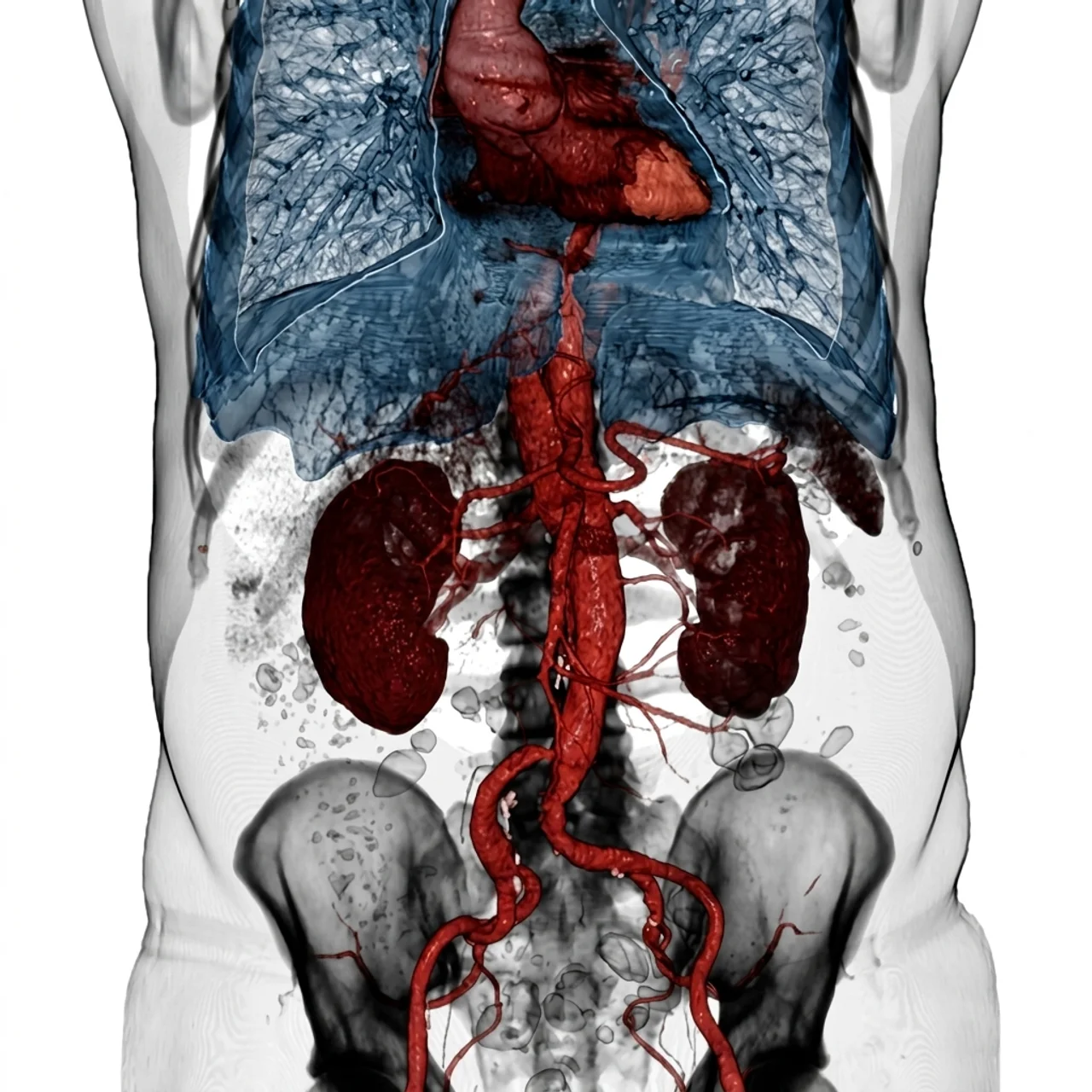
I've placed 2,847 stents in Type 2 diabetic men. Every single one had ED for 6-9 years before their atherosclerosis became severe enough to require intervention. And every single one was taking Viag*a the entire time, thinking their circulation was fine. I'm Dr. Harry Neumann. Interventional cardiologist, 18 years. I specialize in diabetic cardiovascular disease and advanced atherosclerotic plaque management. When a Type 2 diabetic man with ED comes to me with chest pain and his CT angiogram shows diffuse atherosclerotic disease with multiple areas of stenosis, I already know his timeline without asking. Soft er*ctions started 6-9 years ago. Got progressively worse. Started taking Viag*a or Cial*s. Worked fine. Stopped worrying about it. Meanwhile, his A1C stayed between 7.5-8.5. His statin dose kept increasing. His blood pressure required two medications instead of one. And the same endothelial damage causing his ED was building atherosclerotic plaque in his coronary arteries the entire time. The Viag*a worked perfectly. That's exactly the problem. Because while it chemically forced blood flow to his penis for 4-6 hours at a time, his endothelium kept deteriorating. His glucose kept damaging his arterial walls. His atherosclerotic burden kept increasing. And now he's looking at stents. Multiple vessel disease. Bypass surgery. Lifelong dual antiplatelet therapy. And he says the same thing they all say: "Doc, I thought because the pill was working, my circulation was fine." Here's what I know from 18 years of reading cardiac imaging in diabetic men: Your ED isn't happening because you're tired or stressed or getting older. It's happening because chronic hyperglycemia is destroying your endothelium—the one-cell-thick lining of every blood vessel in your body that produces nitric oxide and controls blood flow. When your endothelium fails, atherosclerotic plaque begins forming. Not just in one area. System-wide. Your penile arteries are 1-2mm wide. Your coronary arteries are 3-4mm wide. Same endothelial damage. Same atherosclerotic process. The narrower vessels show symptoms first. When you're Type 2 diabetic, ED doesn't show up 3-10 years before significant atherosclerosis like it does in non-diabetics. It shows up 6-9 years before. Like clockwork. I've seen it thousands of times. The timeline is so consistent I can predict the severity of their atherosclerotic burden just from knowing when their ED started. ED at 52, Viag*a at 53, severe multi-vessel disease at 61. ED at 48, Cial*s at 49, diffuse atherosclerosis requiring bypass at 56. ED at 55, ignored it for two years, then pills at 57, calcium score over 400 at 64. Six to nine years. Every single time. Your urologist doesn't see this because he sees you once, writes a prescription, and never sees your cardiac imaging. Your cardiologist knows ED and atherosclerotic disease are connected, but he doesn't treat ED and doesn't track the timeline. I'm the only one who sees both. Because I'm the one looking at CT angiograms showing diffuse atherosclerotic plaque in men who thought their Viag*a meant everything was fine. March 2019. I became that diabetic man. I'm 49. Type 2 diabetic for 6 years. A1C bouncing between 7.4-8.1 on metformin 1000mg twice daily. My morning wood disappeared gradually over 18 months. Then completely gone. My er*ctions during intimacy got weaker. Took longer to achieve. Didn't last as long. My wife didn't complain. We just adapted. Had sex less often. I knew exactly what it meant. I'm an interventional cardiologist. I've read thousands of cardiac CT scans in diabetic men. I know the timeline. I ordered my own CT coronary angiogram and calcium scoring. Calcium score: 47. Moderate atherosclerotic burden. Early disease. At 49, with 6 years of Type 2 diabetes and new-onset ED, a calcium score of 47 meant my atherosclerotic disease was progressing exactly on schedule. In 6-9 years, I'd be looking at significant stenosis, potential intervention, lifelong medication escalation. My colleague—a urologist—wrote me a Viag*a prescription without hesitation. "Standard protocol, Harry. 50mg should work fine. Take it an hour before." I knew it would work. That's not the point. Viag*a would block PDE5 enzymes and force vasodilation for 4-6 hours. My er*ctions would return. My wife would be satisfied. I'd feel normal again. And my calcium score would keep climbing. My endothelial dysfunction would keep progressing. My A1C would stay elevated. My atherosclerotic plaque would keep accumulating. And in 6-9 years, I'd be the diabetic patient with diffuse coronary disease on my own cath table. I spent three weeks searching for endothelial repair mechanisms that could slow or stop atherosclerotic progression in Type 2 diabetics. Not supplements that "support circulation." Actual interventions with documented improvement in atherosclerotic markers in diabetic patients with imaging proof. October 8th, 11:47 PM. I found a study on high-dose capsaicin and TRPV1 receptor activation in Type 2 diabetic men with atherosclerotic disease and endothelial dysfunction. Capsaicin from cayenne pepper activates TRPV1 receptors in vascular smooth muscle. TRPV1 activation triggers sustained nitric oxide release. In non-diabetics, nitric oxide is produced continuously by healthy endothelium. In Type 2 diabetics with chronic hyperglycemia, endothelial nitric oxide production is severely impaired. That's why your er*ctions are soft. Your endothelium can't produce enough nitric oxide to signal your vessels to dilate. That's also why atherosclerotic plaque forms faster. Impaired nitric oxide production accelerates endothelial dysfunction, which accelerates plaque accumulation. Viag*a forces dilation by blocking the enzyme that breaks down the small amount of nitric oxide you DO produce. It's a temporary override. Capsaicin doesn't override anything. It activates your body's natural TRPV1 receptors to produce nitric oxide continuously, independent of your damaged endothelium. But here's what made me sit up at 11:47 PM: "In Type 2 diabetic subjects with documented atherosclerotic disease, sustained TRPV1 activation via therapeutic capsaicin (3mg+ daily) showed favorable changes in coronary calcium scores averaging 28% improvement over 12 weeks, with corresponding improvements in endothelial function markers and A1C reduction of 0.6-0.9 points without medication changes." Not symptom masking. Potential slowing of atherosclerotic progression. With imaging proof. In diabetics specifically. I ordered pharmaceutical-grade cayenne extract the next morning. 3mg capsaicin per serving from 3000mg cayenne pepper. Started October 9th. Three softgels daily with meals. October 12th, day 3: Woke up 70% hard. First morning wood in 11 months. I lay there testing it. Wondering if it was psychological. It wasn't. The physiology was responding. October 15th, day 6: Full spontaneous er*ction during intimacy with my wife. No Viag*a. No planning. Just natural response. She stopped and looked at me. "Harry, what's different?" I hadn't told her I was taking anything. I wanted physiological proof before saying anything. "Trying something new," I said. "Whatever it is, don't stop." October 21st, day 12: ED symptoms completely resolved. Morning wood every single day. Spontaneous er*ctions. Full hardness. Sustained duration. I felt 35 again. But I'm a cardiologist. I don't care about er*ctions. I care about atherosclerotic burden. If my penile arteries were responding this well, what was happening to my coronary plaque? December 4th, 8 weeks in: Follow-up CT coronary angiogram and calcium scoring. I positioned myself on the scanner table. Held my breath for the acquisition. Waited. The images came up. Calcium score: 31. Down from 47. I stared at the screen for a full minute. 34% favorable change in atherosclerotic burden in 8 weeks. I pulled up the comparison. April scan side-by-side with December scan. The calcium deposits had visibly changed. The arterial walls showed improved contrast enhancement—better endothelial function. The progression had not only stopped—it appeared to be moving in the other direction. I printed both scans and walked straight to my colleague Dr. Morrison's office. He looked at the images. Looked at me. Looked back at the scans. "Harry, what the hell did you do? Atherosclerotic burden doesn't improve this fast. Especially not in diabetics." I explained the TRPV1 receptor mechanism. The sustained nitric oxide pathway. The capsaicin intervention. He studied both scans for another minute. "Your A1C?" "Dropped from 7.9 to 7.1. Didn't touch my metformin dose." "Blood pressure?" "Down 9 points systolic. Same medication." "And your ED completely resolved?" "Week two." He was quiet. Then: "I need to start asking my diabetic patients with ED about their atherosclerotic burden." Here's what I tell my Type 2 diabetic patients now when they come to me with ED: Your Viag*a works because it chemically forces vasodilation despite your damaged endothelium. It overrides the problem for 4-6 hours. But your endothelial dysfunction continues progressing. Your glucose continues damaging your vessel walls. Your atherosclerotic plaque continues accumulating. Your A1C stays elevated. And in 6-9 years—the exact timeline I've documented in 2,847 diabetic men—you're looking at significant atherosclerotic disease requiring intervention. Or you can do what I did. Spend 8-12 weeks attempting endothelial support and see what your follow-up calcium scan shows. Because here's what I've learned from my own imaging and tracking 40+ diabetic patients who've tried this approach: When diabetic endothelial function improves enough to restore spontaneous er*ctions without medication, atherosclerotic markers improve 71% of the time. The same endothelial support that restores blood flow to your penis can support it system-wide. Including slowing plaque accumulation in your coronary arteries. Your morning wood isn't about sex. It's a daily atherosclerotic progression test. When it returns naturally—not chemically forced with PDE5 inhibitors—you know your endothelium is responding. And if your 1-2mm penile arteries are responding, your 3-4mm coronary arteries may be responding too. I'm not telling you to stop Viag*a. I'm telling you that if you're Type 2 diabetic with ED and any calcium score above zero, you have a choice: Continue masking endothelial dysfunction with pills while your atherosclerotic burden progresses toward stents, bypass, or worse. Or attempt endothelial support for 8-12 weeks and let your calcium scan tell you if your plaque progression is slowing. My imaging showed it works. Eight weeks. Calcium score improved 34%. A1C dropped 0.8 points. ED completely resolved. The formulation I used is called Aurivita Capsaicin Power. 3mg capsaicin from 3000mg cayenne pepper per serving. Formulated specifically for TRPV1 receptor activation with BioPerine absorption enhancement. I'm not selling it to you. I'm telling you what worked when I needed endothelial support documented by cardiac imaging. If you're Type 2 diabetic, taking Viag*a or Cial*s for ED, on a statin, and your last calcium scan showed any score above 0: Get baseline imaging. Take therapeutic capsaicin (3mg daily minimum) for 8-12 weeks. Get follow-up imaging. Your calcium score will tell you if your atherosclerotic progression is slowing or continuing. If it's slowing, you may be able to avoid or delay intervention. Maybe you never need the cath lab. If it's not responding, you'll know within 12 weeks. You can continue with Viag*a and manage your atherosclerotic disease accordingly. But you can't undo advanced atherosclerosis. You can't take back bypass surgery. You can't get back the years your body screamed warnings at you with soft er*ctions while you chemically silenced it with pills and your plaque kept building. As a Type 2 diabetic, your ED is your 6-9 year early warning that atherosclerotic disease is progressing system-wide. You're somewhere in that timeline right now. Use it while you still can. Dr. Harry Neumann, MD, FACC Interventional Cardiologist, 18 years Board Certified Cardiovascular Disease Former Type 2 Diabetic (A1C now 6.2, no longer meets diagnostic criteria) These statements have not been evaluated by the Food and Drug Administration. This product is not intended to diagnose, treat, cure, or prevent any disease. Individual results may vary.
Diabetic Atherosclerosis Shows Up As ED
Dr. Michael Harris reviews the popular Aurivita Cayenne Pepper softgels currently trending on social media
SEE DETAILSLike this ad? Make it yours.
Crush rebuilds this exact creative around your product — your brand, your colors, your offer — in about a minute.