Sarah L
Sarah L Facebook ad: “The First Sign Was Simply Going Home”
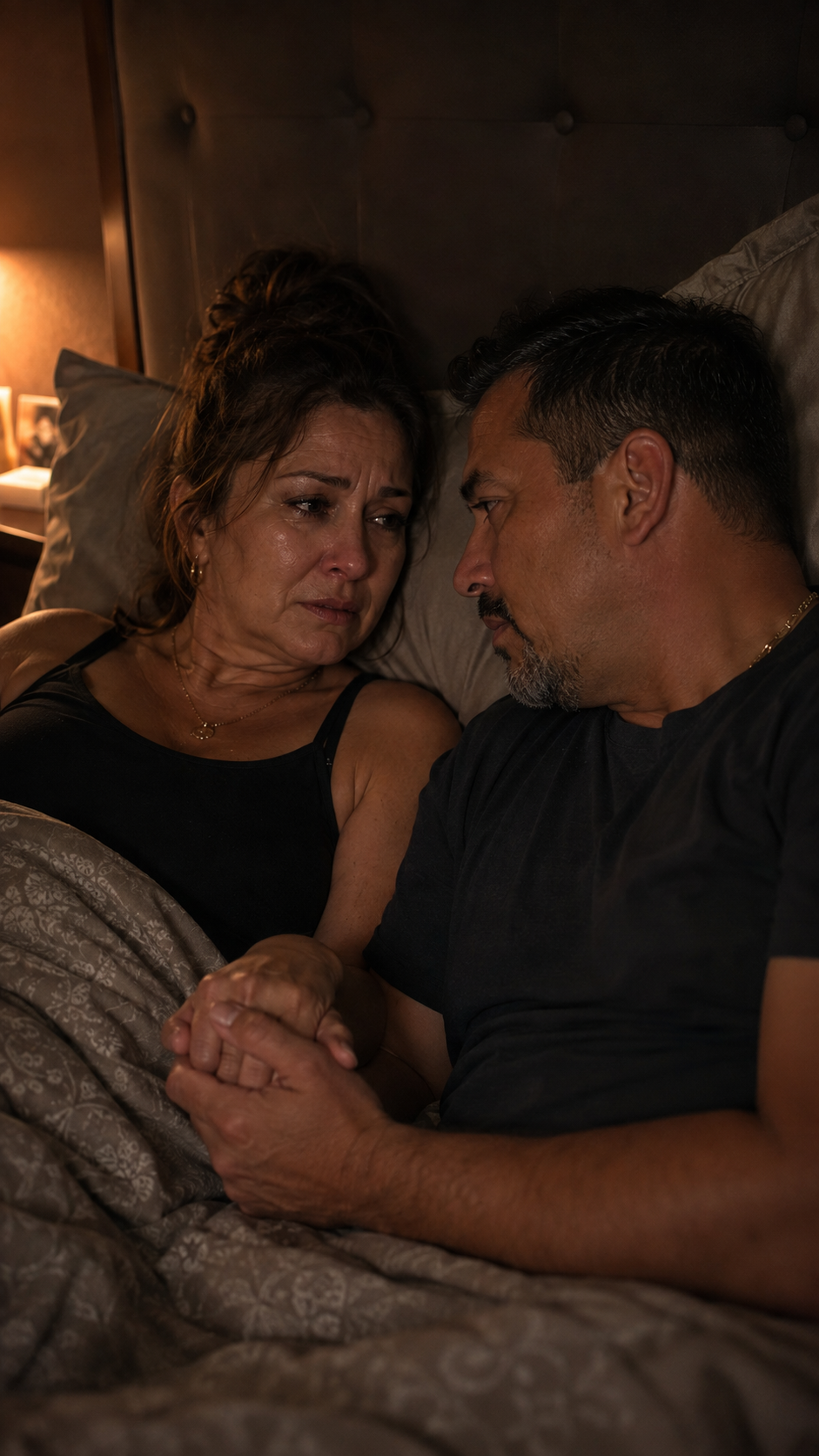
Ran for 7 days, from August 11 to August 18, 2026, the last day Crush saw it.
Run by Sarah L on Facebook. Crush is not the advertiser and does not verify its claims. See this ad in Meta's Ad Library(opens in a new tab)
Want an ad like this for your product?
Crush makes new ad images for your product from this ad: your logo, your product photo, your offer.
Trials from $19.95 USD, then $79.95 USD a month. Cancel anytime.
About this ad
- Meta Ad Library ID
- 1700331687925912
- Platforms
- Facebook, Instagram, Messenger and Threads
- Relaunches
- 0
Ad text
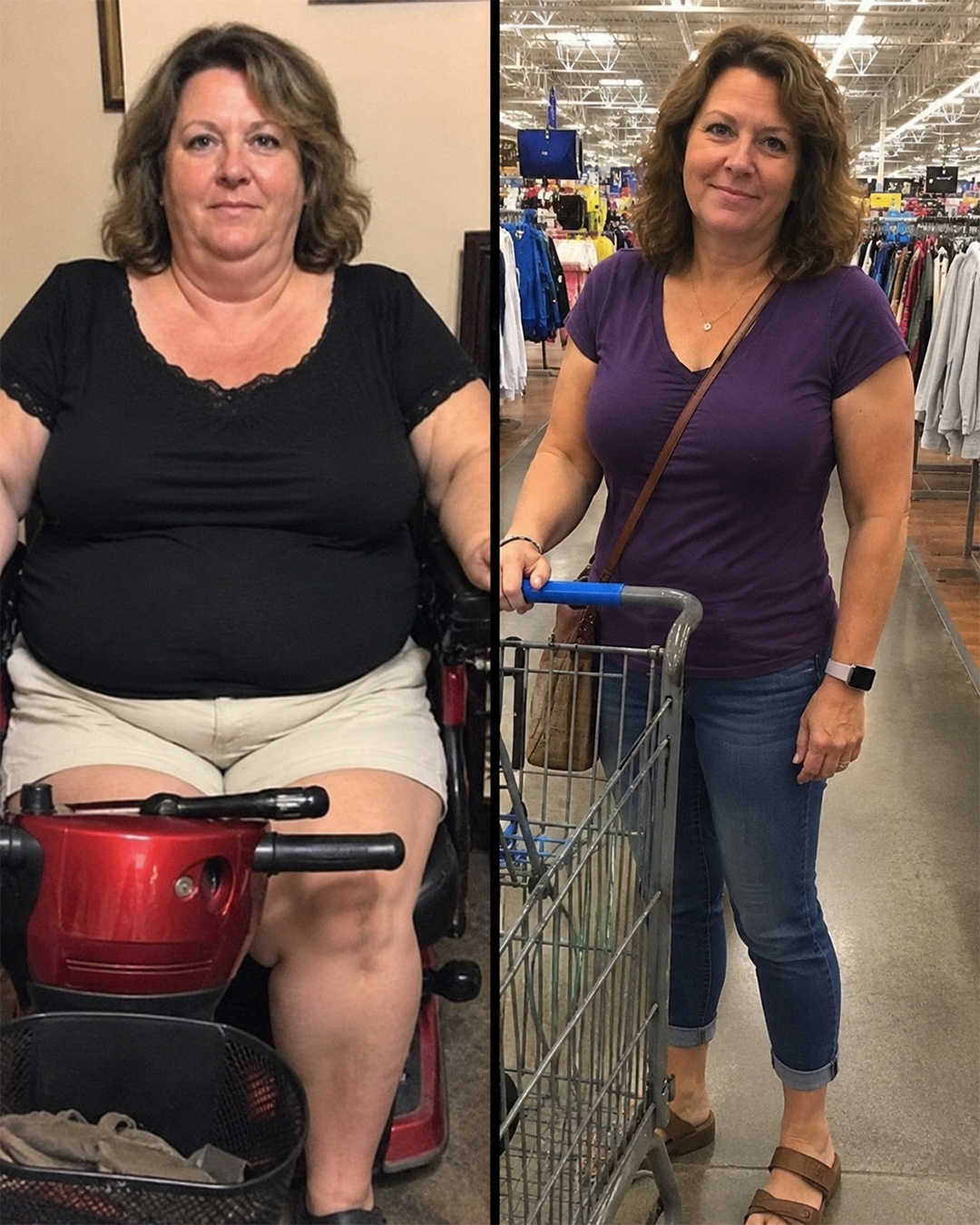
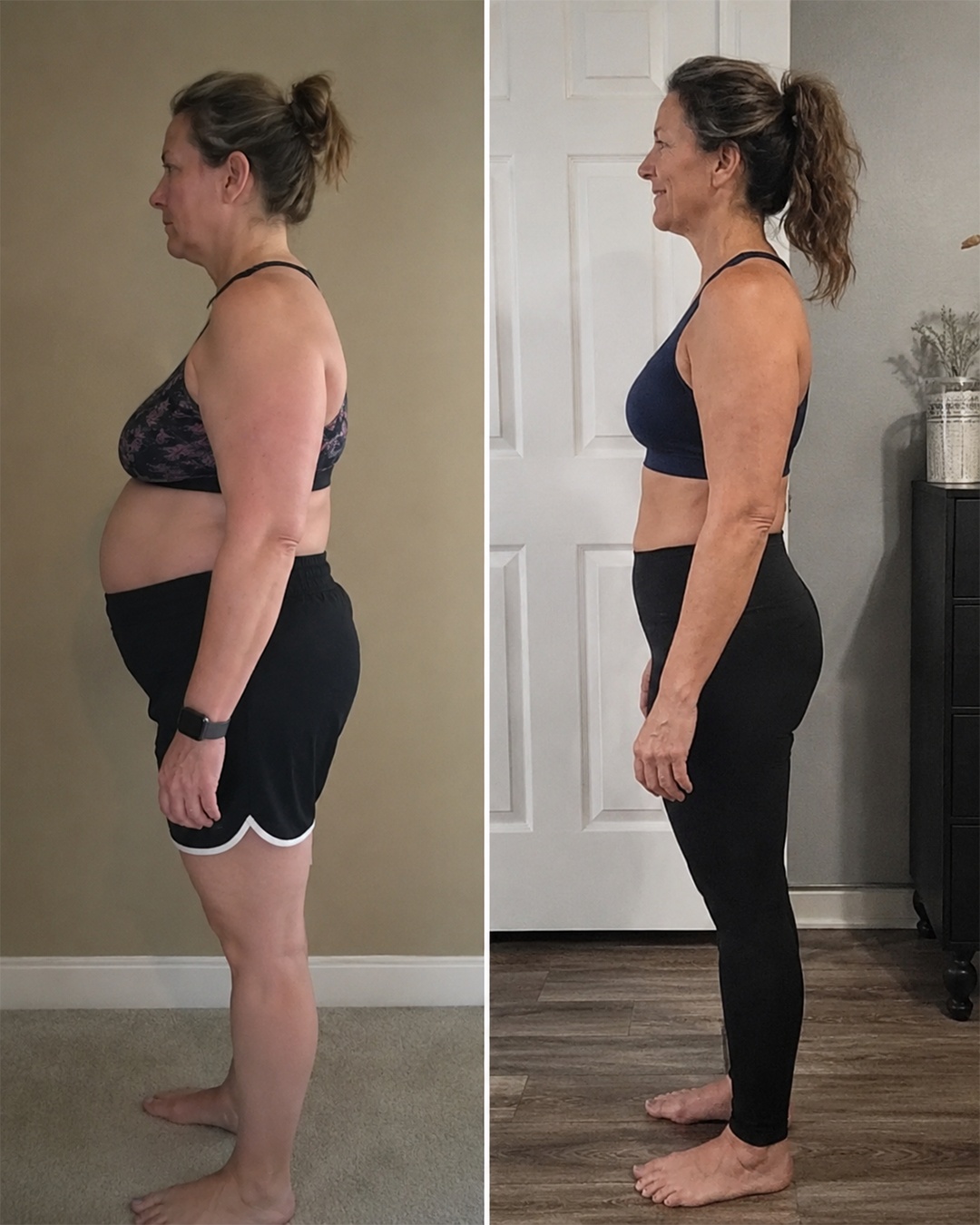
At 55 years old, I lost 43 pounds in just four months. The stubborn belly fat I’d been fighting for years was finally gone. Today, I have more energy than I did in my forties, I spend my weekends hiking, and I’m happily remarried to an incredible man I met completely by accident. But two years ago… I was sitting alone in my house after the end of my 29-year marriage, convinced the best years of my life were already behind me. My name is Amanda. I’m 55 years old, a mother of two incredible kids, and for almost 29 years I was married to the same man. When people ask me what happened, I usually smile and say, “Life happened.” But the truth is, my marriage had been falling apart long before the divorce papers were signed. By the time everything officially ended, I wasn’t just grieving my marriage. I was grieving the woman I used to be. I had spent nearly three decades putting everyone else first. My husband. My children. My home. My job. Everyone except myself. And somewhere along the way, I disappeared. I gained weight little by little every year. At first it was only five pounds. Then ten. Then twenty. Eventually I stopped weighing myself because every time I stepped on the scale, I felt ashamed. My confidence disappeared right along with it. I hated shopping because nothing fit the way it used to. I avoided mirrors whenever I could. Family photos became something I tried to avoid being in. Whenever my kids wanted a picture together, I’d offer to take it instead. Looking back now, I realize I wasn’t just hiding from the camera. I was hiding from myself. After the divorce, everything got worse. For the first two months, I barely recognized my own routine. Some mornings I didn’t even want to get out of bed. The silence in my house felt unbearable. Dinner became whatever was easiest to order. Ice cream somehow became an acceptable dinner more than once. I wasn’t taking care of myself. I was surviving. One afternoon my daughter came over to check on me. She didn’t lecture me. She didn’t tell me to “stay positive.” She simply wrapped her arms around me and said, “Mom… we’re worried about you.” That sentence broke me. Not because it hurt. Because I knew she was right. Later that week, my sister stopped by. She sat across from me at the kitchen table and asked one simple question. “When was the last time you did something just for yourself?” I couldn’t answer. Honestly, I couldn’t remember. She smiled and said, “Amanda, your life didn’t end because your marriage did.” “You still have so much life left to live.” Those words stayed with me for days. A week later, I decided something had to change. Not because I wanted revenge. Not because I wanted my ex-husband to regret leaving. I wanted to wake up one morning and feel proud of the woman staring back at me. Then my sister handed me a bottle of Hormify. She had been reading about hormonal health and thought it might be worth trying… I thanked her, but secretly I didn’t expect much. Over the years I’d tried enough products to fill an entire cabinet. Most promised the world. Very few made any noticeable difference. But I figured I had nothing to lose by giving it a chance. The first thing I noticed wasn’t the scale. It was my energy. Instead of feeling exhausted halfway through the afternoon, I actually wanted to go outside. The constant cravings that used to hit me every evening slowly became easier to manage. I wasn’t thinking about food every hour anymore. That made sticking to the healthier habits I’d started feel much easier. For the first time in years, I felt like my body was working with me instead of against me. The weeks turned into months. The walks became longer. The healthier meals became normal instead of something I had to force myself to eat. My clothes started fitting differently. Friends began asking if I’d changed my hair. “No,” I’d laugh. “I’ve just been smiling more.” Four months after deciding to change my life, I stepped on the scale. Forty-three pounds. Gone. Even more surprising than the number was how I felt. The stubborn belly fat I’d carried for years had finally melted away. I had more energy than I’d had in decades. I wasn’t constantly looking for the nearest chair. I wasn’t afraid of stairs anymore. I felt lighter in every possible way. One evening my son looked at me across the dinner table and laughed. “Mom…” “What?” “I haven’t seen you this happy since I was a teenager.” My daughter smiled and nodded. “It’s like we got Mom back.” That might have been the greatest compliment I’ve ever received. A few months later, one of my friends convinced me to join a local hiking group. Normally I would’ve found an excuse. “I’m too out of shape.” “I’ll slow everyone down.” “I don’t know anybody.” But this time… I said yes. On my very first hike, the organizer realized there was an odd number of people. Another man had shown up alone. “So you two are partners today,” she said with a smile. We both laughed awkwardly. Neither of us knew what to expect. As we walked, we started talking. About our families. About life. About getting older. About starting over. Hours passed without either of us noticing. Near the end of the hike, we realized something that made us both laugh. Despite meeting in a hiking group, we discovered we lived only about two hours apart. Close enough that meeting again suddenly didn’t seem complicated at all. Coffee turned into dinner. Dinner turned into weekend hikes. Weekend hikes turned into something neither of us had expected to find again. Love. Six months later, we got married. People sometimes ask if losing the weight changed my life. I always tell them it certainly changed a lot. But the biggest transformation wasn’t what happened on the outside. It was finally believing that my story wasn’t over at 55. If I had never decided to start taking care of myself again, I probably would’ve stayed home that Saturday instead of joining that hiking group. If I had stayed home… I never would’ve met the wonderful man who now shares every trail, every sunrise, and every new adventure with me. Sometimes the hardest endings make room for the most beautiful beginnings. Mine certainly did. Try it now: hormify.com/short headline Her Story Wasn’t Over at 55 Pasted text(8).txt Document Worked for 14s I Was Eating in My Car Before Going Home So My Husband Wouldn’t See. At 49, I Finally Admitted the Weight Wasn’t the Only Thing I Was Hiding. I want to begin with a specific evening. It was a Thursday in October. Six twenty-three in the evening. I was sitting in my car behind a grocery store about four miles from my house. The parking lot was mostly empty. It had been raining, and the drops on my windshield blurred the red lights from the pharmacy sign across the road. On the passenger seat beside me was a paper bag containing a family-sized bag of barbecue chips, two chocolate-covered doughnuts, a package of peanut butter cups, and a bottle of sweet iced coffee. None of it was for my family. None of it was for later. It was all for me. I had bought normal groceries too. Chicken breasts. Spinach. Greek yogurt. Apples. Whole-grain bread. The groceries my husband would see when I carried the bags into the kitchen. The groceries that would make it look like I was still trying. The paper bag on the passenger seat was the part nobody was supposed to see. I tore open the chips first. I ate quickly. Not because I enjoyed eating quickly. Because I needed to finish before I went home. I did not want my husband to call and ask where I was. I did not want my daughter to see the wrappers. I did not want anyone to know that I had spent another evening promising myself I would eat normally, only to end up hiding in a parking lot with enough food for three people. I was forty-nine years old. I weighed two hundred and thirty-seven pounds. And I had been secretly eating in my car for almost four years. My name is Laura. I am fifty-one now. I live in a suburb outside Indianapolis with my husband, Michael. We have been married for twenty-seven years. We have two daughters. Our oldest, Hannah, is twenty-five and lives about thirty minutes away with her fiancé. Our youngest, Emily, is eighteen. She graduates from high school this spring. I work as an administrative coordinator for a construction company. I answer emails. I schedule meetings. I fix problems before most people realize there is a problem. I remember birthdays. I bring cards for everyone to sign. I know which employee’s wife is having surgery and whose child just made the soccer team. I keep extra pain relievers, stain-removal pens, chargers, tissues, and granola bars in my desk drawer. People come to me when they need something. That is the kind of woman I have always been. Useful. Reliable. Prepared. From the outside, my life looked ordinary. A husband. Two daughters. A steady job. A house with a mortgage. A dog that barked at delivery drivers as if they were invading soldiers. A kitchen table that collected mail faster than I could remove it. A family group chat filled with grocery requests, appointment reminders, and pictures of pets. Nothing dramatic. Nothing obviously broken. Except for what happened in my car. And sometimes in the pantry after everyone went to bed. And sometimes in the laundry room, where I kept chocolate inside an empty box of dryer sheets because I knew nobody would look there. I had hiding places. That is the part I am most ashamed to write. I hid food in my own house. I kept cookies inside an old reusable shopping bag in the back of my closet. I stored candy in the center console of my car. I bought snacks at gas stations and threw the wrappers into public trash cans before I drove home. I would eat in grocery store parking lots, pharmacy parking lots, and once behind the library. I chose places where I was unlikely to see anyone I knew. I told myself I was not hiding food. I was simply eating privately. That was the phrase I used. Eating privately. It sounded more respectable. More controlled. Less like something had gone wrong. I did not understand why I was doing it. At least, that is what I told myself. But if I am honest, I knew part of the reason. I was tired. Not normal tired. Not the kind of tired solved by sleeping late on Saturday. I was tired before the day began. I would wake up between three and four in the morning with my heart beating faster than it should. Sometimes I was hot. Sometimes I was cold. Sometimes I had no idea what had woken me. I would lie there thinking about work. My mother. Bills. Emily leaving for college. Whether Michael and I still knew how to talk about anything besides schedules. The strange tightness in my clothes. The fact that I could not remember the last time I had felt rested. At six, the alarm would ring. I would get up. Make coffee. Pack lunches. Feed the dog. Answer an email before brushing my teeth. By ten in the morning, I already wanted something sweet. By three, I felt as if the entire day were pressing down on my shoulders. By six, I had used every piece of patience I owned. Then I would get in my car. And food would promise me twenty quiet minutes. That is what it gave me. Not happiness. Not pleasure. Quiet. When I was eating, I did not have to think about tomorrow. I did not have to worry about my mother forgetting appointments. I did not have to think about Emily leaving. I did not have to notice that Michael and I had become two exhausted people passing each other in the hallway. I did not have to wonder why I was gaining weight even though I thought about food constantly. For a few minutes, there was only salt. Sugar. Crunching. The paper bag. The rain on the windshield. Then it would be over. The quiet would disappear. And shame would take its place. I would gather the wrappers. Check my shirt for crumbs. Spray perfume into the car if the food had a strong smell. Then drive home with the groceries that proved I was a woman who ate chicken and spinach. I was not always like this. In my thirties, I ate without thinking very much about it. I gained weight during both pregnancies. I lost most of it. My weight moved five or ten pounds depending on the season, stress, holidays, and how often I exercised. If my jeans became tight, I walked more and ate lighter meals for a few weeks. My body responded. I never had to be perfect. Then, around forty-four, something changed. At first, I blamed the usual things. Work was busy. My mother needed more help. Emily was having a difficult year at school. Michael’s company had gone through layoffs. There was always a reasonable explanation. But the changes kept adding up. I began waking during the night. My periods became unpredictable. My stomach looked swollen by the evening. My face looked puffier in photographs. My rings left marks on my fingers. My bras became uncomfortable. My energy dropped. My patience shortened. My appetite felt disconnected from my actual hunger. Some days, I barely thought about food until late afternoon. Then, suddenly, I wanted everything. Sweet. Salty. Soft. Crunchy. It did not matter. I could eat dinner and still feel pulled toward the pantry an hour later. I gained twelve pounds. Then nine more. Then another thirteen. Every year, I promised myself I would lose it. I made rules. No food after seven. No bread during the week. No sugar for thirty days. Ten thousand steps every day. One thousand two hundred calories. Only whole foods. No alcohol. No eating while standing. No eating in the car. That last rule lasted two days. I downloaded calorie apps. I bought a food scale. I weighed rice. I measured creamer. I learned that a spoonful of peanut butter was apparently much smaller than any spoonful of peanut butter I had ever served myself. For a while, the tracking made me feel safe. Every number gave me the illusion that I was in control. Then I would have one difficult day. A call from my mother’s doctor. A problem at work. An argument with Michael. A text from Emily that began with “Don’t be mad.” And suddenly, I would be eating in a parking lot. Afterward, I would open the app. Look at the carefully recorded breakfast and lunch. Then close it without entering what I had eaten. If I did not record it, part of me believed it had happened outside my real life. I tried fasting. For three weeks, I skipped breakfast. I told everyone it made me feel focused. It made me furious. By noon, I could barely concentrate. By dinner, I was eating pieces of cheese while cooking. Then crackers while cleaning. Then cereal before bed. I tried low-carb. I made sandwiches using lettuce instead of bread. I made noodles out of zucchini. I replaced mashed potatoes with cauliflower. I told myself these things were satisfying. They were not. I tried a thirty-day fitness program. The instructor on the screen kept shouting that pain was weakness leaving the body. My knees disagreed. I tried walking before work. I joined a gym. I bought resistance bands. I bought a small stepper that eventually became an expensive place to hang clothes. Once, I ordered a detox tea after watching a woman online say she had lost twelve pounds in two weeks. The tea did not make me thinner. It did make me afraid to leave the house. Nothing lasted. Or something would work briefly, then stop. I could lose four pounds. Sometimes six. Then one stressful week would bring everything back. The weight gathered around my middle. My stomach felt heavy and unfamiliar. I stopped tucking in shirts. I bought longer sweaters. Then longer cardigans. Then tunics. I started choosing clothes based on whether they could hide me. I stopped wearing anything with a defined waist. I stopped wearing the green dress Michael loved. I told him the fabric had become uncomfortable. That was not true. My body had become uncomfortable. There were things I stopped doing without announcing that I had stopped. I stopped going to the pool with Emily. I told her I did not want to sit in the heat. I stopped taking baths because getting out felt awkward. I stopped sitting on the floor when we wrapped Christmas presents. I stopped crossing my legs comfortably. I stopped wearing my wedding ring on warmer days because my fingers swelled. I stopped standing in the front row of photographs. I stopped letting Michael touch my stomach. If his hand moved toward my waist in bed, I would shift. Pretend I needed to adjust the blanket. Turn off the light. Get up to check whether the door was locked. He never said anything. That almost made it worse. Michael has always been gentle. He never commented on my weight. Never asked whether I should be eating something. Never suggested a diet. When I criticized myself, he said I was beautiful. I wanted to believe him. But compliments felt like kindness rather than truth. I knew he loved me. I did not understand how he could still want me. So I avoided giving him the chance to prove it. I became distant before he could reject me. There were evenings when we sat on opposite ends of the couch, both looking at our phones. I would wonder whether our marriage had changed. Then I would go into the kitchen and eat. The food gave me something to focus on instead of the space between us. My daughters noticed changes too. Not the hidden food. At least, I did not think they noticed. They noticed my mood. My exhaustion. The way I avoided photographs. The way I said no to things. One summer, Emily asked me to go to an outdoor concert with her. I told her my back hurt. My back did not hurt. I was worried about standing for three hours. I was worried about sweating. I was worried about photographs. I was worried that I would look like the oldest and largest woman there. She went with a friend instead. I watched her leave. Then I ate half a package of cookies while standing in the kitchen. I told myself I deserved comfort because I felt sad. I did not admit that I had created the sadness myself. My doctor mentioned my weight at every annual appointment. She was not cruel. She was careful. She asked about my diet. My activity. My sleep. My stress. I gave her edited answers. “I eat pretty well.” “I’m trying to walk more.” “Work has been busy.” “I probably snack too much.” All of those things were true. None of them were the truth. I never said: Sometimes I buy enough food for a family and eat it alone in my car. I never said: I wake up at three in the morning and feel as though my body is buzzing. I never said: I am thinking about food before I am hungry and ashamed of food after I eat it. I never said: I do not feel like myself anymore. She ran bloodwork. Most of the results came back within the expected ranges. She told me weight often becomes harder to manage as women get older. She suggested eating fewer calories, increasing exercise, prioritizing sleep, and reducing stress. I nodded. I had heard all of it before. Eat less. Move more. Sleep better. Stress less. I wanted to ask how a person who wakes at three in the morning should simply decide to sleep better. I wanted to ask how to reduce stress when your mother needs help, your child is leaving home, your job depends on solving everyone’s problems, and your marriage feels like a room nobody has entered in months. I wanted to ask why my appetite felt louder when I tried to eat less. I wanted to ask why my body felt swollen even on days when I ate carefully. Instead, I thanked her. Then I stopped at a gas station on the way home. I bought a large bag of chips and two candy bars. I ate them in the parking lot. That was the cycle. Fear. Advice. Restriction. Hunger. Eating. Shame. Promise. Repeat. Then came the Thursday evening behind the grocery store. The paper bag. The rain. The barbecue chips. The doughnuts. The peanut butter cups. The sweet iced coffee. I ate until my stomach hurt. I was gathering the wrappers when my phone lit up. A message from Emily. “Are you almost home?” I typed: “Five minutes away. Long line at the store.” She replied with a heart. I stared at the heart. Then I saw movement beside my car. A young woman was walking past with a little girl. The girl was holding her hand. They were laughing about something. The mother carried one small grocery bag. The girl jumped over a puddle. For some reason, that ordinary scene made me cry. Not loudly. I sat behind the grocery store with crumbs on my shirt and cried because my daughter was eighteen. Because she was leaving. Because I had missed the concert. Because I had spent years telling myself I would participate again when I lost weight. Because I had kept waiting to become smaller before allowing myself to live. I cleaned my face. Drove home. Carried in the groceries. Michael was in the kitchen. Emily was sitting at the table doing homework. The dog ran in circles around my legs. Everything looked normal. I began putting groceries away. Then Emily said: “Mom, why is there chocolate on your sleeve?” I froze. There was a small smear near my wrist. I rubbed it with my thumb. I said, “I had a snack.” She looked at the grocery bags. Then at me. She did not say anything else. But her face changed. Just slightly. She knew. Maybe not everything. But enough. I went upstairs. Locked the bathroom door. Sat on the closed toilet. And felt something inside me collapse. Not because my daughter had seen chocolate on my sleeve. Because I had become someone who lied automatically. Someone who could look directly at her child and create a story without even thinking. Long line at the store. I had been sitting behind the building eating. That night, Michael came to bed around ten. I pretended to be asleep. He lay down. For several minutes, neither of us spoke. Then he said: “Laura, are you okay?” I said yes. He was quiet. Then he said: “I don’t mean tonight.” I kept my eyes closed. He continued. “I mean, are you okay?” I opened my eyes. The room was dark. I said, “I’m tired.” He said, “I know.” Something about the way he said it made my chest tighten. Not impatiently. Sadly. He said: “You have been tired for years.” I turned toward him. He was looking at the ceiling. Then he said: “I feel like you’re disappearing.” I did not answer. He continued. “You come home, but you’re not really here. You don’t want to go anywhere. You don’t want pictures. You don’t want me to touch you. You say you’re fine, but you never seem fine.” My first instinct was anger. I wanted to tell him he did not understand. I wanted to remind him how much I did for everyone. I wanted to say I was tired because nobody helped enough. Some of that may have been true. But beneath the anger was fear. Because he had described exactly what was happening. I was disappearing. I had been disappearing so gradually that I thought nobody could see it. I asked, “Do you think I’m unattractive?” He turned toward me immediately. “No.” “Then why are you saying this?” “Because I miss you.” I looked away. He said: “I miss going places with you.” “I miss taking pictures with you.” “I miss laughing with you.” “I miss being allowed to put my arm around you without feeling you tense up.” His voice cracked on the last sentence. Michael does not cry easily. That frightened me more than if he had shouted. I said, “I don’t know what’s wrong with me.” It was the first completely honest sentence I had spoken in years. He reached for my hand. I let him take it. Then I said: “I eat in my car.” The words came out quietly. He did not understand at first. “What?” “I buy food and eat it before I come home.” He said nothing. I kept talking because stopping felt impossible. “I hide wrappers.” “I hide food in the house.” “I eat when everyone is asleep.” “I tell you I’m not hungry because I already ate in a parking lot.” “I don’t know why I keep doing it.” “I promise myself I won’t, and then I do.” “I’m ashamed all the time.” The room was silent. I could hear the dog moving in the hallway. Michael squeezed my hand. He did not tell me to stop. He did not ask how much I had eaten. He did not tell me I needed more discipline. He said: “How long?” I told him. Almost four years. He closed his eyes. For one terrible moment, I thought he was disgusted. Then he said: “You have been carrying that by yourself for four years?” I began crying. Not gracefully. Not quietly. The kind of crying that makes breathing difficult. He pulled me toward him. For the first time in years, I let him hold me without adjusting my shirt or moving his hand away from my stomach. He held me while I told him about the parking lots. The dryer sheet box. The food in my closet. The lies. The cravings. The exhaustion. The shame. I told him I did not understand why I could manage employees, children, schedules, emergencies, and everyone else’s needs but could not manage myself. He said: “Maybe this isn’t a management problem.” That sentence stayed with me. Maybe this was not a management problem. Maybe I was not failing because I had not created a strict enough system. Maybe another app, rule, or punishment was not going to fix what was happening. The next morning, nothing magically changed. I woke up tired. I went to work. At eleven, I wanted sugar. At three, I wanted coffee. On the drive home, I thought about stopping at the grocery store. I almost did. I drove past it. Then turned around. I sat in the parking lot for ten minutes. I did not go inside. Eventually, I drove home. That was not the end of the problem. But it was the first time I saw the choice before making it. Over the following weeks, I started reading. Not about the fastest way to lose thirty pounds. Not about which foods were destroying my metabolism. Not about how to force myself into obedience. I searched for women my age who felt hungry, tired, swollen, restless, and unlike themselves. I read about hormonal changes in women during their forties and fifties. I read about the relationship between stress, sleep, cravings, energy, appetite, and body weight. I read about cortisol. Estrogen changes. Poor sleep. Blood sugar fluctuations. Emotional eating. The way restriction can make cravings stronger. The way a woman can spend years treating each symptom as a separate personal failure. Weight meant she needed more discipline. Fatigue meant she needed more coffee. Poor sleep meant she needed a better nighttime routine. Bloating meant she had eaten the wrong thing. Cravings meant she was weak. Mood changes meant she was difficult. What if the symptoms were connected? What if I had spent years punishing myself for a system that was struggling? I also made an appointment with a counselor. I want to include that because it matters. Hormify became an important part of my story. But it was not the only part. I started seeing a woman named Karen every other Tuesday. During our first session, she asked when I usually ate in my car. I said, “After bad days.” She asked what made a day bad. I started listing things. Work pressure. My mother. Arguments. Feeling ignored. Feeling needed too much. Feeling afraid about Emily leaving. Feeling lonely beside a man who loved me. Then Karen said: “It sounds like food creates a transition between the woman everyone needs and the woman who does not know what she needs.” I wrote that sentence down. Food had become a doorway. For twenty minutes in my car, nobody needed anything from me. The problem was not that I loved chips too much. The problem was that I had built a life where the only time I allowed myself comfort was when I was hiding. Understanding that did not stop the cravings immediately. But it gave them meaning. During the same period, I found Hormify. I had seen advertisements for women’s supplements before. Most of them felt too perfect. Smiling women in matching workout clothes. Perfect kitchens. Flat stomachs. Promises that sounded as though aging were a mistake that could be corrected with a bottle. I did not want to become twenty-five again. I wanted to stop feeling as though my body had turned against me. Hormify was described as daily support for women dealing with hormonal changes, stress, cravings, bloating, low energy, and stubborn weight. Two capsules a day. No complicated routine. No stimulant rush. No replacing meals. No promise that I could continue hiding in parking lots and wake up transformed. I read the page. Then the reviews. Then the ingredient information. I closed it. Returned the next evening. Closed it again. I was afraid to buy another thing. I had spent money on teas, powders, meal plans, trackers, and programs. Each purchase began with hope and ended with another container at the back of a cabinet. But Hormify did not feel like another punishment. It felt like support. That word mattered to me. Support. Not control. Not restriction. Not correction. Support. I ordered one bottle. I told Michael. That was new. Normally, I hid my attempts because I did not want anyone to see me fail. This time, I placed the bottle on the kitchen counter. I said: “I’m going to try this.” He picked it up. Read the label. Then said: “Okay.” No speech. No warning. No expectation. Just okay. I started taking two capsules every morning. The first week, I noticed nothing dramatic. No sudden energy. No overnight weight loss. No magical silence in my head. I was almost grateful. I did not need another intense beginning. I needed something I could continue. During the second week, I noticed that the late-afternoon pull toward food felt slightly less urgent. It was still there. But there was space around it. One Thursday, I had a difficult meeting at work. Normally, I would have stopped for food immediately afterward. I drove into a gas station parking lot. Sat there. Put my hand on the door handle. Then asked myself what I was feeling. I was angry. Embarrassed. Overwhelmed. Not hungry. I called Michael. I said, “I’m sitting outside the gas station.” He understood. He did not tell me what to do. He asked: “Do you want to come home?” I said yes. I drove home. That evening, I still ate more than I intended at dinner. But I did it at the kitchen table. With my family. Without hiding. That felt like progress. Around day eighteen, I slept through the night. I woke up at five forty-eight. My alarm was set for six. I stared at the clock. I had not been awake at three. I had not thrown off the blankets. I had not spent an hour thinking about everything that might go wrong. I felt rested. Not energetic enough to run a marathon. Just rested. I had forgotten how different those two things were. During the third week, my afternoon energy became steadier. I still drank coffee. But I stopped needing the large iced coffee I bought almost every afternoon. I began going home without feeling as though the day had hollowed me out. At the end of the first month, I stepped on the scale. I had lost seven pounds. Seven pounds would not sound dramatic to everyone. To me, it felt enormous. I had not spent the month starving. I had not removed bread. I had not exercised until I hurt. I had not tracked every almond. I had taken Hormify. Attended two counseling appointments. Walked after dinner several times. And tried to eat at the table instead of in secret. Seven pounds. More importantly, I had gone eleven days without eating in my car. I wrote both numbers in a notebook. Weight lost: seven pounds. Days without hiding: eleven. The second number mattered more. During the second month, the changes became easier to notice. My stomach still became bloated sometimes, but not every evening. My cravings felt less overpowering. I began recognizing the difference between hunger and overwhelm. When I was hungry, I ate. When I was overwhelmed, I tried something else first. A walk. A call. A shower. Sitting in the car without going into the store. Writing down what had happened. Sometimes I still ate. But the eating no longer automatically became a binge. I could have something sweet without deciding the entire day was ruined. I could eat chips from a bowl instead of finishing the bag in my car. I could stop. That ability felt unfamiliar. At week seven, I was down fourteen pounds. My black work pants fit more comfortably. The deep mark around my waist became lighter. My rings were less tight in the afternoon. My face looked less swollen in the morning. One Saturday, Michael and I cleaned the garage. We found an old box of family photographs. There was a picture of me at thirty-eight, standing on a beach with Hannah and Emily. I was wearing a swimsuit. My stomach was visible. I was laughing. I stared at the photograph. Not because I was thinner. Because I looked relaxed. I asked Michael: “When did I stop looking like that?” He said: “You didn’t stop looking like you.” I shook my head. “I mean happy.” He sat beside me on the garage floor. Then he said: “I think you got tired.” He was right. I had spent years assuming my body had changed because I became lazy. But laziness had never been the problem. I was exhausted. Disconnected. Overwhelmed. And using food as the only support I allowed myself. Hormify did not solve every emotional problem in my life. It did not make work easier. It did not stop my mother from aging. It did not prevent Emily from growing up. But as my sleep, cravings, bloating, and energy began feeling more manageable, I had room to address those things without immediately reaching for food. That was the part I had not expected. When the noise inside my body became quieter, I could hear what was underneath it. During the third month, I was down twenty-three pounds. I started walking regularly. Not because I was chasing a number. Because I wanted to be outside. Sometimes Michael came with me. At first, we talked about practical things. The roof. The dog. Emily’s graduation. Then, gradually, we started talking about us. I told him I had felt undesirable. He told me he had felt shut out. I told him I thought he had stopped wanting me. He said: “You stopped letting me close enough to show you.” That hurt. Because it was true. One evening after our walk, we sat on the porch. Michael put his hand on my stomach. My body tensed automatically. Then I made myself breathe. I left his hand there. Nothing bad happened. He did not judge me. He did not compare me to the woman I had been. He simply touched his wife. I cried afterward. Not because the moment was sad. Because I realized how long I had denied both of us something so simple. At four months, I had lost thirty-one pounds. My progress was not perfectly consistent. Some weeks, the scale did not move. One week, I gained two pounds. I had a difficult day after an appointment with my mother. I stopped at the grocery store. Bought cookies. Sat in my car. I ate several before I realized what I was doing. For a moment, the old shame returned. There you are. You have not changed. You will always be this woman. Then I remembered something Karen had told me. A repeated behavior is not erased by one good month. And progress is not erased by one difficult evening. I closed the package. Called Michael. Then drove home with the remaining cookies sitting beside me. I brought them into the house. Placed them in the pantry. That may sound small. It was not small. For years, the food I bought in secret had to be finished in secret. Leaving some behind felt like breaking a rule I had never consciously created. I told Michael what happened. He hugged me. The next morning, I took my two Hormify capsules. Ate breakfast. Went to work. I did not begin a cleanse. I did not fast. I did not punish myself. That was when I understood how much had changed. Before, one difficult evening became a difficult week. A difficult week became another abandoned plan. Now, one difficult evening was simply one difficult evening. Five months after I began, Emily graduated. For years, I had imagined that day with equal parts pride and fear. I worried about the photographs. The folding chairs. The heat. The walk from the parking lot. Whether my dress would cling to my stomach. Whether my face would look swollen. But when the day arrived, something was different. I was still nervous. Still emotional. Still aware of my body. But I was present. I wore a pale pink dress with a waist. Not black. Not oversized. Pale pink. We parked several blocks from the ceremony. I walked without becoming winded. I sat in the folding chair without feeling trapped. When Emily crossed the stage, I stood. Cheered. Cried. Afterward, we took photographs. Many photographs. Emily with Michael. Emily with Hannah. Emily with her grandparents. Emily with me. I did not stand behind her. I did not place my purse across my stomach. I did not ask to see every picture. At one point, Emily wrapped both arms around my waist. She said: “You feel tiny.” I laughed. I was not tiny. But I was forty-three pounds lighter than I had been behind the grocery store. More importantly, I was not hiding. After the ceremony, we went to a restaurant. There was cake. I ate a slice. One slice. At the table. I did not think about how to erase it. I did not stop at a store afterward. I went home with my family. That night, Emily knocked on our bedroom door. She sat beside me. Then she said: “Can I ask you something?” I said yes. She looked uncomfortable. “Were you eating in the car before?” My chest tightened. I asked how she knew. She said: “I saw wrappers sometimes.” I looked down. She continued. “I didn’t know whether to say anything.” I began apologizing. She stopped me. “I’m not mad.” Then she said: “You seem better now.” Not thinner. Better. I asked what she meant. She said: “You’re here.” Those two words nearly broke me. You’re here. For years, I thought I had successfully hidden my eating. I had not hidden the absence it created. My daughter had watched me disappear and did not know how to ask where I had gone. I hugged her. I told her more than I had planned to tell her. About the cravings. The shame. Hormify. Counseling. The parking lots. The way food had become my only private comfort. She listened. Then she said: “I wish you had told us.” I said: “I did too.” I am writing this now at fifty-one. It has been fourteen months since the evening behind the grocery store. I have lost fifty-seven pounds. I want to be honest about that number. Hormify was not the only thing I changed. I started counseling. I became more honest with my family. I began walking. I stopped using restriction as punishment. I paid attention to sleep. I learned how to ask for help before I reached the point where food felt like my only option. But Hormify was the support that helped me feel capable of making those changes. Two capsules a day. As my cravings became quieter, I could pause. As my sleep improved, I had more patience. As my energy became steadier, I moved more. As my bloating eased, I felt more comfortable in my clothes. As my body began responding, I stopped believing every effort was pointless. The changes supported one another. I have not eaten behind the grocery store in eleven months. I have not hidden food in the dryer sheet box. There is no chocolate in my closet. There are still snacks in the center console of my car. Granola bars. For emergencies. Actual emergencies. Sometimes I laugh when I see them. I still have difficult days. I still crave sugar. I still eat emotionally sometimes. I still become overwhelmed. The difference is that I no longer disappear into the behavior. I recognize it. I say it. I ask for what I need. Last week, Michael and I were sitting on the couch. His hand was resting on my stomach. I realized I had not tensed. I had not moved it. I had not pulled my shirt down. We were watching something neither of us was paying attention to. The dog was asleep on the floor. Emily was at college. The house felt too quiet. I said: “I miss her.” Michael said: “I know.” I began crying. Then he held me. I let myself feel it. I did not go to the pantry. I did not get in the car. I did not try to eat over the sadness. I sat beside my husband and missed my daughter. That may be the biggest change of all. For years, I believed my problem was food. Then I believed my problem was weight. Then I believed my problem was discipline. Now I understand that food was the place I went when I did not know where else to put everything I felt. Hormonal changes, exhaustion, stress, poor sleep, cravings, and shame had created a cycle I could not break by simply telling myself to eat less. I needed support. Physical support. Emotional support. Support from my husband. Support from a counselor. Support from a daily routine simple enough to continue. Hormify became part of that support. I cannot promise your experience will be the same as mine. I cannot promise a particular number on the scale. I cannot tell you exactly when you will notice a change. Bodies are different. Lives are different. The reasons women struggle are different. But if you are hiding food, I want you to know something. You are not the only woman who has done it. You are not disgusting. You are not weak. You are not beyond help. And you do not need to wait until you have completely lost control before telling someone the truth. Maybe your story does not involve parking lots. Maybe it happens after everyone goes to sleep. Maybe it happens while you cook dinner. Maybe you finish your children’s food even when you are full. Maybe you promise yourself every morning that today will be different. Maybe you have started believing the problem is who you are. It is not who you are. It is something you are doing because, somewhere along the way, it began meeting a need. You can learn another way. For me, the entry point was one honest conversation, one counseling appointment, and two Hormify capsules a day. That was not the entire journey. It was the beginning. And sometimes the beginning does not need to be dramatic. It only needs to be something you can do again tomorrow. P.S. I drove past the grocery store last Thursday. The same one. The same parking lot. It was raining. For a moment, I could see myself sitting behind the building. The paper bag on the passenger seat. The chocolate on my sleeve. The message from Emily asking whether I was almost home. I pulled into the parking lot. Not because I wanted food. Because I wanted to see the place. I parked in almost the same spot. Turned off the engine. Sat there listening to the rain. I thought about the woman I had been. I used to hate her. I thought she was weak. Dishonest. Out of control. Now I feel sorry for her. She was exhausted. She was scared. She was lonely. She was trying to create twenty minutes where nobody needed anything from her. She did not need more shame. She needed someone to ask whether she was okay and wait long enough to hear the real answer. I sat there for a few minutes. Then I said out loud: “You can go home now.” So I did. I drove home. Michael was making dinner. The dog barked when I opened the door. I put my bag on the counter. Michael asked how my day had been. I told him. The real version. Then I sat at the kitchen table while he cooked. No secret. No parking lot. No paper bag. Just home. P.P.S. Hormify comes with a 14-day money-back guarantee. That mattered to me when I ordered my first bottle. I had already spent money on diets, powders, teas, memberships, trackers, and plans that made me feel hopeful for a week and ashamed afterward. The guarantee made trying Hormify feel less like another enormous promise. But looking back, the greater risk was not the cost of a bottle. The greater risk was spending another year hiding. Another year saying no to photographs. Another year turning down invitations. Another year pushing Michael away. Another year teaching my daughters that shame should be kept private until it becomes impossible to carry. I ordered Hormify because I wanted to lose weight. I continued because I began feeling like myself again. I thought the first sign of progress would be a smaller number on the scale. It was not. The first sign was driving past the grocery store and going home. hormify.com/short Individual results may vary.
Where the ad sends people
hormify.com
The First Sign Was Simply Going Home
Warning: Hormify Could Help You Feel Your Best Again 🚨
Learn more: hormify.com(opens in a new tab)