Sarah Johnson
Sarah Johnson Facebook ad: “My Brain Was Fading. Then.”
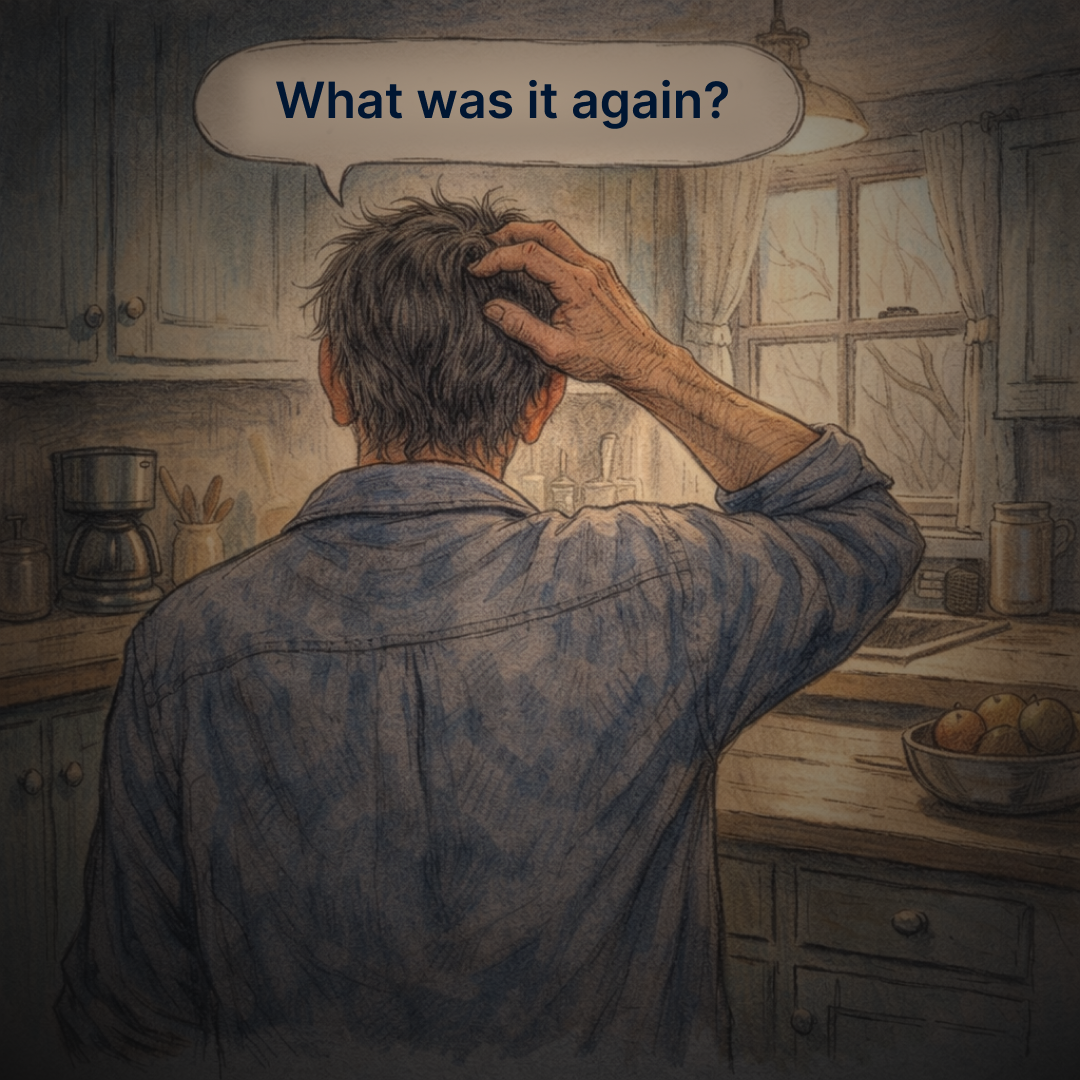
Ran for 1 day, from January 19 to January 20, 2026, the last day Crush saw it.
Run by Sarah Johnson on Facebook. Crush is not the advertiser and does not verify its claims. See this ad in Meta's Ad Library(opens in a new tab)
Want an ad like this for your product?
Crush makes new ad images for your product from this ad: your logo, your product photo, your offer.
Trials from $19.95 USD, then $79.95 USD a month. Cancel anytime.
About this ad
- Meta Ad Library ID
- 1700549174686081
- Platforms
- Facebook, Instagram, Audience Network, Messenger and Threads
- Relaunches
- 0
Ad text
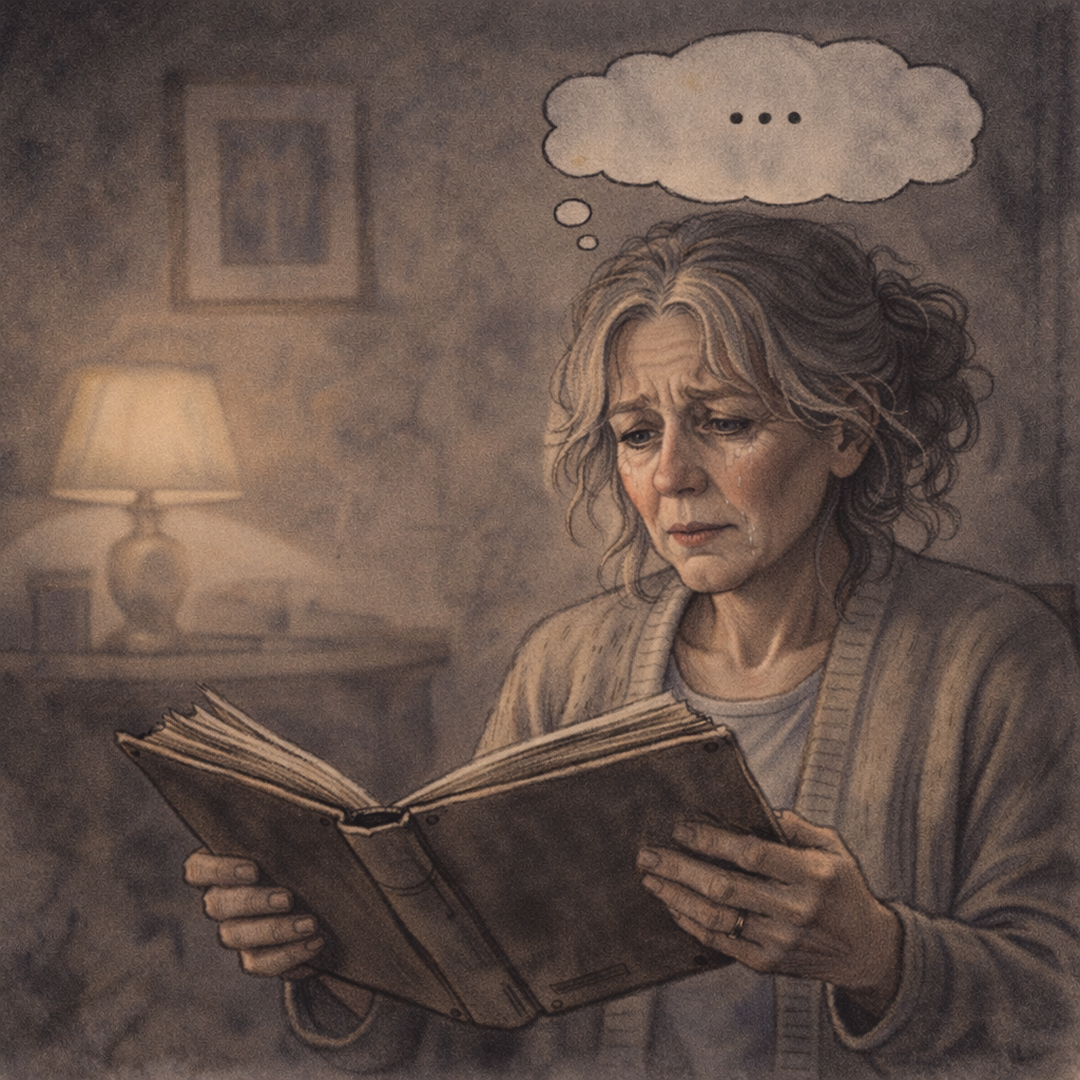
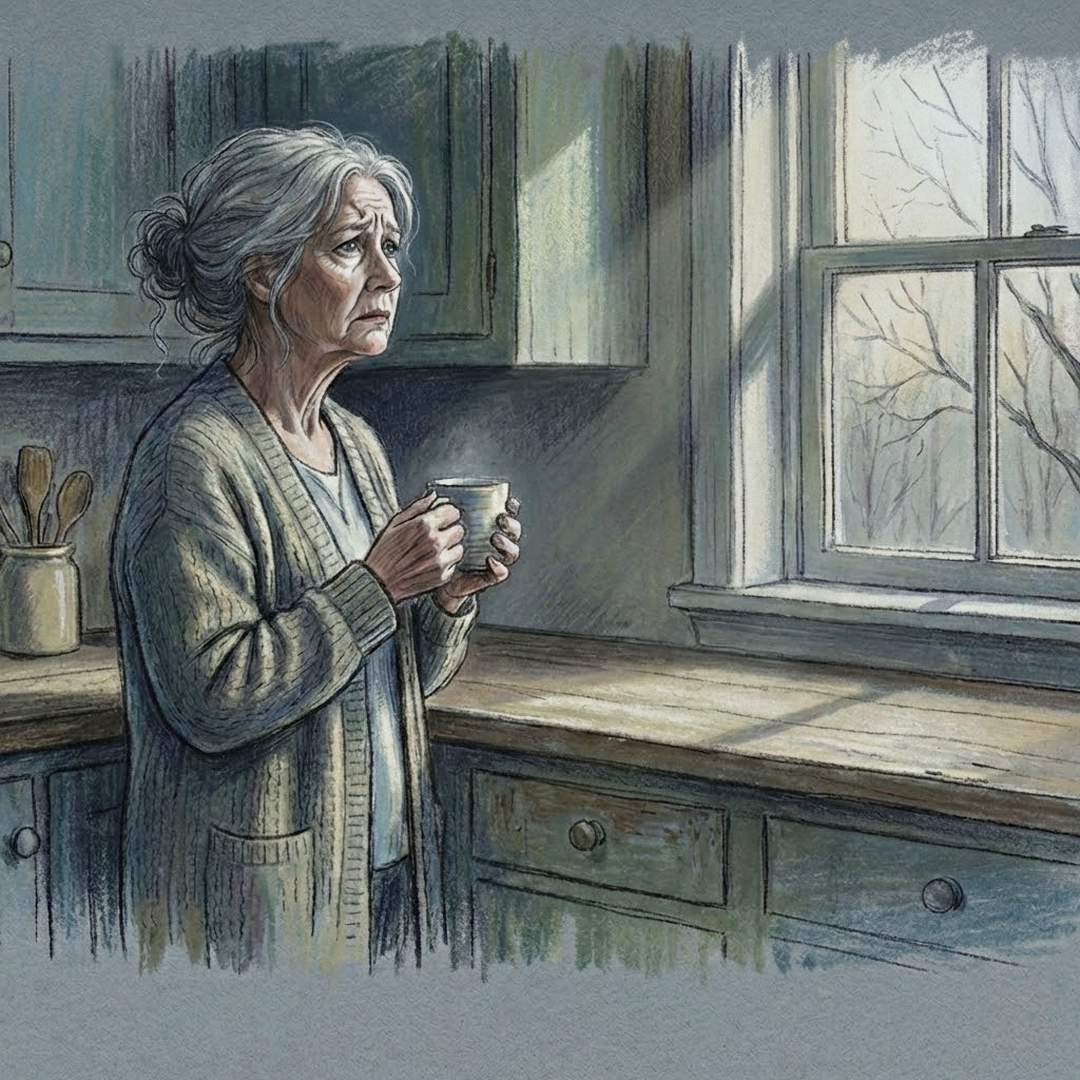
"Mrs. Wells, your brain is deteriorating. This is age-related cognitive decline. It's progressive. And I'm going to be honest with you—there's nothing we can do to stop it." My neurologist said those words like he was reading the weather forecast. But he was wrong. My name is Catherine Wells. I'm 69. Six months ago, I walked into my neurologist's office with a list of every terrifying thing happening to my brain. Dr. Morrison reviewed my charts, my scans, asked questions I couldn't answer because I kept losing my train of thought. Then he delivered the diagnosis that nearly broke me. "We can try medications. Aricept, maybe Namenda. But they don't reverse anything. Just... slow things down. Maybe." "So I just accept this?" He looked at me with pity. "This is what happens. It's part of aging." I walked out, sat in my car, and cried. Because he wasn't just talking about memory. He was talking about erasing my life. A day when I'd look at the man I've loved for decades and feel nothing. No recognition. No warmth. Just a stranger in my kitchen. A day when my daughter would say, "Mom, it's me," and I'd smile politely—because her voice, the one I carried inside me for nine months, would mean nothing. A day when I would still be breathing... but the person I am would already be gone. The most terrifying part? Knowing I'd still be alive when it happened—aware enough to feel the fear, powerless to stop it. That night, I couldn't sleep. His words played on repeat. But something inside me refused to accept it. I'd spent 40 years as a teacher. Raised three children. And now I was supposed to just fade away? No. The next morning, I started researching. Desperately. I read everything. Medical articles. Studies. Forums filled with people like me—terrified, fading. Everywhere, the same recycled advice: "Try brain games." "Meditate." "Take pills." I tried them all. Nothing worked. I'm skeptical by nature. If something is going to change my mind, it has to survive scrutiny. So I kept digging. Past page one. Past page ten. Down the rabbit hole where the language gets technical. Where studies are buried and access is restricted. And that's where I found it. A single thread buried in a medical research forum. Posted by a retired NASA engineer named Howard. *"If your doctor told you there's nothing you can do about memory loss, they're lying or they don't know. There's a frequency protocol developed in the 1990s for astronauts. It was never released to the public. But it works."* I almost scrolled past it. But something made me click. Howard explained that in the late '90s, NASA funded a cognition study. Astronauts were experiencing serious memory problems—isolation and zero gravity were frying their minds. Neuroscientists developed something radical: a twelve-minute audio sequence using precise frequencies to "reset" brainwave patterns. They called it the Brain Song. It worked. Results were documented in a restricted journal. Then...the research disappeared. Buried. Because once your brain switches back on, you have an edge. And people protect their edges. Howard had used the protocol for years. After his wife started showing signs of dementia, he couldn't keep it to himself anymore. He posted a link. I clicked it. It wasn't music. It was structured. Mathematical. Like sound designed by engineers. I put on headphones, closed my eyes, and let it play. At first, I felt nothing. Then something shifted. My shoulders relaxed. My breathing slowed. The constant buzzing anxiety I'd been carrying for months started to quiet. By the time it ended, I felt calm. Clear. Like someone had wiped the fog off a window. That night, I slept through for the first time in weeks. The next morning, something strange happened. I was making coffee when I suddenly remembered my childhood piano teacher: Mrs. Albright. I hadn't thought about her in fifty years. Then, reading the newspaper, I retained everything. I could summarize the articles to my husband without re-reading them. At first, I thought it was a fluke. But then it kept happening. Day three: I remembered my best friend's phone number from high school. Day five: I cooked my mother's beef stew without checking the recipe. Day seven: My daughter mentioned a conversation from "last Tuesday." I corrected her. "Wednesday. 2 p.m." She went silent. "Mom... how?" I kept listening. Twelve minutes. Every night. By week two, my husband noticed. "You're sharper. Like you used to be." I started reading novels without forgetting chapters. I cooked complicated recipes without checking. My brain felt like a rusted machine someone had oiled. Three weeks later, I returned to Dr. Morrison. He ran the same tests. His face changed when he saw the results. "This is unusual. Your scores have improved significantly. Better than six months ago." He looked confused. "What have you been doing?" I smiled. "A twelve-minute audio protocol. Sound frequencies. NASA developed it in the '90s." He frowned. "There's no scientific basis—" "Then explain my scores." He couldn't. Most doctors don't know about this. It was never taught in medical school. Pharmaceutical companies don't sell it. There's no profit in it. It's just a protocol. One that works. Your brain isn't broken. It's offline. The Brain Song uses precise sound frequencies—layered, timed, calibrated—to shift your brain from fog into flow. It's not magic. It's neuroscience. After 90 days: ✓ I read and retain without re-reading ✓ I remember names, dates, conversations ✓ I sleep deeply and wake rested ✓ I focus for hours ✓ I feel like myself—sharp, present, alive My husband said it: "I got my wife back." This doesn't happen overnight. It's a twelve-minute daily practice that rebuilds what stress and aging eroded. But it works. The neuroscience is sound. Astronauts and elite performers have used this for decades. **So why isn't everyone doing this?** Because it was never meant for everyone. The research was published in a closed journal costing $5,000 per year. The few scientists who found it kept it quiet. But I believe everyone deserves access to their own mind. That's why I'm sharing this. Click below for a private video where Howard explains how it works and how you can access it. **This video keeps getting taken down.** Every time Howard posts it, it disappears within 48-72 hours. Last time: 36 hours. If you're reading this and the video is live... don't wait. Tomorrow, it might be gone. You risk nothing. You stand to gain everything. **👉 Click below to watch the private presentation before it's removed again.** Your brain isn't dying. It's just waiting to be turned back on. With hope, **Catherine Wells** Age 69 Former English Teacher Portland, Oregon
Where the ad sends people
brainsongoriginal.com
My Brain Was Fading. Then...
Disclaimer: This product is not intended to diagnose, treat, cure or prevent any disease. This site is not affiliated with Brenda Milner or her story. Inclusions are for educational purposes.
Learn more: brainsongoriginal.com(opens in a new tab)